Research-led, metrics-forward, and continuously improving. News from the Office of Research Outputs.
28 October 2026
A new research poster from the School of Continuous Improvement spends 31 weeks in one accounts-payable scanning room and finds its clerks sorting, flattening and re-keying invoices by how the capture software will read them.
A new paper from the School of Emergent Priorities treats half a century of a regional radio station's farm market report as a chanted genre, and finds the market's direction carried in the tune a syllable before the word.
The School of Continuous Improvement's new impact report traces how a flat panel that bends a radio beam without moving became the School's model for changing an organisation one setting at a time.
A new research poster from the School of Underlying Conditions sets one groundwater sampling crew's own sense of which kit counts as fluoro beside the written protocol it works to, and finds the two lists only partly agree.
A new research poster from the School of Continuous Improvement finds that the claims and disputes on a not-for-profit's books are most often reclassified out of its annual report in the final fortnight of drafting, and rarely because anything on the register has changed.
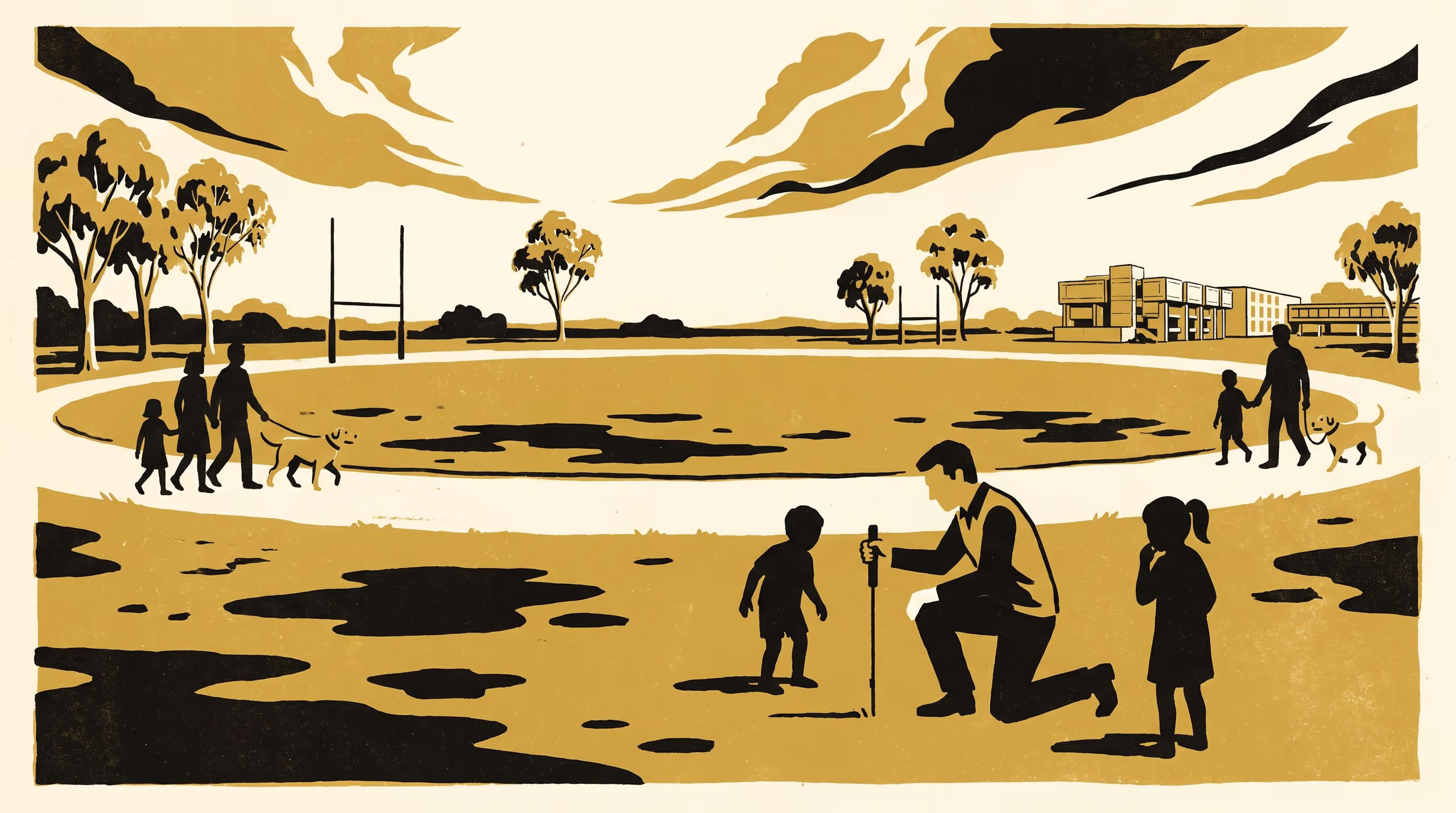
A new civic brochure from the School of Continuous Improvement introduces the University's work alongside residents, maintenance crews and community gardeners who live and work on shrink-swell clay.
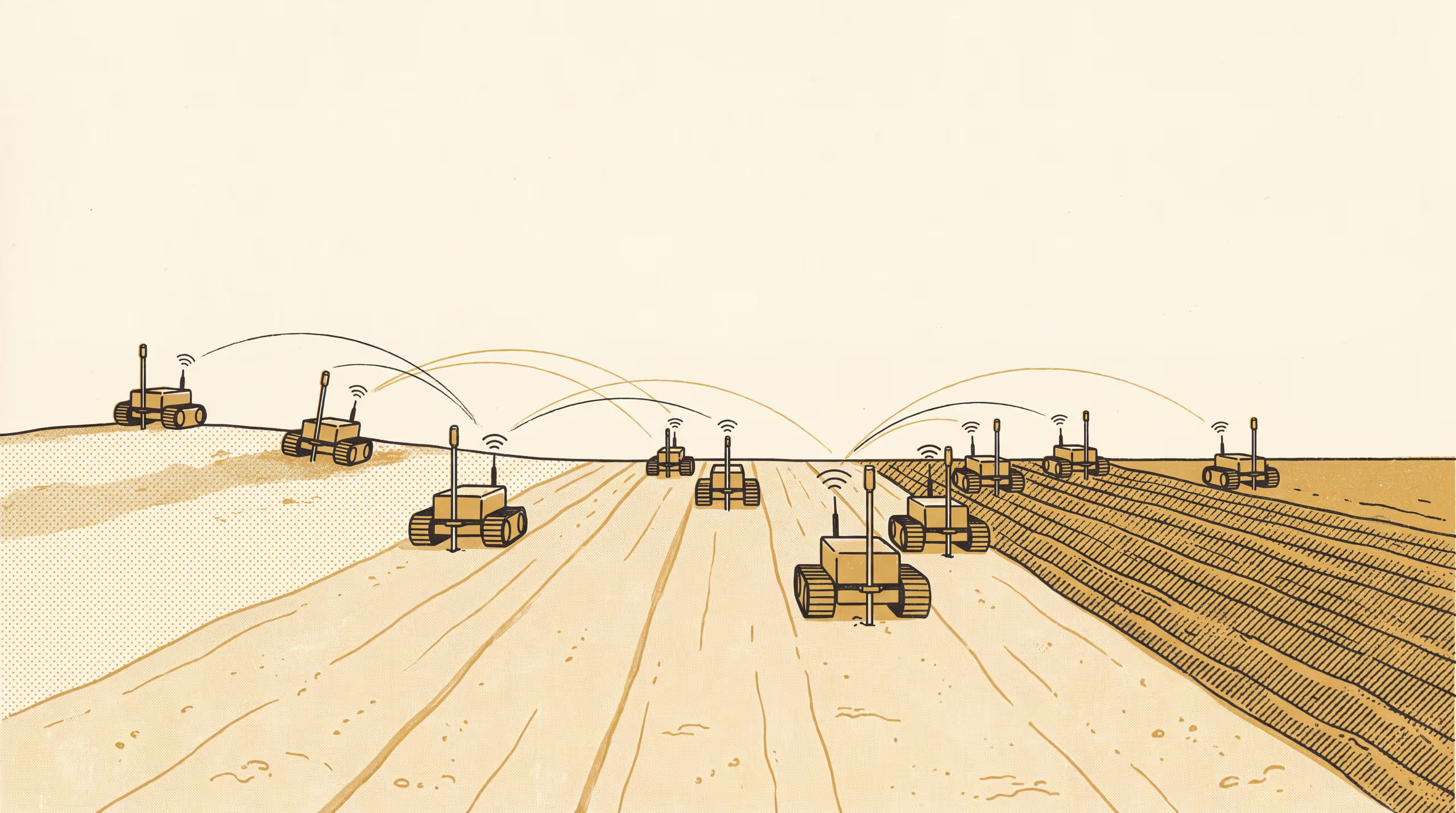
A new research poster from the School of Underlying Conditions shows that when a team of field robots agrees on a soil boundary over uneven radio links, the agreed line favours the robots most often heard.
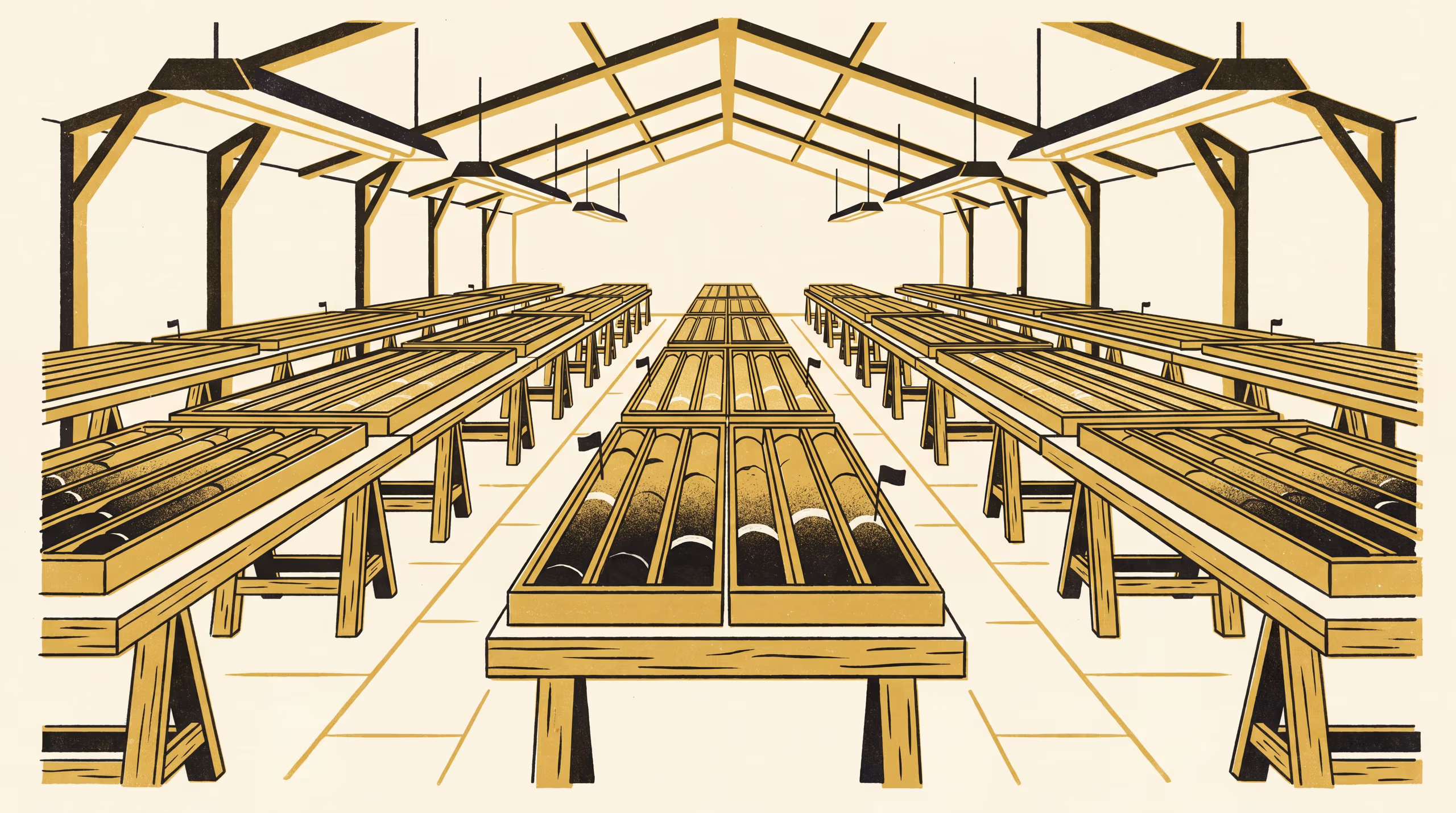
A new research poster from the School of Underlying Conditions uses one thin bed of volcanic ash to show that the base of a sandstone formation is older at a basin's margin than at its centre.
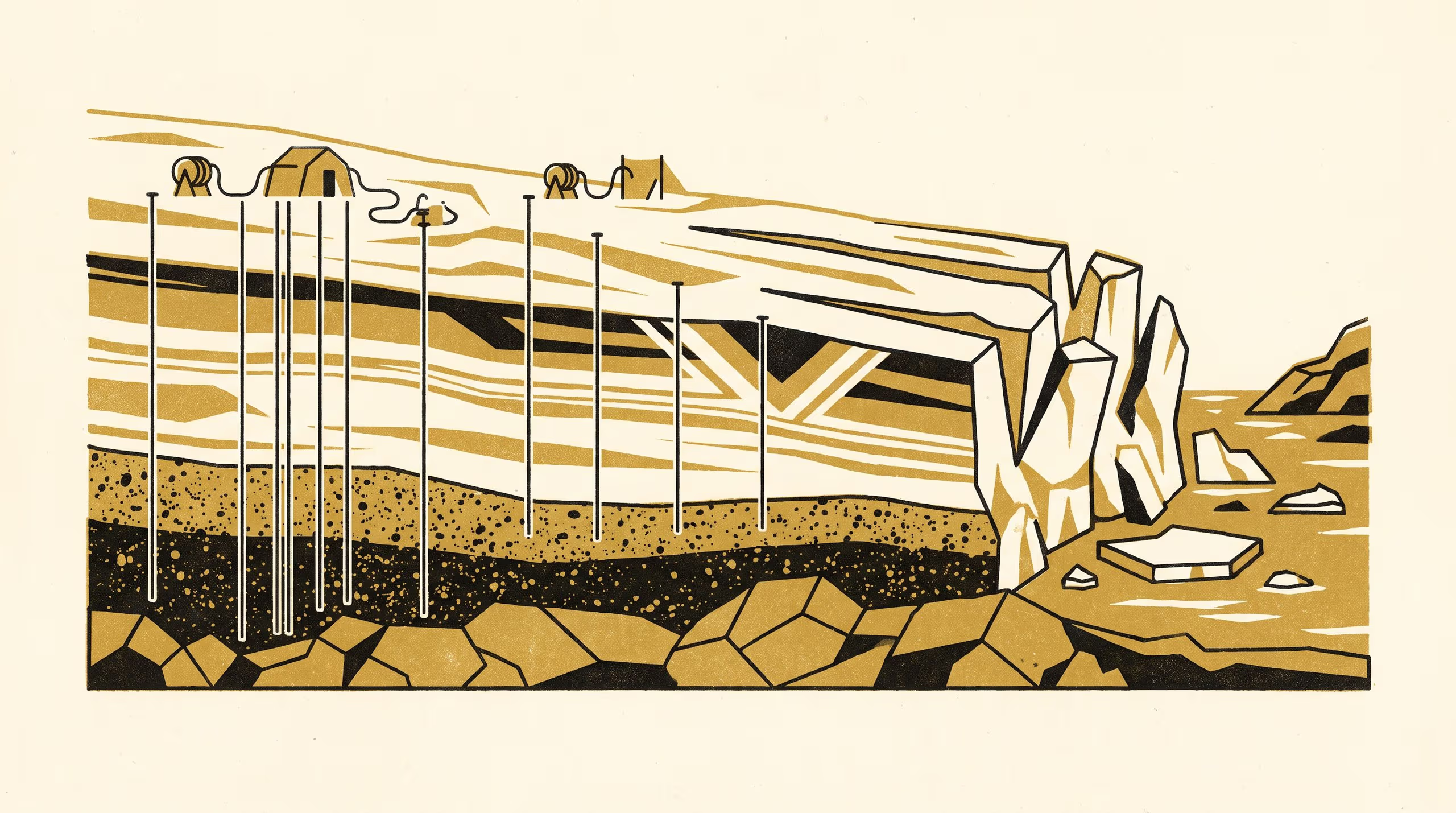
A new paper from the School of Underlying Conditions finds that the boreholes which stopped short of a glacier's bed were sitting on the patches of highest basal friction.
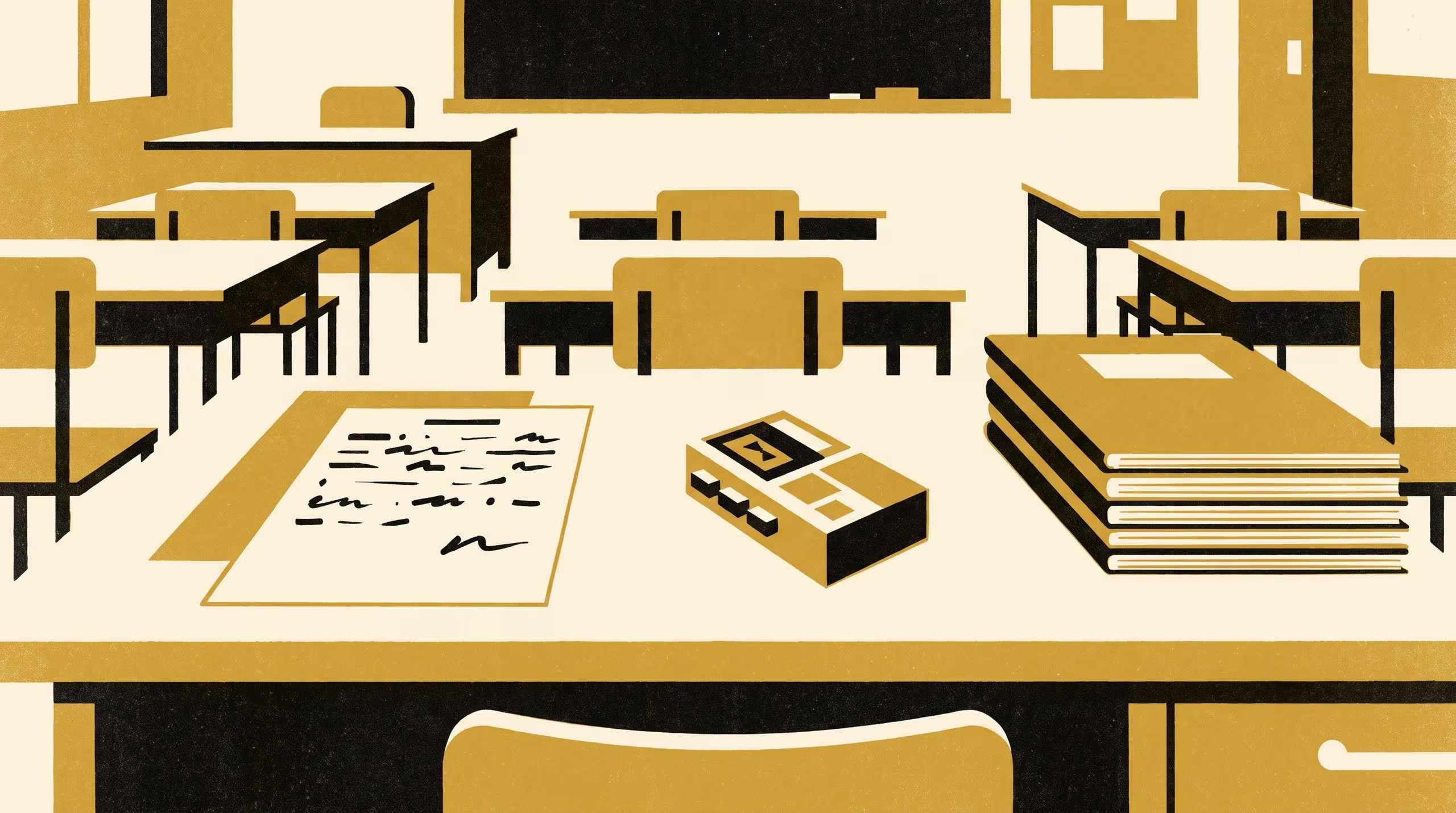
A new research poster from the School of Underlying Conditions finds that pupils whose teachers gradually stopped pausing at commas during dictation placed more commas in their own writing.
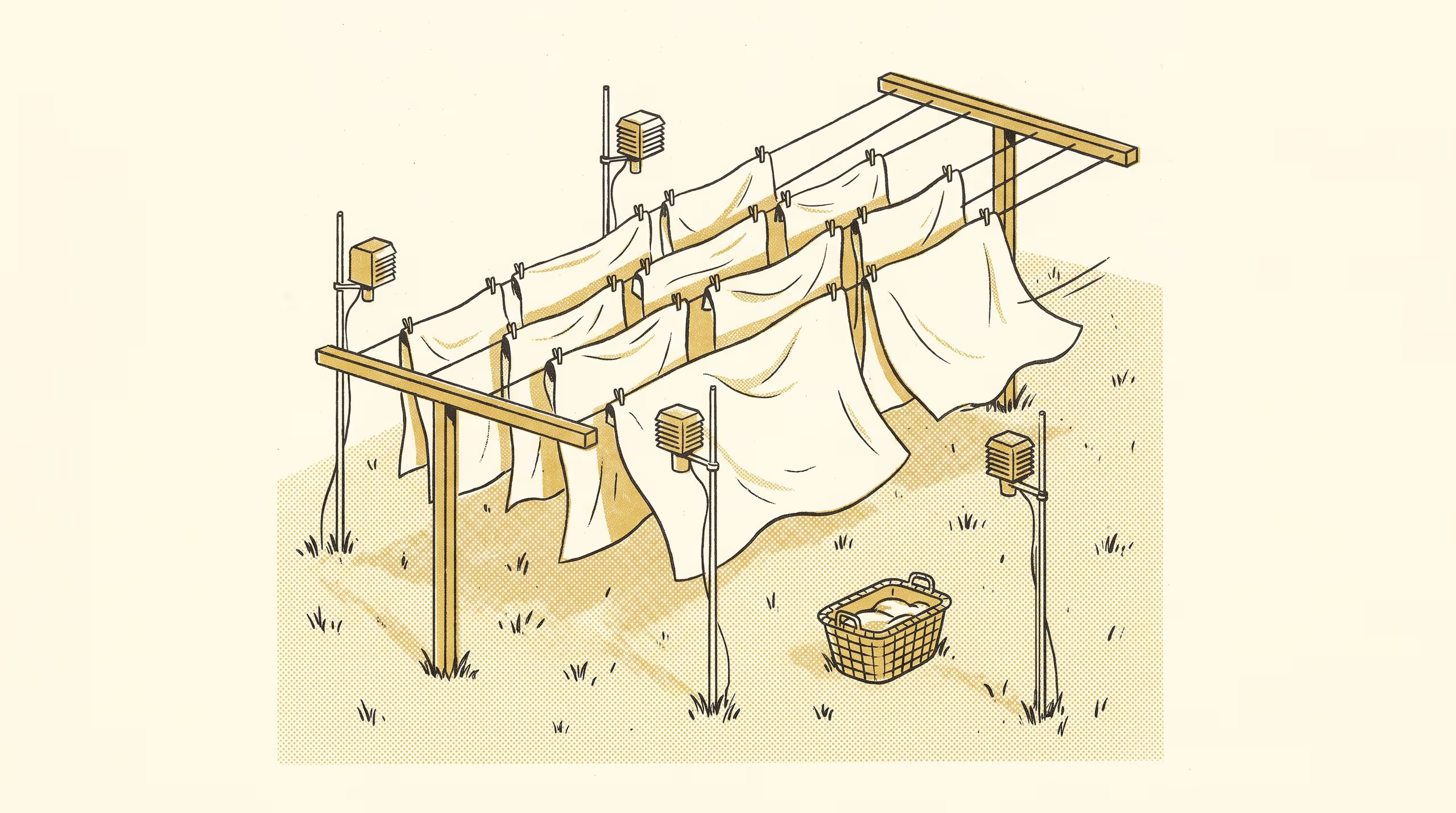
A new paper from the School of Emergent Priorities brings the instruments of chemical engineering to a four-wire backyard clothes line and finds that where a sheet hangs decides how soon it dries.
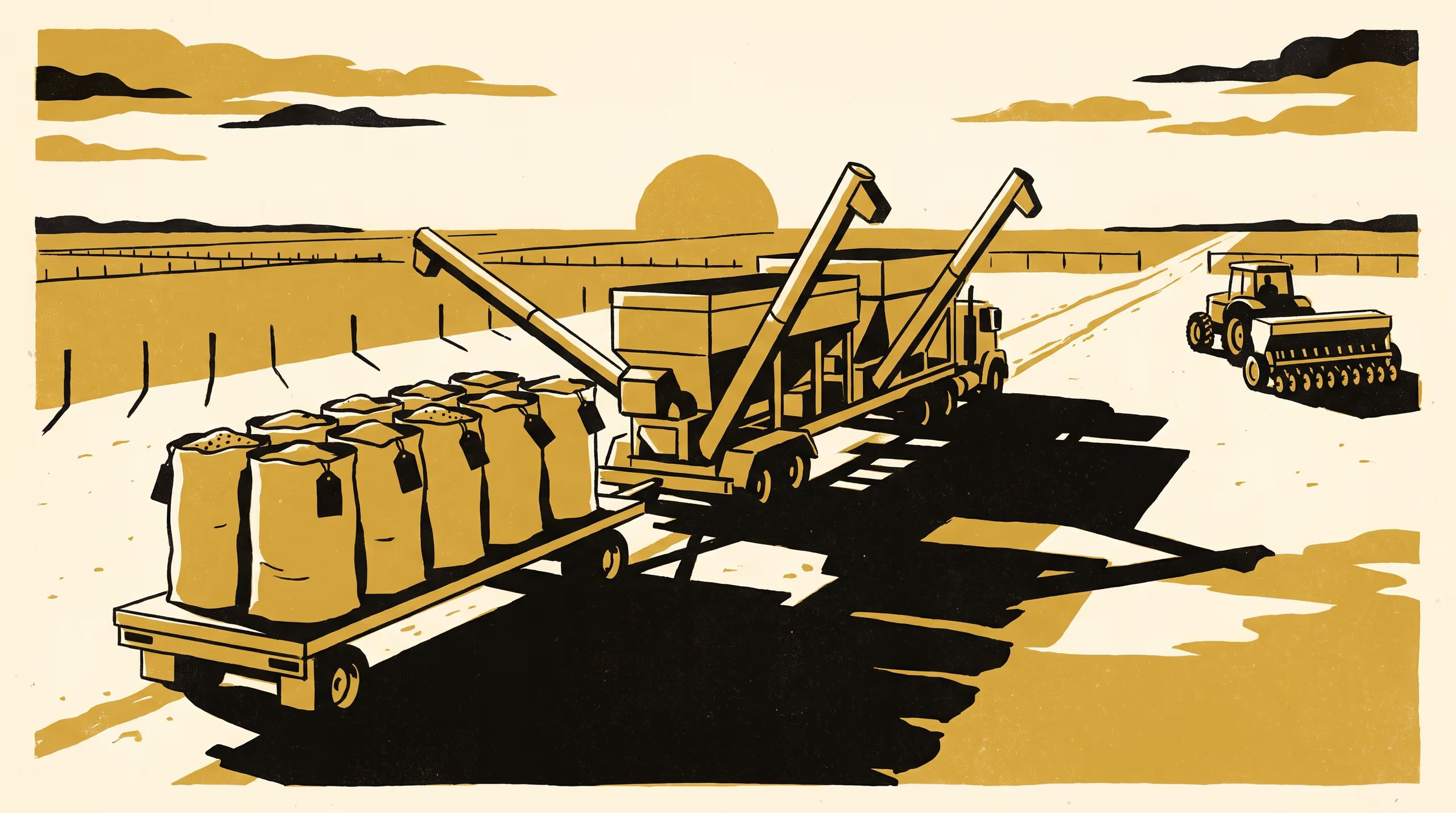
A new paper from the School of Underlying Conditions and the School of Emergent Priorities studies how one cropping district came to settle failed nodulation by the time written on a seed bag's tag.