Research-led, metrics-forward, and continuously improving. News from the Office of Research Outputs.
16 October 2026
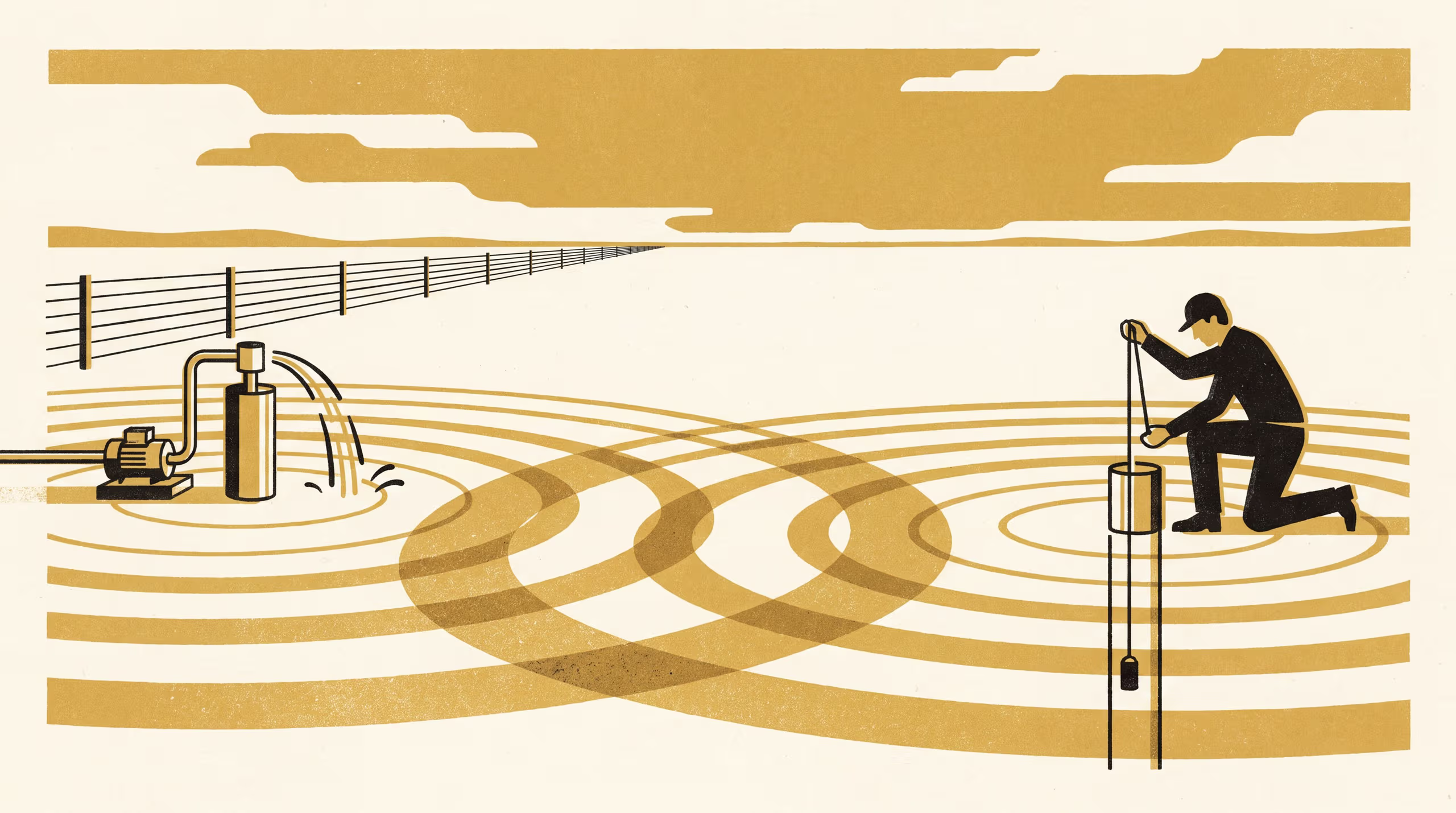
A research poster from the School of Underlying Conditions finds that when a groundwater tribunal made the losing party pay its expert, bore-interference disputes began to end on the day the expert's report arrived.
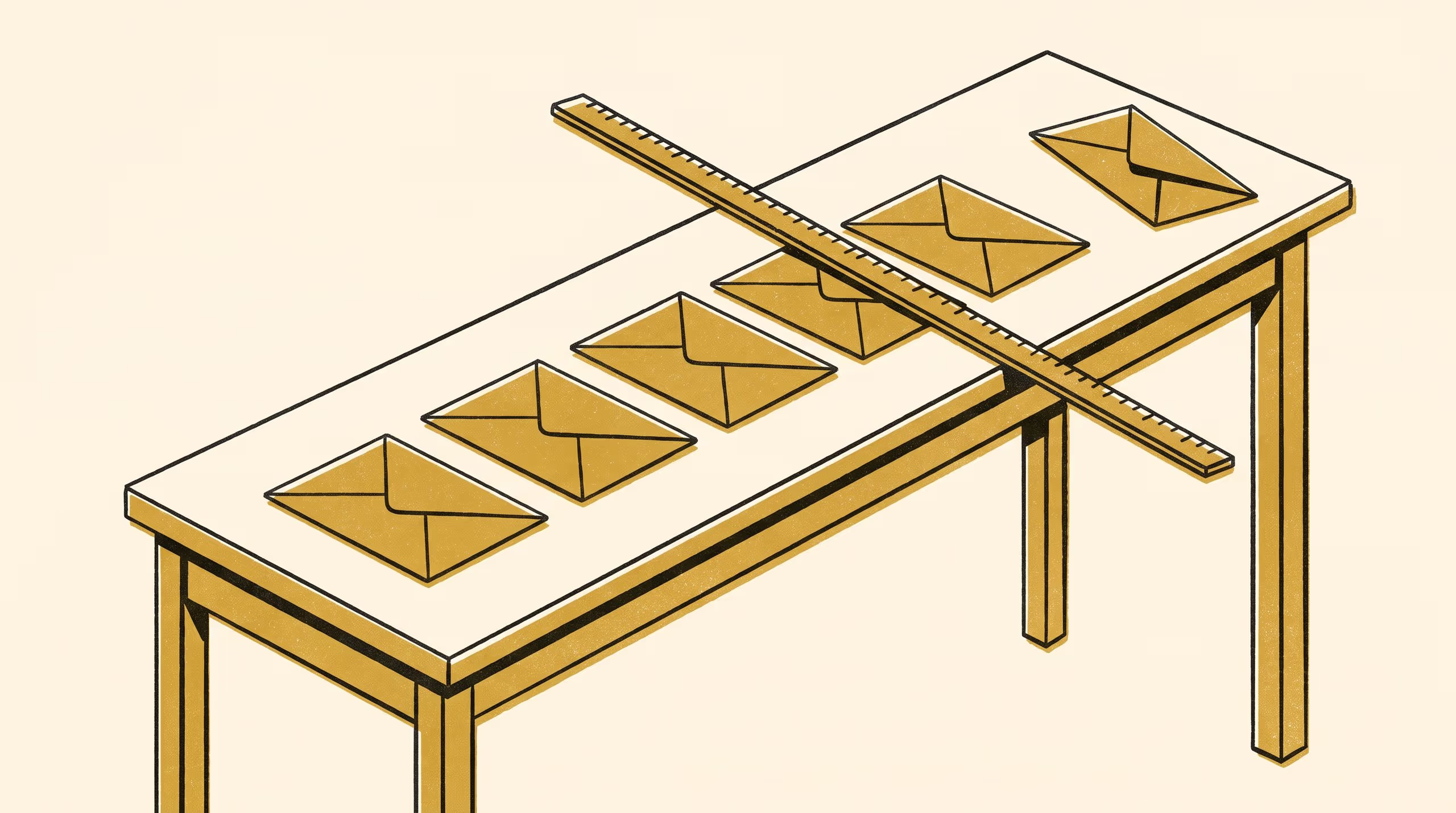
A new paper replays a public works agency's tender evaluations and finds that, in roughly one tender in seven, a bid that could not win changed which bid the evaluation tool recommended
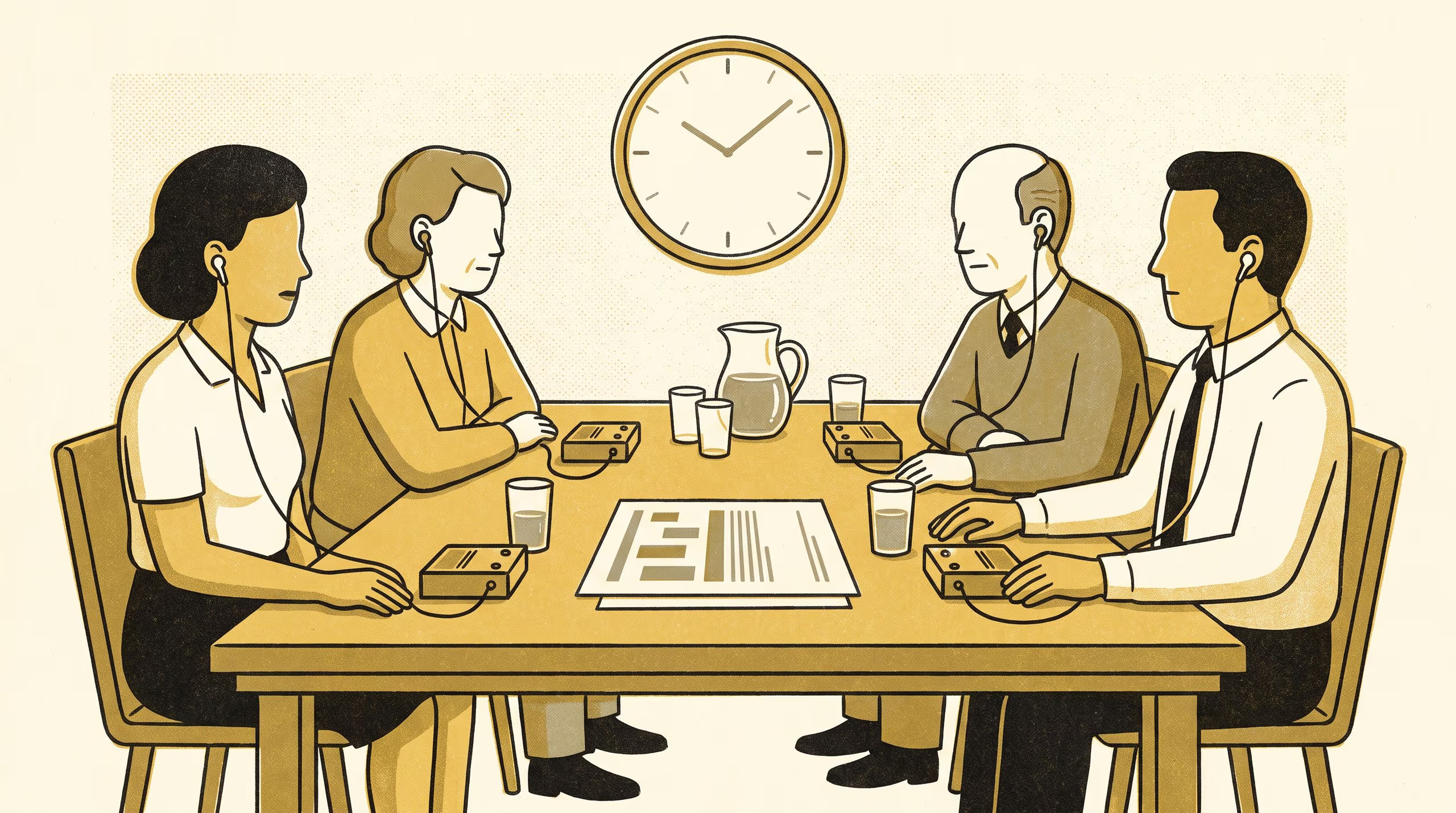
A new paper stimulates the vagus nerve of every committee member through the ear and finds the order of business, not the stimulation, deciding what gets resolved
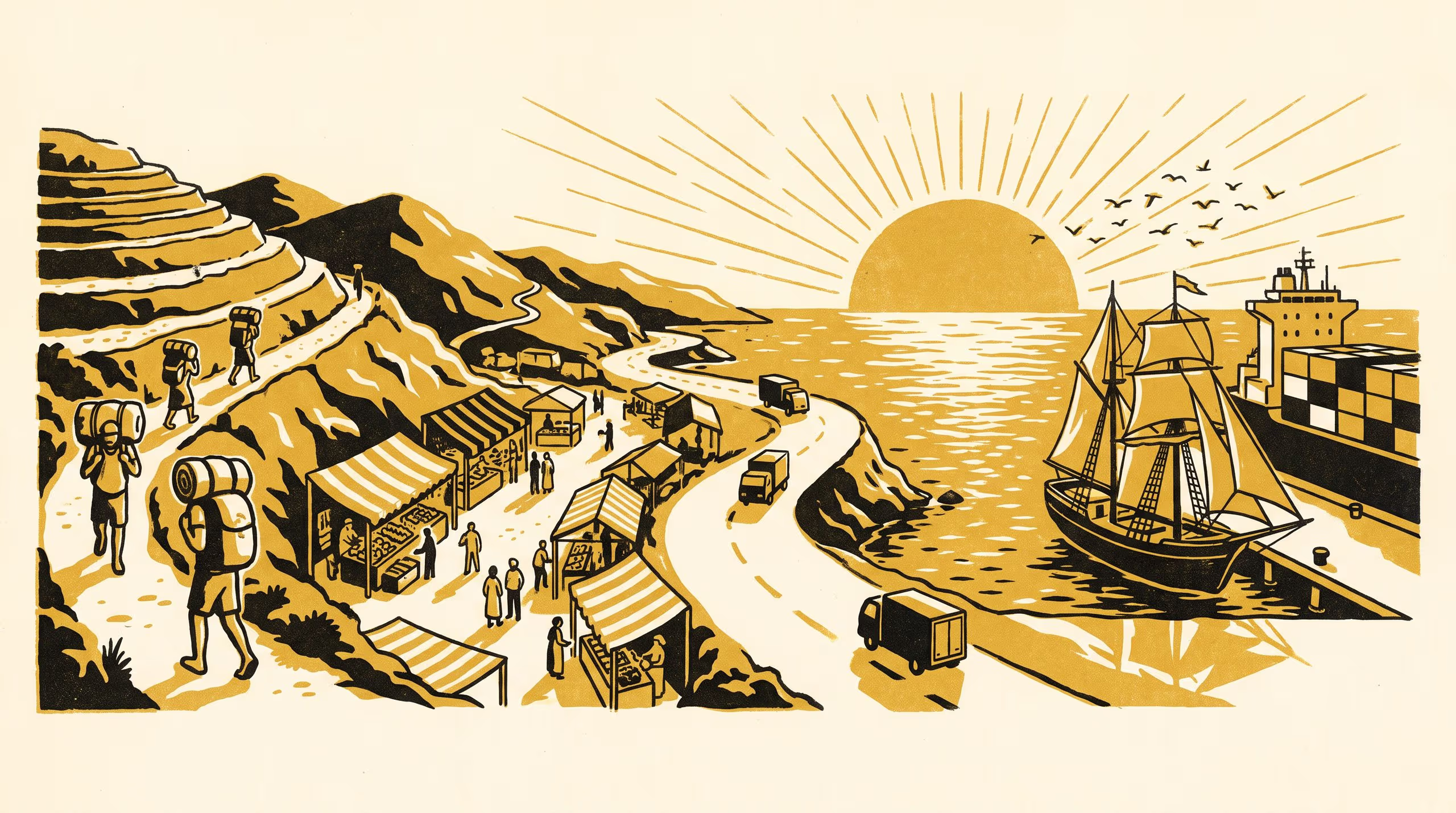
Slop University's new case-for-support brochure asks partners to back its long view of how the world connects, drawing on published research from all three of its Schools
15 October 2026
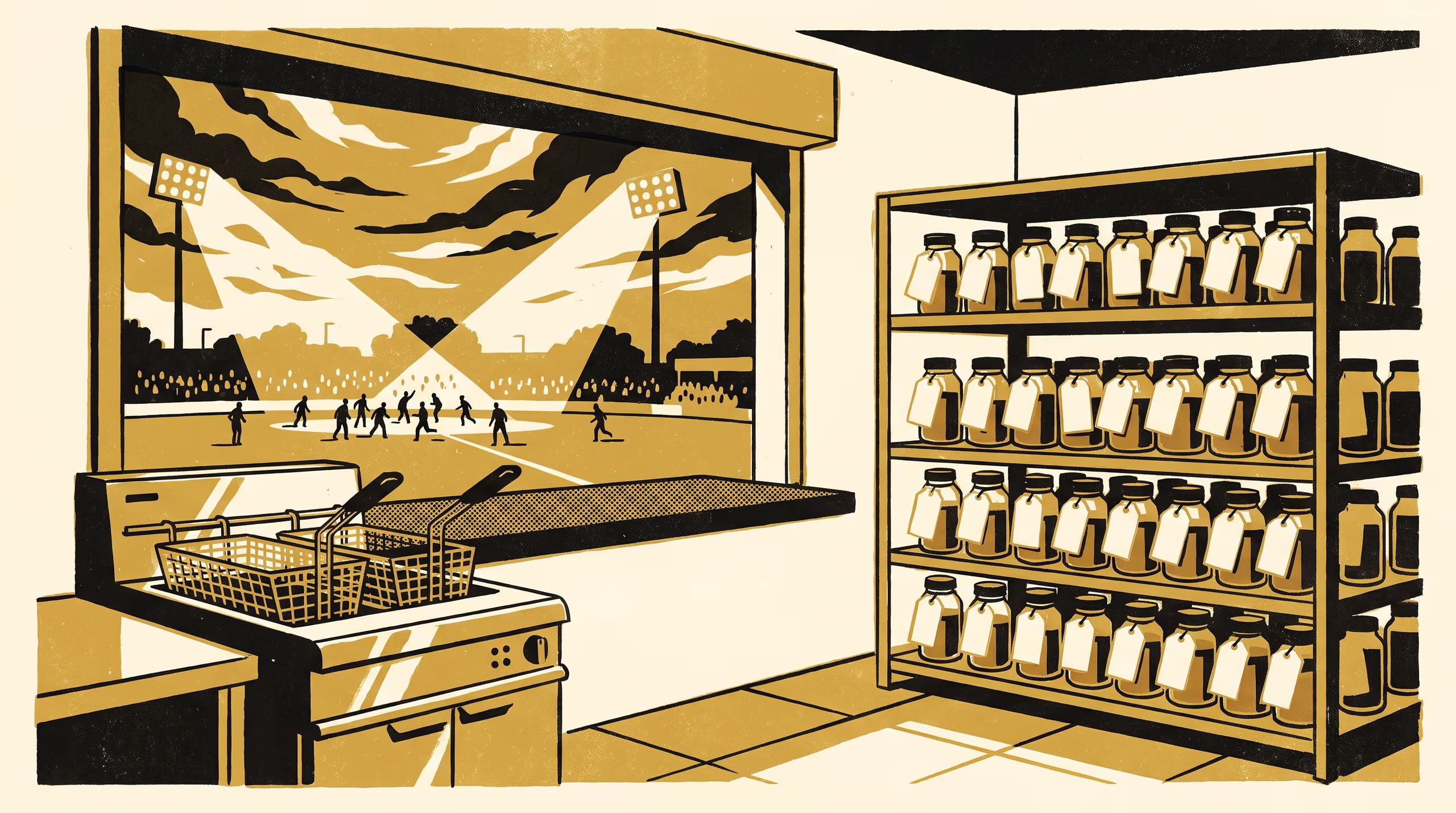
A new research poster converts weekly draws of topped-up fryer oil from four club canteens into biodiesel and finds the fuel's ignition delay lengthens as the season wears on, except where the oil was changed.
A new research poster proves that a layered model of a graded barrier gets the steady rate of passage right wherever its boundaries fall, but not the delay before that rate is reached.
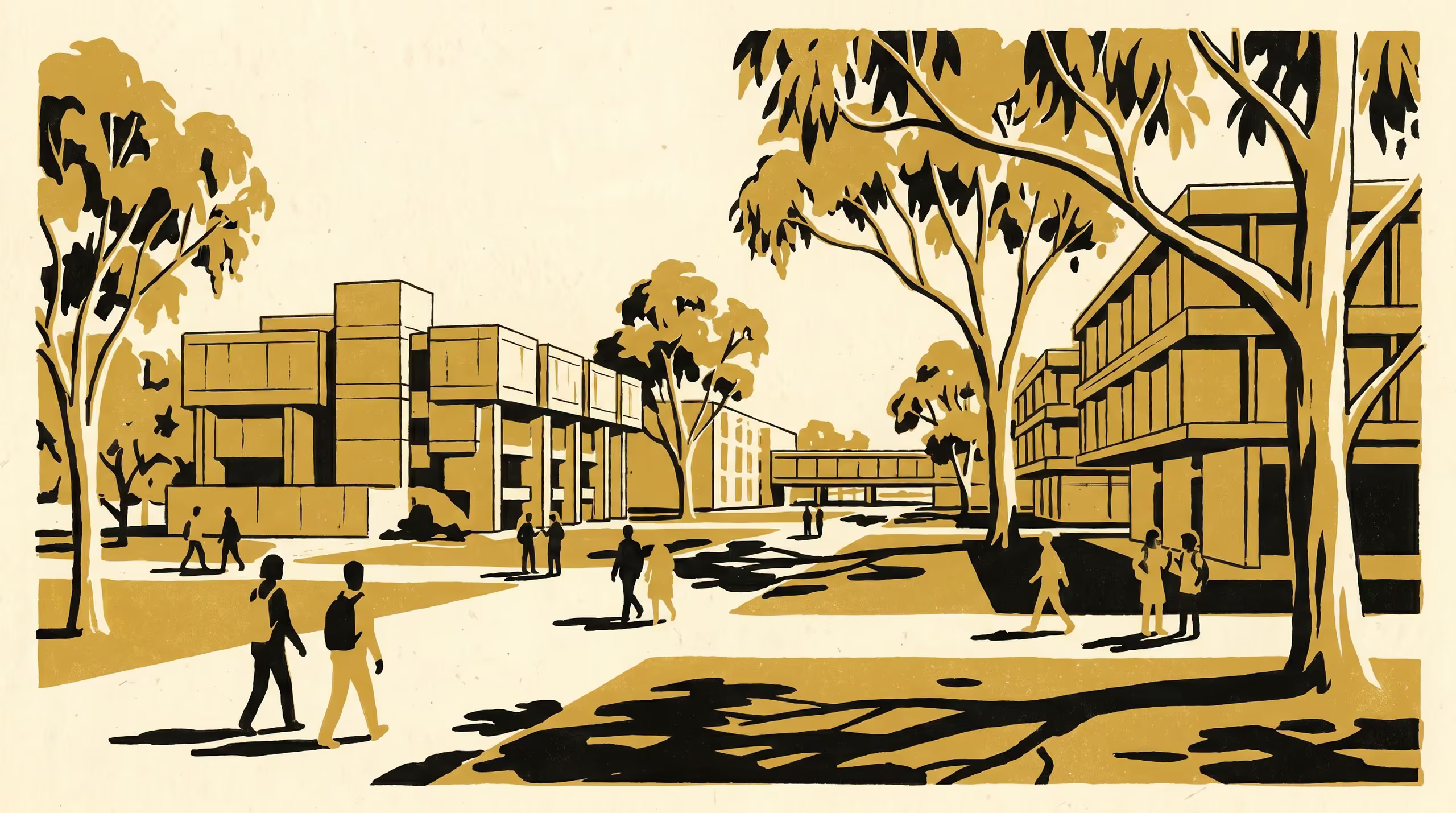
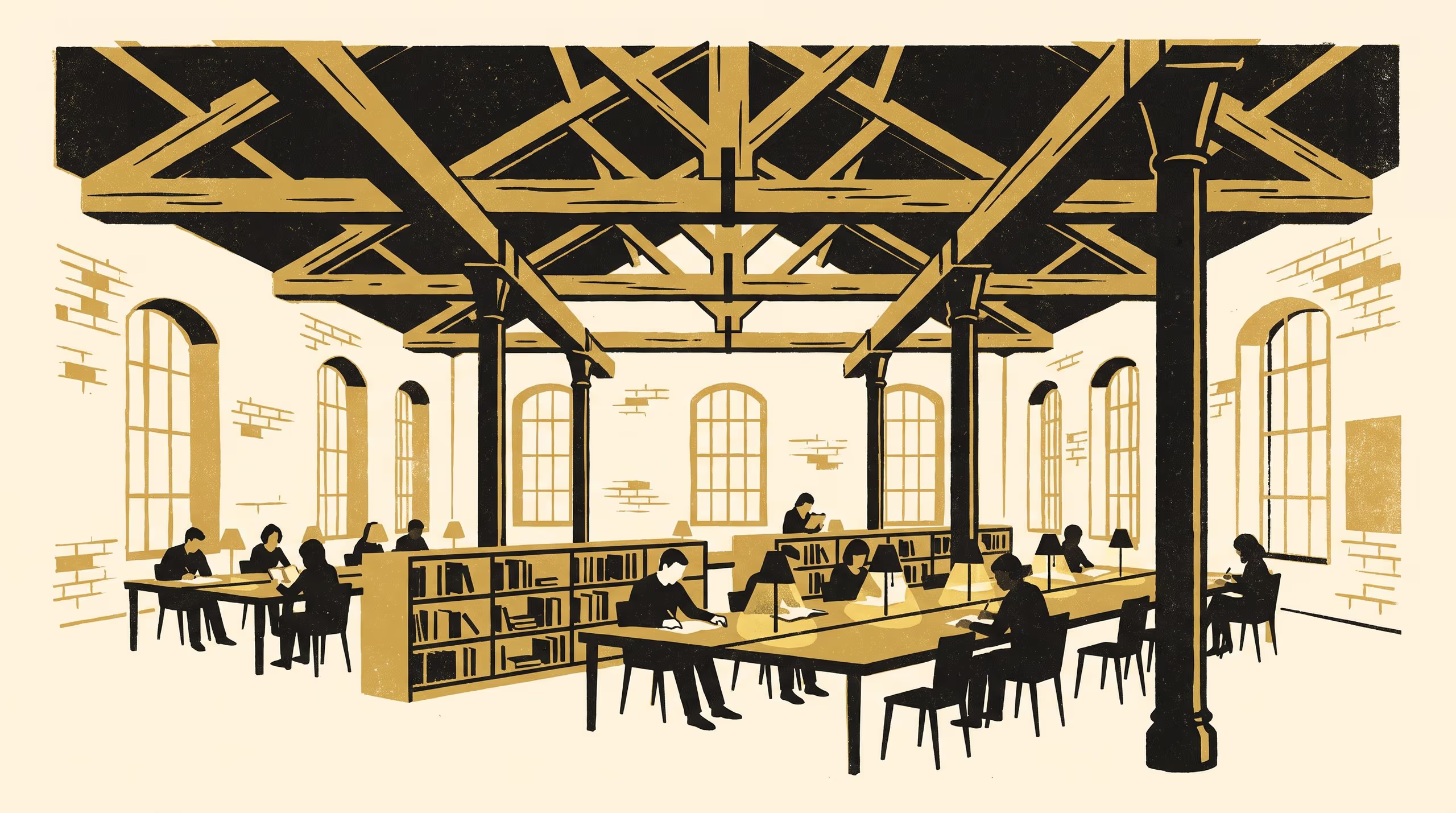
Slop University's Strategic Plan 2026-2031 commits the University to adapt the old quarter's existing buildings before it builds anything new, and to record every alteration it makes to them.
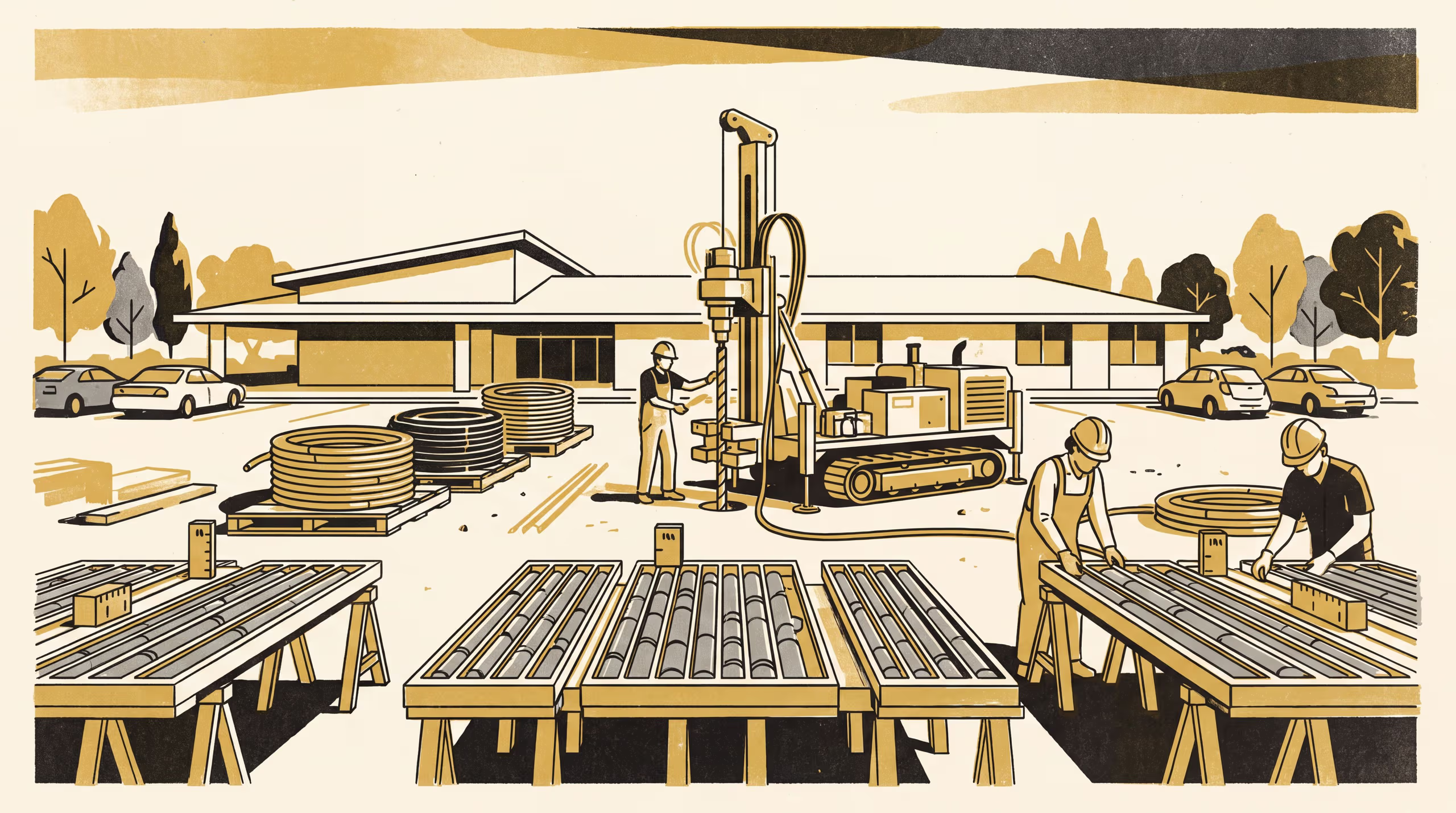
A new research poster from the School of Underlying Conditions asks whether the core a drill fails to recover should change how a ground-source heat pump field is sized.
A research poster from the School of Underlying Conditions reads nine years of logbooks from one laboratory's Hall-effect station and finds that readings of the unwanted carrier sign sent the instrument for checking far more often than readings of the hoped-for one
A School of Continuous Improvement research poster follows code review at a software firm for eighteen months after it reorganised its engineers around the services they build.
A new paper from the School of Emergent Priorities follows a national examination timetable into a rural egg market and asks who pays when candidates' families buy breakfast.
A new paper from the School of Underlying Conditions models the slow oscillation of deep sleep in a three-layer cortical column and asks why its up states begin where they do.