Research-led, metrics-forward, and continuously improving. News from the Office of Research Outputs.
29 October 2026
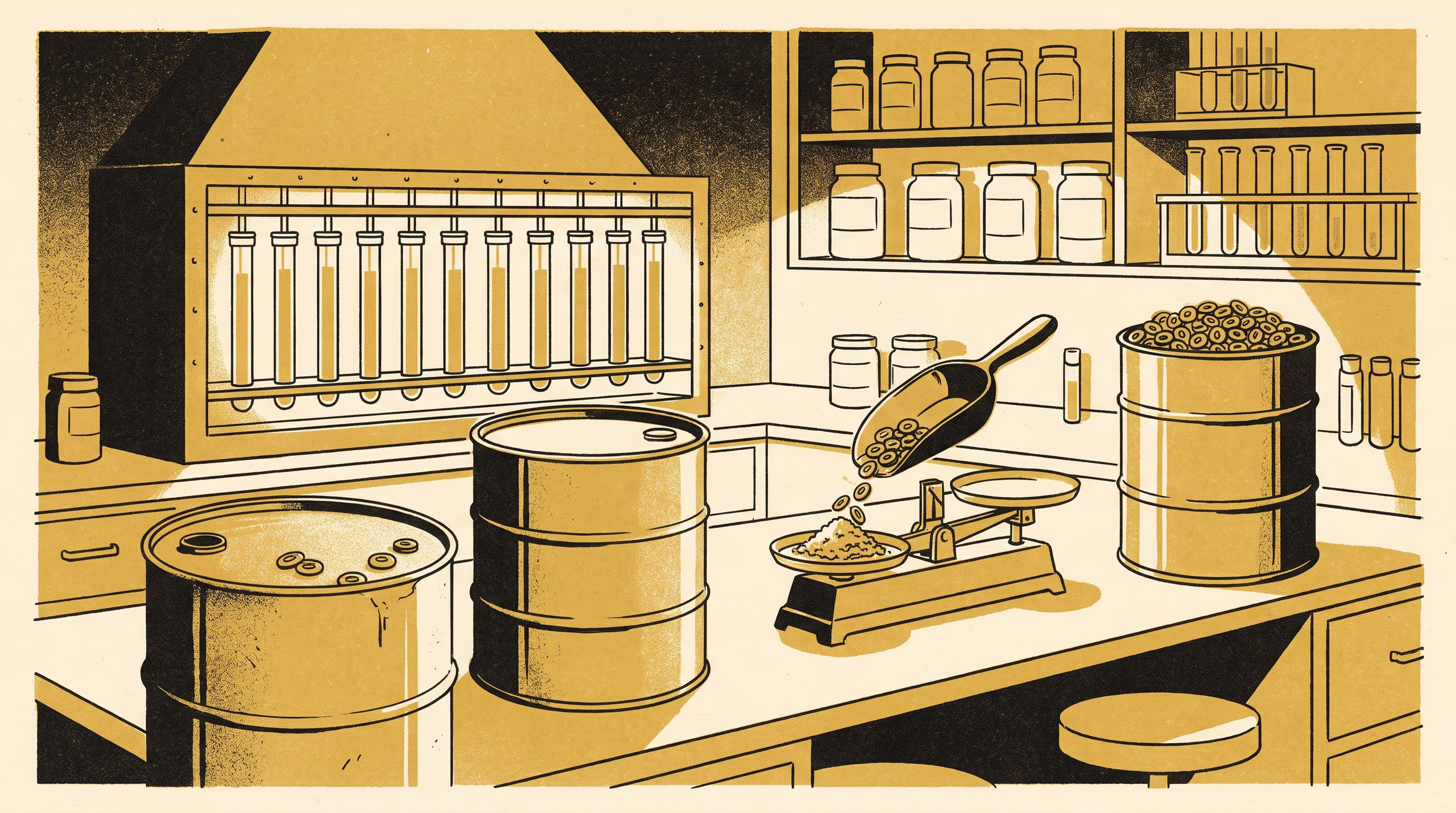
Associate Professor Ragnhild Uzoma reads thirty-three years of an industrial laboratory's notebooks to show how a reference catalyst kept its standing after the material itself ran out.
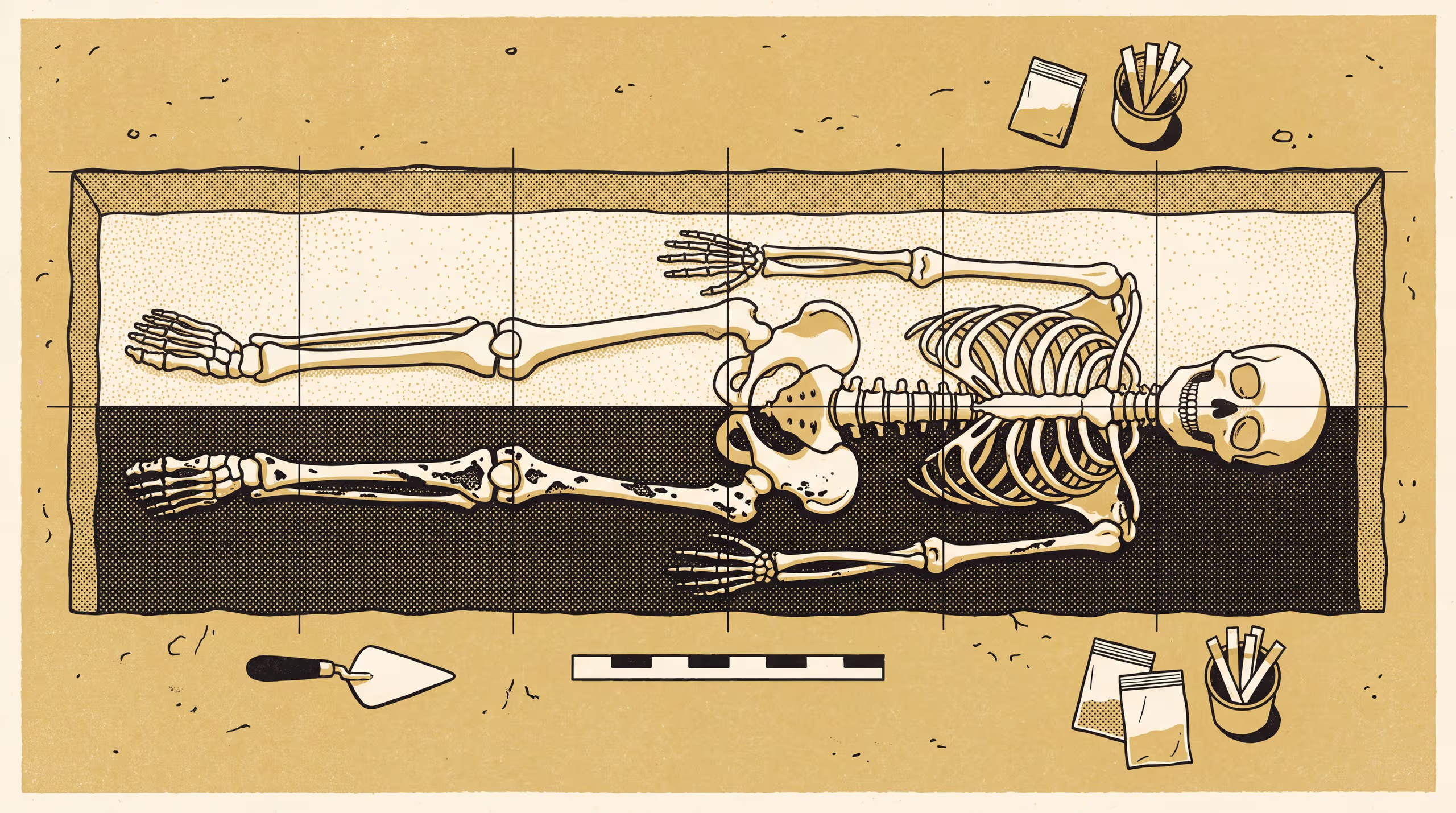
A new research poster maps the line between two soils through a single grave and finds that the eroded half of a skeleton was hiding its symmetry, not its health.
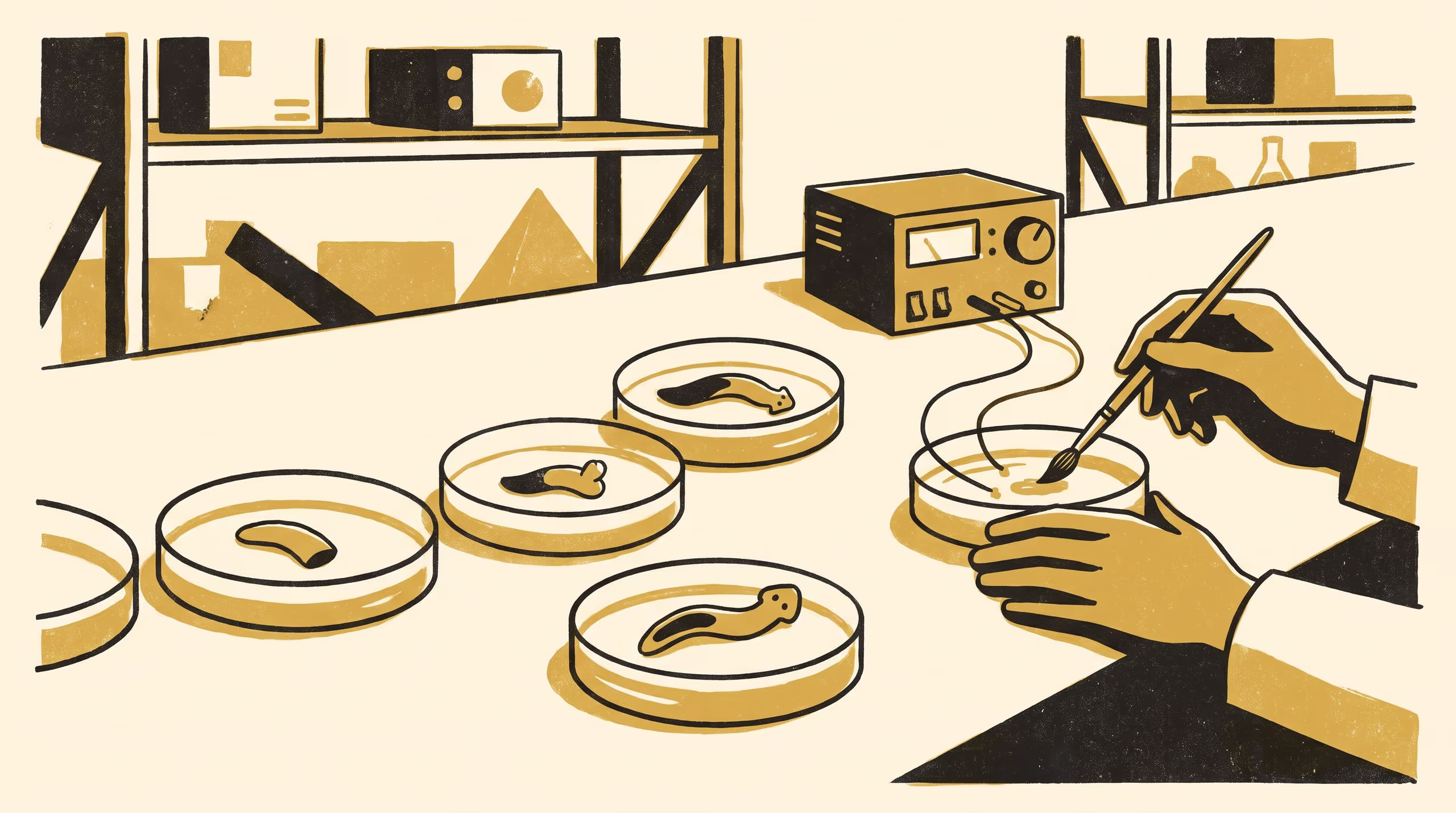
A civic brochure from the School of Underlying Conditions introduces the eyeless flatworms of the district's bores and springs, and invites the households and schools above the water to help keep count.
28 October 2026
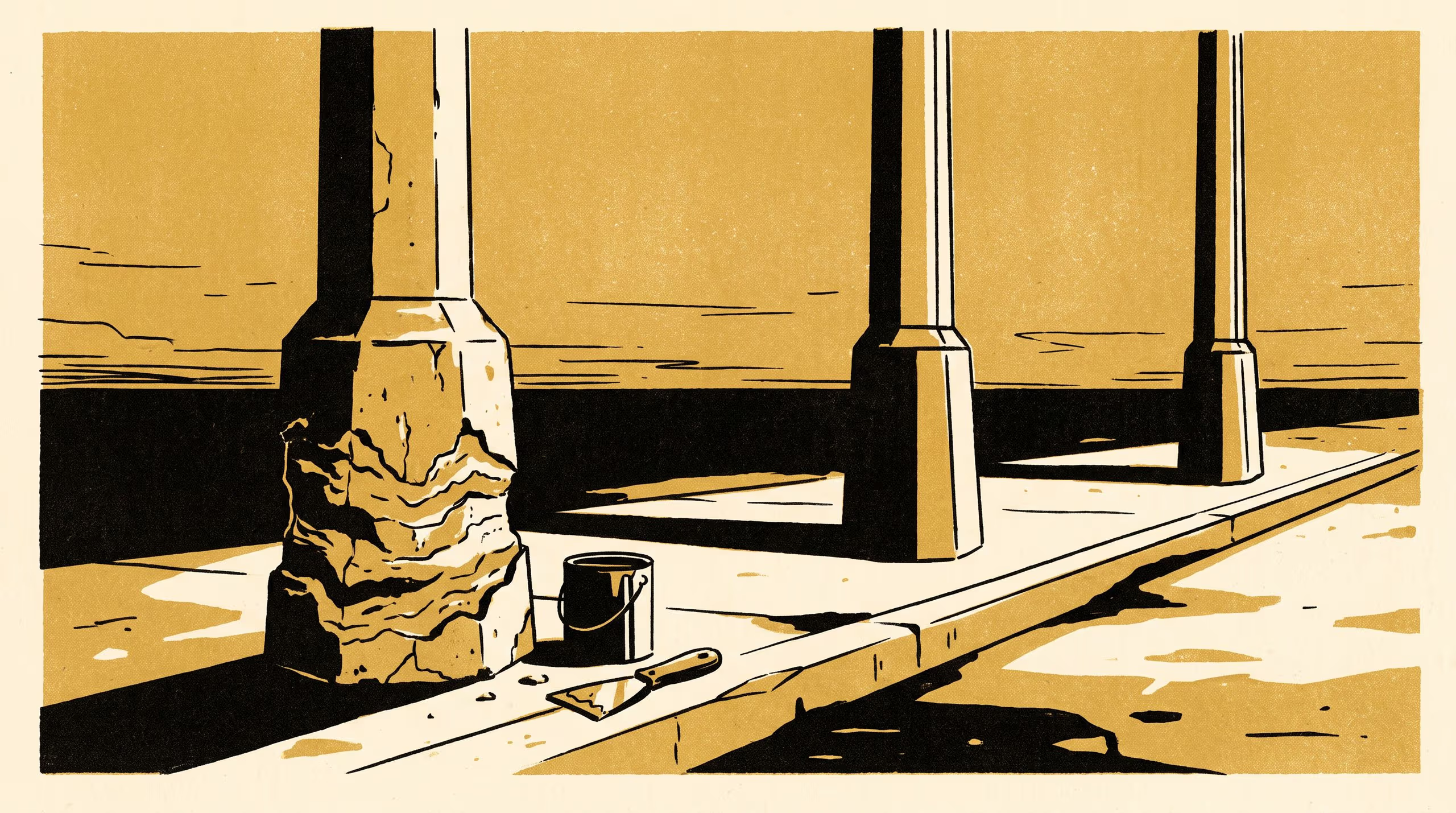
A new research poster from the School of Emergent Priorities finds that the street-lighting columns of one maintenance depot need repainting sooner with every coat they carry, and that stripping them back to bare steel now and then is the cheaper course over their working lives.
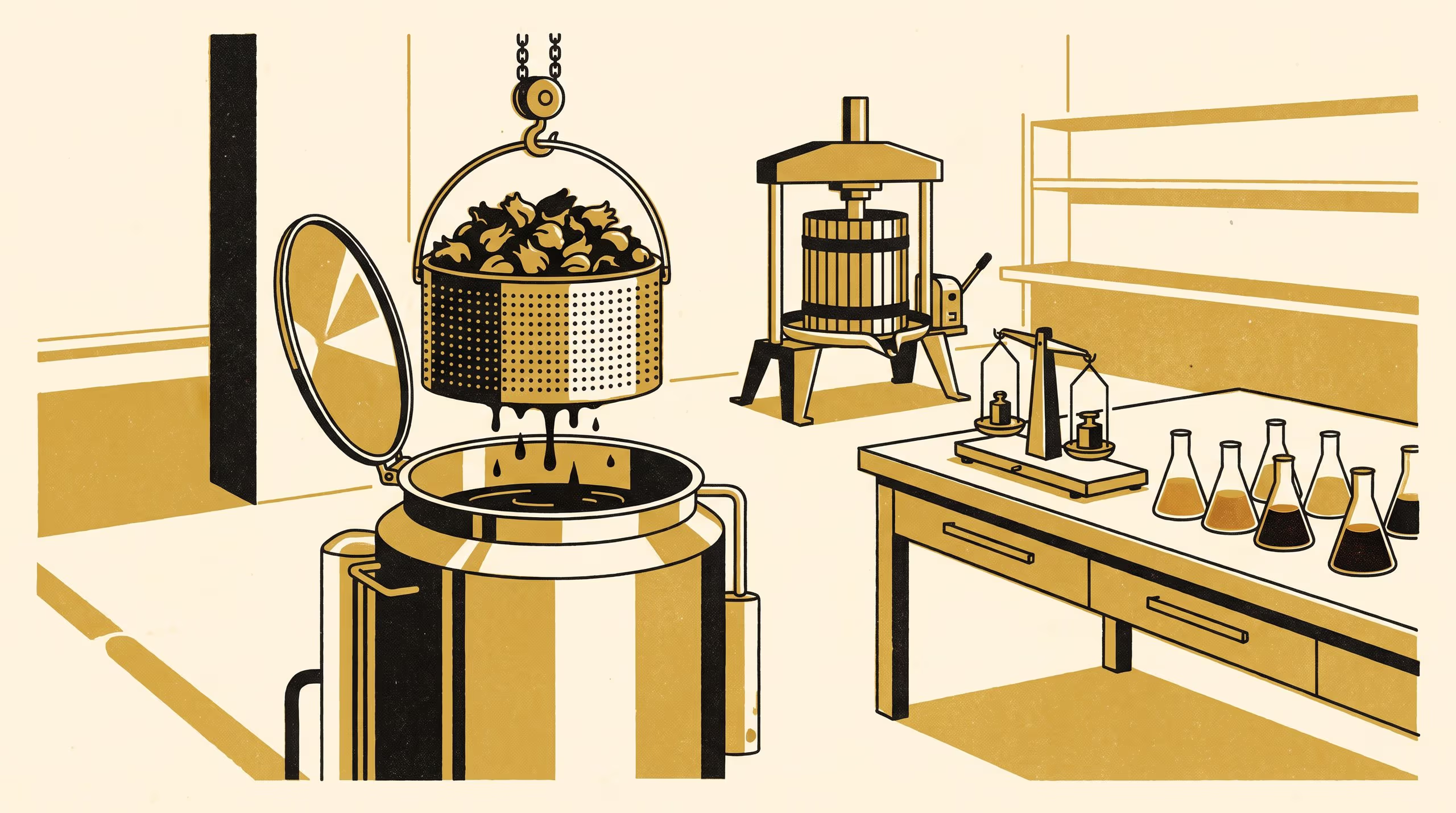
A paper from the School of Underlying Conditions follows twenty-four pilot decoctions of dried roselle calyces into every stream it could weigh, and records the share of the pigment that none of them held.
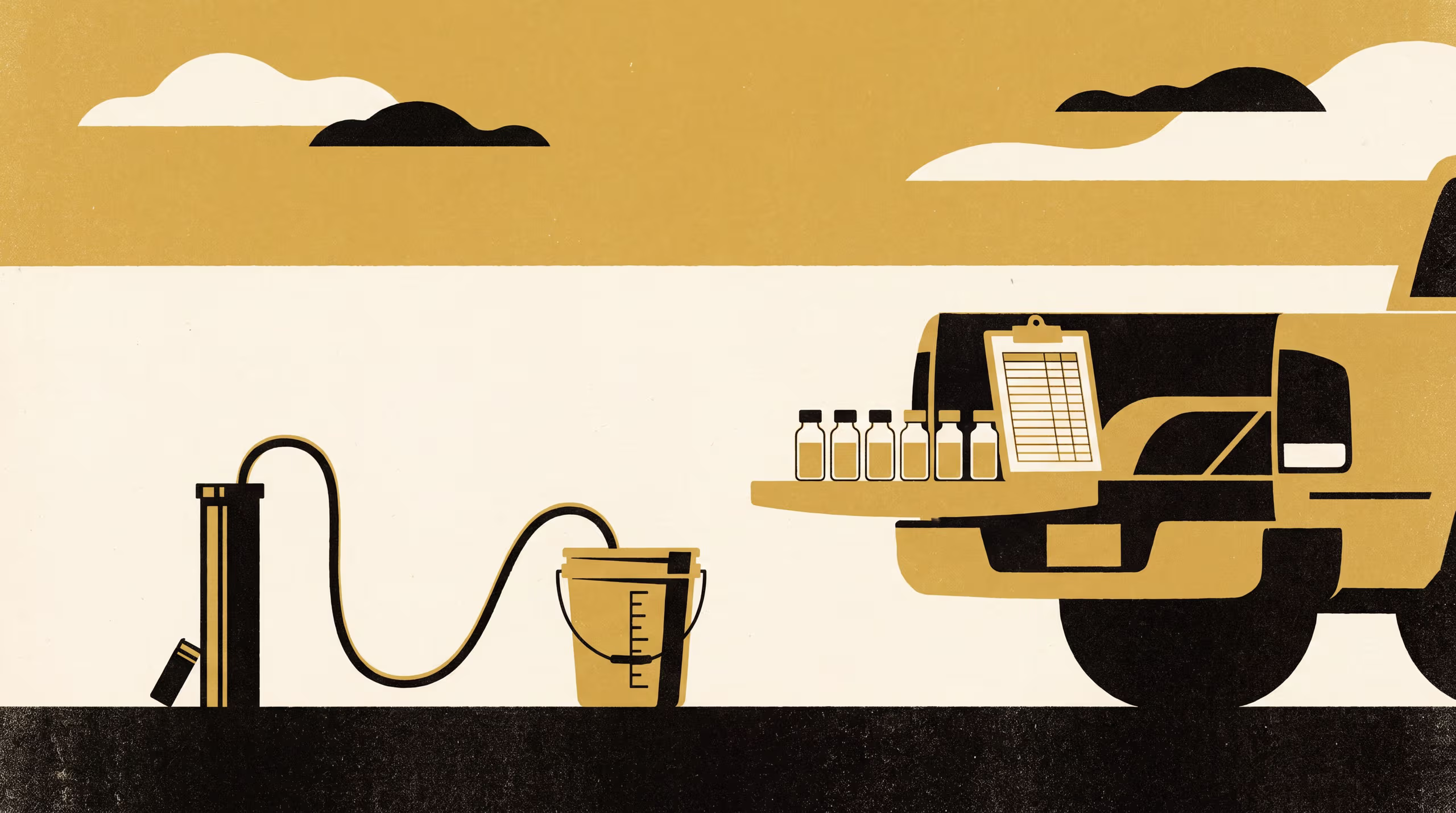
A research poster from the School of Underlying Conditions resolves three decades of archived spectra from one monitoring bore and finds a long rise in its organic-matter record followed how briefly the bore was purged.
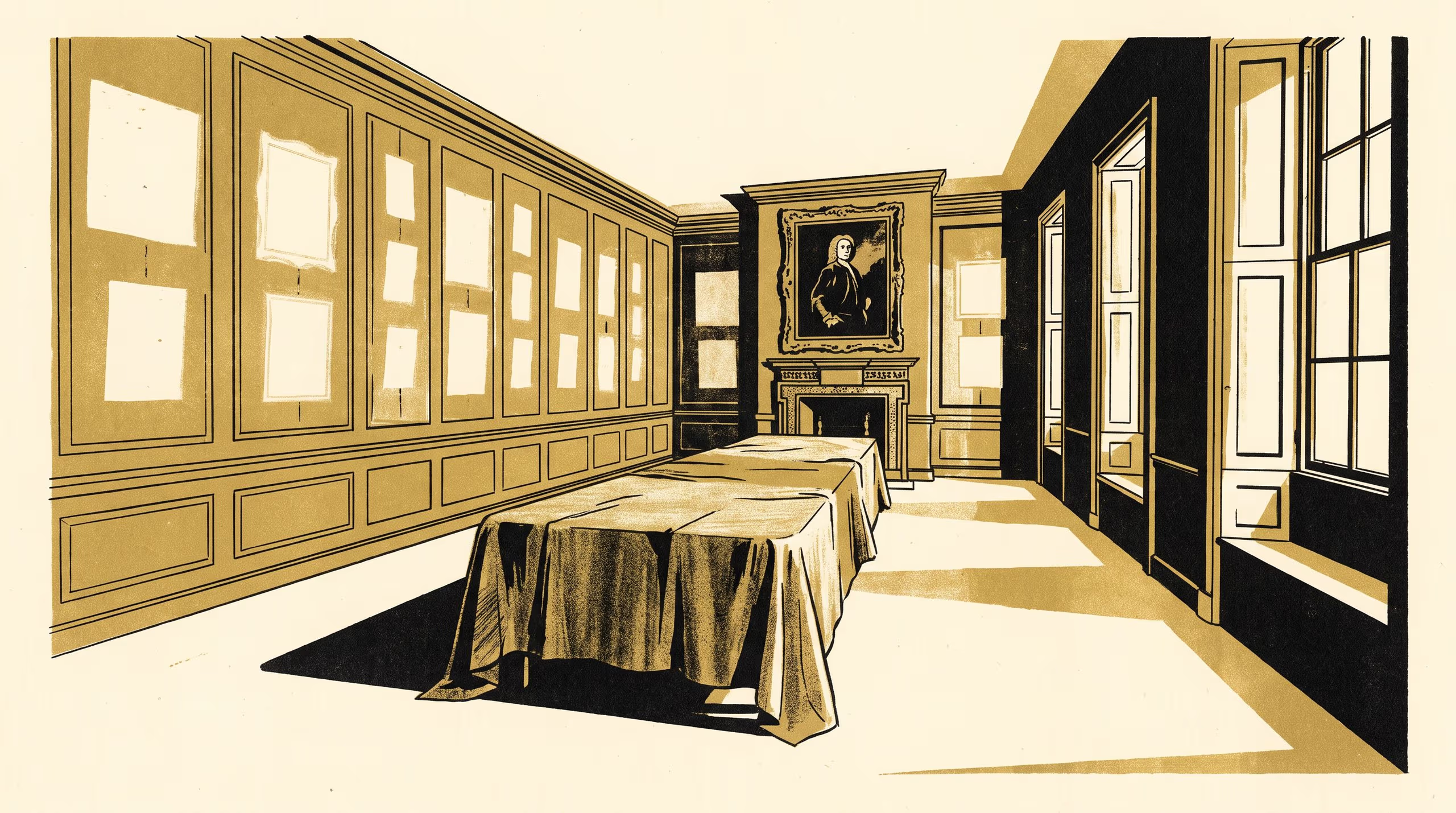
A new research poster from the School of Emergent Priorities follows the pictures of one country-house dining room through six hangs, and asks who the house meant by its Founder.
A new research poster from the School of Underlying Conditions dries crystals of one esterase in small humidity steps and finds the enzyme's active-site waters outlast every channel around them.
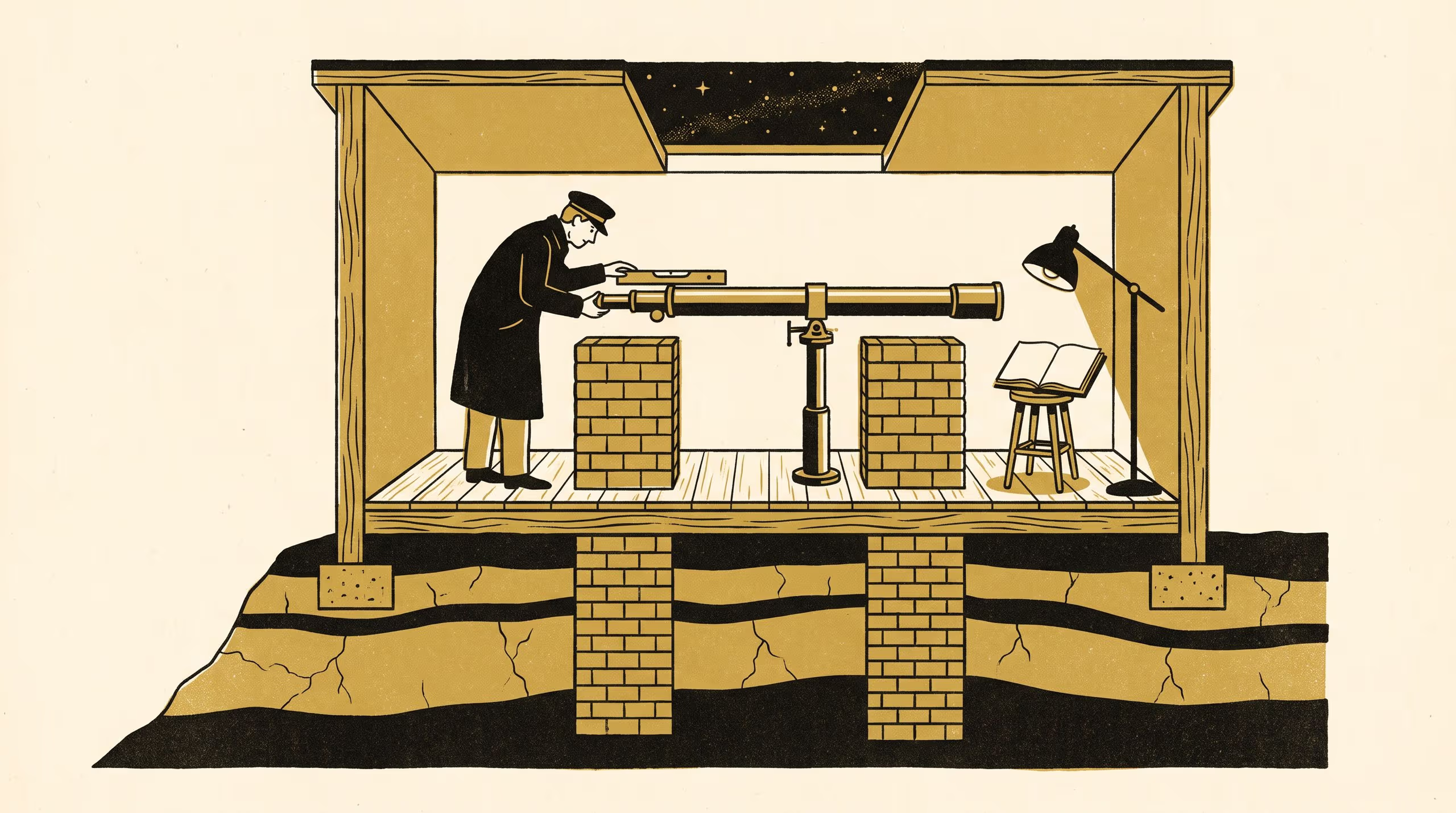
A new research poster from the School of Emergent Priorities reads seventy years of nightly spirit-level readings from one hilltop observatory as a slow, seasonal record of the clay beneath its telescope.
A new research-showcase brochure from the School of Underlying Conditions presents the University's work on the enzymes that end a cell's messages, from the assay bench to the arrows students draw.
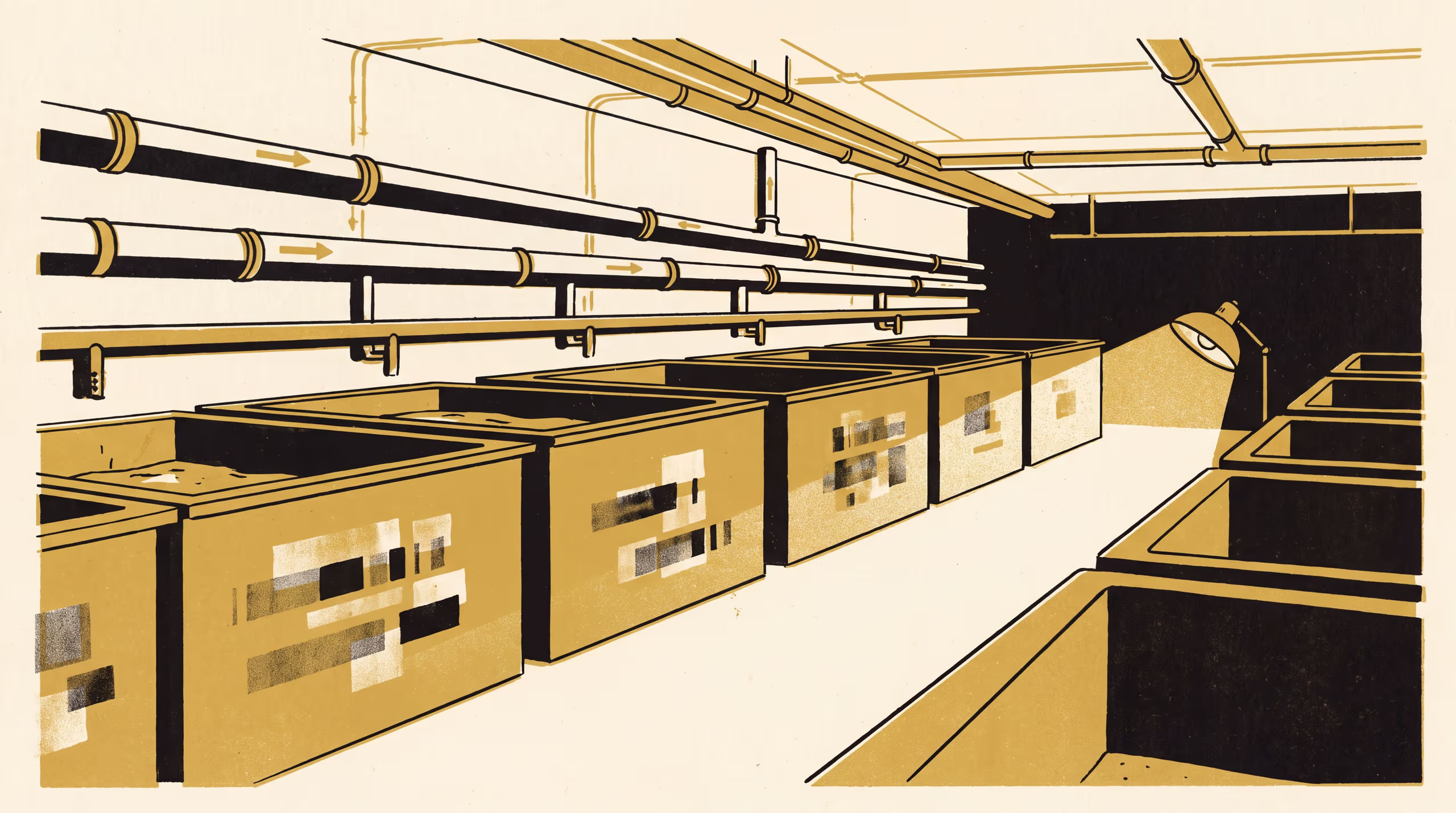
A School of Underlying Conditions team edits the stencilled and overpainted labels of a decommissioned electroplating works as inscriptions, and finds the pipework remembers a layout the vessels have forgotten.
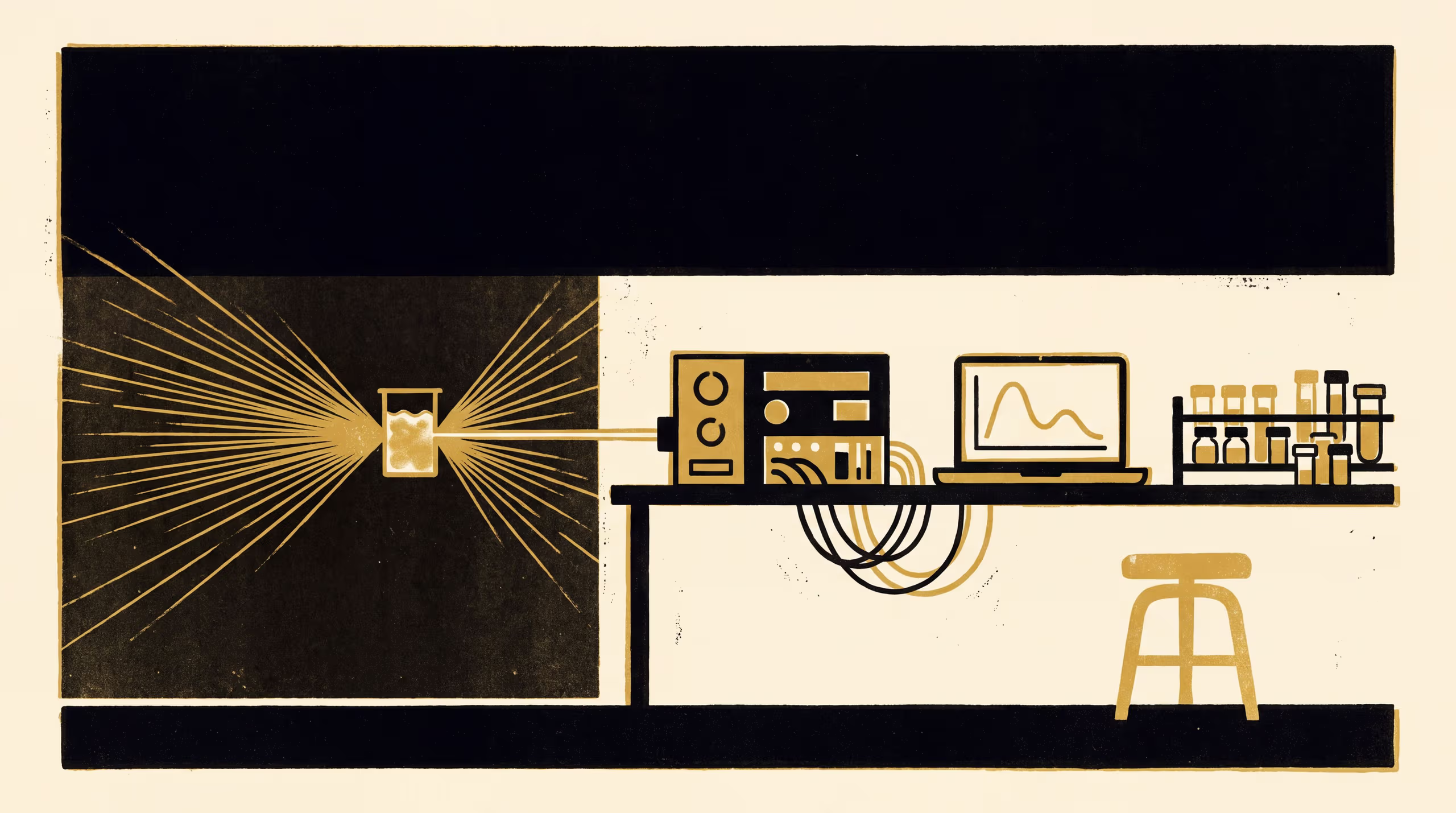
A new research poster from the School of Underlying Conditions puts a surfactant laboratory's light-scattering analysis software through six tests the physics guarantees, and finds its rare failures gathered where the program decides whether a sample holds one population of particles or two.