Research-led, metrics-forward, and continuously improving. News from the Office of Research Outputs.
4 November 2026
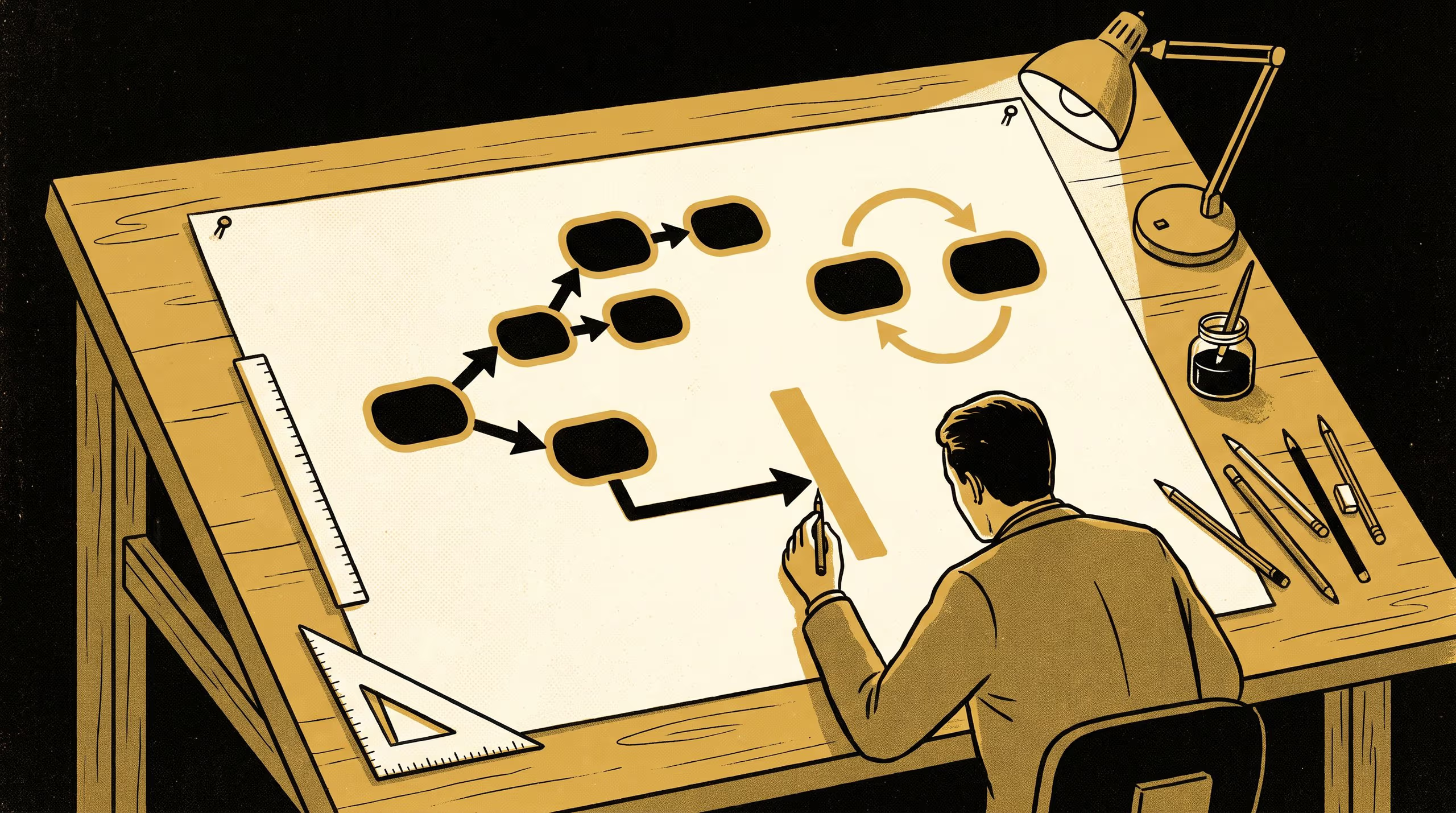
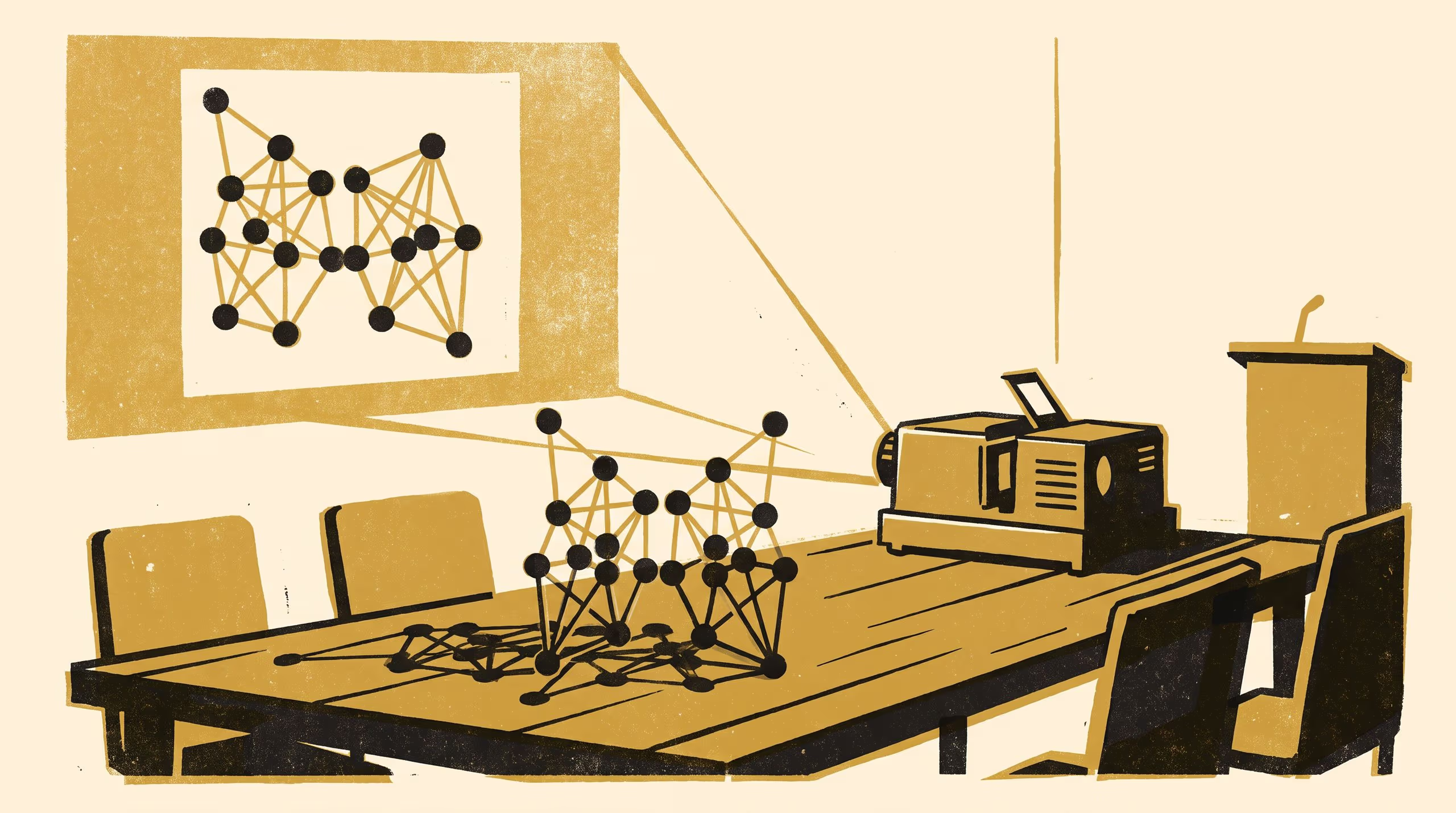
Associate Professor Ragnhild Uzoma and Ylva Onyekwere read how one teaching archive's signalling diagrams draw a protein being switched off.
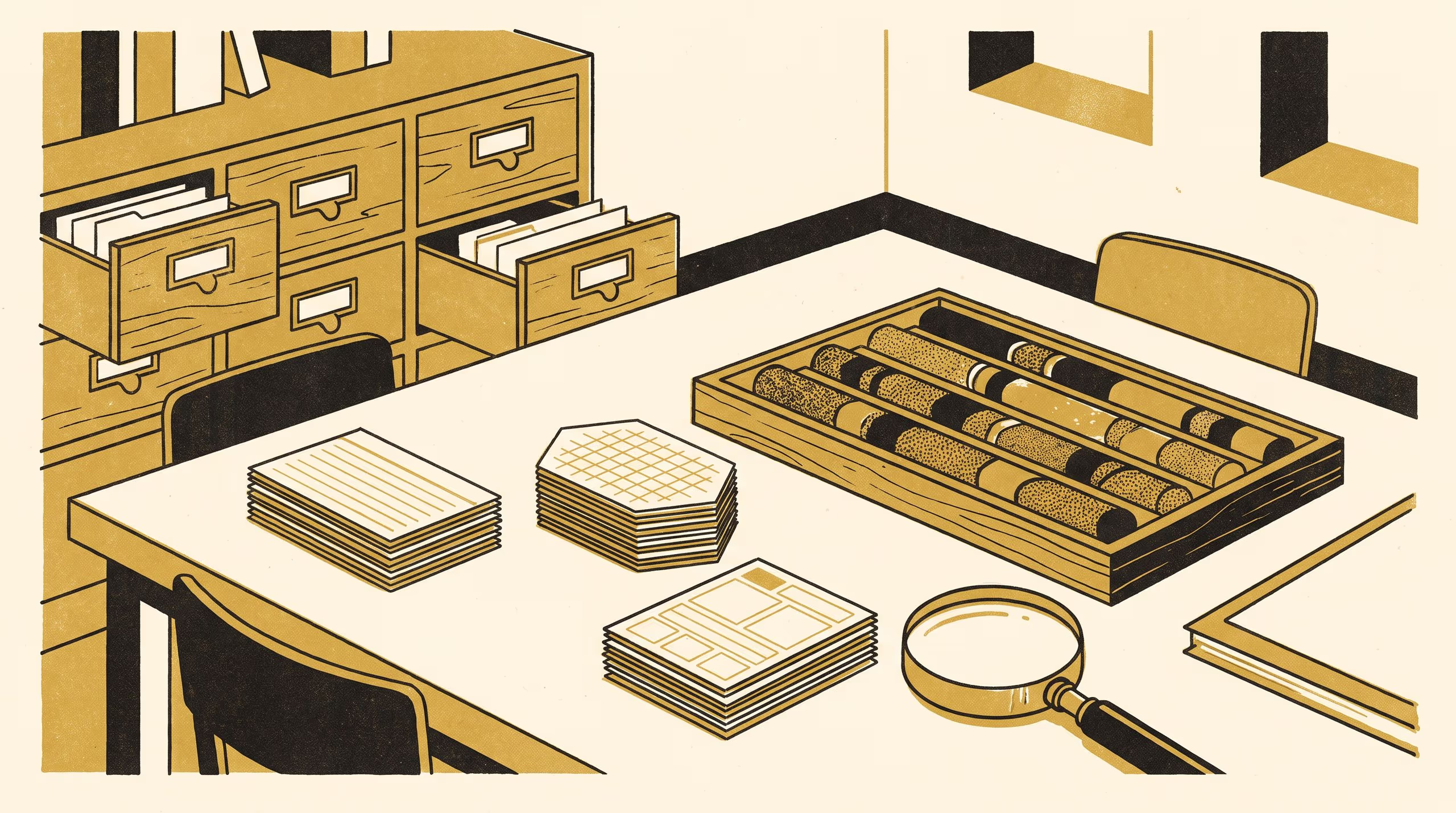
Dr Brynjar Obiora, Dr Mirela Hanke and Ms Sunniva Balogun read three generations of a soil description card and tell the fields nobody asked apart from the ones that were lost.
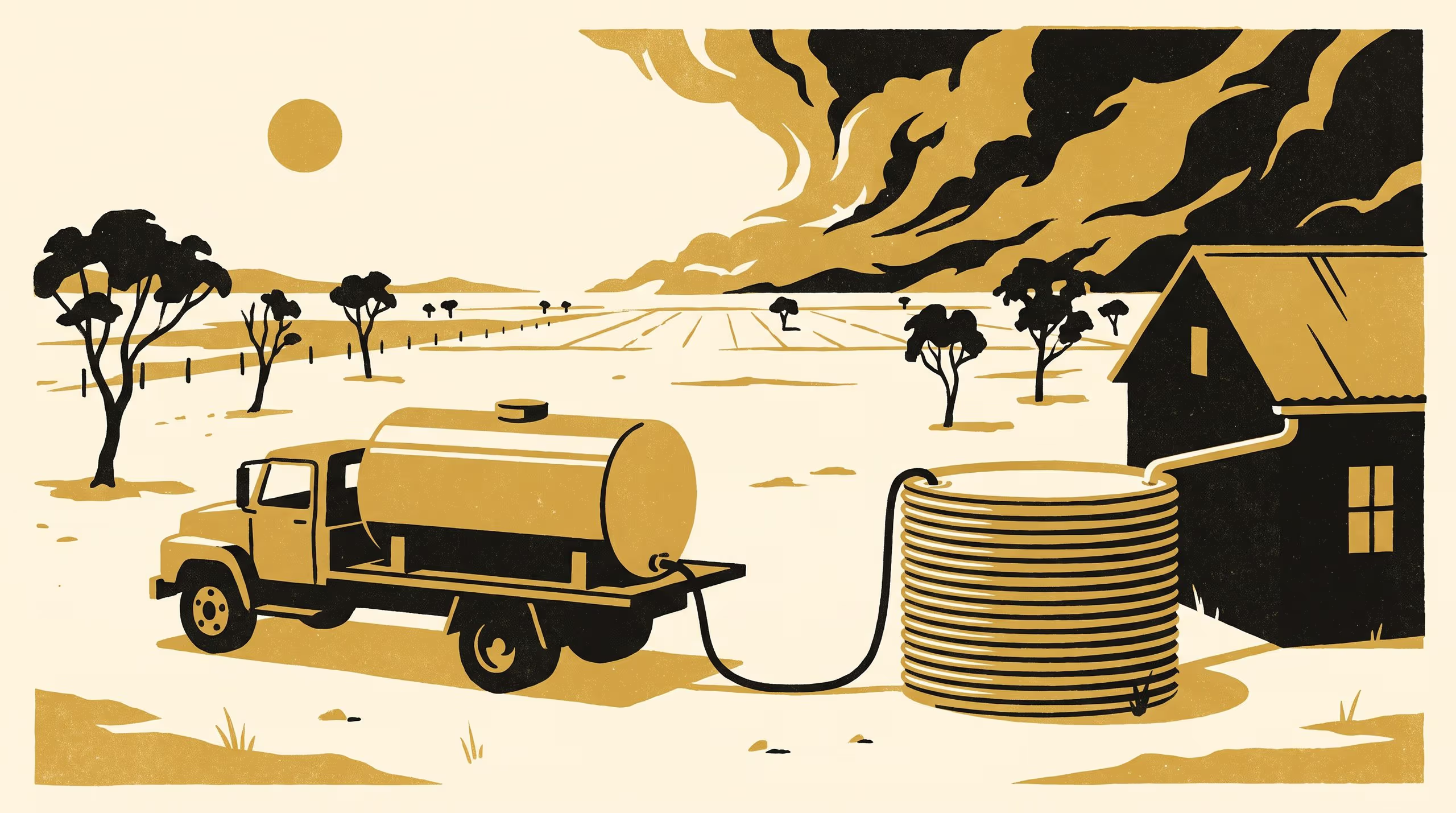
Dr Vigdis Emenike and Mr Halvard Nnamani show that a rural water carter's quiet customers are, more often than not, customers whose roofs have done the carter's work for a season.
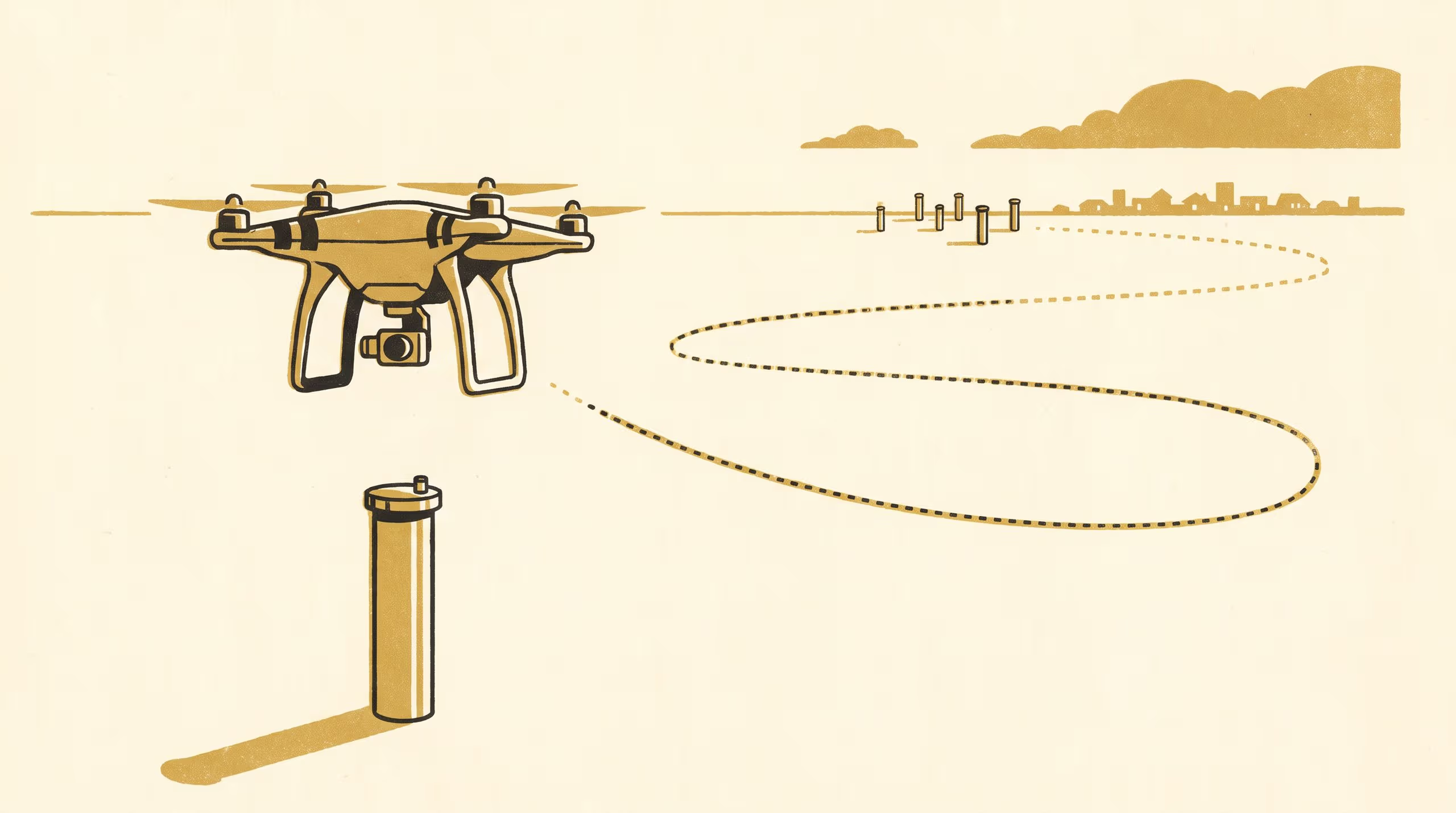
Dr Vigdis Emenike, Dr Bram Ntuli and Dr Osei Vandermeer plan a drone's monthly round of a groundwater monitoring network by how much each bore can tell the rest.
Dr Sten Okwuosa, Dr Petra Umbile and Dr Anouk Mensah map how one catalysis group's results change shape as they travel from instrument trace to institutional news item.
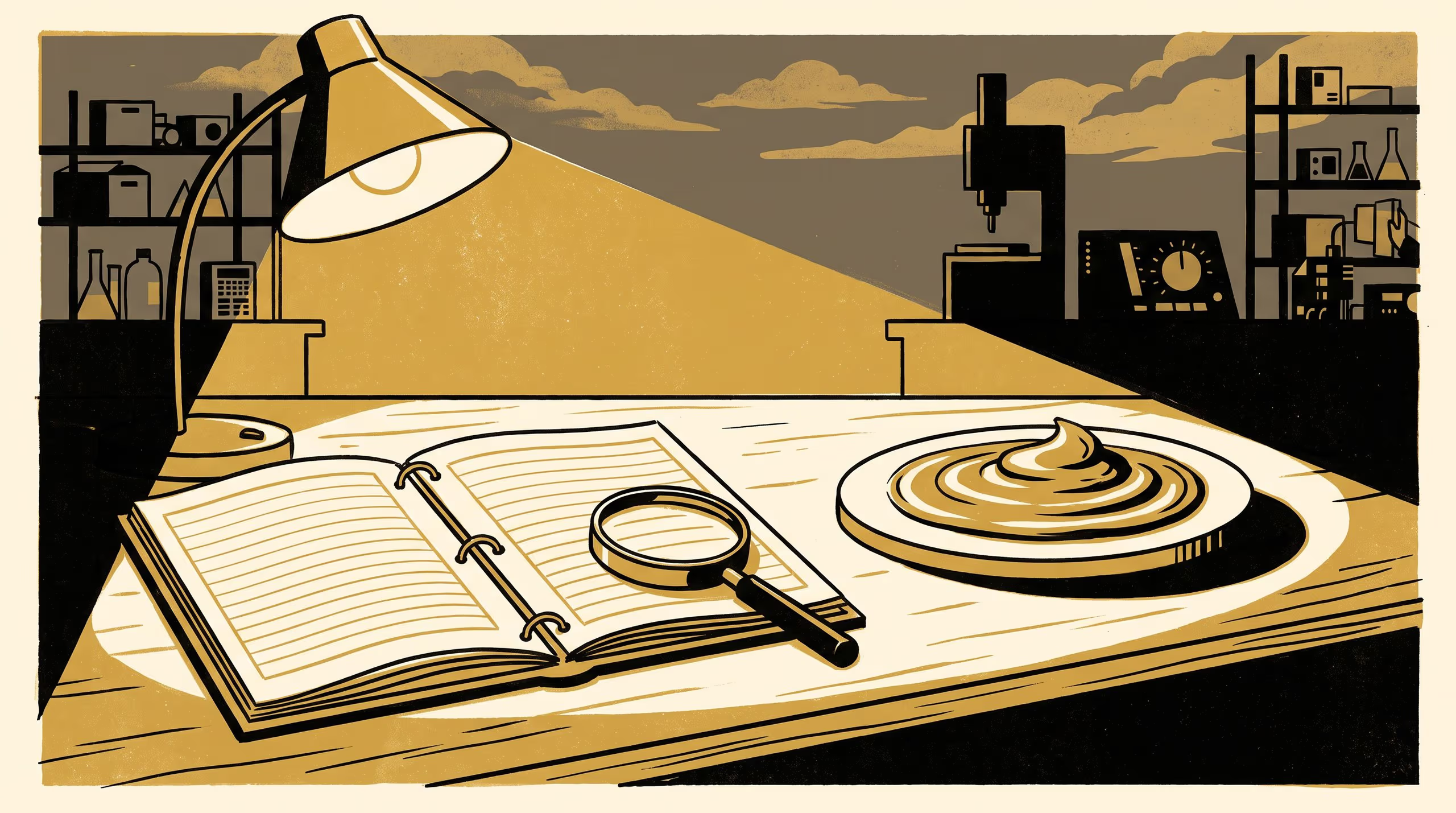
Signy Okpara, Associate Professor Casimir Beng and Sunniva Balogun read the pre-shear and rest clauses of 68 laboratory operating procedures as closely as one would read a poem.
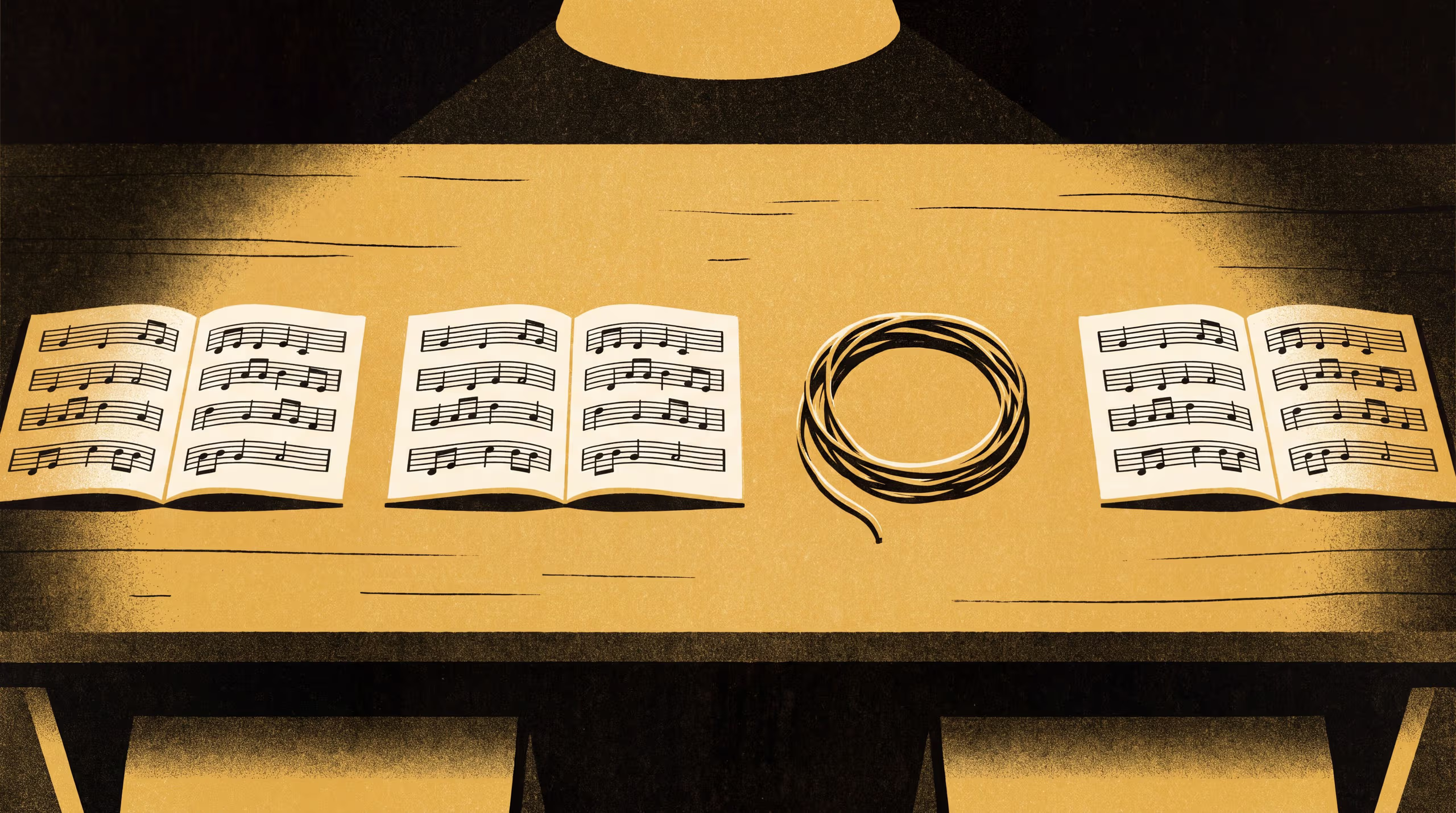
Associate Professor Ragnhild Uzoma, Dr Marek Solheim and Dr Iben Chikere bring the mathematics of chord spaces to a set of Renaissance motets whose altus book was lost.
A new prospectus sets out how students can study caching and content delivery across the University's three Schools.
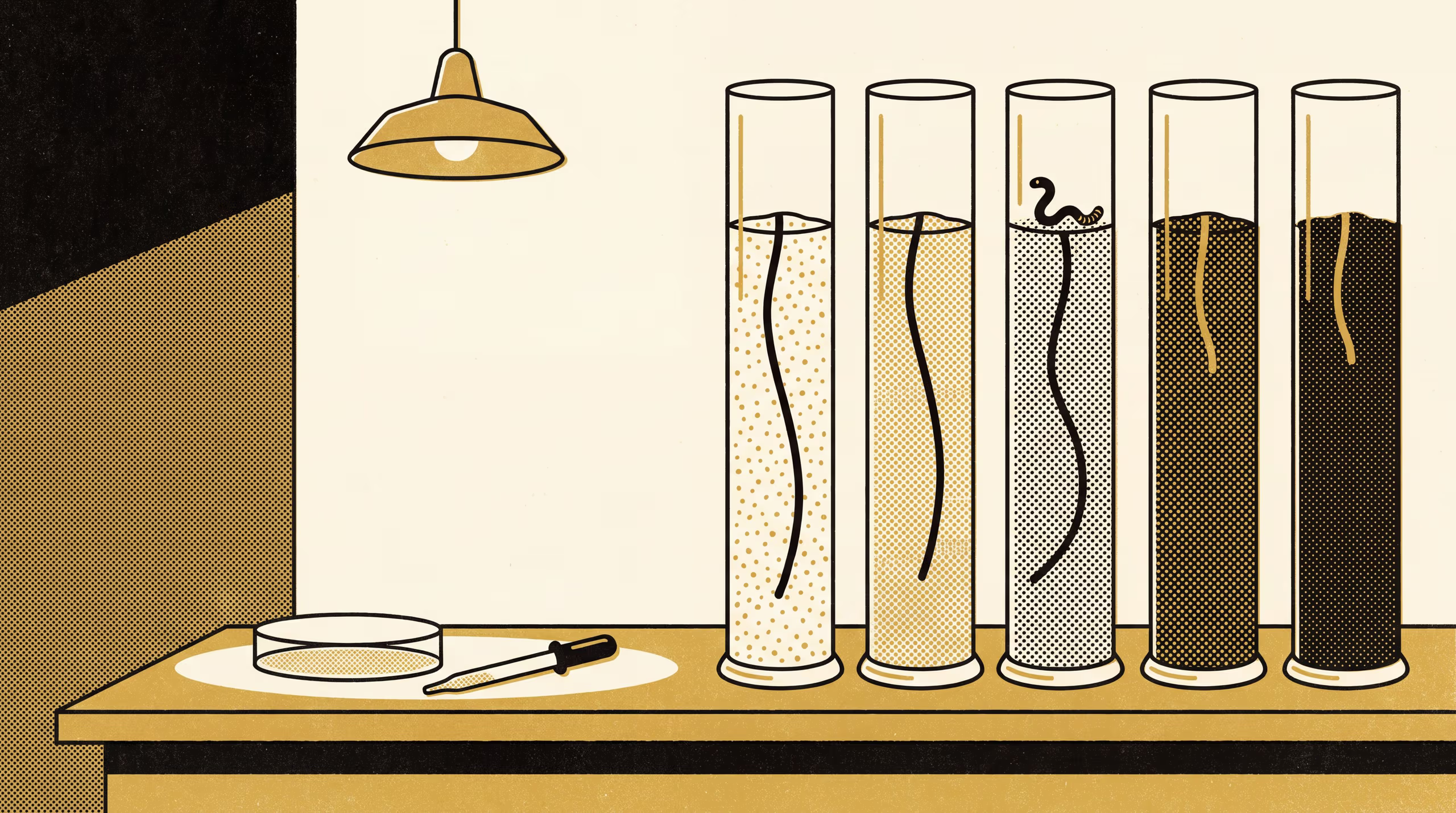
Dr Vigdis Emenike's new display advertisement carries the School of Underlying Conditions' research on serotonin receptors and burrowing depth to the landscape signage panels under the line "The receptor matters. So does the ground."
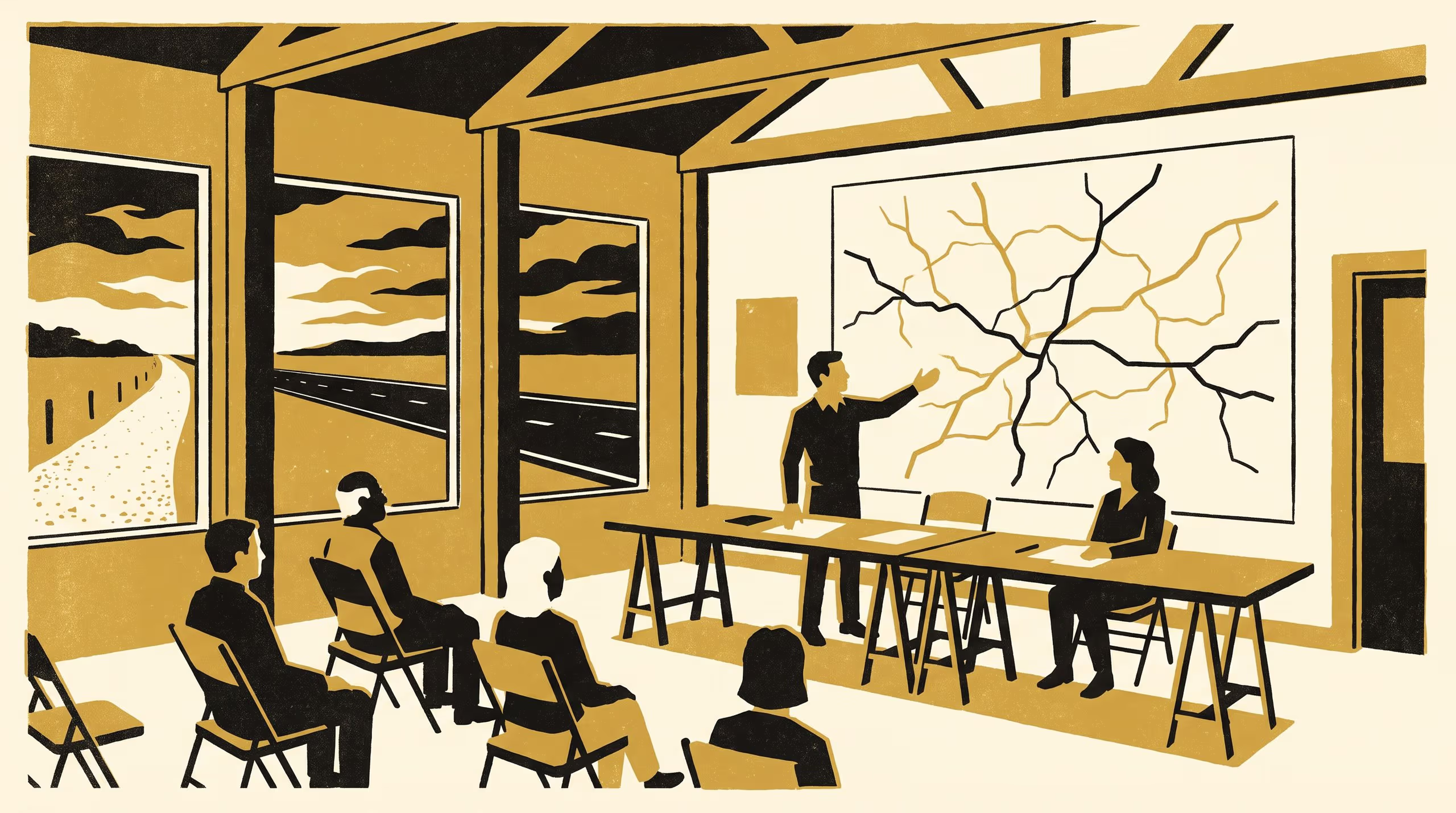
Dr Brynjar Obiora and Dr Runa Adegoke follow eleven newly elected rural councillors through their first term, and find that they learn where the council stops from a map, a withdrawn promise and the works depot.
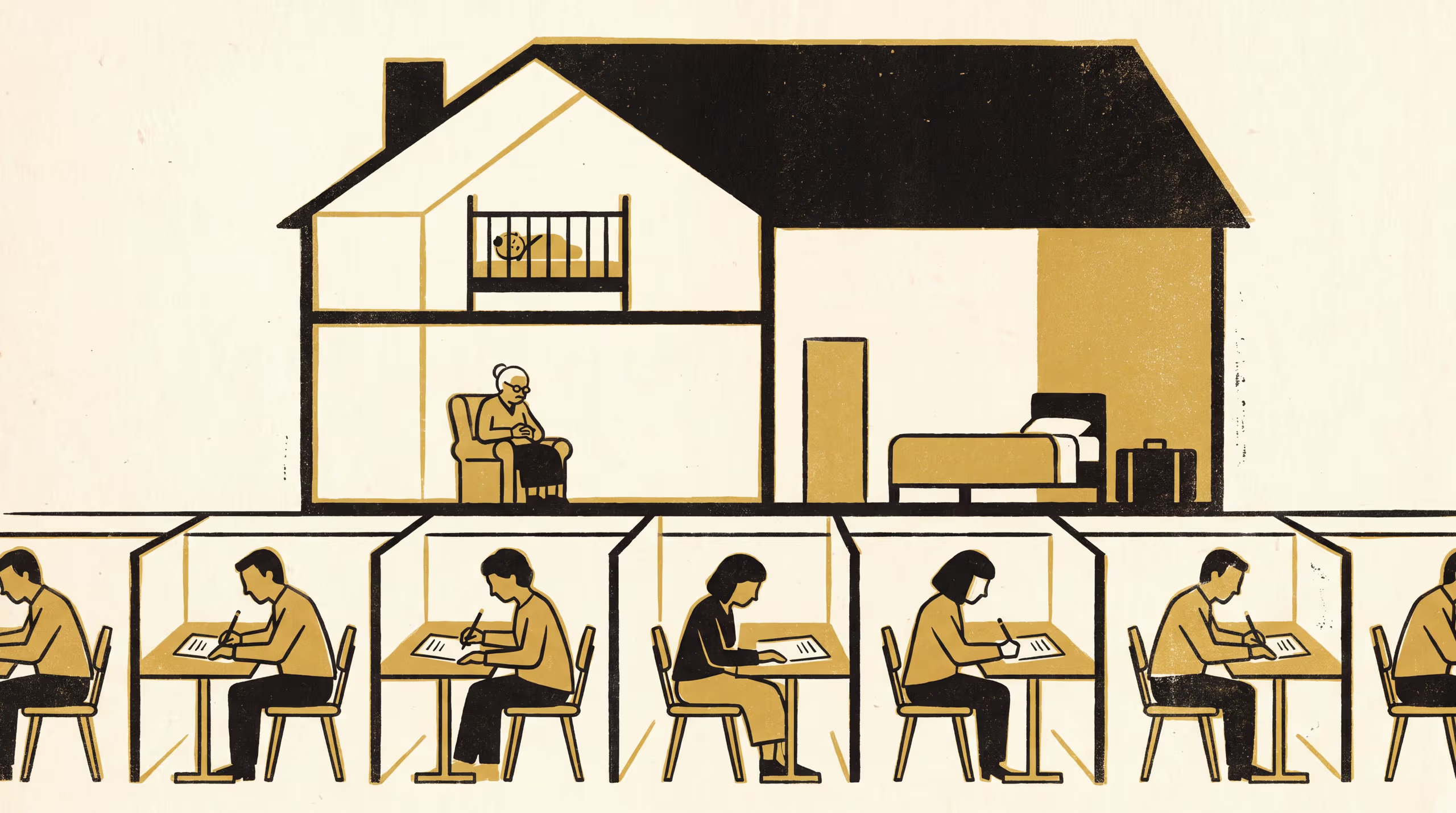
Dr Renke Sabel, Signy Okpara and Ylva Onyekwere find that where a household roster tells people to start changes which residents they leave off, but not how many.
A new display advertisement prepared by Mr Halvard Nnamani brings the University's research on how shared things come back clean to the portrait signage panels under the line "Clean enough to use again."