Research-led, metrics-forward, and continuously improving. News from the Office of Research Outputs.
4 November 2026
Slop University's Strategic Plan 2026-2031 asks every school to host a standing weekly common meal, and commits the University to growing campus food only on ground its earth scientists have first characterised.
Dr Ingrid Vasseur, Dr Marek Solheim and Dr Vigdis Emenike show that a hand-feel judgement of soil moisture leans away from the handful squeezed just before it.
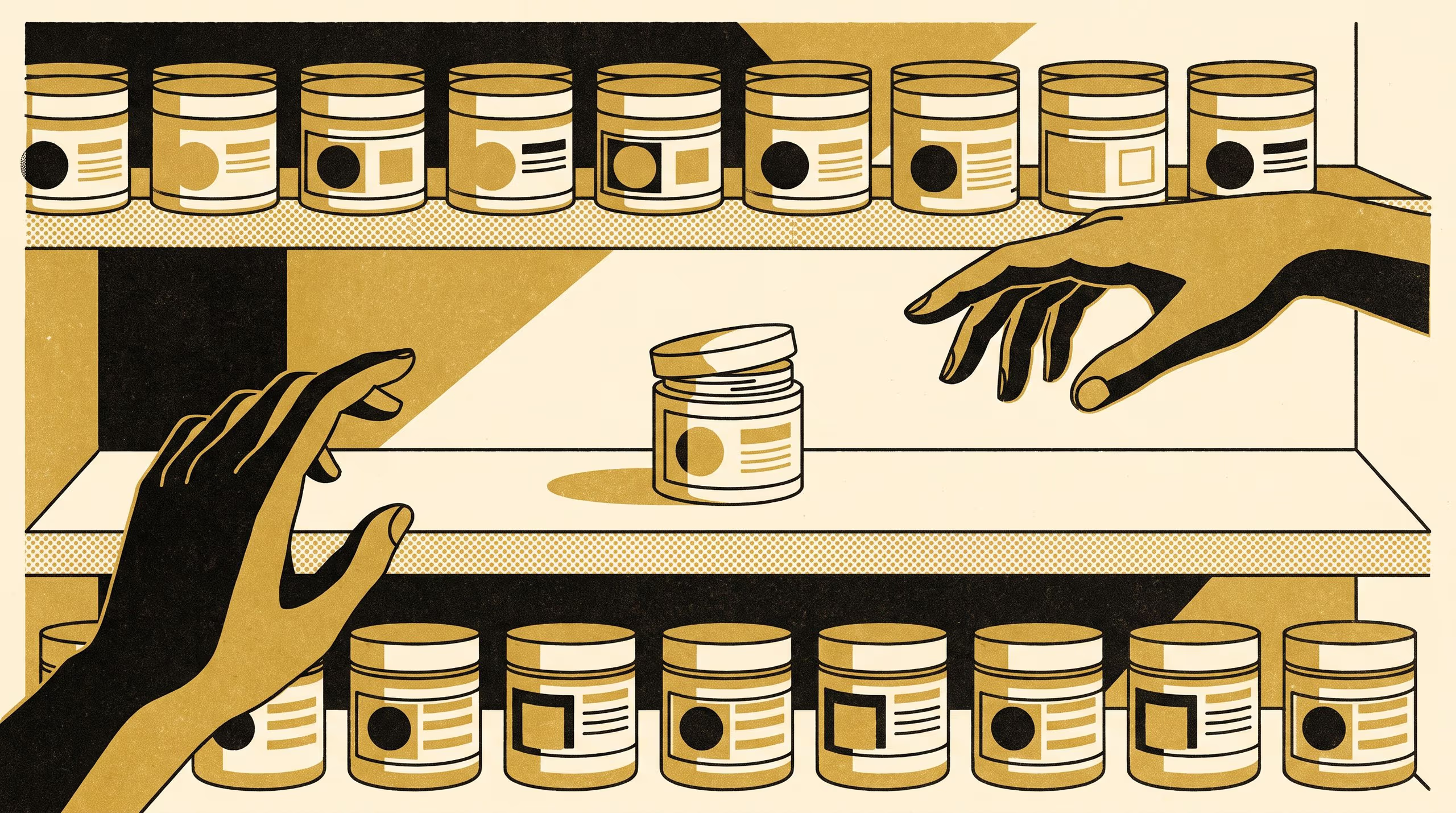
Dr Torun Ezeigwe, Edda Nwafor and Signy Okpara find that a lone sealed jar outsells a full shelf, and that once it looks handled, how close the product goes to the mouth decides whether it sells at all.
A paper from the Schools of Underlying Conditions and Continuous Improvement asks what becomes of the notes distance students write on an open field manual when the manual is revised before their tablets next reach the network.
Dr Vigdis Emenike and Dr Brynjar Obiora compare where a reflectometry pulse placed 37 faults on a buried pump-control cable with where the crews dug them up, and find the wet months moving the answer.
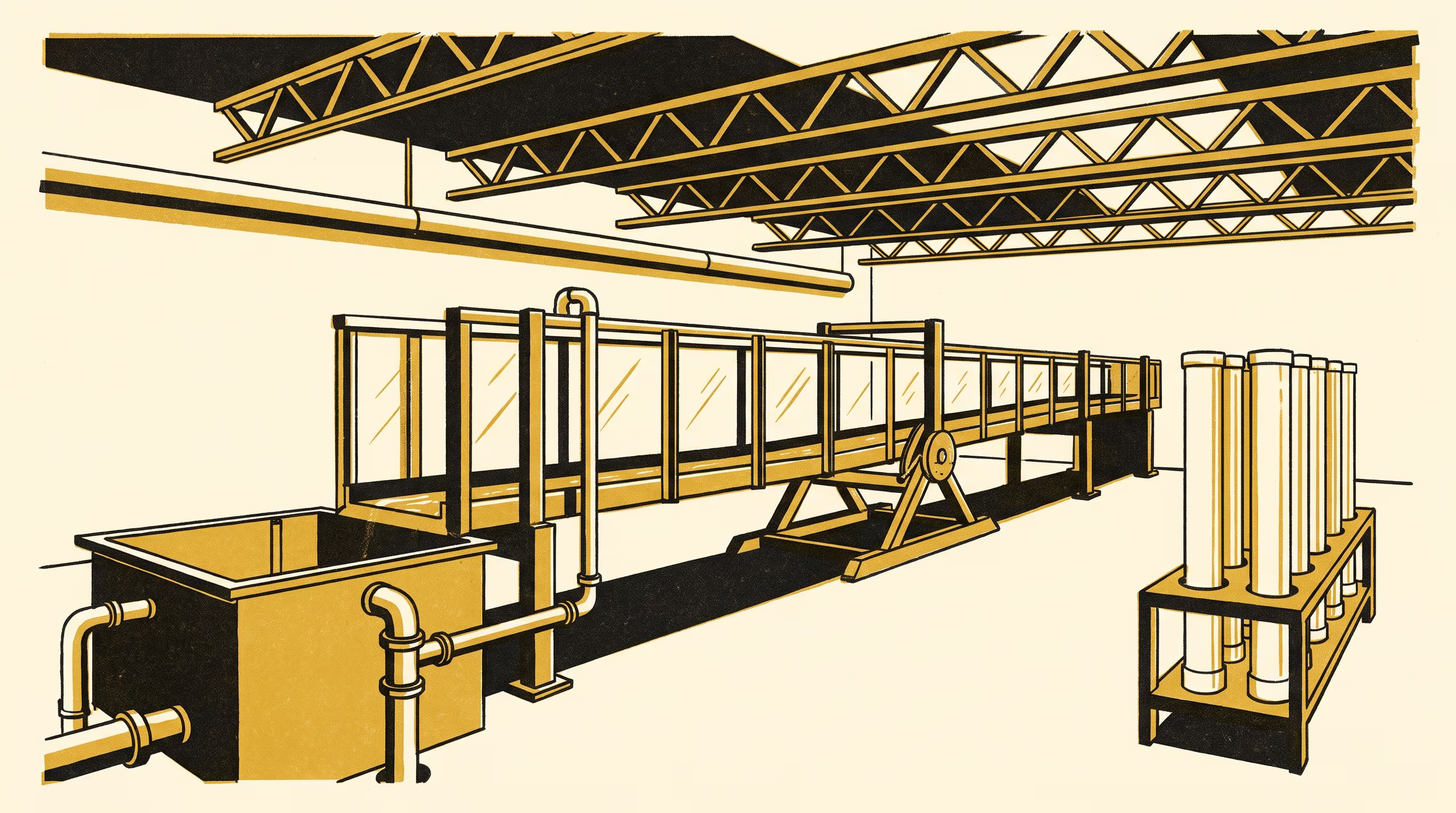
Dr Lindiwe Achterberg, Associate Professor Ragnhild Uzoma and Ms Ylva Onyekwere core the sump of a teaching flume and read its fill as a record of the practicals that filled it.
A new display advertisement from the School of Emergent Priorities brings the University's research on how new tools spread between departments to the landscape signage panels under the line "Half the building logged in."
Signy Okpara, Hedvig Anyanwu and Associate Professor Casimir Beng measure every seat cushion in one tiered lecture theatre before and after the summer break, and find that the aisle seats give back far less of their wear.
A new campaign for the University's portrait screens invites passers-by into the archive where the School of Emergent Priorities keeps its forecasts once they have come due.
Dr Mirela Hanke and Dr Dagny Okafor seed thousands of small faults into an immunology core facility's assay software to see which of them its tests would catch.
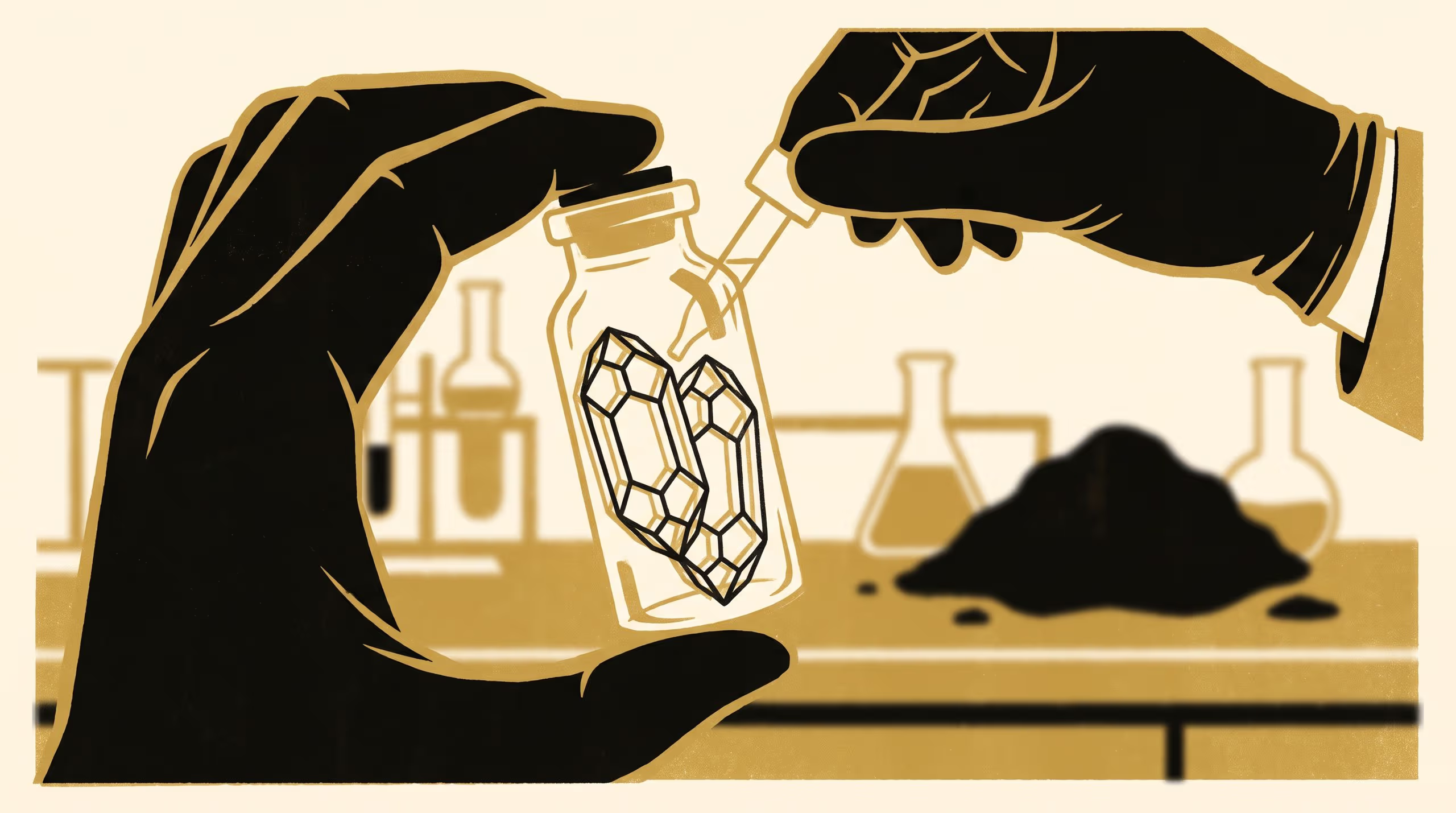
The University's Strategic Plan 2026-2031 stakes its distinctiveness in carbon-cage chemistry on the minority fraction of the soot that the rest of the field sets aside.
Mr Tove Ilesanmi, Dr Fenna Okoro and Dr Lindiwe Achterberg show that the proxy forms in hand ten days before a cooperative's annual general meeting are about a third of those that will arrive, and turn that into a forecast of quorum.