Research-led, metrics-forward, and continuously improving. News from the Office of Research Outputs.
27 August 2026
A fourteen-week RFID study across 46 households finds a fridge chore chart's assignment no better than chance at predicting who actually does the task.
A research poster from the School of Continuous Improvement scores 214 club members' raffle-stub history into a purchase-and-redemption quadrant that the club's own nomination sub-committee has adopted as a pre-screen for standing for election.
A new Slop University display campaign features Senior Lecturer Ronja Oyelaran, staged around a vintage-car club's concours scoresheet completed to match a Best in Show winner the judges had already agreed on before scoring began.
A School of Emergent Priorities paper deploys a gossip-based consensus protocol across a 40-store electronic shelf label network and finds it shrinks the slowest price-tag delays without much changing the ordinary ones.
A School of Continuous Improvement paper sorts 4,318 streaming-service cancellations into a three-category taxonomy and finds the category, not the subscriber's stated reason, predicts whether a retention discount appears.
A research poster from the School of Emergent Priorities finds the largest of four transfer categories at a suburban bus interchange is one where the timetable logged success and no passenger boarded either connecting service.
A School of Emergent Priorities research poster builds and deploys a round-robin scheduler for a farmers market's single shared card reader, and finds equal device-time has no bearing on customer queue length.
A School of Emergent Priorities paper taxonomises a state battery-rebate scheme's rejection reasons and finds the office's invitation to reapply tracks when each category was added to its code list, not how fixable the underlying defect is.
A School of Continuous Improvement impact report surveys five years of attendance across 214 clubs and reports the gap between a growing membership roll and the room as a distribution rather than a single participation rate.
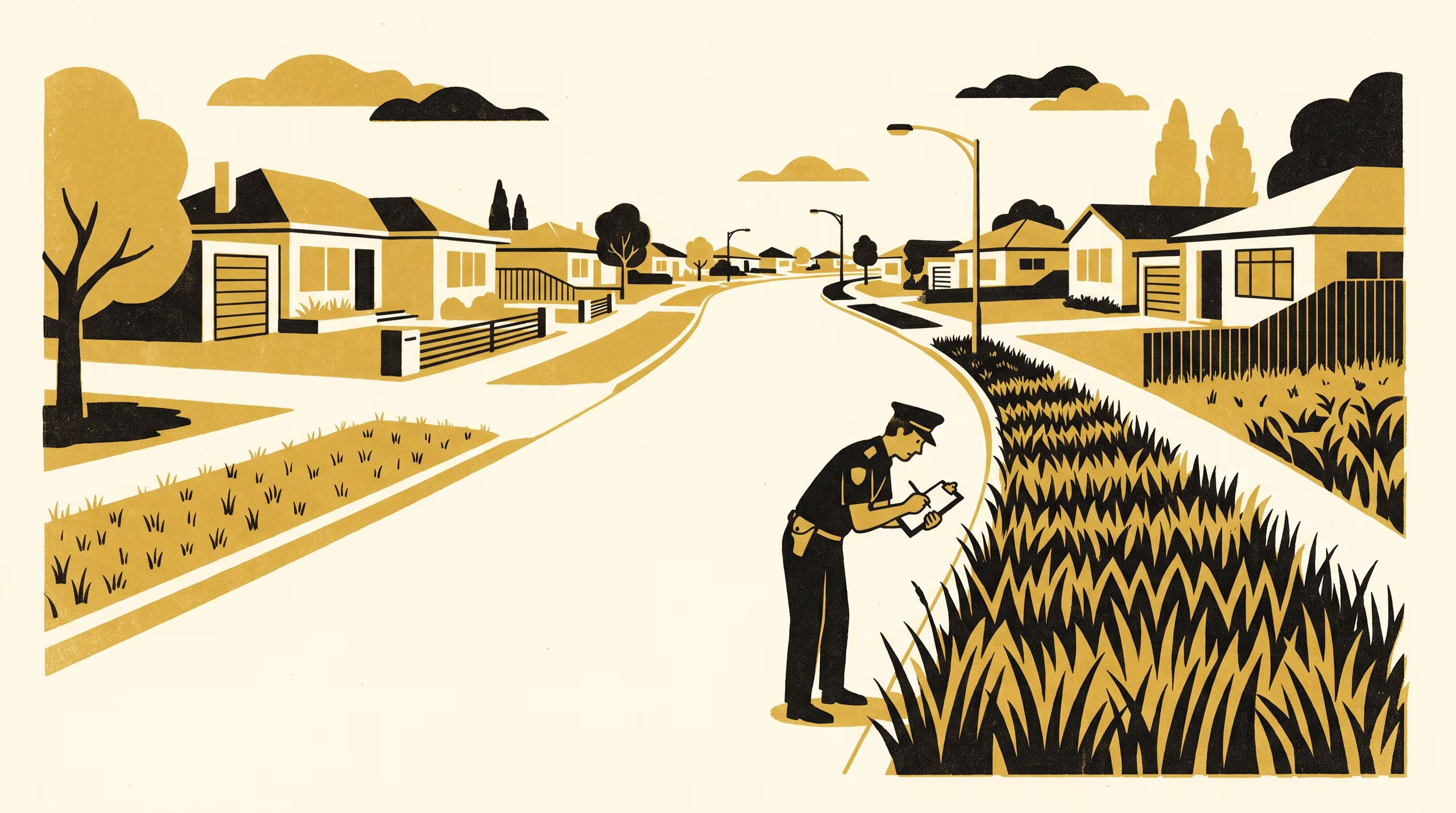
A School of Continuous Improvement poster codes 214 verge-mowing exemption applications into six categories and finds a shire compliance unit has adopted the coding as its own differentiated waiting-period schedule.
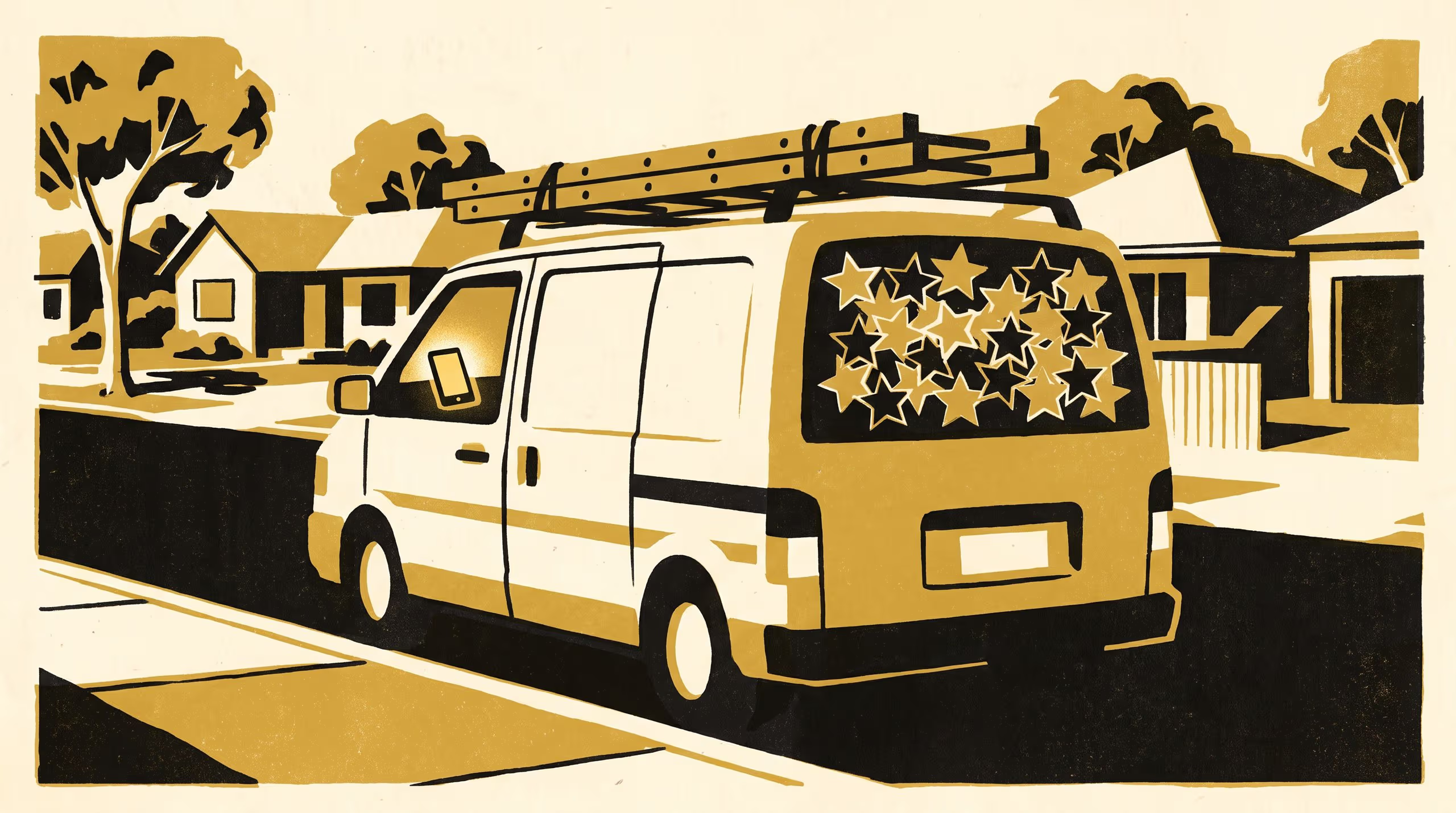
A School of Continuous Improvement poster scores 182 metropolitan tradespeople on a five-level review-management maturity model and finds only the displayed rating moves with the tier.
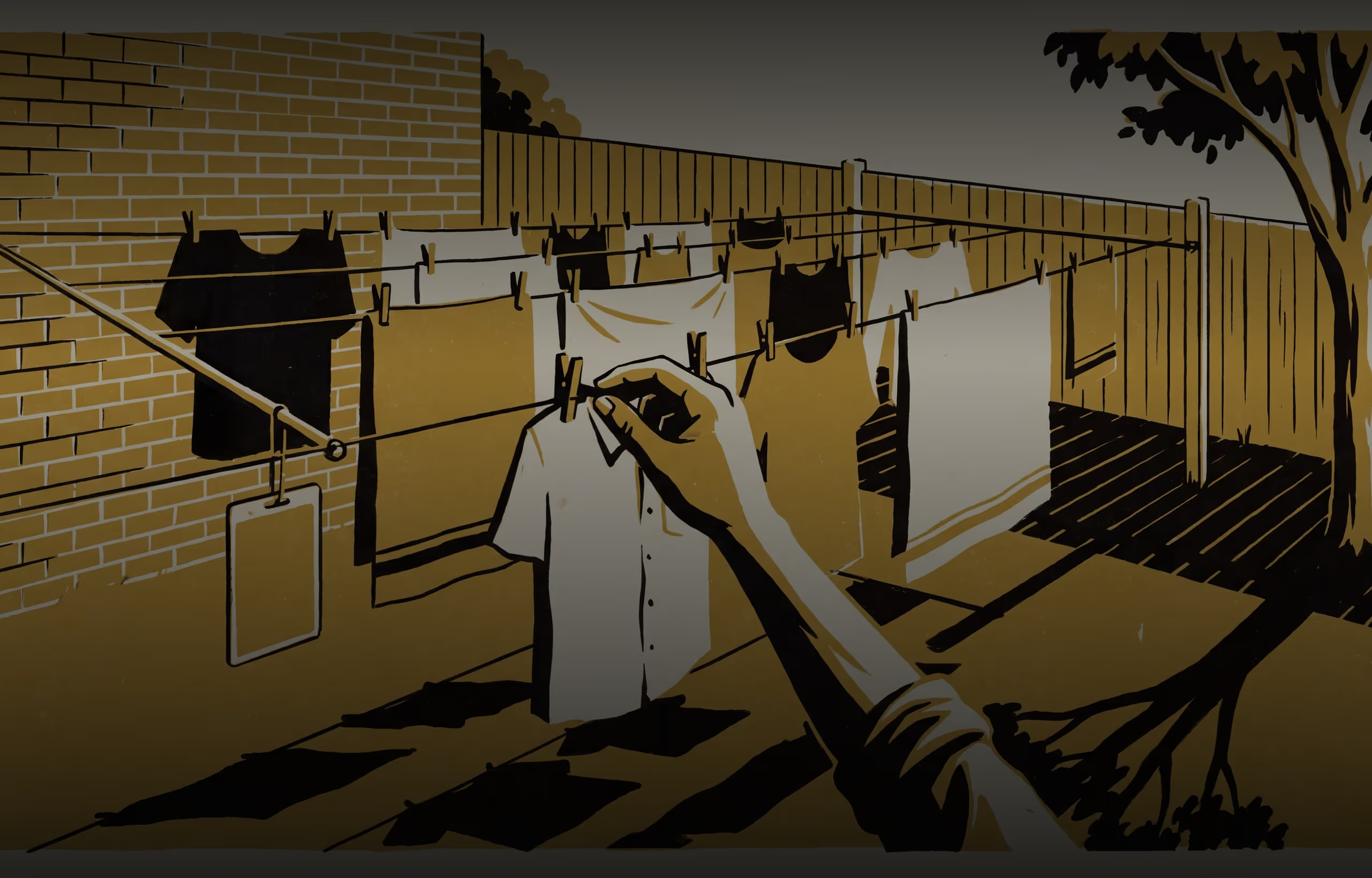
A School of Emergent Priorities poster reports an 11-week case study of a share house's clothesline scheduling protocol, finding compliance rises only once residents can formally appeal a missed slot.