Research-led, metrics-forward, and continuously improving. News from the Office of Research Outputs.
5 November 2026
The School of Continuous Improvement's newest display ad puts a Capability Sprints cohort's whole-of-grounds plant screening in front of commuters and passers-by.
A new paper from the School of Underlying Conditions and the School of Emergent Priorities finds that what a firm lists as its AI depends on how the software arrived, and that features added by vendor updates mostly go unlisted.
A new brochure from the School of Underlying Conditions sets out how the School applies the petrophysicist's tools to the porous carbons inside supercapacitors, and trials them in its own monitoring bores.
The School of Continuous Improvement's Impact Report 2021–2026 looks back on five years of work alongside the crews of smelters, salt storage loops and electrorefining halls.
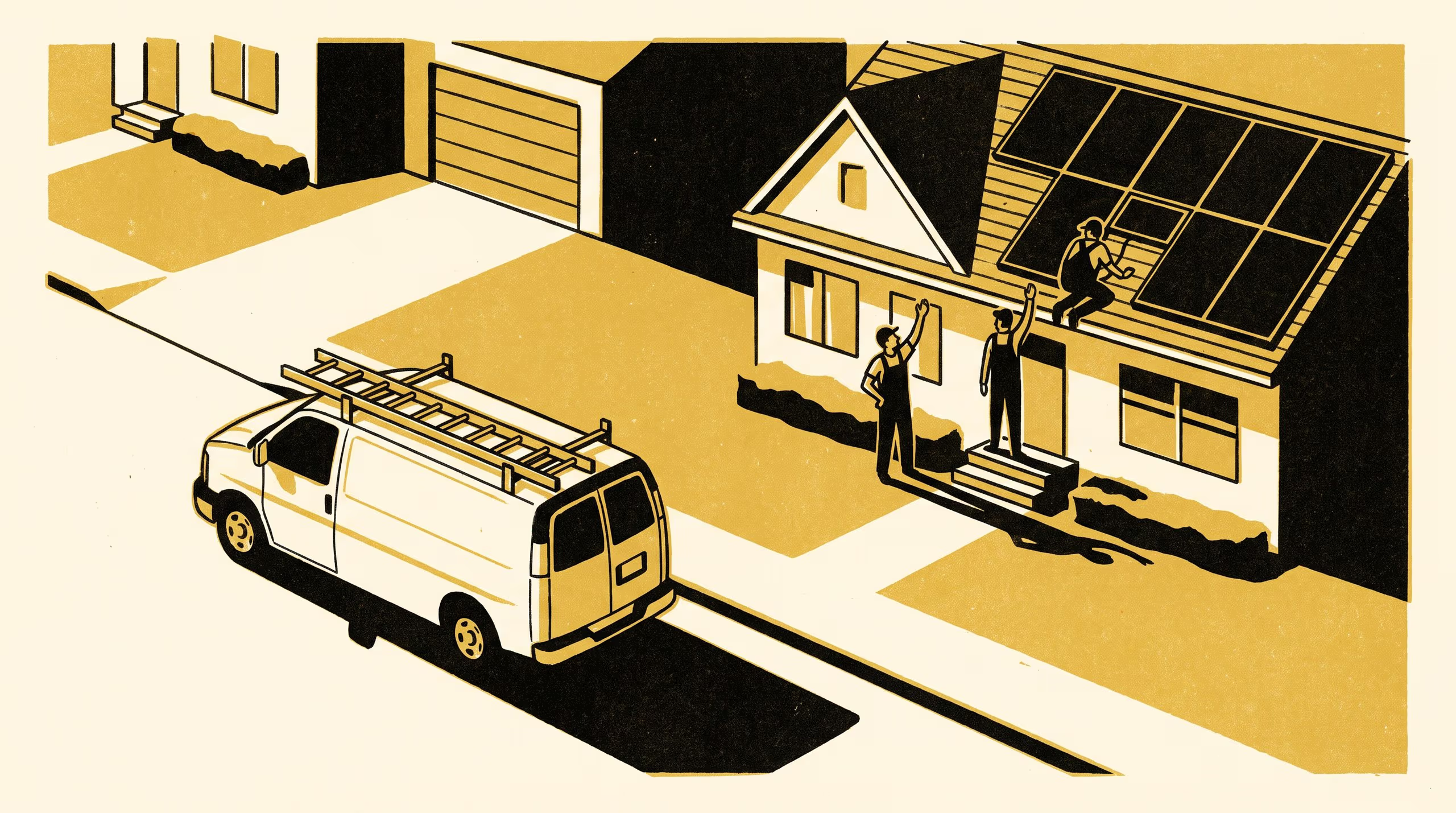
A new paper from the School of Continuous Improvement finds that the know-how behind a rooftop solar installation stays with the crew lead who signs the job, and goes with them when they change firms.
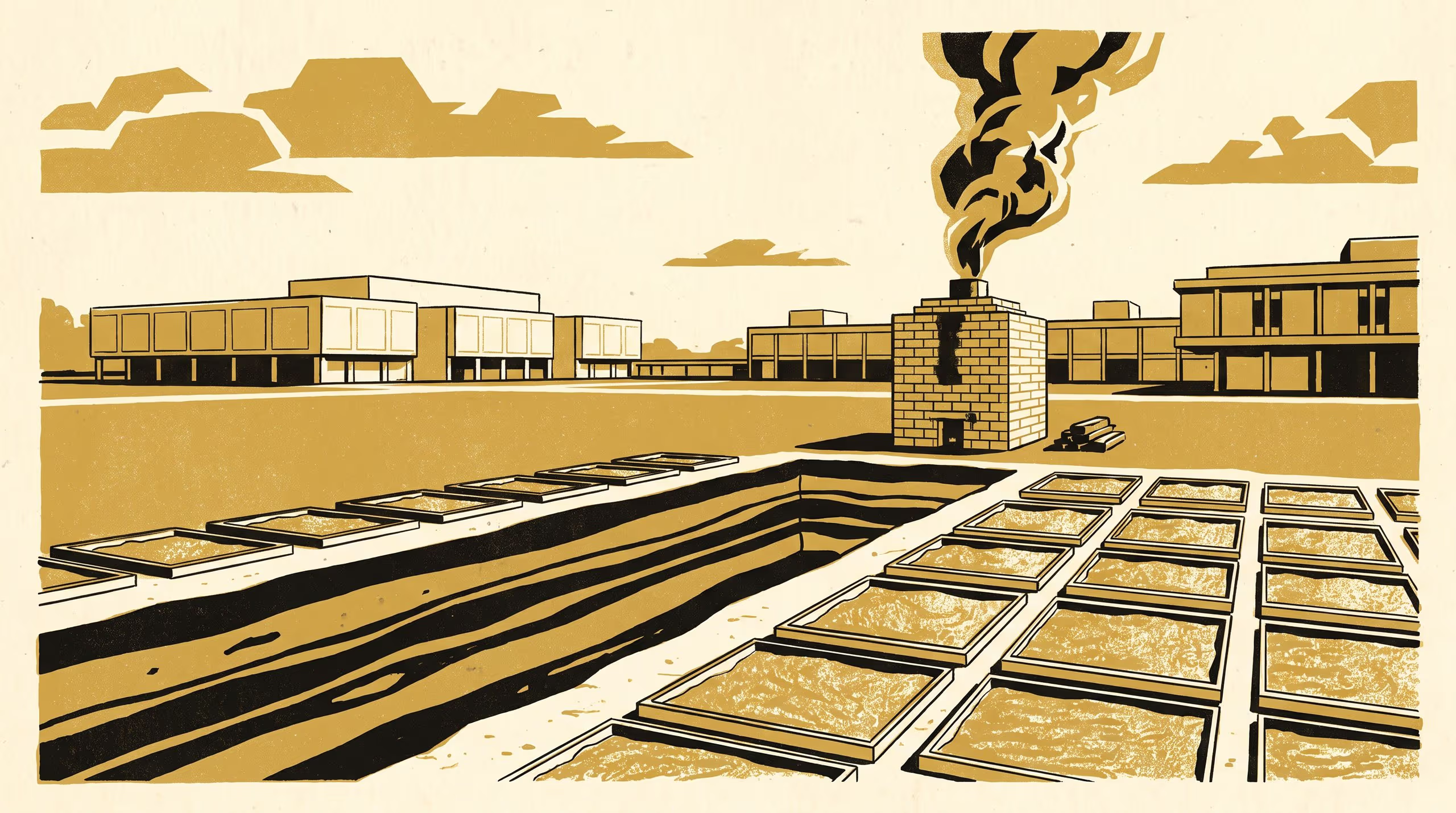
Slop University's Strategic Plan 2026-2031 commits the University to making the gold of its identity from clay surveyed and stewarded beneath its own grounds, from the first auger hole to the printed crest.
A new paper from the School of Emergent Priorities finds that phrases such as "free delivery" stay in small sellers' listing titles for months after the offer behind them has lapsed.
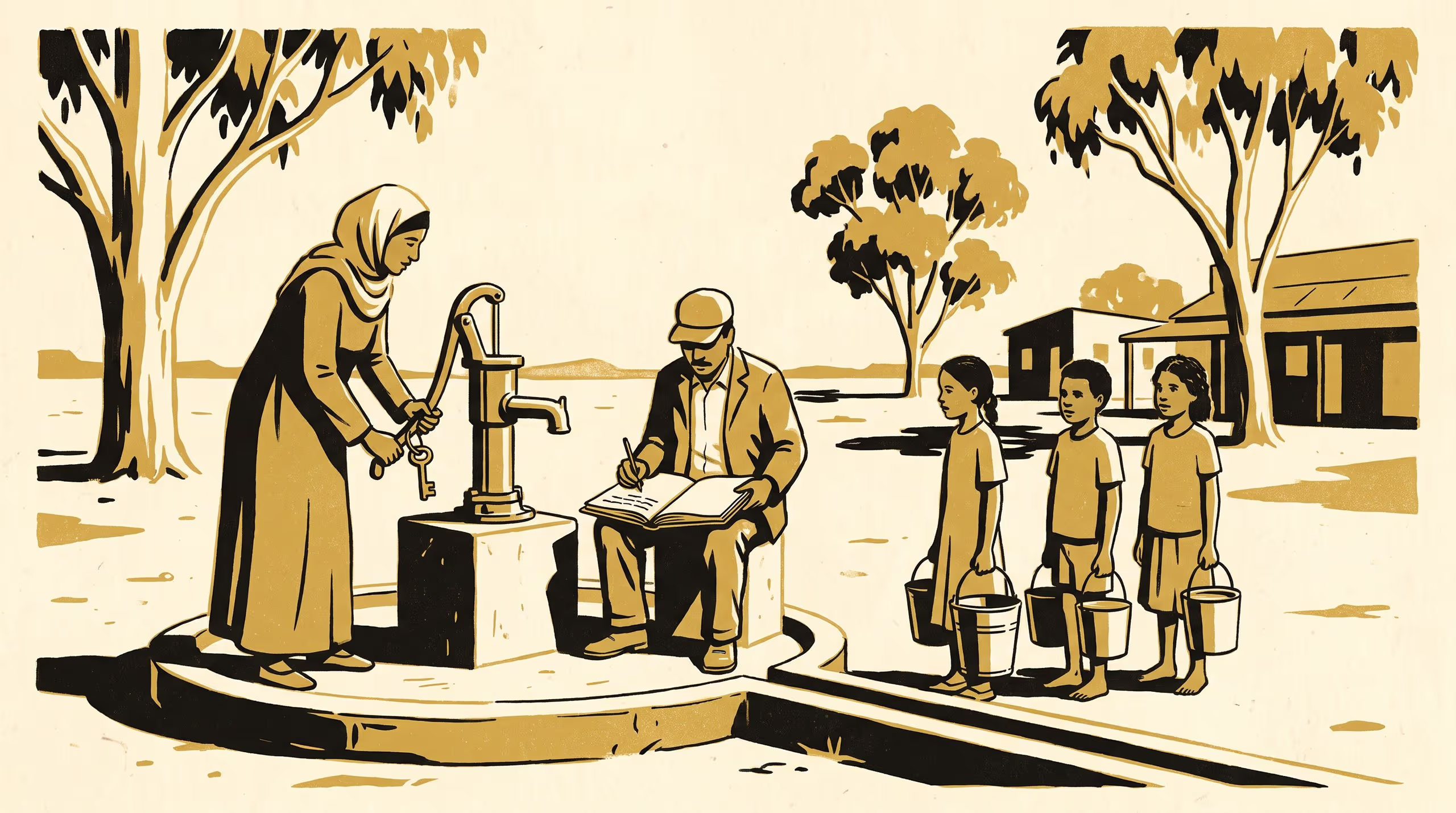
A new civic brochure from the School of Underlying Conditions invites the church, mosque, chapel and shrine committees that keep a district's shared bores to read their records beside the School's measurements of the ground.
A new psychology paper from three of the University's Schools finds that people at a workplace morning tea direct more of their talk to the listener seated nearest the biscuits, whatever that listener says in reply.
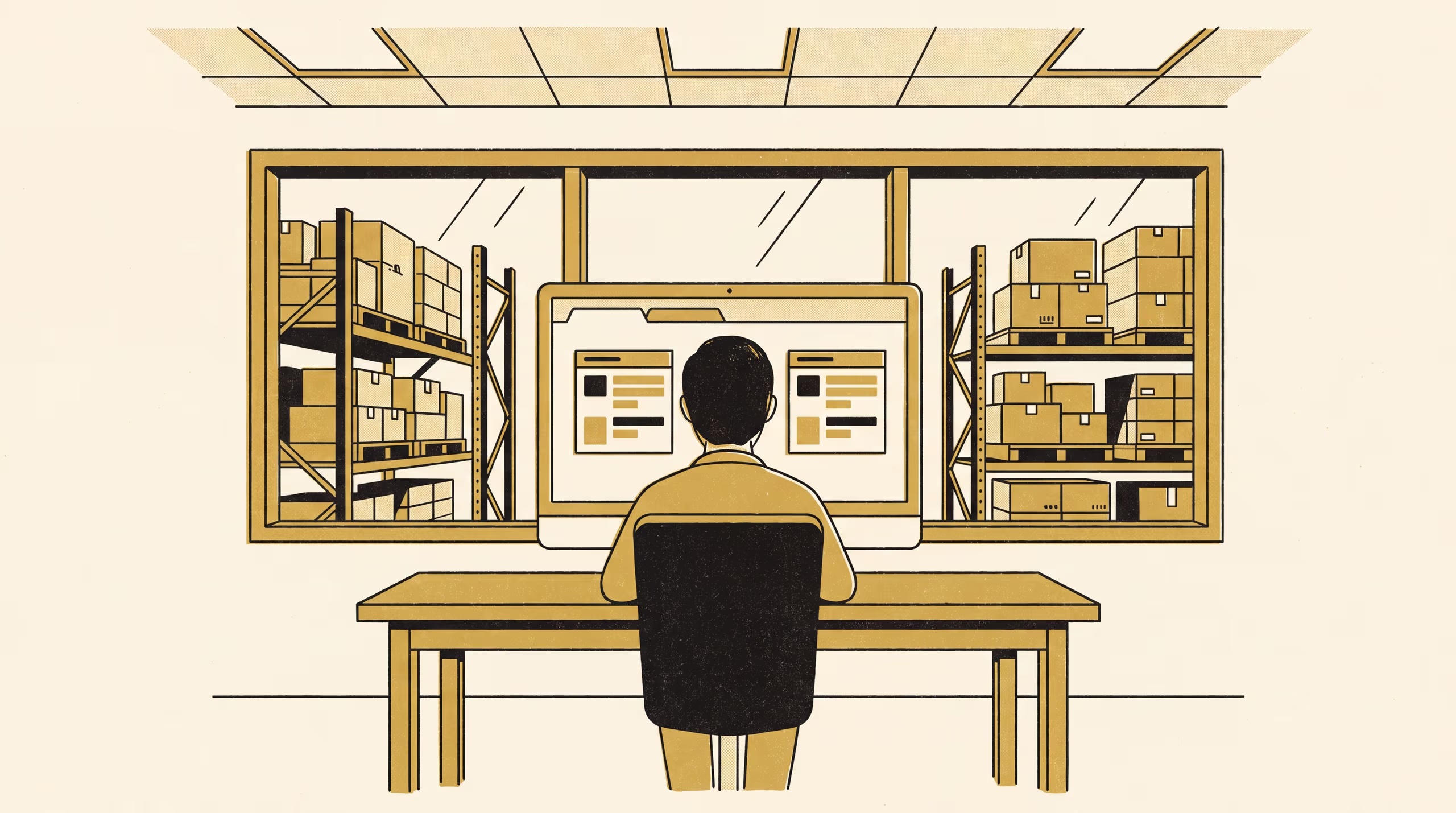
Dr Brynjar Obiora, Dr Mirela Hanke and Dr Iben Chikere read the merge review log of a wholesale distributor's ERP consolidation and find that the fields shown first decided which duplicate supplier records became one.
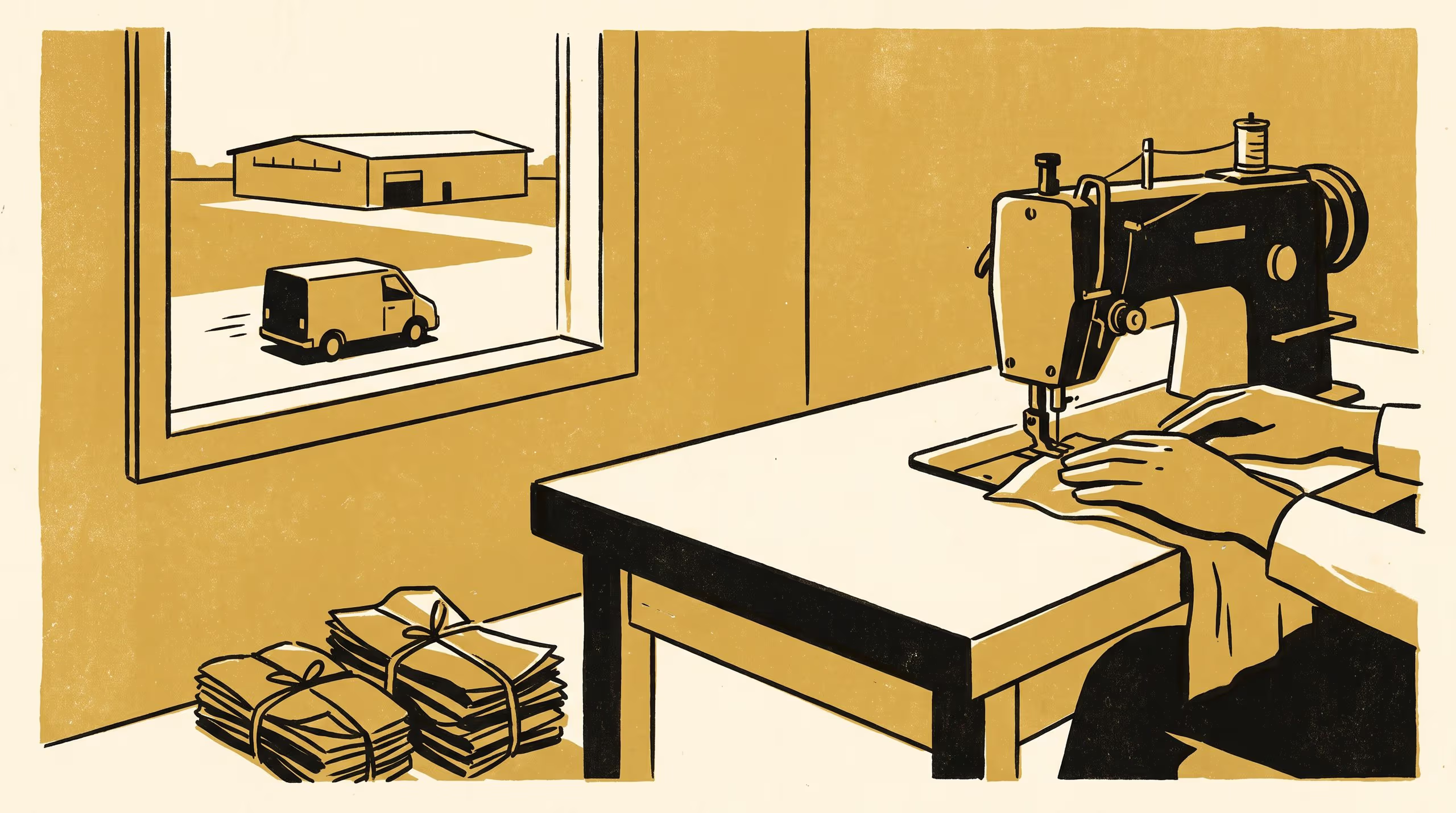
A new economics paper from the School of Continuous Improvement finds that a regional sewing-machine leasing scheme brought households into the garment trade, mostly as outworkers sewing for established factories.
A new paper from the School of Continuous Improvement finds that observers give a selection panellist no credit for declaring a conflict of interest after the panel's scores are shared, and some of that credit back when the scores were sealed.