Research-led, metrics-forward, and continuously improving. News from the Office of Research Outputs.
8 November 2026
A School of Underlying Conditions research poster sequences thin columns of skin across the margins of 31 archived epidermal naevi and finds the variant clone thinning over a band about a millimetre wide, with its margin set more by the allele-fraction cutoff than by how closely the columns are spaced.
A jurisprudence paper from the School of Continuous Improvement reads a dark-matter collaboration's publication charter as a law of evidence and proposes a third verdict for the region where its exclusions lose their footing.
A School of Continuous Improvement research poster finds that how fast permanganate goes in during a synthesis's first minute, not how tightly the recipe is written, decides how alike batches of a manganese oxide nanozyme turn out.
A computer science paper shows that a cognitive agent's periodic check of the facts it holds can keep a share of them indefinitely, and that how often the check runs decides the size of that share but not whether it exists.
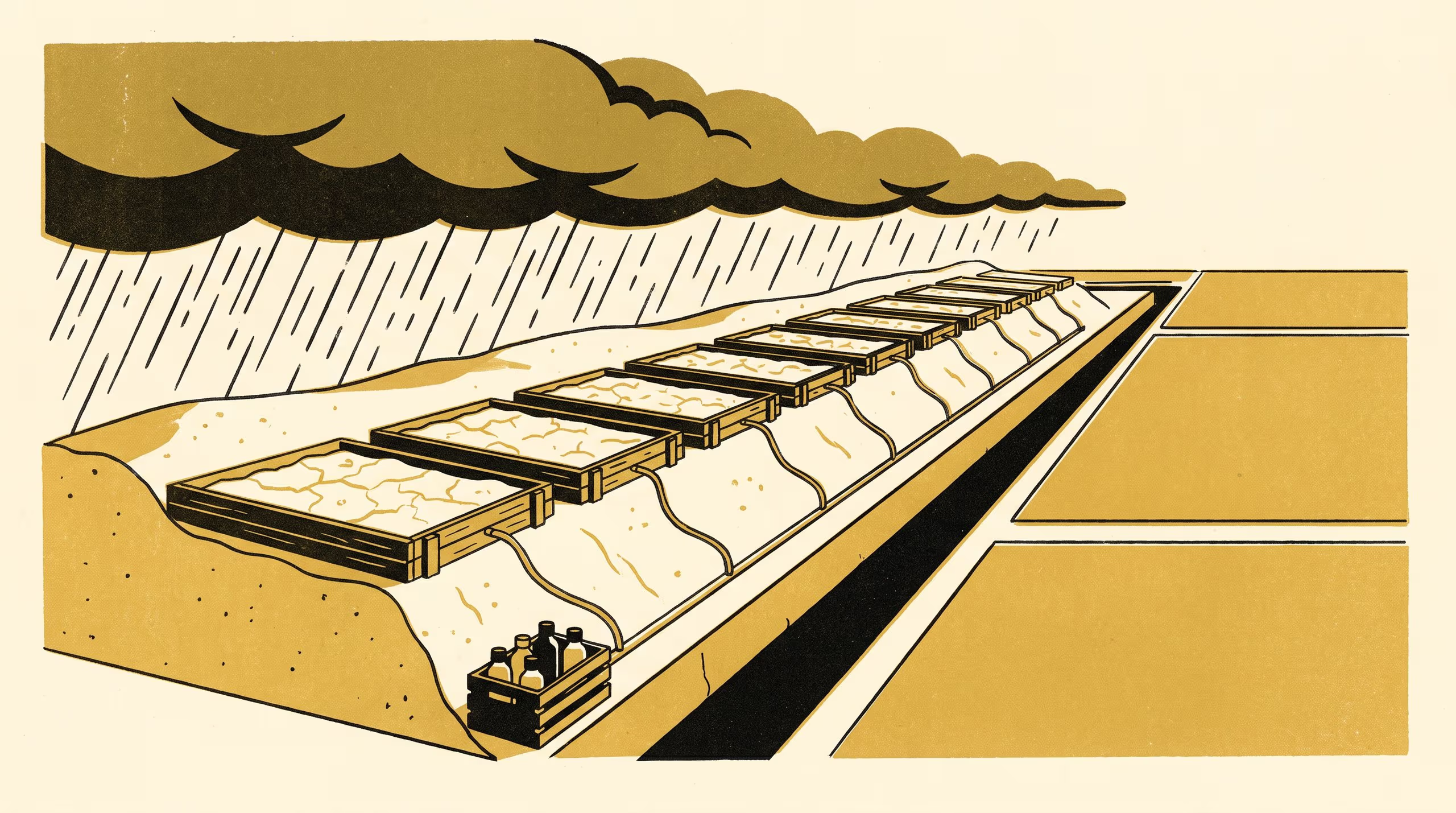
A School of Continuous Improvement research poster finds that the more cementation a sand embankment's trial plots received, the more ammonium they kept past the rinse and gave up to later storms.
7 November 2026
A psychology paper from the School of Underlying Conditions finds that people who lived through three years of communal violence use the period to date their memories while recalling very little from within it.
A chemical engineering paper shows that an ammonia engine making its own hydrogen can settle into either a rough or a smooth way of running at the same load, and that a cold start chooses the rough one.
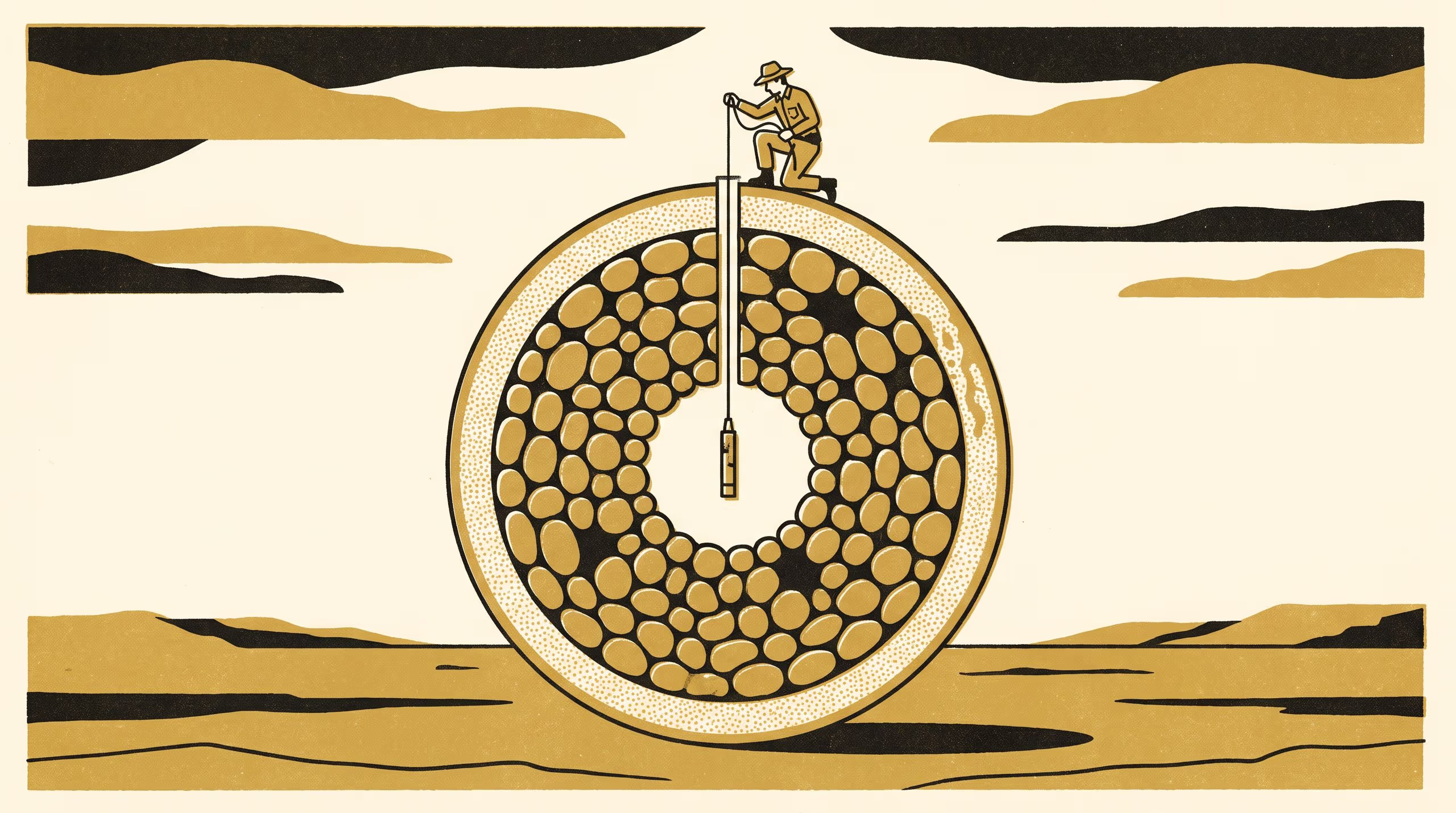
A paper from the Schools of Underlying Conditions and Emergent Priorities shows that once farm power is rationed by the hour, a district's electricity records report the ration and say nothing about how far down the water has gone.
A new display campaign from the School of Underlying Conditions brings its galectin-3 spheroid poster to the public, framed in the language of groundwater.
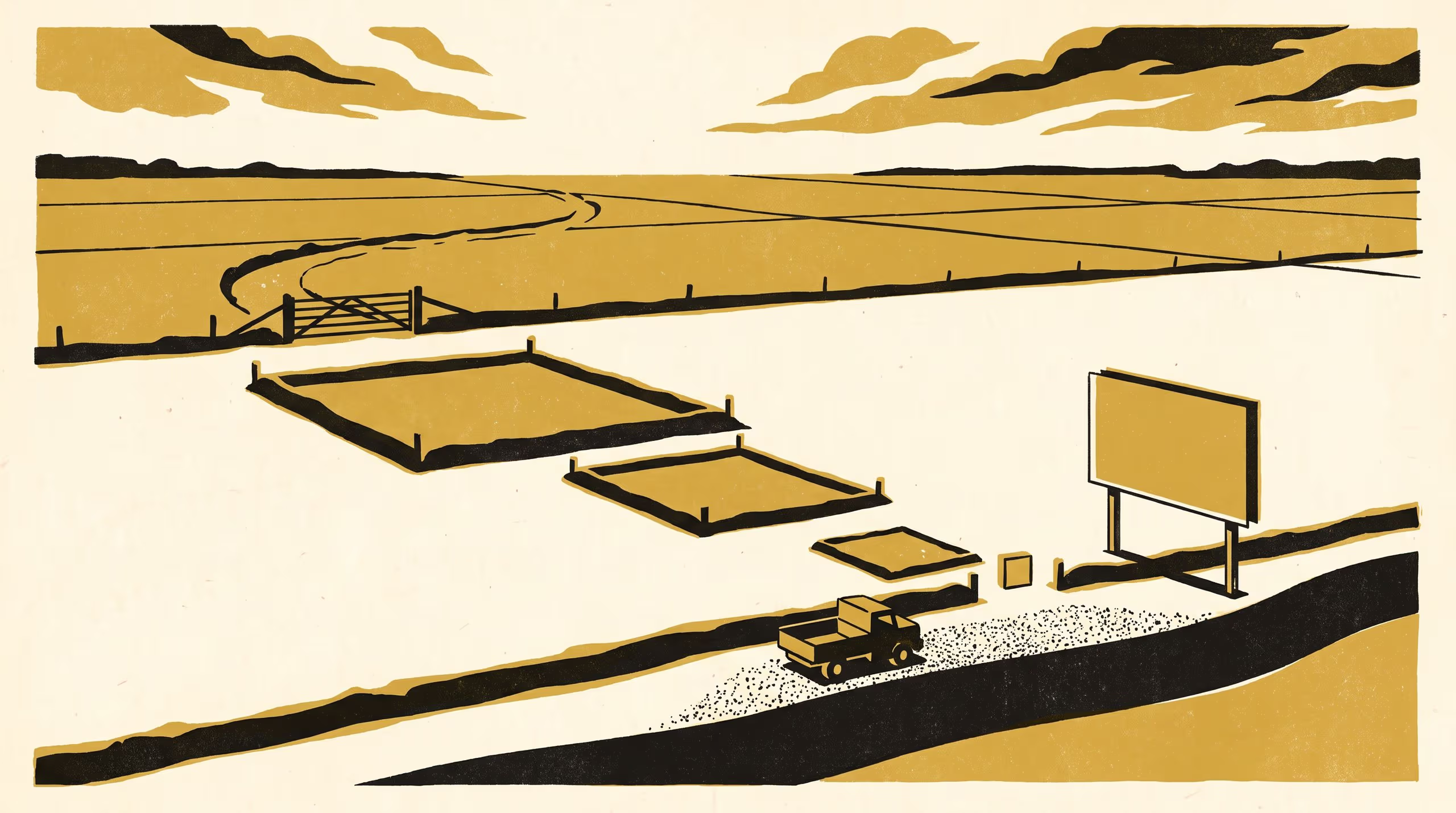
A new paper from the School of Emergent Priorities reads half a century of agricultural development programmes from the bunds, corner posts and signboard footings they left on one station's grounds.
A School of Underlying Conditions paper shows what a stop-on-first-fail test log can safely say about retiring tests from a mature mixed-signal program, and audits 401,520 die to find where it falls silent.
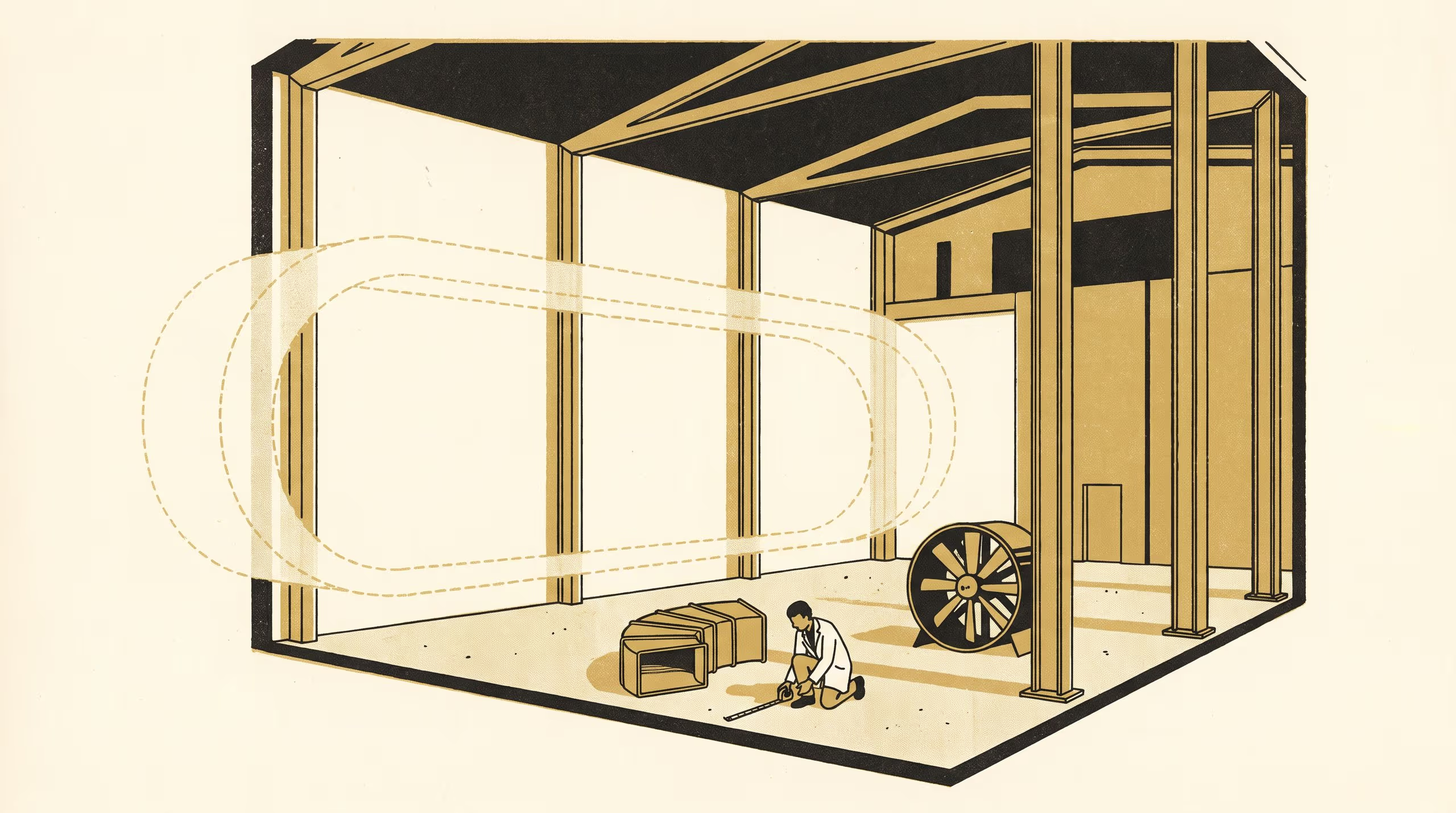
A School of Emergent Priorities paper re-values a research institute's decision to build a wind-tunnel hall before choosing the tunnel, and finds the finished shell left 61 of 412 candidate designs in play.