Research-led, metrics-forward, and continuously improving. News from the Office of Research Outputs.
8 November 2026
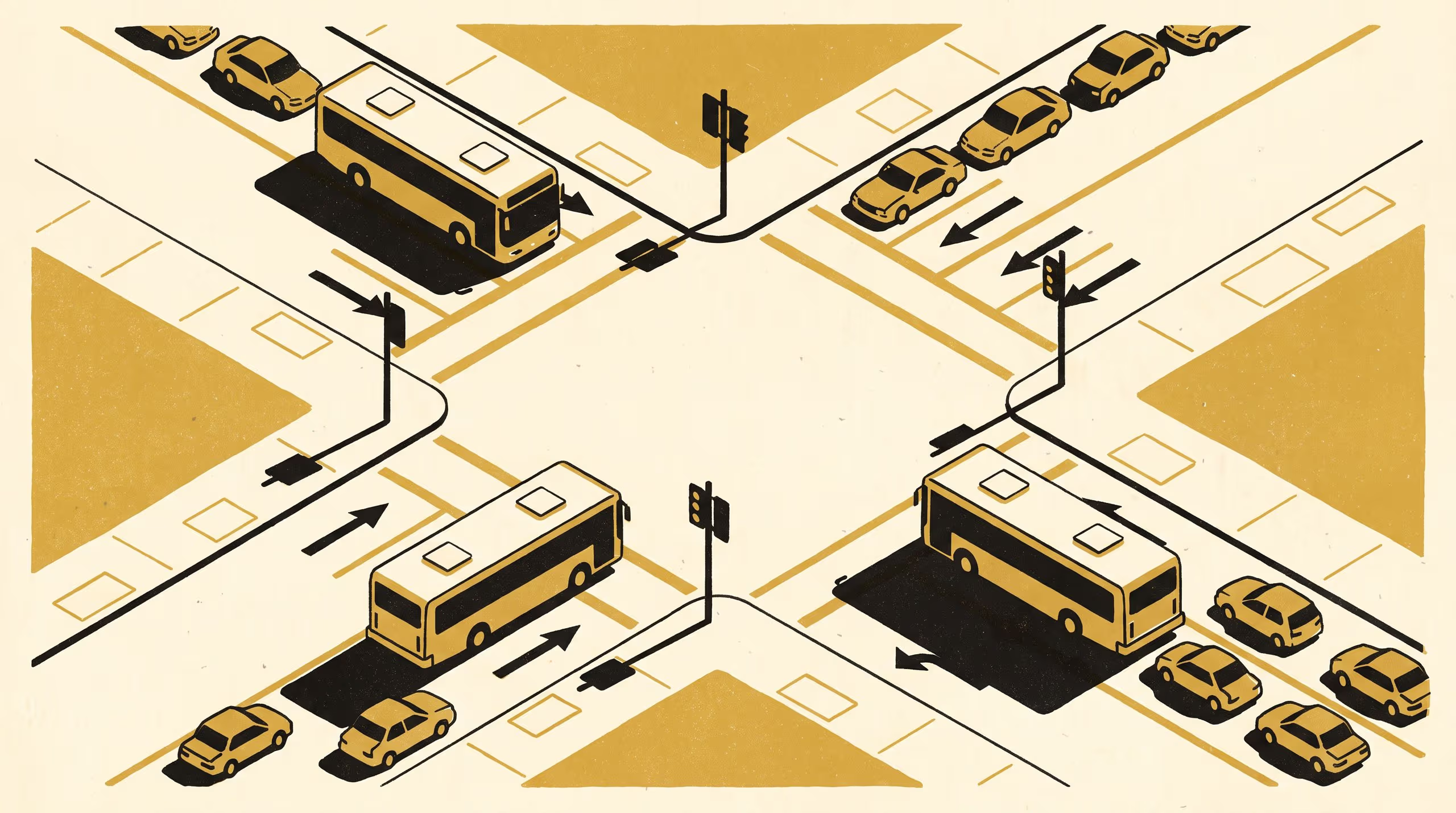
A research poster from the School of Emergent Priorities compares how a junction might choose between two buses that request priority in the same signal cycle.
A new paper from the Schools of Underlying Conditions and Continuous Improvement classifies 3,000 cycles of a research engine and finds each cycle's combustion regime largely settled by how early its flame gets going.
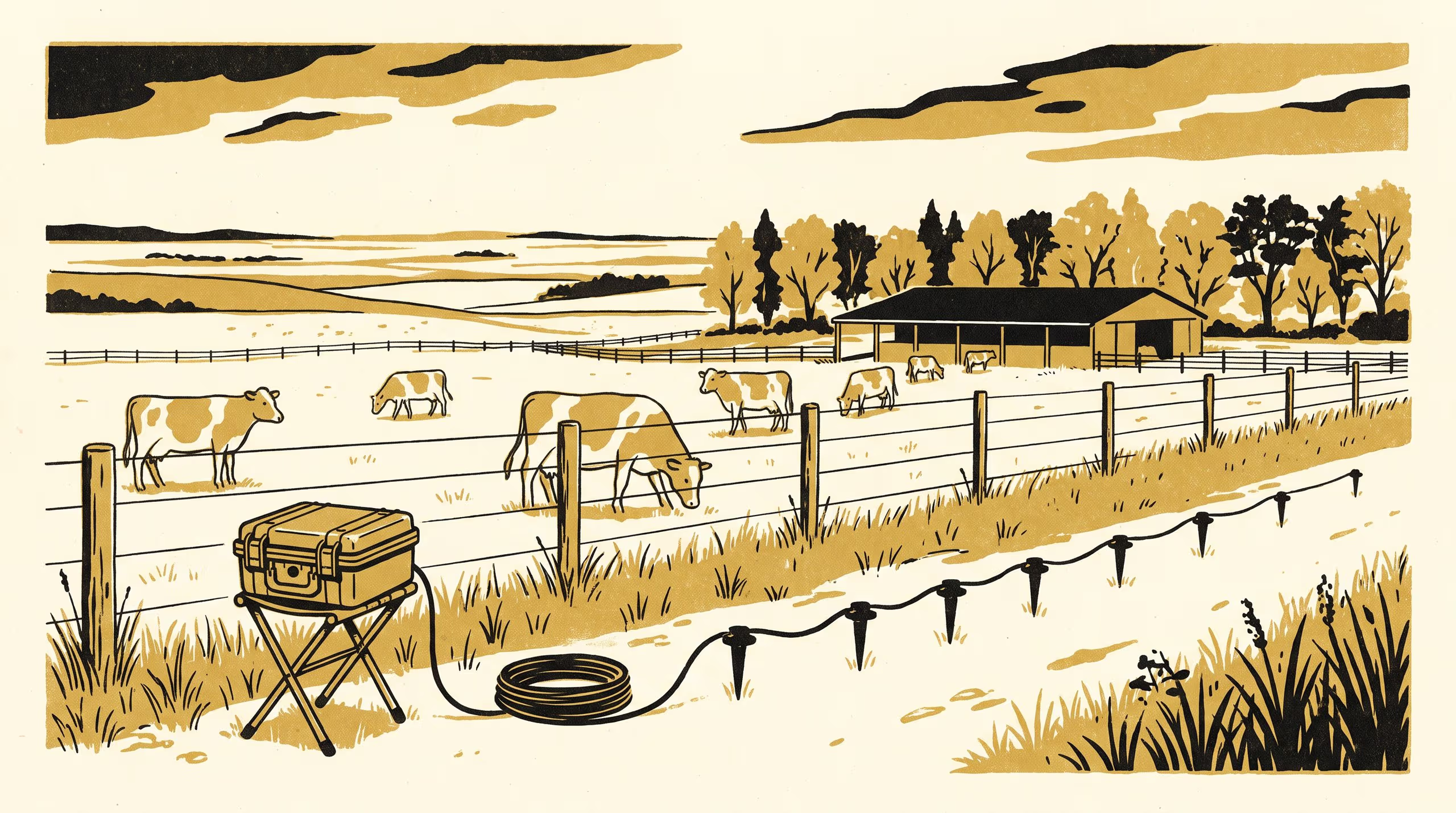
A research poster from the School of Emergent Priorities shows that the footfall of a dairy herd walking to milking, recorded on a line of geophones beside its laneway, can image a gravel-filled channel buried nine metres down.
A research poster from the School of Emergent Priorities reads 148 decisions of a regional lands tribunal on tapped resin, latex, balsam and gum, and finds that a tapper's claim to stimulated yield rests on proof of purchase.
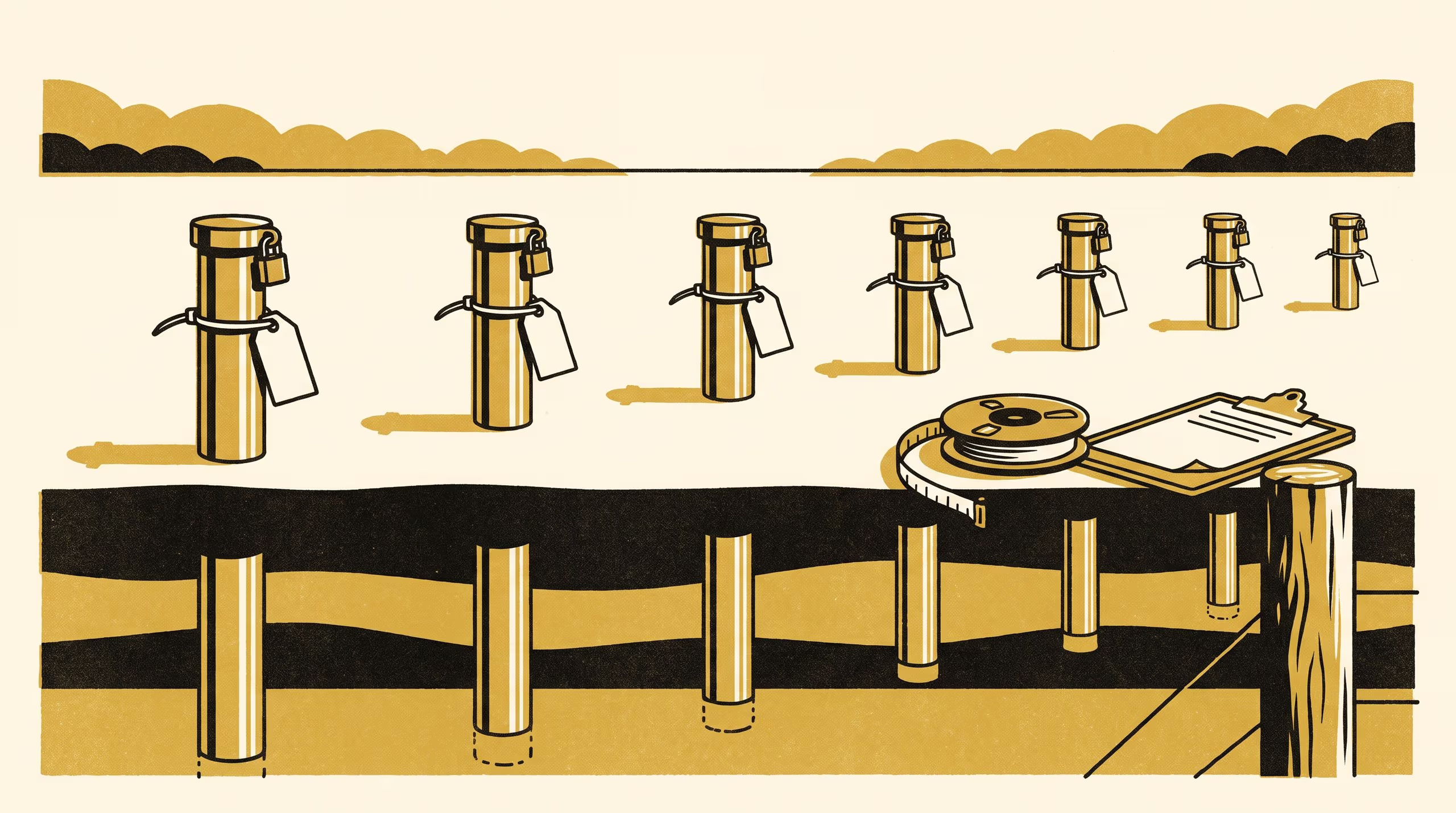
A new display campaign from the School of Underlying Conditions marks the arrival of the University's enterprise system at the bores its groundwater fieldwork reads.
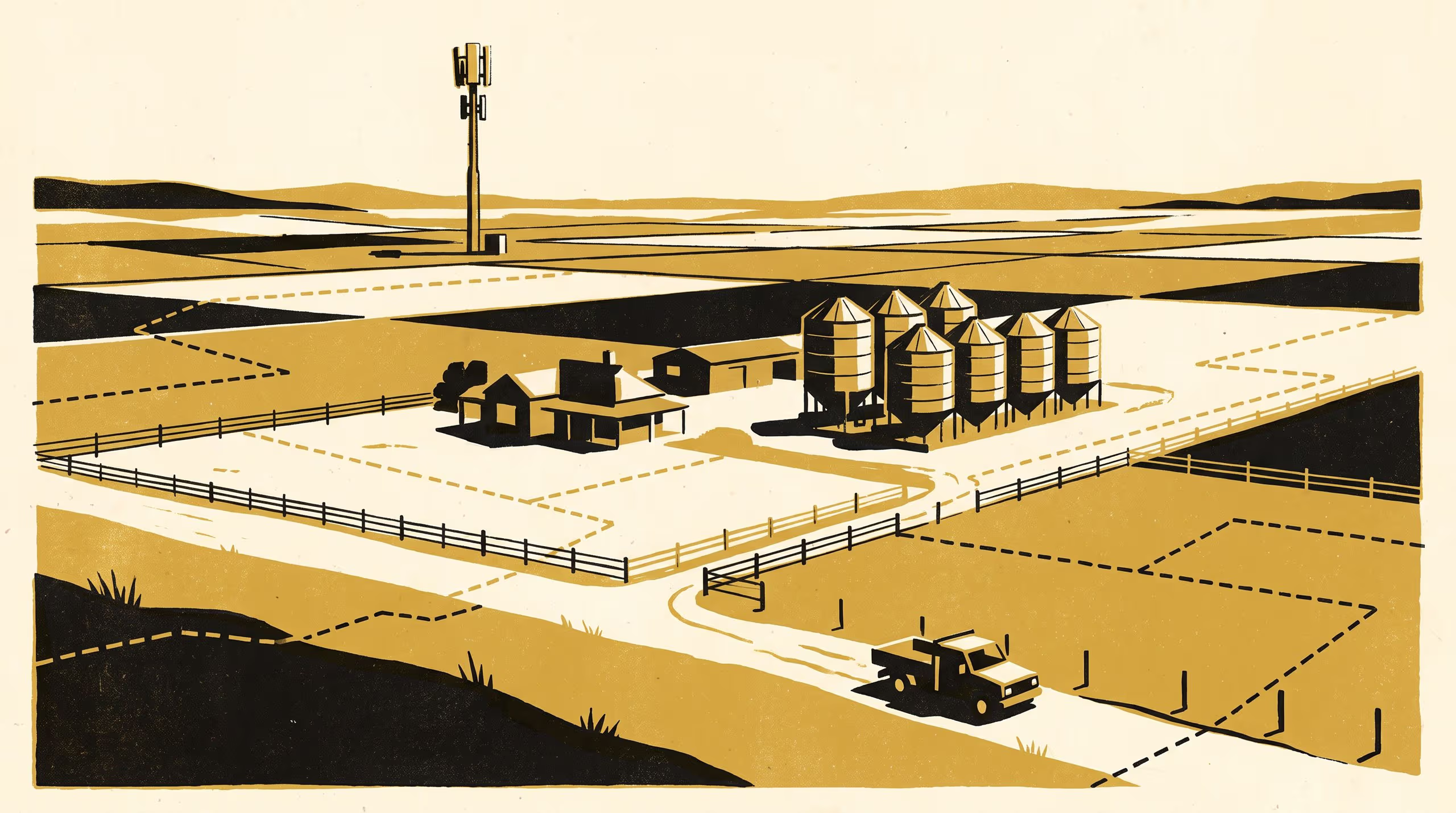
A research showcase brochure from the School of Underlying Conditions presents the University's work on digital agriculture and rural development as a reading of the farm from the hand-drawn soil survey upward, featuring eight published studies from across its three Schools.
A paper from the School of Underlying Conditions follows four years of permit applications for ground-source heat bores and finds that the ones approved by default are rarely the safest or the riskiest.
A research poster from the School of Emergent Priorities shows that unopened hibiscus-tea packets kept in a library's trade-literature deposit carry a chemical record of when they were sealed, and that the packets which kept their colour best record it least precisely.
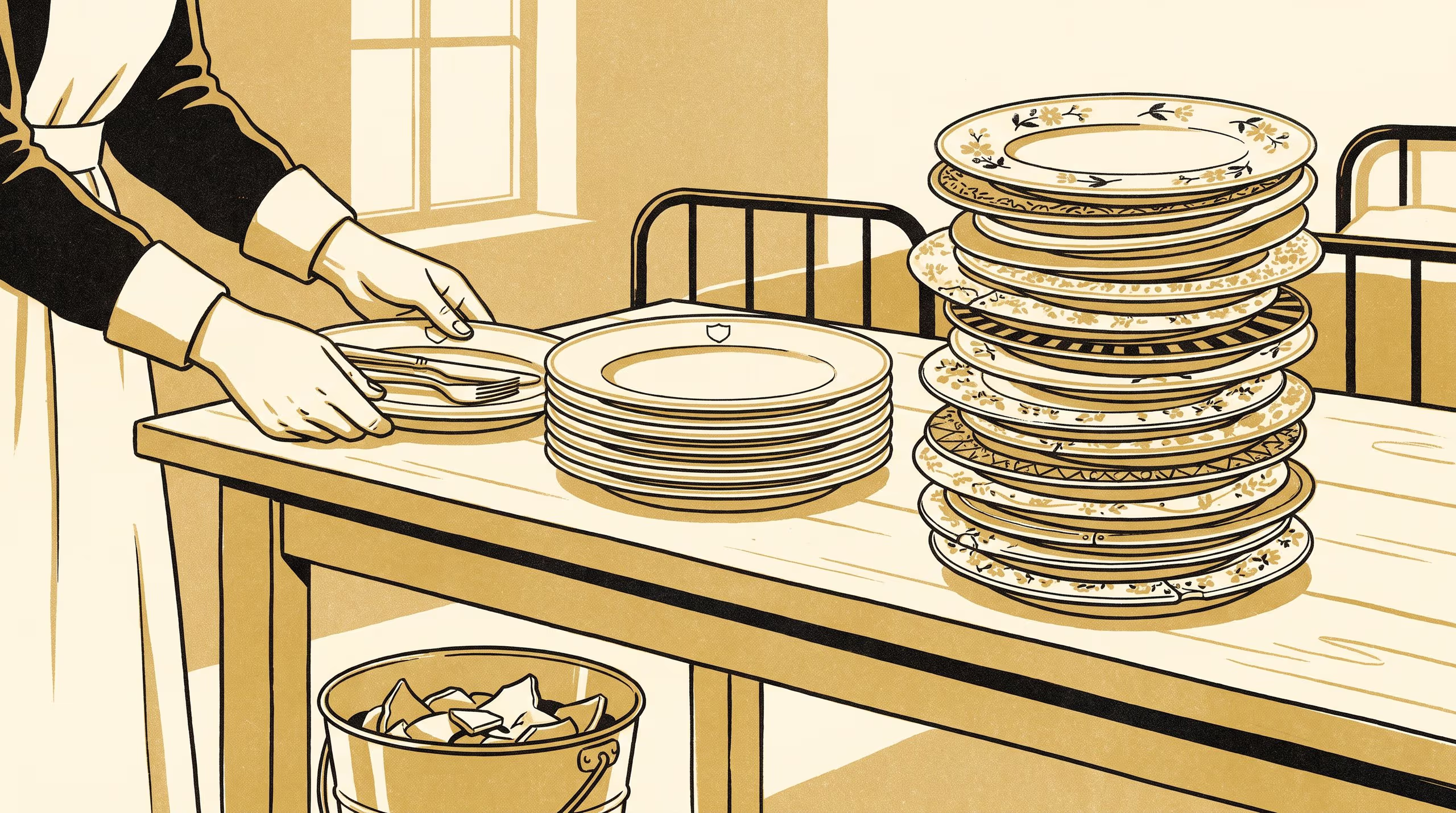
A paper from the Schools of Continuous Improvement and Underlying Conditions reads the broken tableware of a closed cottage hospital as a second record of its move from charity to public funding.
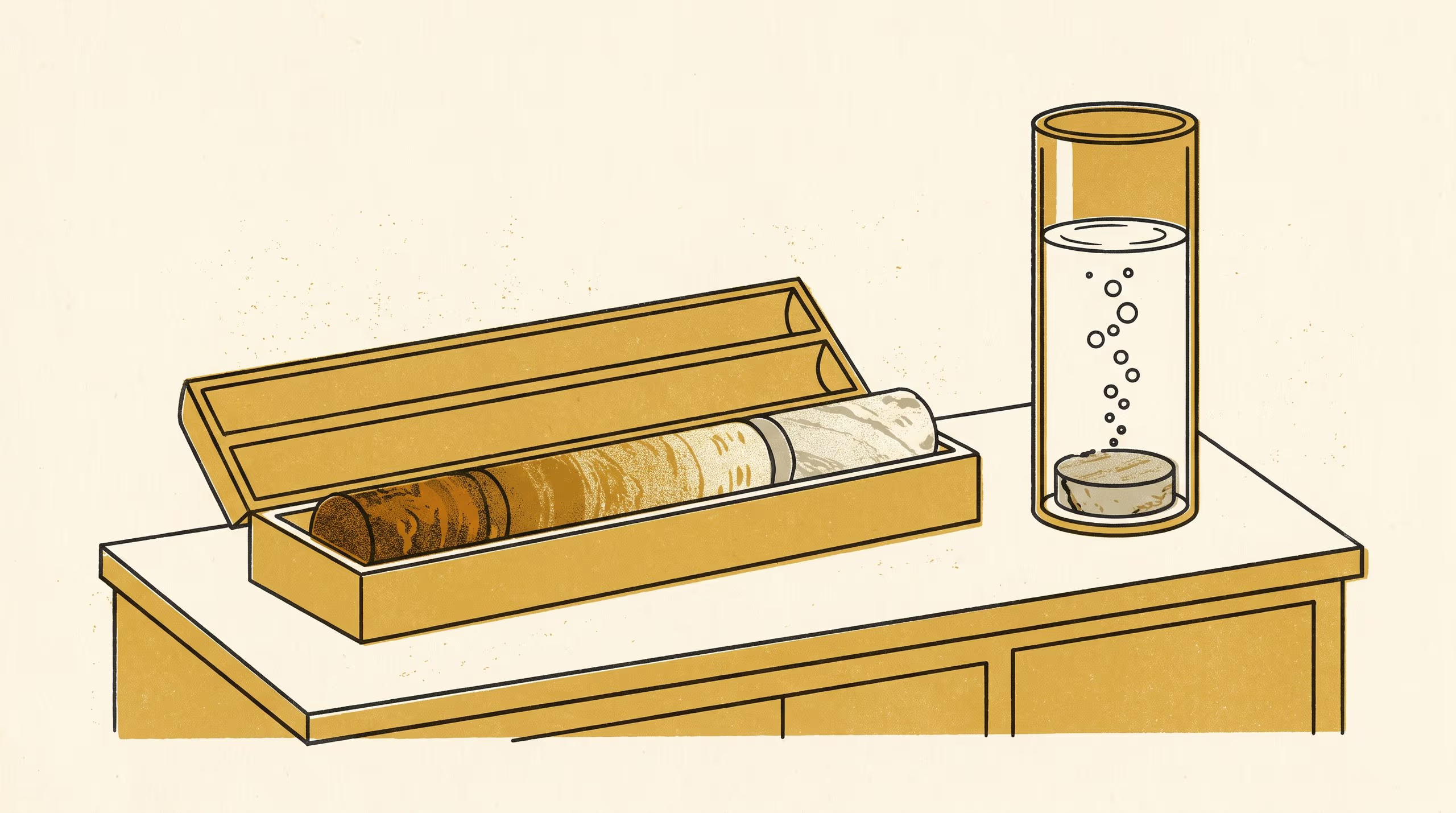
A research poster from the School of Underlying Conditions cuts electrodes from fourteen metres of one weathered exploration hole and finds that the weathering profile shapes how each slice starts, while its nickel grade decides where it settles.
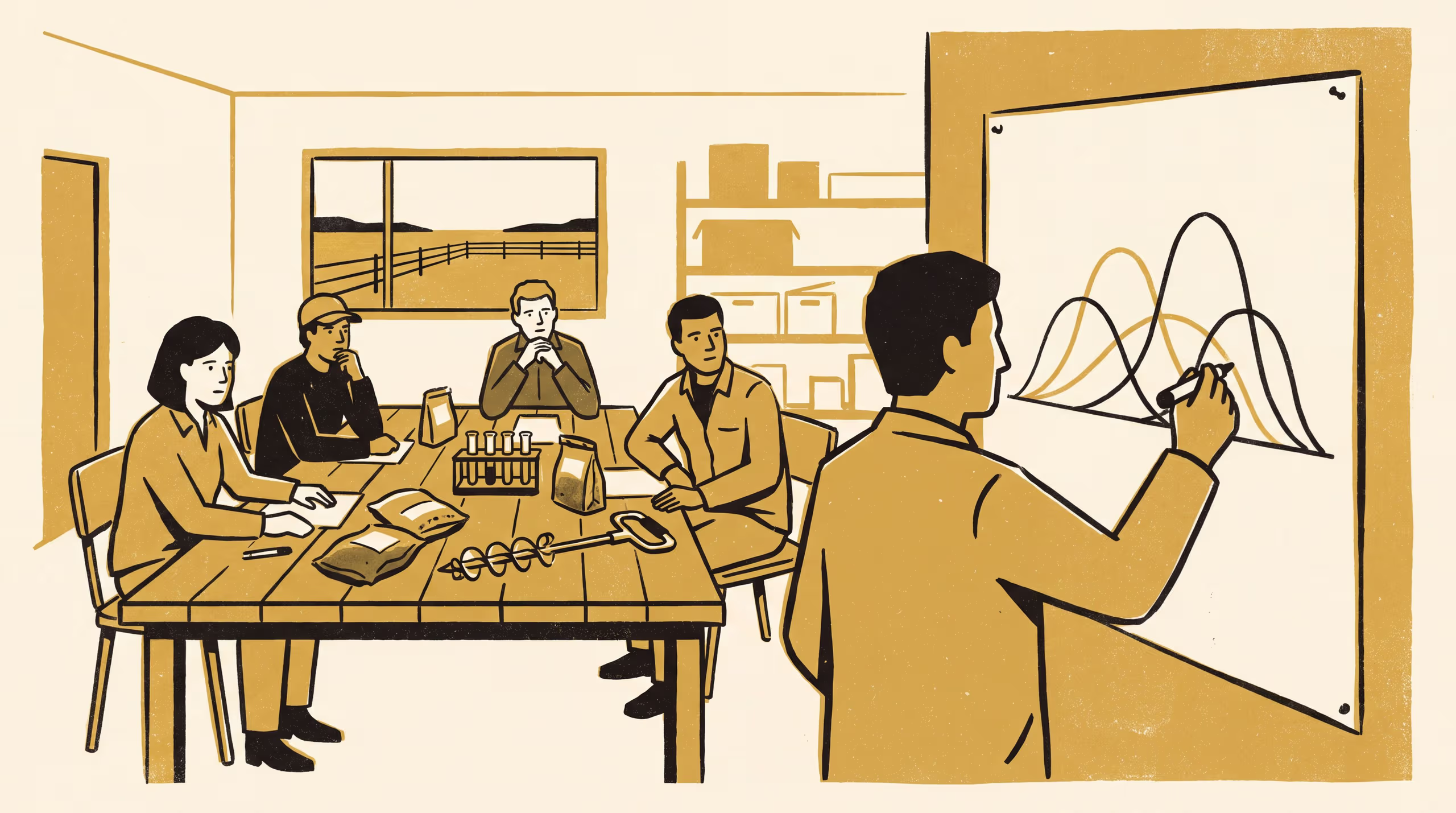
A School of Underlying Conditions research poster follows a soil-survey team through four workshops at which it drew fuzzy membership functions for its drainage classes, and finds imperfectly drained drawn three times as wide when the senior surveyor attended.
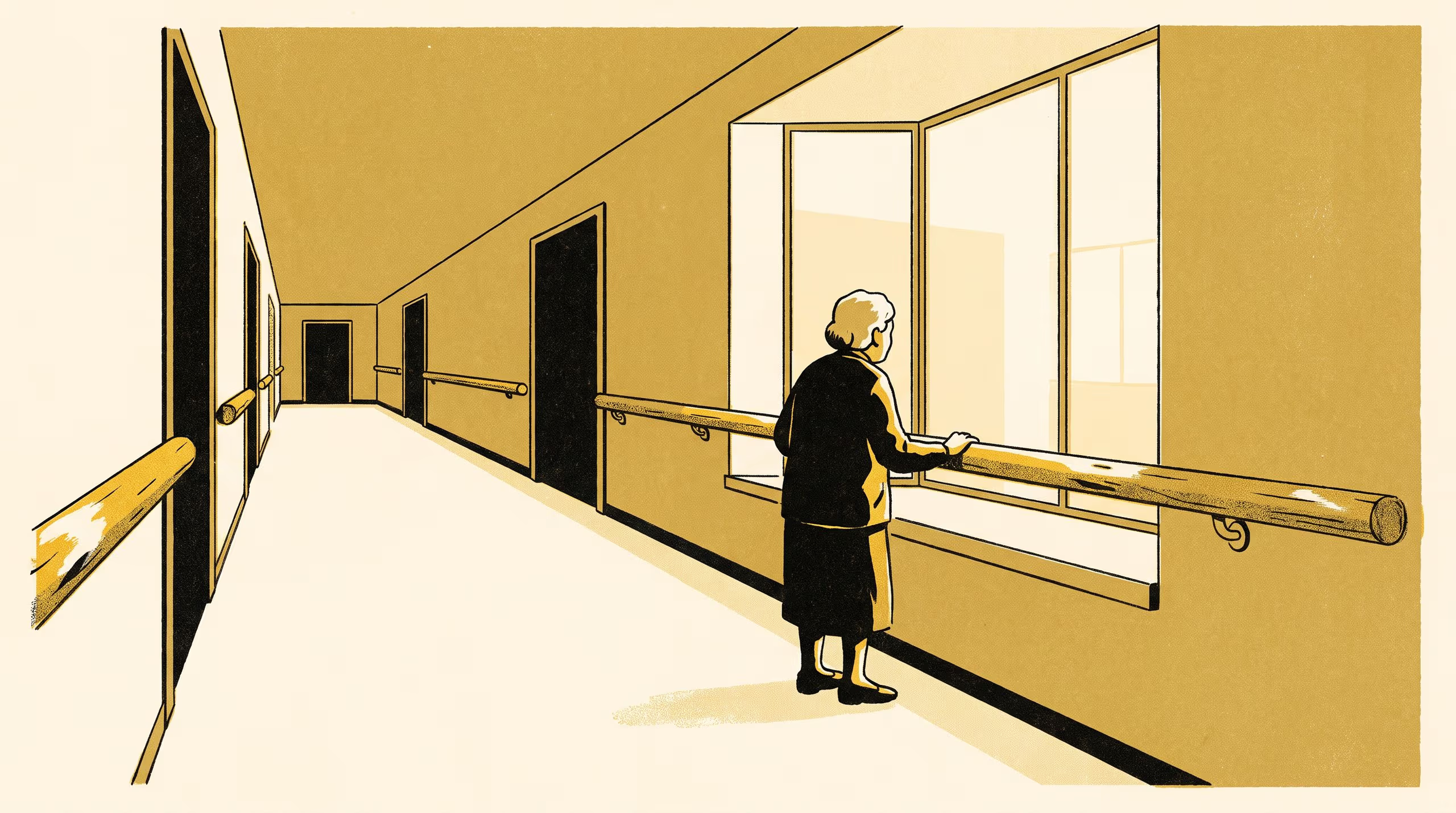
A paper from the Schools of Continuous Improvement and Underlying Conditions reads the wear on a closed aged-care wing's corridor handrails and finds them a record of standing places rather than of routes.