Research-led, metrics-forward, and continuously improving. News from the Office of Research Outputs.
8 November 2026
A research poster from the School of Settled Matters follows 61 deprecated fields through 212 schema migrations of an open-source farm-records system and finds that those recording a restriction on a paddock are almost never removed.
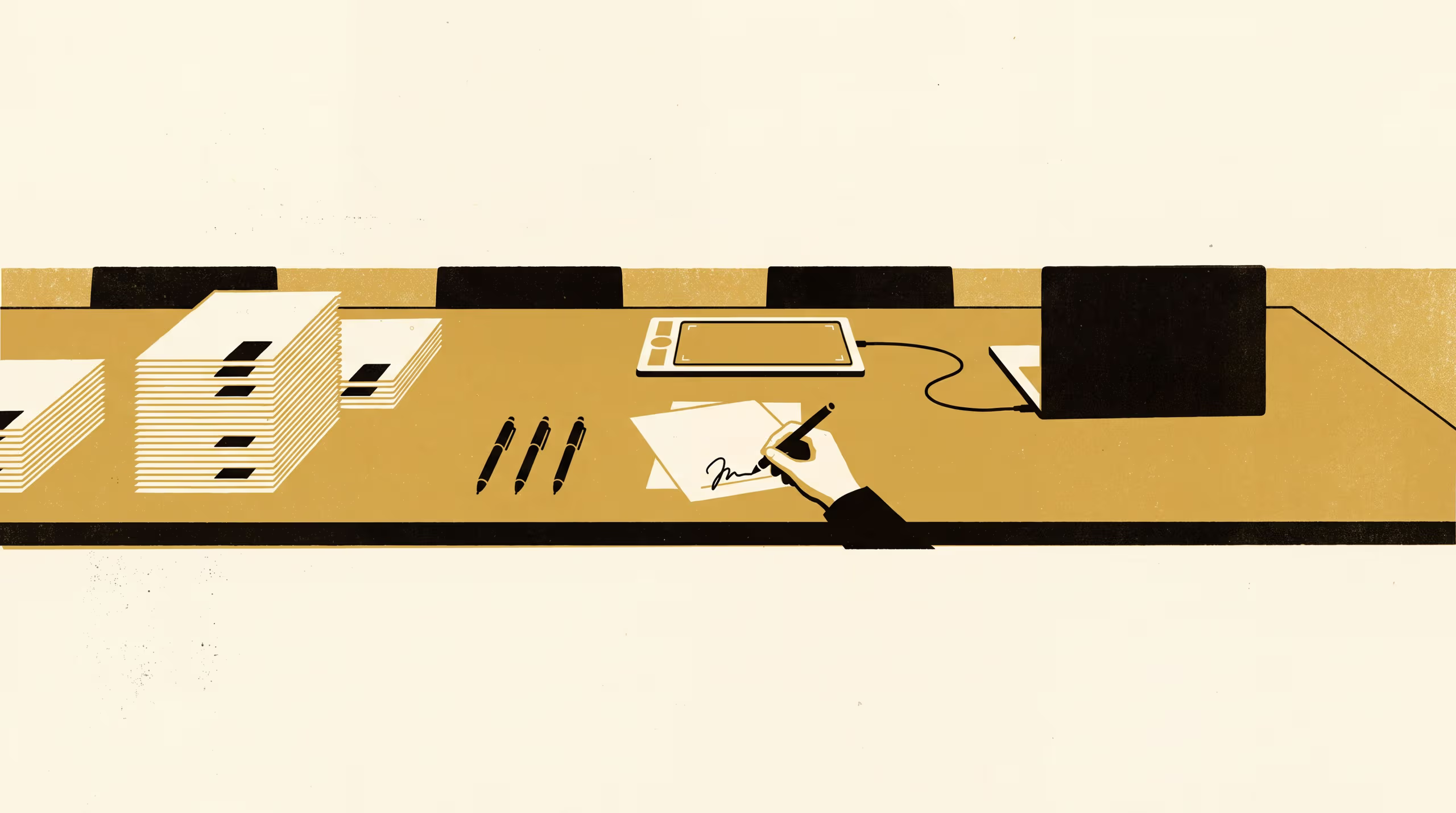
A research poster from the School of Settled Matters examines how the flow of a pen's ink shapes both the making of a signature and the weight a signer feels it carries.
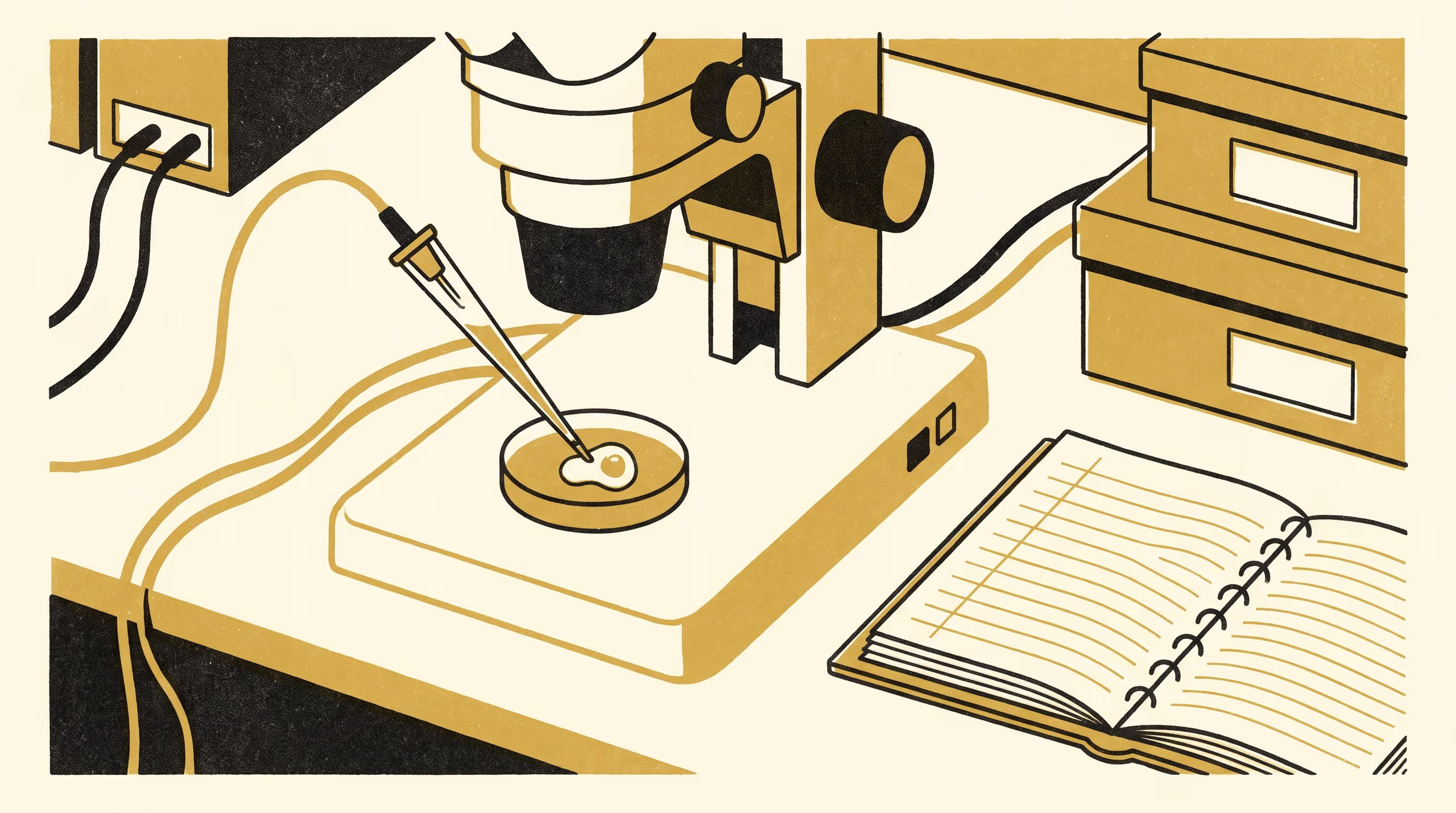
A new paper from the Schools of Settled Matters and Continuous Improvement reads a concluded laboratory programme's own recordings to recover a correction its notebooks left unstated, and finds that most of a reported difference between two channel constructs lay in the voltage reference.
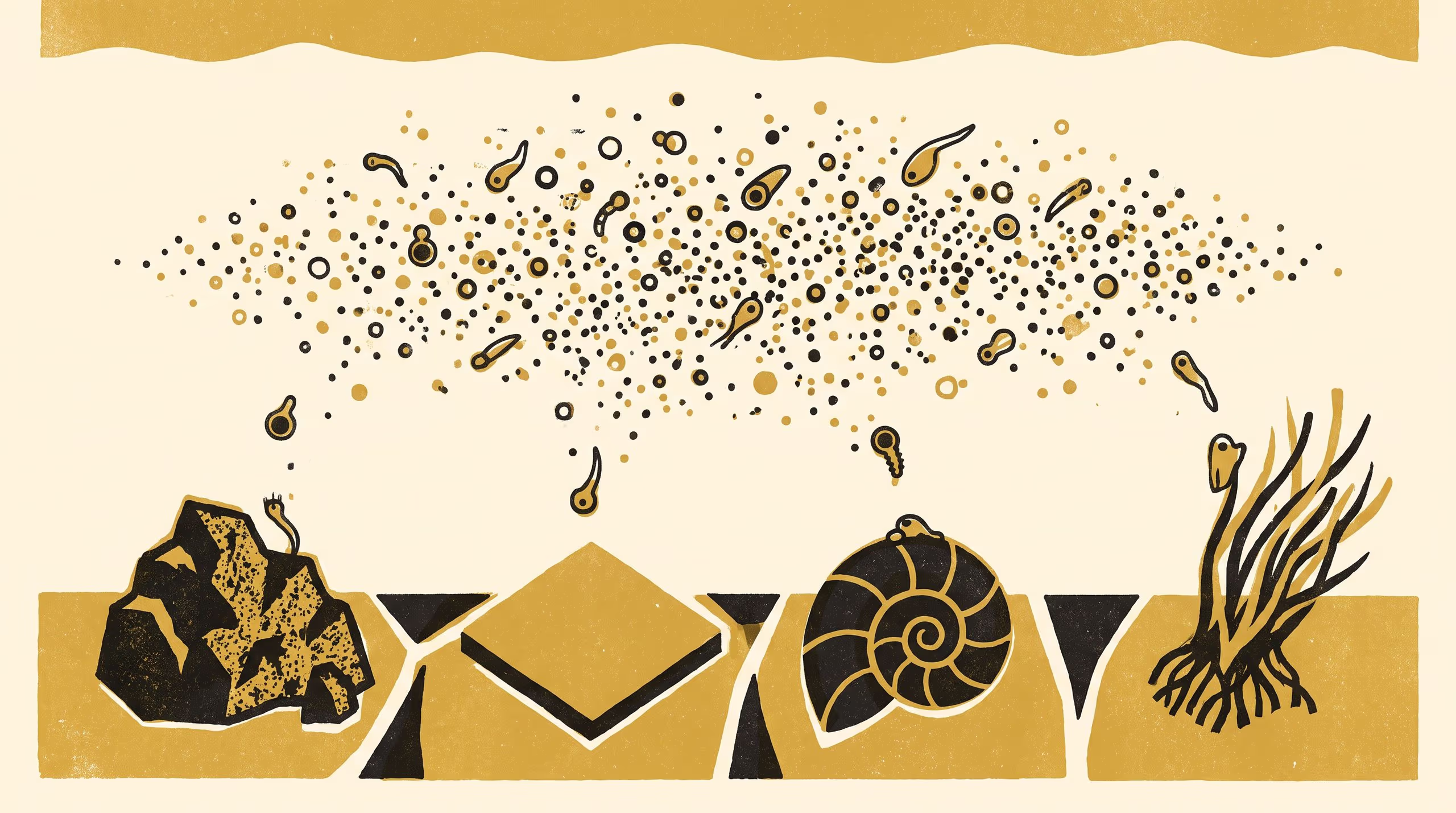
A new research poster from the School of Settled Matters finds that a drifting larva which grows less particular as its time runs short is following the best rule open to it.
A research showcase brochure led by the School of Settled Matters gathers the University's work on systems that carry their whole past with them, from the monitoring bore to the law library, around seven published studies from four Schools.
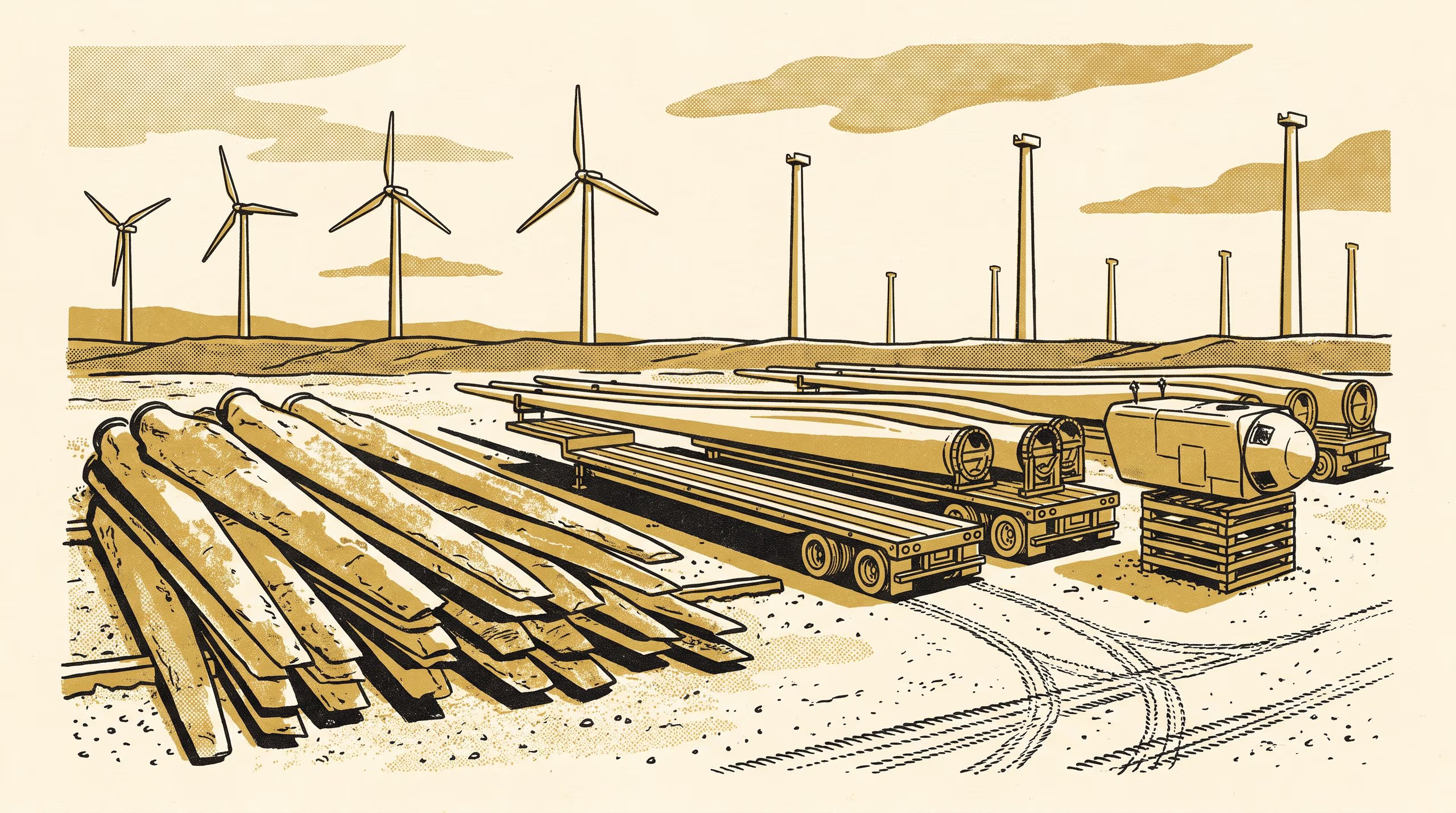
The School of Settled Matters' first research output puts an old puzzle about replacement to a wind farm, a boundary fence and 1,240 members of the public.
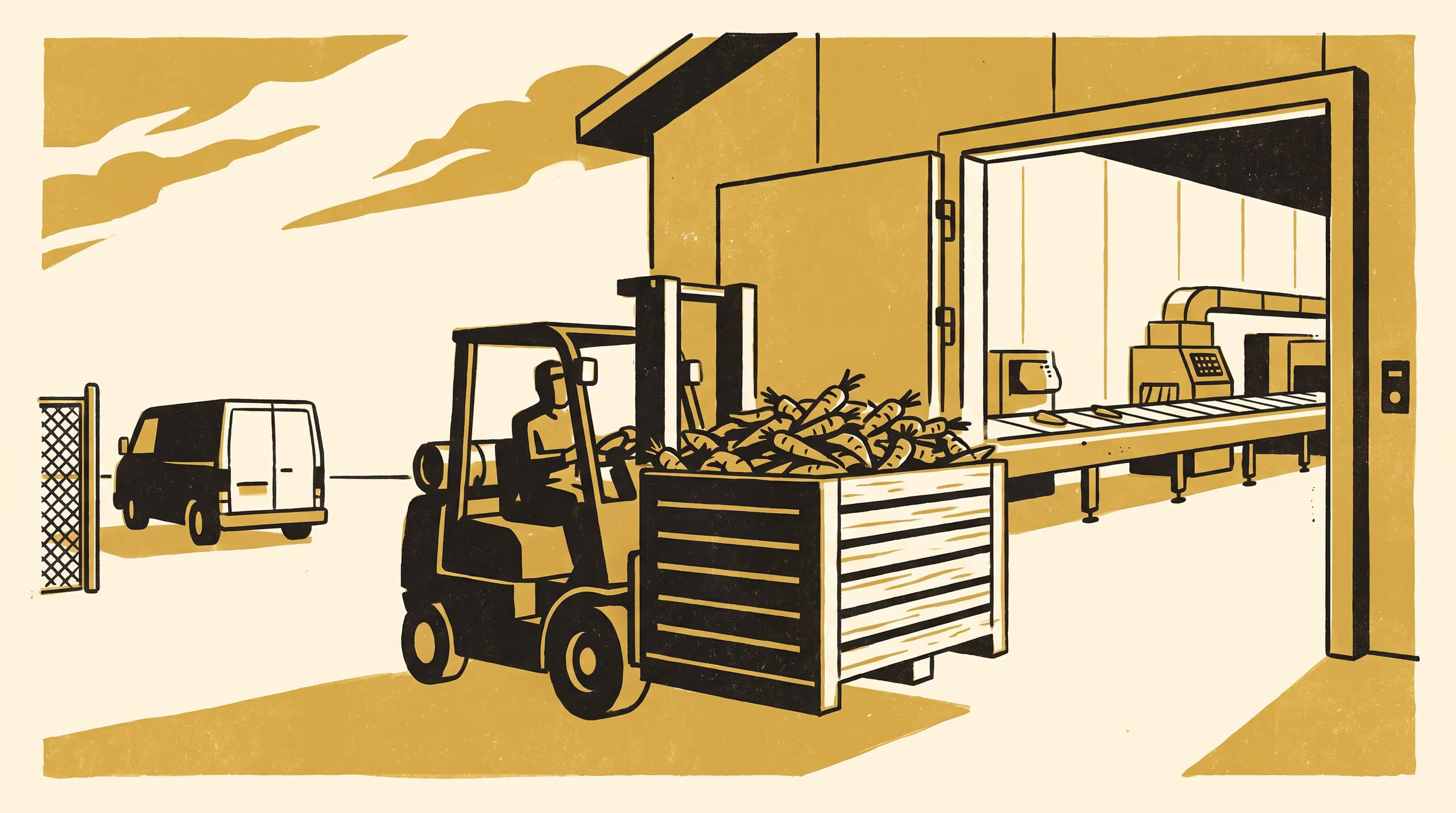
A new paper from the School of Continuous Improvement finds that where a packhouse holds its out-of-grade carrots shapes how much a food-rescue charity can accept, more than how often the charity collects.
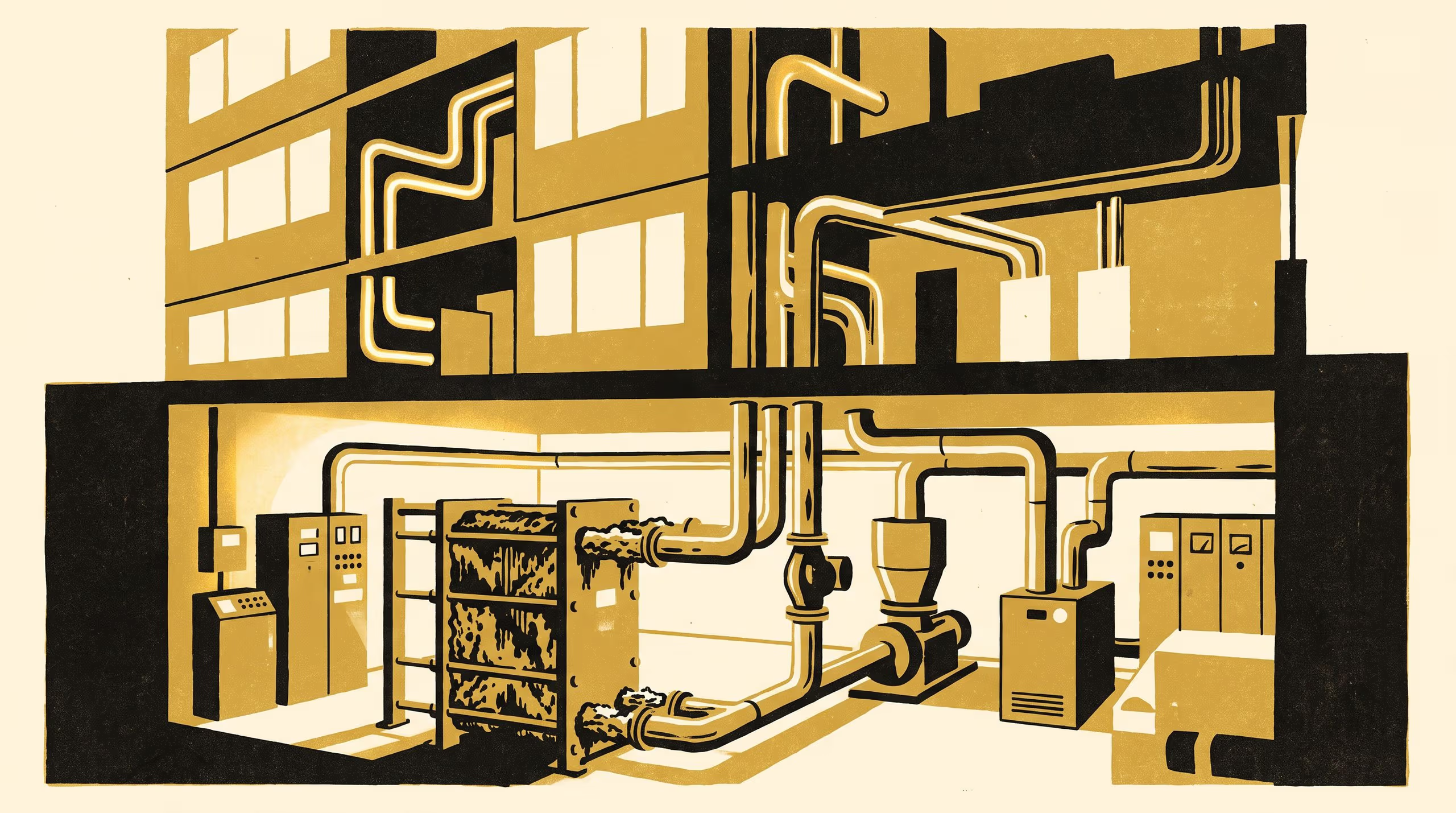
A research poster from the School of Emergent Priorities finds that the calcite collecting in apartment buildings' shared hot-water plants answers to the temperature of the heat-exchanger plate rather than the storage setting their owners corporations decide.
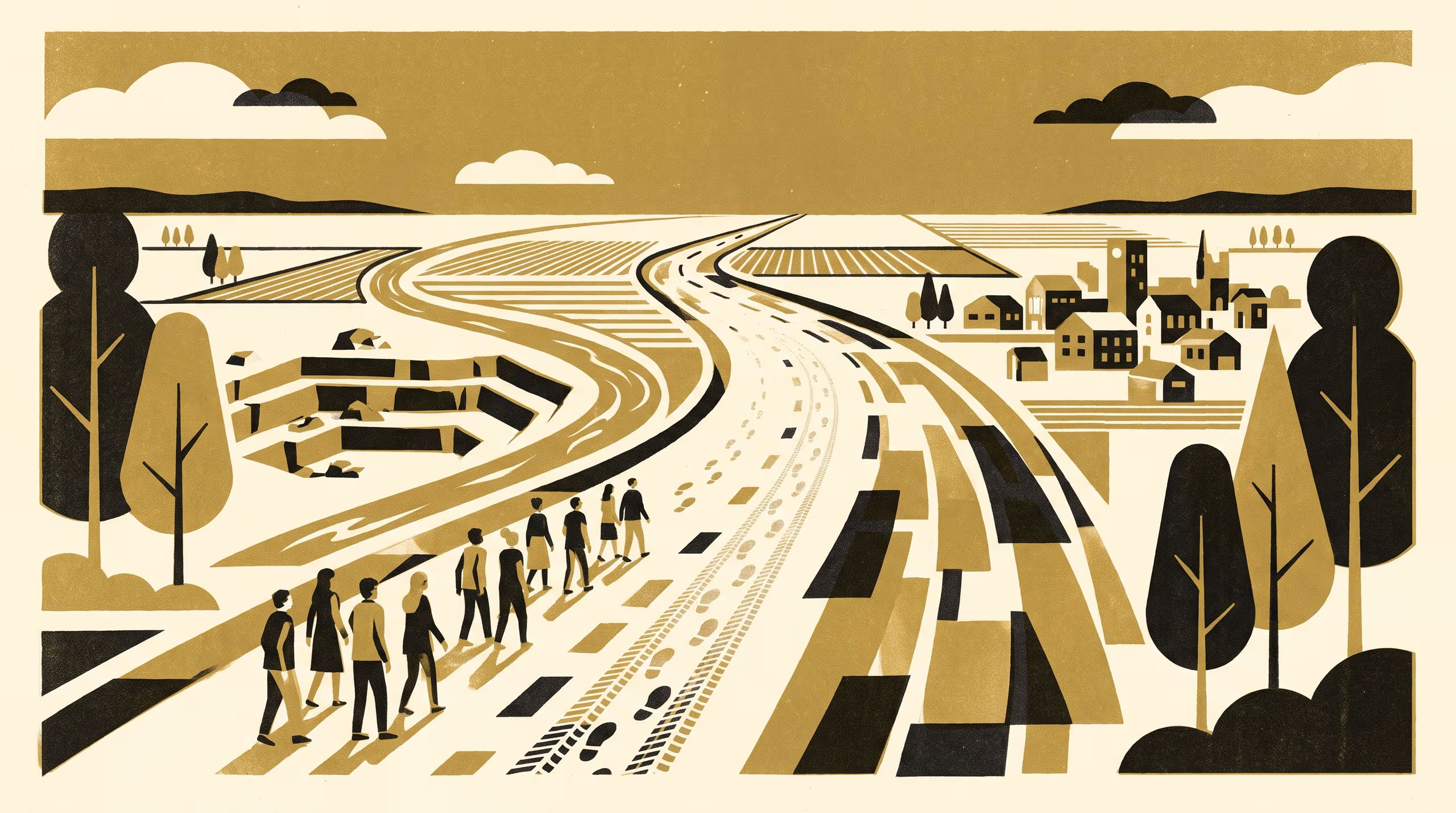
A new display campaign from the School of Emergent Priorities brings the Trajectory Analytics Group's work on emergent order to the University's landscape screens.
A computer science paper from the School of Emergent Priorities reconstructs how fraud call-centre scripts were edited from copy to copy, and uses that history to link device seizures that shared no other identifier.
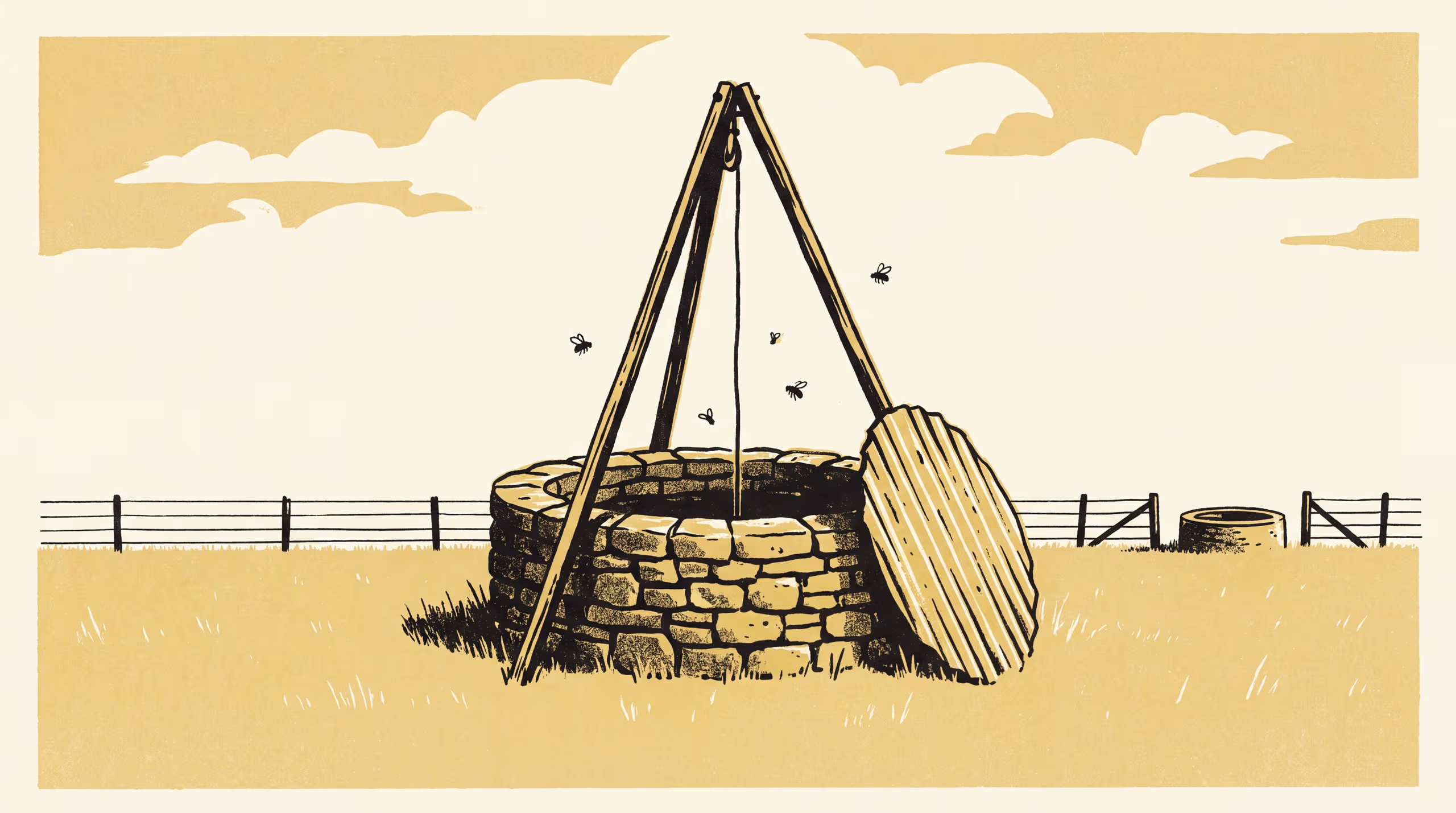
A research poster from the School of Underlying Conditions measures how long blow flies take to reach remains at the bottom of a dry well, and what the wait does to an interval read from their larvae.
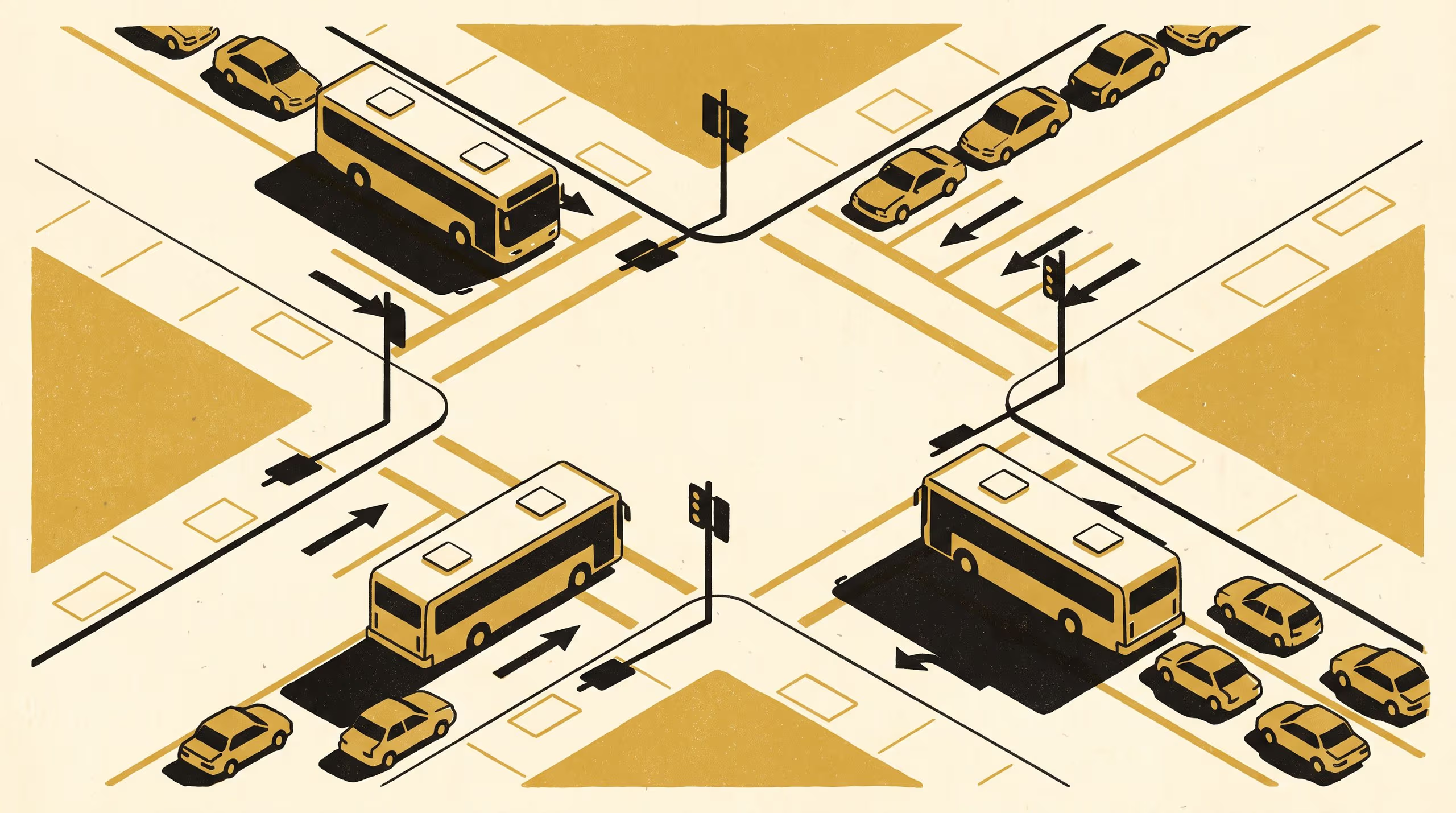
A research poster from the School of Emergent Priorities compares how a junction might choose between two buses that request priority in the same signal cycle.