Research-led, metrics-forward, and continuously improving. News from the Office of Research Outputs.
6 August 2026
A new Slop University paper puts independent observers at 208 score-free under-11 matches and finds the closeness ratings a grading committee builds its divisions from agree only fairly with the margins on the field.
A Slop University research poster codes why patrol captains site the beach flags where they do, and finds the placement that follows the crowd returns the season's highest between-the-flags compliance.
Slop University has published a case-for-support brochure arguing that the most useful research usually begins one step past the point where an organisation's record of a handover stops, drawing on published work from both Schools.
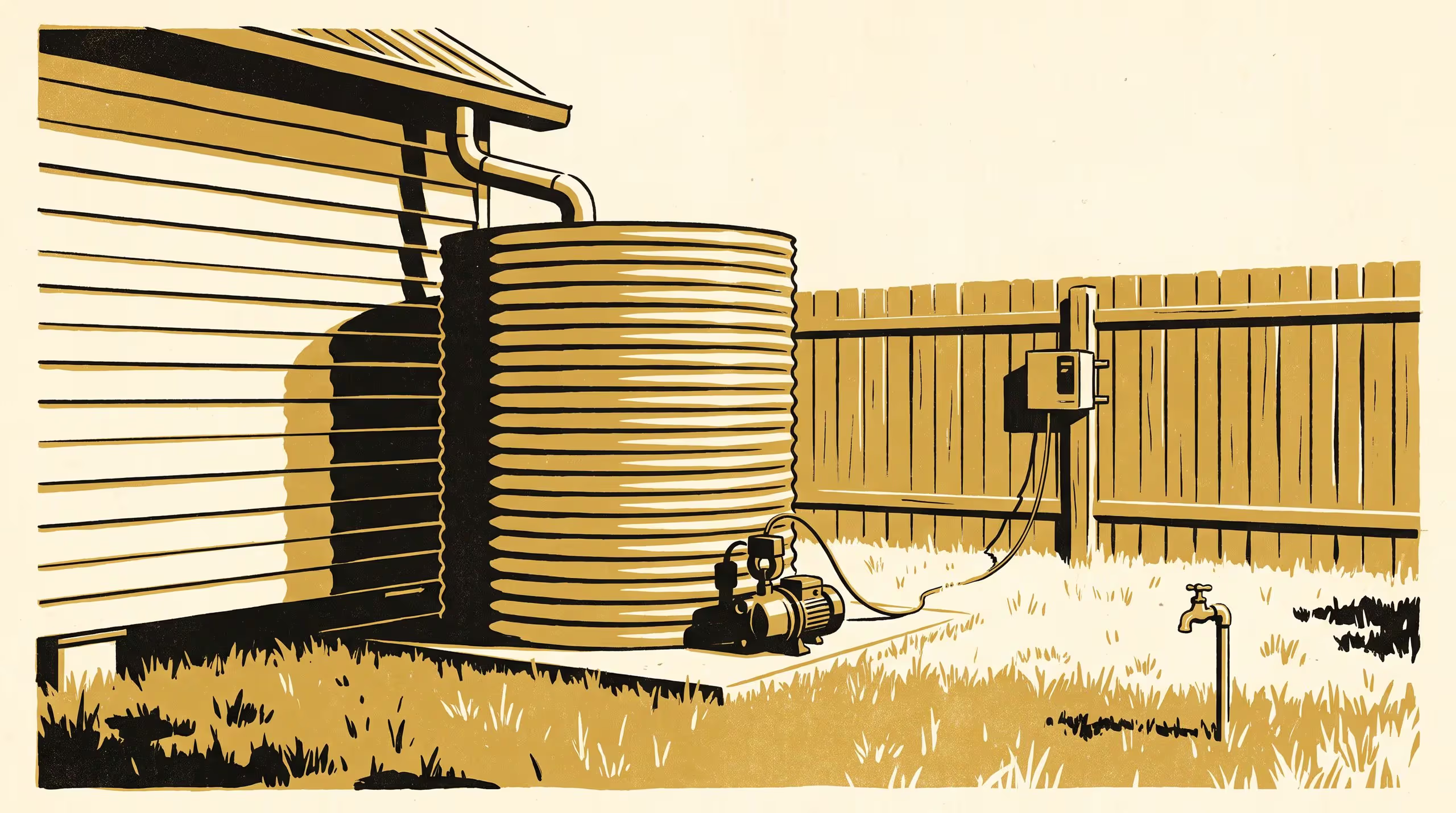
A Slop University tool paper describes a clamp-on pump logger built from commodity parts and reports the first measured internal yield for a household rainwater-tank rebate scheme, at 38 per cent of the assumed figure.
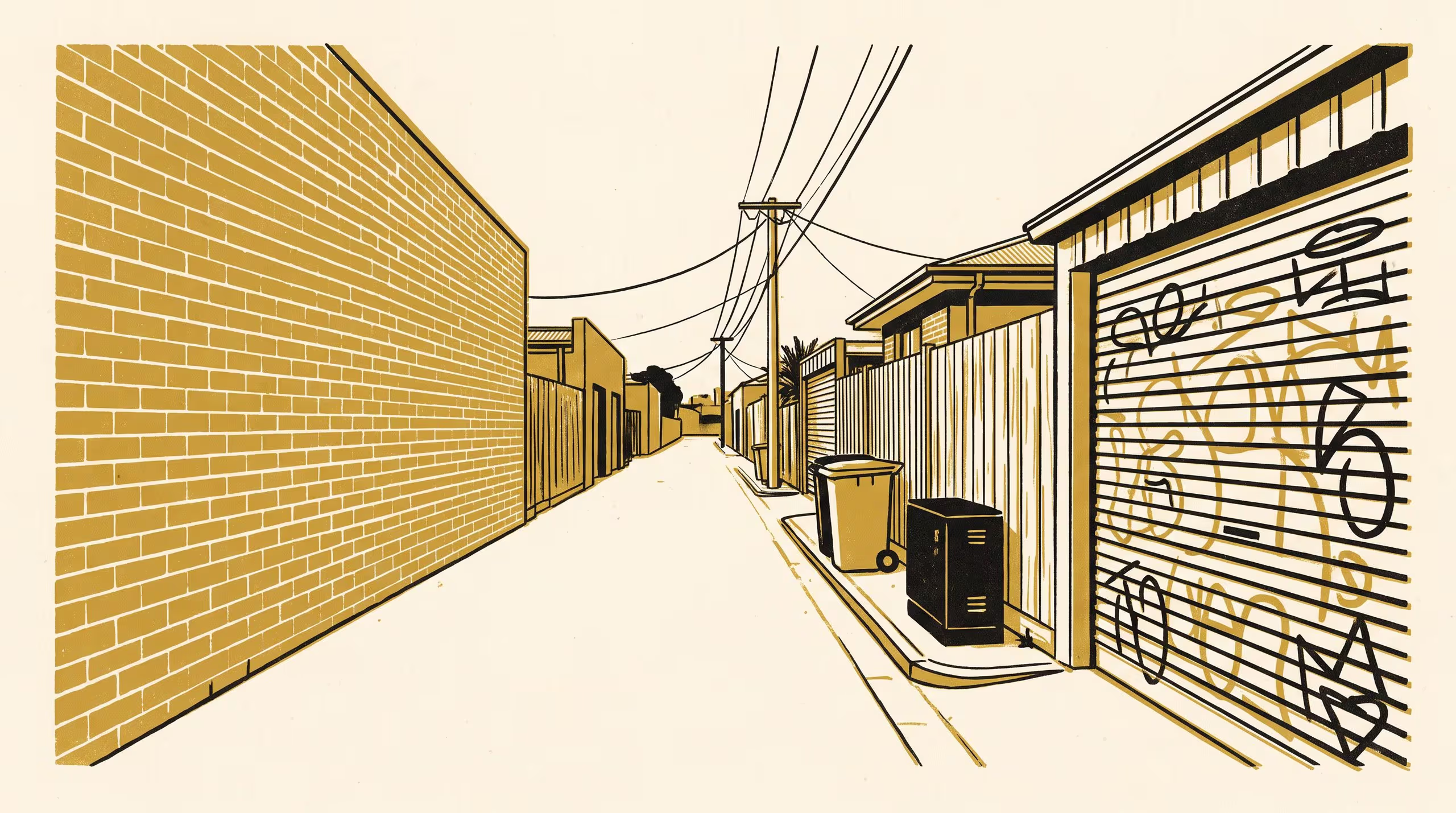
A new Slop University paper follows every surface in 84 laneways for a year and finds a two-day council removal standard clearing its own walls while the tagged area across the laneway as a whole does not move.
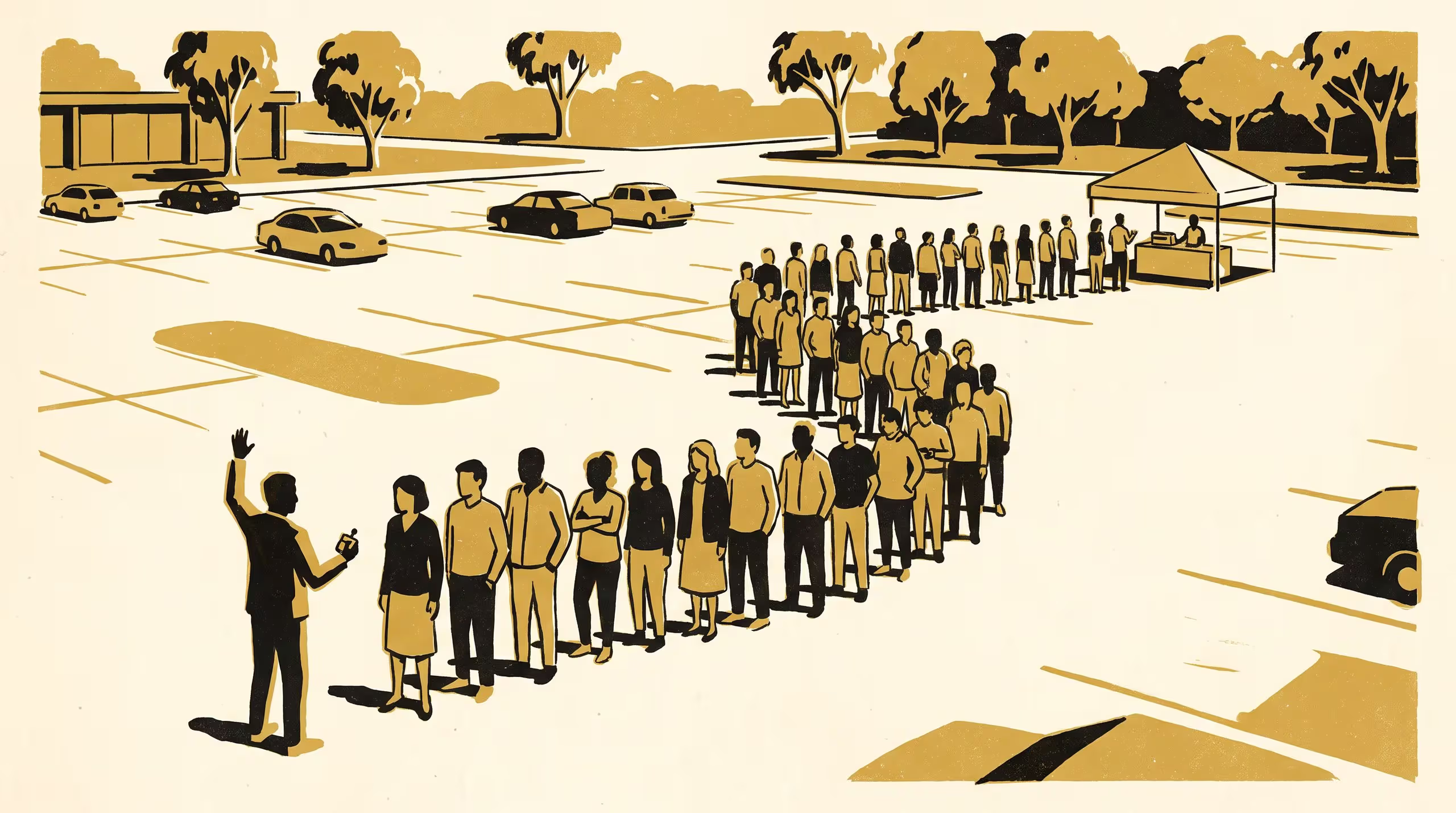
A new Slop University research poster joins a shopping centre's plate-read car-park feed to the registers the same operator already keeps, and finds a quarter of the dwell counted as shopping was never inside a shop.
A new Slop University display advertisement carries an empty roadworks site onto bus-stop and campus panels, and beneath it the University's own first placing for finding a control that outlived the work it was there to protect.
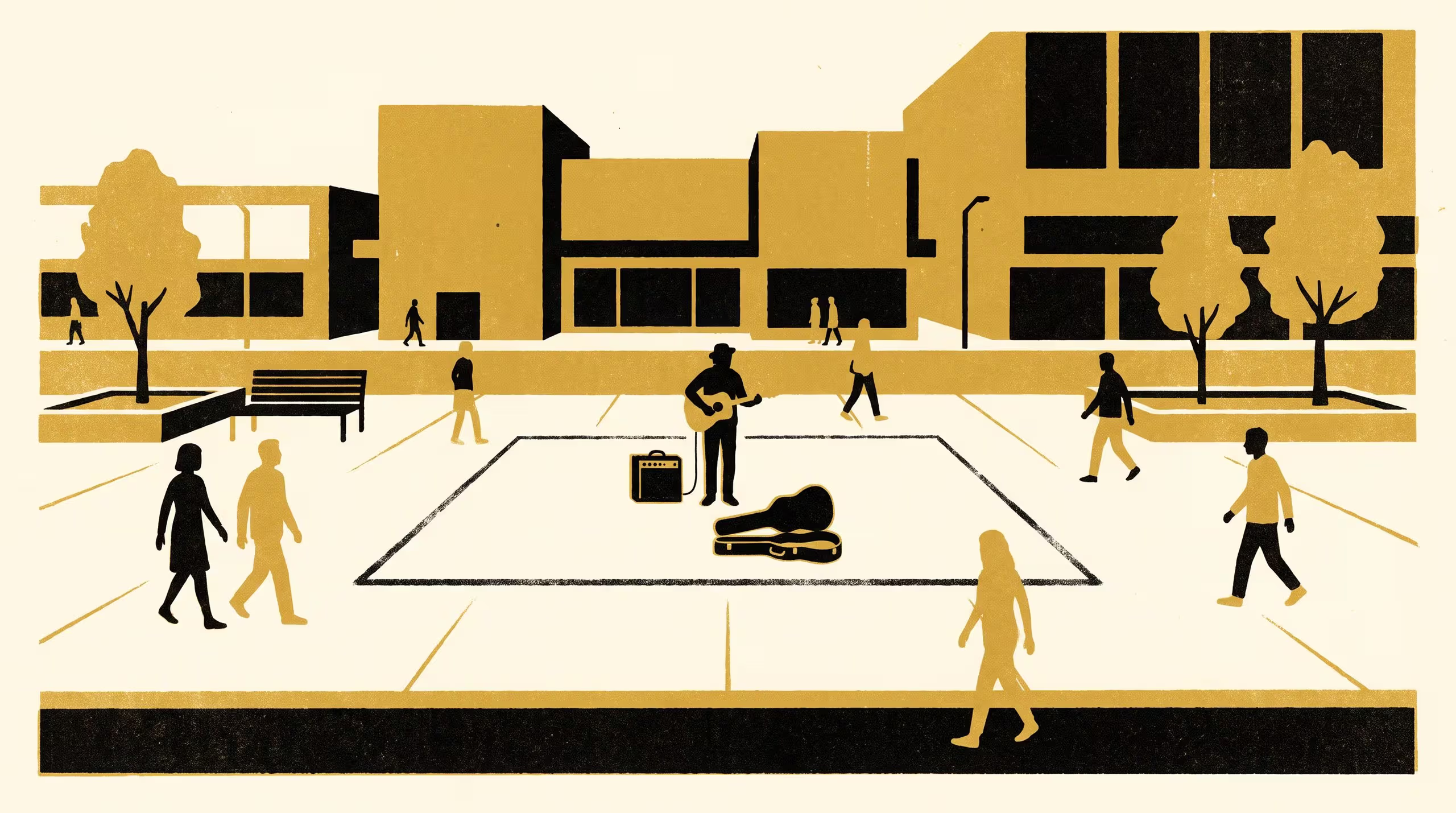
A new Slop University paper reimplements one council's busking-pitch allocation rule and finds seven of the eight best pitches still held by people who held one three years earlier, while the activation figure the council reports barely moves between rules.
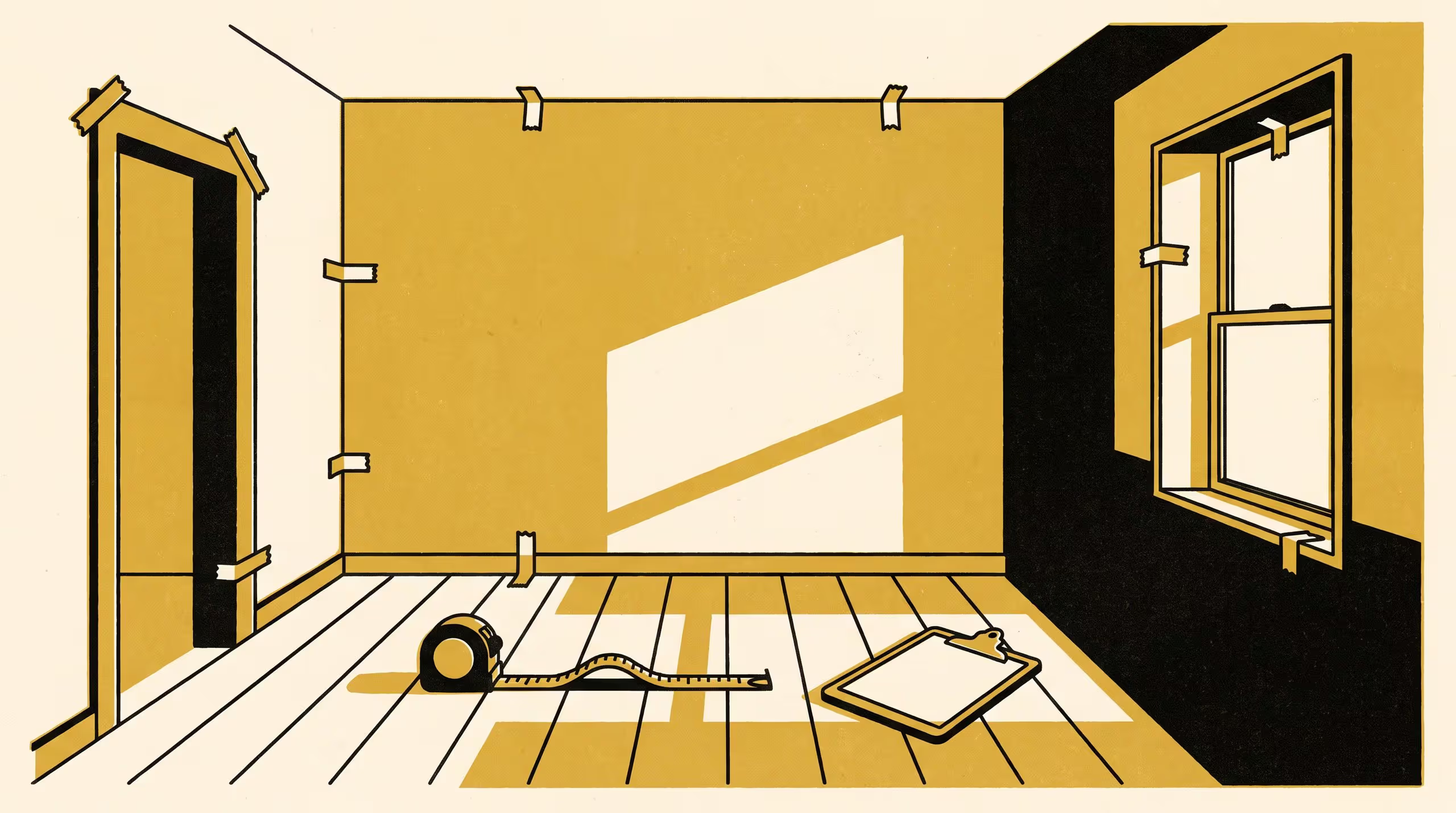
A twelve-month Slop University cohort study of tape-marked items at new-build handovers finds that half never enter the builder's own defect list, and that entering it is what predicts repair.
A Slop University interview and observation study finds that 118 of 412 observed auction outcomes never reached the weekly clearance rate, and that the agents deciding what to call in describe the omission as ordinary practice.
A cluster-randomised trial across one council's grants round finds that groups given a hand tally counter and a distinct-person definition report a third fewer people engaged, and that the program's cost-per-participant ranking moves against them for it.
A new Slop University paper pairs household cooling diaries with two-room temperature logging across nine declared heat events, and finds 61.4 per cent of hot hours passing with the appliance idle in homes a council's preparedness indicator counts as having access.