Research-led, metrics-forward, and continuously improving. News from the Office of Research Outputs.
30 October 2026
A new paper from the School of Underlying Conditions works through 9,318 equations typeset across a soil survey's report archive and settles on 1,322 distinct formulae, with a reference set for the near-identical rest.
A new research poster from the School of Emergent Priorities follows every swap between pupils' lunchboxes across a school term and finds that fruit is traded far more than anything else.
A prospectus brochure from the School of Underlying Conditions invites research students into organic synthesis at an earth sciences school, where the reaction left running overnight is treated as the centre of the working day.
A new research poster surveys the pins, clips and staples in a library's trade-literature deposit and finds that many are the only surviving record of which price list was used with which catalogue.
A new research poster describes a luminescent europium film that keeps a lasting record of the hands that lift an object, and follows it onto the mail, laundry and shoes of 24 households.
A paper from the School of Underlying Conditions traces how an instrument that reached the University's soil-water laboratory without a single request came, over thirty-one months, to have more work than its Thursdays could hold.
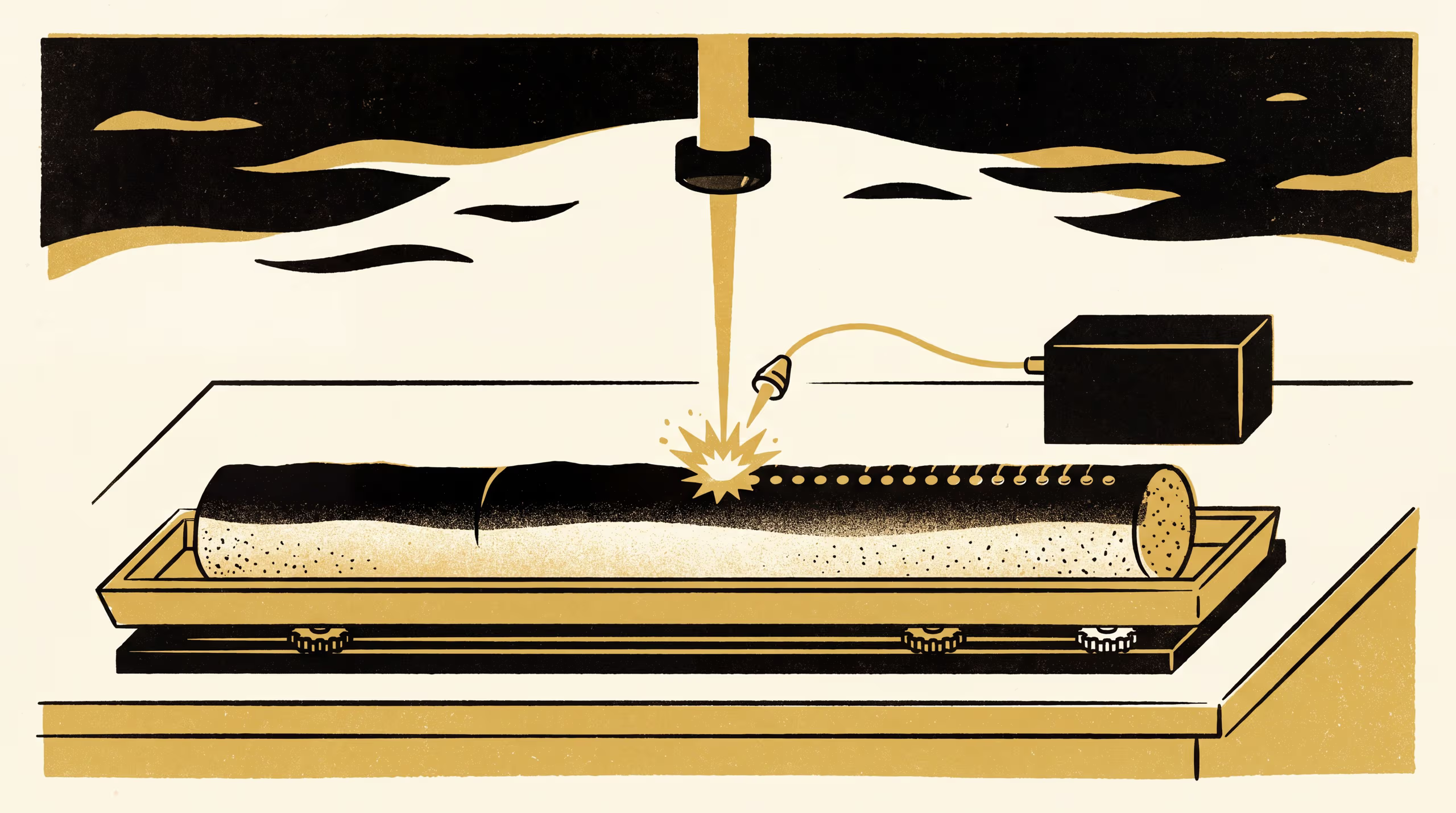
A new research poster scans one soil core with a laser a millimetre at a time and finds that eight elemental readings of the boundary between two soils agree only once the spark itself is measured at every shot.
29 October 2026
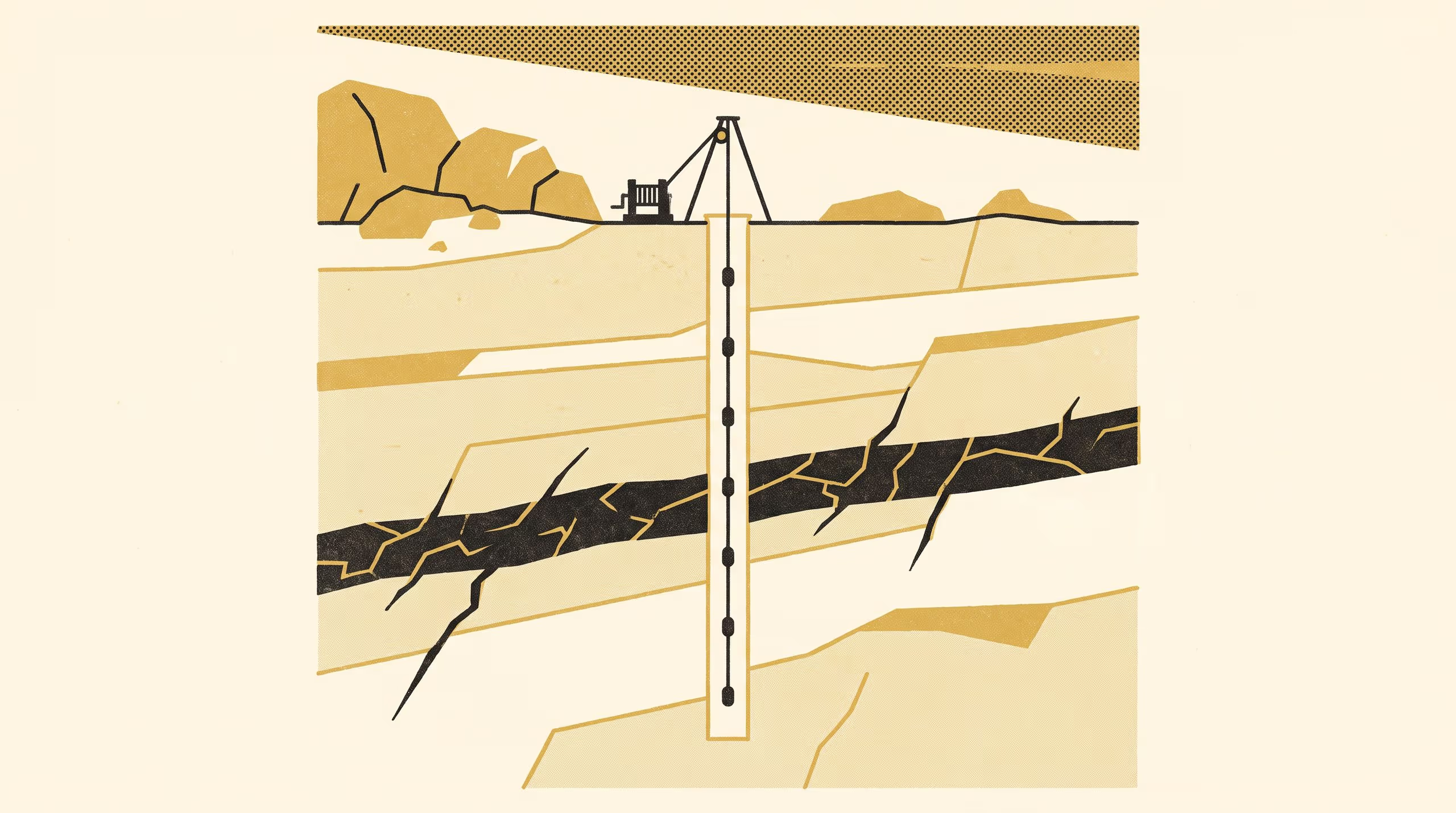
A new research poster finds that a cold spell read from one basement borehole's temperature log belongs to the 19 metres of core the drill failed to recover, once a fast neural surrogate lets that rock's conductivity stay unknown.
A new paper of building criticism walks, measures and watches a primary school's numbered stair, and finds that its landing between ten and eleven has become the busiest place on the line.
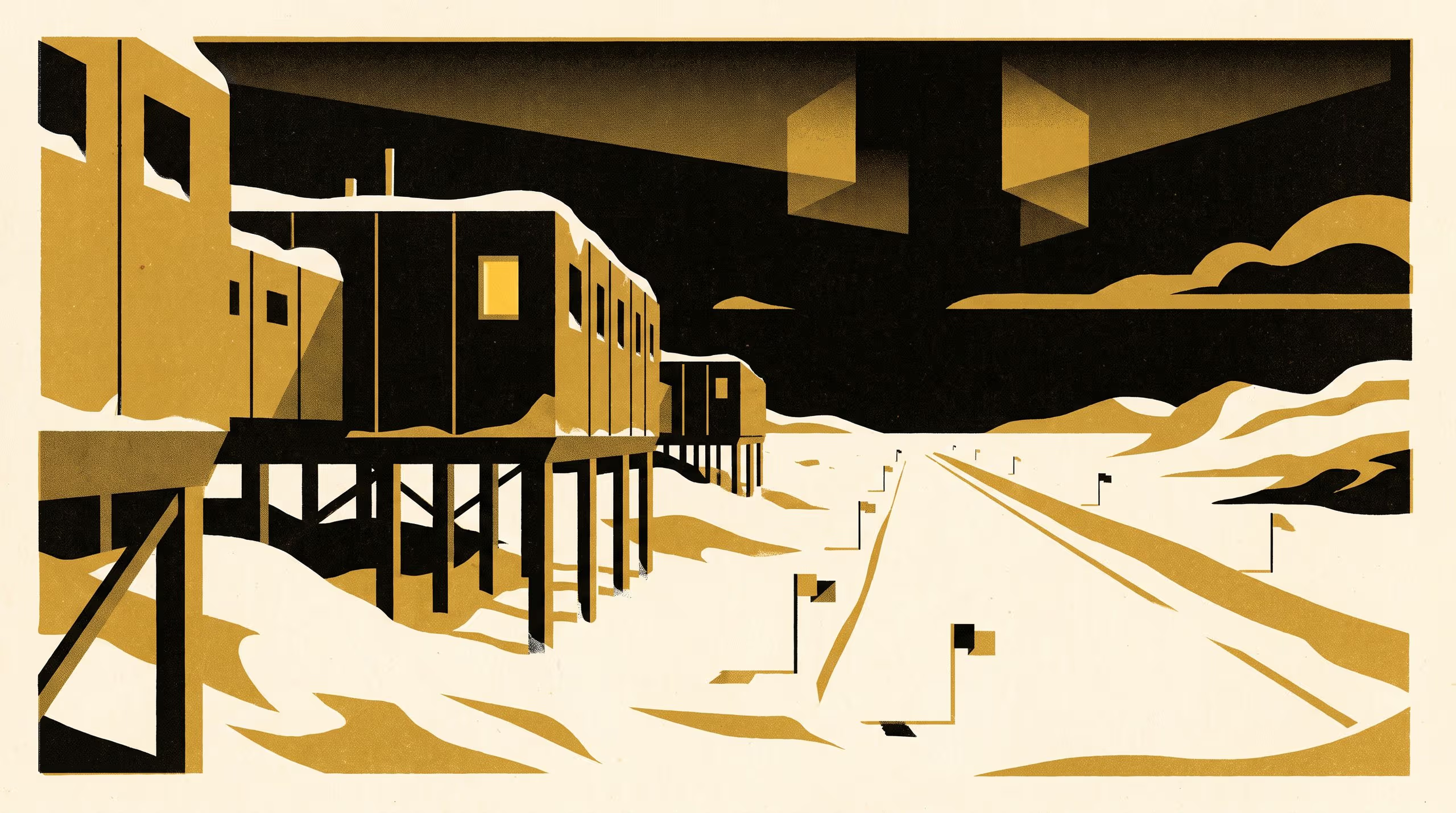
Dr Brynjar Obiora, Dr Iben Chikere and Dr Vigdis Emenike track the vaginal microbiota of a polar station's winter crew week by week, from the last flight out to the first flight in.
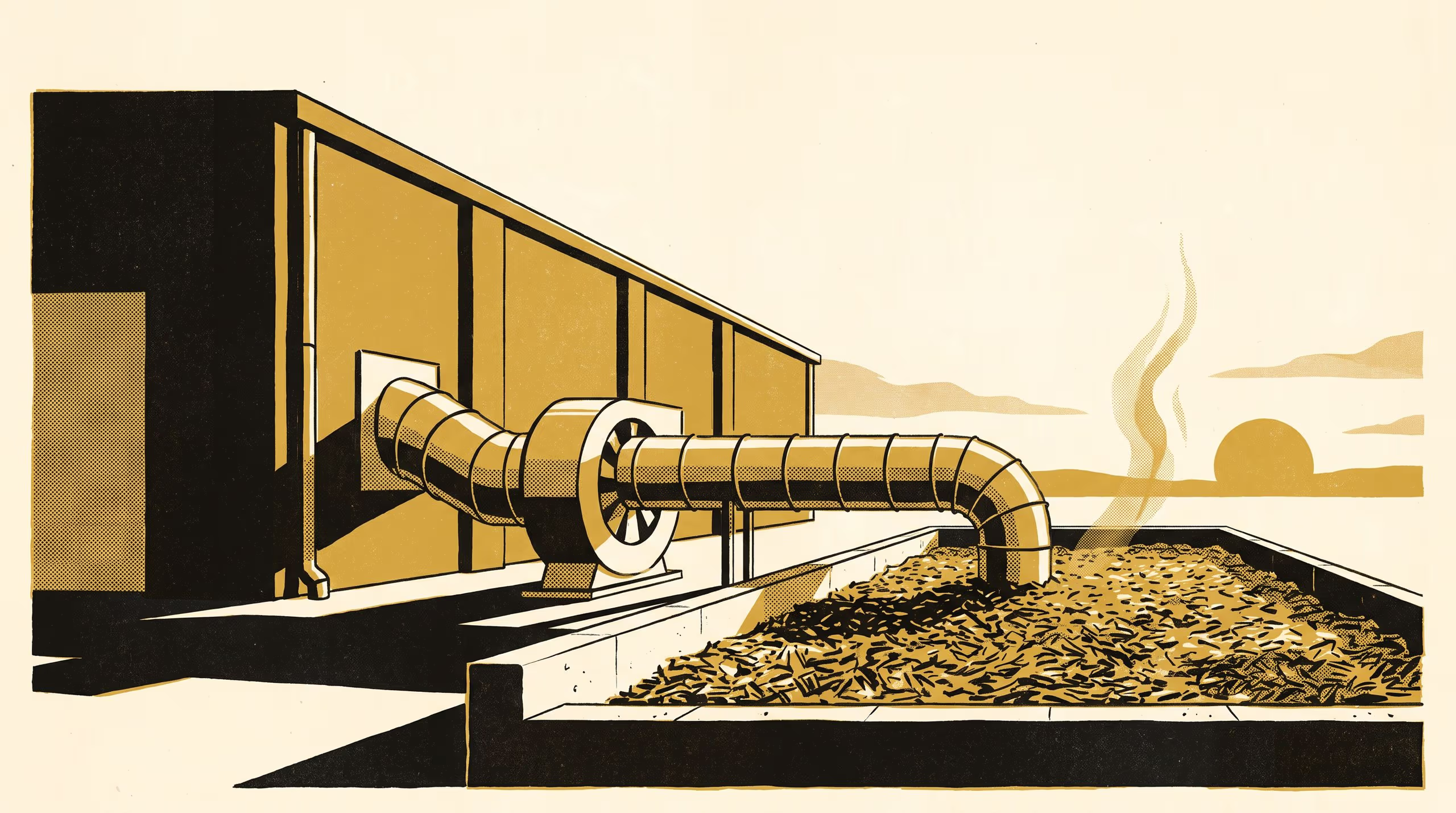
Dr Ingeborg Nwachukwu, Dr Marit Osayande and Dr Bram Ntuli follow thirteen Monday restarts at a composting hall and find the morning's sulfide peak belongs mostly to a biofilter left without food over the weekend.
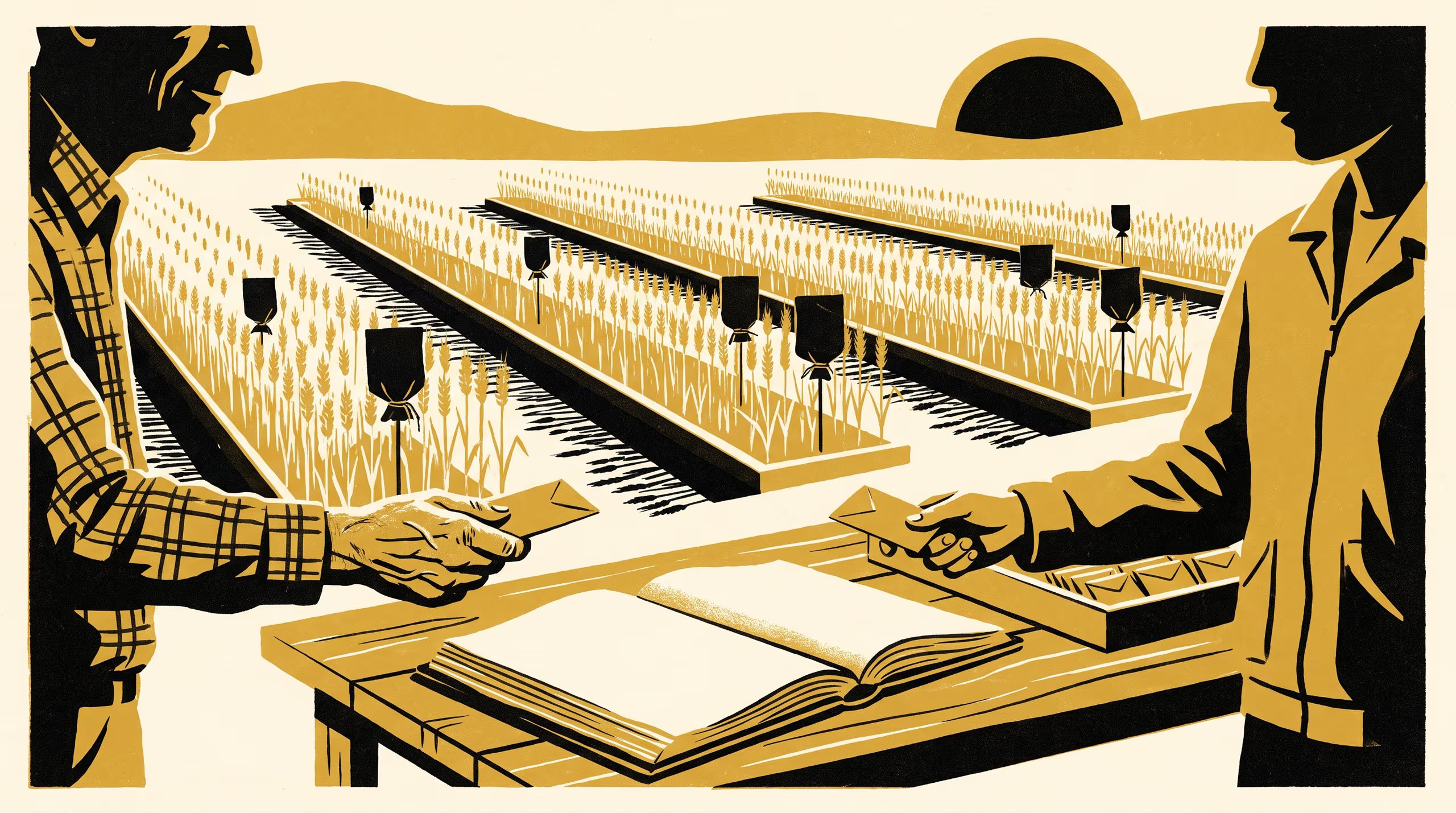
A new paper from the School of Emergent Priorities studies how plant breeders inherit, keep faith with and hand on work that outlasts their time in post.