Research-led, metrics-forward, and continuously improving. News from the Office of Research Outputs.
30 October 2026
A new paper finds that the two-contractor panel drilling one regional groundwater monitoring network relied on a single subcontracted rig for nearly all of its deep bores, and measures what its absence cost.
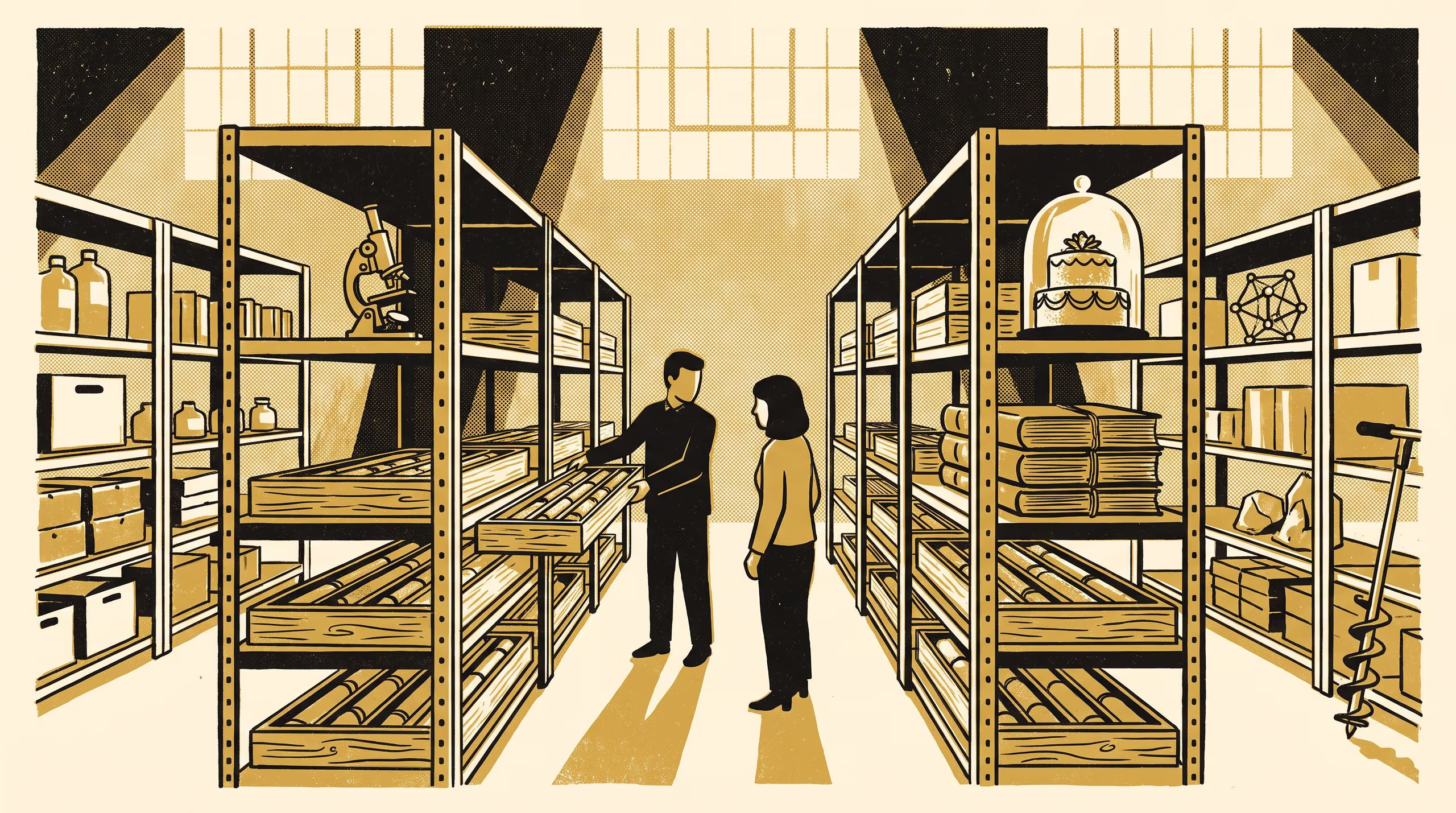
The School of Underlying Conditions publishes a prospectus brochure for students whose questions cross fields, from the core store to the reading room.
A new case note from the School of Continuous Improvement examines a divided appellate decision on whether moving marine turtle eggs to a hatchery destroys a protected nest.
A new prospectus campaign from the School of Underlying Conditions asks prospective students to look at what the brain keeps doing when it has been given nothing to do.
The University's new Strategic Plan commits all three Schools to knowing one hedge completely, and to carrying what they learn there to everything else the University grows.
A new research poster reads thirty-four years of a residential meditation retreat's account books and finds that the fee which replaced the donation bowl changed how long people stayed more than what they paid.
A new paper finds that a terahertz pulse can follow the drying of a sandstone slice to within a few thousandths of the balance, provided the slice is cut no thicker than about a millimetre and a quarter.
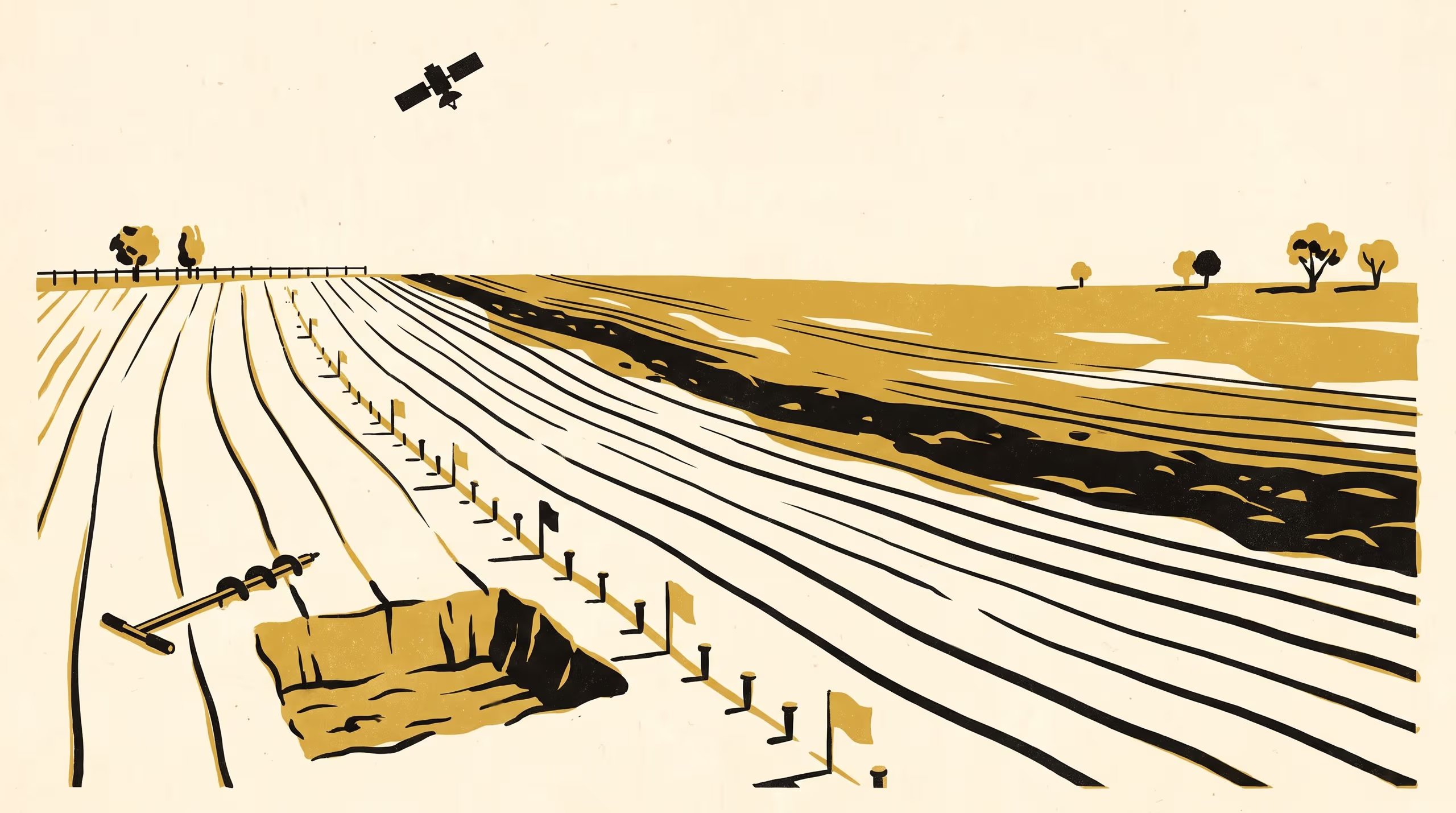
A new paper from the School of Underlying Conditions finds that satellite composites and auger surveys place the same soil boundary tens of metres apart, and explains the gap from the depth of the paddock's cultivation.
A new research poster from the School of Continuous Improvement simulates two-desk sign-in at the Capability Sprints workshops and recommends splitting name badges at K rather than M.
A new research poster finds that abbreviating common fluorinated groups in a chemical language model's vocabulary changes which molecules the model goes on to propose.
A new research poster reads the minute books of owners-corporation committees as legal philosophy and finds that their meetings applied a standard of compliance their by-laws never wrote down.
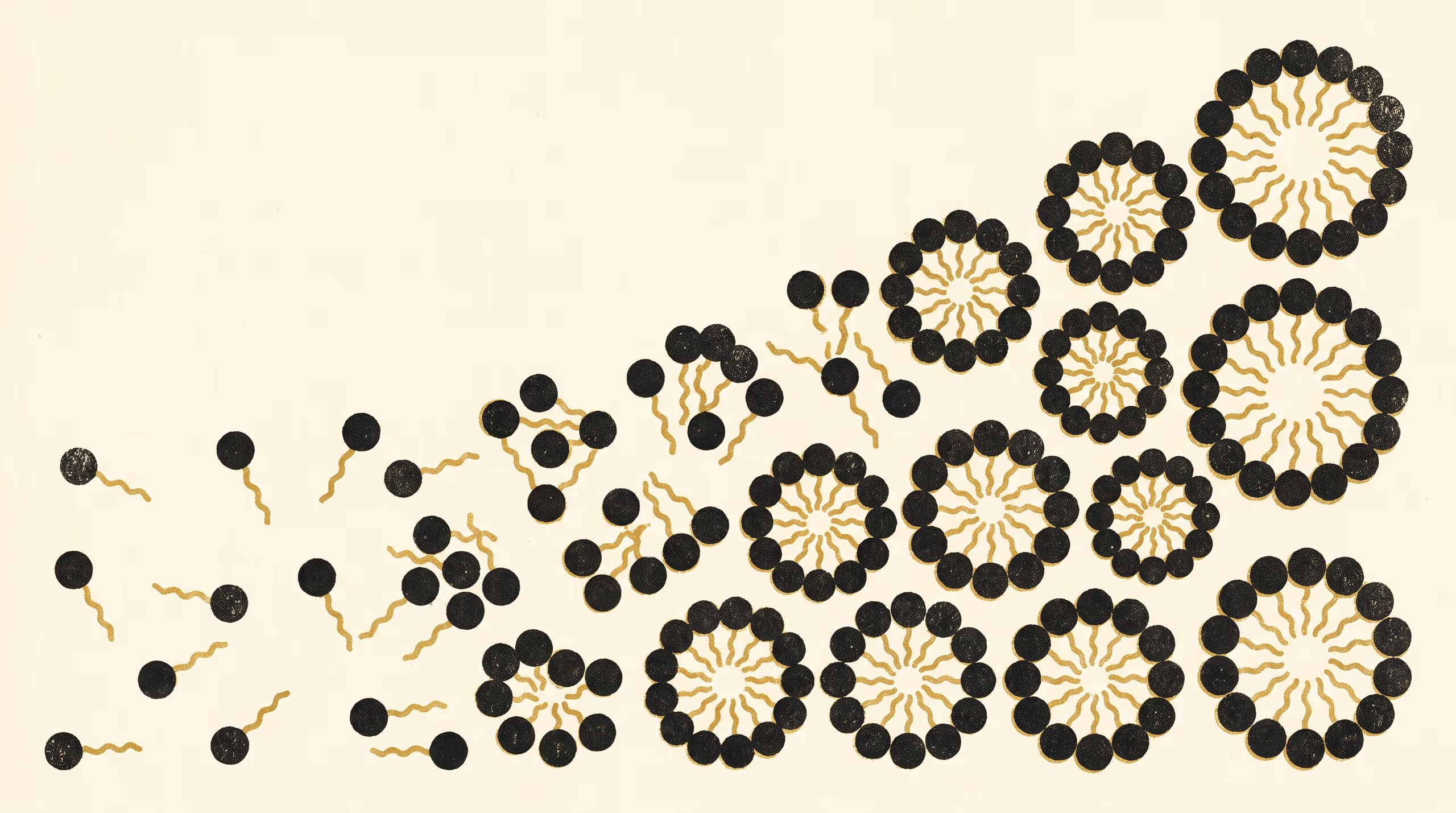
A new paper from the School of Underlying Conditions asks what a surfactant solution can compute for itself, and answers with three theorems and one familiar curve.