Research-led, metrics-forward, and continuously improving. News from the Office of Research Outputs.
30 October 2026
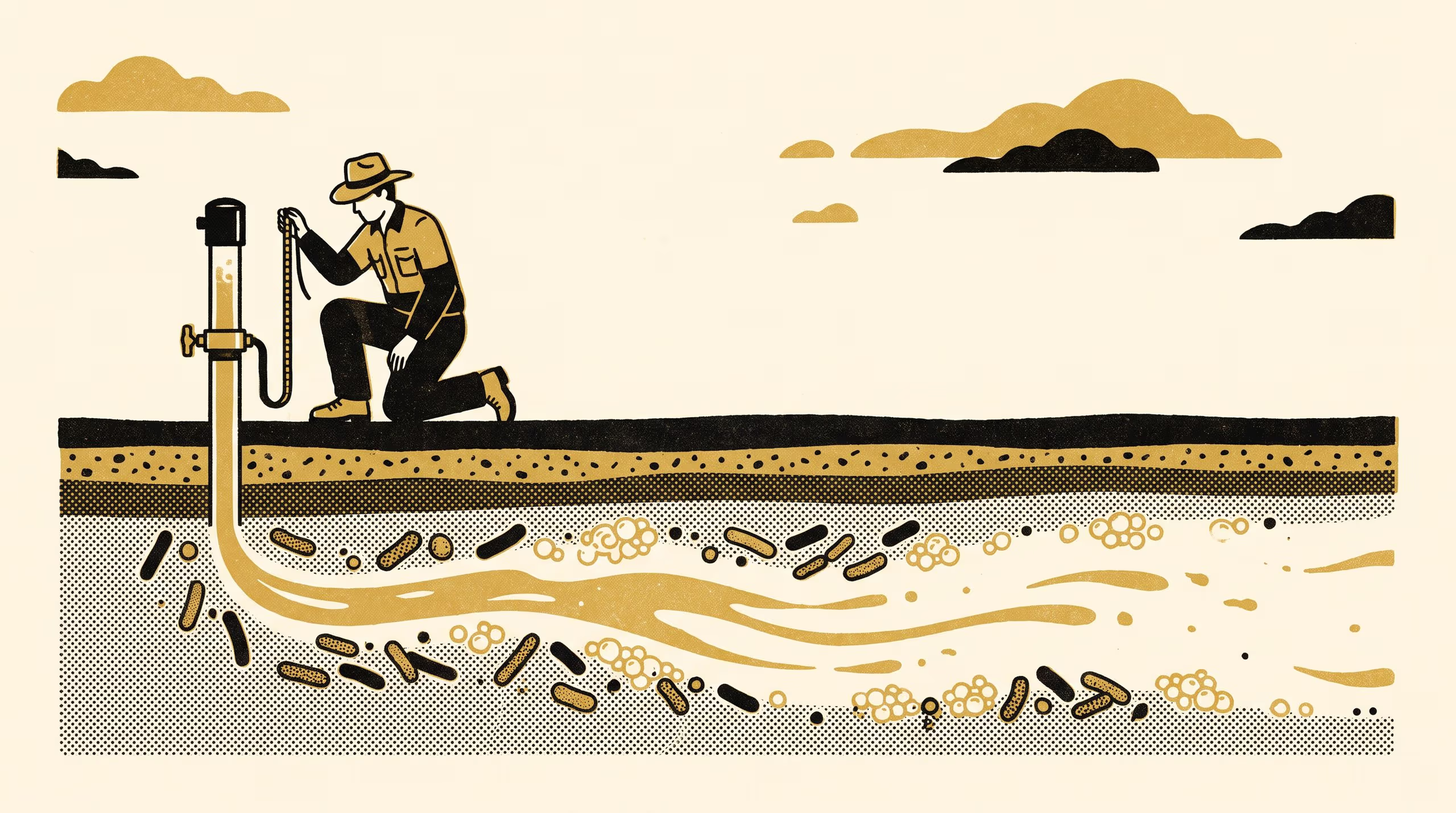
A new display campaign from the School of Underlying Conditions presents the slow work of leaving contaminated groundwater to its microbes, and of measuring it while they work.
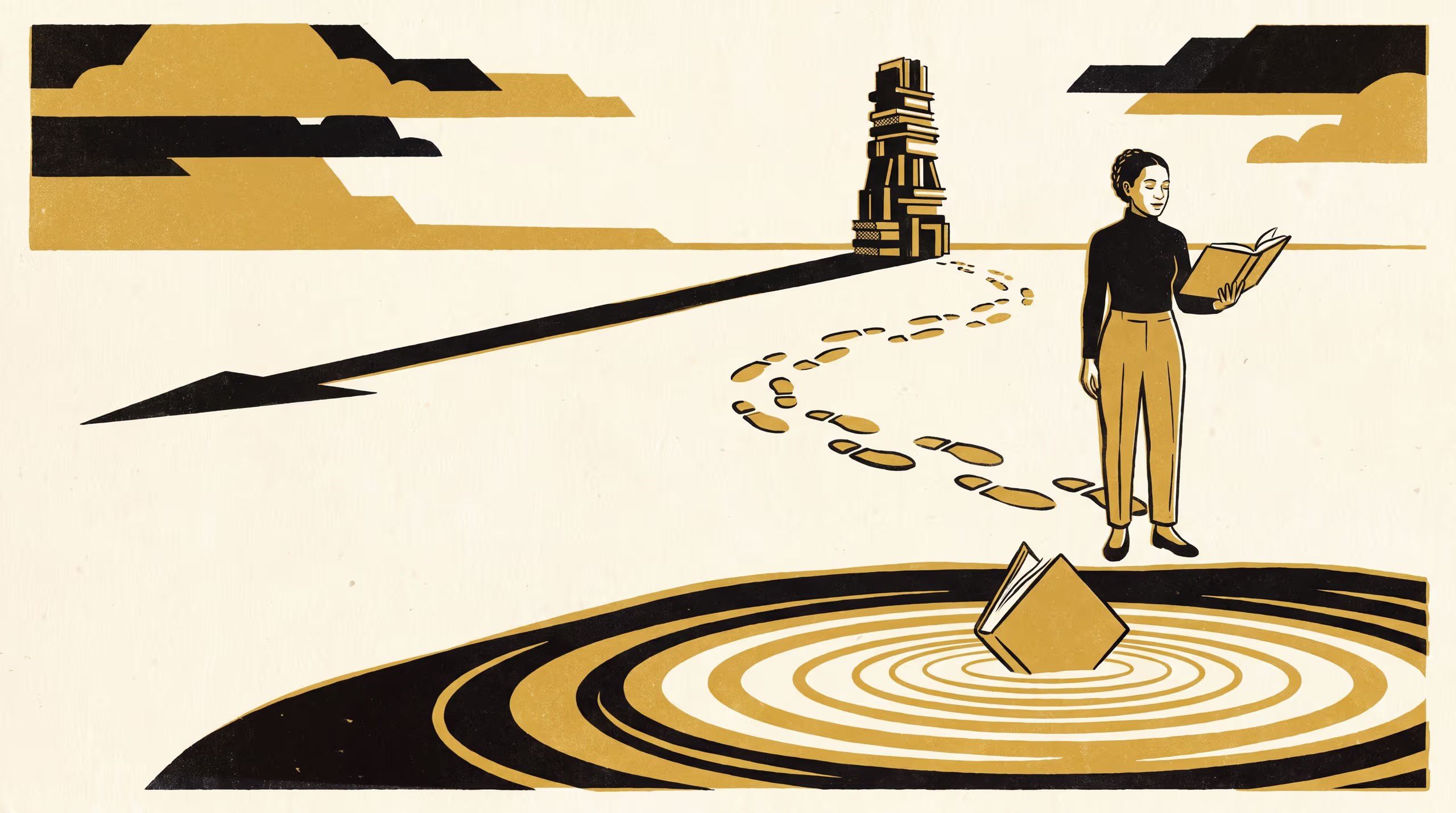
A case-for-support brochure from the School of Underlying Conditions invites partners to fund the work of looking again, and features seven University studies that did.
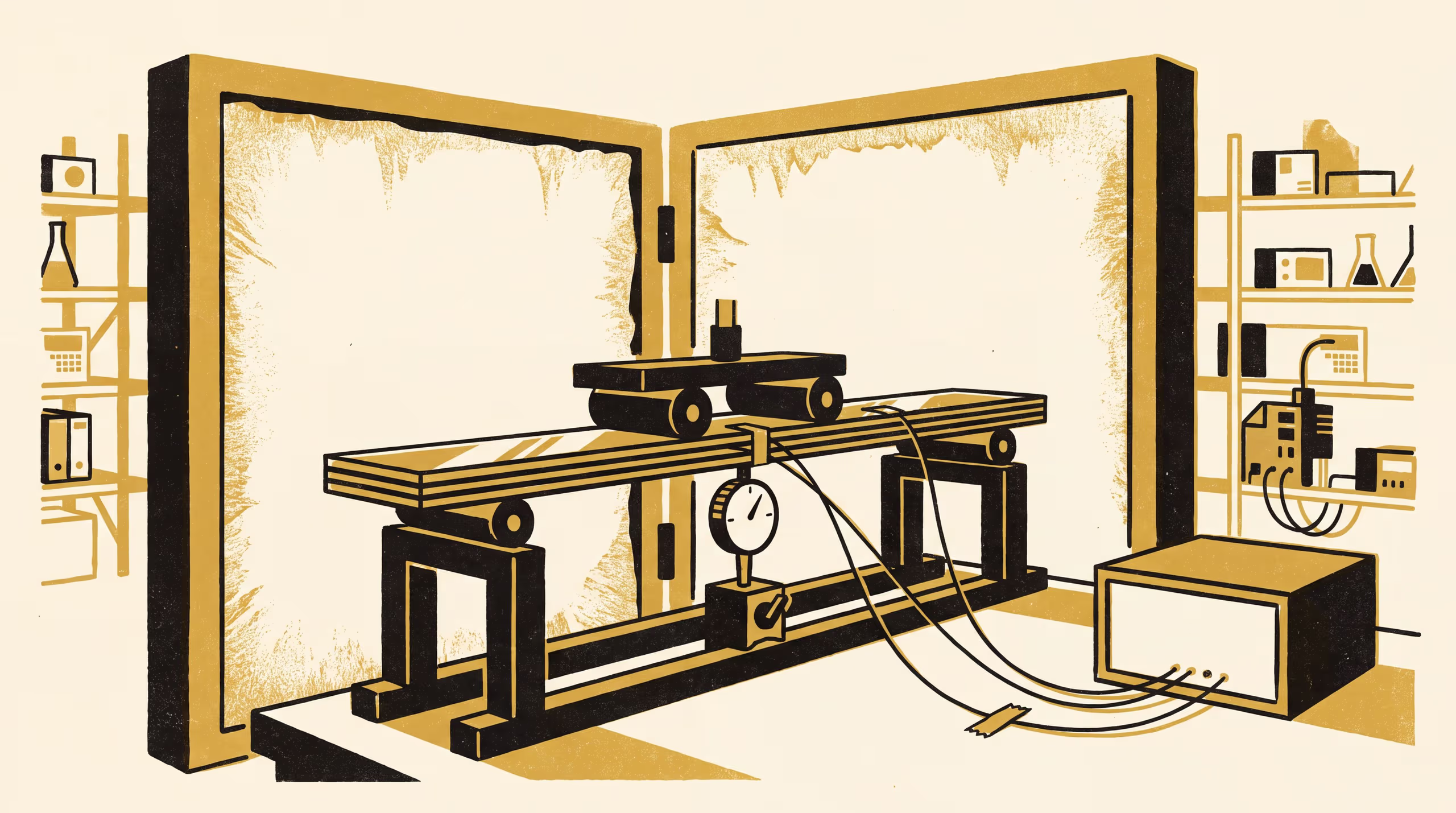
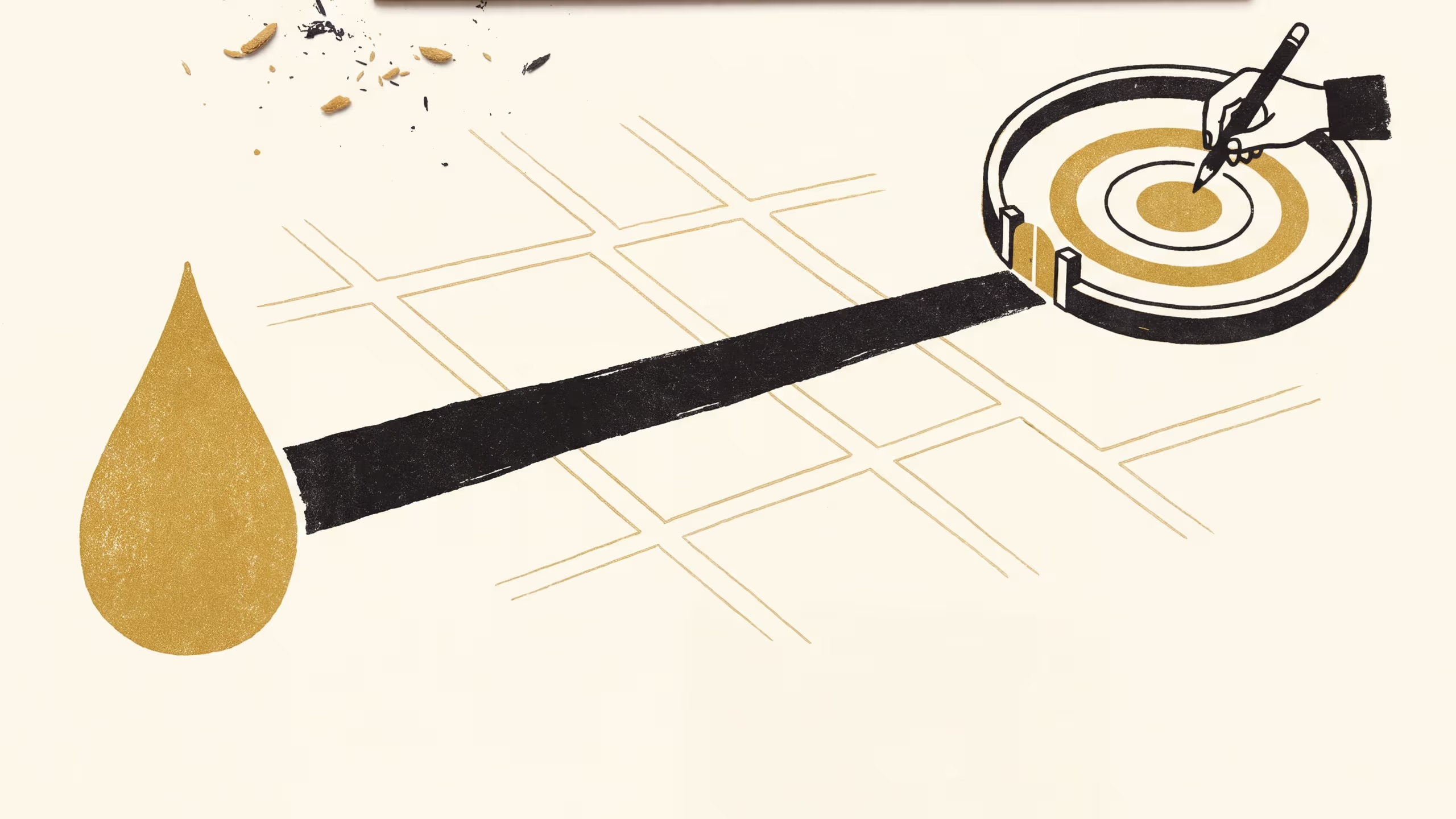
A research poster from the School of Underlying Conditions follows six laminated glass beams from 0 to 60 °C and finds no single temperature at which they stop behaving as one.
A display advertisement from the School of Emergent Priorities introduces Dr Petra Umbile and her interest in why research is said to land, travel and leave a footprint.
The University's new Strategic Plan sets out how it will enrol, hold and welcome back a community that arrives at every age and is not always here.
The School of Underlying Conditions takes its reading of how students draw a receptor's commute to the nucleus out of the lecture theatre and onto the University's display panels.
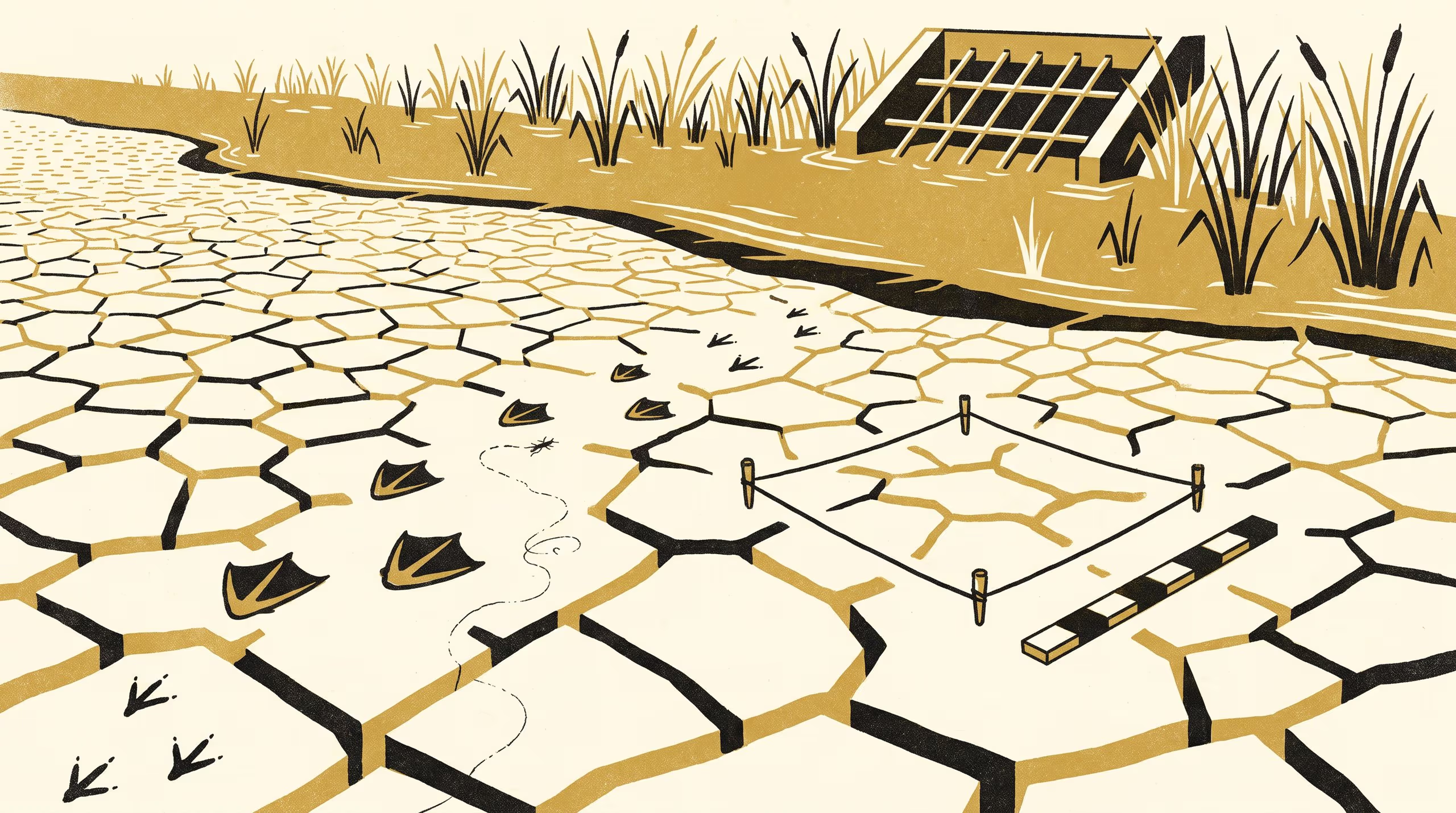
A new paper from the Schools of Emergent Priorities and Underlying Conditions watches a stormwater basin's drying edge for a full season and asks which of the tracks made there would ever reach the fossil record.
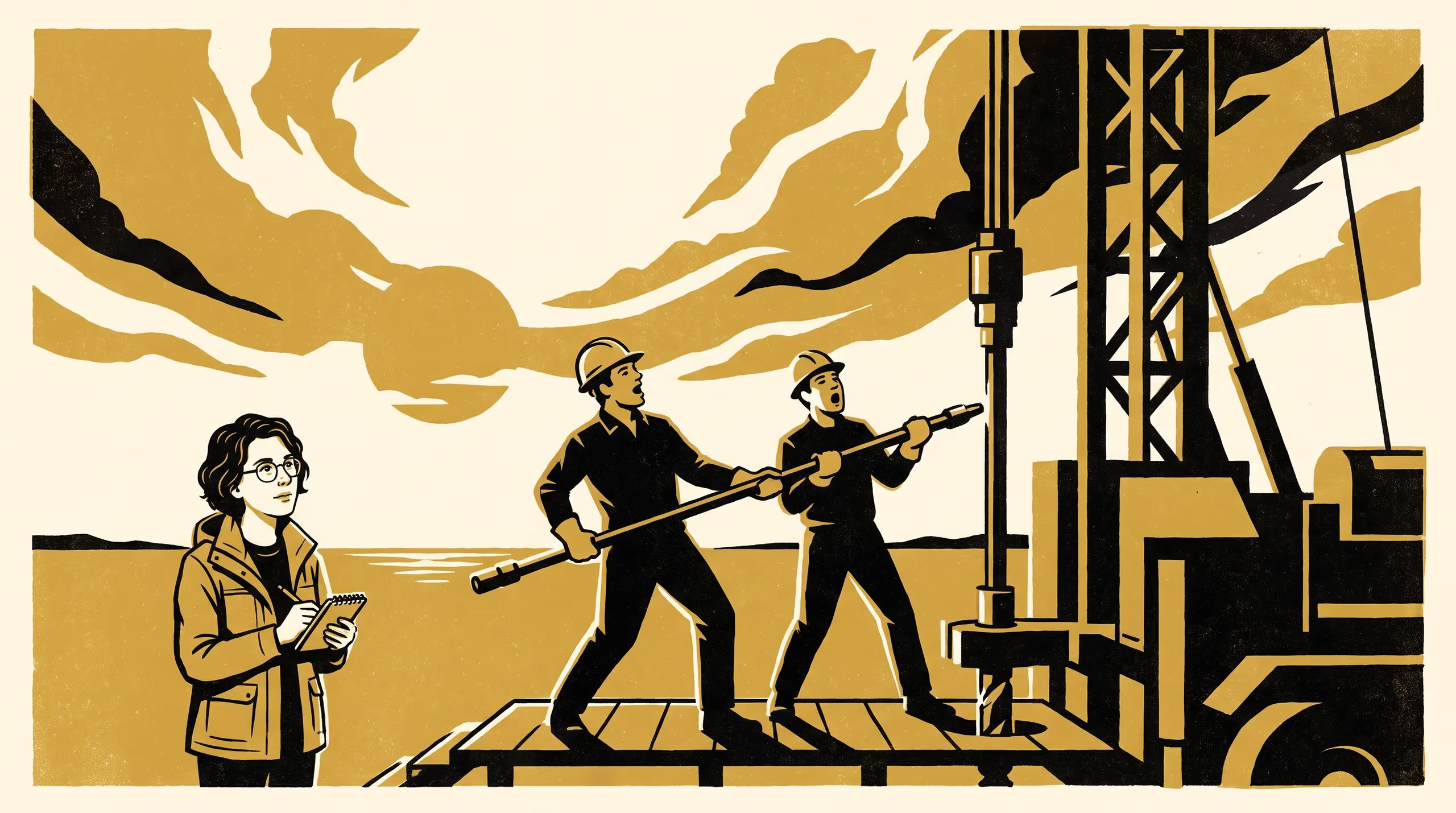
A display advertisement from the School of Underlying Conditions shows Dr Vigdis Emenike taking down the song a drilling crew keeps time to, as an introduction to the University's researchers.
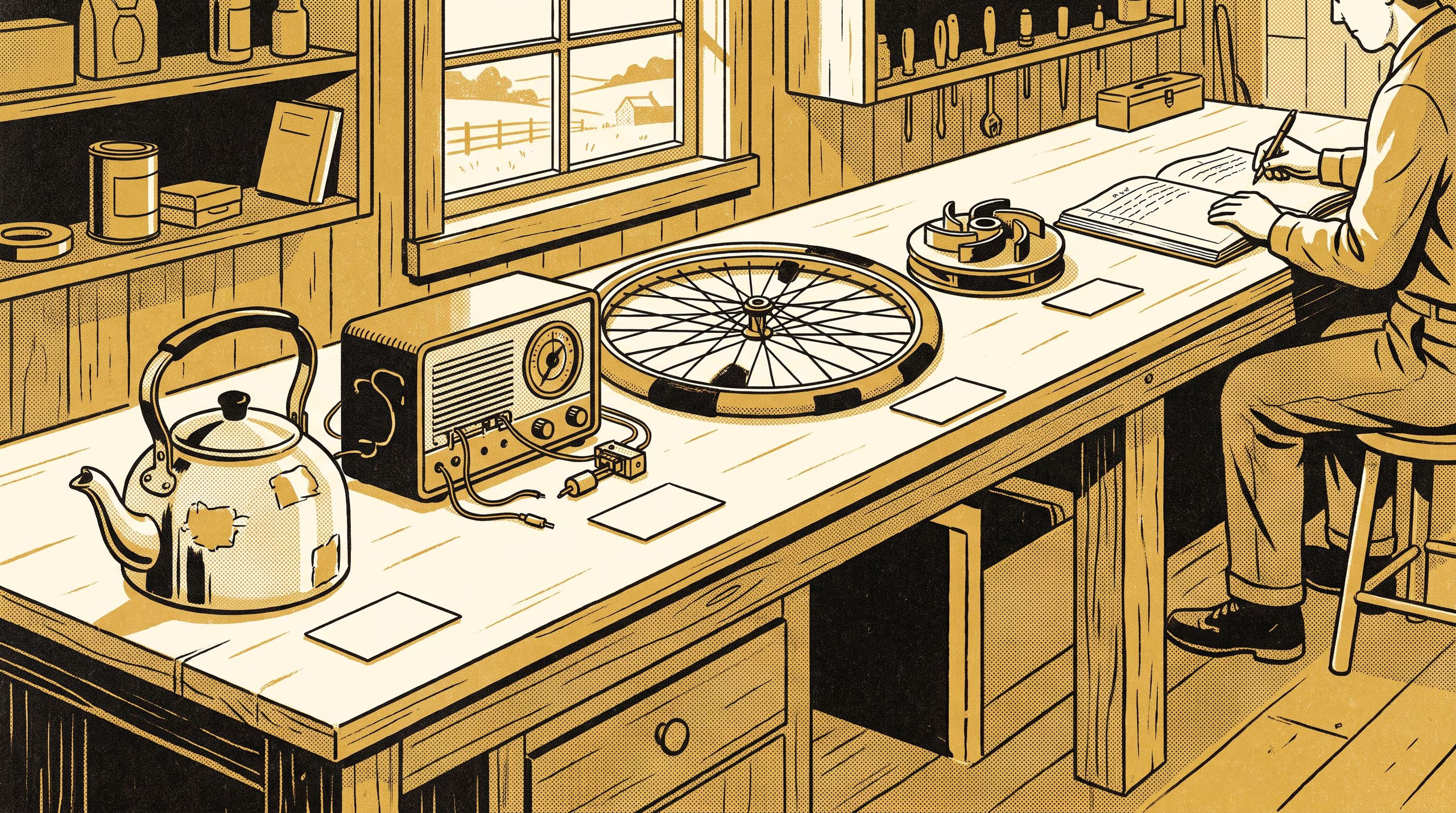
The School of Continuous Improvement's Impact Report 2021–2026 presents three case studies from regional development, on a record of everyday adaptations, a review of past enterprise evaluations and a recognition pathway for field repairs.
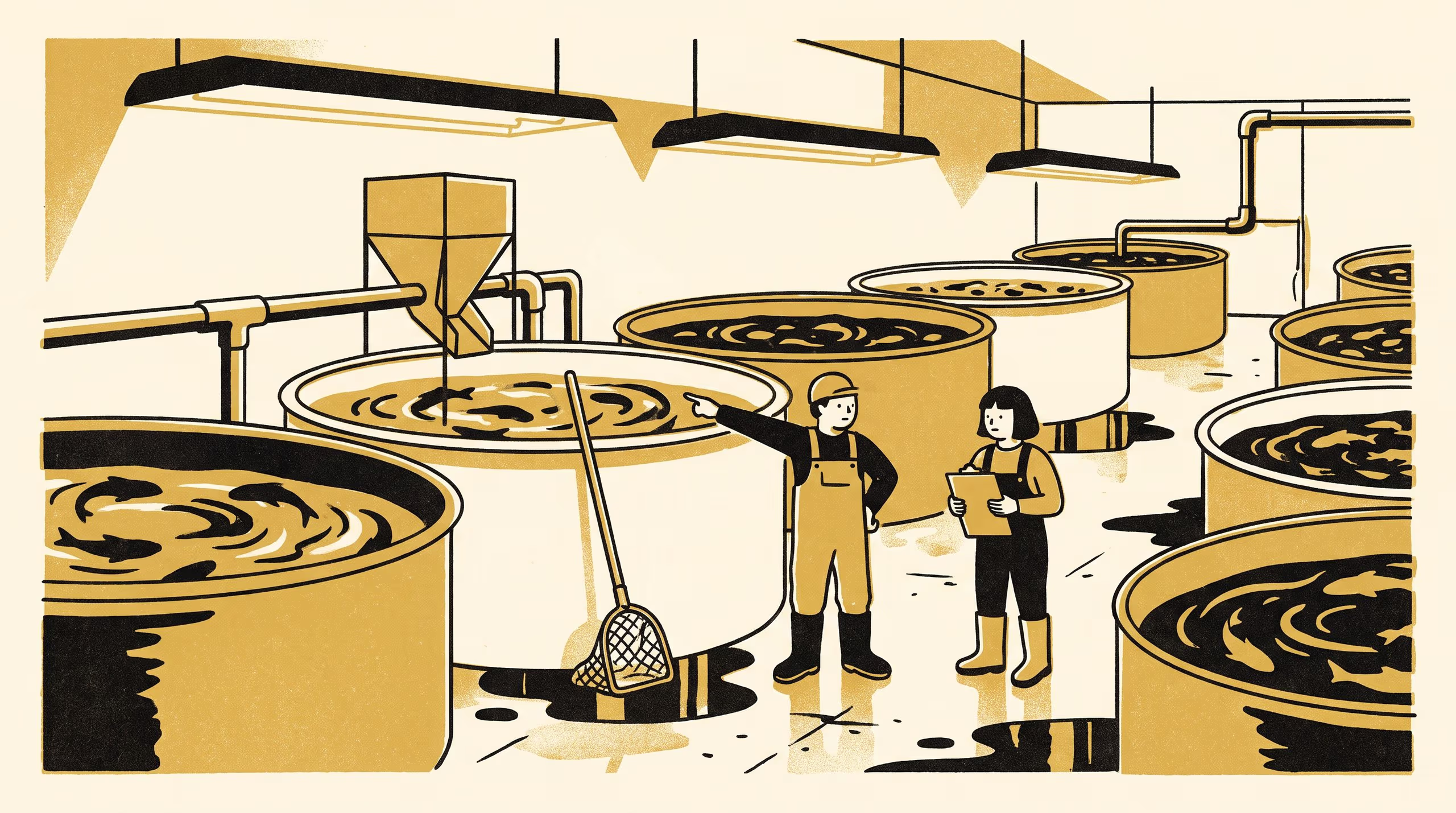
A new paper records ninety-six shift handovers at an inland fish hatchery and finds that the workers' vocabulary marks whether a sign was seen or inferred, until the report is relayed a second time.
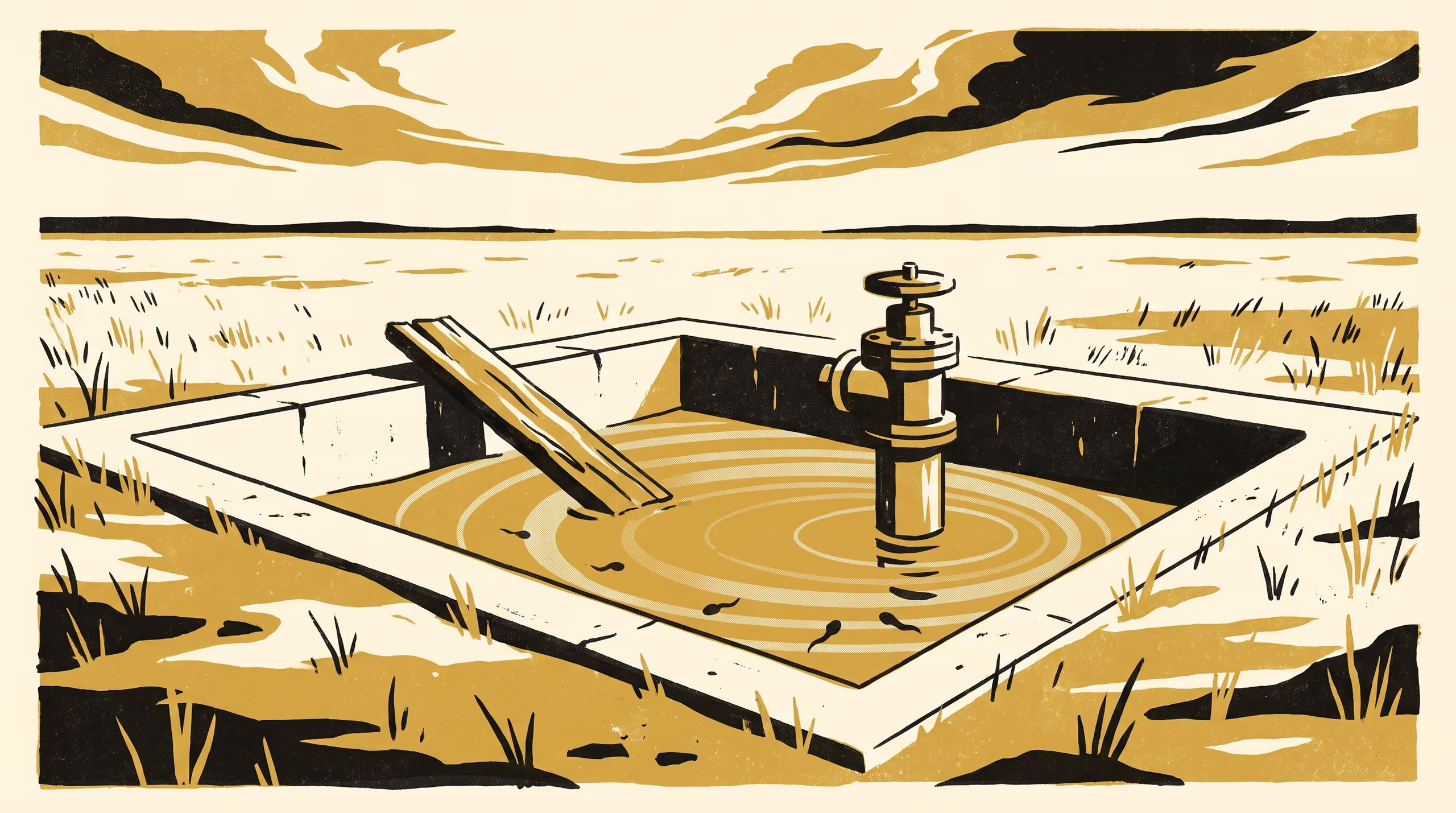
A new paper from the School of Underlying Conditions follows the water that collects around the old wells beneath the campus, and what comes to live in it.
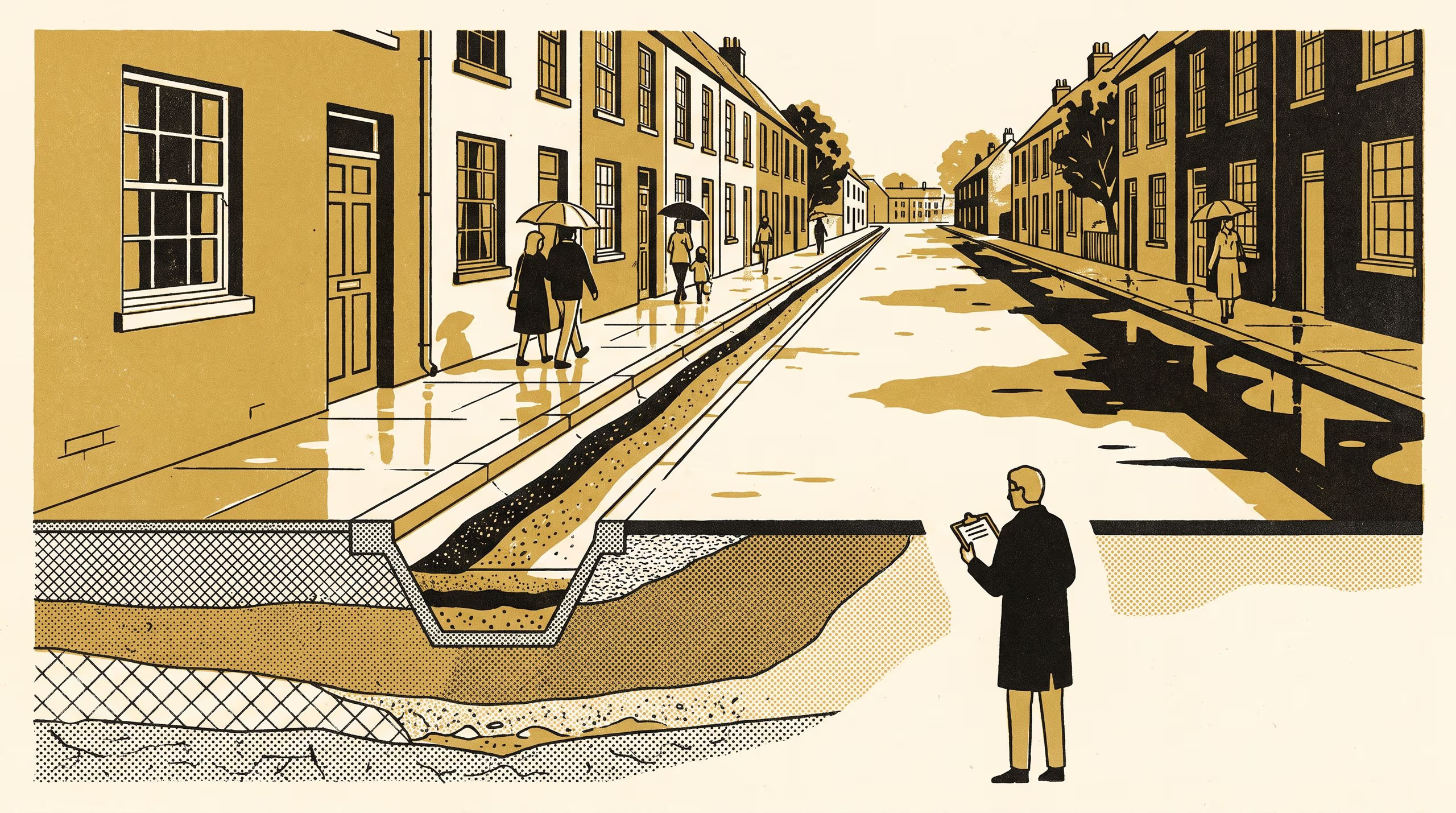
A new civic brochure sets out the University's research on what a town's materials do after they are disturbed, and asks residents to bring what they have noticed.