Research-led, metrics-forward, and continuously improving. News from the Office of Research Outputs.
29 October 2026
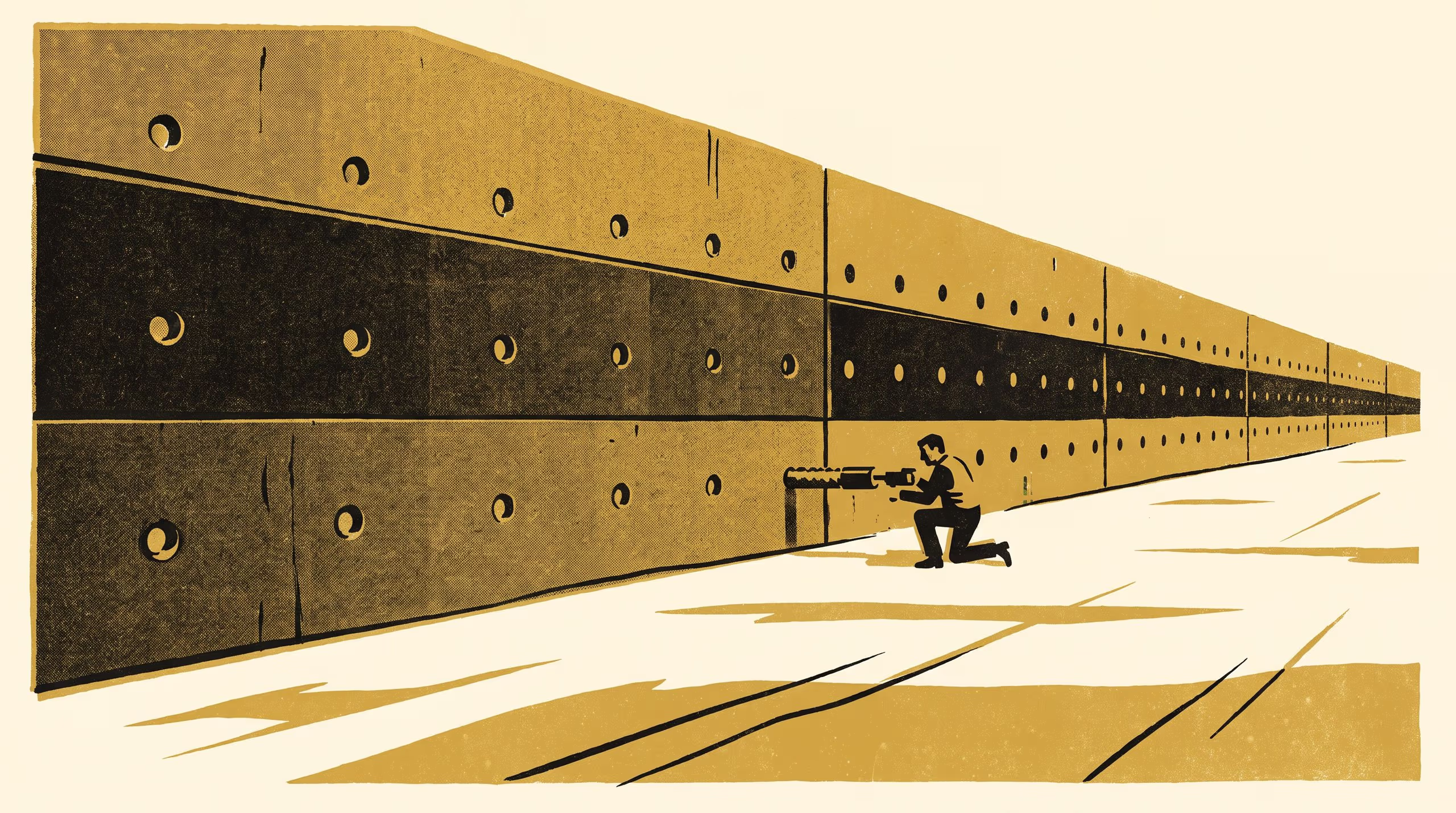
Dr Brynjar Obiora and Associate Professor Ragnhild Uzoma map carbonation depth across a concrete retaining wall and find it changes at the joints between pours rather than across the face.
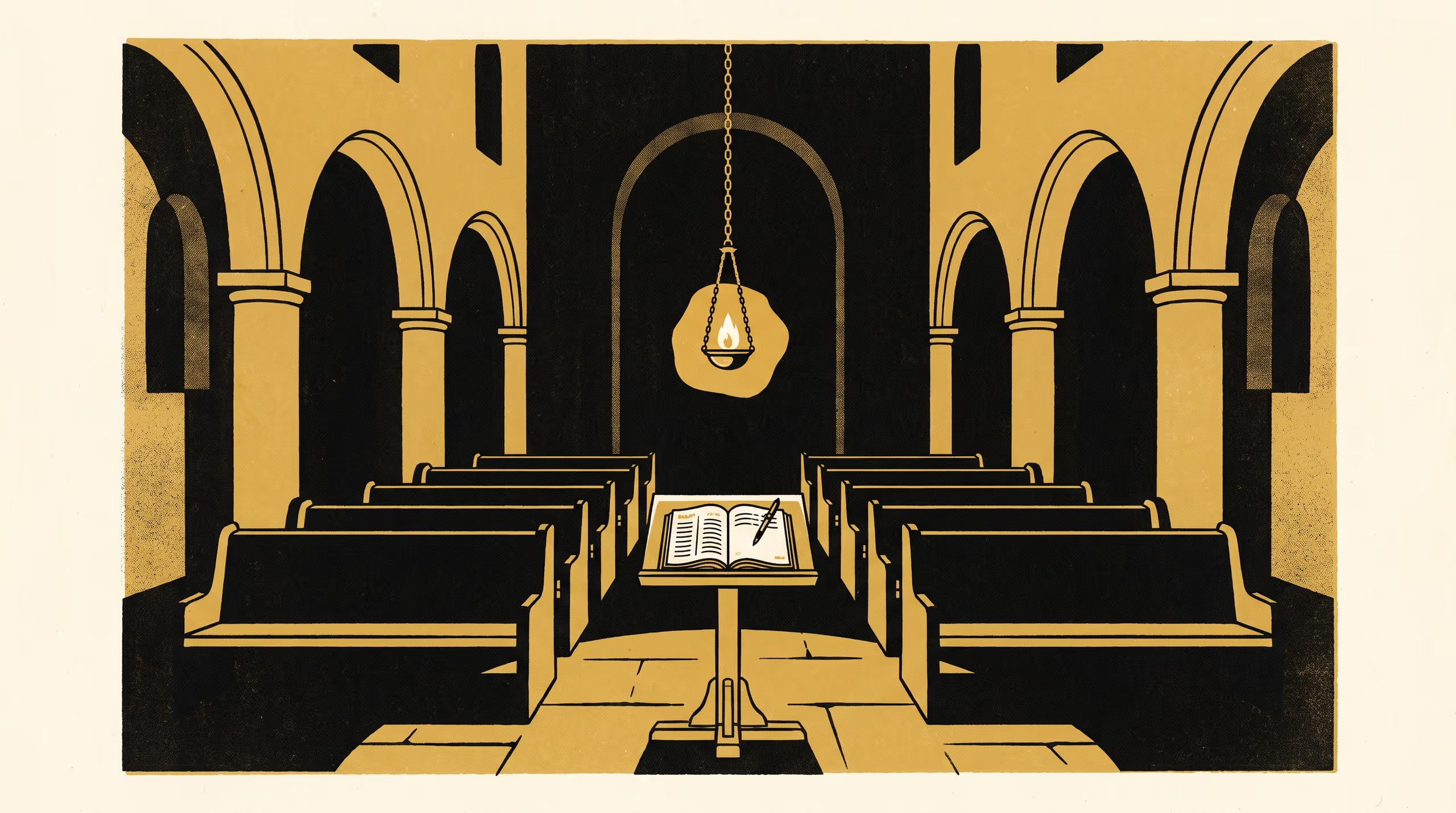
A new paper by Dr Ingeborg Nwachukwu follows one parish's lamp book through the retirement of its oil lamp, and finds the duty of tending moved rather than ended.
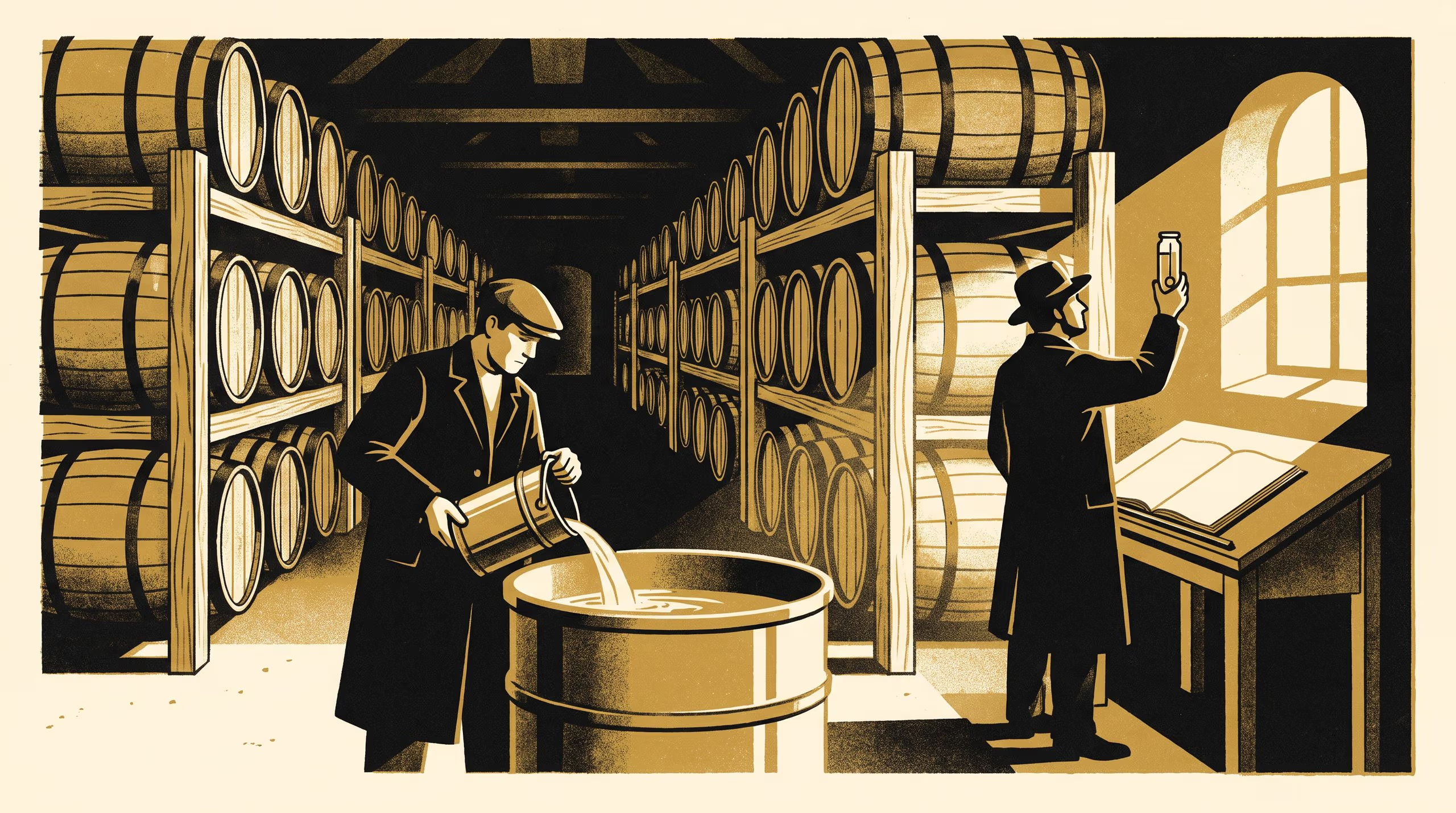
Dr Vigdis Emenike reads sixty-three years of reduction books from a single bonded warehouse and traces who paid for the volume spirit loses when it is broken down with water.
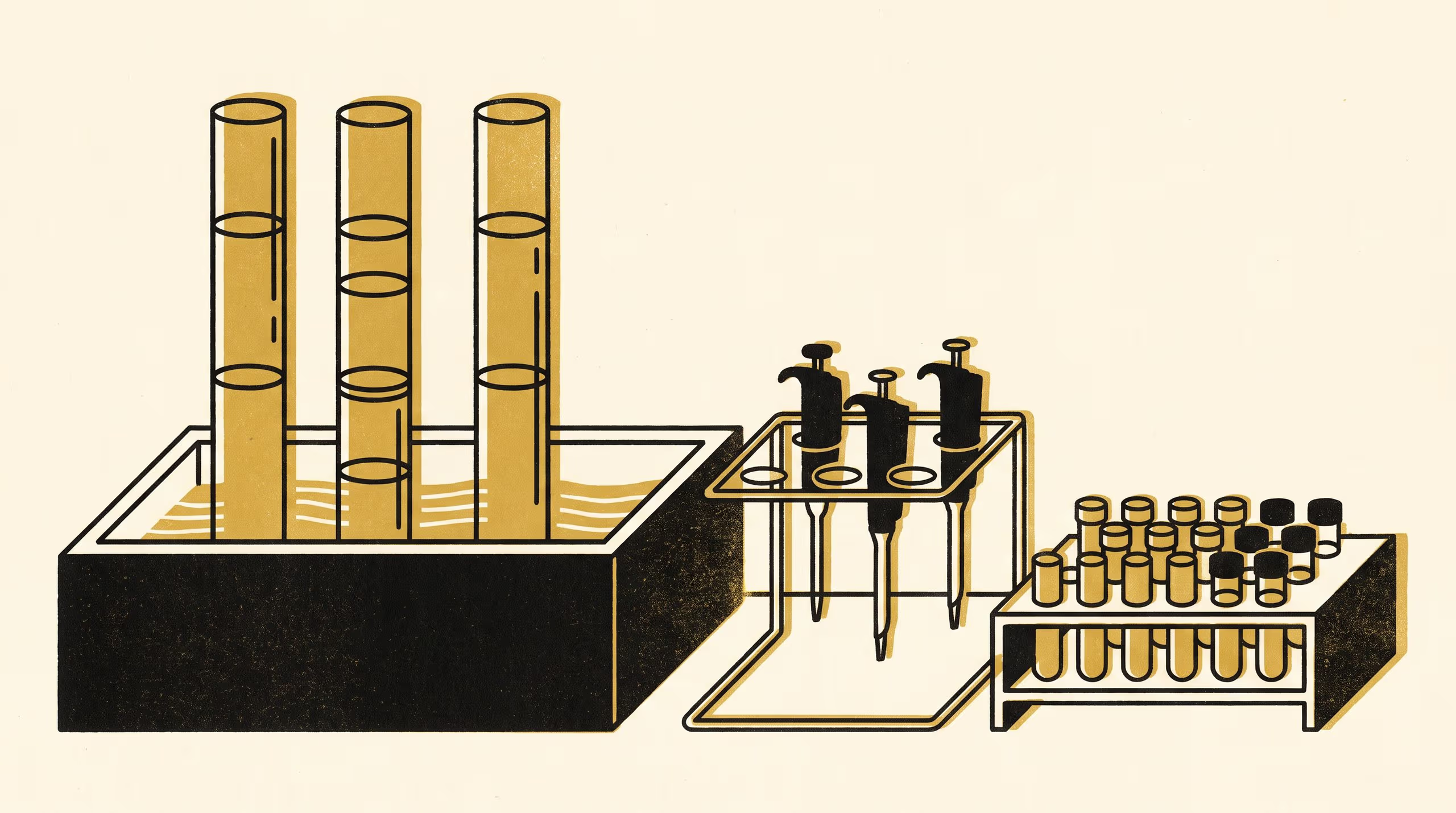
A new research poster from the School of Underlying Conditions sends a mixed batch of self-assembled polymer microparticles down a sedimentation column and finds the shapes part company only within a narrow size window.
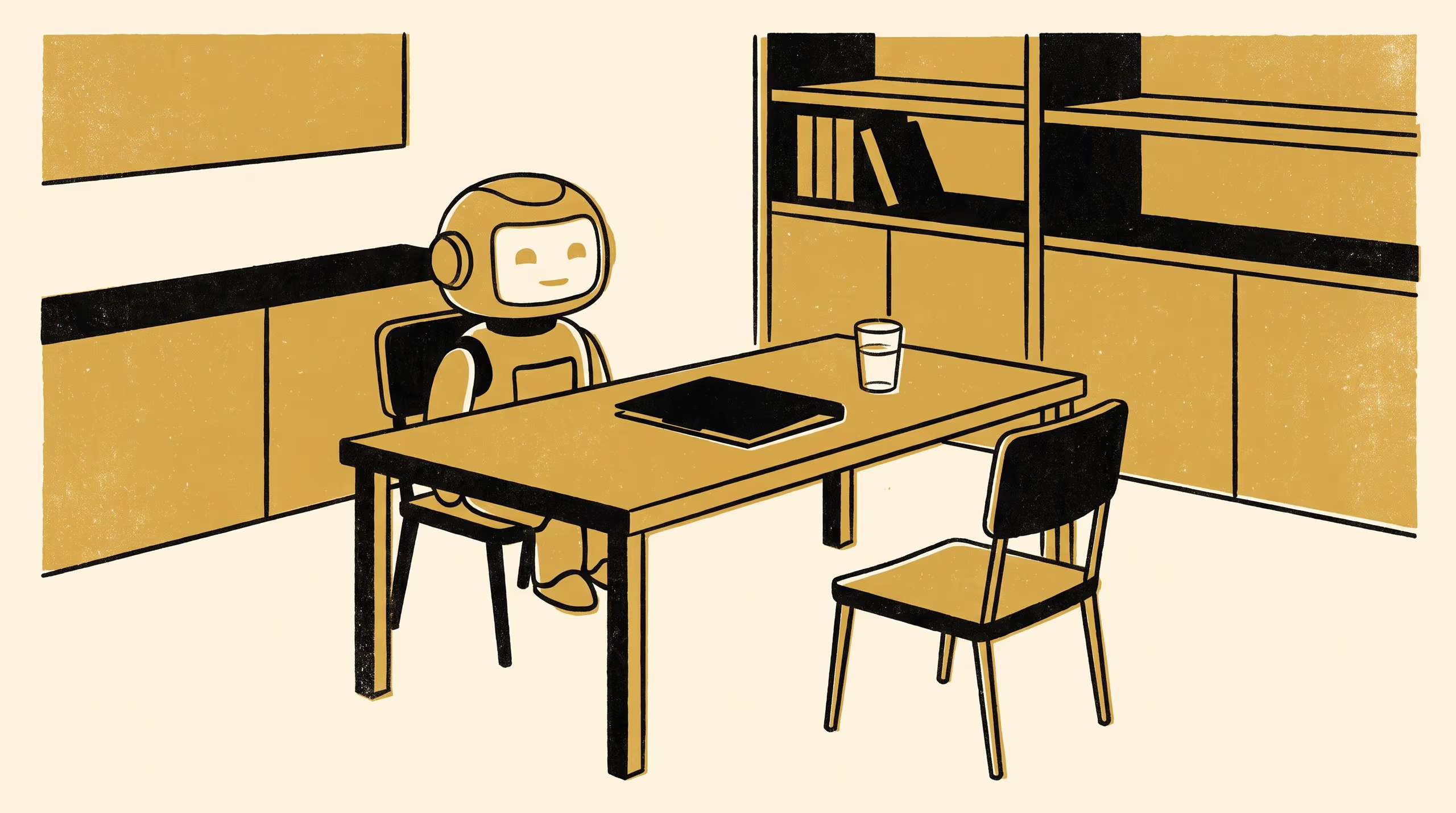
A new paper finds that candidates take the closing question turn as readily from a social robot as from a person, and spend more of it asking about the panel behind the machine.
Slop University's new Strategic Plan places approximation theory and the study of sequence spaces at the centre of its research, teaching and numerical practice, and asks every result to arrive with its rate.
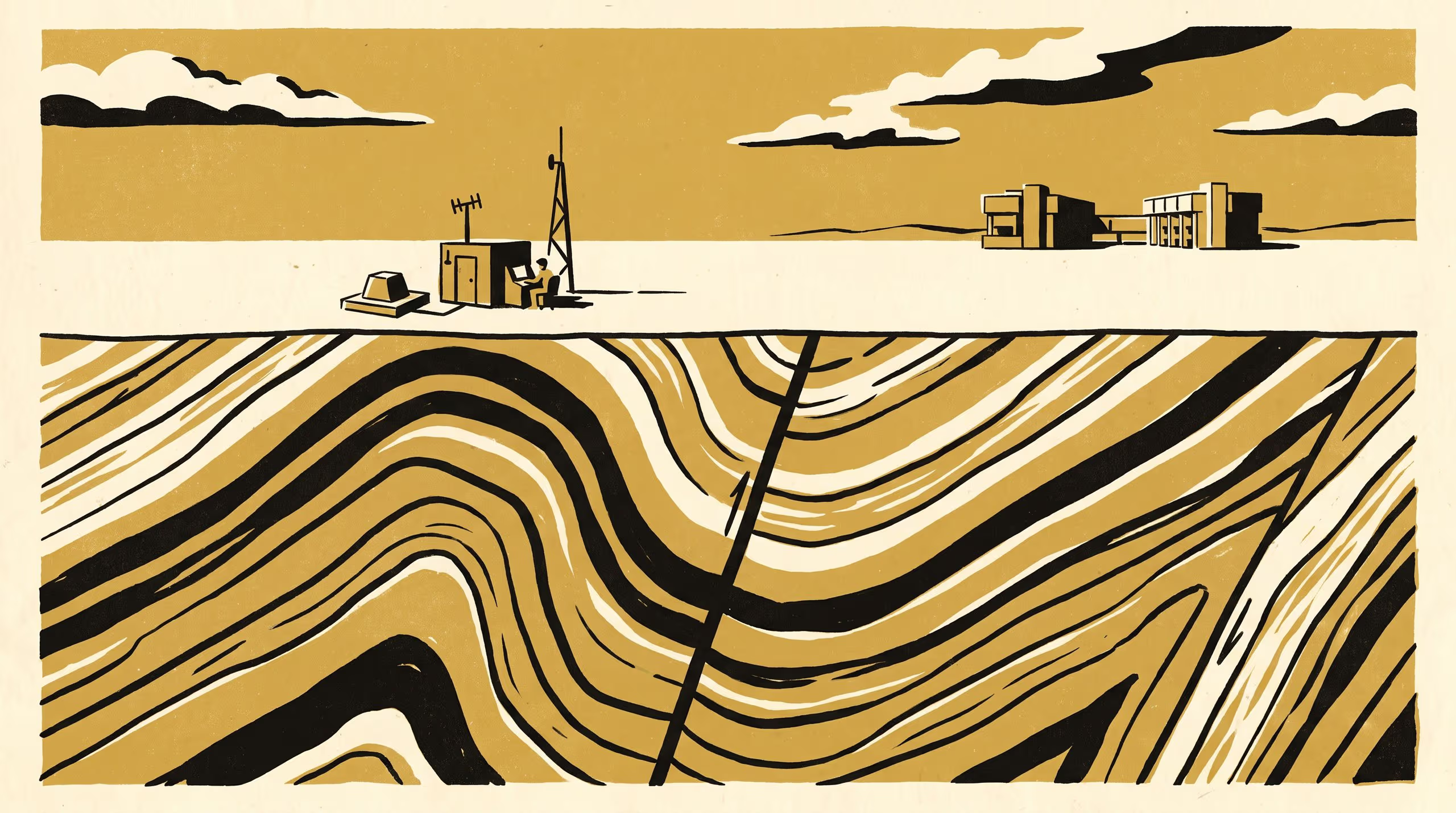
Slop University's new Strategic Plan commits the institution to the geological and geophysical sciences worldwide, and asks its own governance to keep time with the ground.
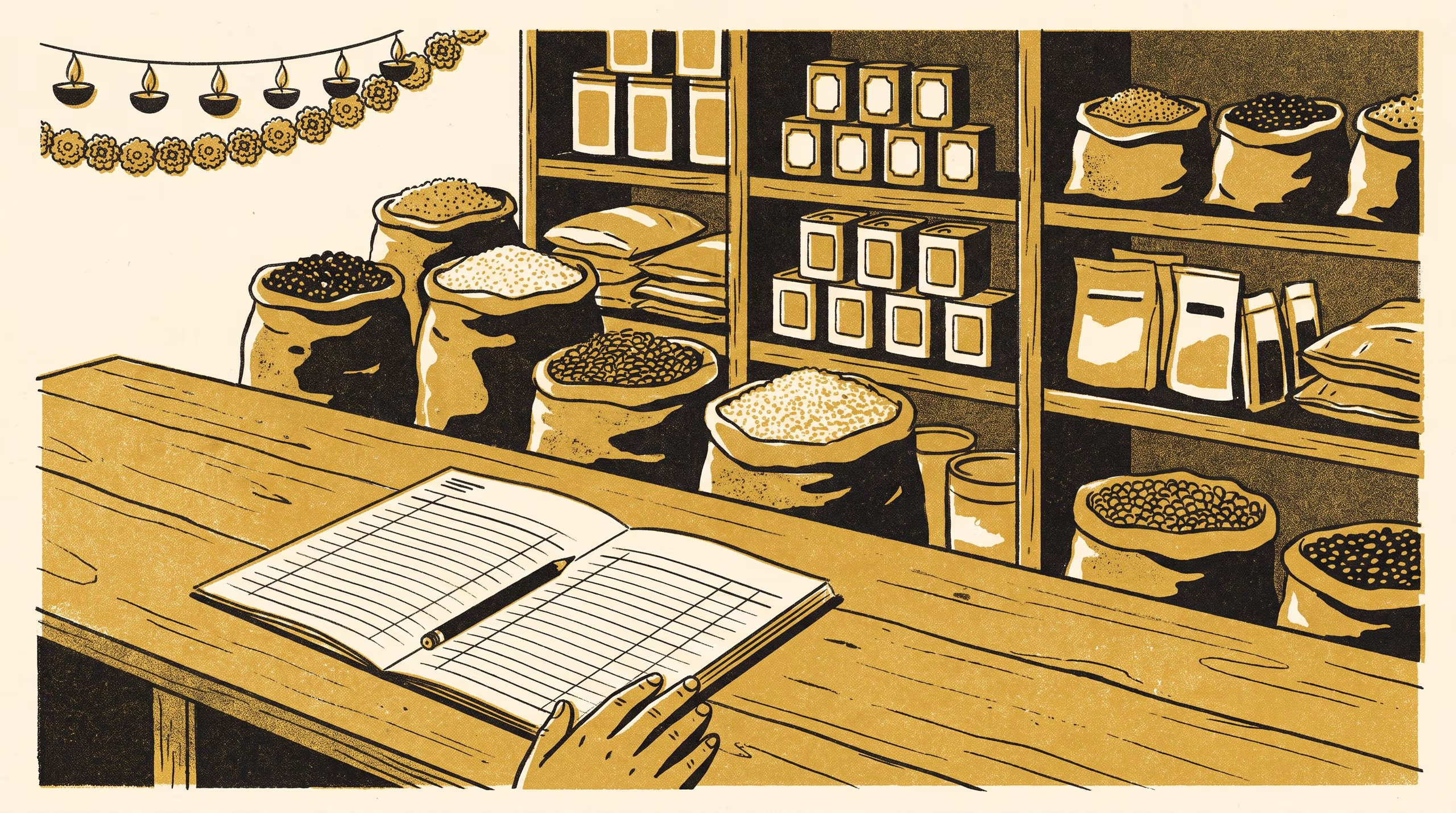
Dr Ingeborg Nwachukwu and Eivind Onwuka set 204 households' memory of their running shop credit against the shopkeeper's own book, and find the many small entries go first.
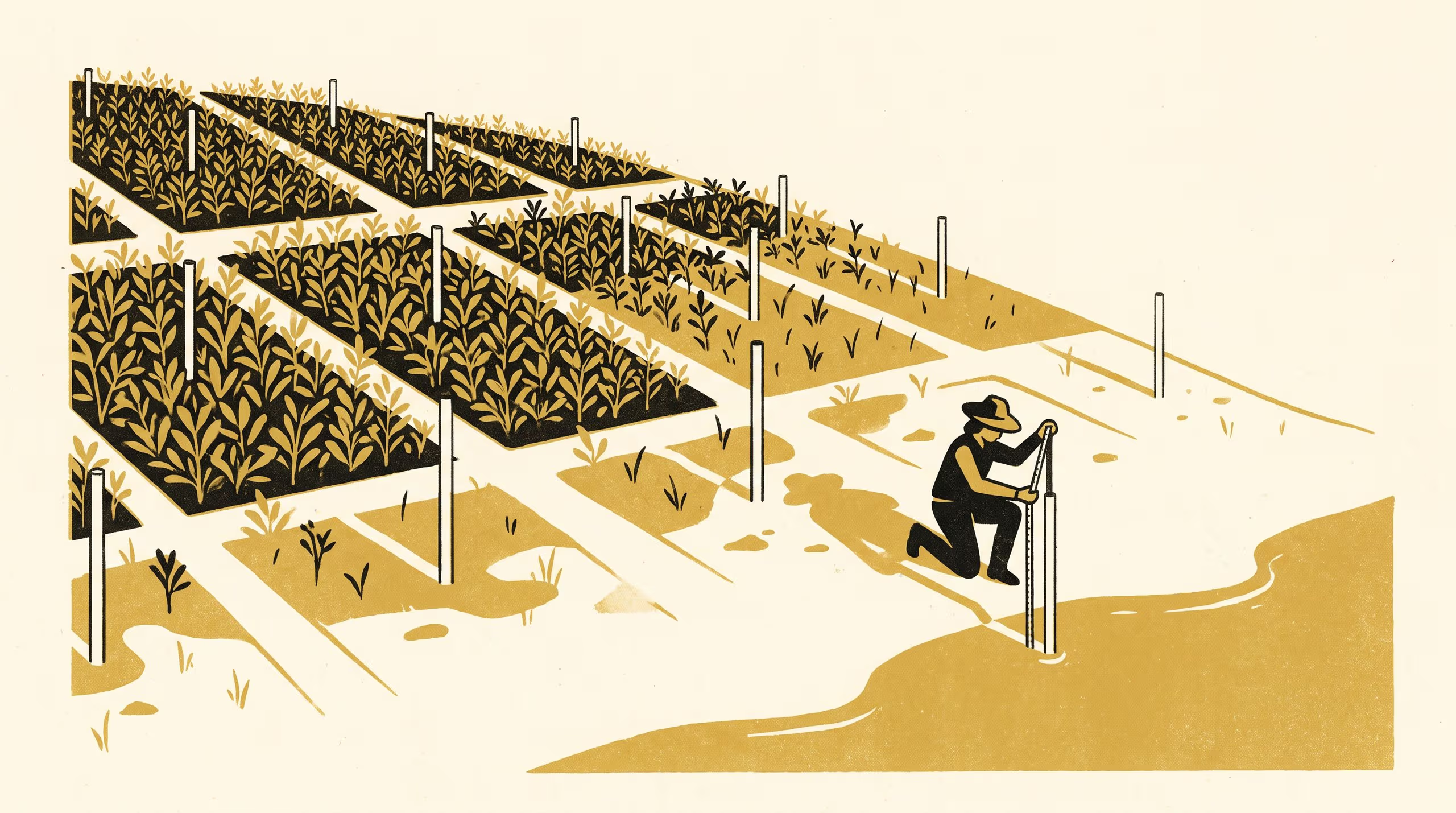
Dr Vigdis Emenike and Dr Brynjar Obiora gauge the perched water table under 132 lucerne plots for two winters and find that where on the slope a line is scored shapes how resistant it appears.
A new paper counts, without sampling, every foreign string a model thymus leaves its surviving receptors unable to see.
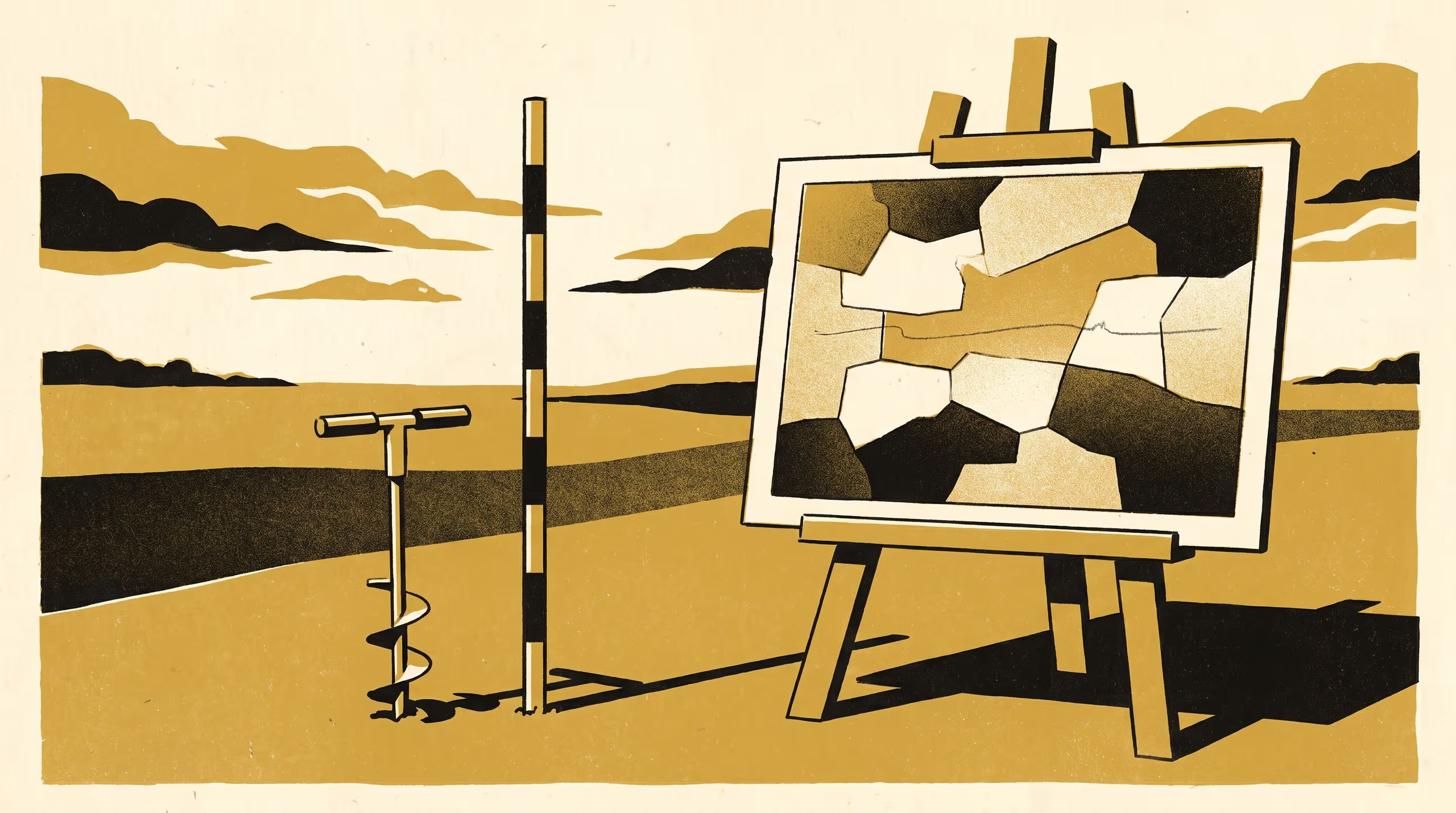
A new research poster runs a boundary-detection method over thousands of simulated disease maps and finds it will usually mark a line across a gradual change in risk, though rarely in the same place twice.
A Slop University research poster enumerates 5,067 three-generated numerical semigroups and reads their gaps as the depths a drill string cannot reach.