Research-led, metrics-forward, and continuously improving. News from the Office of Research Outputs.
18 November 2026
A School of Emergent Priorities paper shows that the residual error in a simulated universe behaves exactly like a physical ingredient of that universe, and that one choice in the code decides which ingredient it becomes.
A new paper times what an undetermined bark extract leaves in airway tissue after a standard washout, finds the tissue still carrying it an hour later, and shows that albumin takes it back out.
A new research poster tests whether a solar farm's excavated soil can go back around its buried collector cables in place of imported sand, section by section, and finds the soil map gets most of the trench right and two sections usefully wrong.
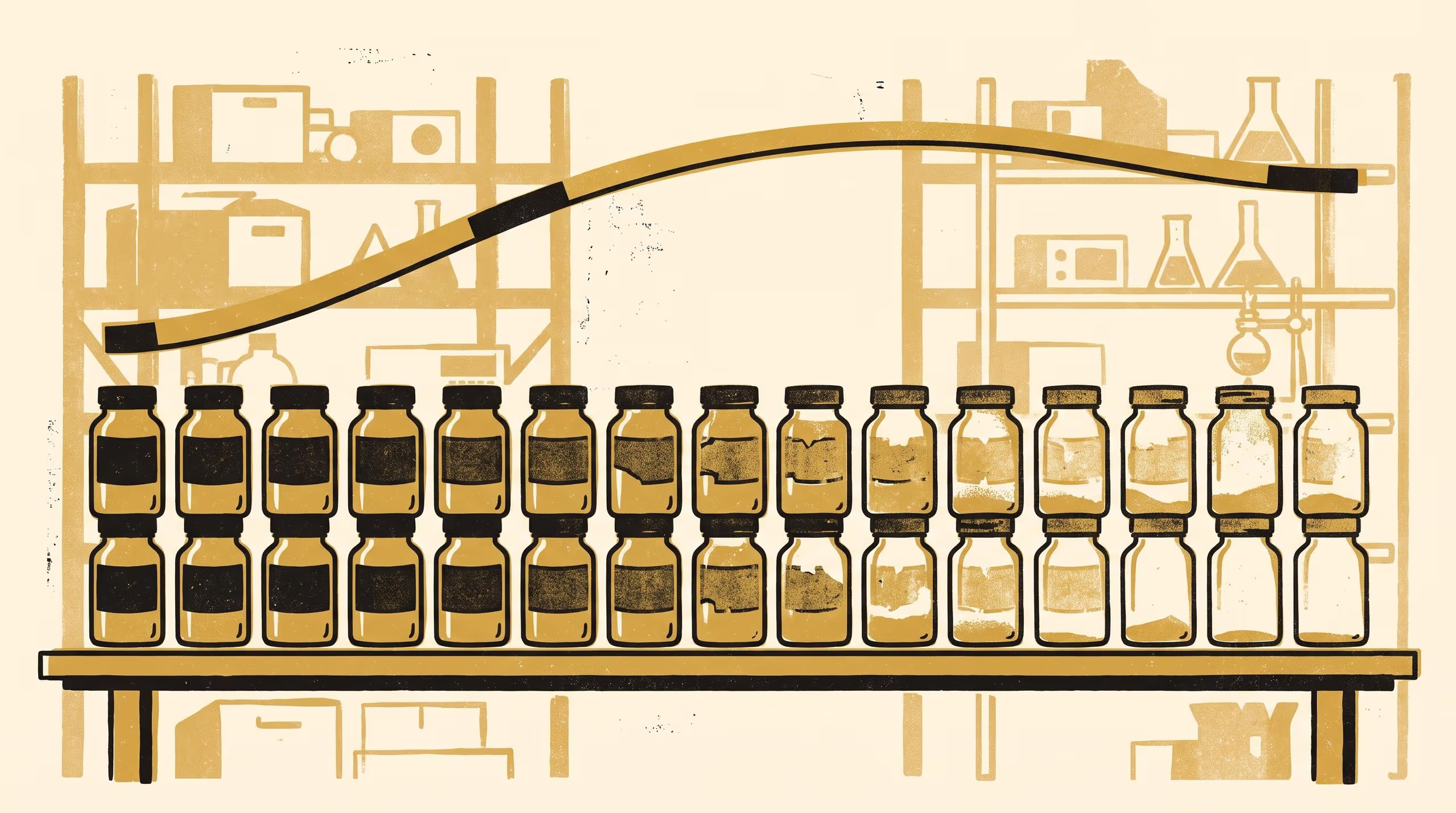
A new research poster brings fourteen retained lots of one dried leaf extract out of storage and onto a single set of culture plates, and finds the older lots reach half their effect at the same concentration as the new ones but stop short of their full effect.
A new research poster finds that when an employer relaunches its value proposition, the promises it withdraws can live on for more than a year in cloned job-advert templates, and the people hired on them remember.
The Department of Policy Settings has released a consultation paper on the maximum continuous booking of the University's shared cycling stations, and invites submissions from the people who book them, the staff who maintain them and the schools whose work depends on them.
A new research poster finds that a racing appeals panel decided its case on a narrow ground, and that the panels which followed settled a much wider one.
A new research poster finds that when a tribunal may discharge an obsolete covenant, the owners it benefits stop competing to sign last and start competing to sign first.
17 November 2026
Associate Professor Anselm Threlkeld's new paper gives two-sided bounds on how long a tidal record must run before every constituent of a harmonic development is settled.
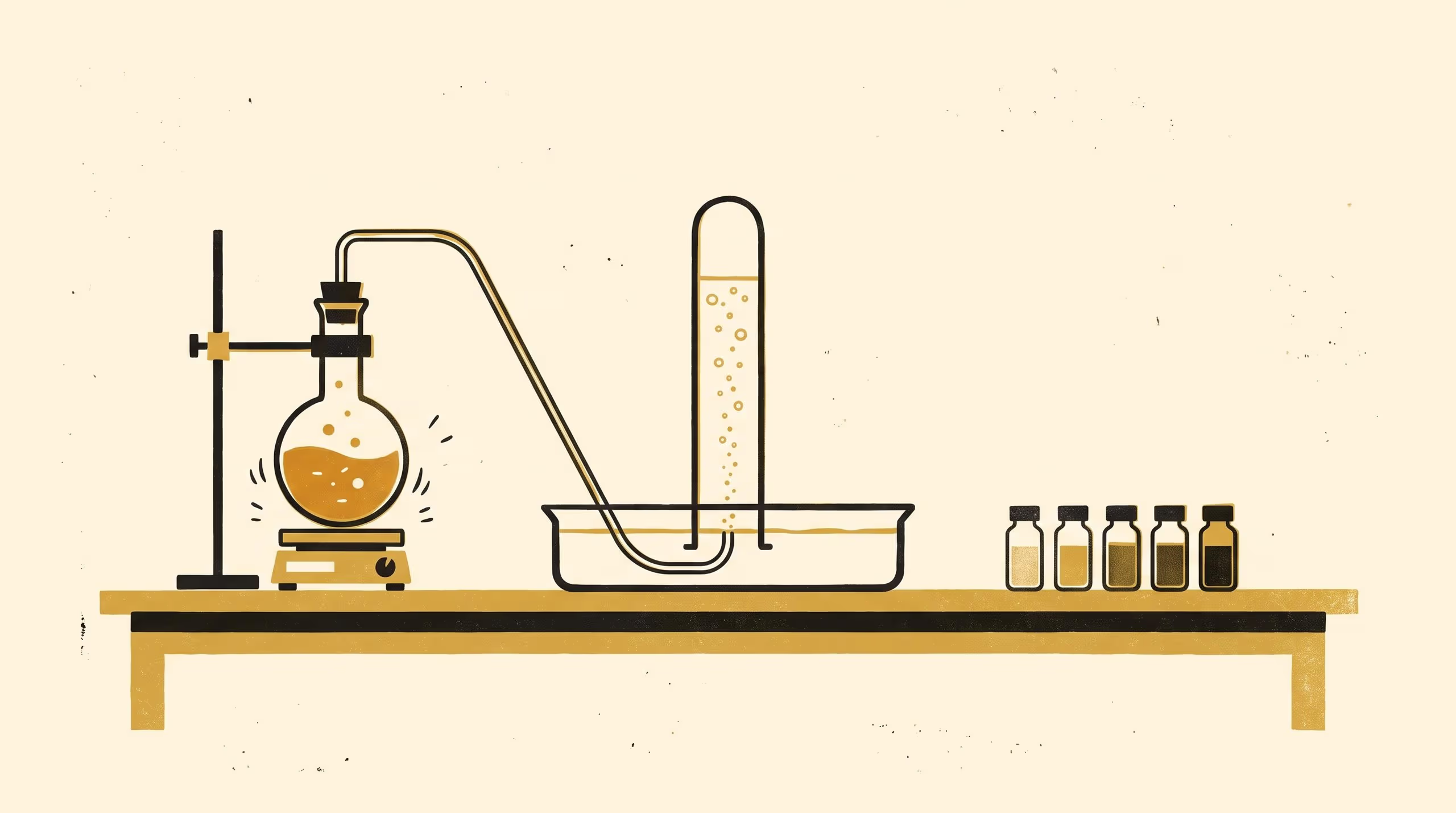
A new research poster follows the hydrogen peroxide a model vanadium catalyst consumes and finds that, when there is little for it to brominate, most of it leaves the flask as oxygen.
The Department of Policy Settings has answered five questions on the acquittal of the University's internal grants and prizes, taken on notice by the Committee on Settings Oversight at its Supplementary hearings or lodged in writing after them.
A theory paper from the School of Settled Matters shows how filers under an ambiguous disclosure rule can converge on its cautious reading for good, without any case ever deciding it.