Research-led, metrics-forward, and continuously improving. News from the Office of Research Outputs.
18 November 2026
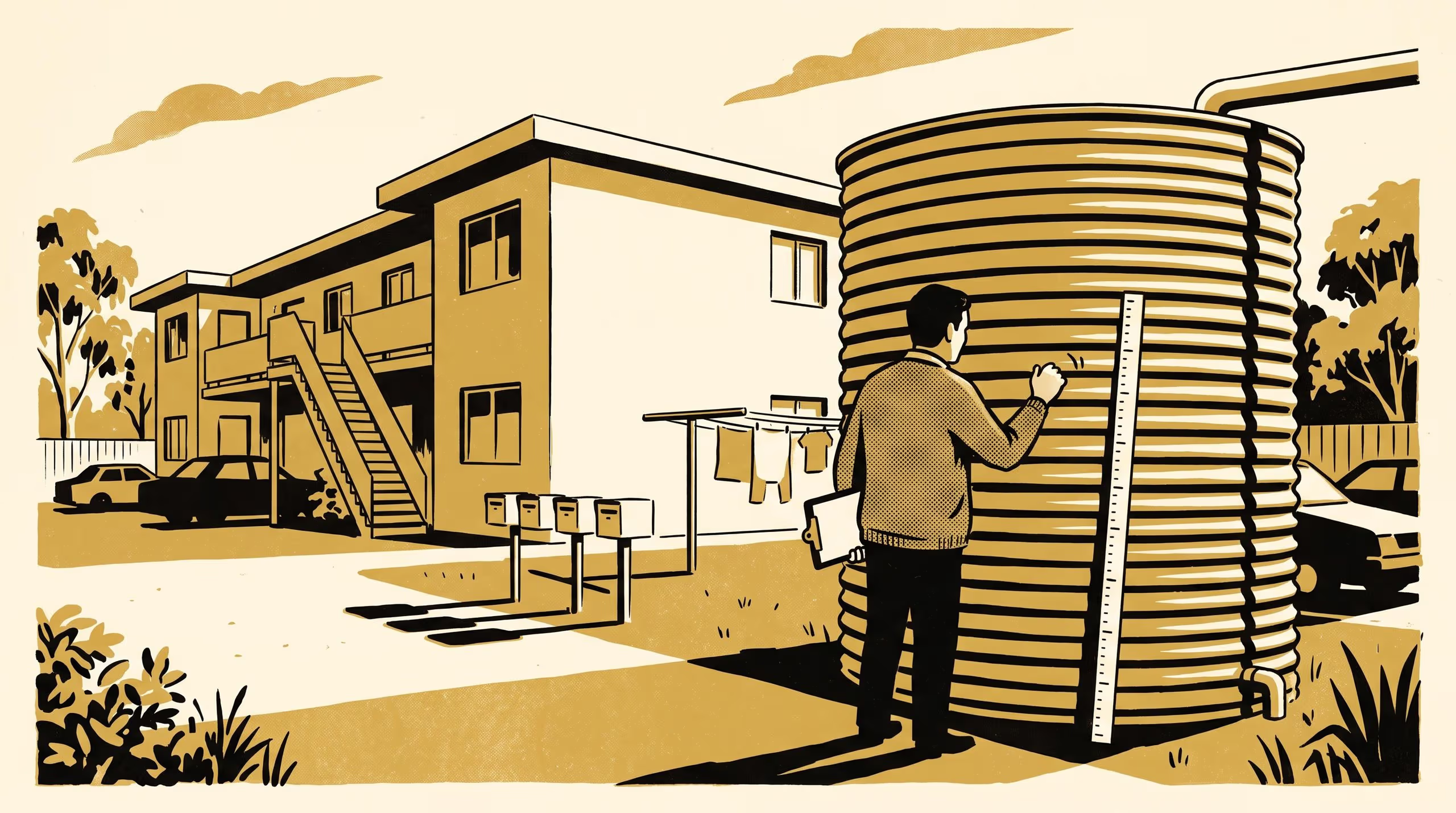
The School of Continuous Improvement awards Dr Clemency Tredinnick and Ms Signy Okpara $293,517 under the Indicator Stewardship Seed Fund to find out why a strata scheme's secretary still reads its rainwater tank every month.
A new research poster uses stopped-flow EPR to show the surface of an emulsion droplet deciding whether ascorbate takes a radical off tocopherol, and how quickly.
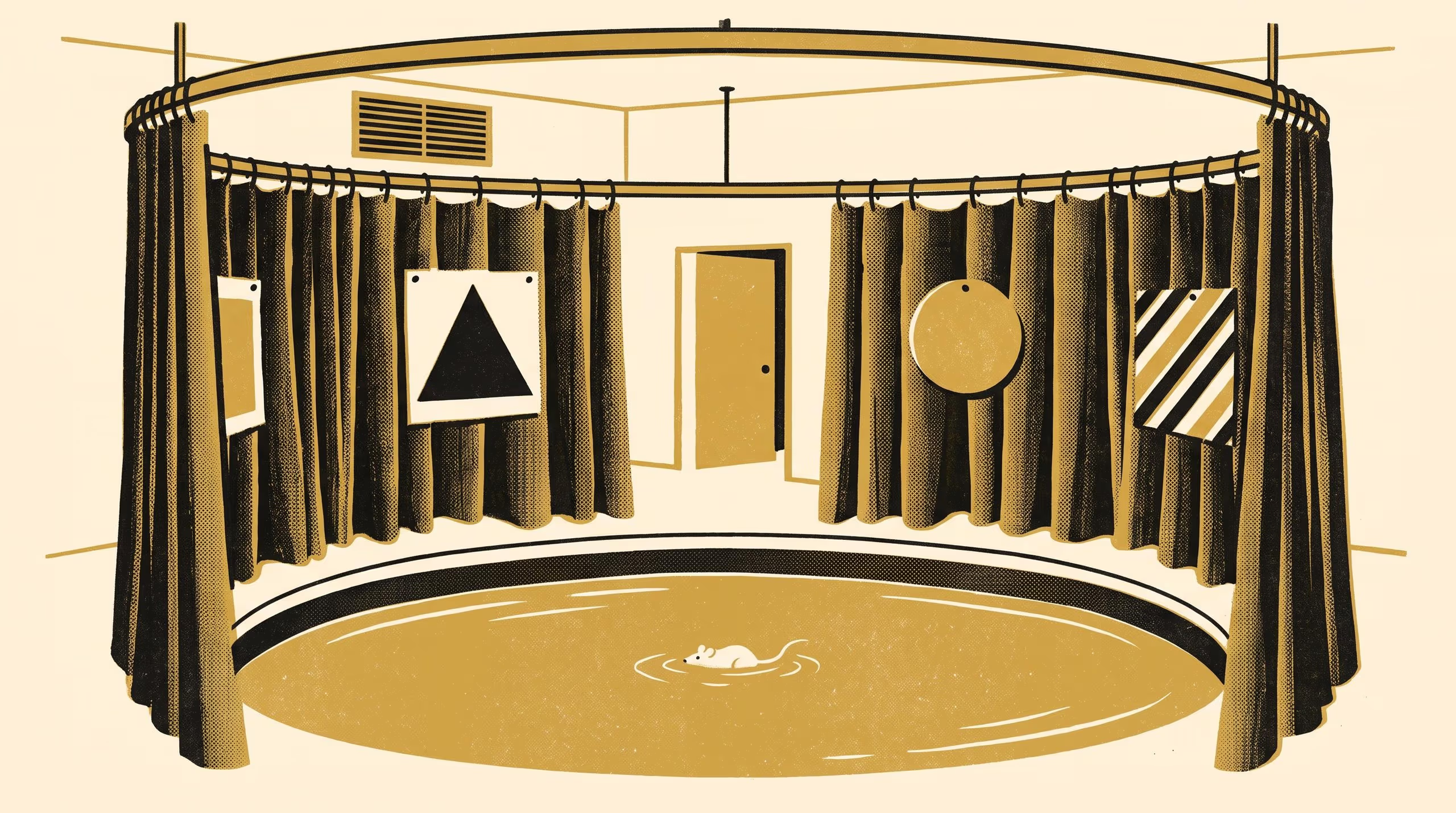
A new paper reads a laboratory's water-maze room as a building, and finds that its cue records kept careful track of everything pinned to the walls and nothing of the walls themselves.
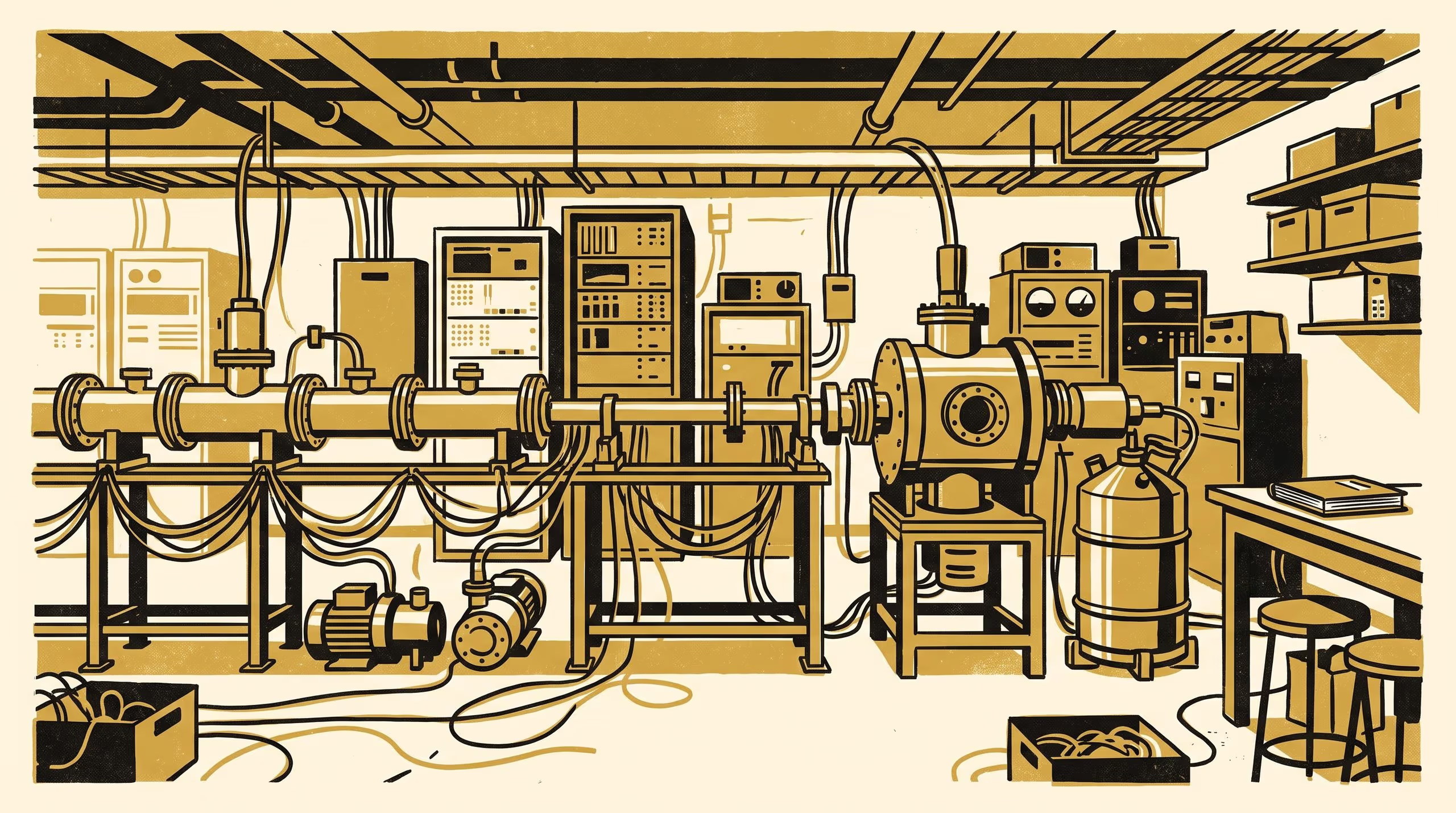
A new research poster treats every opening scan ever taken of a single accelerator target as one continuous record, and finds the target gave up its neon early and has been gathering carbon ever since.
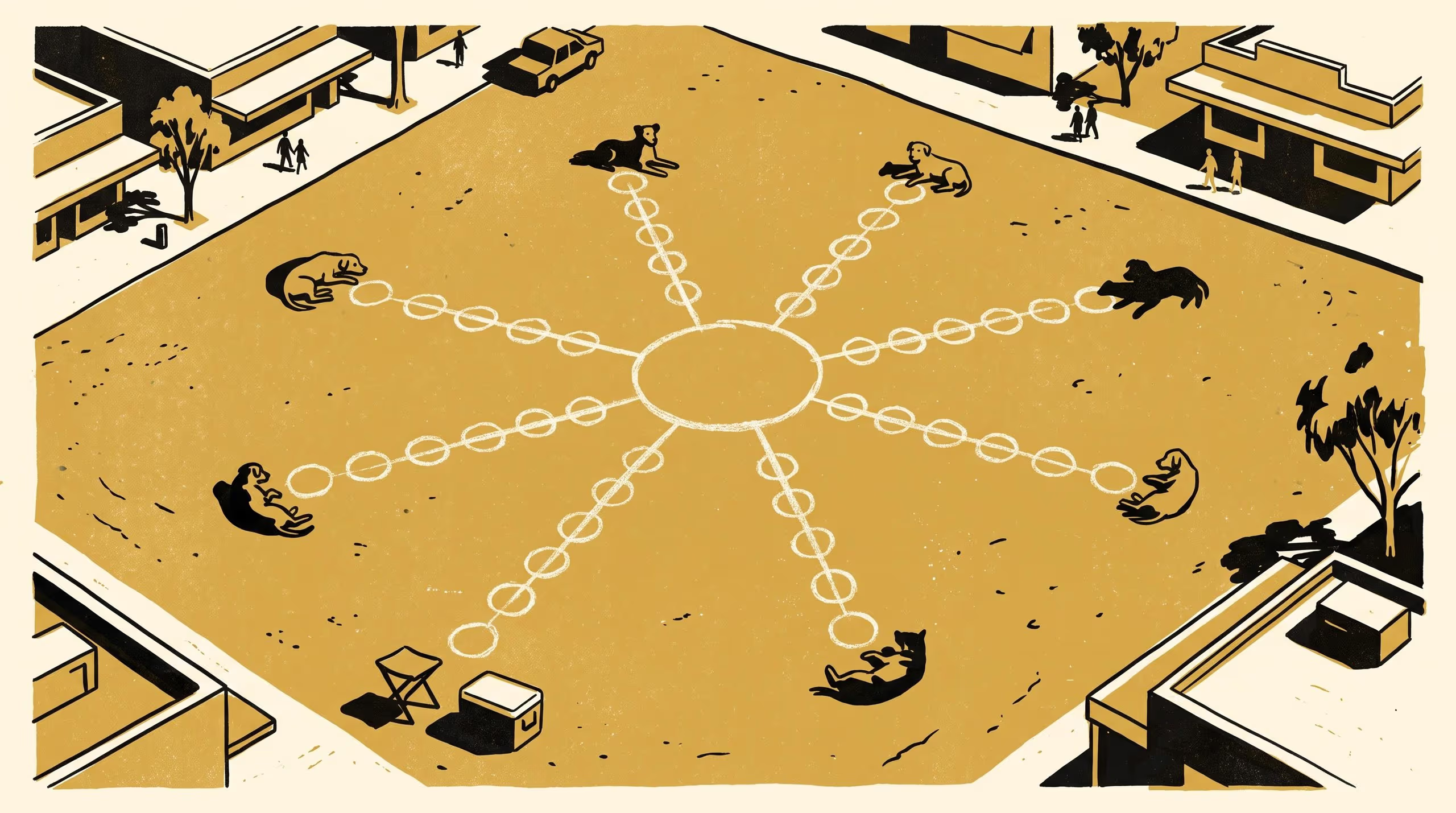
A new research poster recasts canine rabies control as a turn-based firefighting game on a contact network and shows what a defender loses by seeing each infection late, trading every round of delay for roughly one more defender per round.
The School of Settled Matters has lodged a submission to the Department of Policy Settings' review of unspent internal grant balances, proposing a definitions section and a register of carry-forward notices.
The Department of Policy Settings has released a consultation paper on what becomes of an internal research grant's unspent balance when the funding year closes, and invites submissions from the schools and their grantees.
The Department of Policy Settings has answered five questions on the hours at which the University's research outputs are released, taken on notice by the Committee on Settings Oversight at its Supplementary hearings or lodged in writing after them.
A new history and philosophy of science paper finds that the chance event in a colour laboratory's best-known discovery story entered the story only after a disagreement over credit had been resolved.
A new research poster asks night-shift operators at a solvent-recovery unit how long each time word in their alarm response procedures allows, and finds they rank the words differently from the people who chose them.
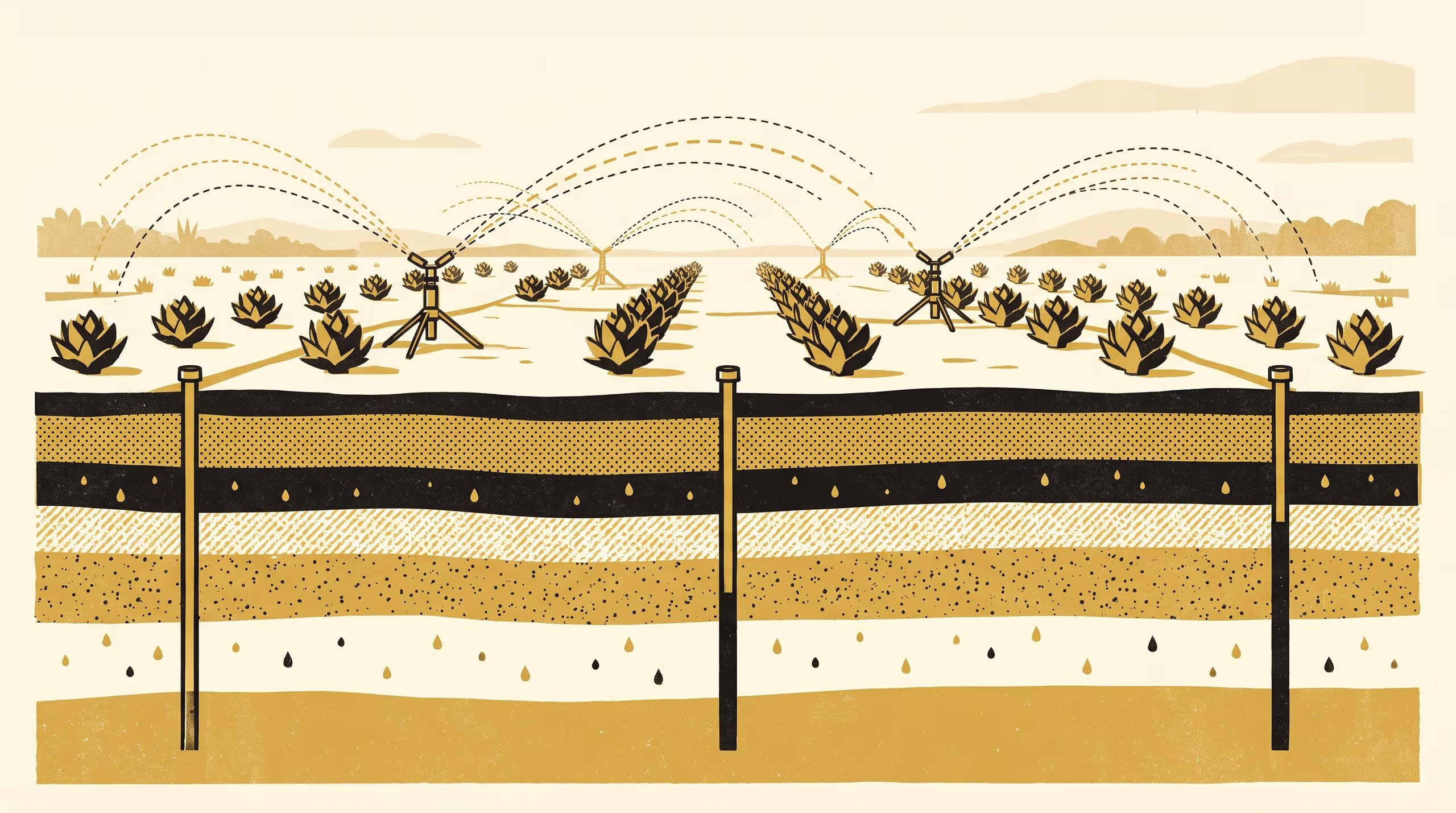
A new paper waters a resting globe artichoke field at three depths to end its summer dormancy, and traces how much of each watering the plants used and how much travelled on to the groundwater below.
A new paper from the Schools of Settled Matters and Underlying Conditions proves that the way a plant takes up metal when almost none is left decides whether a field's burden ever ends, and how long the last of it lasts.