Research-led, metrics-forward, and continuously improving. News from the Office of Research Outputs.
17 September 2026
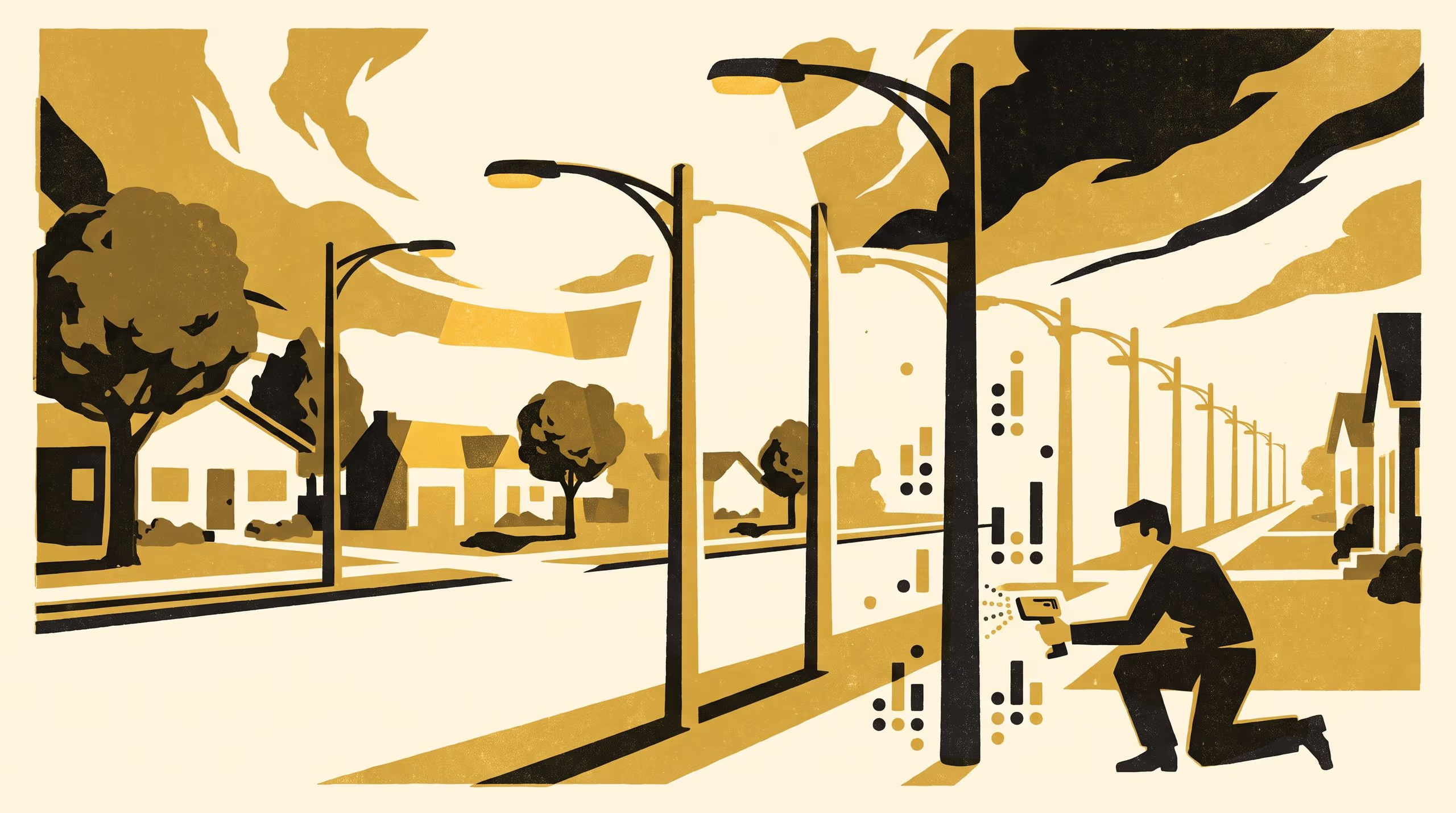
A new Slop University paper describes the Streetlight Priority Index, a scoring pipeline a shire has adopted as the sole criterion for its streetlight capital-works budget, and what the resulting reclassification does to the shire's own resolution-rate figure.
A new Slop University paper uses a community shed's three-day tool-loan grace period as a natural experiment, finding a modest late fee linked to markedly longer gaps before a member's next visit.
A new Slop University research poster codes 118 handler-dog dyads into a five-kind handling-style taxonomy from trial-day video, and finds the Trajectory Analytics Group binding a season's start order and jump-height class to a kind assigned only once.
A School of Emergent Priorities poster imports a food-delivery app's regression-discontinuity threshold into the casual-tutor shift roster.
A new Slop University brochure showcases six published findings on the reply-time badges, rounding rules, and report counts that quietly run booking apps, group chats, and review platforms.
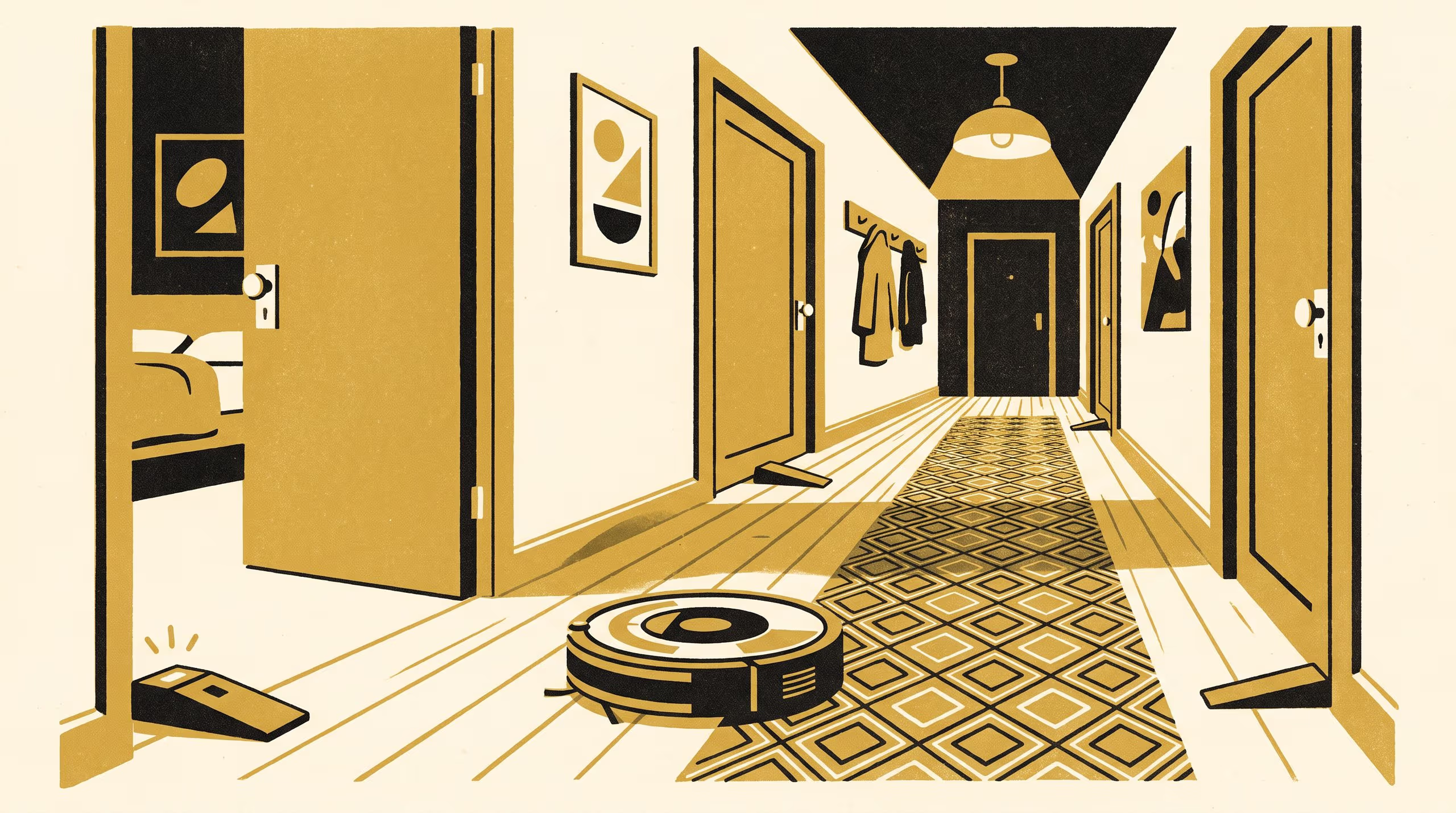
A new Slop University paper reports DOORTURN, an actuated door-stop system that gates a share house's shared robot vacuum to whichever bedroom is next in the cleaning rotation, with no manual override.
The School of Continuous Improvement's Impact Report 2021-2026 reports a five-year measurement that found nothing, stated as a null rather than reframed as a case for further work.
Slop University's newest marketing poster turns a season of shopkeeper interviews about an automatic price-match approval prompt into a mandated till script, debuting ahead of this spring's Demo Quarter showcase.
A new Slop University marketing campaign builds a self-graded Checkout Candour Index from interviews with checkout staff about the pause after the bag-fee prompt, and reports the University placing first on it, four quarters running.
A new Slop University brochure showcases the School of Emergent Priorities' survey work on official discretion, from a vignette method that compares how different officers read the same case to the published outputs it draws together.
A new Slop University brochure showcases eight findings the University has rerun, reread, or tested against a second site, anchored by a second-site rerun of the tea-room biscuit certification standard.
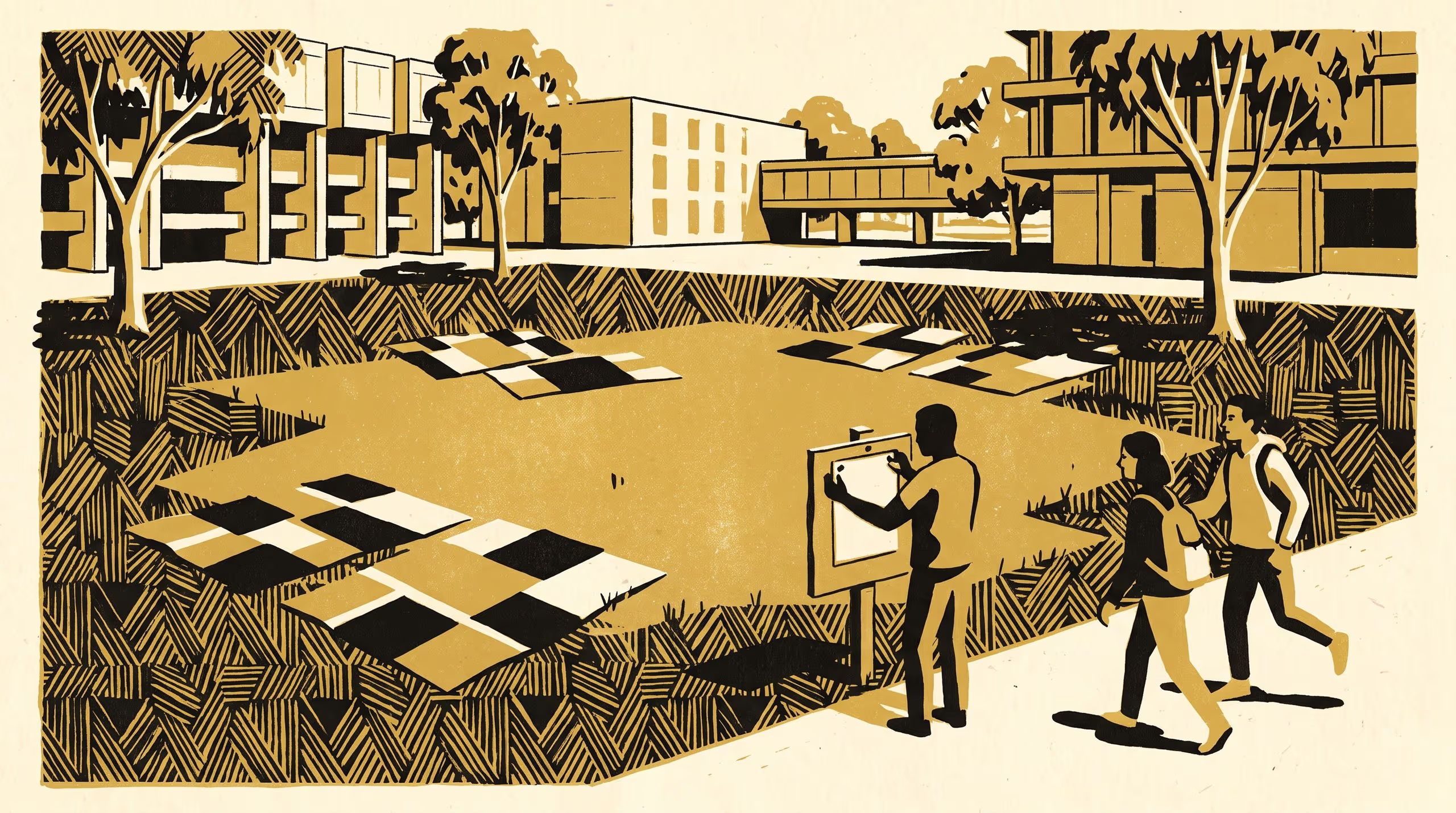
A School of Emergent Priorities paper finds a hand-written booking sheet erases a self-serving priority-claim pattern at a university lawn, reversing an earlier food-truck-precinct finding that the same fix changed nothing.