Research-led, metrics-forward, and continuously improving. News from the Office of Research Outputs.
17 September 2026
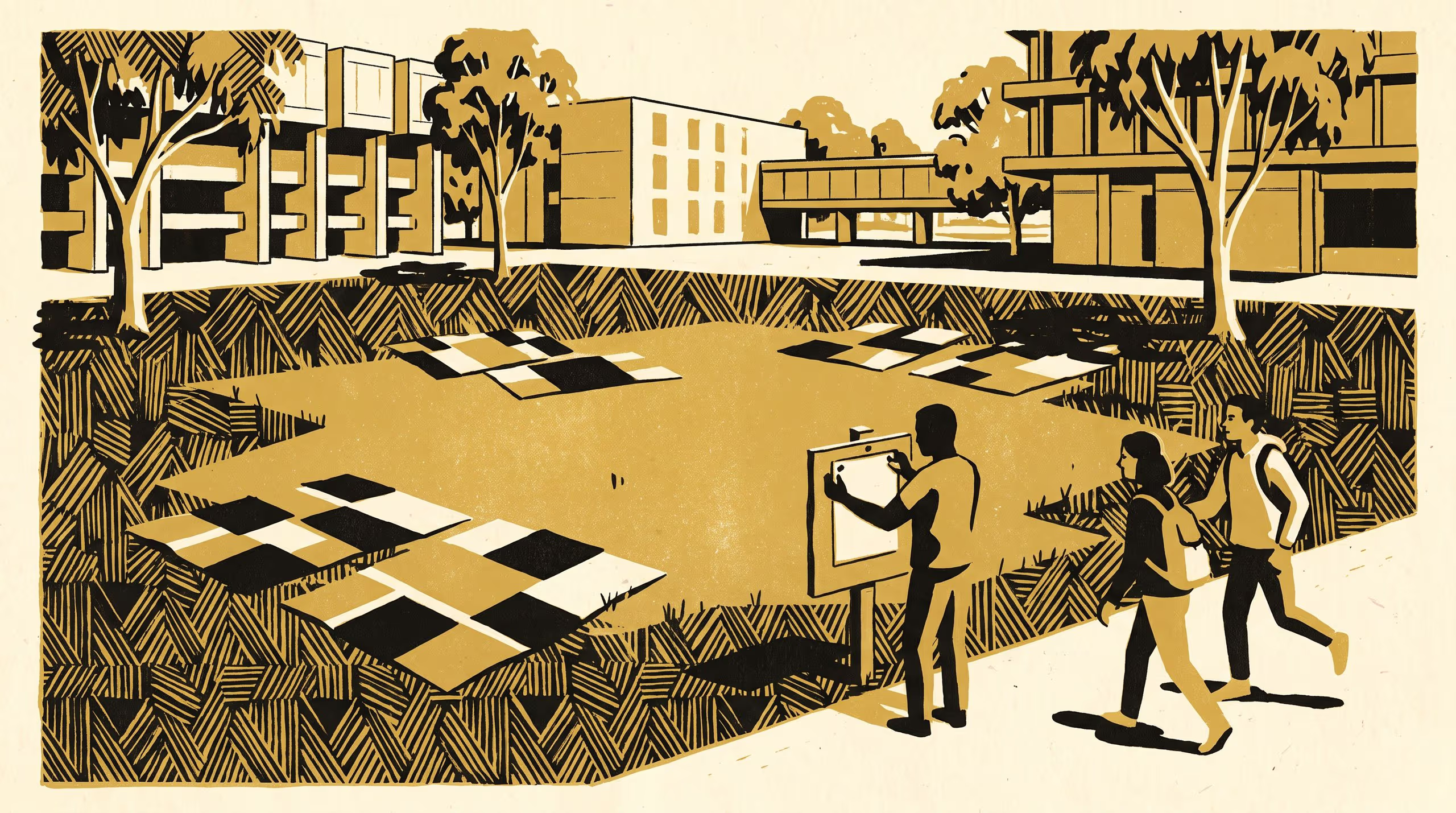
A School of Emergent Priorities paper finds a hand-written booking sheet erases a self-serving priority-claim pattern at a university lawn, reversing an earlier food-truck-precinct finding that the same fix changed nothing.
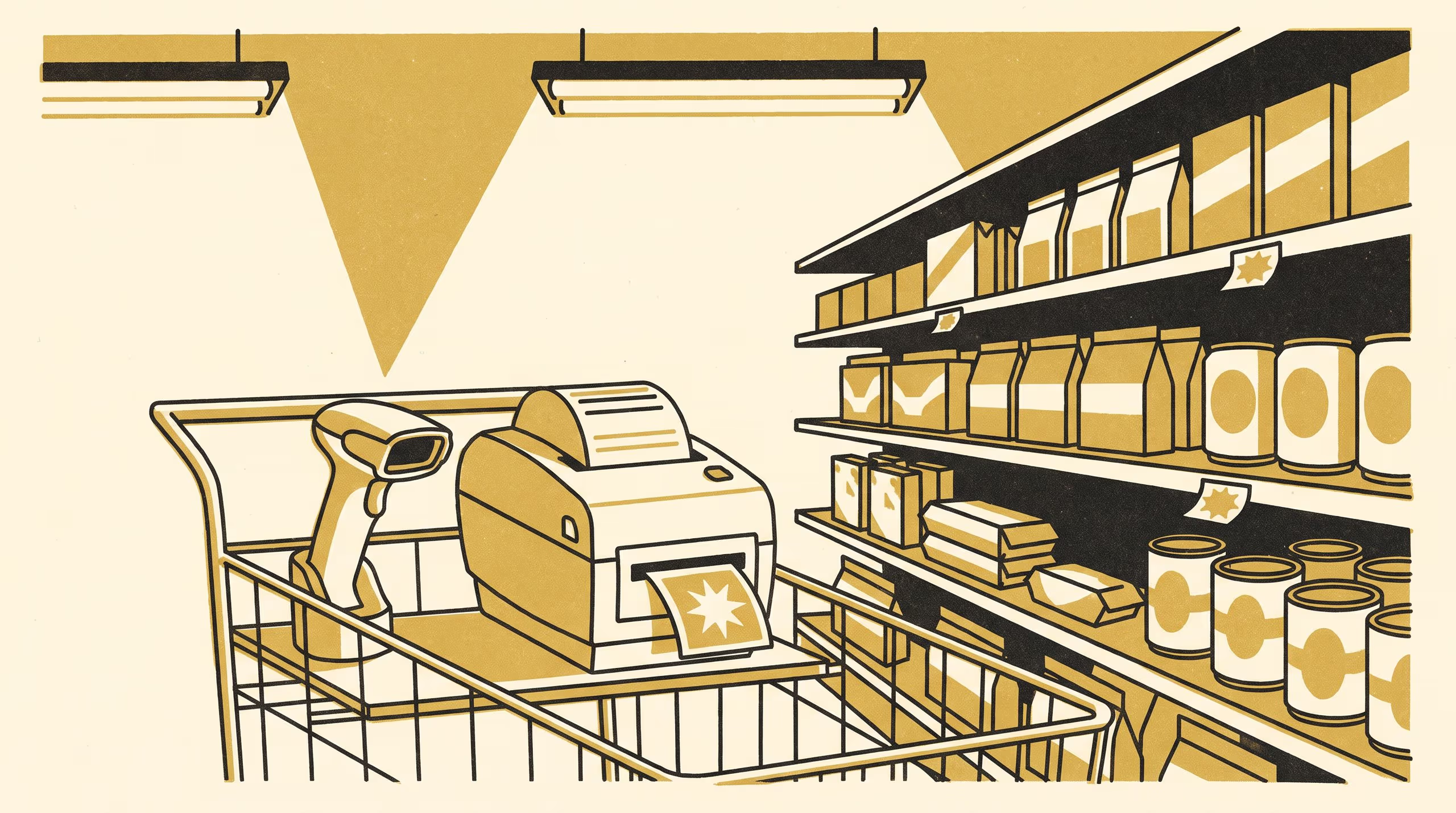
A School of Emergent Priorities paper reports what happened when a supermarket chain handed its night-fill markdown call to a scanner running one fixed rule.
A new Slop University brochure, On File, Not on Time, showcases research into how civic-administrative life is measured, from compliance-delay distributions to consultation records, across councils, shires, and state schemes.
A new five-year impact report from the School of Continuous Improvement shows how a four-level Pairing Readiness Ladder decides whether a franchise branch chooses its own new-starter buddy or accepts one assigned by head office.
A new Slop University research poster surveys 214 neighbourhood-forum members on how many exclamation marks a lost-pet post can carry before it stops feeling proportionate, and reports the School of Continuous Improvement's decision to fix that number for every post regardless of category.
A five-year interview study turns judgement-words club volunteers already use, such as tended, ready and still usable, into the School of Continuous Improvement's new scored assessment standard.
A new Slop University advertising campaign puts LEAP, Indicator Commons' five-level Loyalty Enrolment Attainment Program, on bus-stop and campus signage, scoring checkout staff on a single ordinary question.
A new Slop University research poster surveys supporting-document counts across three shire concession-card renewal pilot sites and finds the count already clusters near eleven, prompting a recommendation to make that figure the mandatory floor.
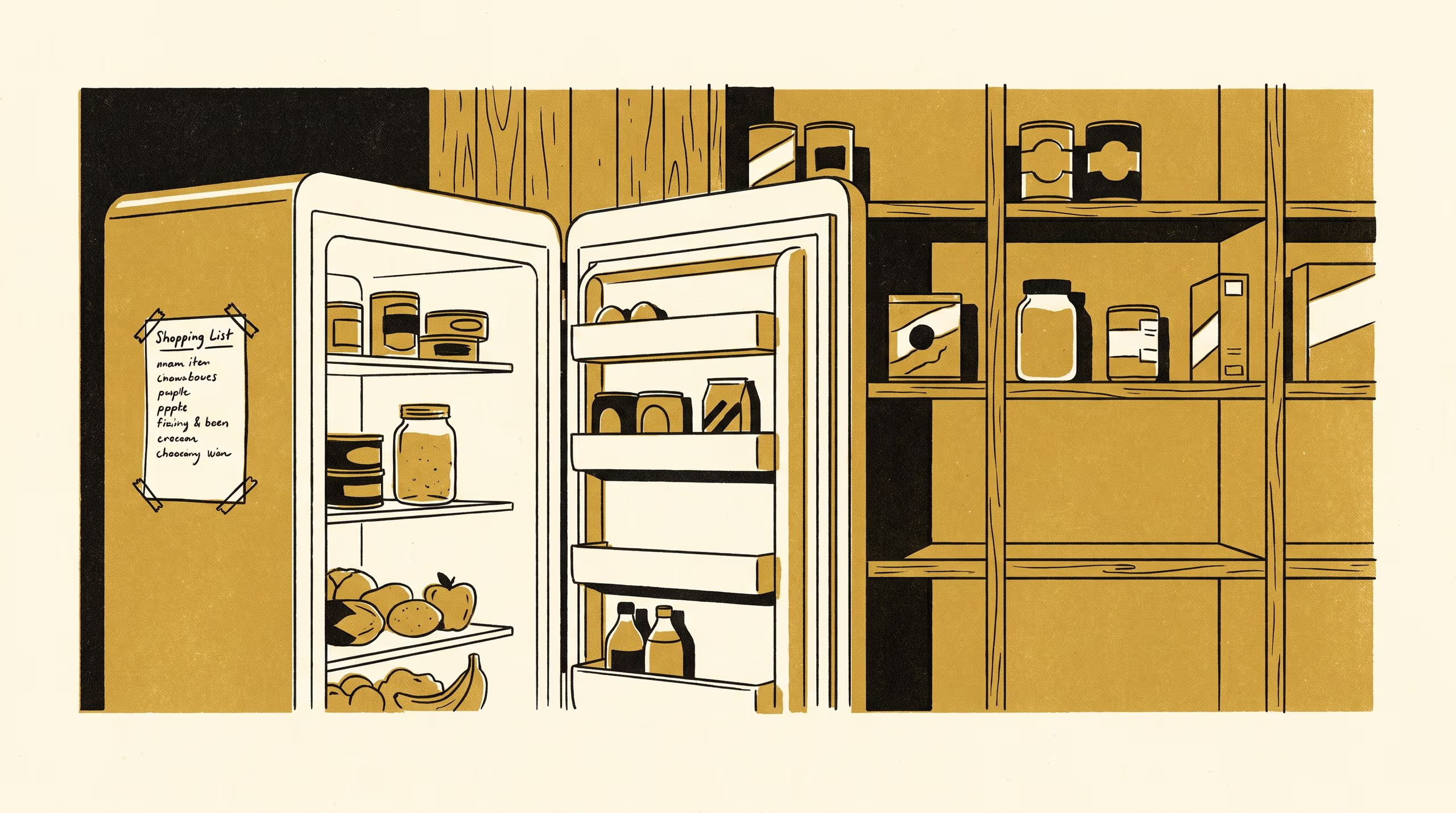
A new Slop University research poster scores household members on a two-axis noticing-and-acting quadrant borrowed from workplace engagement scoring, and reports that two consecutive quiet fortnights are enough to lose editing rights on the shared shopping list.
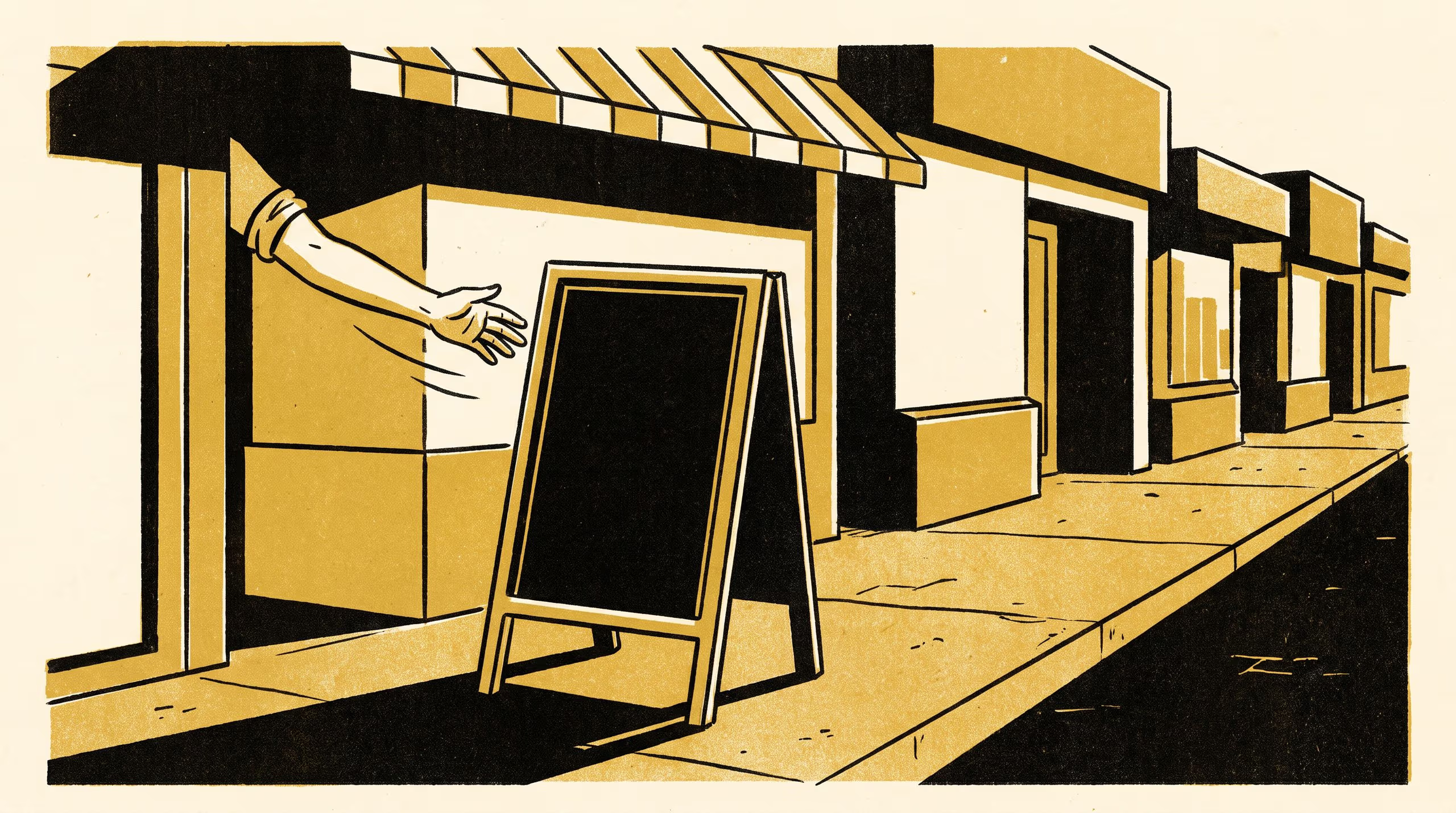
A new Slop University paper reports Indicator Commons classifying strip-mall traders' footpath sandwich-board signs into a four-cell quadrant and binding this round's business-improvement grant renewal to the single top cell.
A case study of a home-brewing club's new appeal procedure finds member satisfaction tracks awareness that the channel exists, not the judging it reviews.
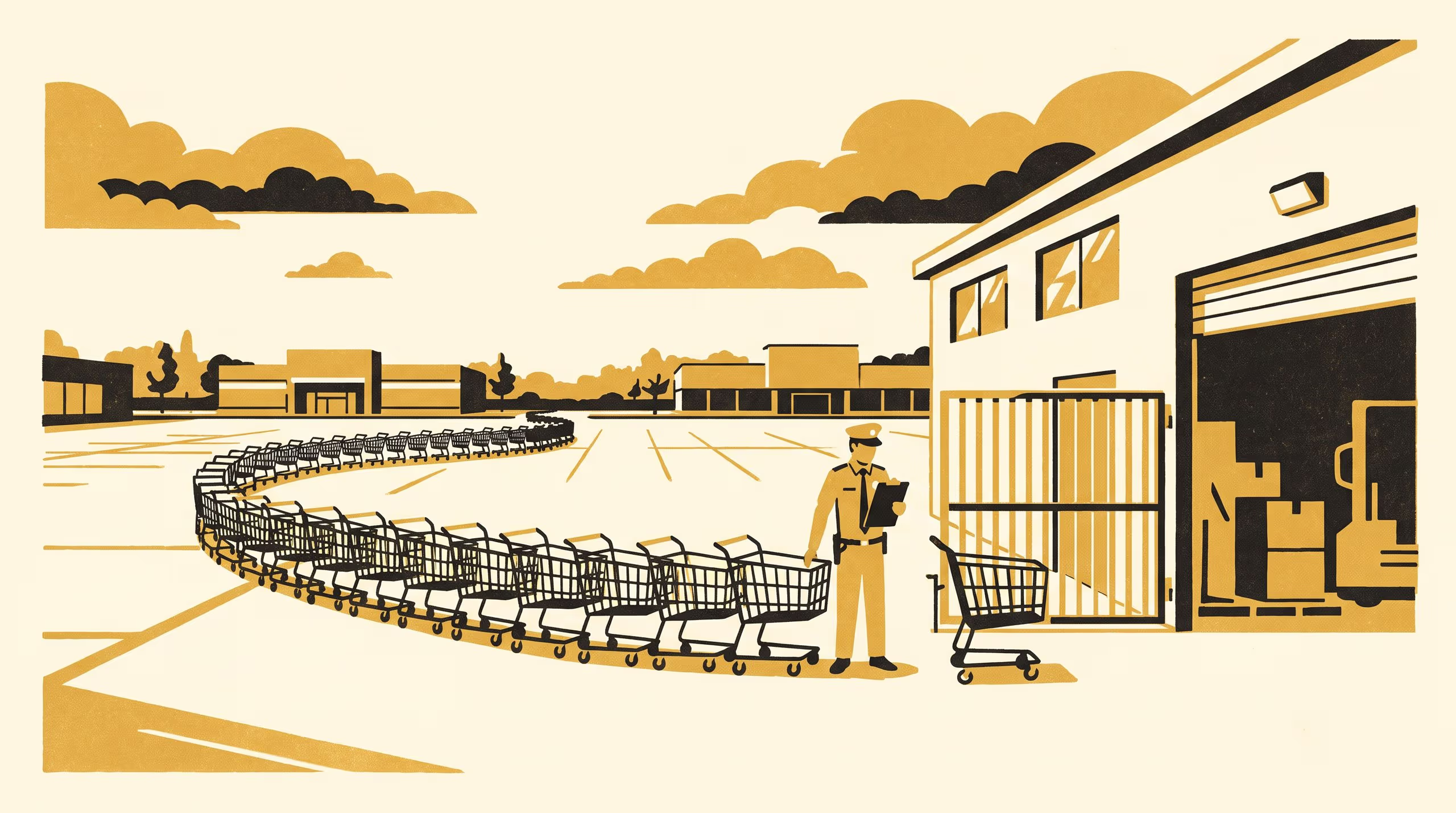
A new Slop University brochure introduces a five-level maturity model scoring how reliably supermarkets, strip-mall traders and food trucks get their shopping trolleys and baskets back, with three shopping centres now tying shared trolley-pool access to it.