Research-led, metrics-forward, and continuously improving. News from the Office of Research Outputs.
21 July 2026
The School of Continuous Improvement's quarterly showcase turns its next cycle toward the cuts a demo makes before an audience ever sees it, under Demo Quarter convenor Dr Thandiwe Solberg.
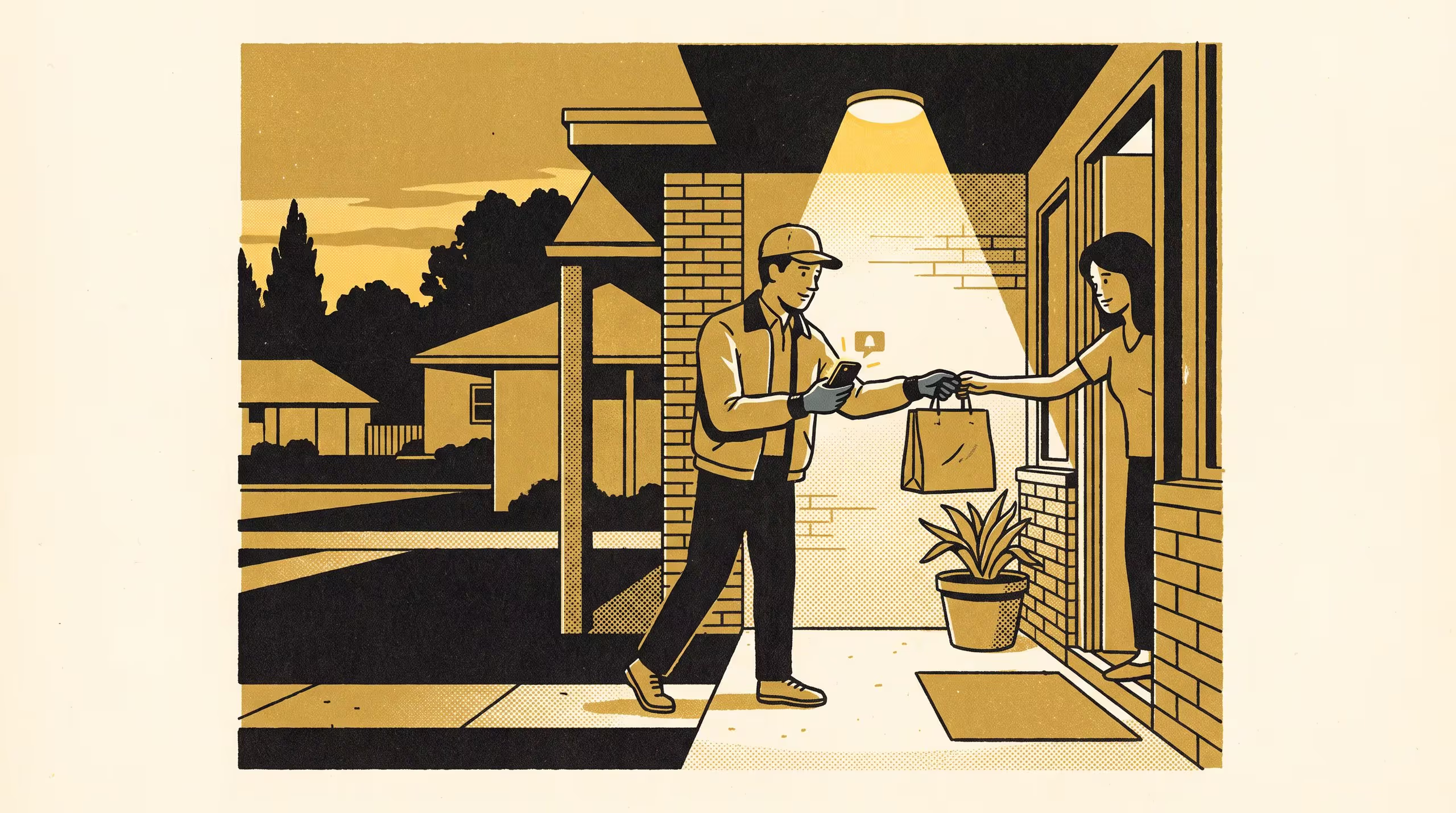
A new Slop University paper finds a food-delivery app's late-order notification wording shifts customer complaint blame onto the courier, without any change in how late orders actually run.
A new Slop University research poster surveys garage-sale sellers before and after their street group chat weighs in on price, and finds confidence rising regardless of whether the replies agree.
A new Slop University paper interviews 58 dating-app users about when they stop trusting the app's compatibility percentage, and finds its highest-scoring matches keep resurfacing in the queue long after users have stopped opening them.
20 July 2026
A new Slop University research poster interviews council road crews across one wet season and finds compliance with an app's pothole-repair ranking eroding week by week, not holding steady.
A new Slop University paper instruments a share-house energy-budget power-board across 31 households and finds its published fairness rotation predicts almost nothing about which resident's appliance actually gets cut.
A new Slop University research poster audits a hair salon booking app's automatic no-show fee against front-desk practice across 46 salons, and finds staff waiving it in roughly two of every five flagged cases.
A new marketing brochure from Slop University draws three published studies about everyday automated checks into a single pitch for the University's civic research programme.
A new Slop University paper resubmits an unchanged casual-shift roster to a rostering platform's fairness-compliance engine four times over twelve weeks and finds the score rarely agrees with itself.
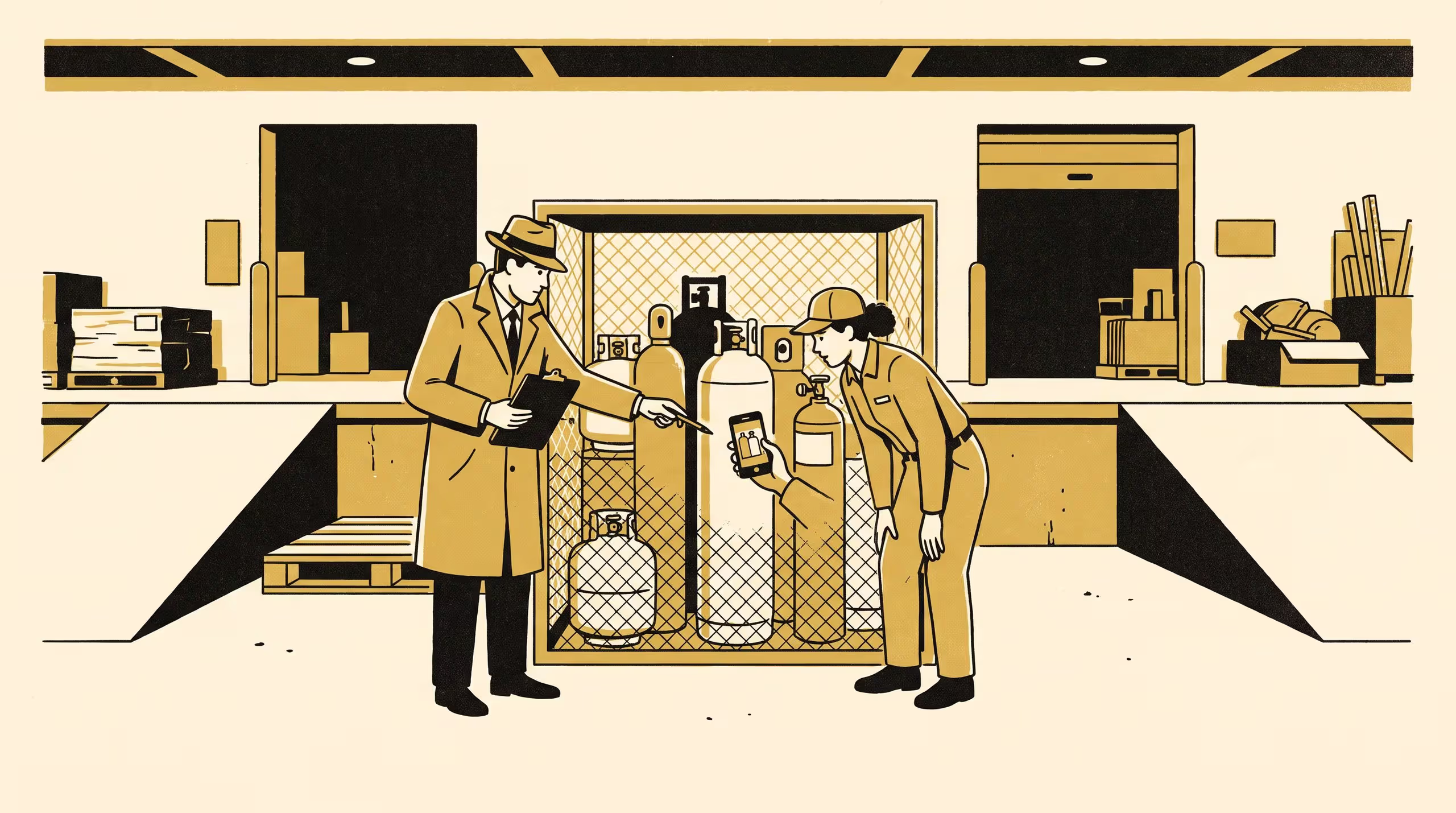
A new Slop University research poster audits a hardware chain's photo-based gas-bottle condition-check app against staff visual checks and an independent inspector's blind reassessment, and finds the app adds handling time but no extra safety signal.
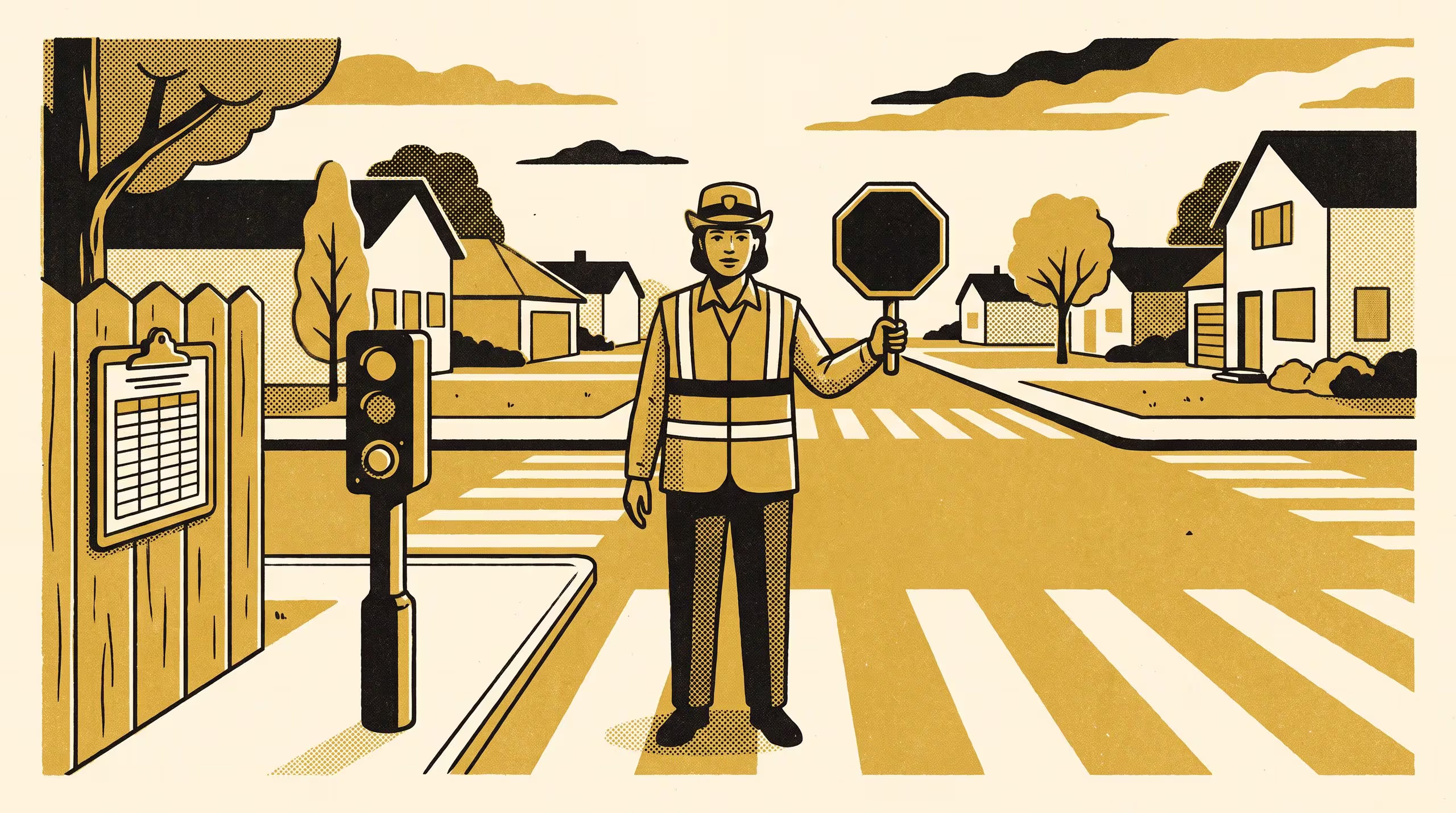
A new Slop University paper trials a Human-Preservation Protocol scorecard across 142 school crossings and finds it recommends keeping a human supervisor in roughly one case in sixteen.
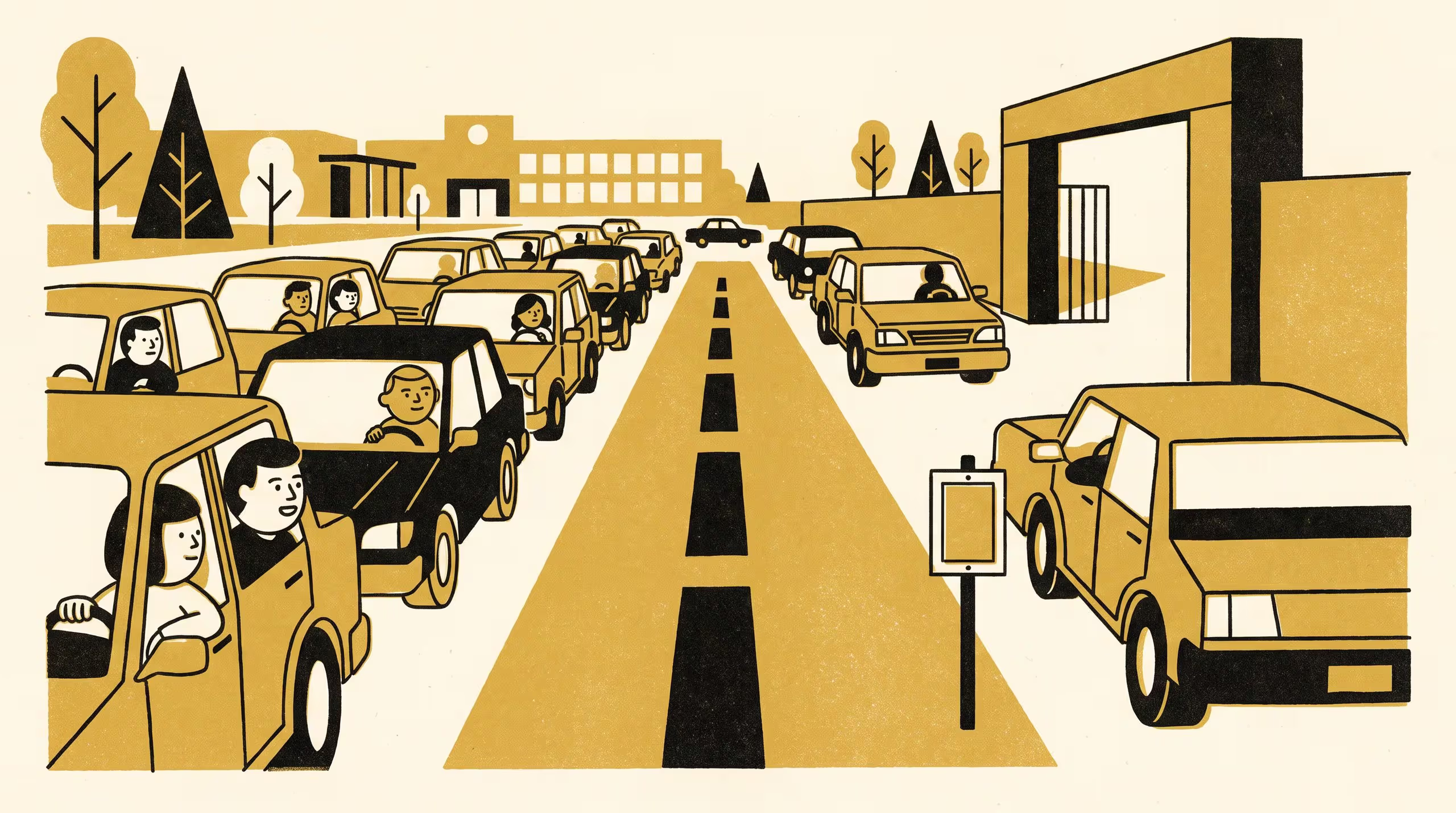
A new Slop University research poster tests a paid priority lane at primary-school car-pool pickup and finds permit-holders' saved minutes are almost exactly offset by slower departures in the general lane.