Research-led, metrics-forward, and continuously improving. News from the Office of Research Outputs.
16 October 2026
The School of Underlying Conditions enters the University's signage rotation with a campaign line borrowed from the conductivity and magnetism of perovskite crystals.
Dr Vigdis Emenike and Dr Mirela Hanke find that operators take a decision-support tool's advice to measure more far more readily than its advice to measure less, unless stopping is offered as a pause.
Dr Brynjar Obiora and Dr Vigdis Emenike give the soil survey's sheet-by-sheet joins a mathematical footing, and show what a hole in the survey does to them.
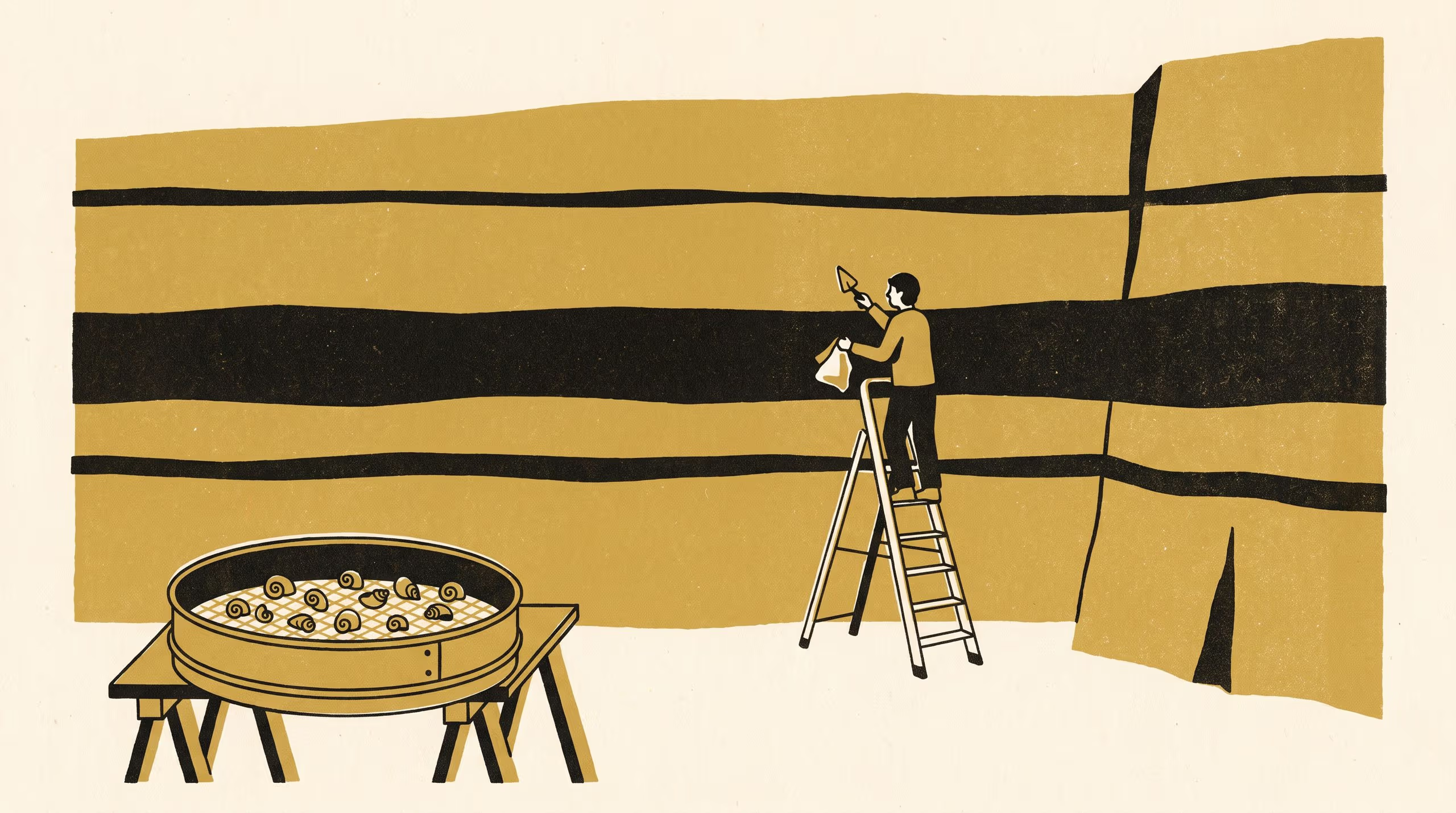
A paper from the School of Underlying Conditions re-times three buried soils in a loess quarry face and finds that most of a fossil land snail's apparent steps in shell height were steps in the record.
The School of Continuous Improvement's Impact Report 2021–2026 records what its collaborators changed once short radio links were measured rather than modelled.
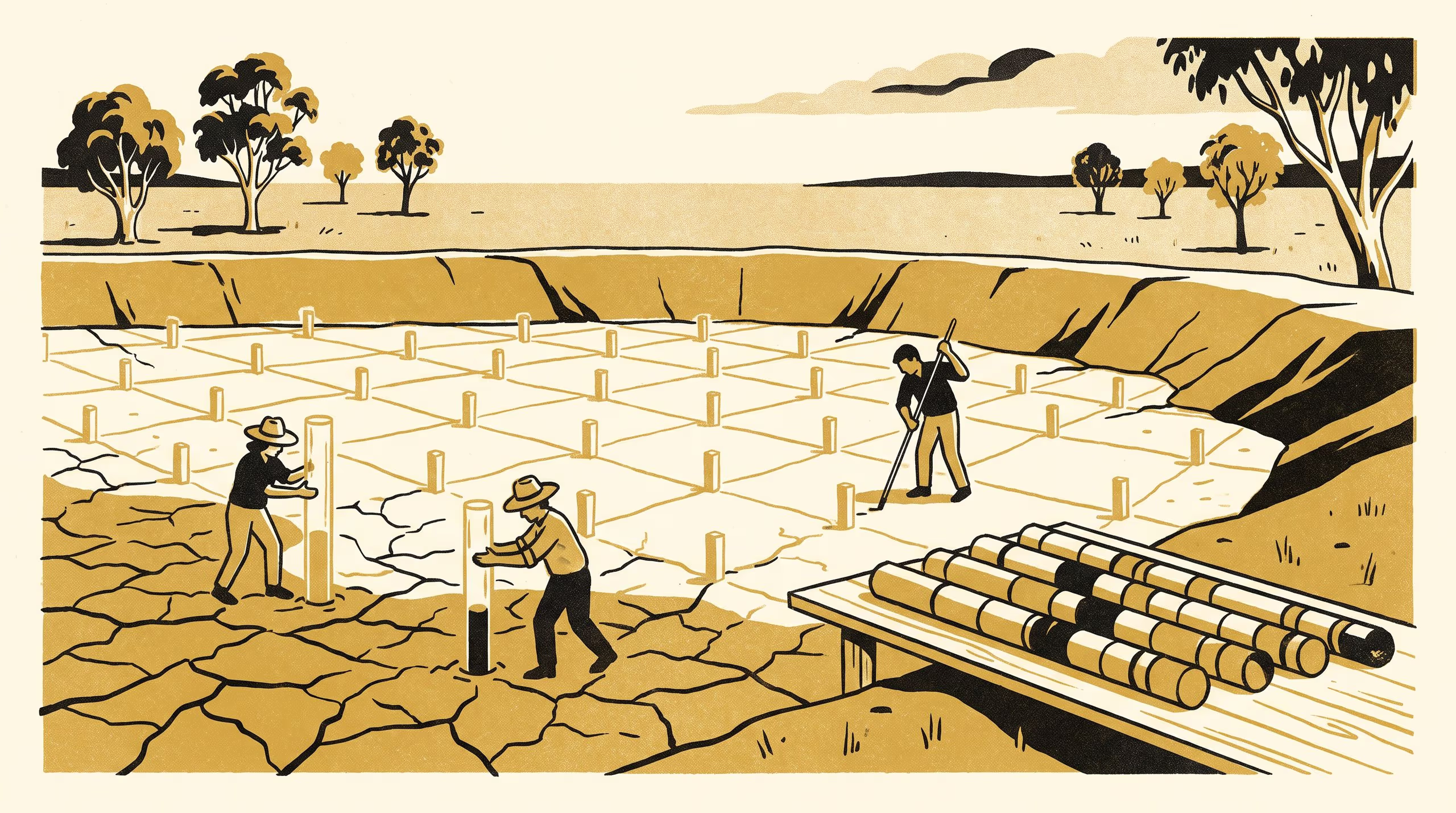
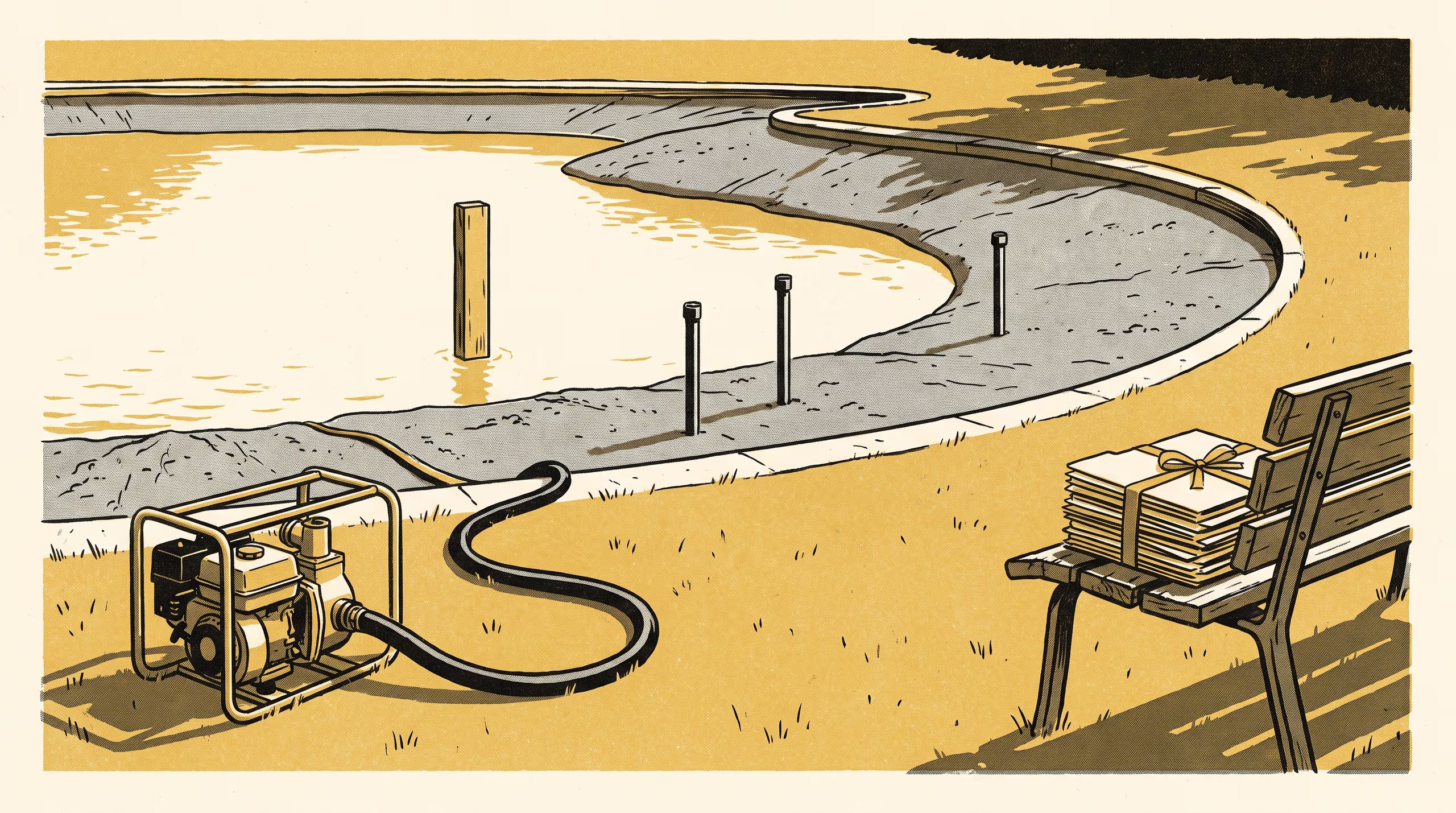
Associate Professor Ragnhild Uzoma and Dr Brynjar Obiora cored every point of a grid over one stock dam to learn how many cores, and which ones, a survey of its infill really requires.
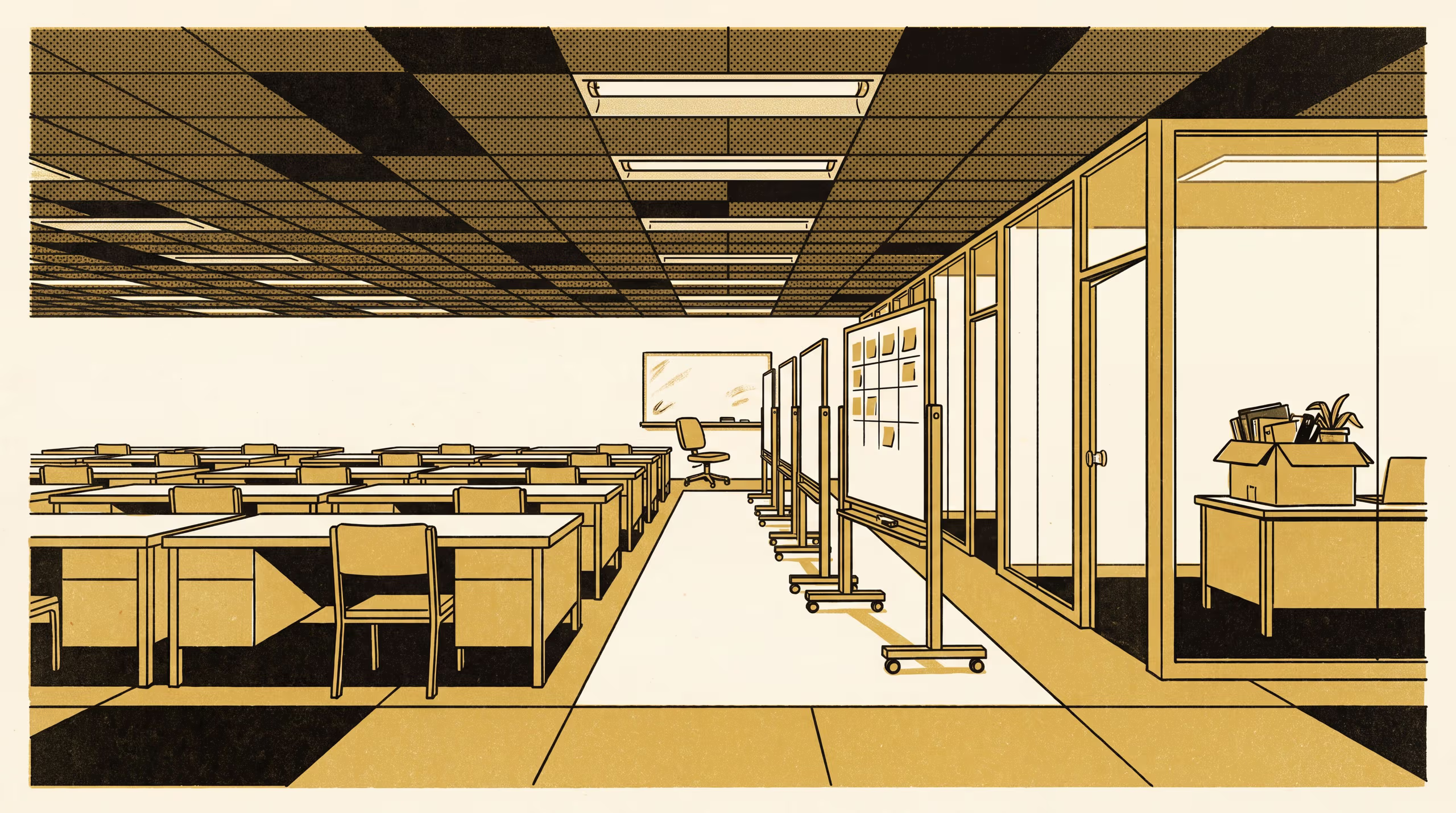
A new research poster from the School of Continuous Improvement follows 187 internal innovation pilots through a public service agency's register and finds that most lapsed in the months after their executive sponsor moved on, rather than at a scheduled evaluation gate
The School of Continuous Improvement's Impact Pathway Atlas has announced that its mapping for the year ahead will start from recognised impact and work backwards to the outputs behind it.
The Office of Research Outputs awards Dr Vigdis Emenike the Deposit of the Quarter Prize for the repository record behind A Well Forty Metres Across, which keeps an ornamental pond's unplanned fourth lowering in the filed dataset.
Dr Vigdis Emenike's new paper shows how many more observation bores a branching network requires to trace a release whose timing was never recorded, and which of them may be stood down when it was.
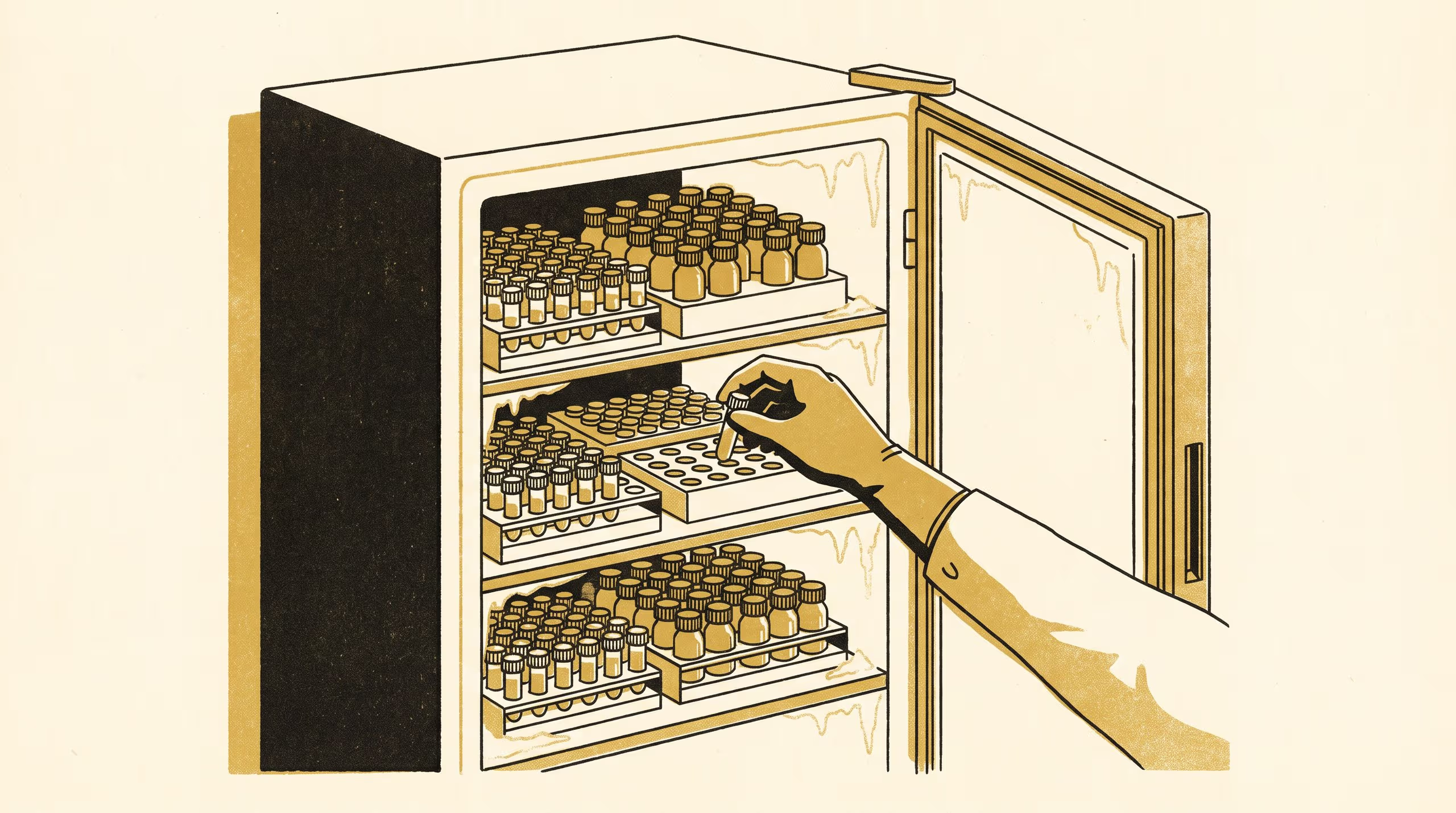
A new paper from the School of Underlying Conditions re-assays the quinazolinone library a closed synthesis group left in a shared freezer, and finds twelve compounds in it that nobody made
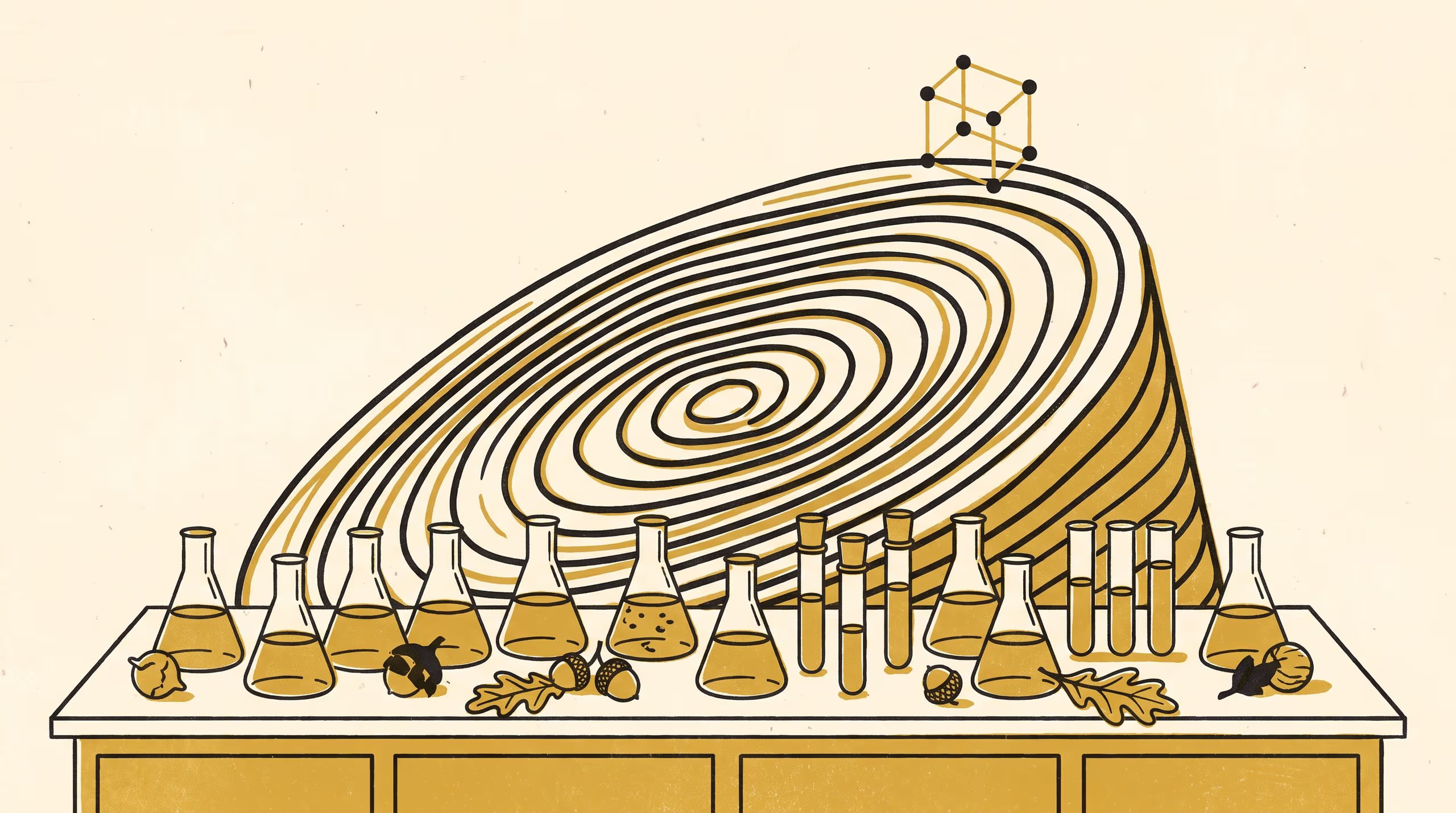
A new paper from the School of Underlying Conditions and the School of Continuous Improvement simulates 48,000 two-stage optimisations of tannase production and finds that the width of the final experiment decides how far its answer strays from where it began