Research-led, metrics-forward, and continuously improving. News from the Office of Research Outputs.
31 October 2026
A School of Continuous Improvement paper measures how long a laser beam steered by sound takes to find its place after the drive is switched on, and sets out three ways for a bench to begin its day.
Dr Vigdis Emenike and colleagues find that a quiz player's skill at reading emotion, not their own sense of it, predicts whether the answer only they know reaches the team sheet.
A display advertisement for the Master of Priority Studies brings the School of Emergent Priorities' Strategic Drift Survey to the University's landscape screens, prepared by Associate Professor Kwame Lindqvist.
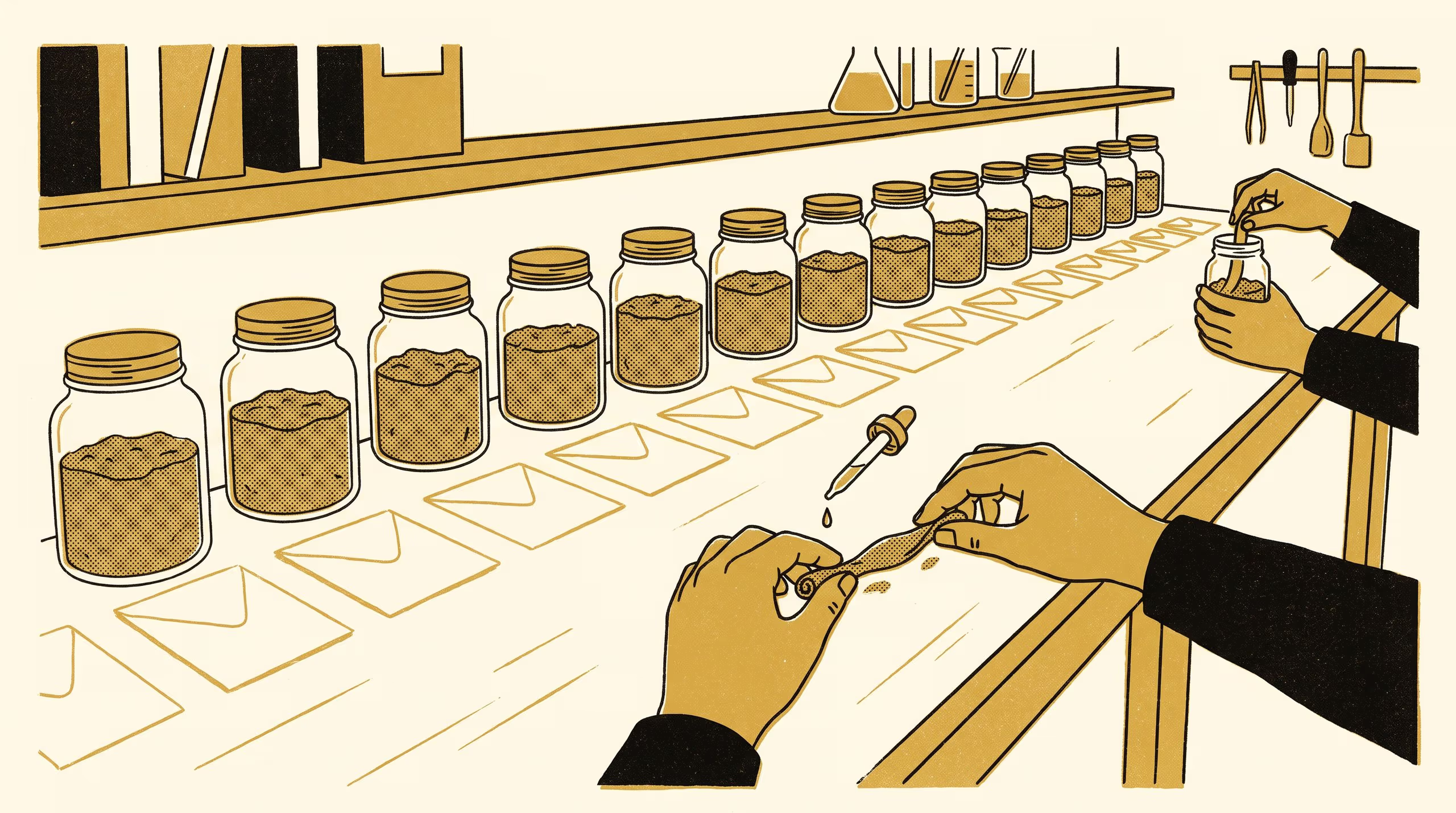
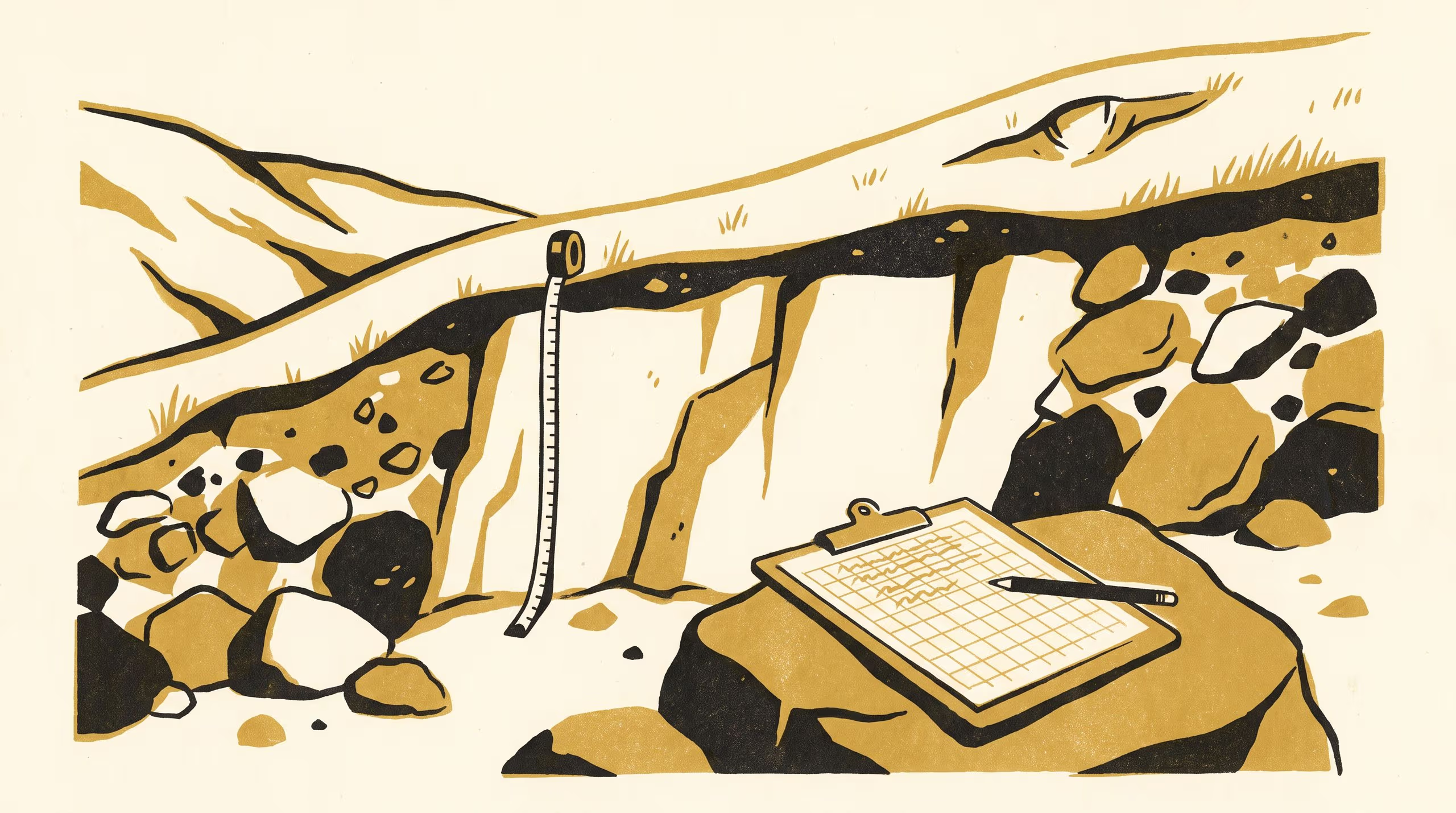
The Indicator Stewardship Seed Fund awards Dr Brynjar Obiora and Dr Ingeborg Nwachukwu $312,847 to build a reference shelf of soils of known texture for calibrating the soil survey's surveyors.
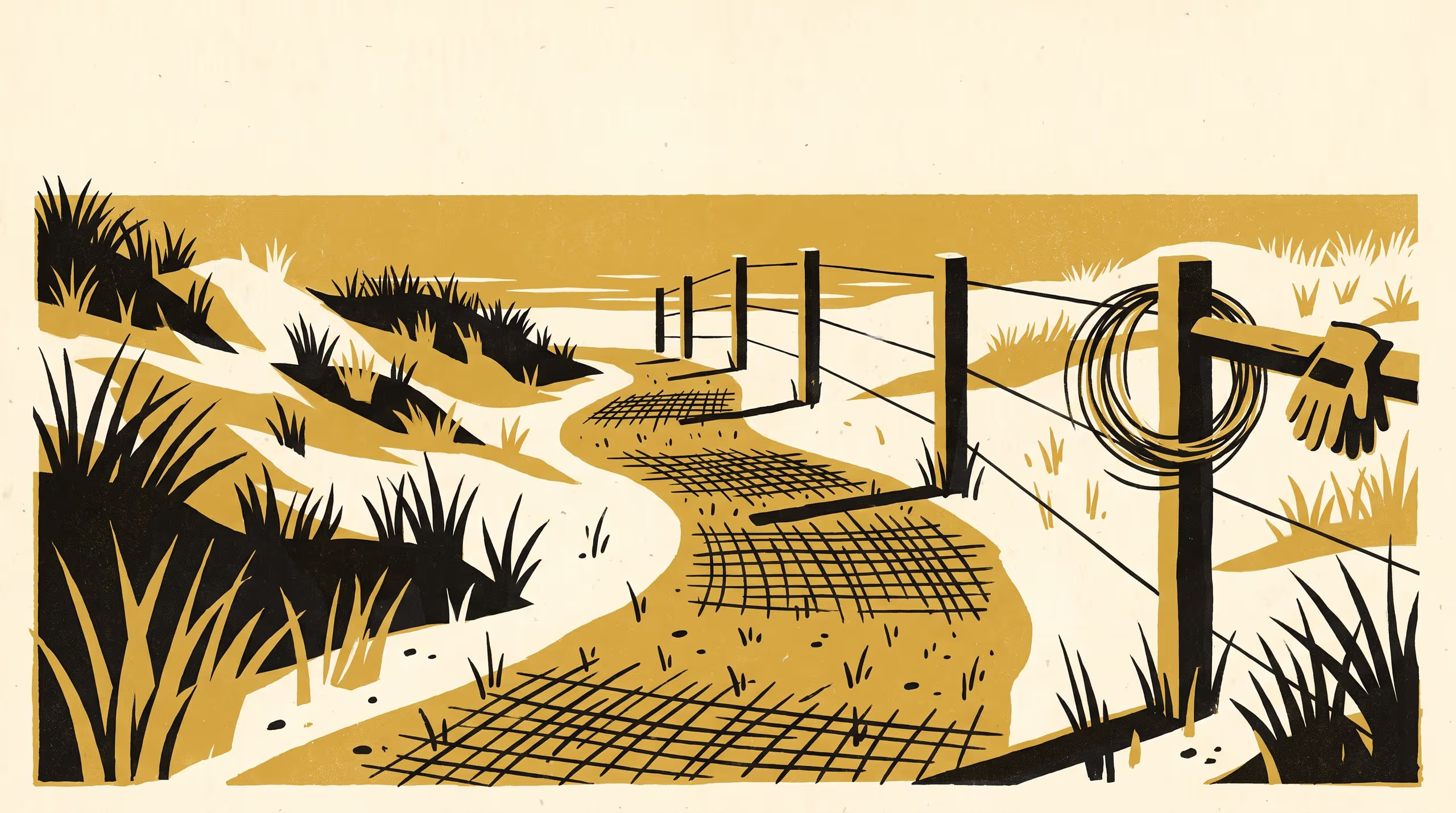
A new paper from the School of Emergent Priorities follows closed foredune tracks through changes of dune-care leadership and finds that closures listed in the register handed to a new convenor were far more likely to survive the next two years.
A come-study display advertisement for the Master of Priority Studies, prepared by Dr Ronja Oyelaran, frames a council's sex-work licensing consultation through the submissions it never received.
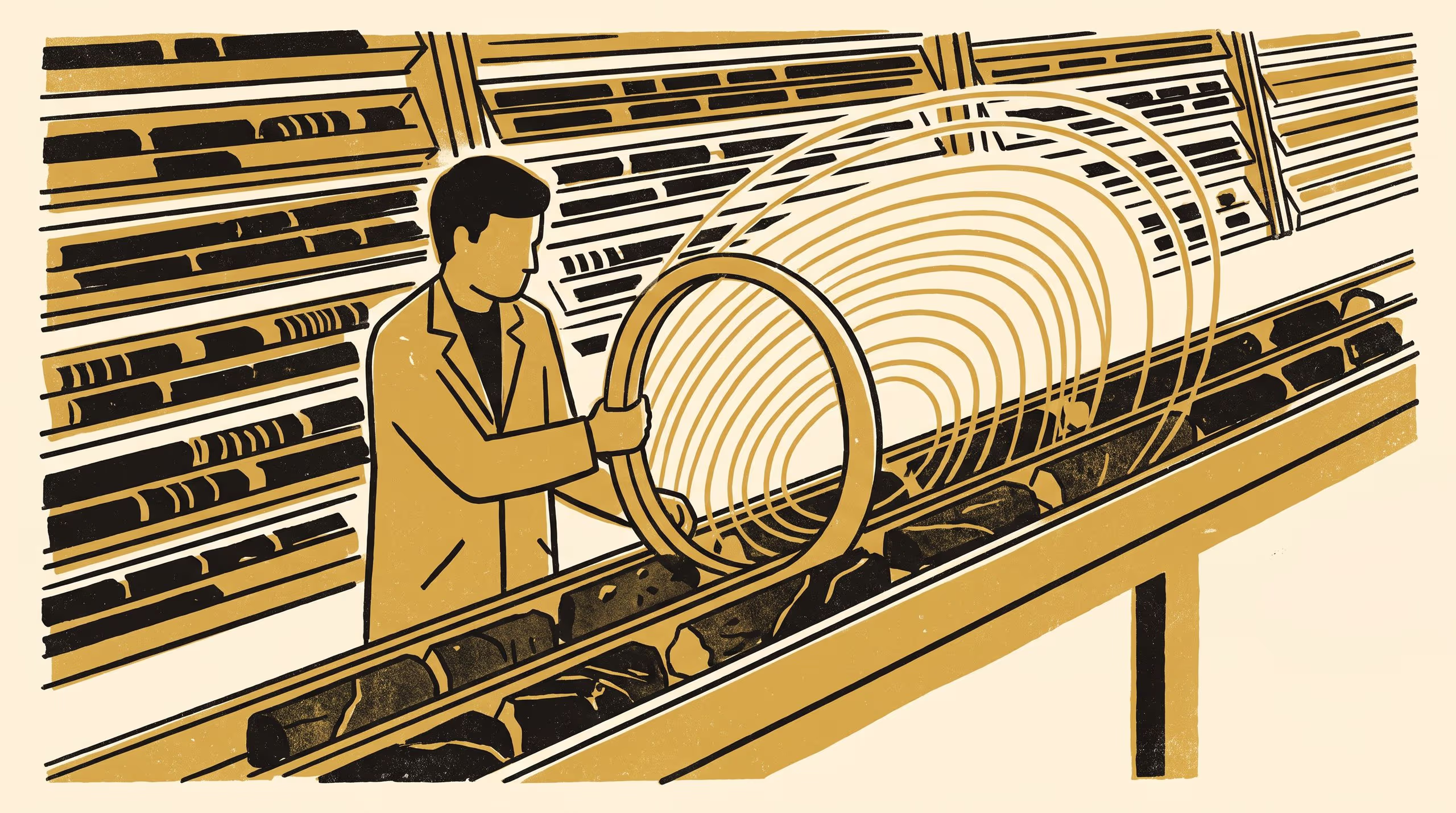
A new brochure invites partners and supporters to sustain Slop University's electrical and electromagnetic research, from the loop passed along recovered core to the reference checks taught on the Master of Applied Measurement.
A new paper finds that nearly two in three outbreak files in one practice's archive were never closed, and asks how likely it was, on the day each stopped, that the outbreak was over.
Mr Eivind Onwuka and Dr Thandiwe Solberg read a county campaign committee's hostess sheets against the cards its hostesses sent back.
A new paper has a laundry rename the tag in each rented garment at every wash, and finds that the blazer, washed least often, keeps its wearer traceable.
Dr Anneke Tolan, Ms Signy Okpara and Mr Halvard Nnamani follow a single hedged sentence through the causality grades of four hospital pharmacovigilance committees.
A paper from the Schools of Emergent Priorities and Underlying Conditions compares an expert system built from field geologists' stated rules with one learned from their archived section logs, in the long-running problem of telling glacial till from debris-flow deposits.