Research-led, metrics-forward, and continuously improving. News from the Office of Research Outputs.
31 October 2026
Dr Vigdis Emenike's new paper reads seventy-one casebook entries in which patients of a rural asylum described melancholy through wells, tanks and bores.
A new display advertisement for the University's signage screens, prepared by Dr Vigdis Emenike, presents the institution's practice of open disclosure under the line "Everything we know is prior art."
The School of Continuous Improvement has published Nobody Decides Alone, a case-for-support brochure inviting partners to back its research on how choices take shape inside complex systems before anyone signs them.
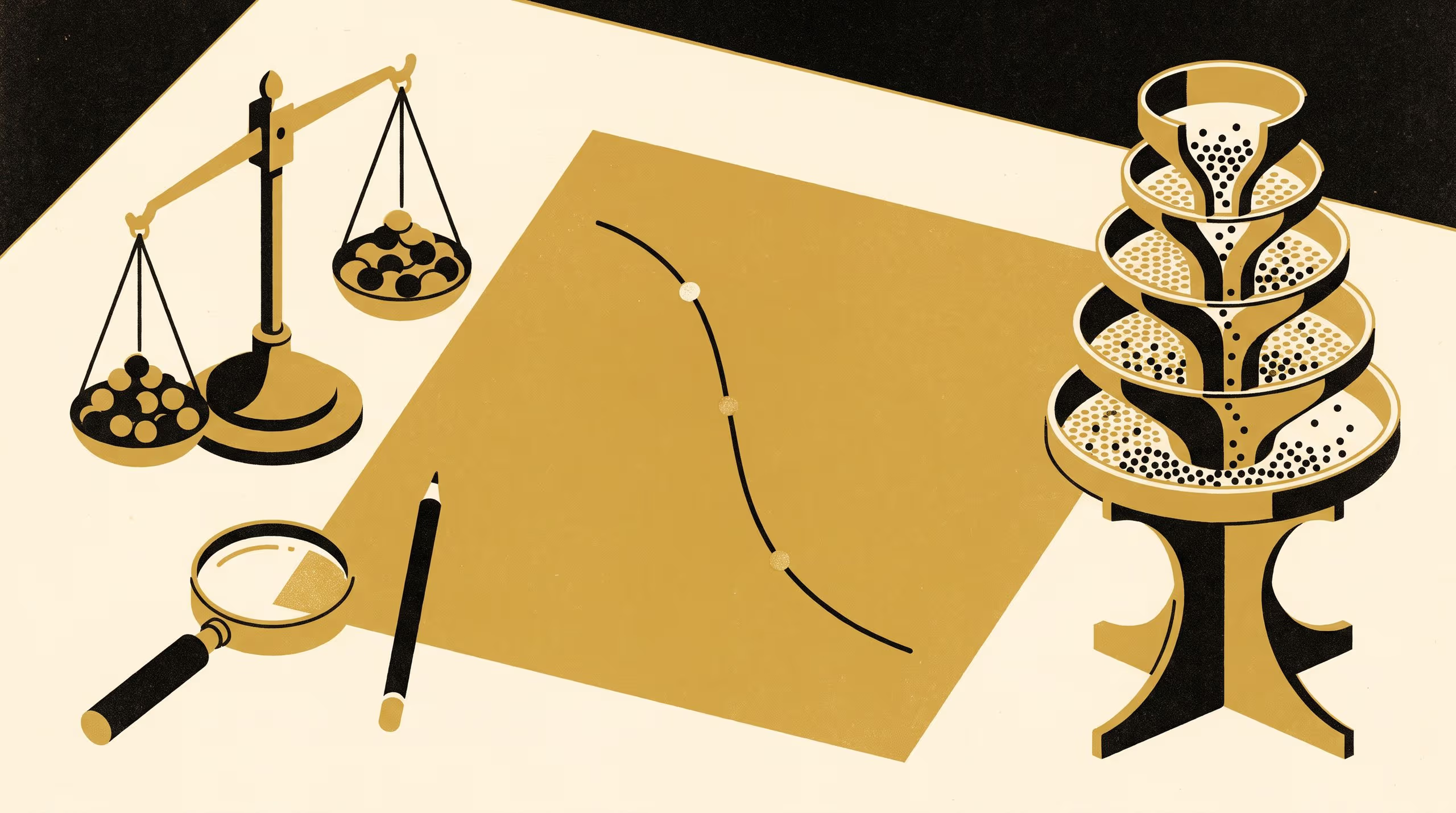
A research poster from the School of Underlying Conditions shows that when groundwater flow carries memory, the straight line a pumping test is read from reports the memory as transmissivity.
A new engineering paper from the School of Continuous Improvement traces most of a delivery-robot fleet's stops to the lift, a place its operating rules had never described.
A new essay by Associate Professor Ragnhild Uzoma reads nineteen seasons of a dryland growers' minute book as the record of a polity bounded by the wind.
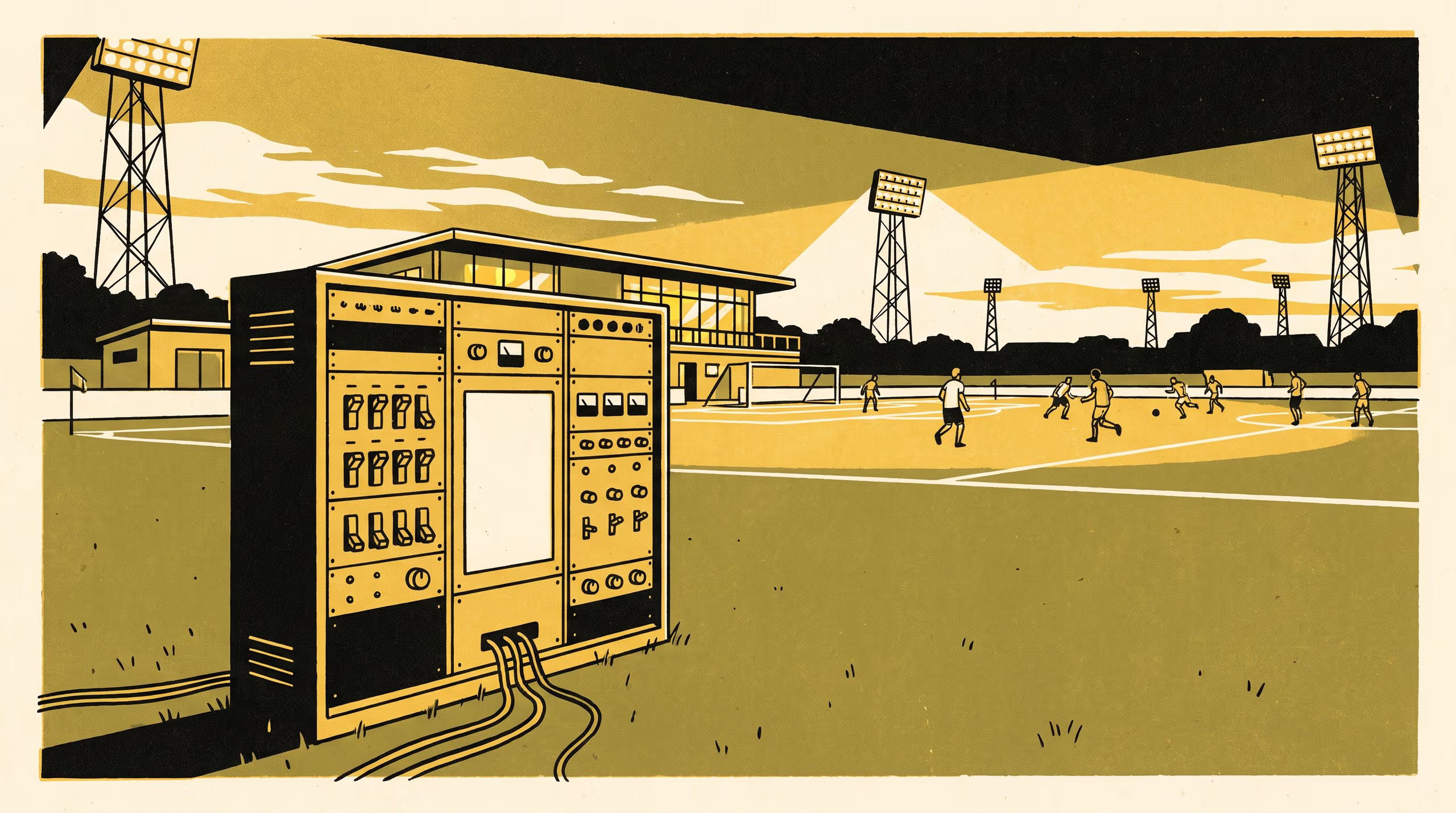
A new research poster follows 41 community sports grounds through a floodlight retrofit round and finds that about a quarter of the expected electricity saving returns as additional floodlit hours.
A new paper traces every item that stood in a grain co-operative's suspense account across twenty-two closings, and finds that age, not inquiry, decides how each one leaves.
Three School of Emergent Priorities researchers model the thymus as a gatekeeper with a costly check behind it, and find that when the check weakens the gate does worse on both counts.
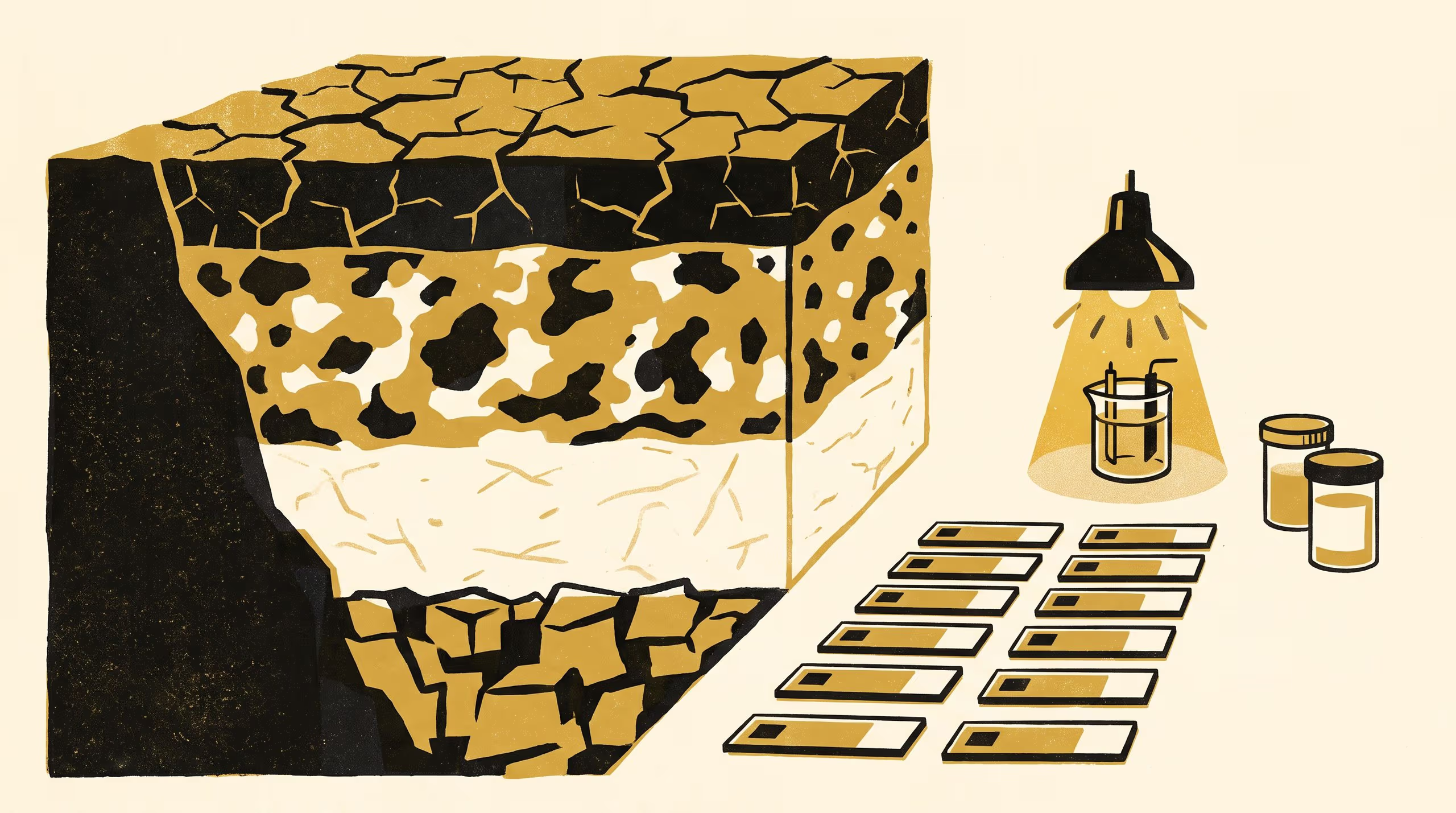
Dr Brynjar Obiora and Associate Professor Ragnhild Uzoma cast hematite photoanodes from the iron of each horizon of one lateritic profile, and find the horizons sorting cleanly under the lamp.
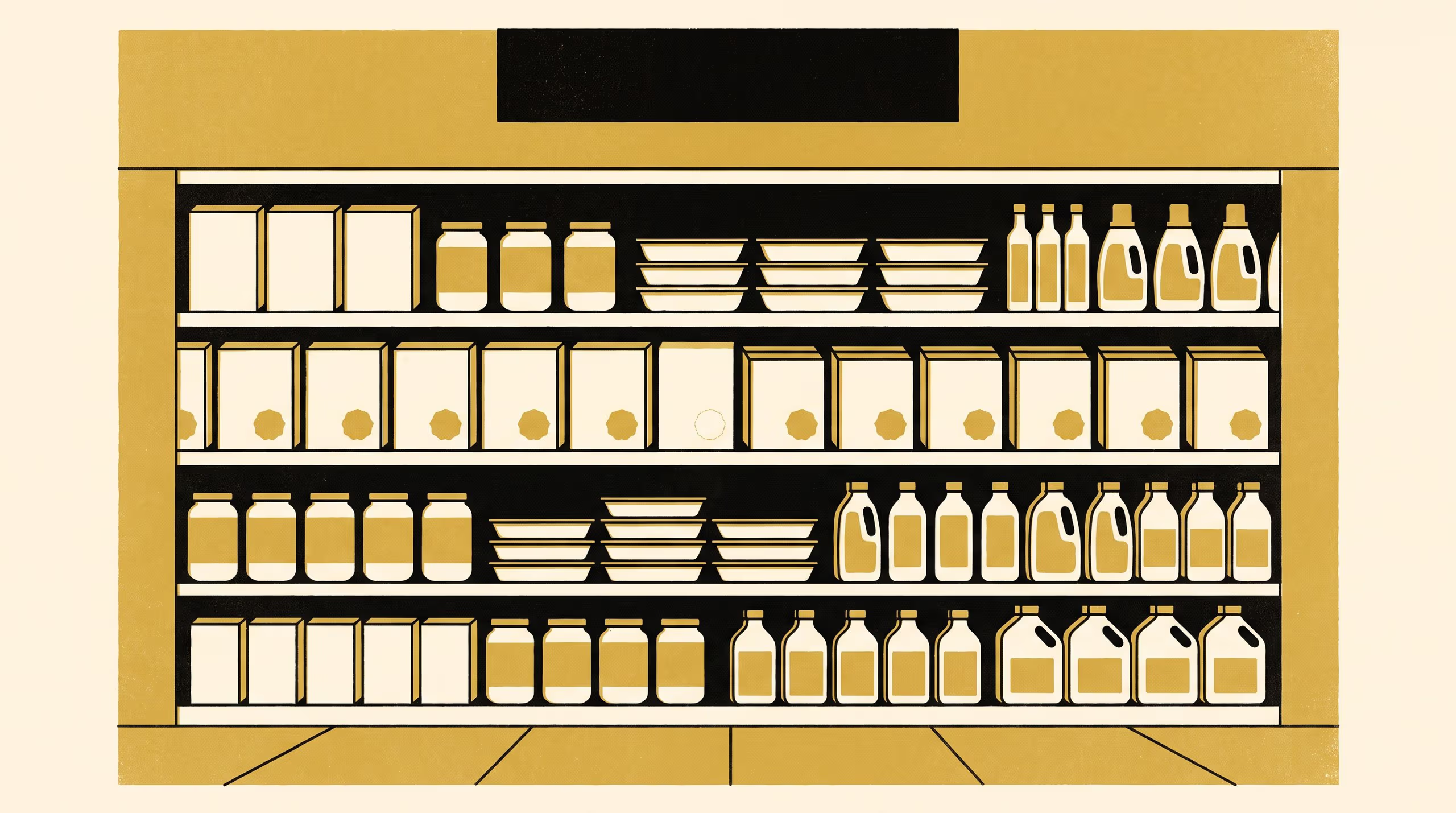
A new paper finds that shoppers judge a grocery pack without a halal mark by how often its category carries one, and that a mark where none is expected prompts a second look.
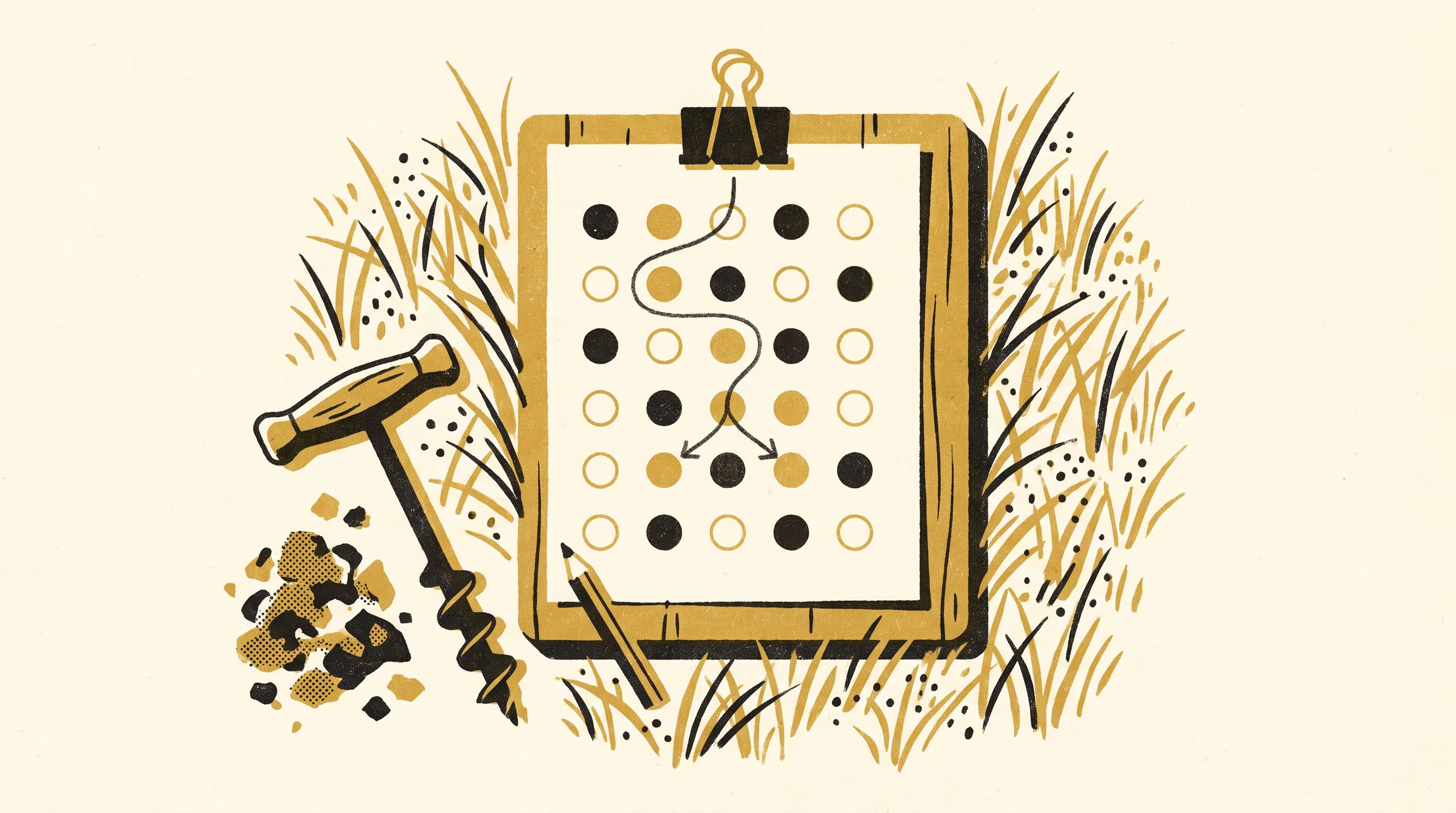
A research poster from the School of Underlying Conditions shows that a square survey grid leaves some soil boundaries to the surveyor while a triangular one leaves none, and re-draws twelve of the School's archived field sheets to count the difference.