Research-led, metrics-forward, and continuously improving. News from the Office of Research Outputs.
1 November 2026
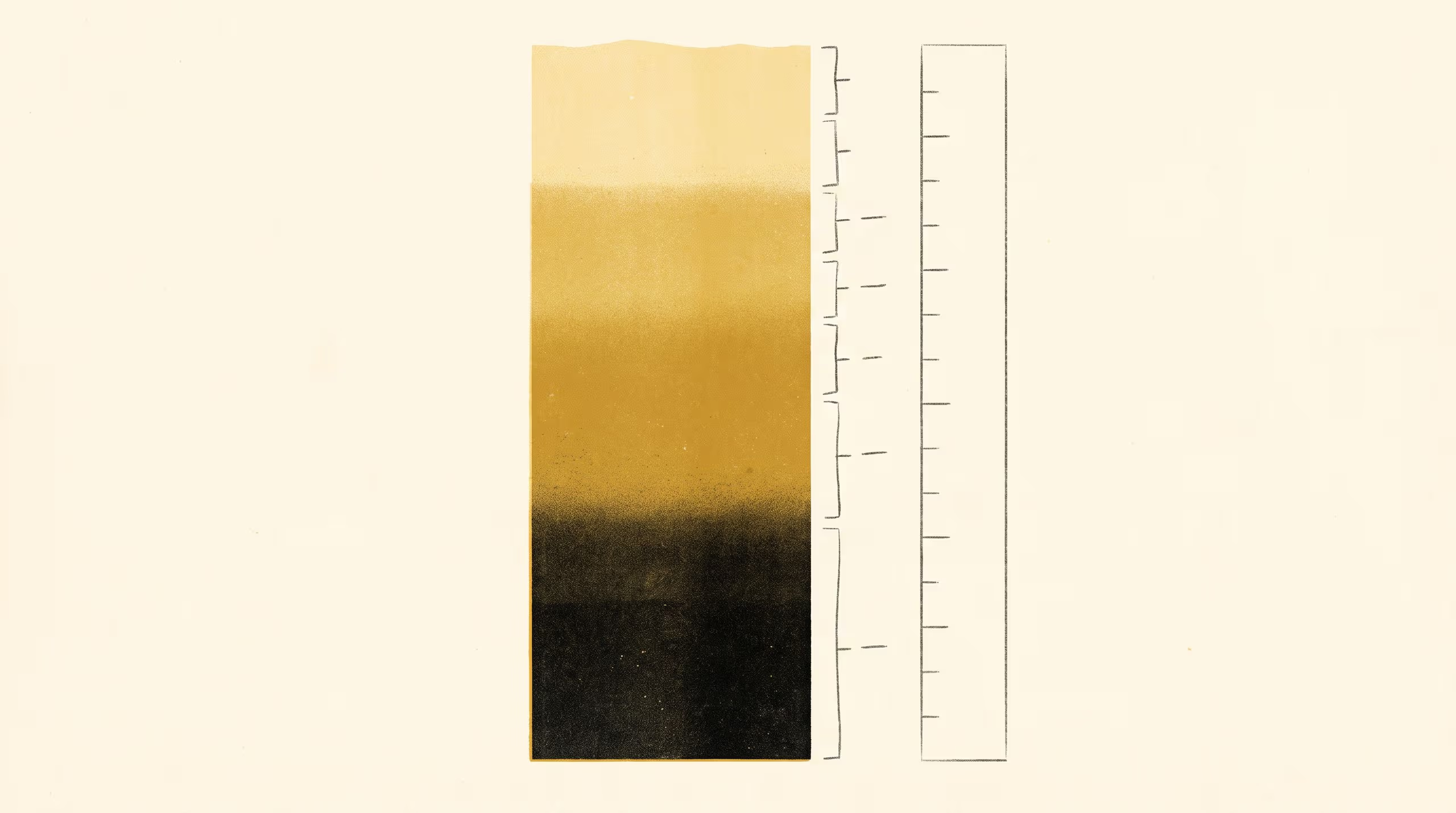
Dr Brynjar Obiora and Dr Ingeborg Nwachukwu report that students told a soil boundary is placed by agreement draw it closer to the criterion and bracket it more honestly, provided they are also told what the agreement answers to.
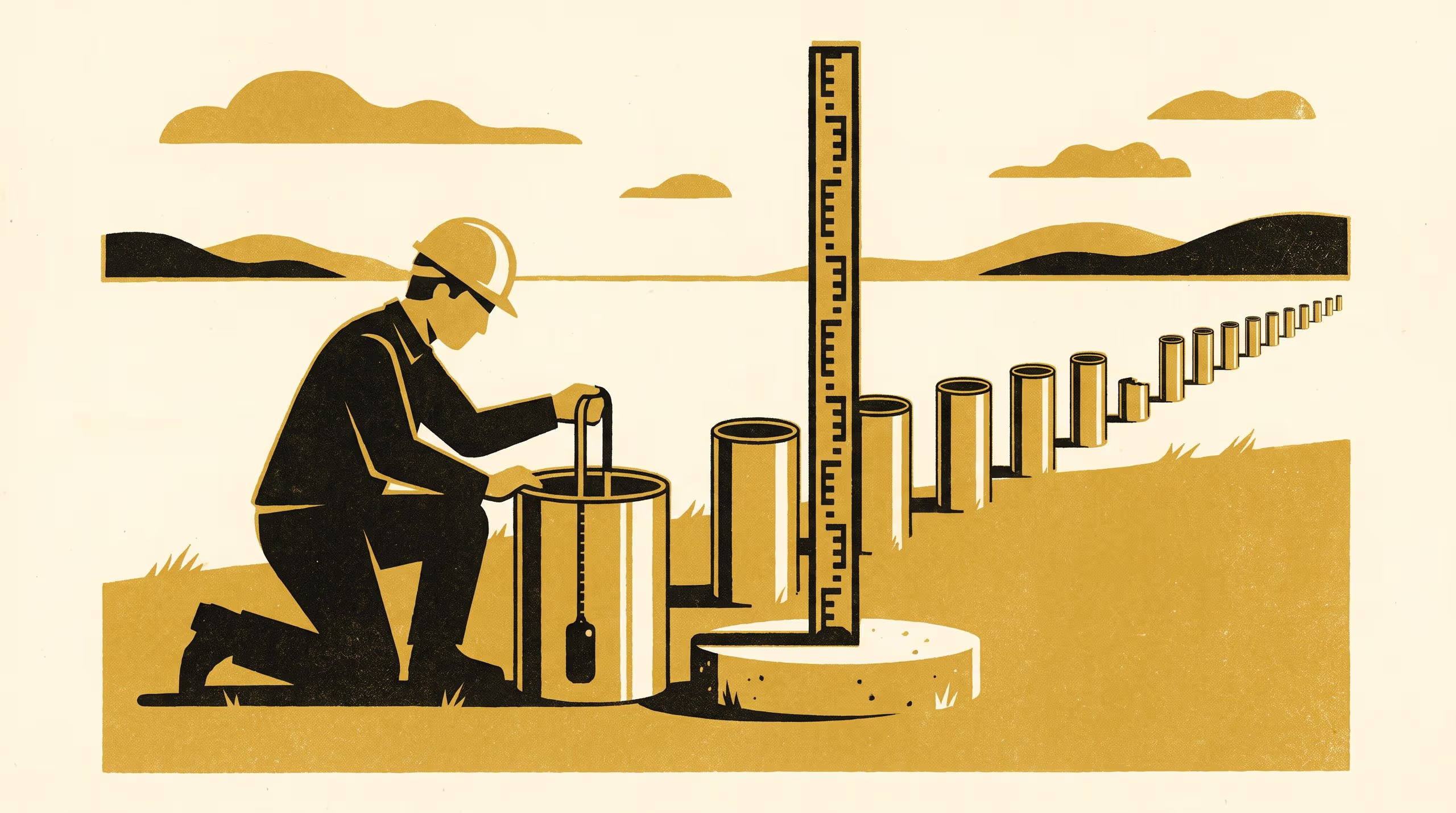
Dr Vigdis Emenike and Dr Torun Ezeigwe find the steps that cut-down casings and replaced caps leave in decades of groundwater level readings, and check them against a fresh survey.
A new research poster models the choice between one more wiki search and a message to a colleague, and finds that staff beliefs about a search tool trail its improvements by weeks.
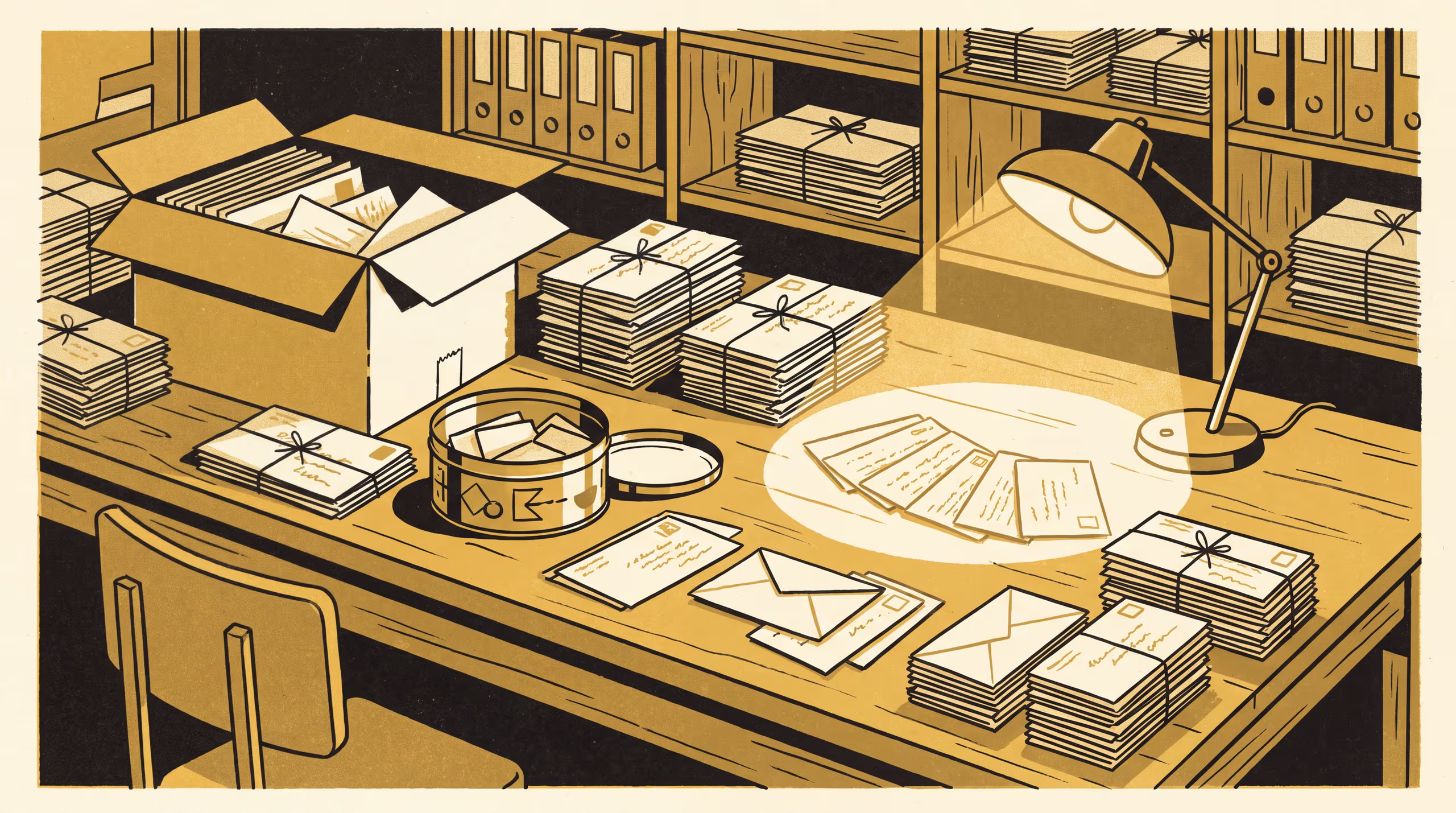
A new research poster codes 1,140 letters sent to a regional biscuit maker after a reformulation and finds them shifting, over two years, from complaints about taste to claims that long custom had made the old biscuit partly theirs.
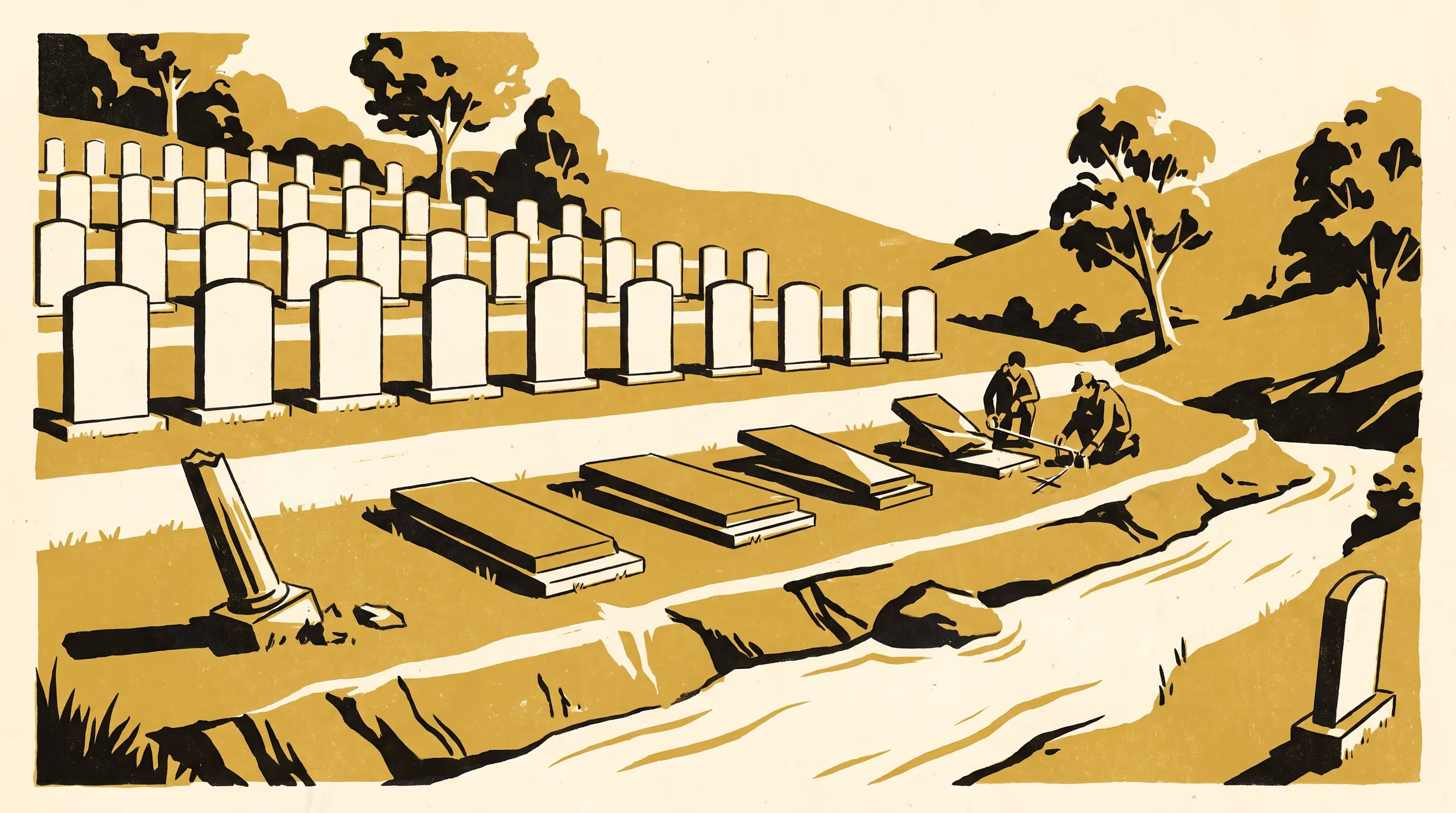
Mr Eskil Nwabueze and Dr Vigdis Emenike show how a rural cemetery's toppled, twisted and undisturbed memorials can stand in for the accelerometer a moderate earthquake never reached.
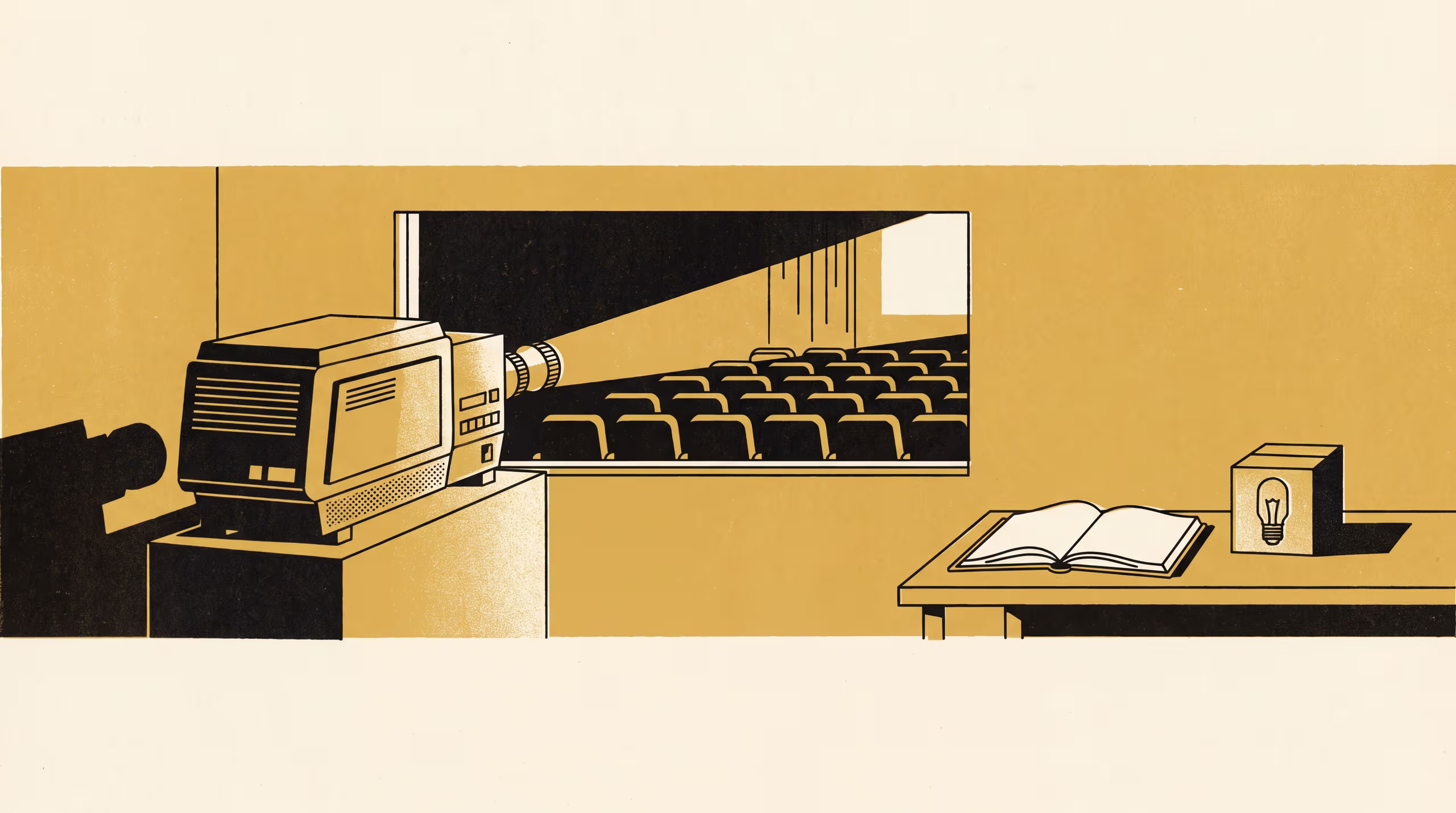
A new research poster finds that the payback rule small cinemas use to decide when to replace a projector lands close to what a real-options model recommends.
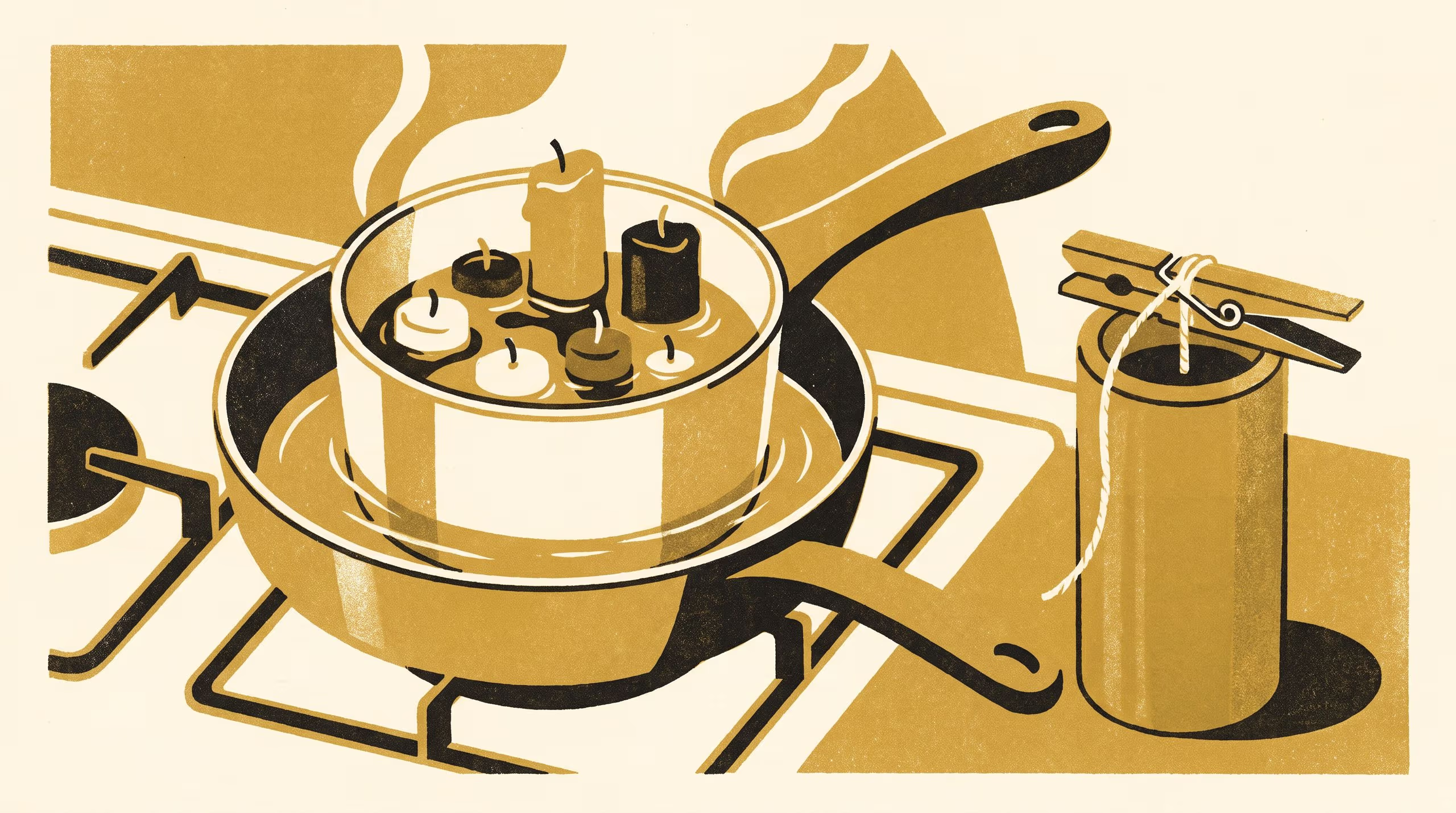
A new research poster measures the phase behaviour of paraffin candle stubs collected from vacated rented houses, alone and after they are melted down together into one candle.
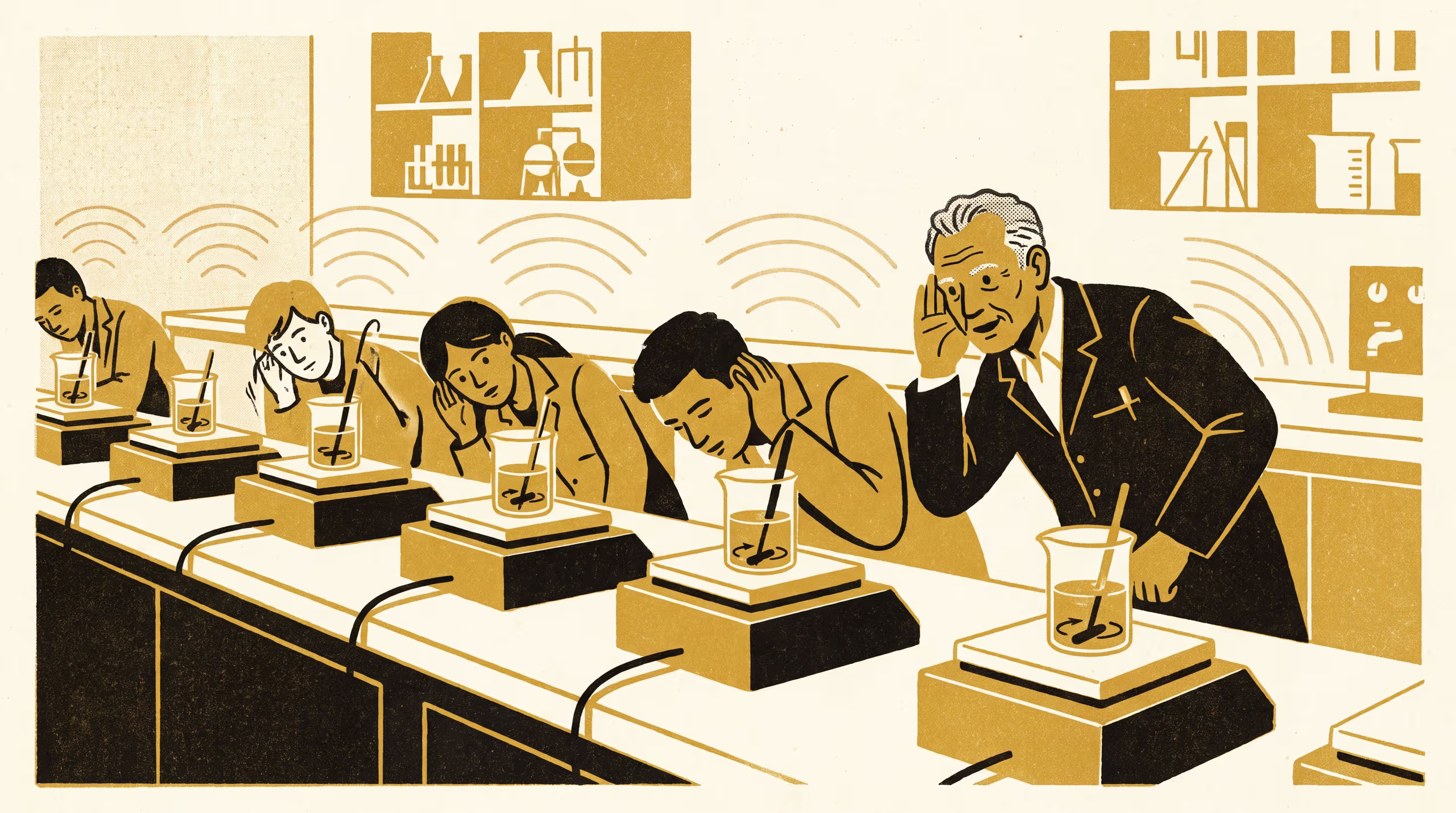
A new research poster from the School of Emergent Priorities listens to students setting a magnetic stirrer by ear before a potentiometric reading, and finds the right speed is passed from teacher to student as a pitch.
A new research poster reads a hot-spots foot-patrol programme's handwritten shift logs to find when it really ended on each street, and redraws its residual deterrence curve from that date.
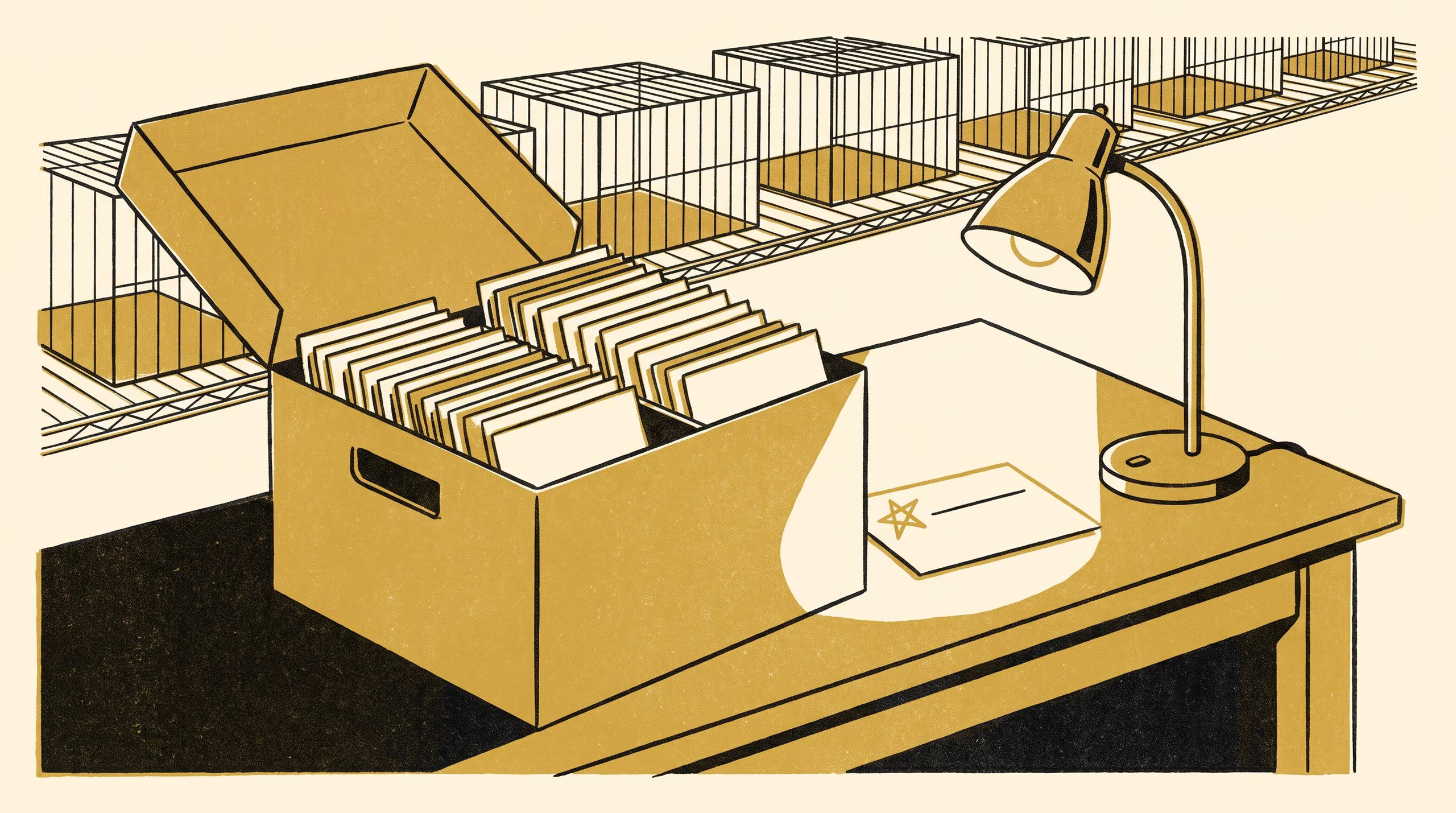
Dr Brynjar Obiora and Ms Sunniva Balogun bring the methods of the epigrapher to 1,184 cage cards from a mouse ageing colony, and find that a star drawn beside a death says most about who wrote it.
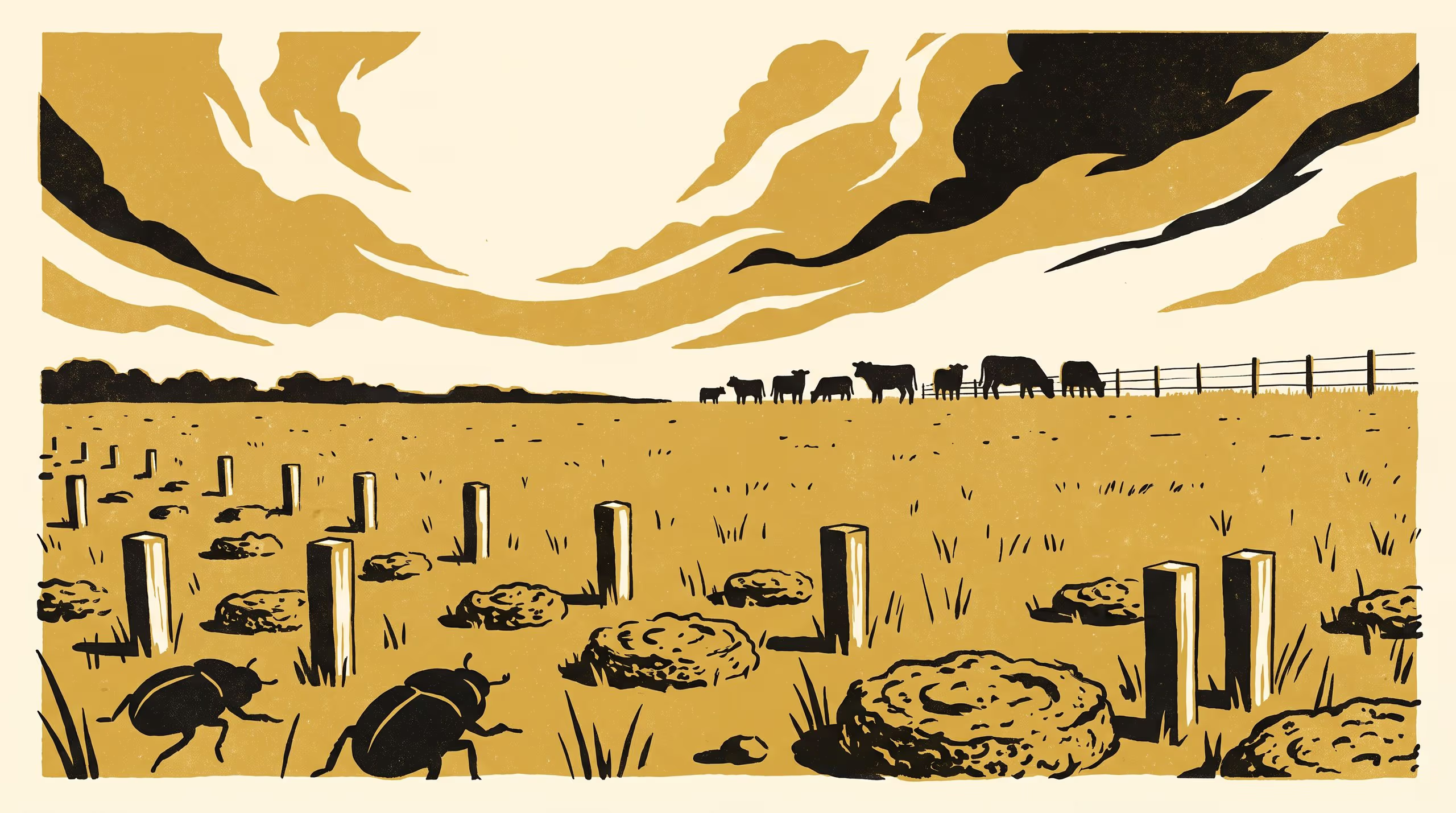
Associate Professor Ragnhild Uzoma and Eskil Nwabueze show that the dung pats left standing on a grazed paddock can place a spring parasite treatment within a week or two, and why an autumn treatment leaves no mark at all.
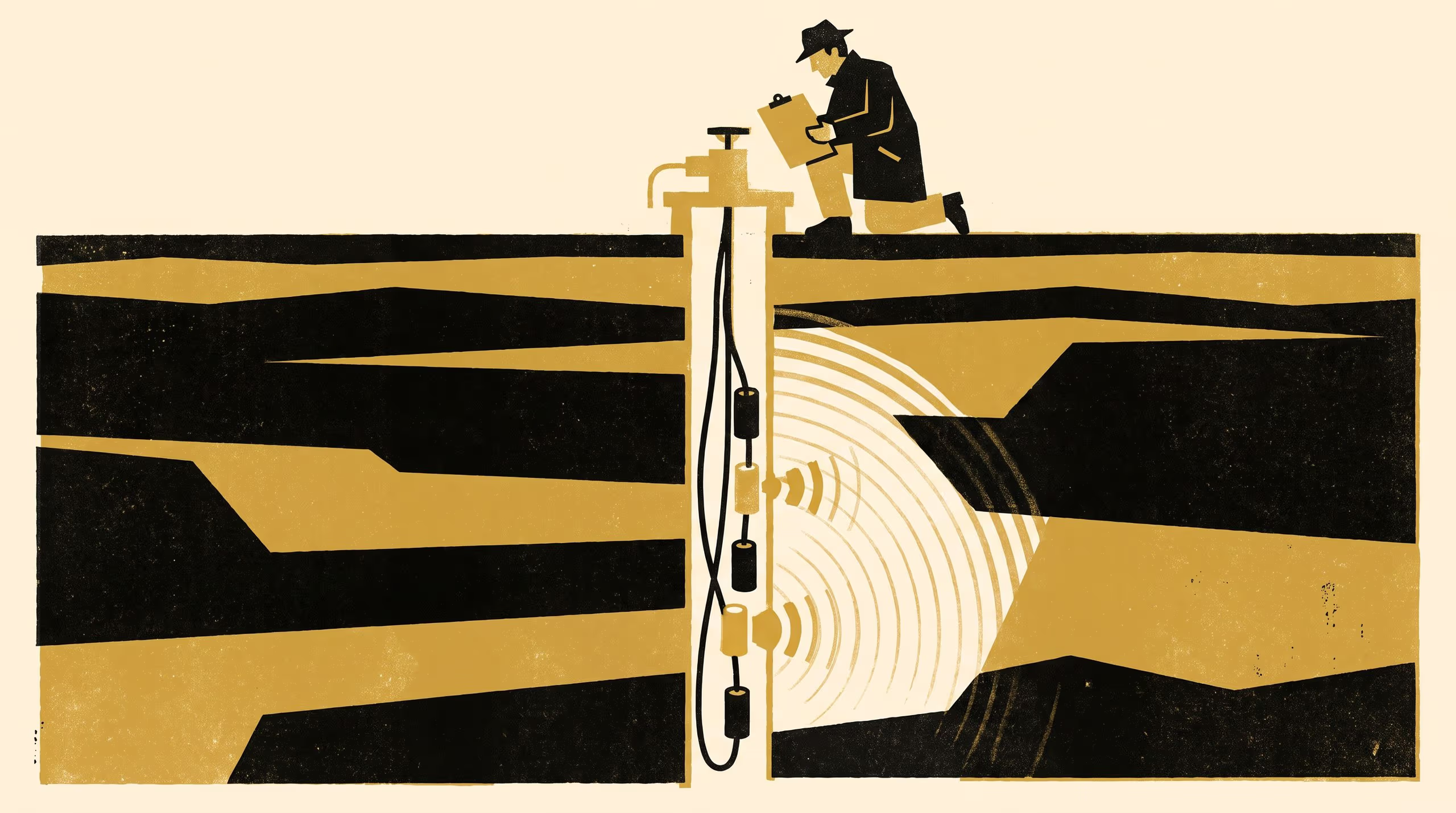
Associate Professor Ragnhild Uzoma and Dr Brynjar Obiora show that a downhole geophone string returned with dead levels can still behave as a capable sensing array, provided its top and bottom levels are among the survivors.