Research-led, metrics-forward, and continuously improving. News from the Office of Research Outputs.
13 October 2026
A paper from the School of Underlying Conditions asks whether stopping a flow simulation once its average looks settled spoils the interval reported afterwards, and finds the trouble lies in how the interval is computed.
A research poster from the School of Underlying Conditions finds that naming the baker moves money between cakes without raising what the hall takes home.
A paper from the School of Underlying Conditions and the School of Emergent Priorities follows three classes through a peace education unit built around a simulated boundary dispute on a school farm.
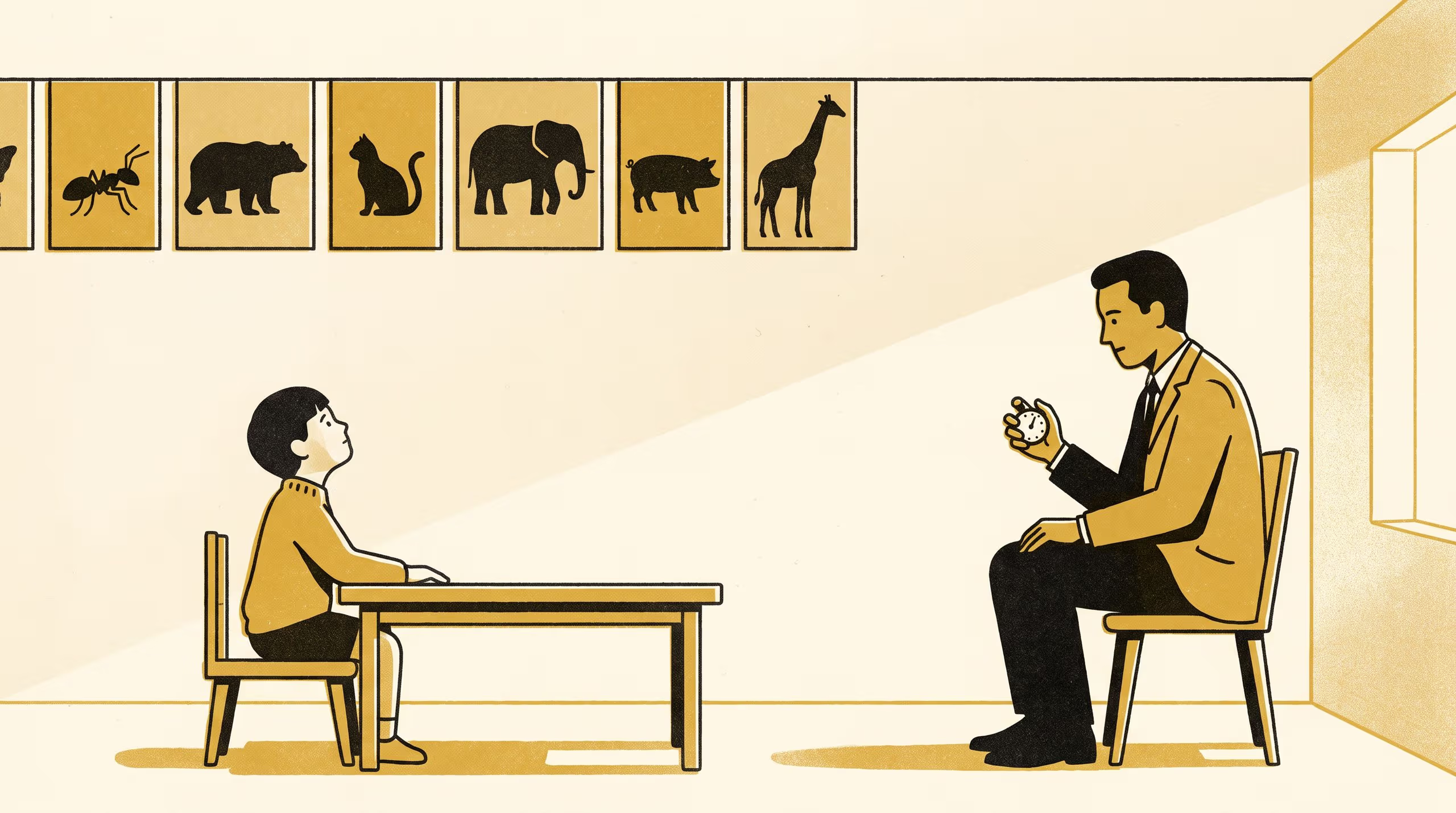
A paper from the School of Continuous Improvement and the School of Emergent Priorities asks at what age a child naming animals against the clock begins to read them off the classroom wall, and whether it helps.
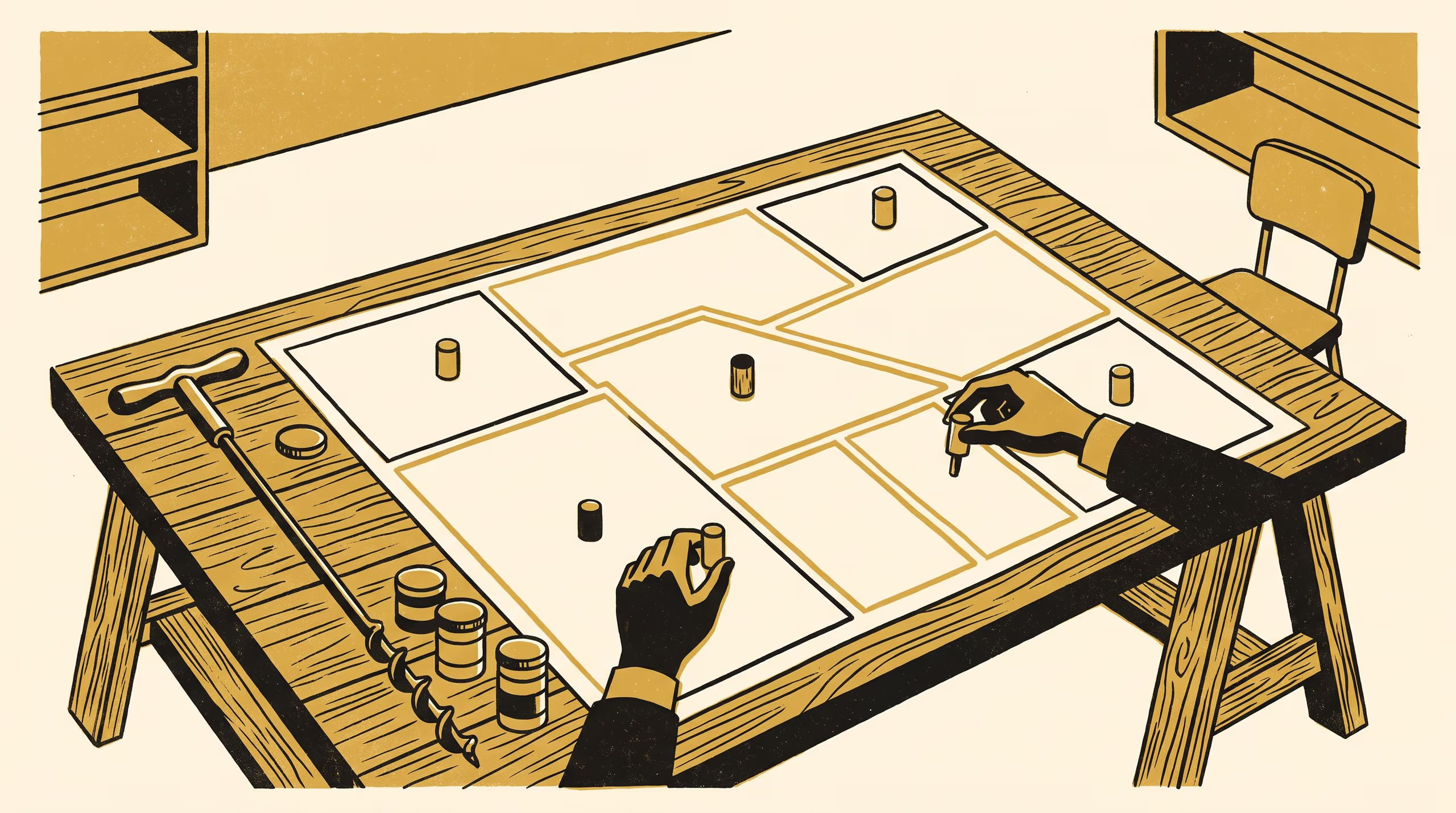
A research poster from the School of Underlying Conditions applies portfolio optimisation to the question of where a soil survey should spend its auger holes.
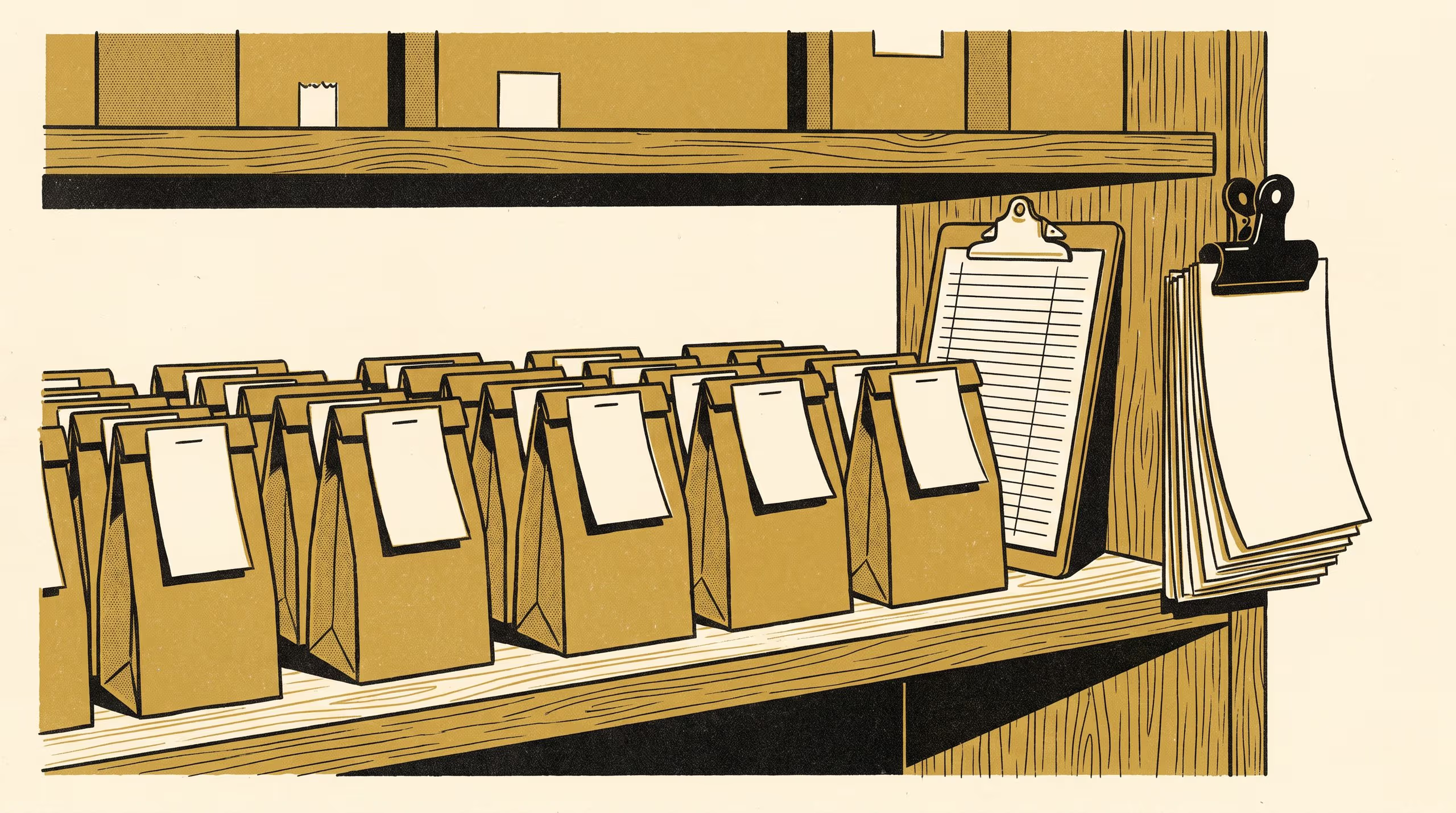
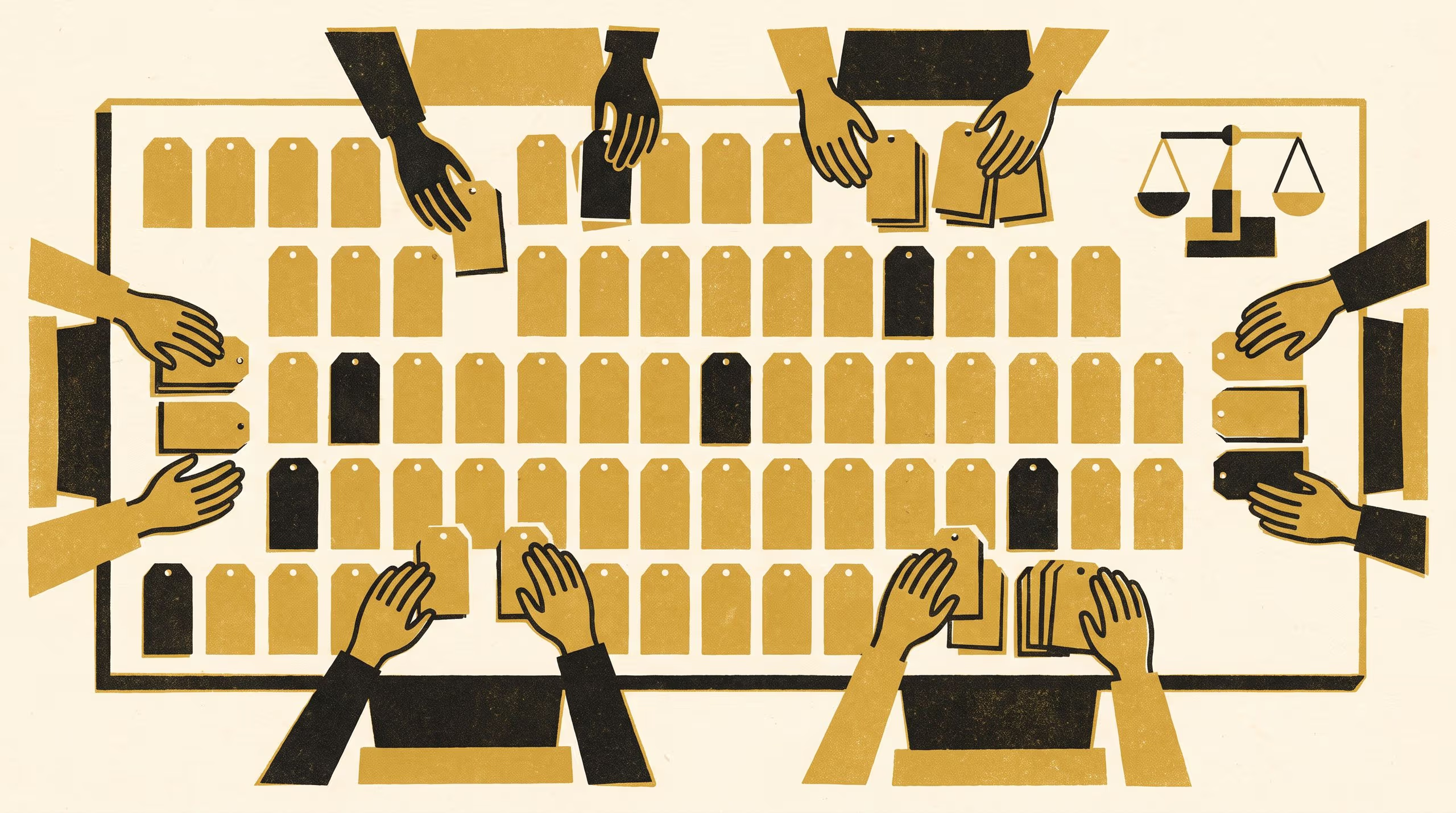
A paper from the School of Underlying Conditions and the School of Emergent Priorities tracks 412 pharmacy owings to their ends and describes the slip of paper that carries each one.
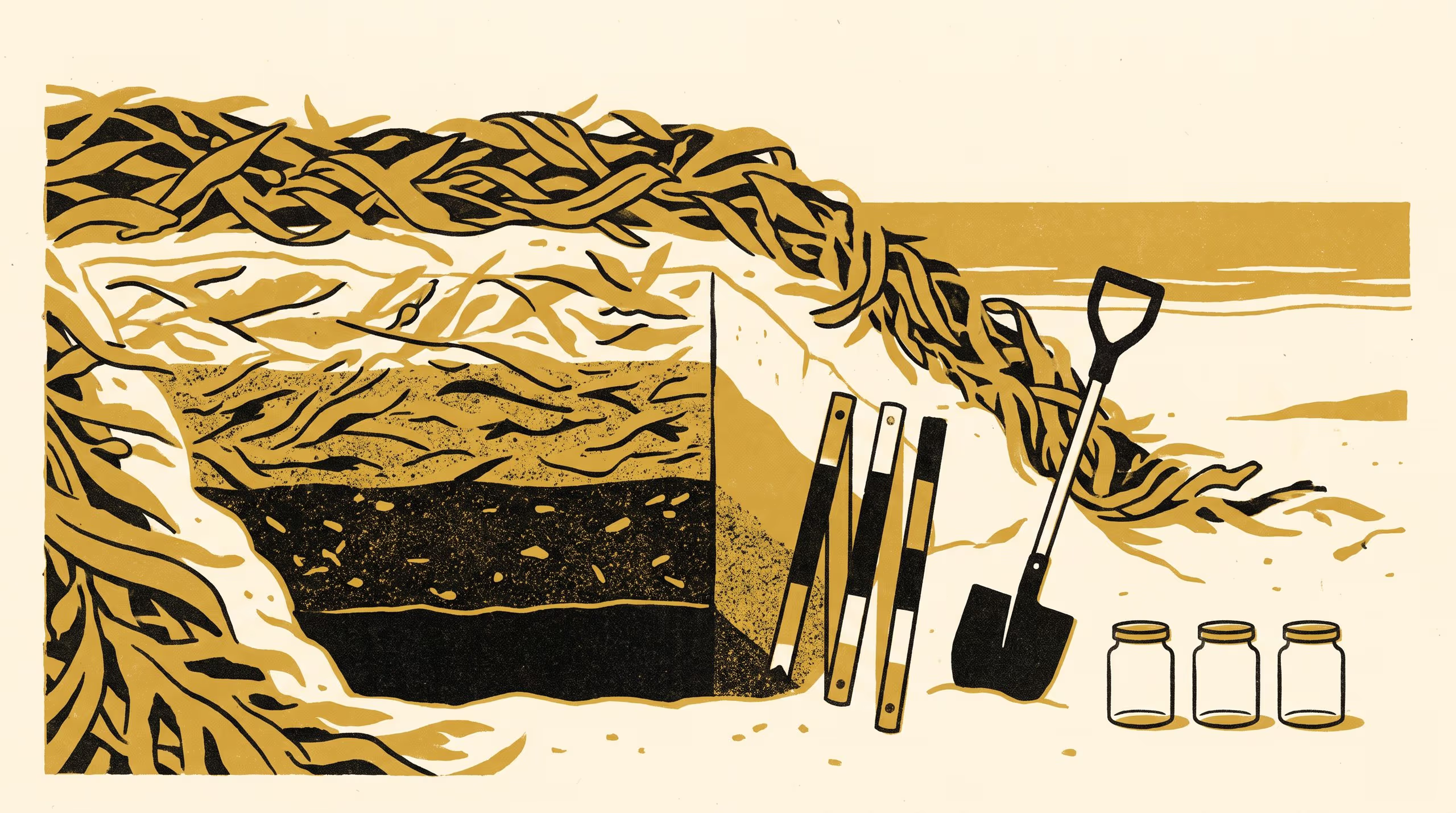
A new marketing poster from the School of Underlying Conditions brings its study of one winter's stranded kelp onto the University's portrait signage panels.
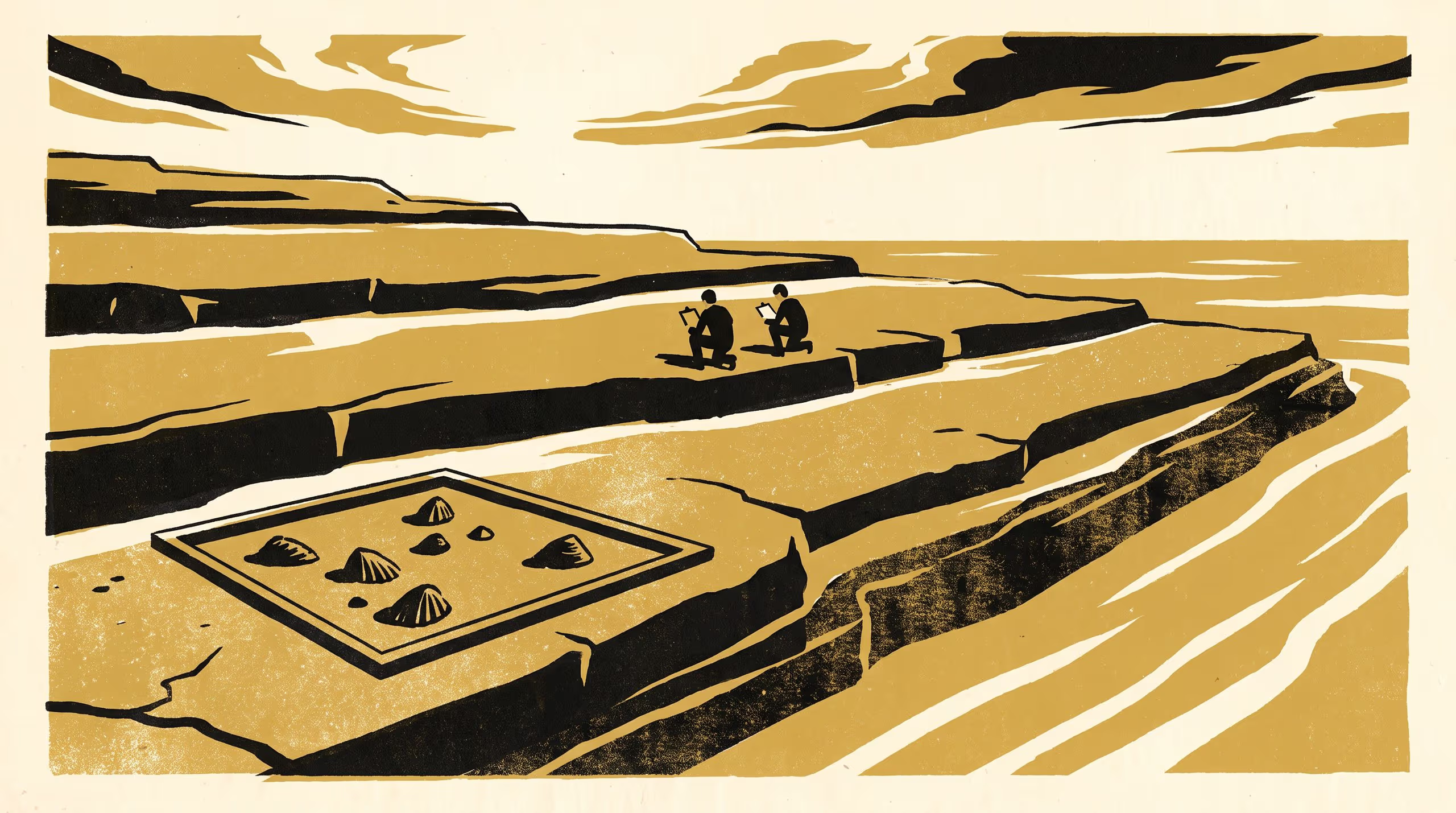
A paper from the School of Continuous Improvement works out what a rising tide does to a quadrat survey, and finds that its own remedy costs more than the problem on any single tide.
A brochure led by the School of Underlying Conditions invites partners and supporters to stand behind research that walks a complaint back from where it is noticed to where it began.
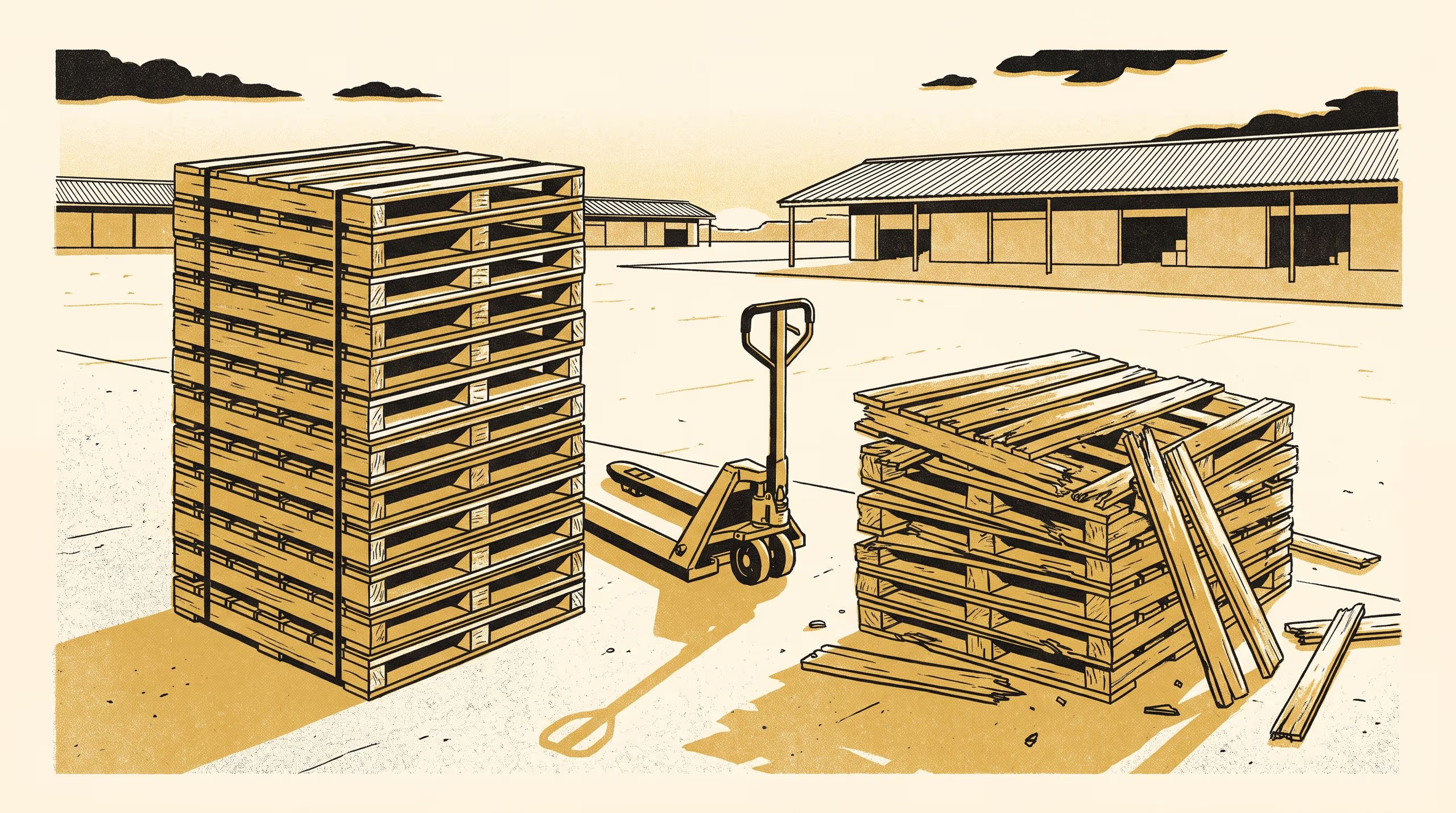
A Slop University research poster treats the empty pallet as a money exchanged at par, and reports that the sound ones stay in the yard wherever a trader is obliged to accept the other kind.
Slop University's Strategic Plan 2026-2031 sets an institution-wide posture on what the University charges, how its prices are displayed, and how the people who pay them decide.
A paper from the School of Continuous Improvement reads a growing manufacturer's second factory as a replication experiment, and follows eleven years of a company deciding whether it had succeeded.