Research-led, metrics-forward, and continuously improving. News from the Office of Research Outputs.
4 November 2026
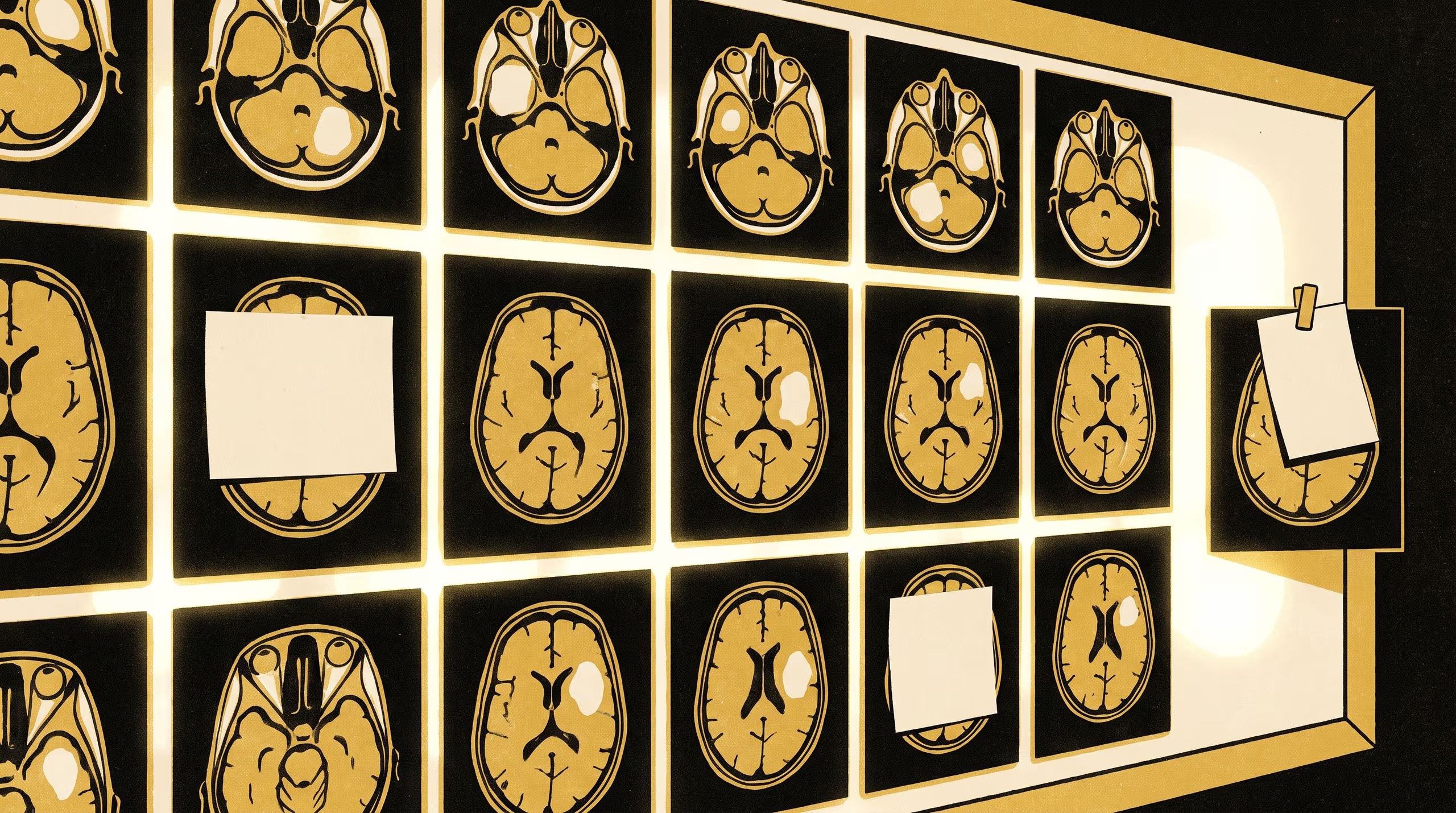
A new paper from the School of Continuous Improvement shows how much of a brain tumour classifier's accuracy survives without the tumour, and proposes a criterion for deciding when a benchmark split has done its work.
Dr Vigdis Emenike brings eighteenth-century political philosophy and a famously circular novel to bear on the minute books of a rural groundwater trust, and asks how an institution keeps its authority once its founding reason has lapsed.
Dr Petra Umbile and Dr Anneke Tolan follow a hire-car licensing board's street-knowledge examination from recited routes to questions about when a driver should overrule the device on the dashboard.
Dr Vigdis Emenike's theological essay reads fifty years of a religious community's investment statements against the servant who hid his talent in the earth.
3 November 2026
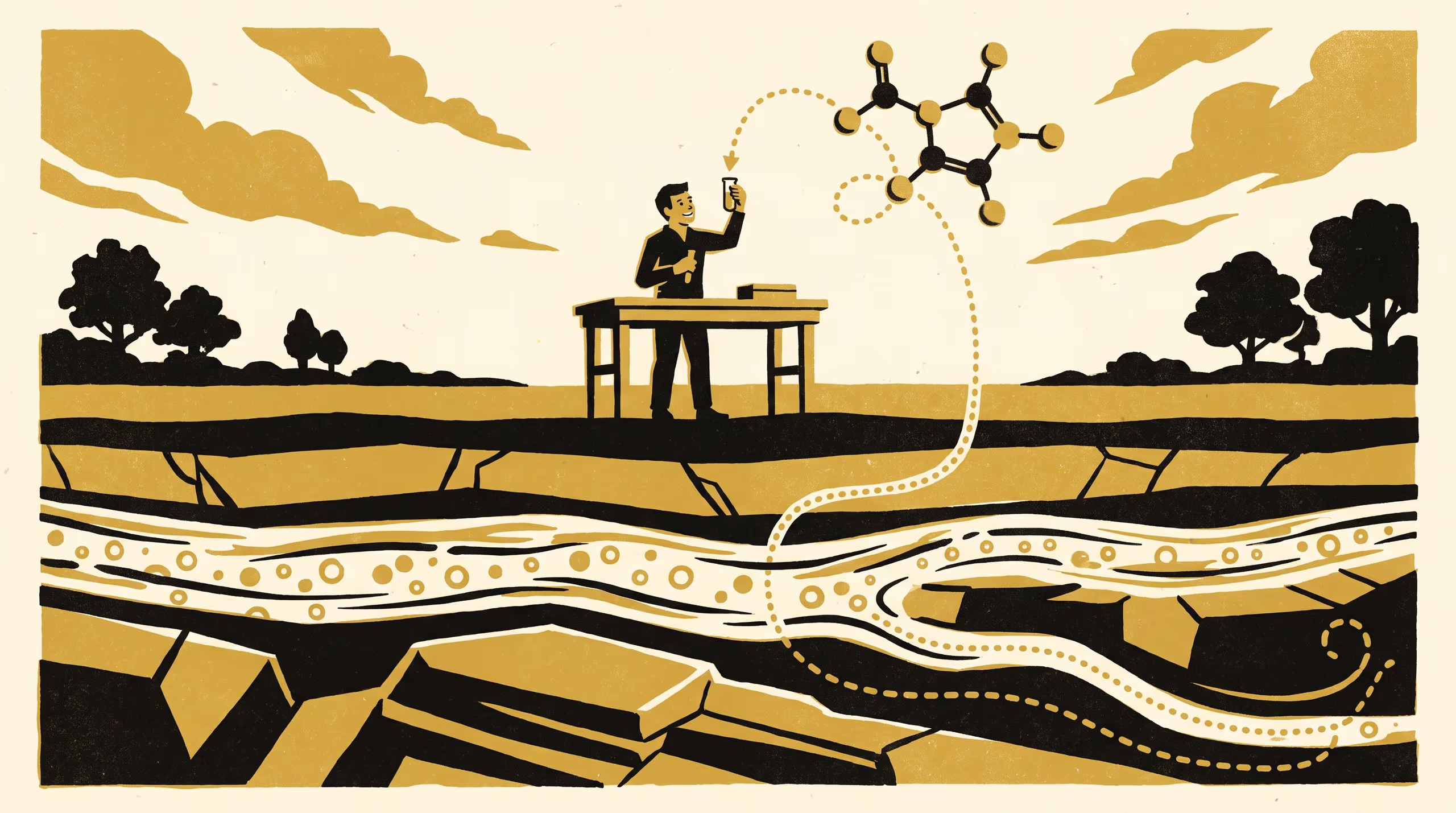
Leave a Trace, a new prospectus from the School of Underlying Conditions, invites prospective research students to learn the craft of the isotopic label, from the laboratory bench to the monitoring bore and the drill core.
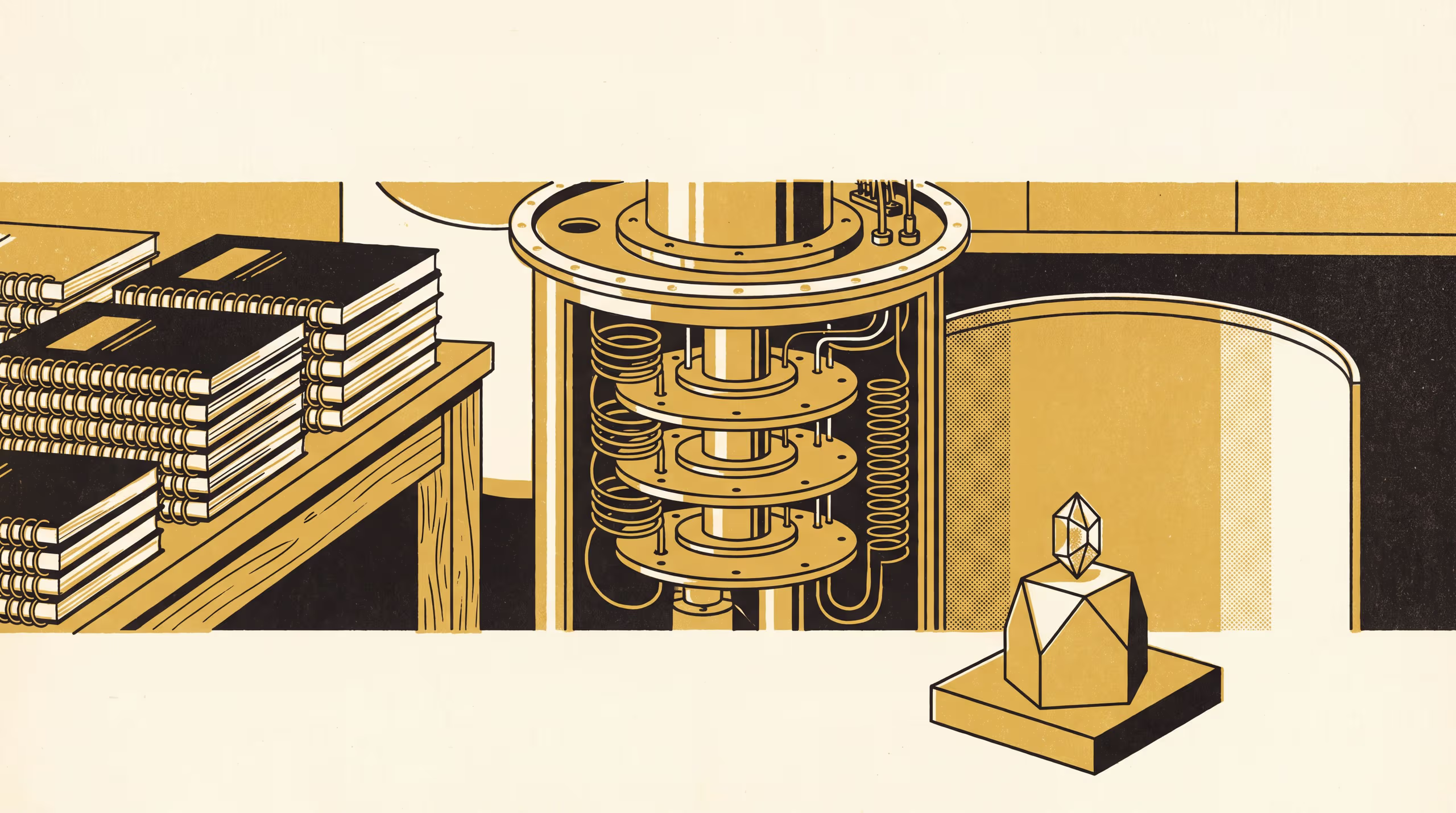
A research poster from the School of Continuous Improvement reads a physics group's bench notebooks as the history of a magnet that stayed a candidate for fourteen years.
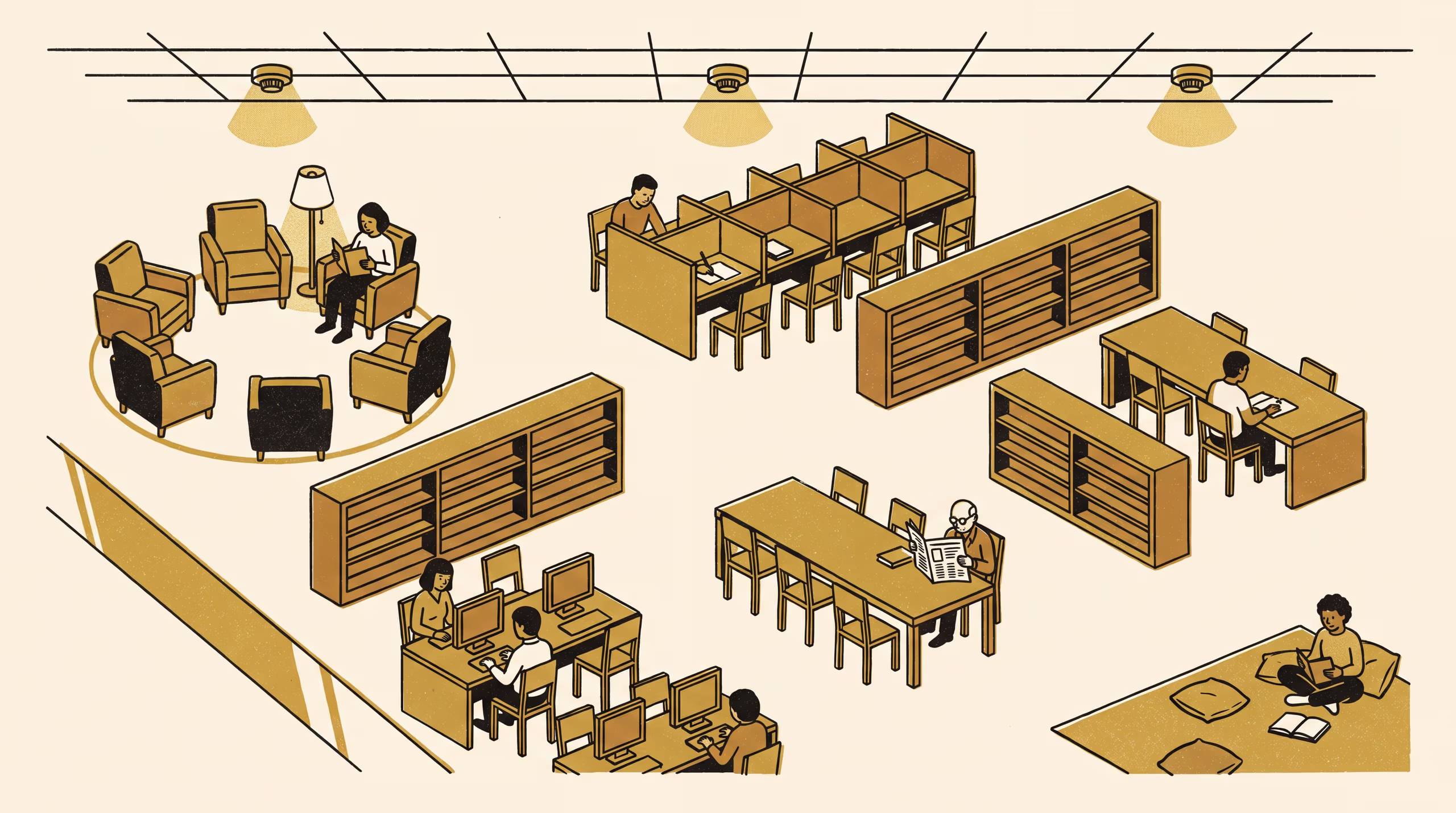
A research poster from the School of Continuous Improvement reads a branch library's refit, planned around its activity-recognition sensors, as a work of architecture.
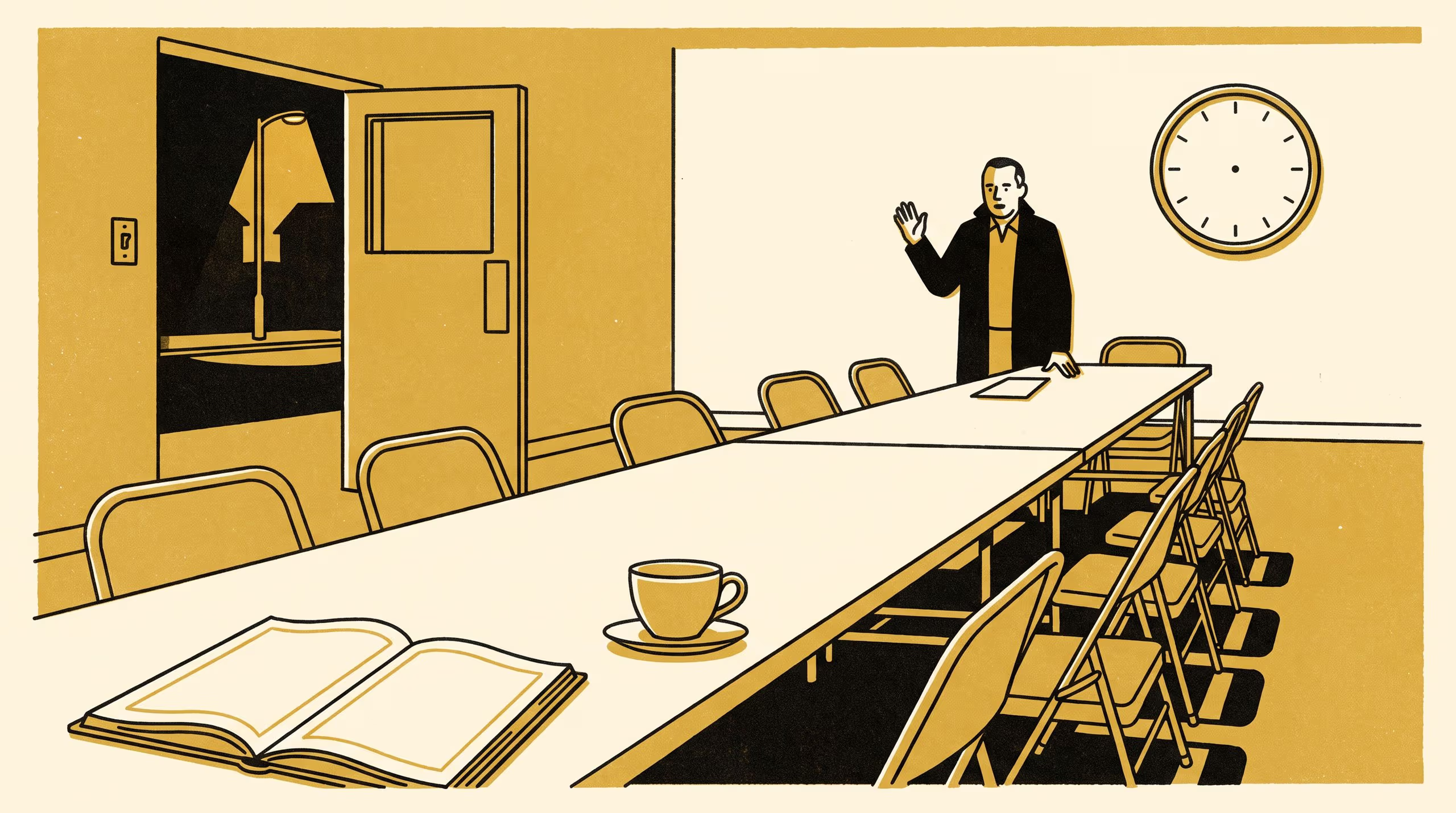
A paper by Dr Fenna Okoro asks what happens to "any other business" when a committee requires every item to be notified in advance.
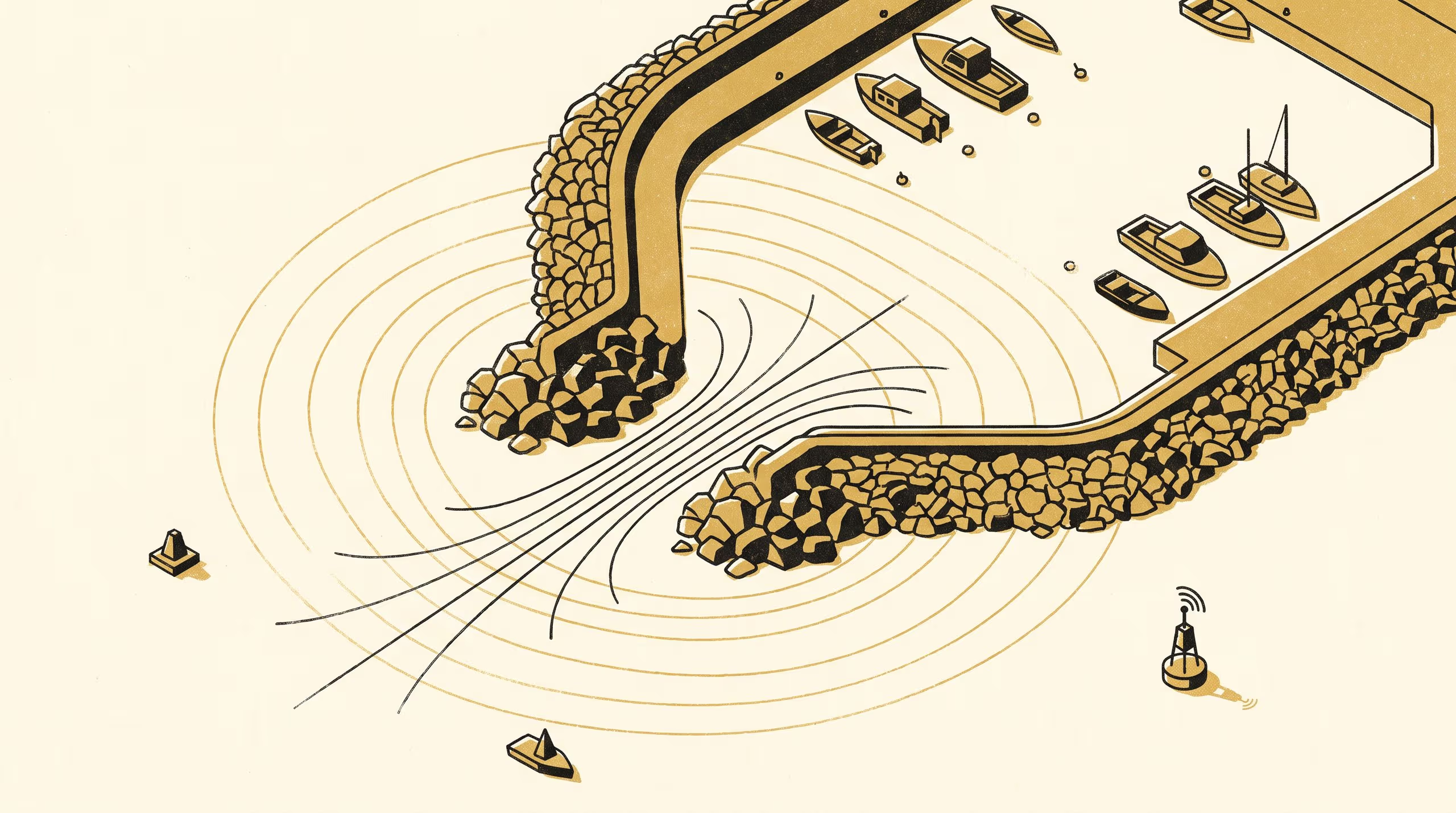
A paper by Ylva Onyekwere and Dr Fenna Okoro shows that a fifteen-minute oscillation, rather than the tide, does most of the work of exchanging the water in a small harbour's inner basin.
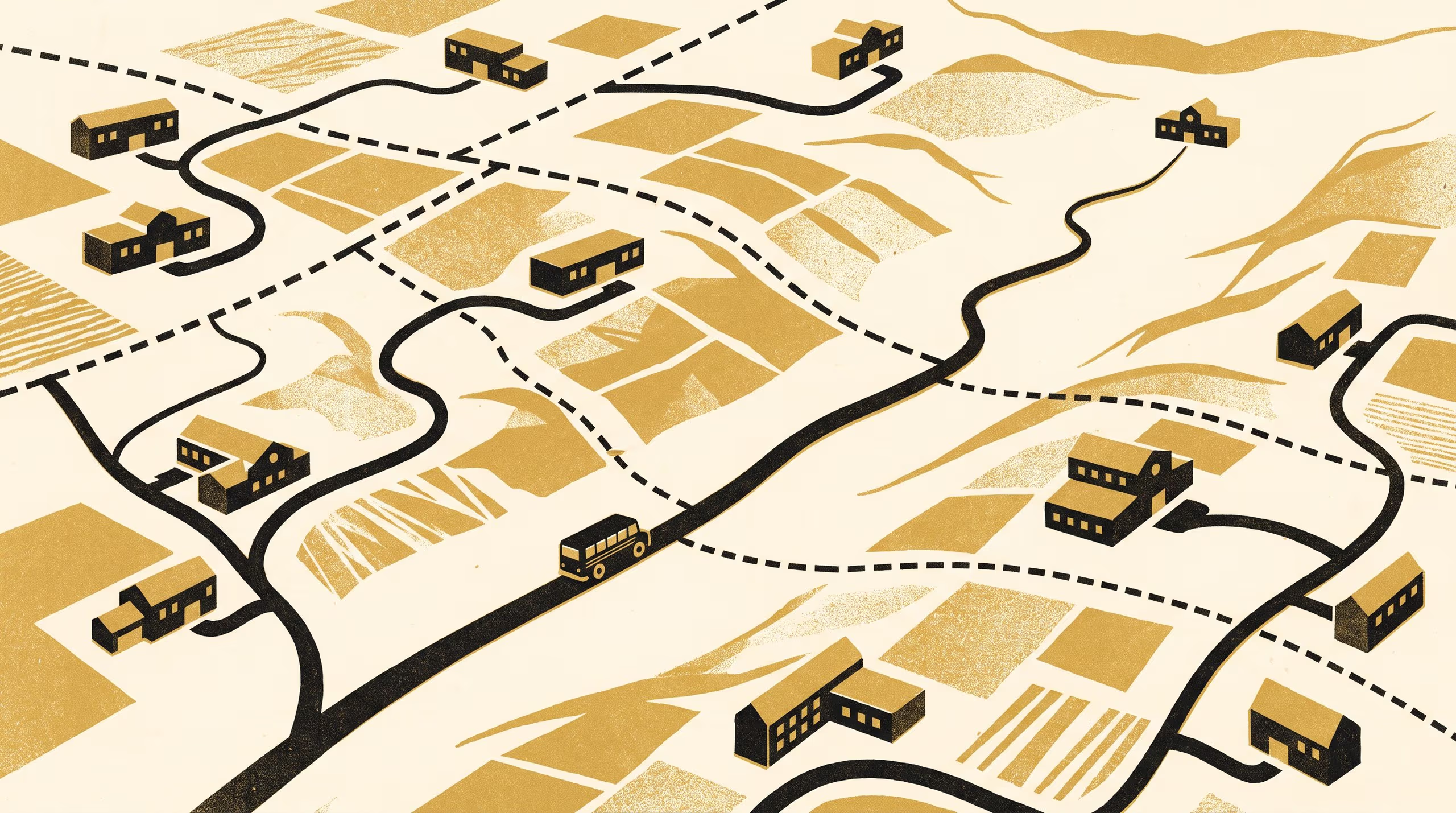
A paper from the School of Underlying Conditions and the School of Continuous Improvement treats the grouping of a credit system's schools into shared-curriculum clusters as a map-drawing problem, and solves one rural network exactly.
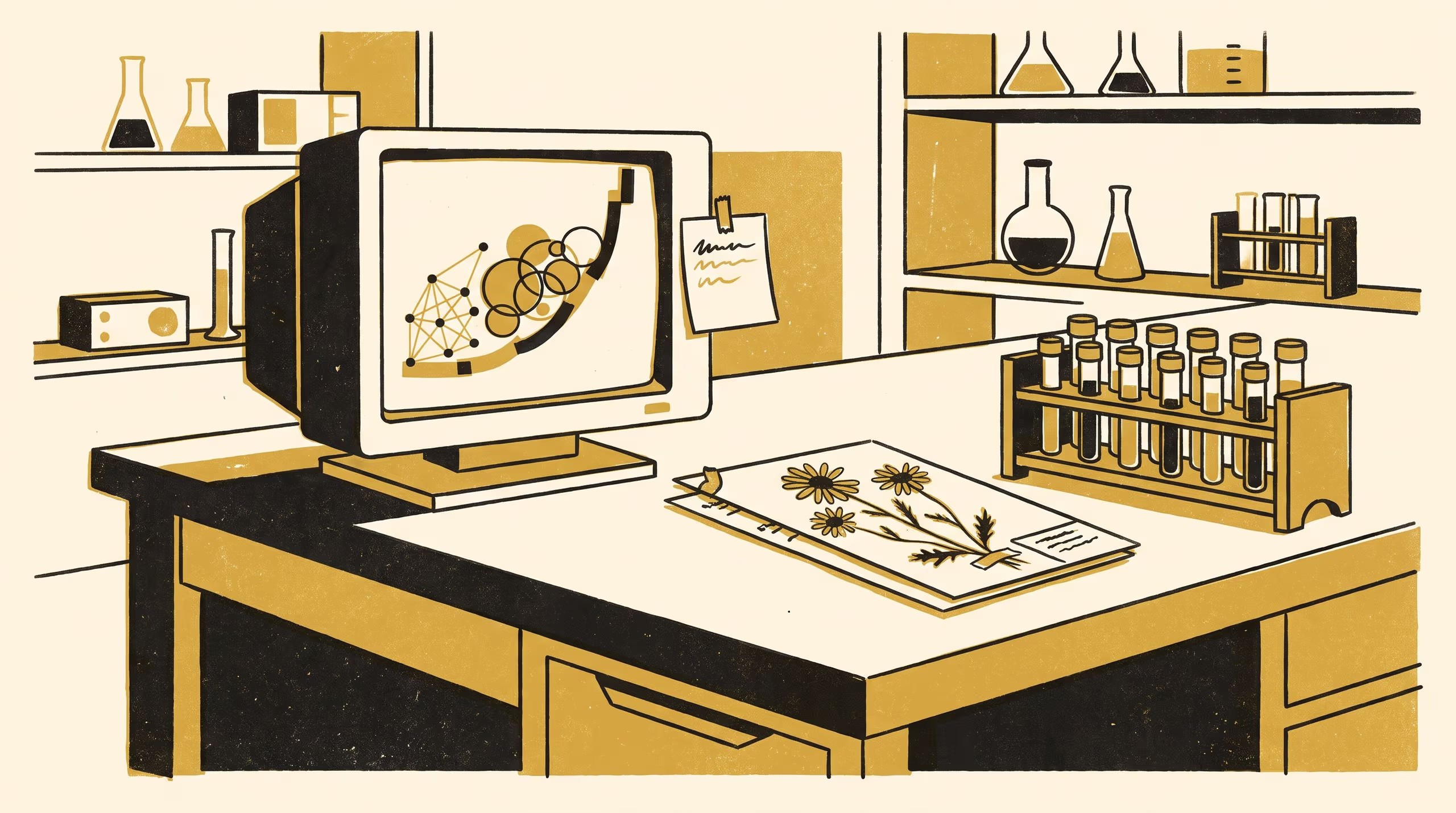
A new paper from the School of Continuous Improvement traces what became of 385 defect reports filed against a natural-products laboratory's in-house analysis pipeline, and where the unfixed ones went instead.
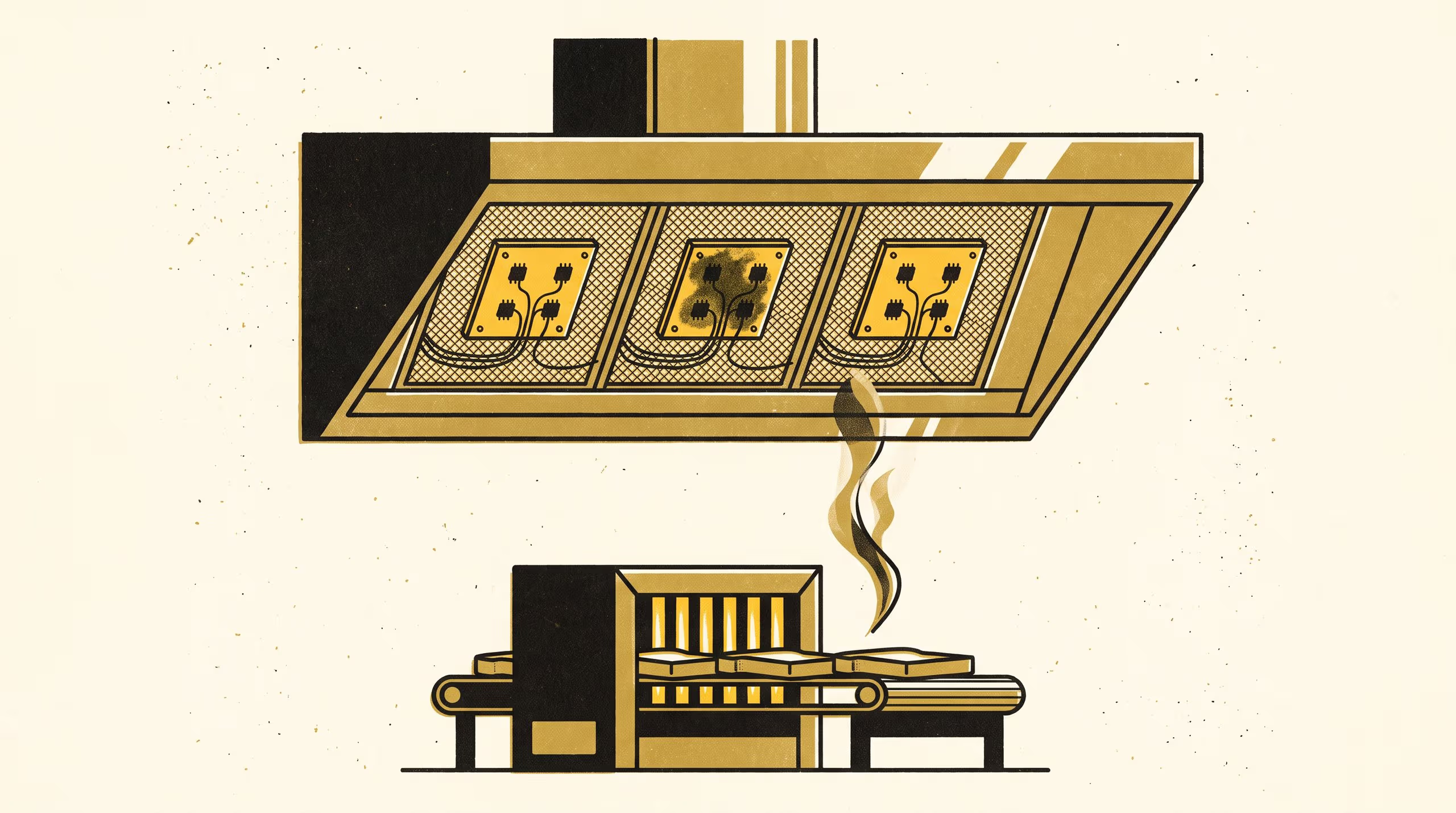
A paper from the School of Continuous Improvement asks what a nightly heat treatment does for, and to, the gas sensors that tell toast from burnt toast in a busy servery hood.