Research-led, metrics-forward, and continuously improving. News from the Office of Research Outputs.
6 November 2026
A new paper from the School of Continuous Improvement reads a workwear supplier's typed care-label drafts beside its returns slips and argues that the label is composed for the reader who brings the garment back.
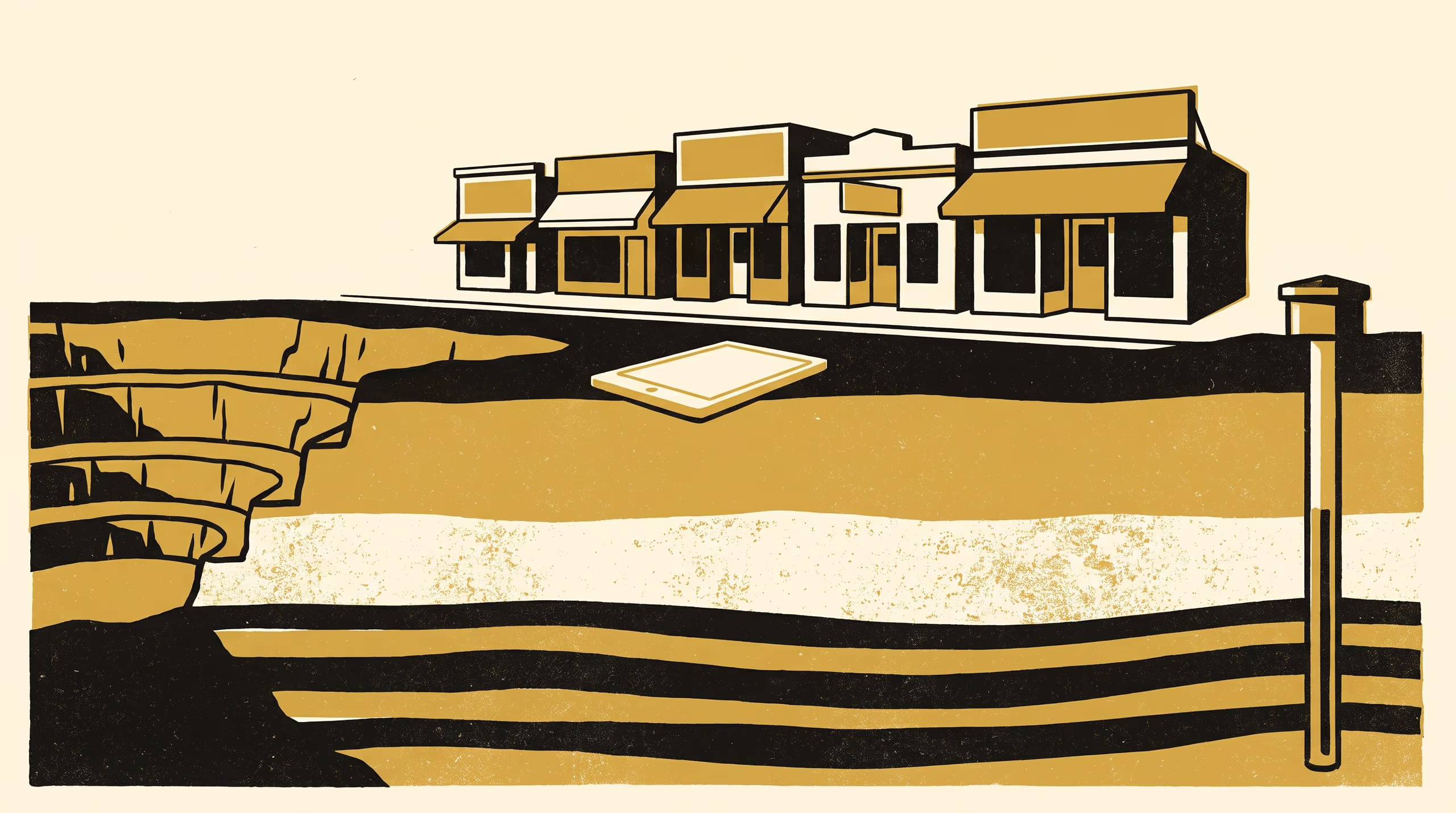
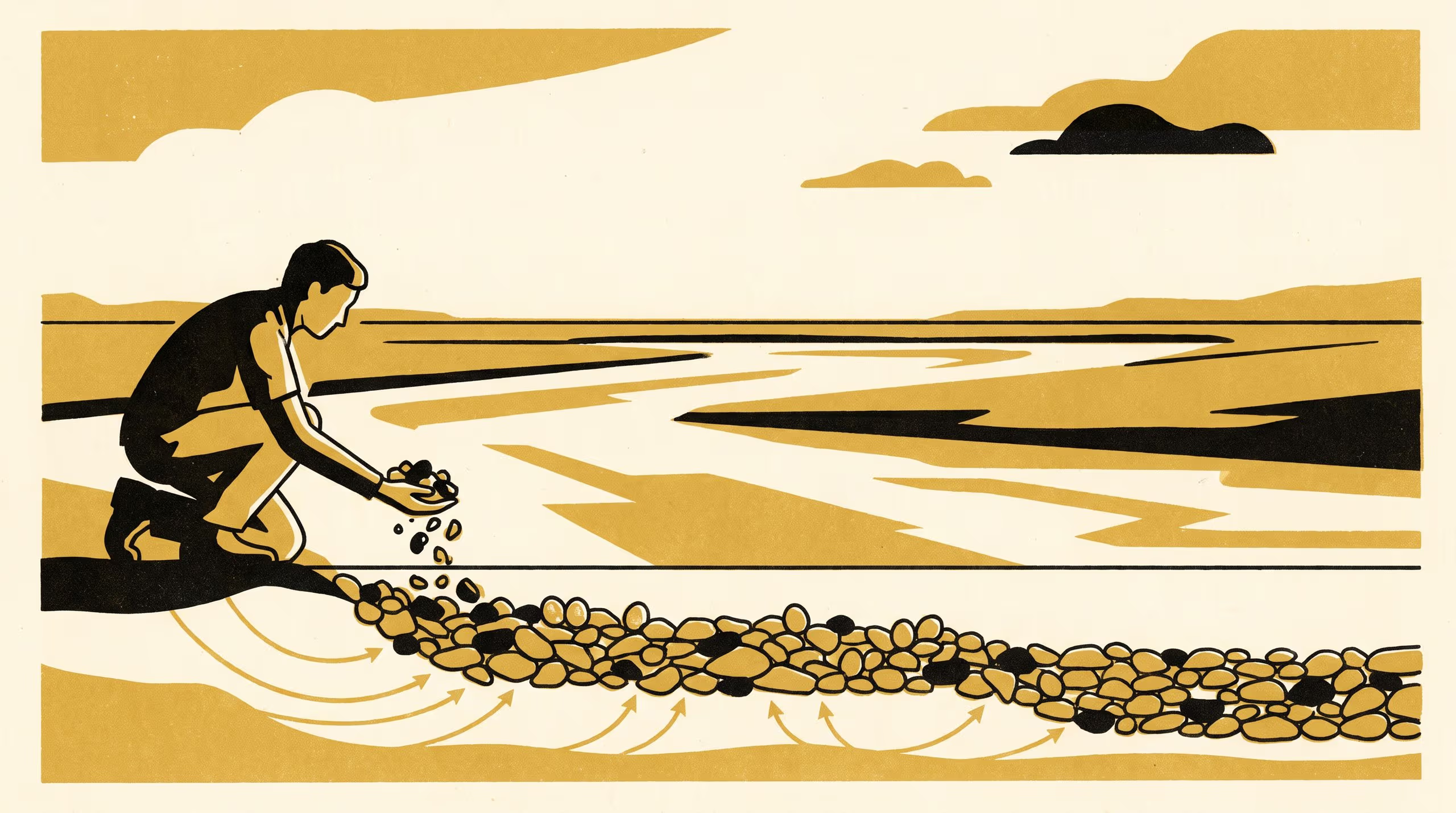
A civic brochure from the School of Underlying Conditions follows the district's medicines from the rock they were won from, across the pharmacy counter, and back to the soil and water below.
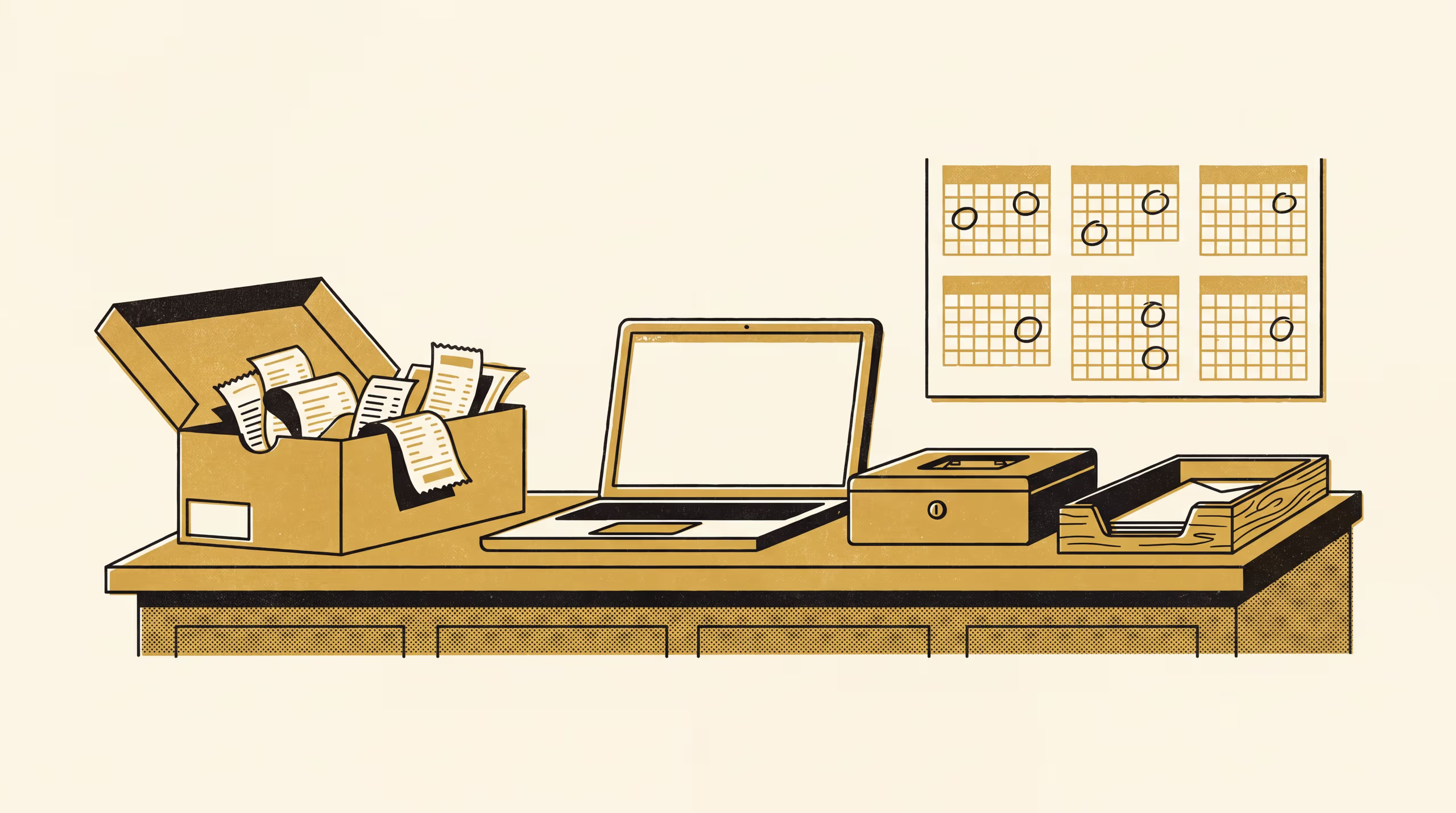
A new research poster from the School of Continuous Improvement follows small traders moved from quarterly to monthly sales-tax returns, and finds the paperwork arriving earlier while the payments arrive later.
A new civic brochure from the School of Continuous Improvement invites the community into the University's public work on expectation, waiting and reassurance.
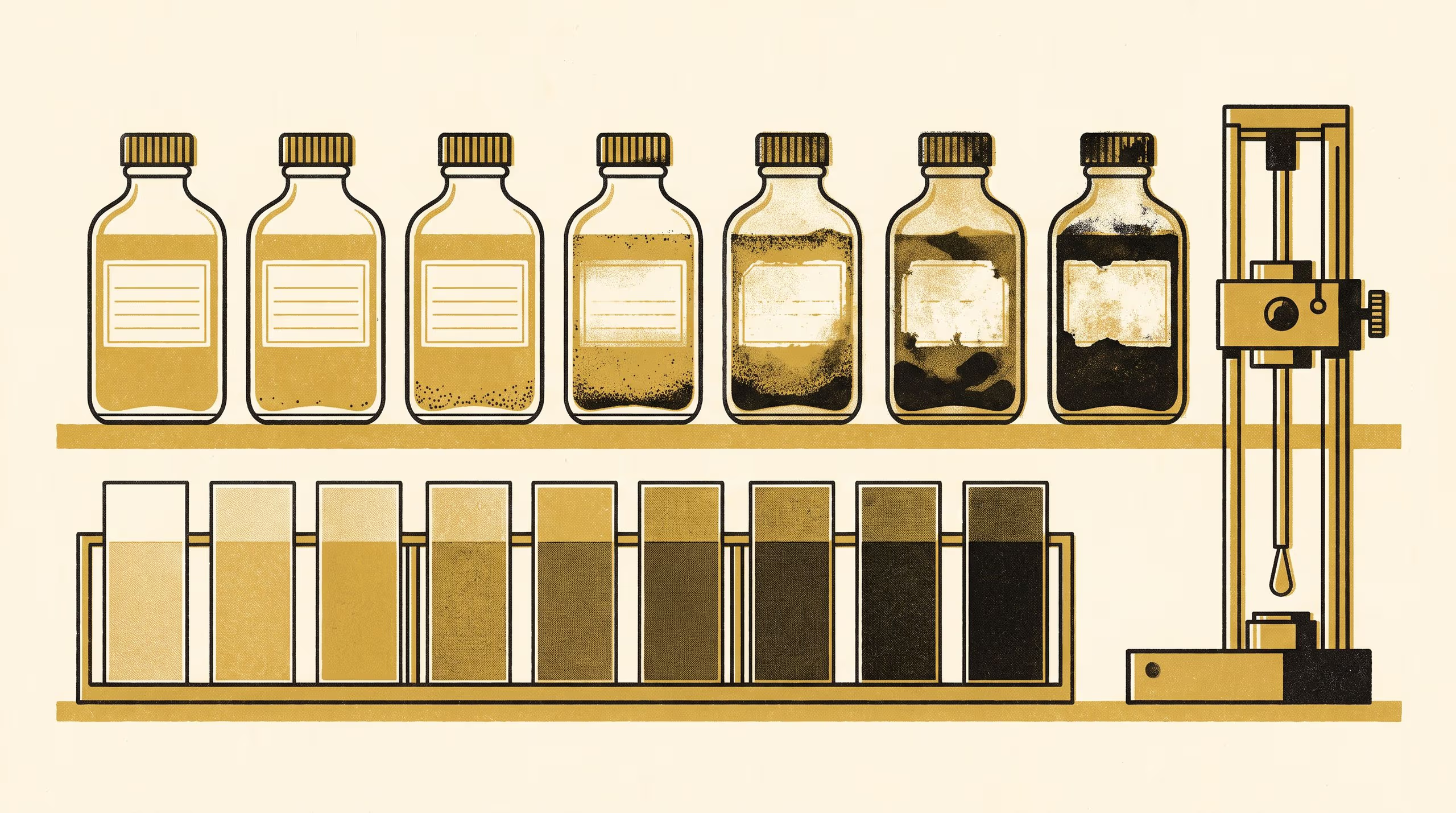
A new research poster from the School of Continuous Improvement draws electrochromic films from a single sol across forty days and finds the age of the sol at each draw shaping how deeply the films colour and how readily they clear.
A new prospectus from the School of Continuous Improvement presents Capability Sprints as short courses designed around the working week that follows them.
A new paper from the School of Emergent Priorities finds that rows written late in a hazard and operability session record fewer causes of their own, and that references to earlier nodes make up most of the difference.
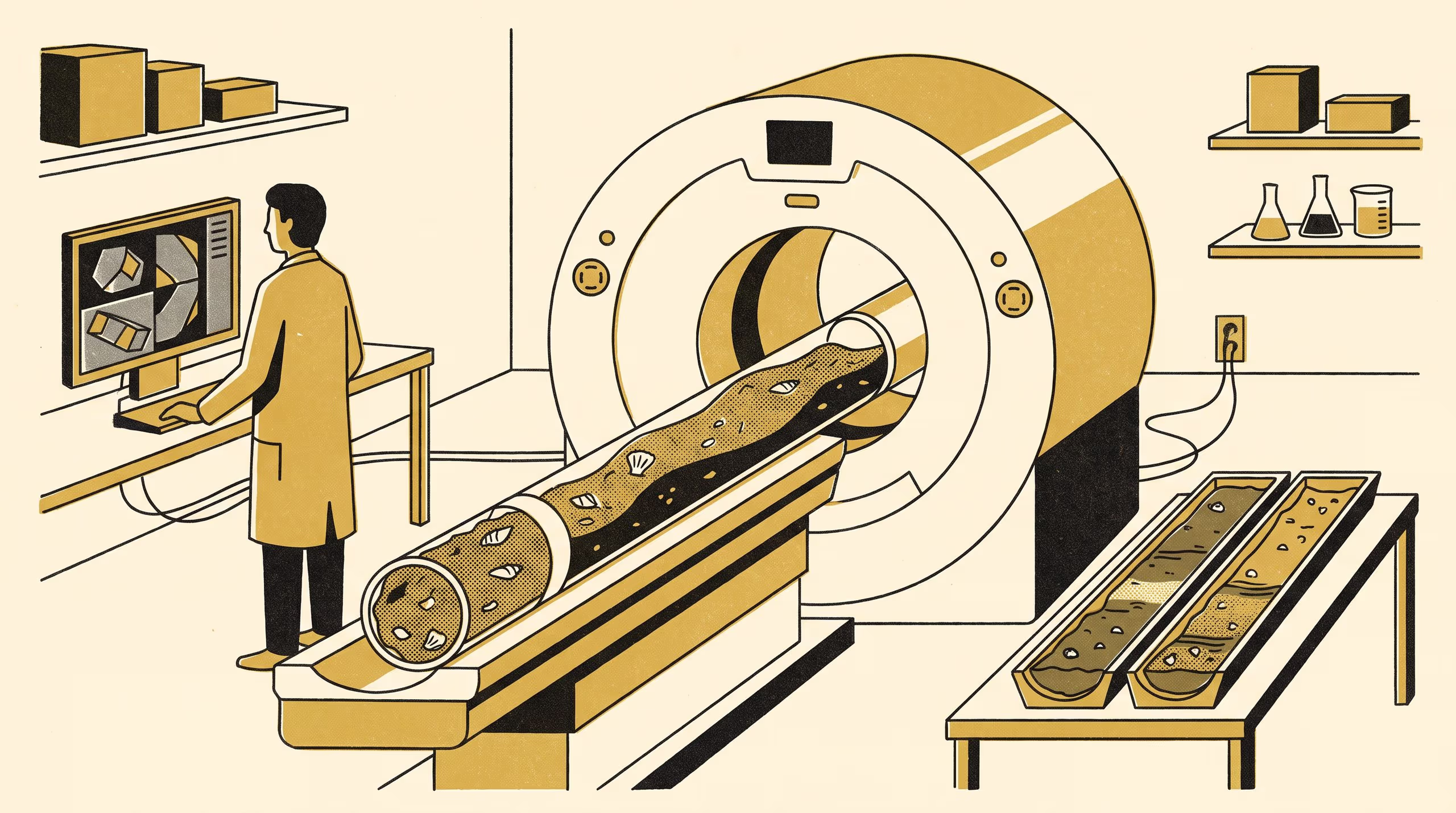
A new research poster from the School of Underlying Conditions reads which way up the shells lie in four scanned lagoon cores, and traces storm overwash layers into mud where no sand survives to mark them.
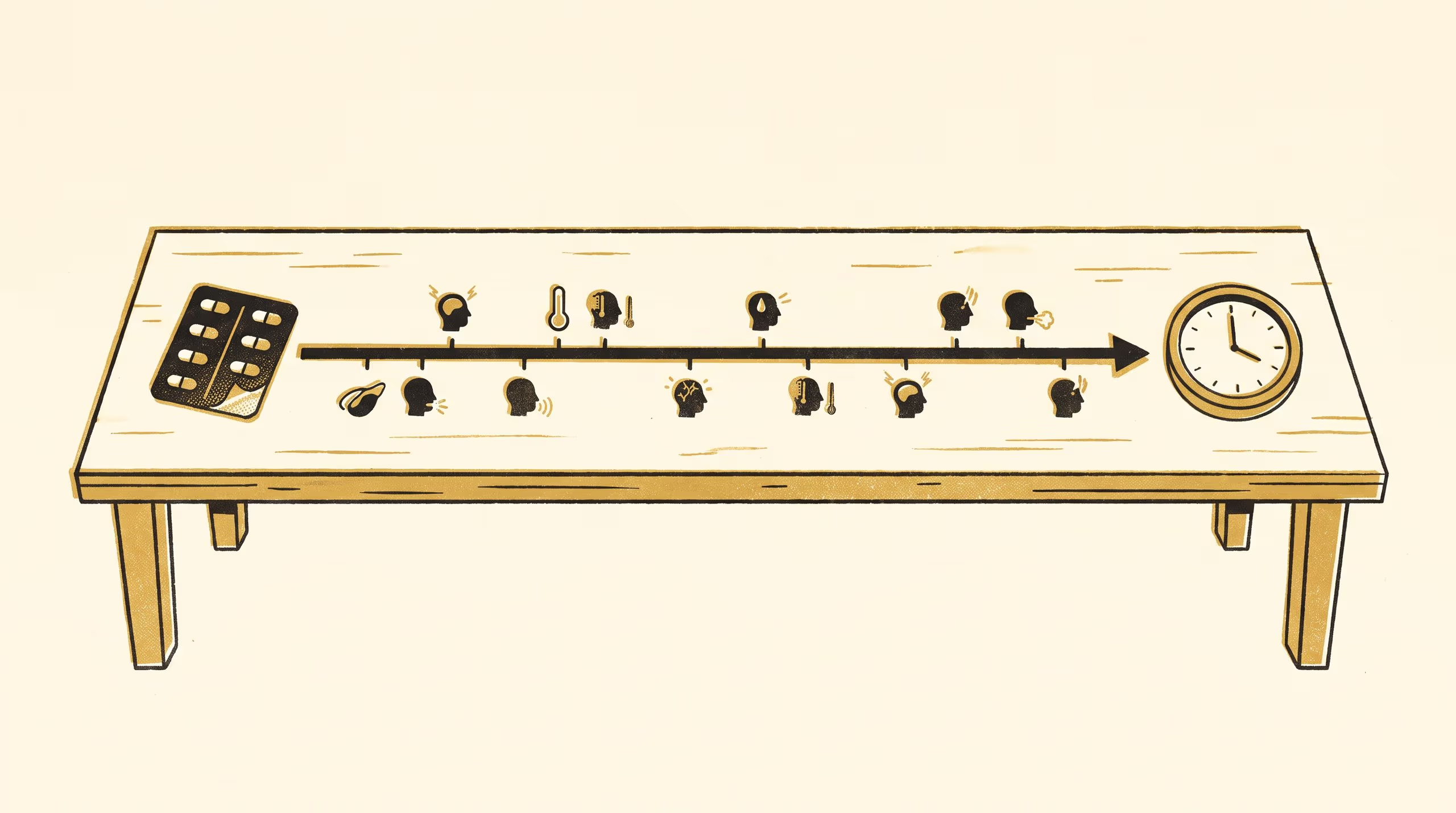
A new research poster from the School of Continuous Improvement asks 144 adults to read the diaries of a fictitious tablet, and finds the delay before a symptom shapes their decision to report it more than how reliably the symptom follows the dose.
5 November 2026
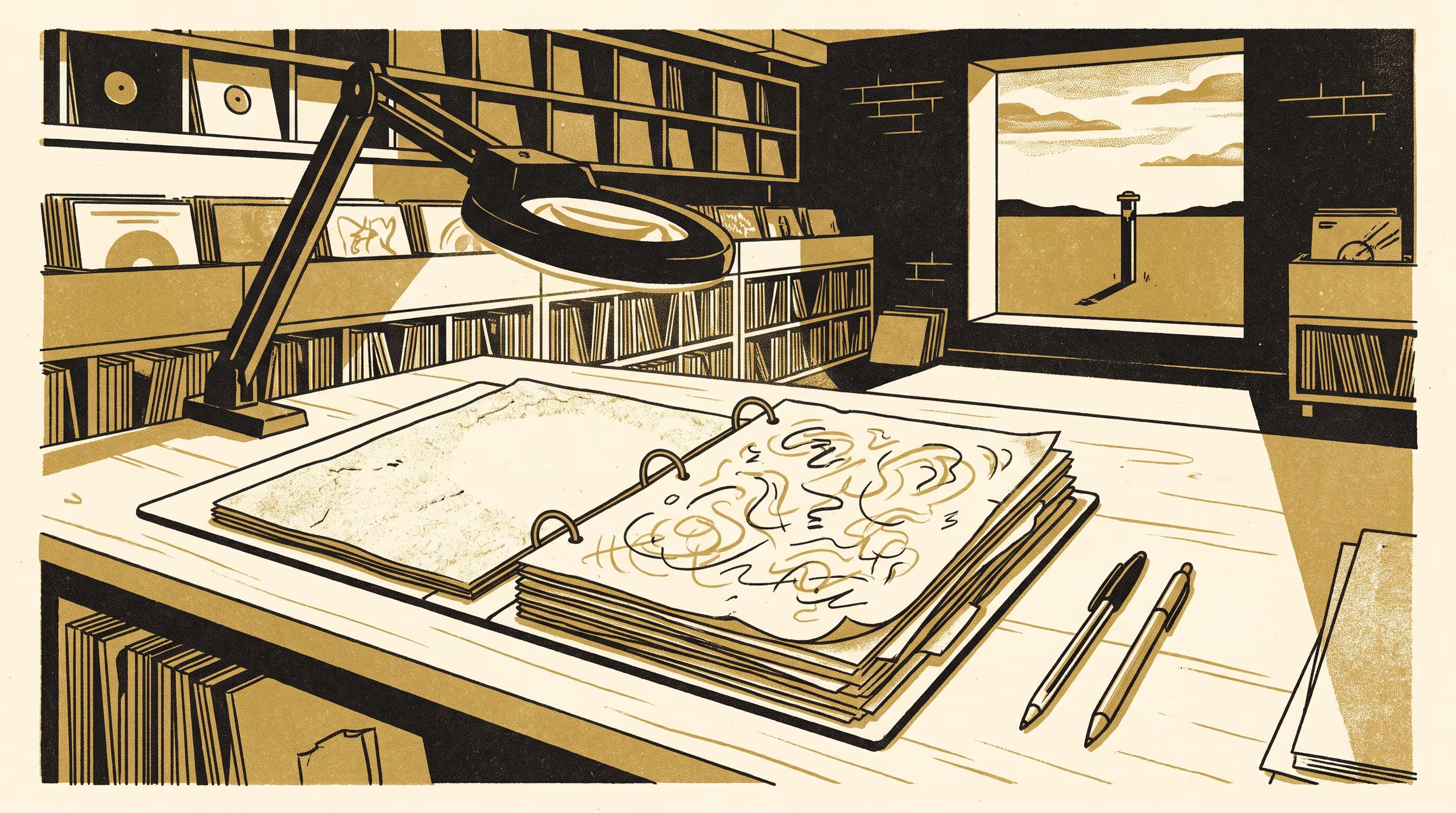
A new research poster from the School of Underlying Conditions uses the chemistry of ballpoint ink to tell which corrected groundwater readings were amended at the bore and which were amended afterwards.
A new brochure from Slop University's School of Underlying Conditions presents the University's research on spawning reaches, bore-fed hatcheries and estuary nurseries as an account of the ground each one rests on.
A new paper from the School of Underlying Conditions uses a ferrocene-based tracer and an electrode in the outflow to measure how much a rock fracture changes the water passing through it.