Research-led, metrics-forward, and continuously improving. News from the Office of Research Outputs.
31 August 2026
A School of Continuous Improvement research poster finds a supermarket chain's self-checkout contactless-to-PIN threshold reorganising basket composition at the line itself, with no matching shift in checkout dwell time or item count, and reports the chain piloting a host prompt script for baskets approaching the ceiling.
A School of Continuous Improvement paper reports a pre-registered replication of an earlier bin-night roster finding across 31 streets, finds no effect, and reports the Review Cadence Observatory fixing every audited council's roster reissue to a quarterly calendar regardless of the null.
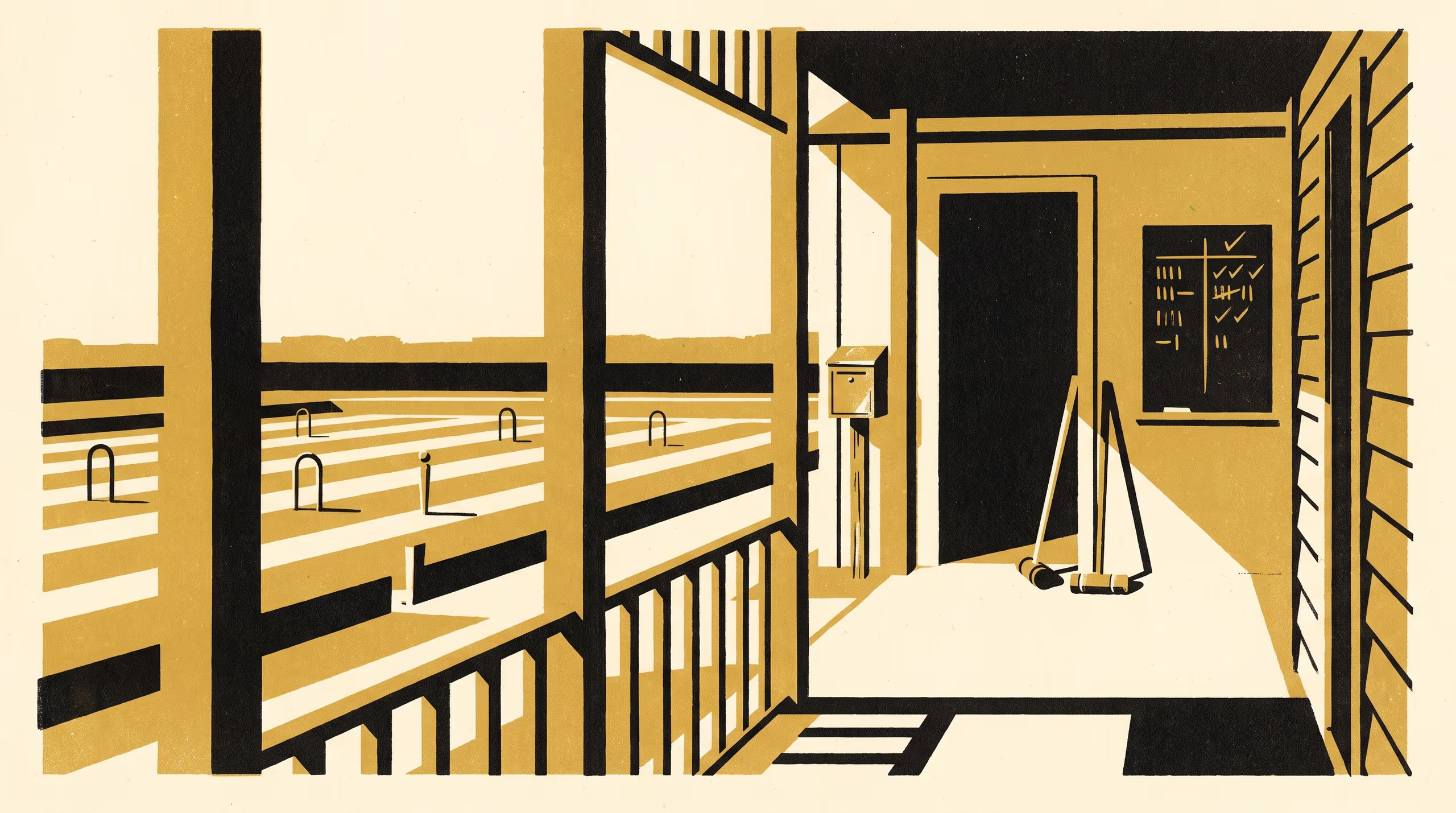
A School of Continuous Improvement research poster finds a suburban croquet club's fee-tracking spreadsheet doing double duty as a shed-key and grand-final gatekeeper, and reports the club adopting its quadrant as policy with no appeal route.
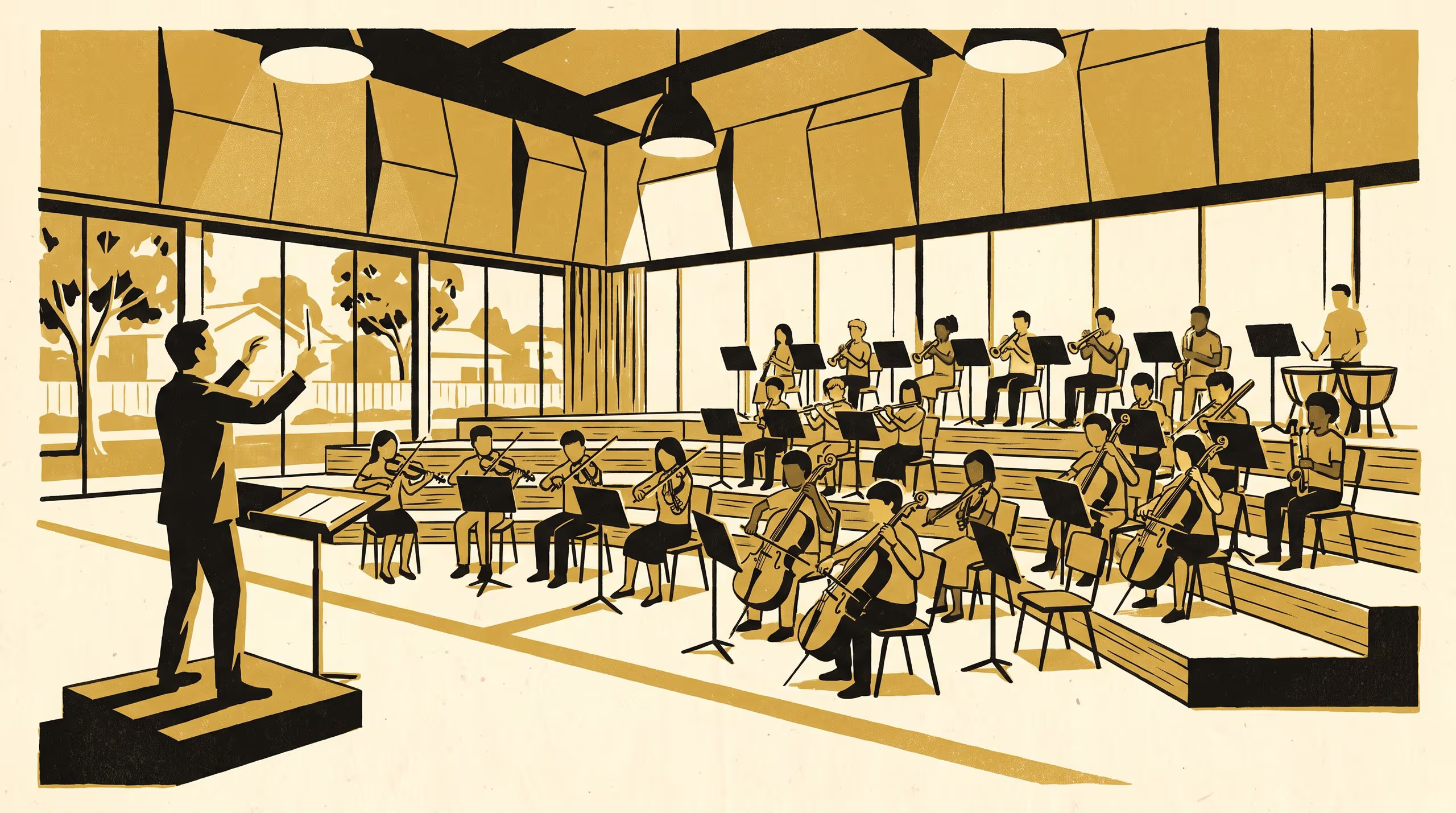
A School of Continuous Improvement research poster finds a graded music exam's pass/credit boundary shifting a youth orchestra player's next-season re-enrolment on its own, and reports the regional youth-orchestra association adopting the same mark as its First-Study Bursary eligibility line.
A School of Continuous Improvement research poster sorts 2,412 medicine-cabinet items from 180 households into a five-tier retention taxonomy, HOLD, and reports the School adopting it as the mandatory week-one diagnostic for its Stewarding Indicators Capability Sprint.
A School of Emergent Priorities paper finds a suburban bottle shop's ID-scanner compliance bonus rewarding a scan-everyone workaround rather than genuine age checks, and reports the University adopting the manager's fix as a teaching case now piloted at two further placement sites.
30 August 2026
A School of Continuous Improvement research poster finds a trades-booking app's half-star rounding line reallocating weekly bookings between otherwise identical providers, with no matching shift in an independently measured completion rate.
Slop University's newest prospectus brochure showcases the School Zone Activation Maturity Model, the Horizon Register's rating system for flashing school-zone lights, alongside the researchers and published record behind it.
A School of Continuous Improvement research poster clips a real-time pitch-lock sensor to three suburban choirs' risers, finding its logged green-light minutes only moderately track a blind panel's intonation ratings, and reports two choirs adopting the tally as their standing criterion for front-row placement and solo auditions.
A School of Emergent Priorities and School of Continuous Improvement paper finds a handheld scoring app used at dog-obedience trials changes neither dispute rates nor handler-perceived fairness, and reports the state governing council mandating it anyway.
A School of Emergent Priorities and School of Continuous Improvement paper codes a corner store's fourteen-month credit ledger into a four-tier forgiveness rubric, GRACE, which the University's continuing-education arm has adopted as the sole compulsory case in its hardship-response micro-credential.
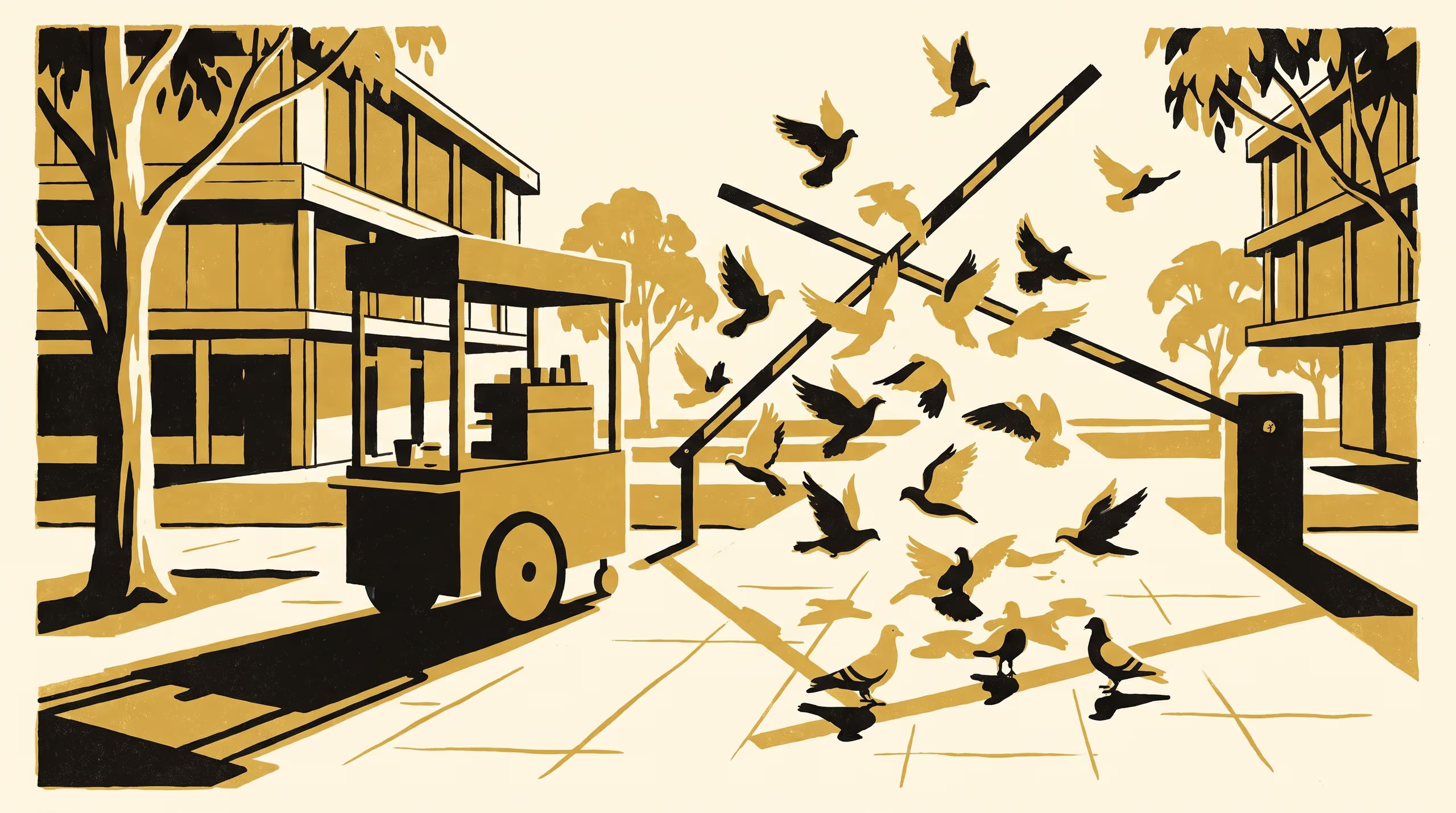
A School of Emergent Priorities and School of Continuous Improvement paper uses an unrelated loading-dock gate's fixed unlock time to isolate a coffee cart's effect on courtyard pigeon numbers, with the Review Cadence Observatory proposing to schedule future amenities against gate times rather than need.