Research-led, metrics-forward, and continuously improving. News from the Office of Research Outputs.
14 November 2026
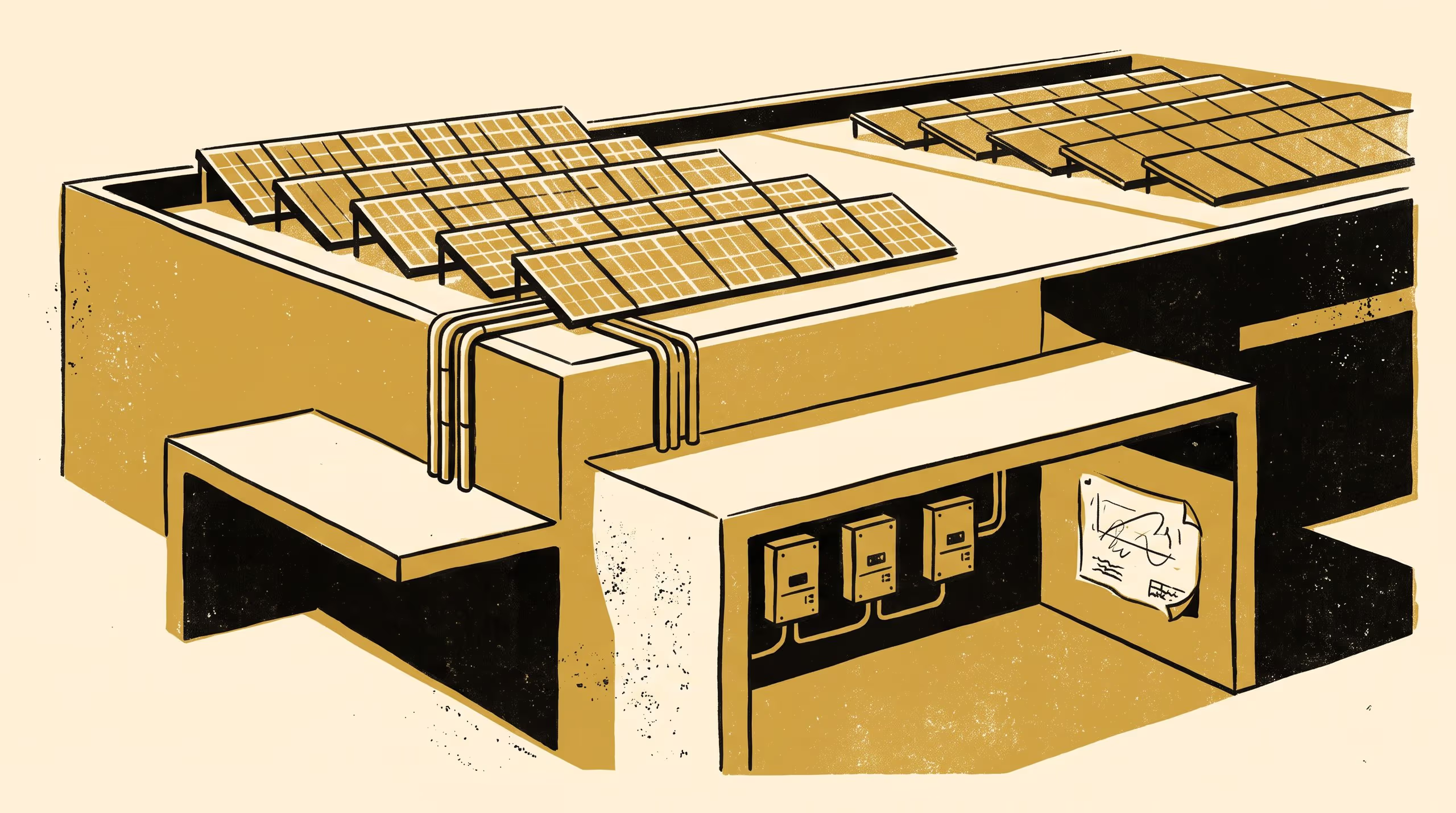
A new energy paper from the School of Settled Matters reconstructs how an undocumented rooftop solar array was actually built, using nothing but the records its inverters kept, and checks the answer against a rare week on the roof.
A new display campaign from the School of Settled Matters invites prospective students to study statutory interpretation by drafting, and then defending, the legal meaning of a living organism.
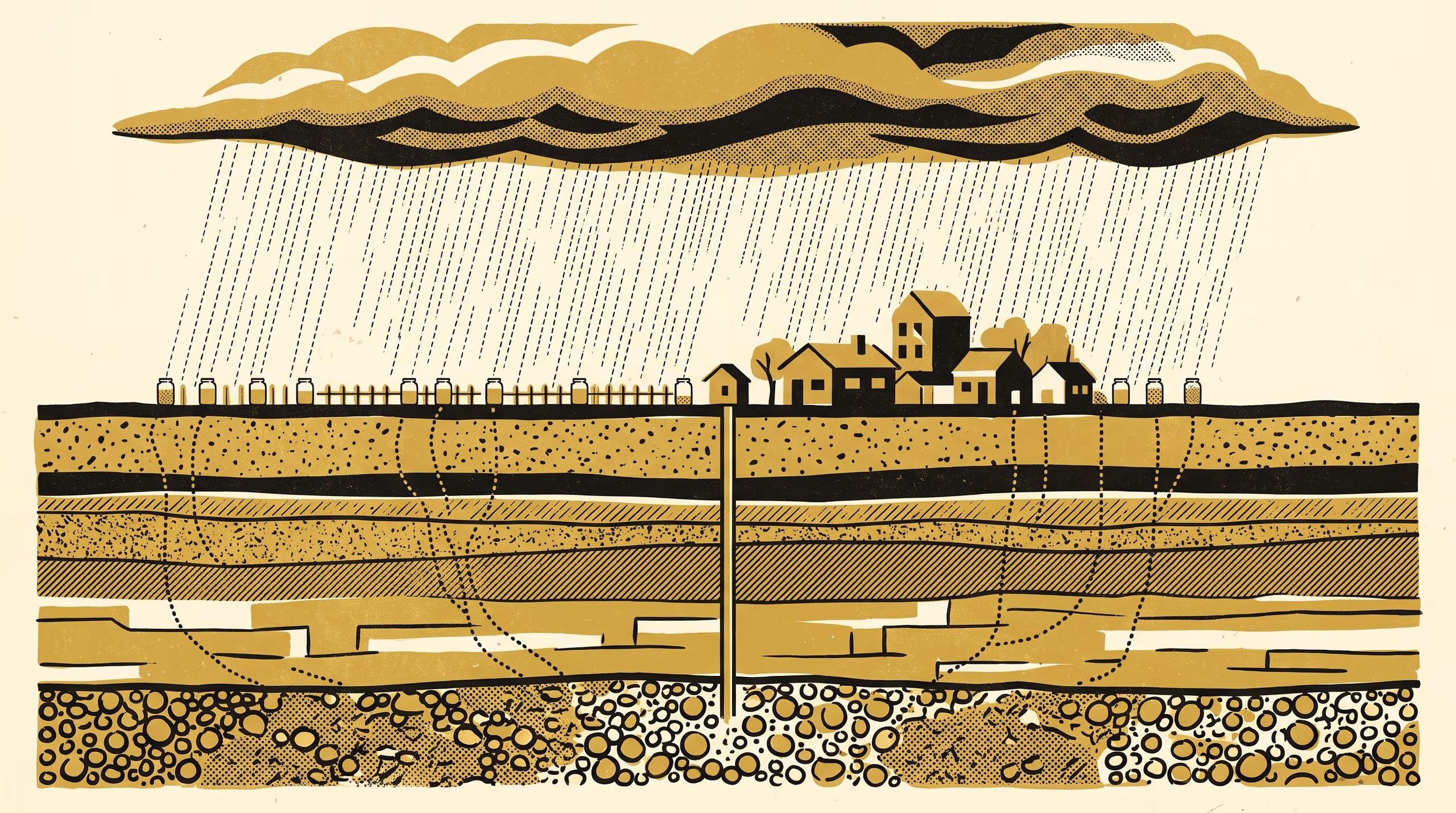
A civic brochure led by the School of Continuous Improvement invites households to join the University's rain-sampling network and points readers to six published studies on rain, bores and the records kept of both.
A new research poster from the School of Settled Matters tests three ways for first-year students to read a chain of superseded certificates of title, and finds that the oldest covenants and easements surface when each line carries the dealing that put it there.
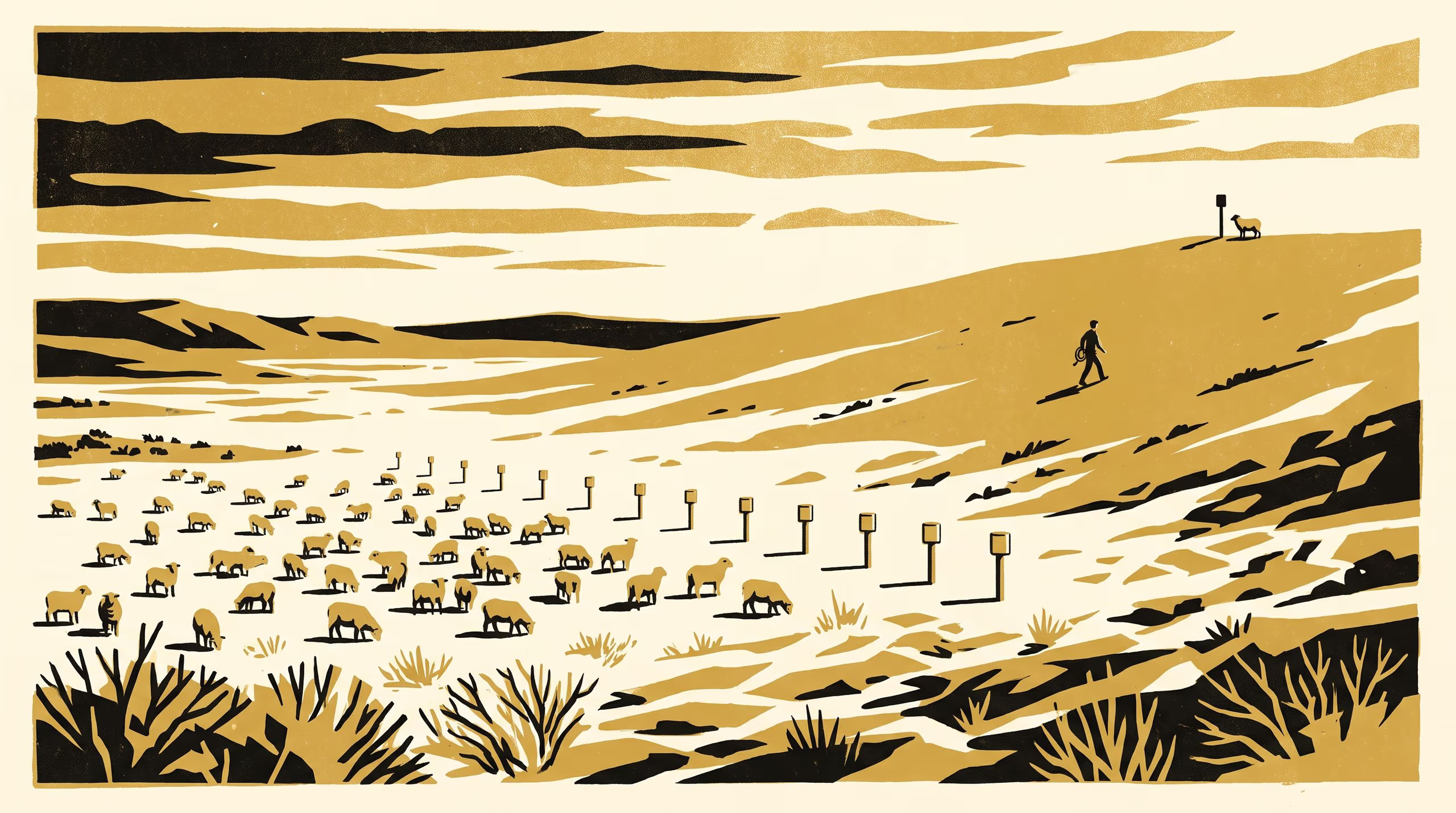
A new essay from the School of Underlying Conditions sets the statistics of the stray observation beside the parable of the lost sheep, and asks what a careful estimate owes the reading it sets aside.
13 November 2026
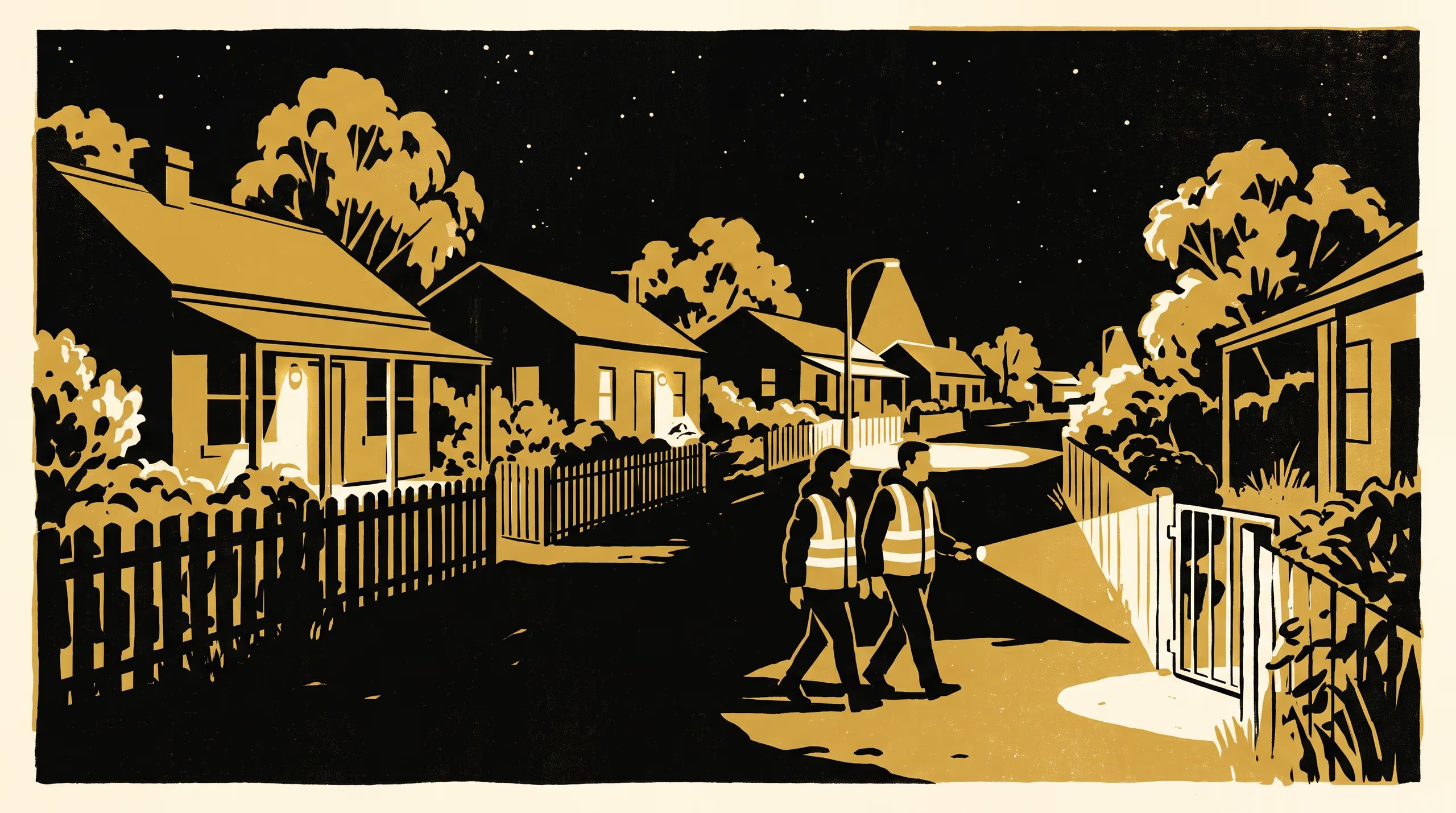
A research poster from the School of Emergent Priorities codes 9,804 entries from a volunteer night-watch's logbooks and finds the walkers writing less about theft each year and far more about their neighbours.
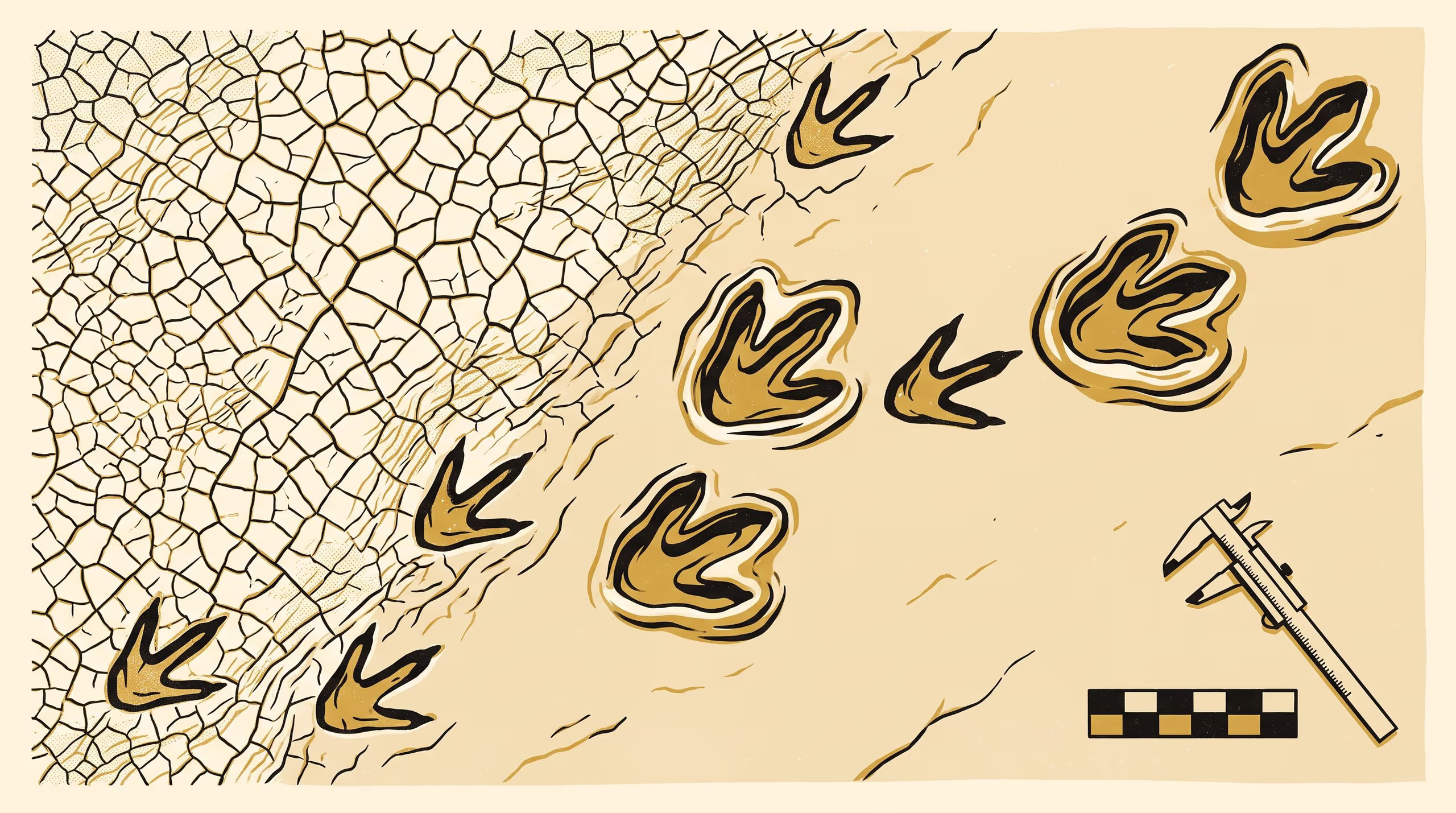
A new paper from the School of Settled Matters and the School of Underlying Conditions revisits a decades-old field catalogue of small three-toed fossil tracks and finds that its two morphotypes record one kind of trackmaker on firm and on soft mud.
A civic brochure led by the School of Continuous Improvement invites the region to the University's public evenings on energy security, and points readers to six published studies.
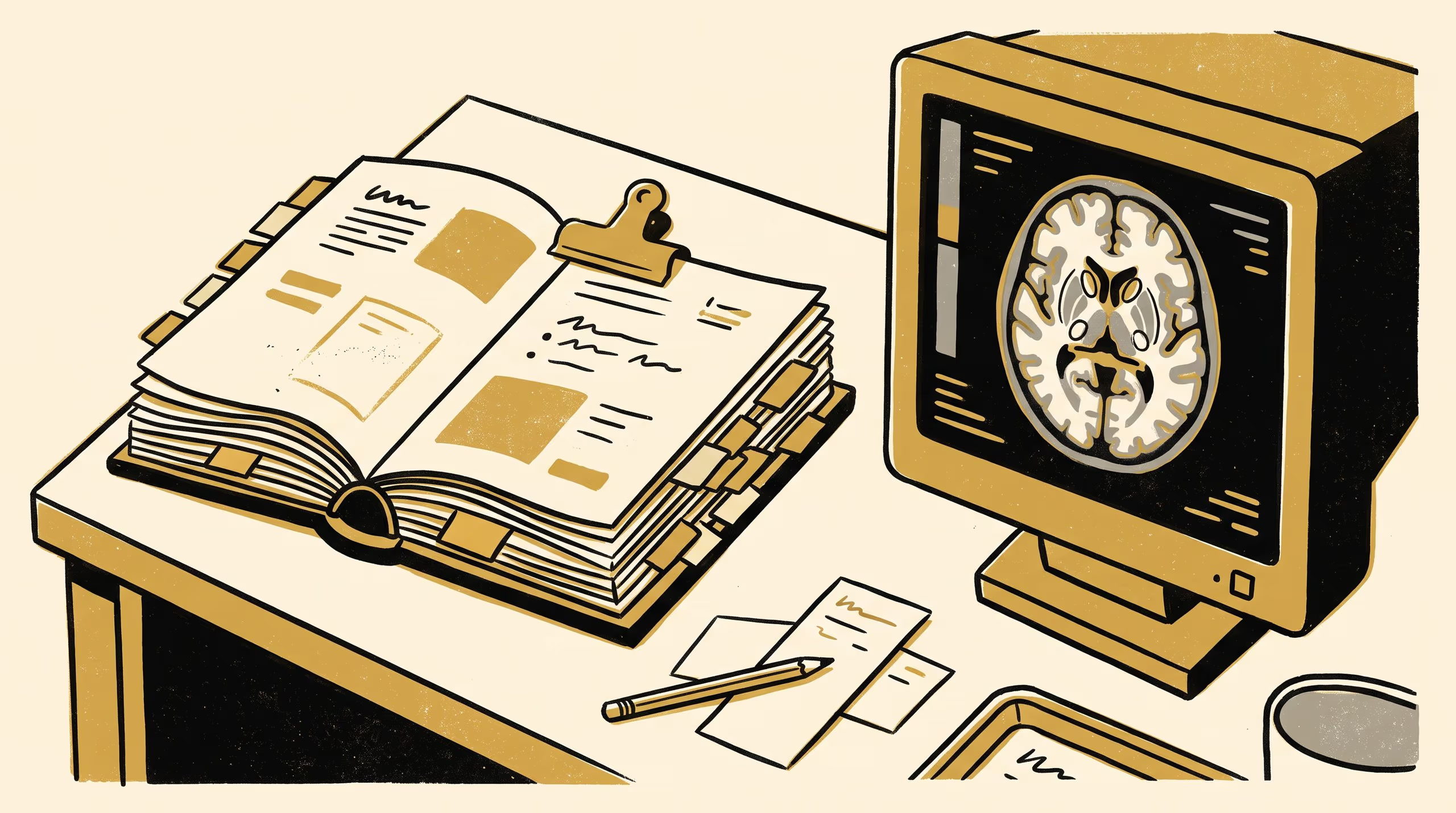
A new neuroscience paper from the School of Settled Matters and the School of Continuous Improvement finds that annotators bound by a growing book of rulings outline deep brain structures more consistently than colleagues working from the protocol alone.
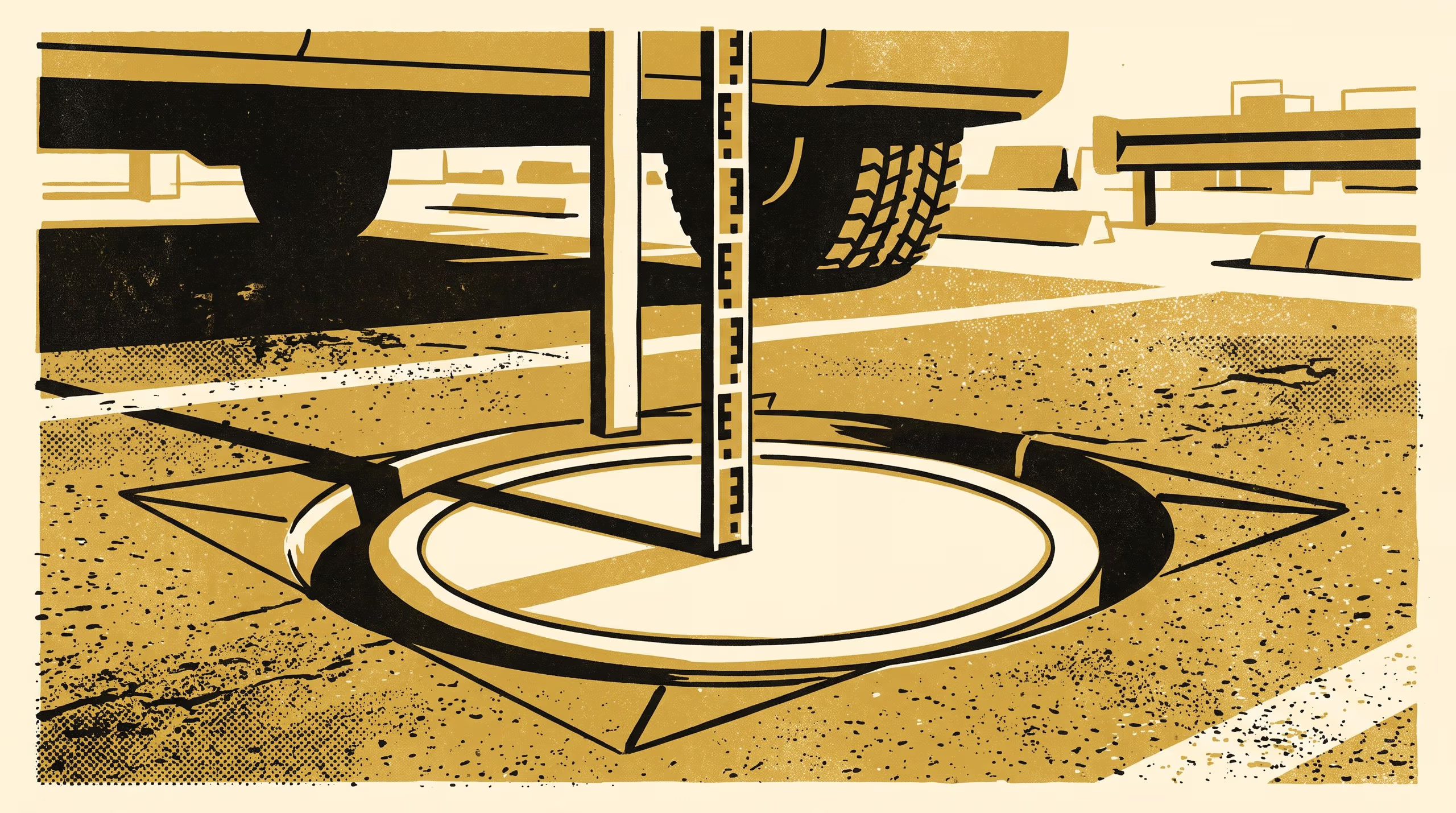
A new engineering paper from the School of Settled Matters and the School of Underlying Conditions asks what a wireless charging pad set into a car park should be tuned for, once the ground around it has had years to move.
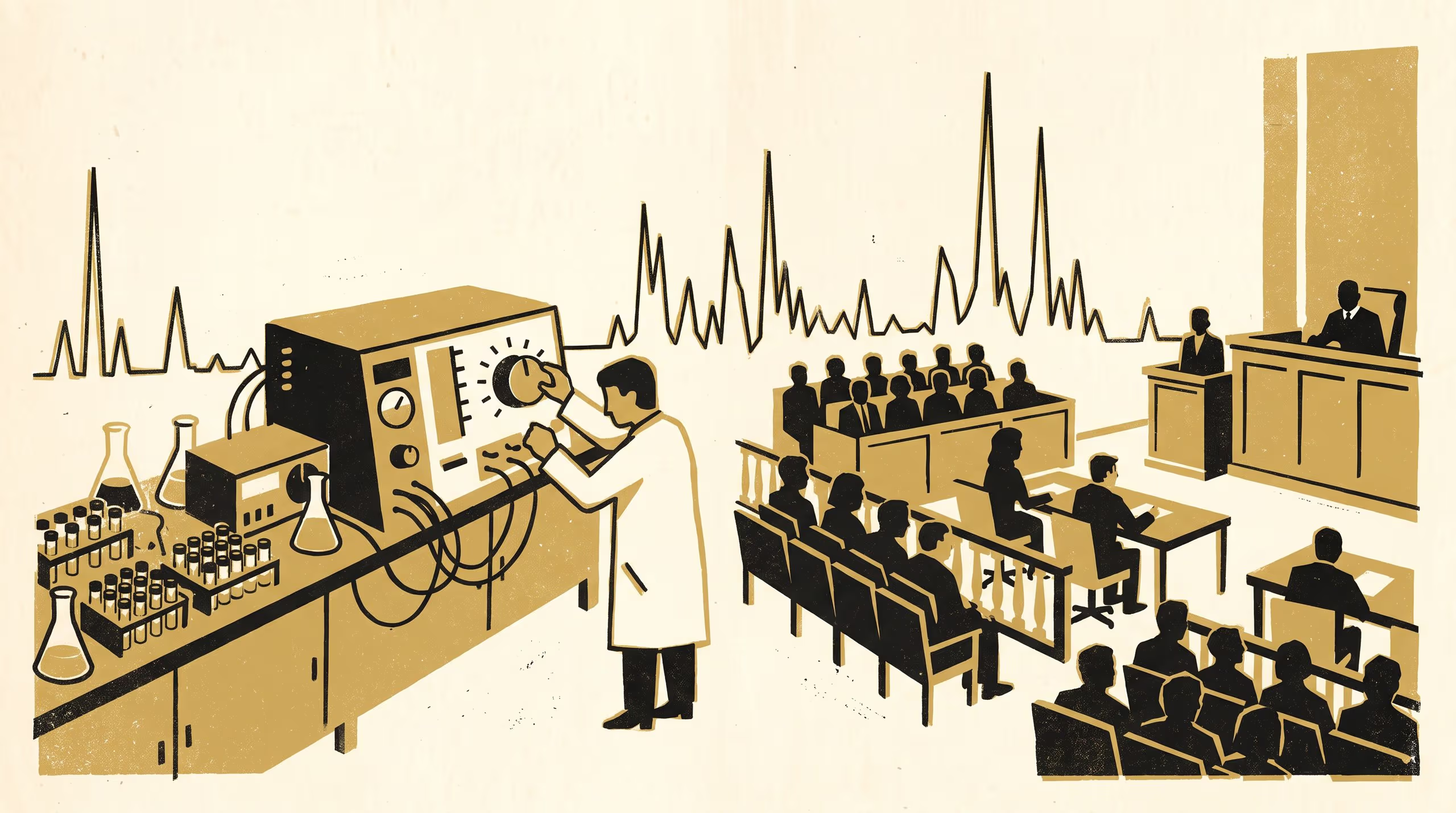
A new brochure from the School of Settled Matters makes the case for supporting its work on how the language of forensic toxicology reports is read in court, and points to seven published studies.
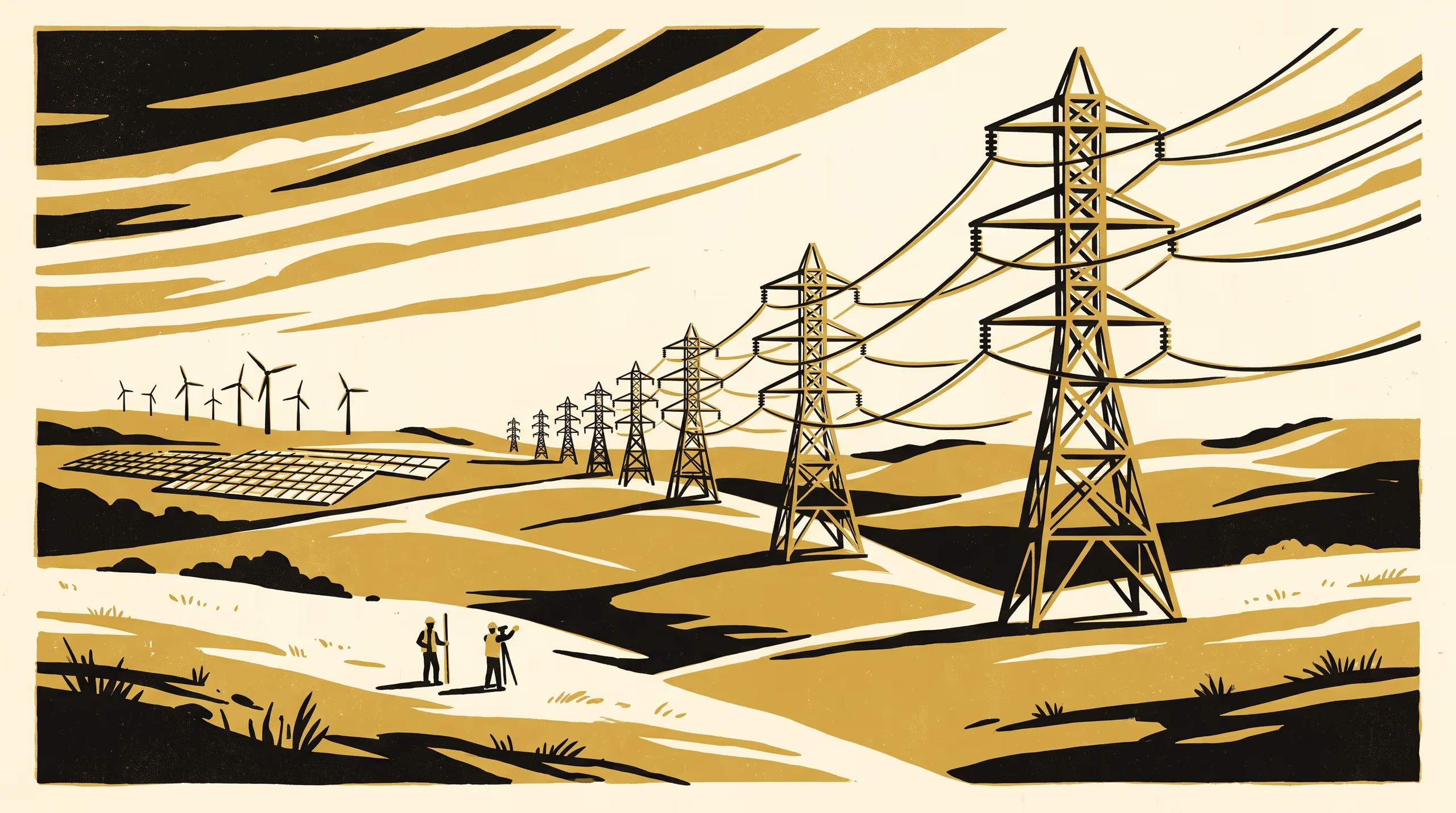
A research-showcase brochure led by the School of Emergent Priorities presents the University's work on the sequencing of the energy transition and points readers to eight published studies.