Research-led, metrics-forward, and continuously improving. News from the Office of Research Outputs.
2 November 2026
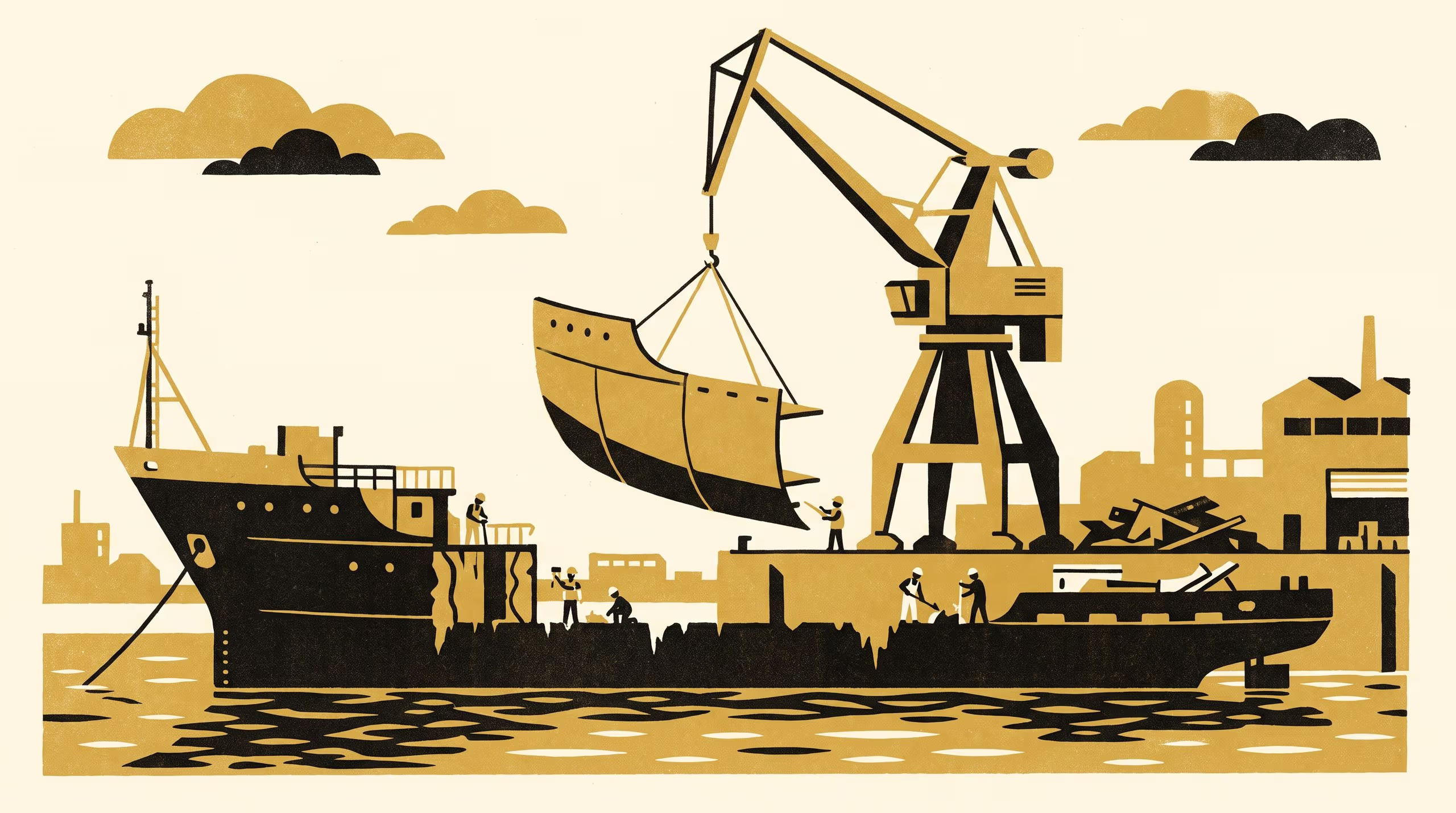
Dr Anneke Tolan, Associate Professor Casimir Beng and Dr Bram Ntuli read a ship-recycling cutting plan as seventeen loading conditions and find the order of the cuts decides how close the water comes.
A research poster from the School of Underlying Conditions reads 412 short-story typescripts submitted to an island broadcaster's story programme and follows the scene in which a kept secret becomes common knowledge.
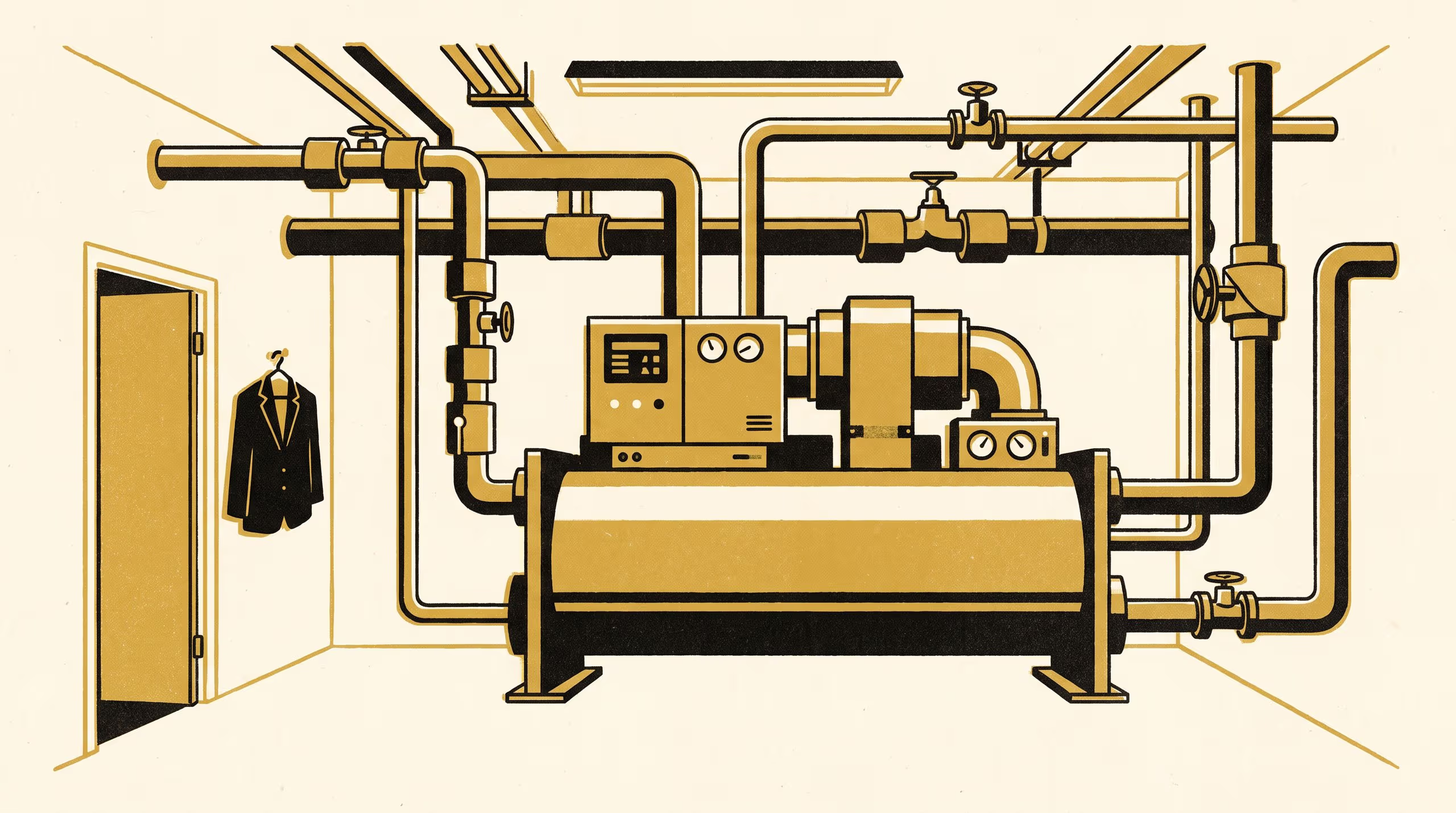
A new research poster from the School of Continuous Improvement finds that the meeting rooms where jackets go back on decide how much cooling energy a jacket-optional summer actually saves.
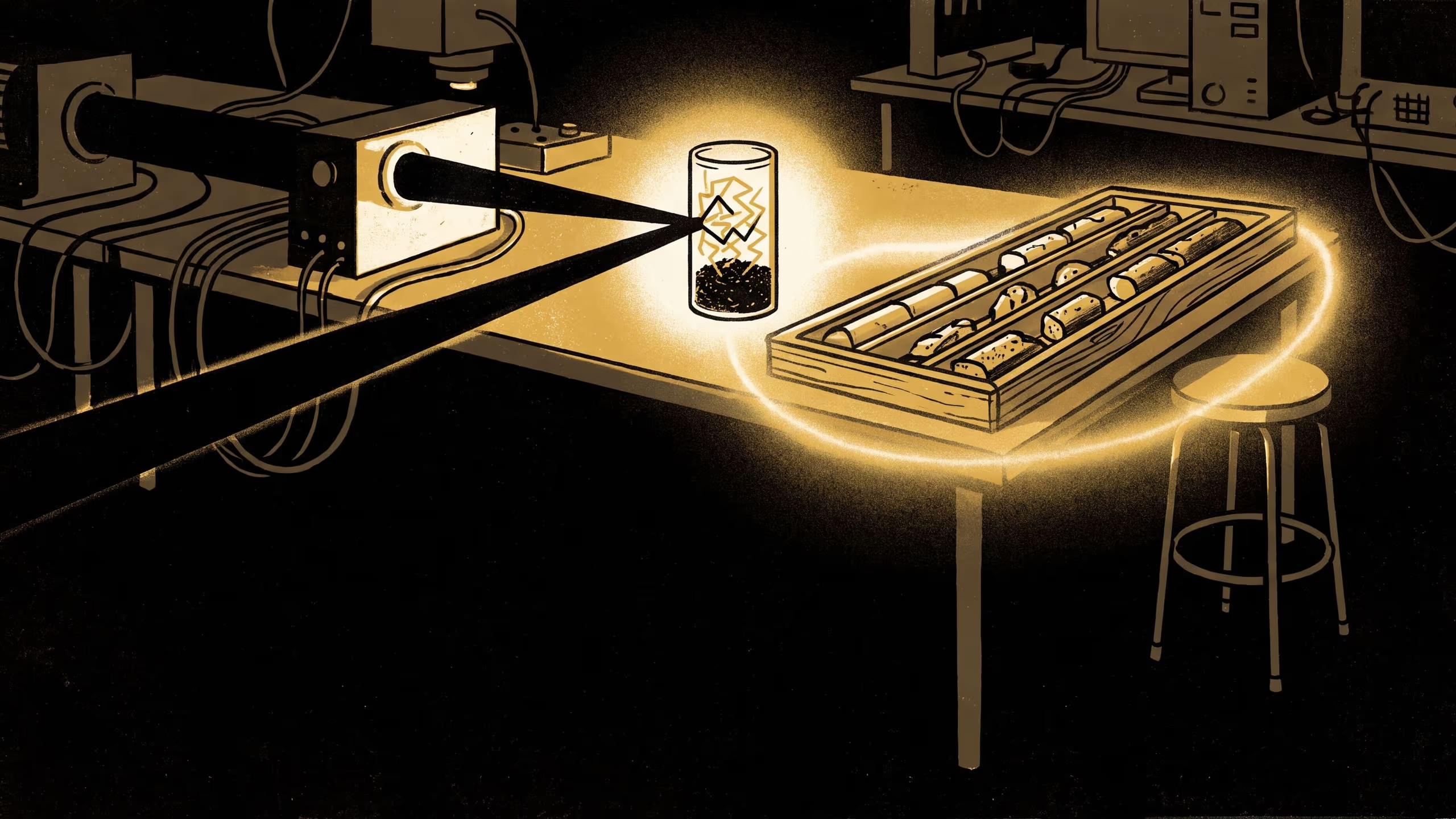
A new campaign for the University's landscape screens presents the School of Underlying Conditions' work on light that scatters so often inside a prepared sample that it begins to lase.
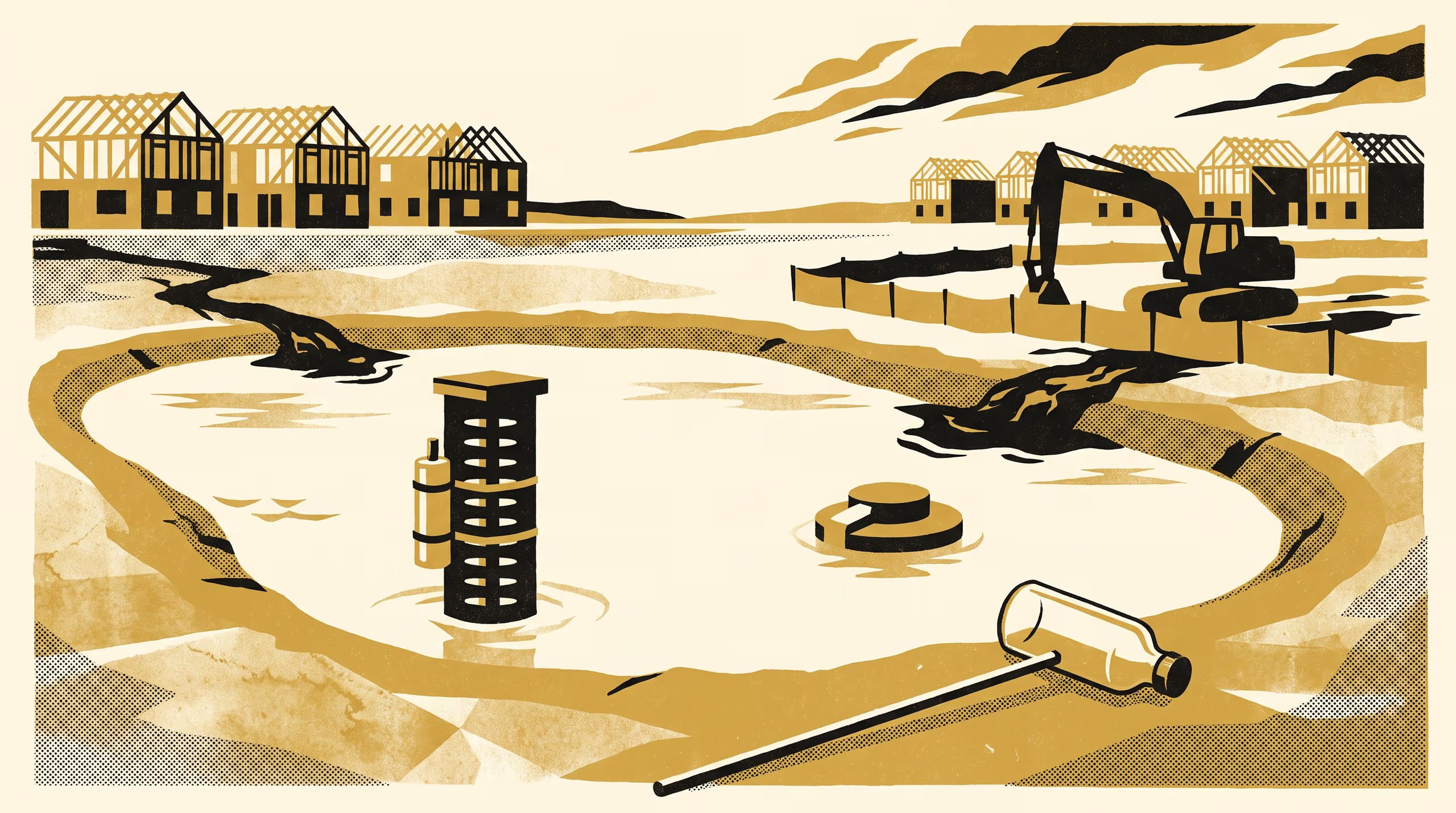
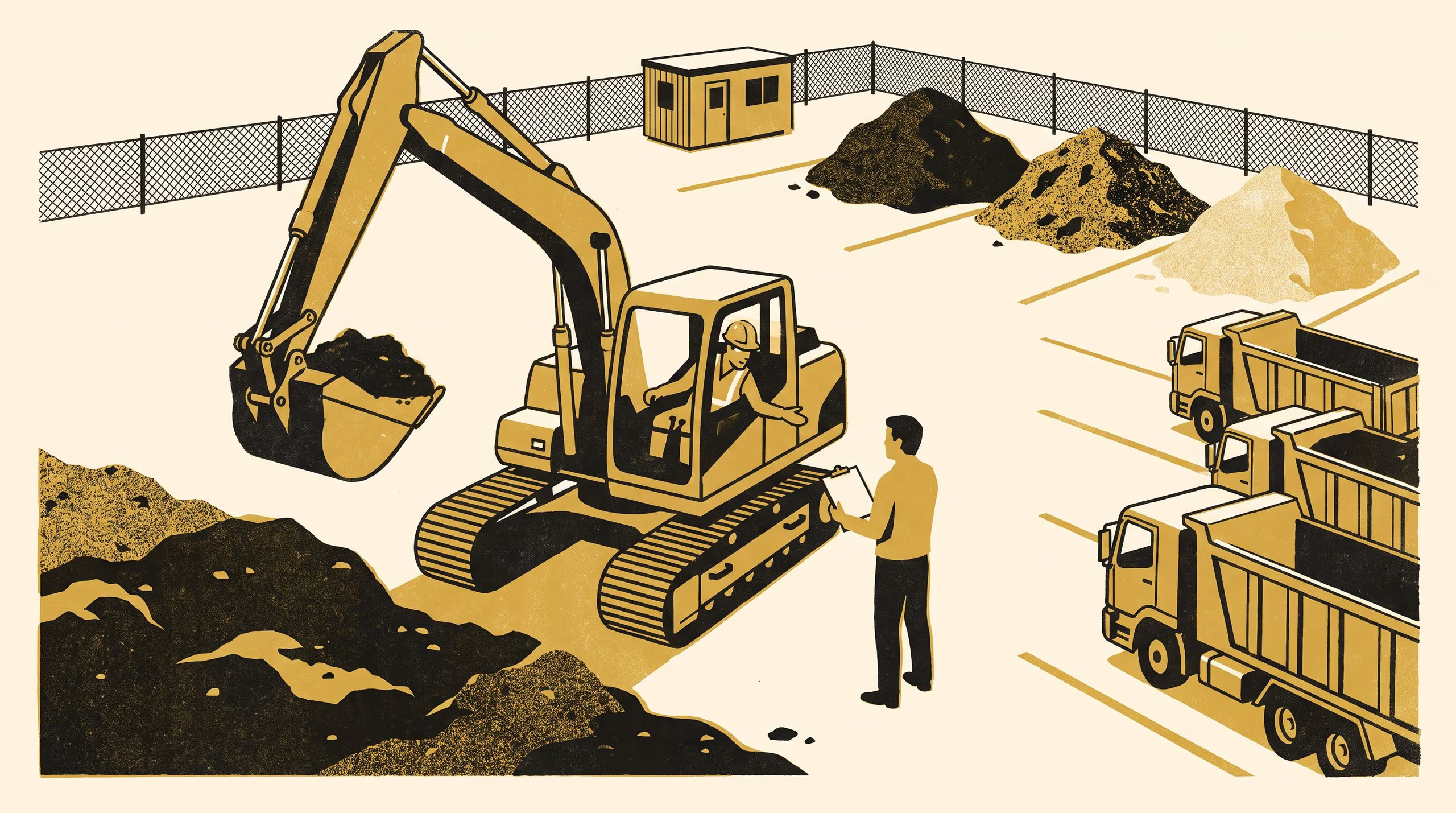
A paper from the School of Underlying Conditions replays six grab-sample timing rules on continuous outlet records from nine construction sediment basins, and finds the choice of rule moves a site's reported turbidity about three times as much as the choice of basin.
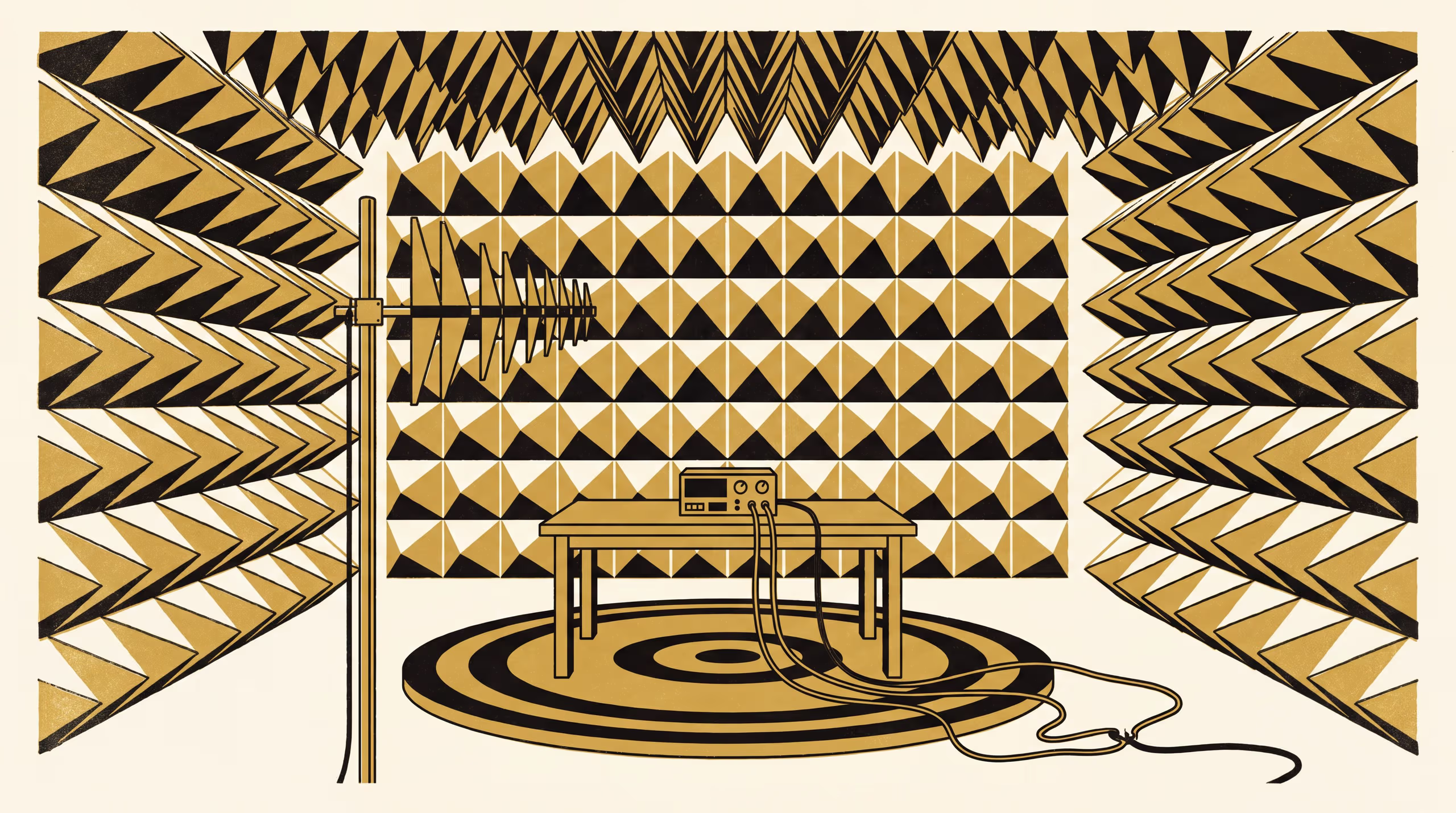
Eivind Onwuka and Associate Professor Casimir Beng find that where an operator lays the cables can decide whether an electronic unit passes its emissions test.
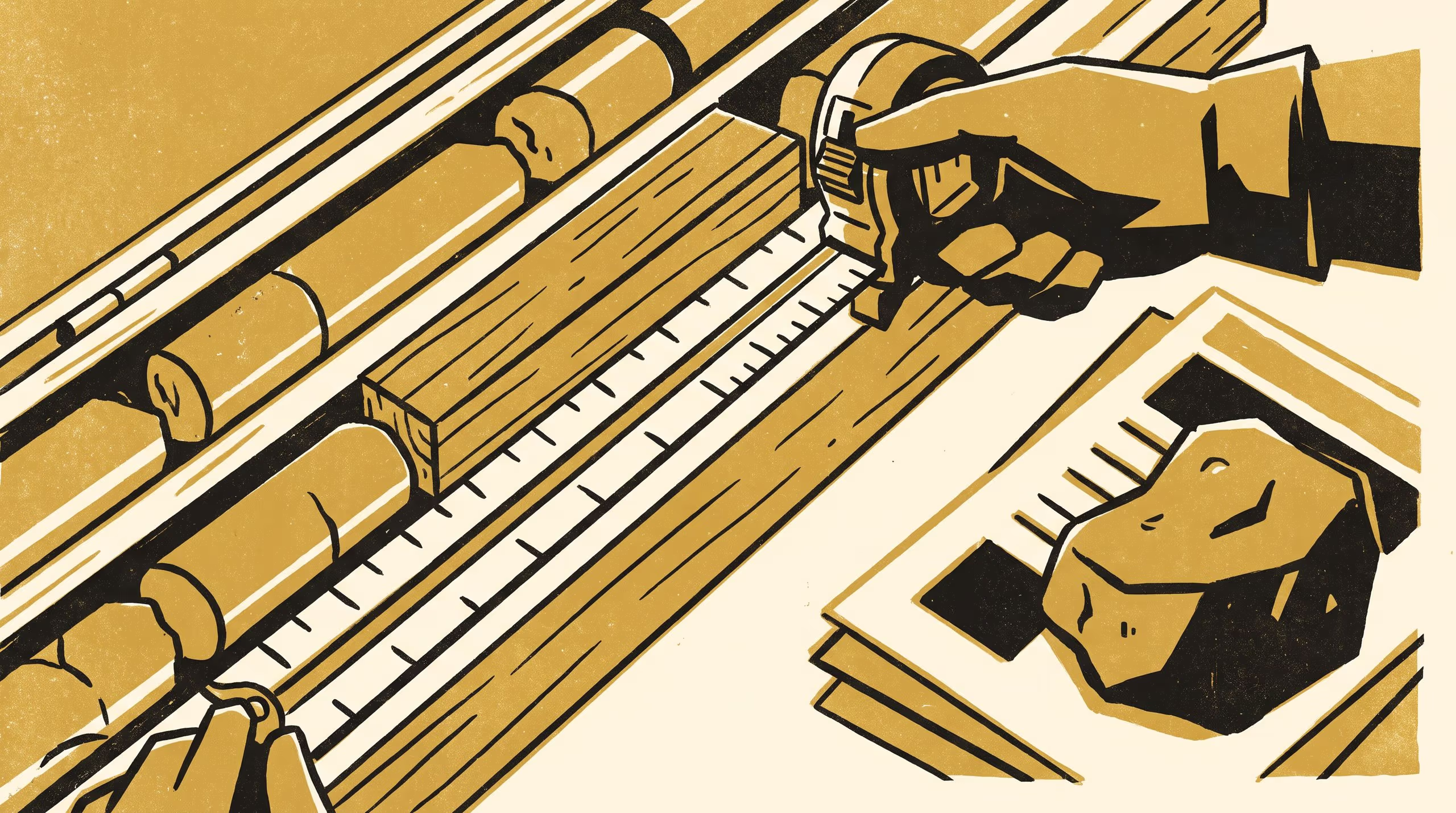
A research poster from the School of Underlying Conditions reads one exploration drilling contract word by word and finds that its payment terms rest on a word it never defines.
A research poster from the School of Underlying Conditions traces how a remediation project's working vocabulary for coal-tar-impacted soil was settled at the excavation face before the site meeting minutes recorded it.
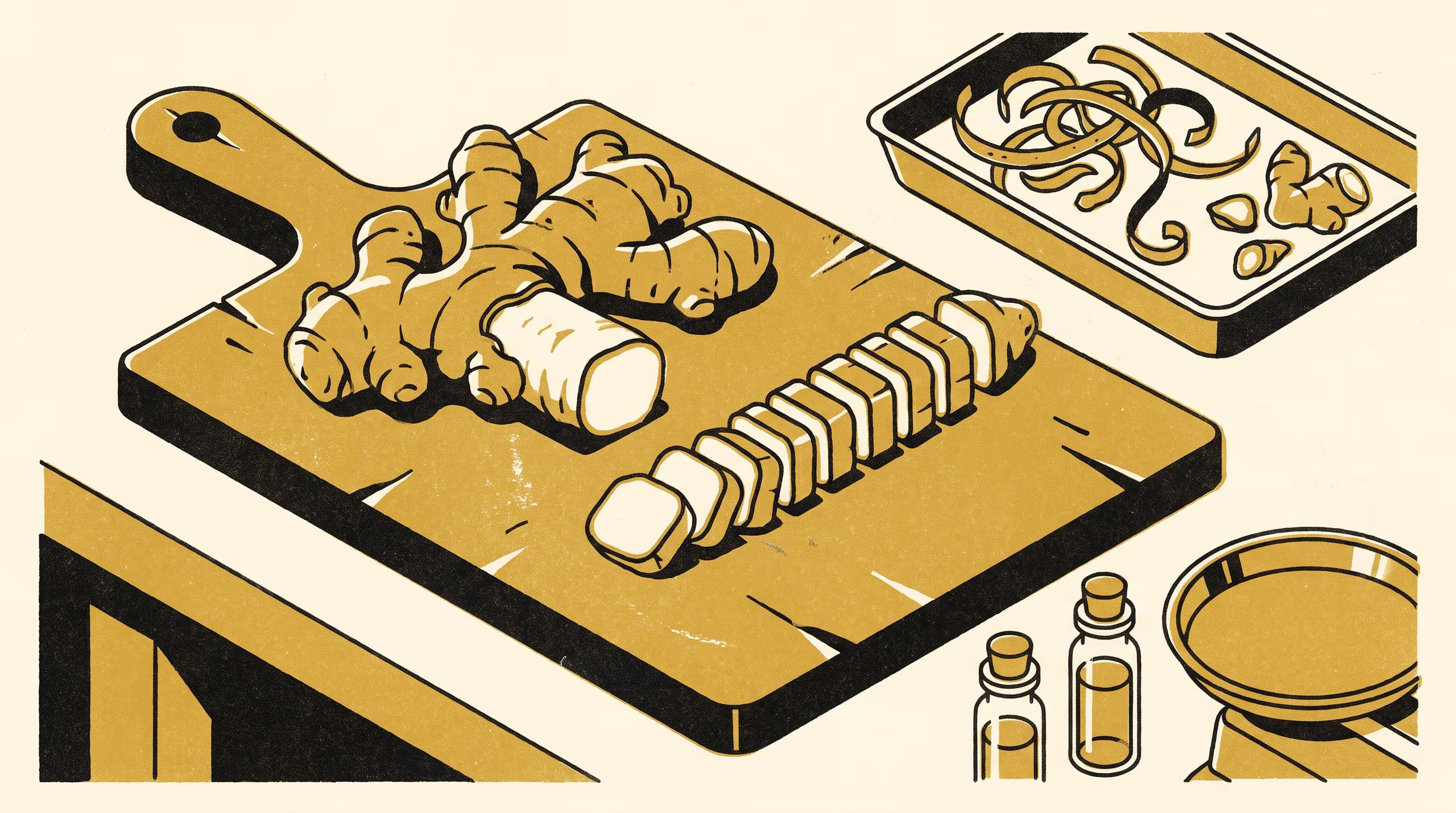
A paper from the School of Underlying Conditions finds that a ginger processing bench's routine 6-gingerol sample lands close to the true figure for a lot only because two of its exclusions err in opposite directions.
Dr Marit Osayande, Dr Mirela Hanke and Associate Professor Ragnhild Uzoma find that a public keypad keeps a closer record of reading than of pressing.
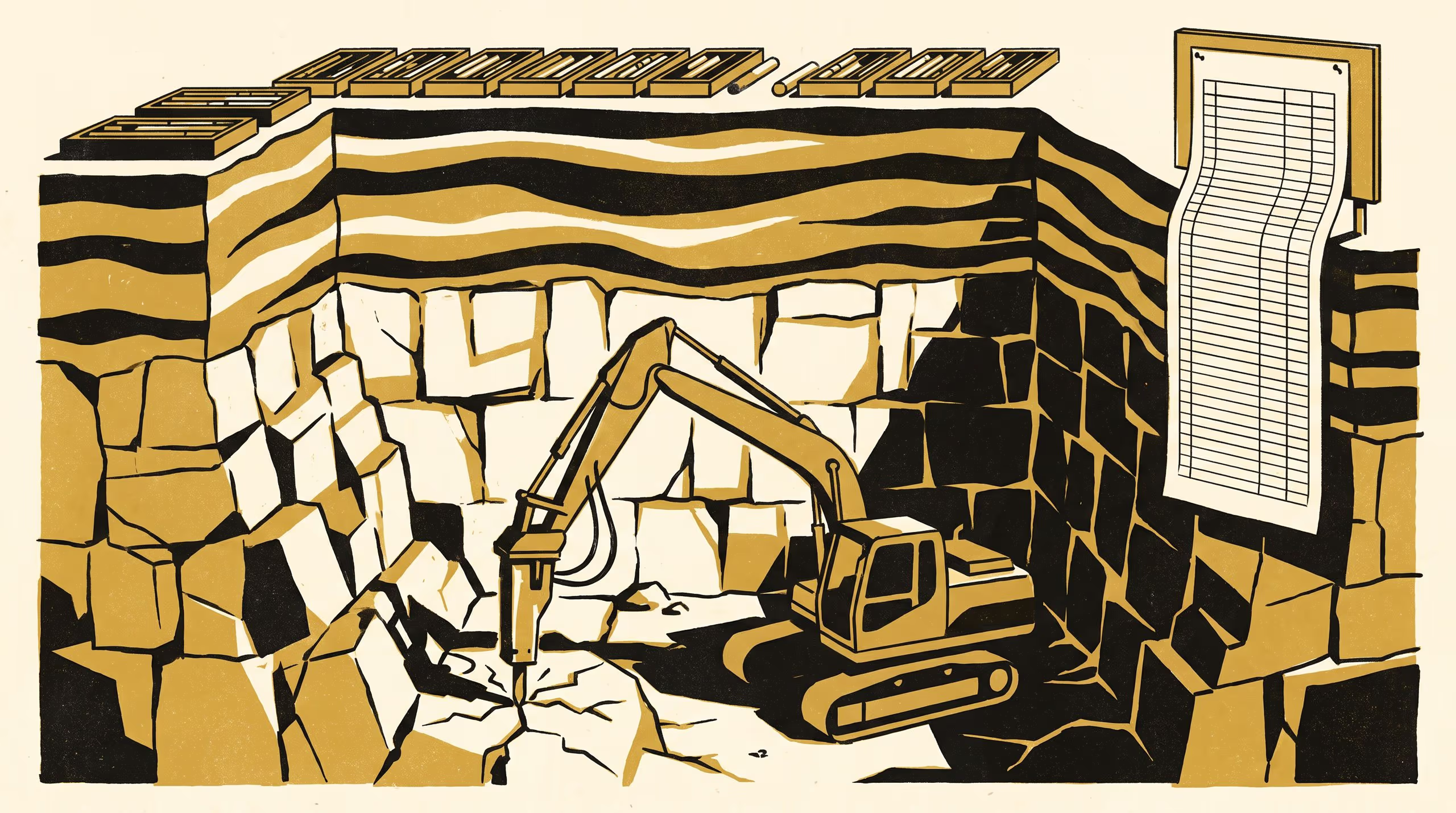
A paper from the School of Underlying Conditions models how the rock quantity printed in a basement-excavation bill steers tenderers' unit rates, and finds that it moves the tender sum far more than the final account.
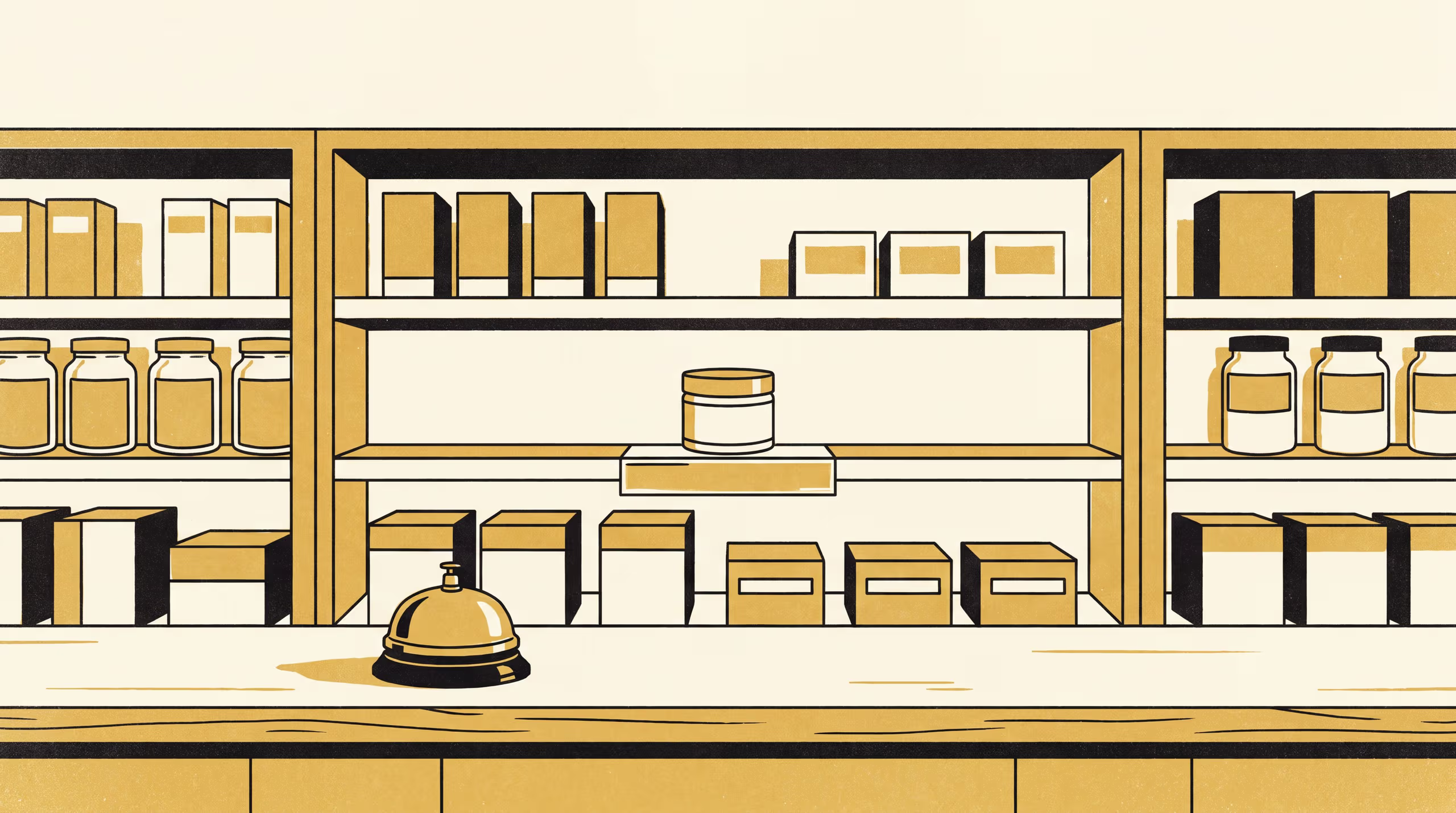
A research poster from the School of Continuous Improvement notes an appeal decision that found the same barrier cream a medicine behind the dispensing counter and a cosmetic beside the till, and reads the ruling narrowly.