Research-led, metrics-forward, and continuously improving. News from the Office of Research Outputs.
6 November 2026
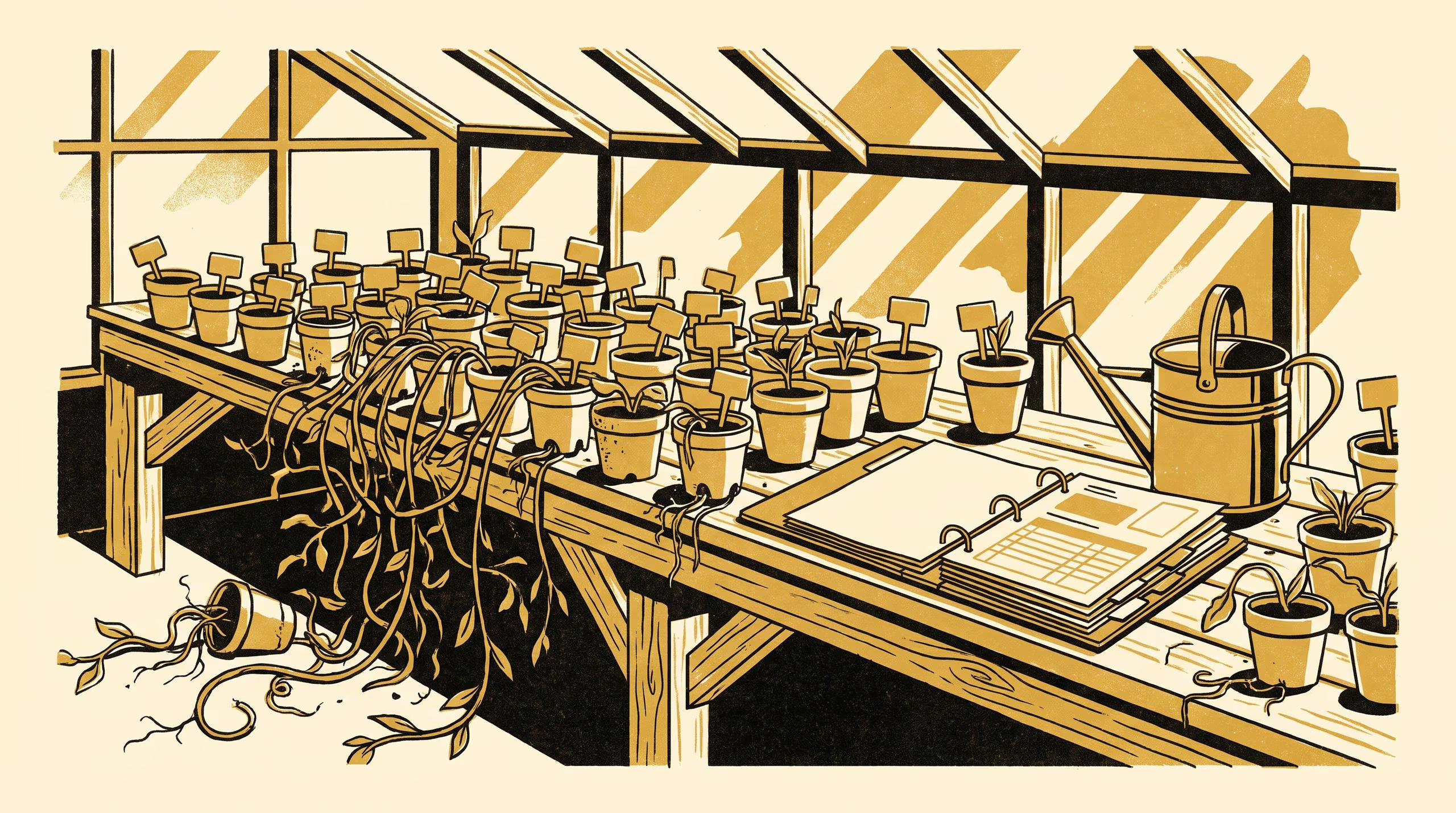
A new essay from the School of Continuous Improvement reads the Frequently Asked Questions that accompany organisational change as a catechism with its parts reversed.
A new poster from the School of Continuous Improvement reads a teaching laboratory's settings files against the units in force when each one was written.
The School of Emergent Priorities has appointed Dr Lindiwe Achterberg Deputy Director of the Trajectory Analytics Group, confirming a position first set up as a trial arrangement.
The School of Emergent Priorities awards Associate Professor Ragnhild Uzoma and Ms Hedvig Anyanwu $528,163 under the Anticipatory Capability Fund to prepare, ahead of an audit, the entries for documents a client will not supply.
A new case for support from the School of Underlying Conditions sets out the University's research on field margins and invites partners to take part.
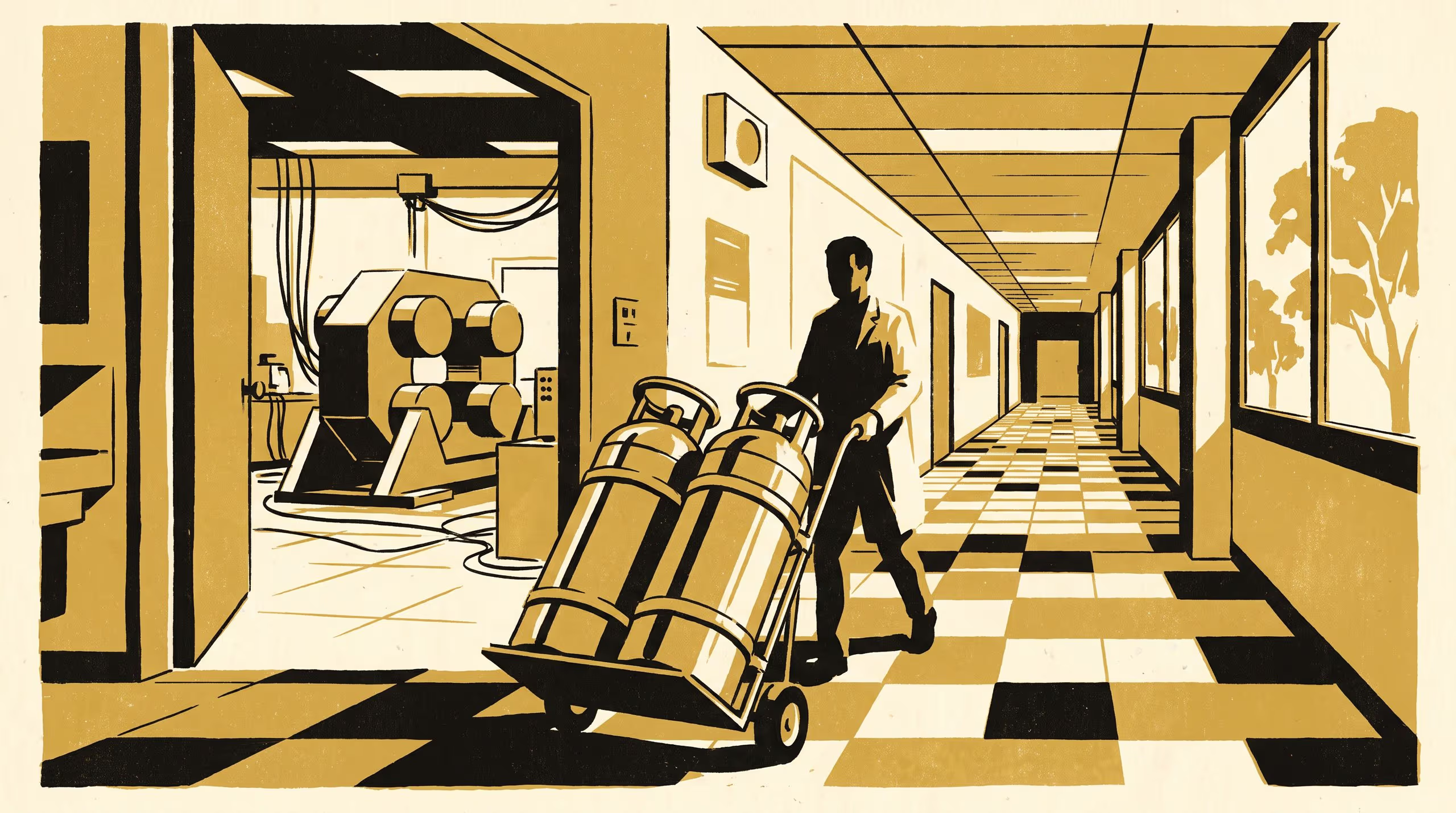
A new research poster from the School of Emergent Priorities follows a shared spectrometer facility's provisional helium delivery day through three decades of logs and the recollections of the people who worked around it.
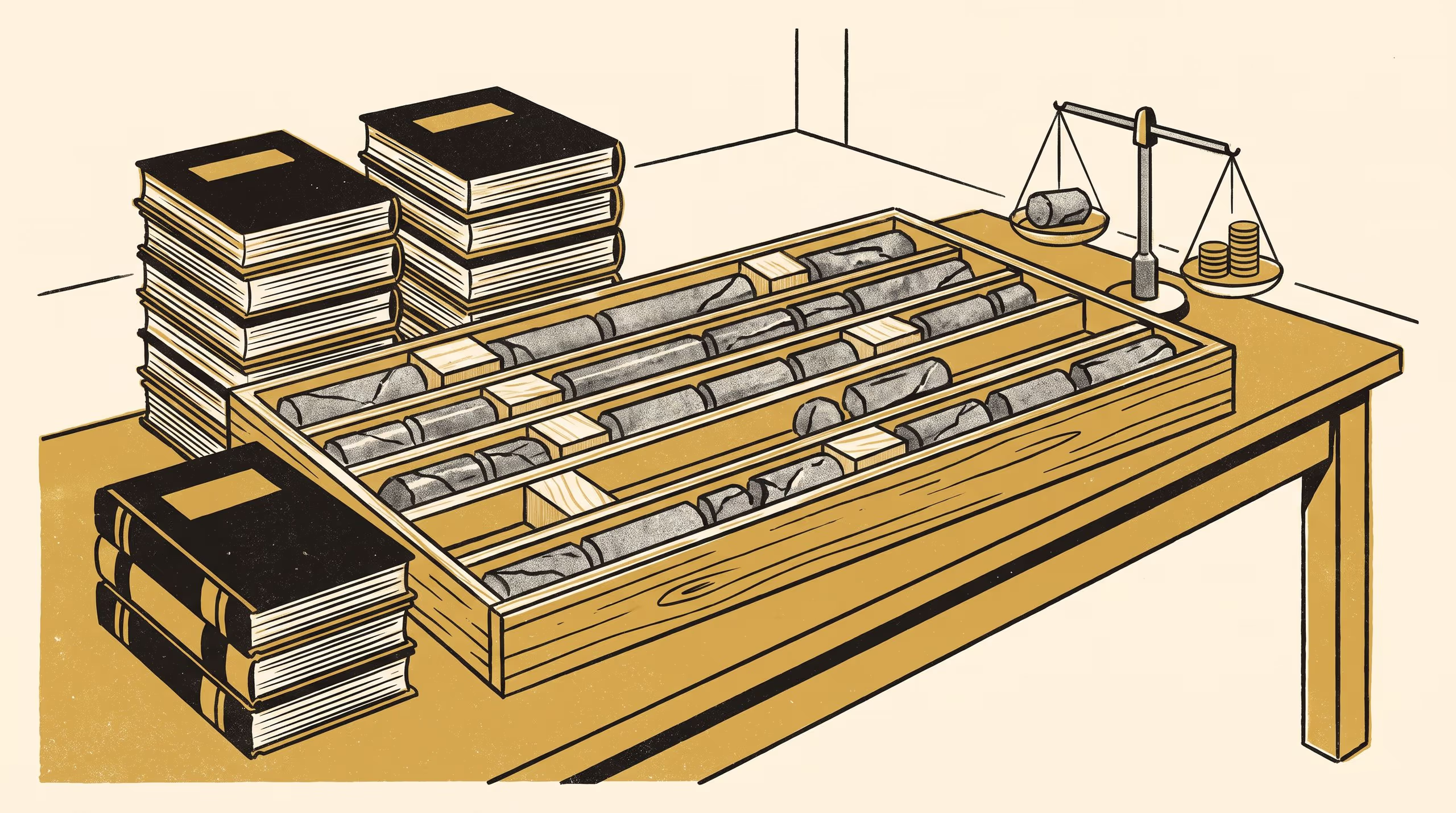
A new paper from the School of Underlying Conditions follows the missing intervals of an expropriated copper prospect's drill programme through the quantum of an arbitral award, and finds each lost metre carried a different price under every valuation basis the tribunal considered.
A new research poster from the School of Continuous Improvement compares two ways of presenting the same random auction close, and finds that the picture moves bidders sooner than the sentence.
A new research poster from the School of Underlying Conditions reads closed audit files for the documents a client was asked for and never supplied, and finds them gathering in the last fortnight before balance date.
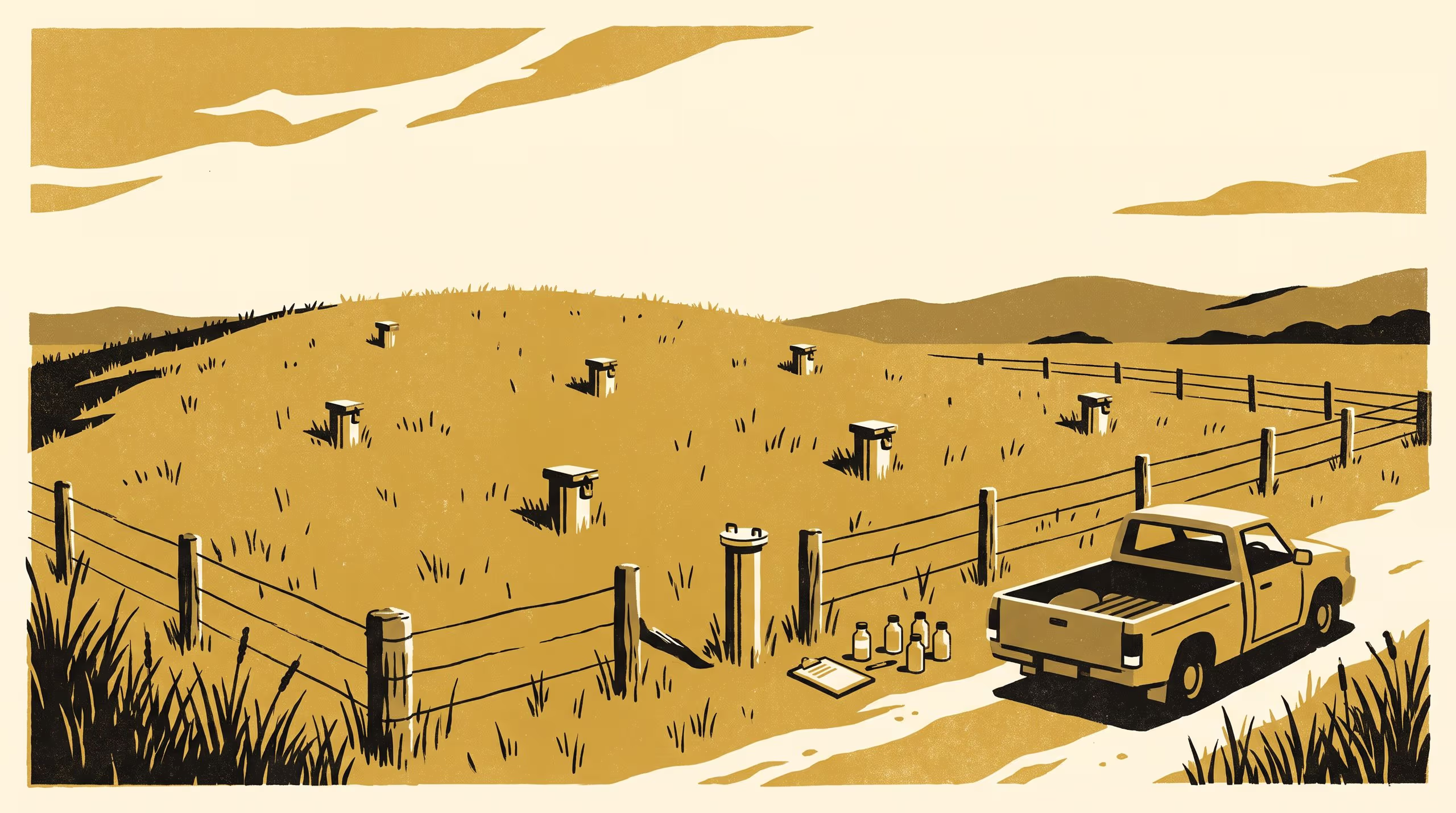
A new paper from the School of Underlying Conditions reconstructs what one provincial council spent on monitoring the groundwater beneath its tip, and which account carried the cost before and after the gate was locked.
A new paper finds that a small change to a teaching-laboratory procedure reshaped how undergraduate chemists explain the product they did not recover.
A new paper from the Schools of Emergent Priorities and Underlying Conditions follows a conservation studio's handheld XRF analyser and finds most of its readings taken on the backs, undersides and rims of the objects it examines.