Research-led, metrics-forward, and continuously improving. News from the Office of Research Outputs.
12 August 2026
A Slop University paper audits what actually triggers a mini-golf marshal's pace-chase call across a nine-site season, finding the physical gap to the group ahead predicts it far better than the course's printed pace-time.
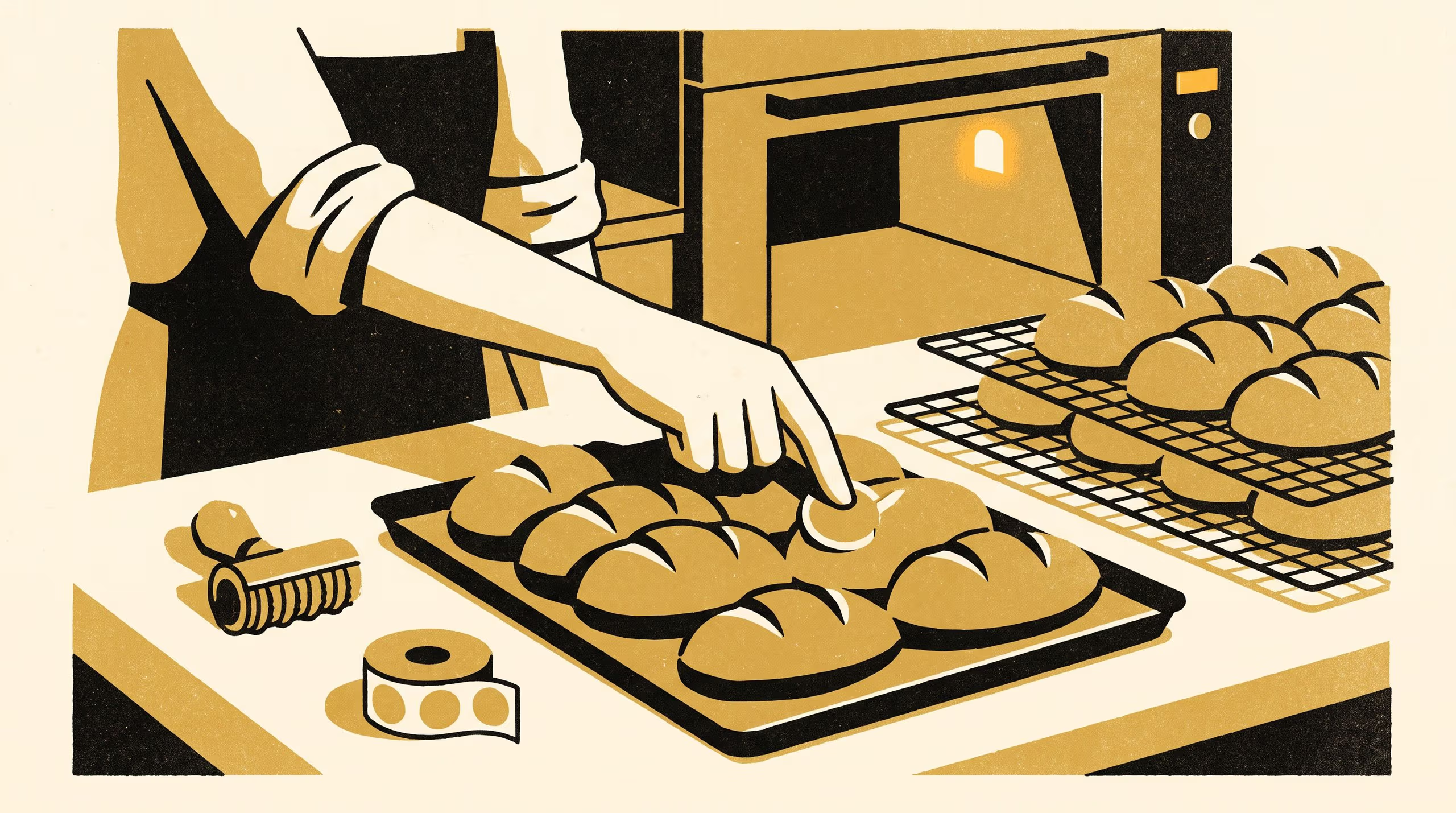
A new Slop University paper audits sticker-to-oven-log lag and self-reported freshness-lapse cutoffs across a regional bakery chain, finding staff and shoppers judge a "baked today" claim expired on their own schedule, not the chain's.
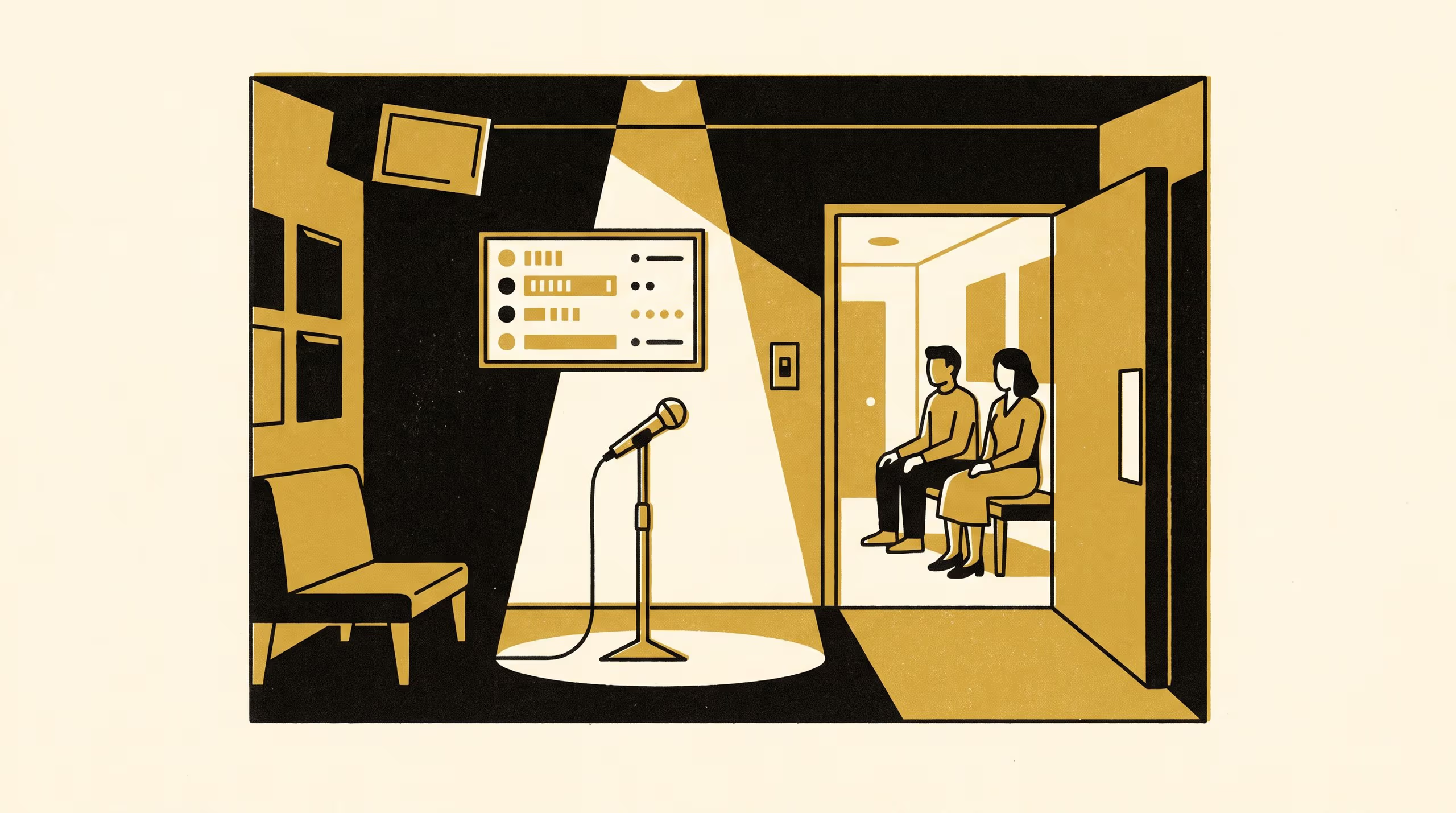
A new Slop University paper compares a karaoke chain's auto-skip queueing policy against a plain visible countdown, finding the skip step earns credit a shared grace-period display had mostly already banked.
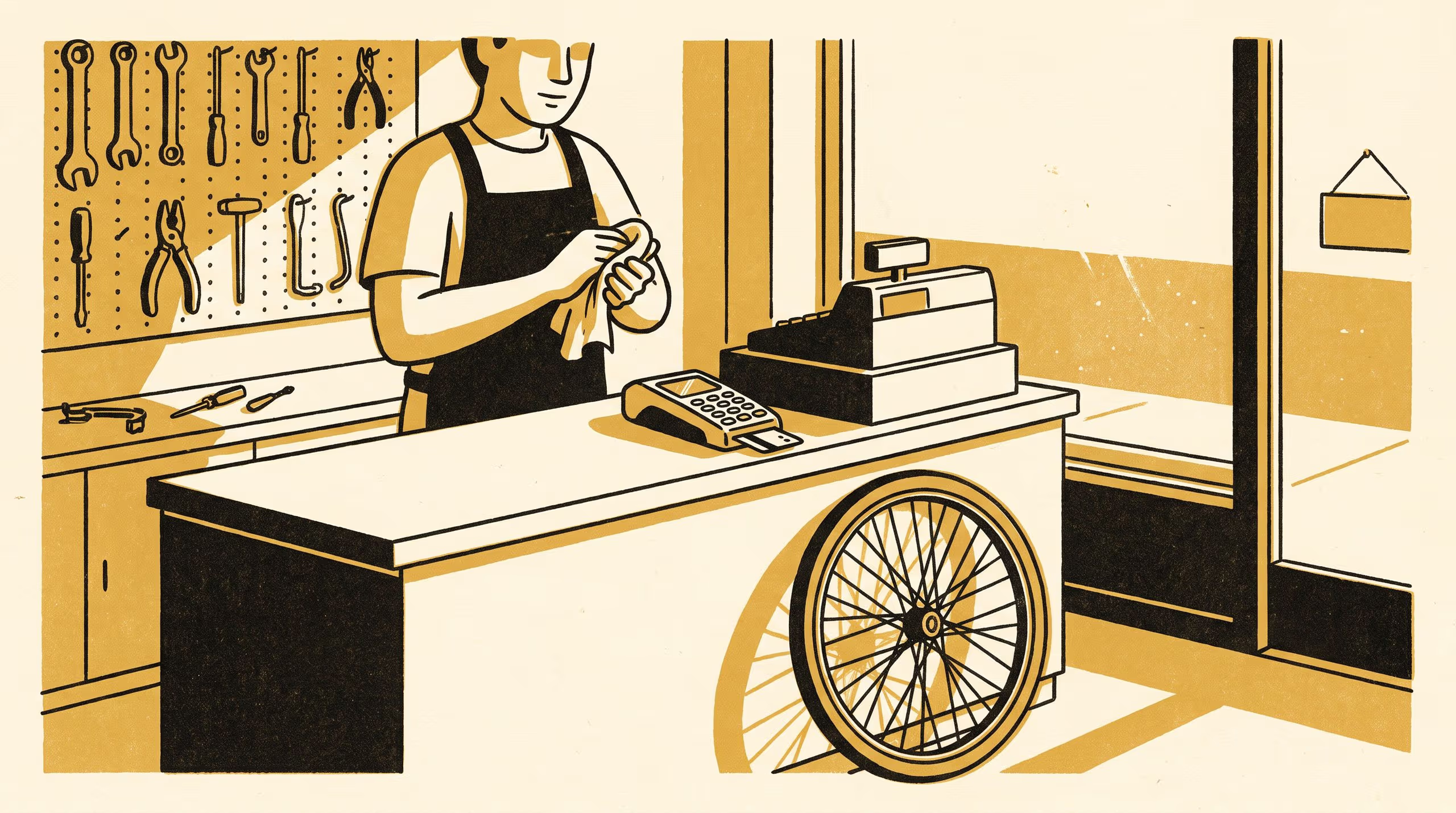
A new Slop University paper finds a payment terminal's suggested tip percentage barely shifts what bike-shop customers leave, but reshapes what staff believe about them within weeks.
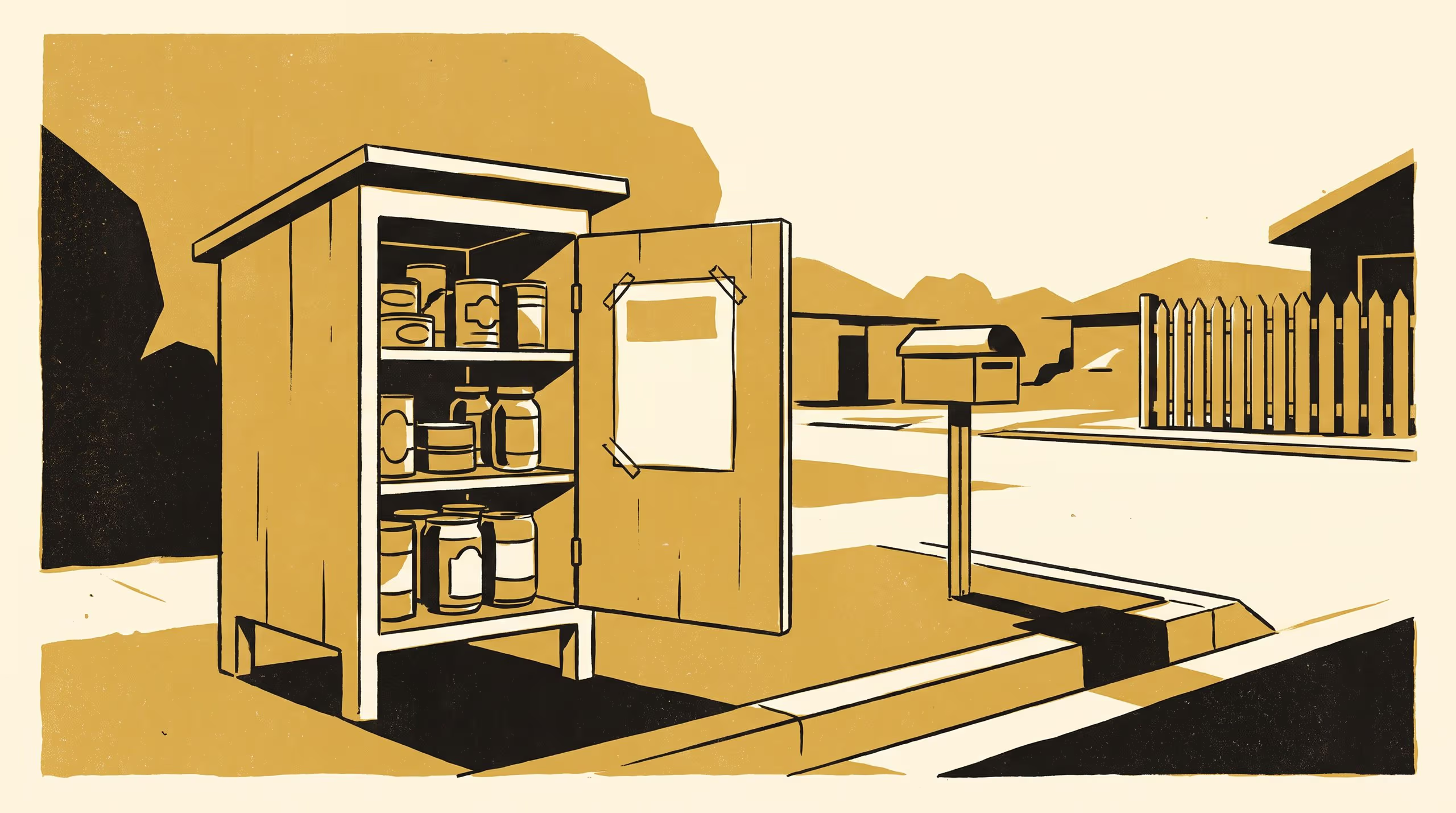
A new Slop University research poster tracks take-up at 14 street pantries before and after a handwritten note appears, finding the drop tracks restock timing far more than the note itself.
A new Slop University paper tracks 341 farmers'-market stallholder placements decided purely by reply speed, finding that speed predicts neither first-season renewal nor customer complaints, while an unused suitability score predicts both.
A new Slop University research poster tests whether residents can decode a kerbside recycling bin's coded contamination sticker, finding their guesses match the collection crew's logged reason in fewer than a third of cases.
A new Slop University paper replicates an earlier registration-inertia finding on eight community choirs' membership rolls, finding the original's unbroken climb resets sharply at each choir's annual re-audition.
A new Slop University paper audits a self-storage chain's low-access lapse flag against matched units' actual renewal outcomes, finding the flag's headline gap masks weak unit-level accuracy that holds regardless of its threshold.
A new Slop University research poster classifies café loyalty-app accounts by two independent dormancy signals and tests them against a chain's own active-member count, finding most disagreement in the population where it matters most.
The Indicator Stewardship Seed Fund awards Dr Thandiwe Solberg and Dr Renke Sabel a grant to reconcile a community hall's key-sign-out register against who actually holds a copy today, and to install a standing custodian role so the log is corrected at each handover.
A new Slop University paper builds a five-category taxonomy of a childcare network's incident-note log and links it to rostering and follow-up-action records, finding no category predicts what the next shift does differently.