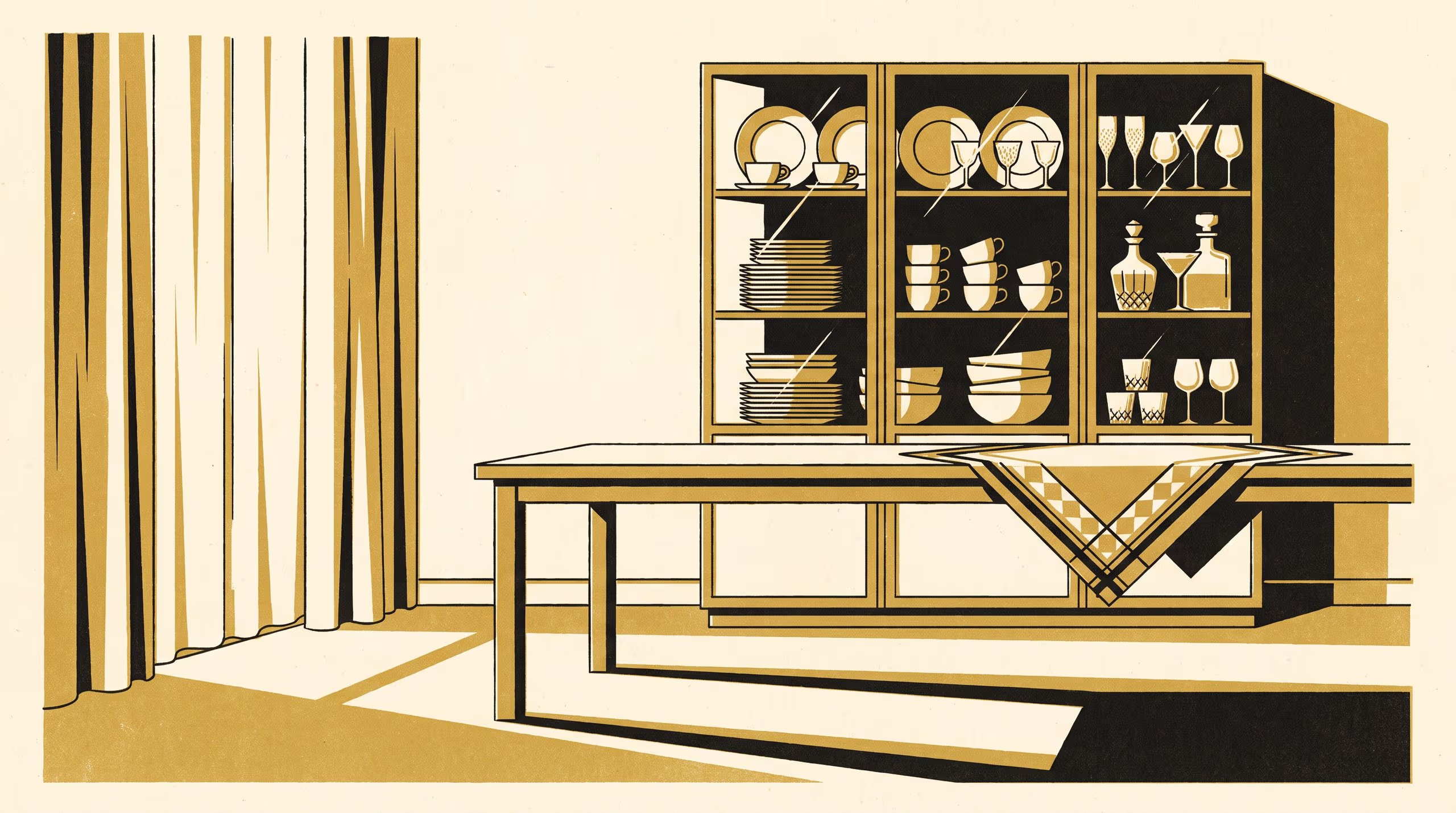
A School of Emergent Priorities research poster inventories 2,904 household effects held for best and finds that only 4.1 per cent of logged occasions were ruled worthy of them, while each year of non-use raises an object's qualifying bar further.
An 18-month diary of 341 households finds the bar for using the best things rises with every year they go unused
For eighteen months, 341 households kept a diary of every event that might have justified the good china, then convened to rule on each one. A research poster from the School of Emergent Priorities, released today, reports the verdicts: of 5,118 candidate occasions, 4.1 per cent were ruled worthy of the reserve, and most of those were deferred anyway.
Counting the Good China, by Dr Runa Adegoke, Dr Iben Chikere and Dr Lindiwe Achterberg, inventories 2,904 household effects held for best — the china, the guest towels, the scissors nobody may use — and asks each object’s custodian what occasion would finally qualify. The answer moves: each year an object goes unused raises its elicited threshold, and the fine china’s median bar now sits above the most formal occasion any household recorded. The work carries the School’s stated-versus-enacted agenda into the china cabinet, treating the gap between a designation and a dinner as data rather than delay.
No one we spoke to could say when the china would next be used, and no one considered this a problem. That difference of opinion between an object and its owners is exactly where the School likes to work.
— Dr Runa Adegoke, Senior Lecturer and Convenor, Strategic Drift Survey
The study crosses a full-cupboard inventory with a prospective occasion diary, consolidating elicited thresholds, minuted rulings and bequest histories into a single account of the household reserve. A follow-up trial, in which one logged occasion per household is pre-ruled eligible, is in design.
The full poster is available from the University’s research repository under an open licence, doi:10.5555/slop.dy3i86.