Research-led, metrics-forward, and continuously improving. News from the Office of Research Outputs.
12 October 2026
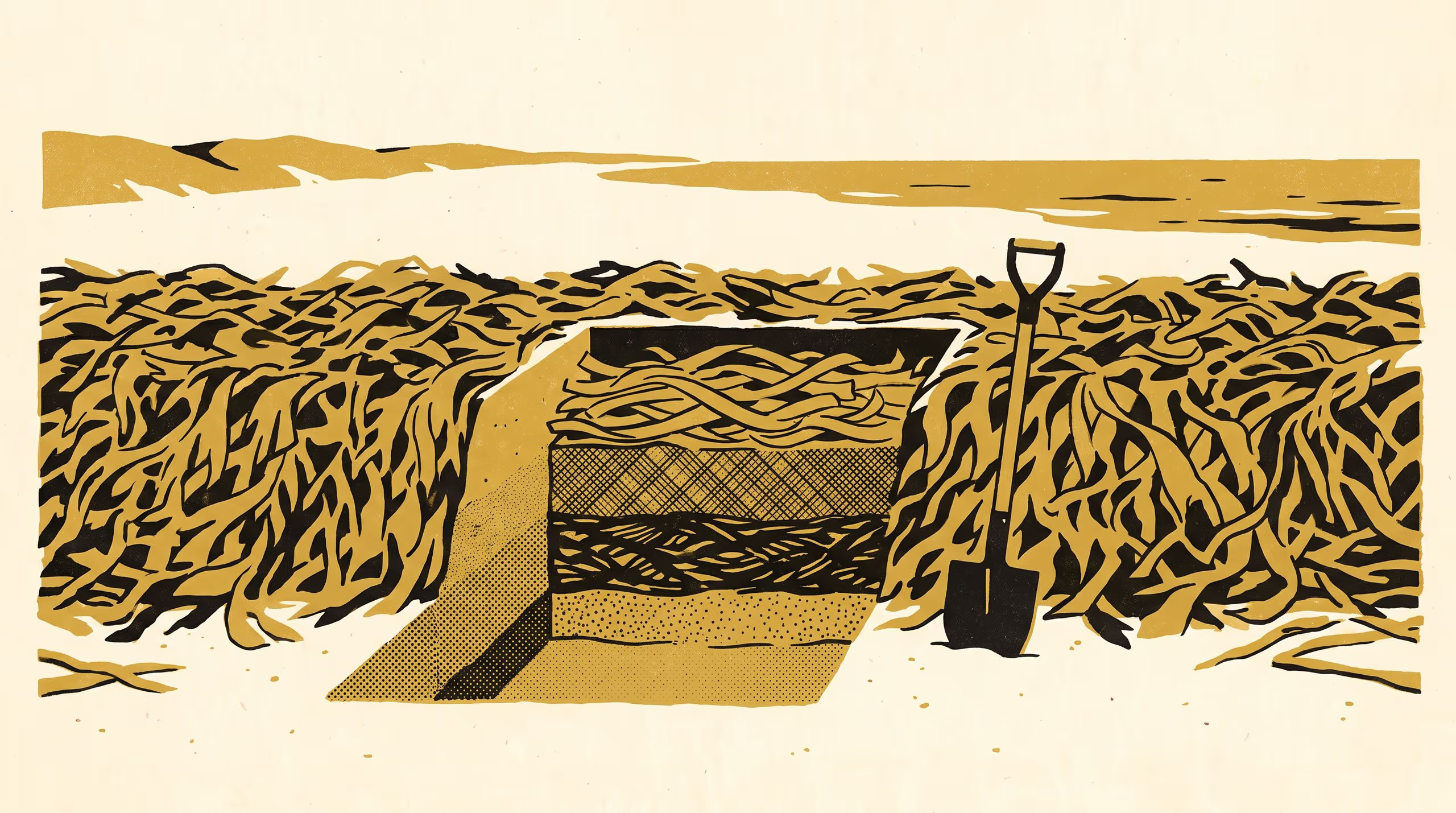
A paper from the School of Underlying Conditions applies soil profile description to a bank of stranded kelp and reports how two of its extractable compounds change down the pit face.
A portrait poster for the University's screens announces the School of Underlying Conditions' part in Open Day, hosted by Associate Professor Ragnhild Uzoma, with the core shed and its recovery ledger on show.
A research poster from the School of Underlying Conditions pumps a field of monitoring bores one at a time to check a statistical model of how they are joined, and works out the shortest order in which to do it.
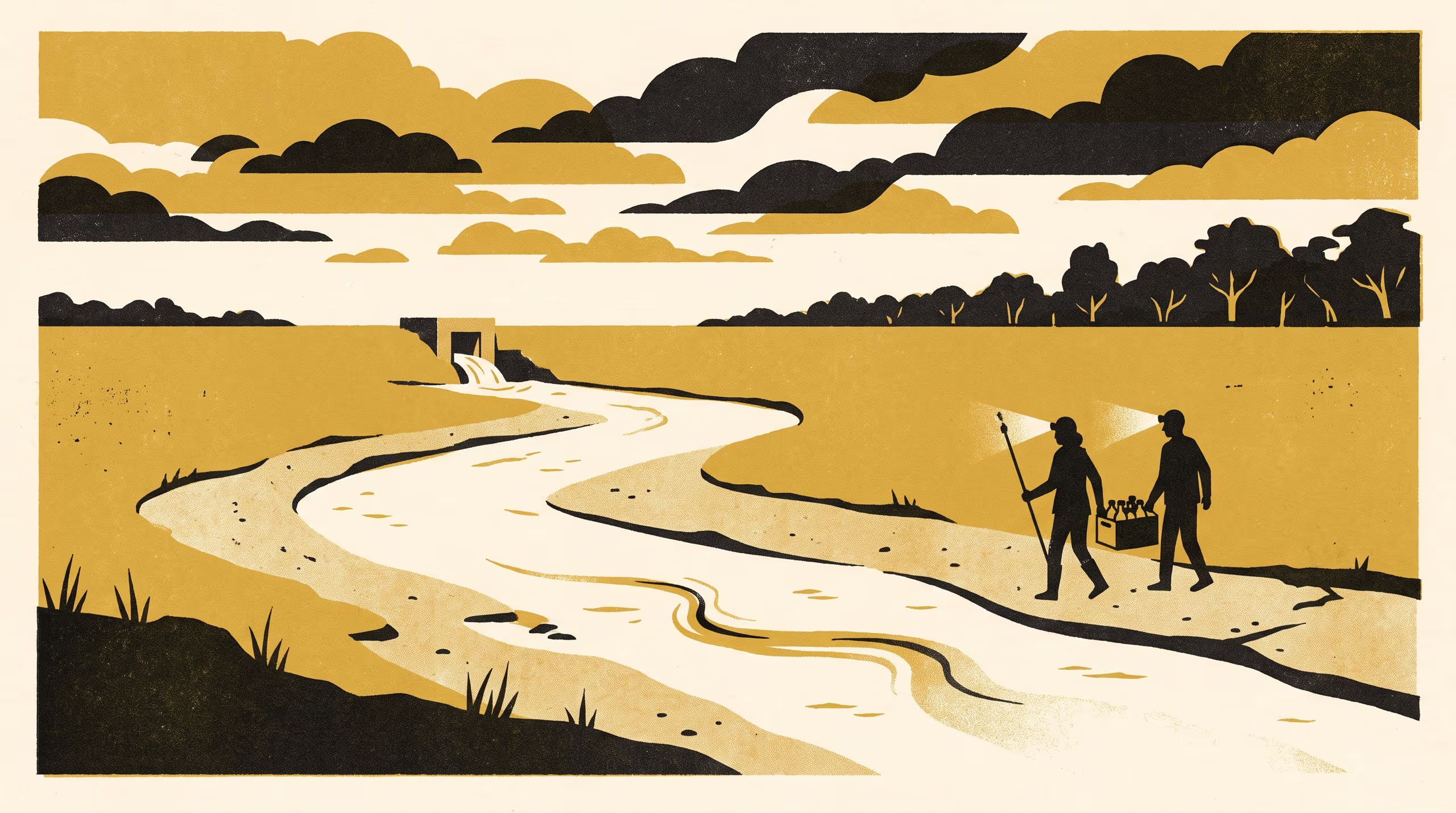
A paper from the School of Emergent Priorities and the School of Underlying Conditions follows treated effluent down a creek by day and by night to separate what sunlight does to pharmaceutical residues from what the streambed does.
A research poster from the School of Emergent Priorities maps where five kinds of hitchhiking mite attach to dung beetles in one grazed paddock, and finds the arrangement holds only on a shared host.
A research poster from the School of Underlying Conditions reports a field trial of sketching a soil pit before describing it, analysed pit by pit.
A research poster from the School of Continuous Improvement catalogues the paintings left unclaimed at one community open studio and finds that the largest group were first attempts at work that went home.
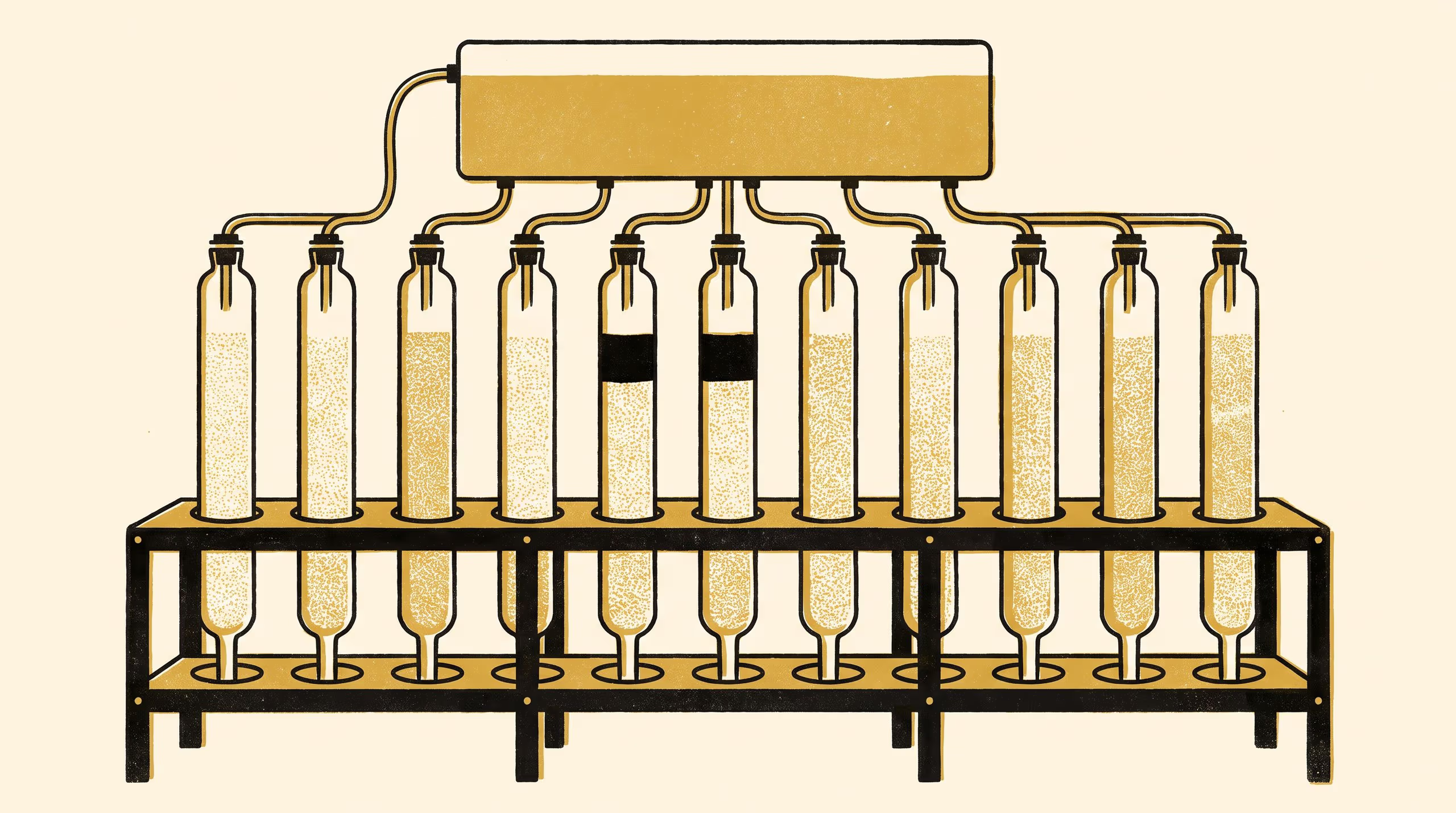
A paper from the School of Underlying Conditions follows six sand columns for seventy days to see where a small quantity of seasoned filter sand does a new bed the most good.
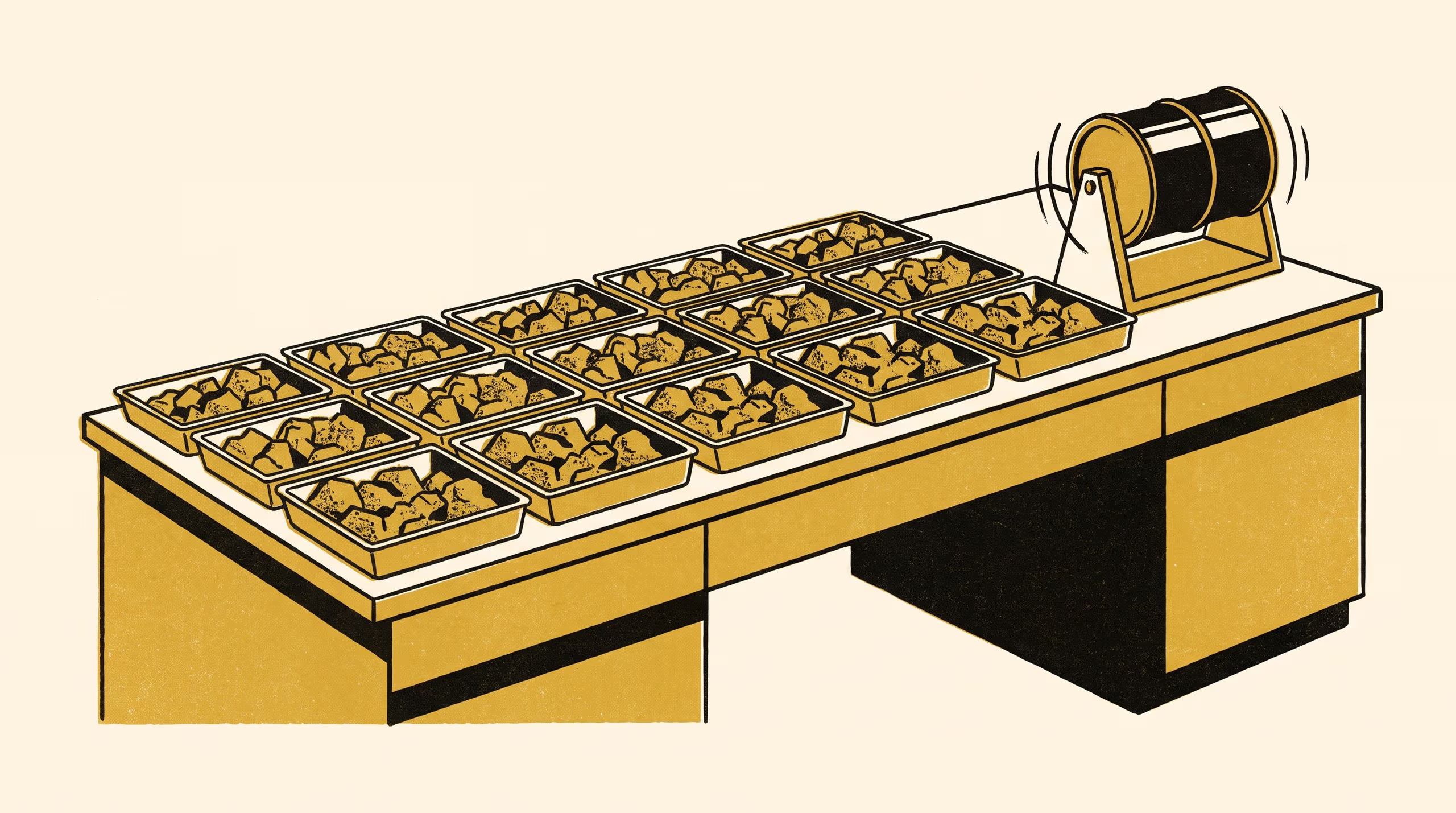
A research poster from the School of Underlying Conditions reports that the coke from a single pilot-oven charge differed more by where in the oven it was made than from one push to the next.
A research poster from the School of Continuous Improvement cuts open one batch of enzyme-carrying silica beads and reports that how deep the enzyme sits matters more to reuse than how much of it there is.
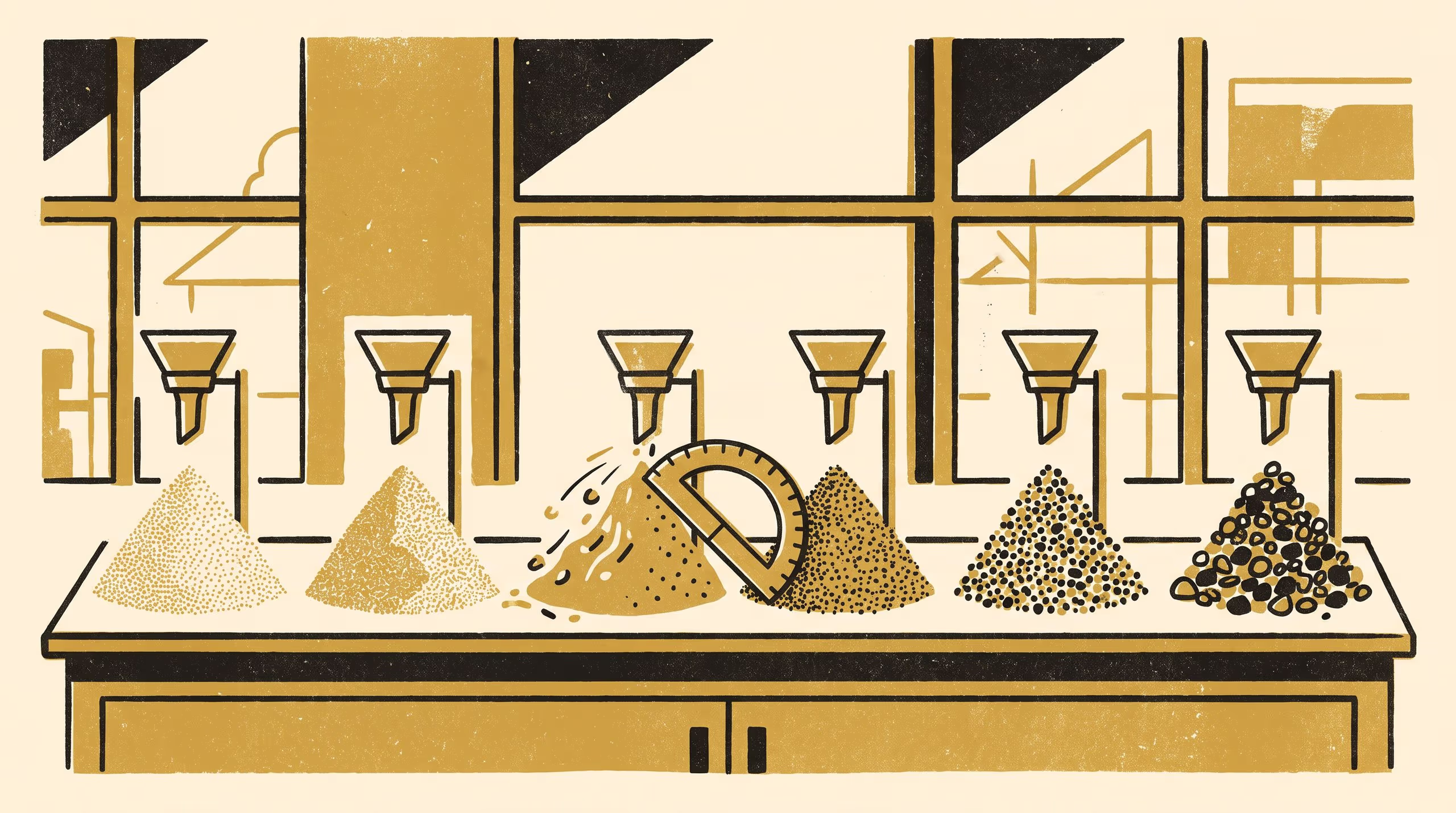
Slop University's newest signage campaign features Dr Brynjar Obiora of the School of Underlying Conditions and the School's interest in the point at which settled grain begins to flow.
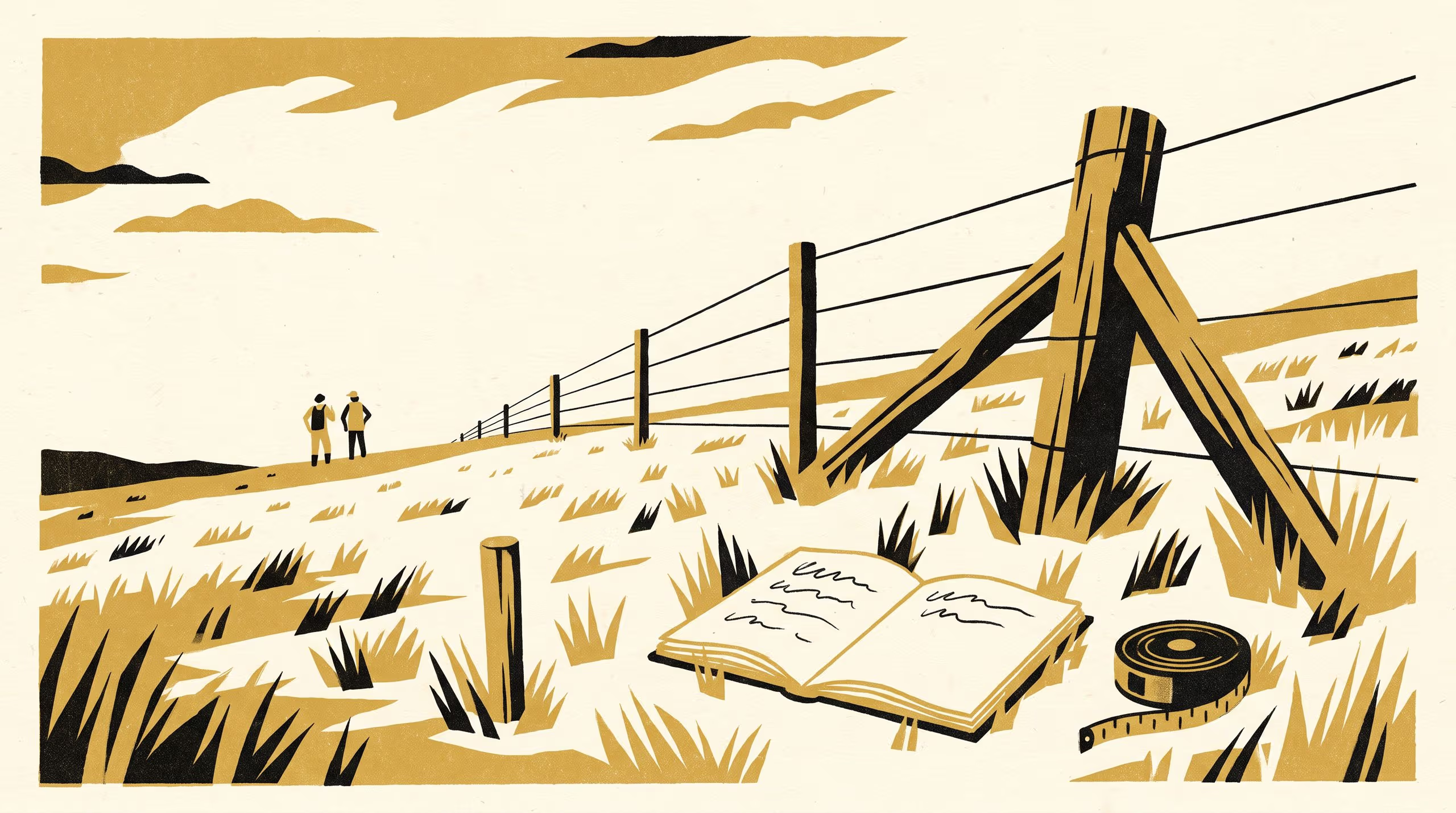
A paper from the School of Underlying Conditions measures how far field teams land from the original sampling points of a soil monitoring network, and what that distance contributes to the change the network reports.