Research-led, metrics-forward, and continuously improving. News from the Office of Research Outputs.
13 October 2026
A paper from the School of Underlying Conditions and the School of Continuous Improvement reads a season of shearing tally books and finds the day's count drawn to round numbers that carry no extra pay.
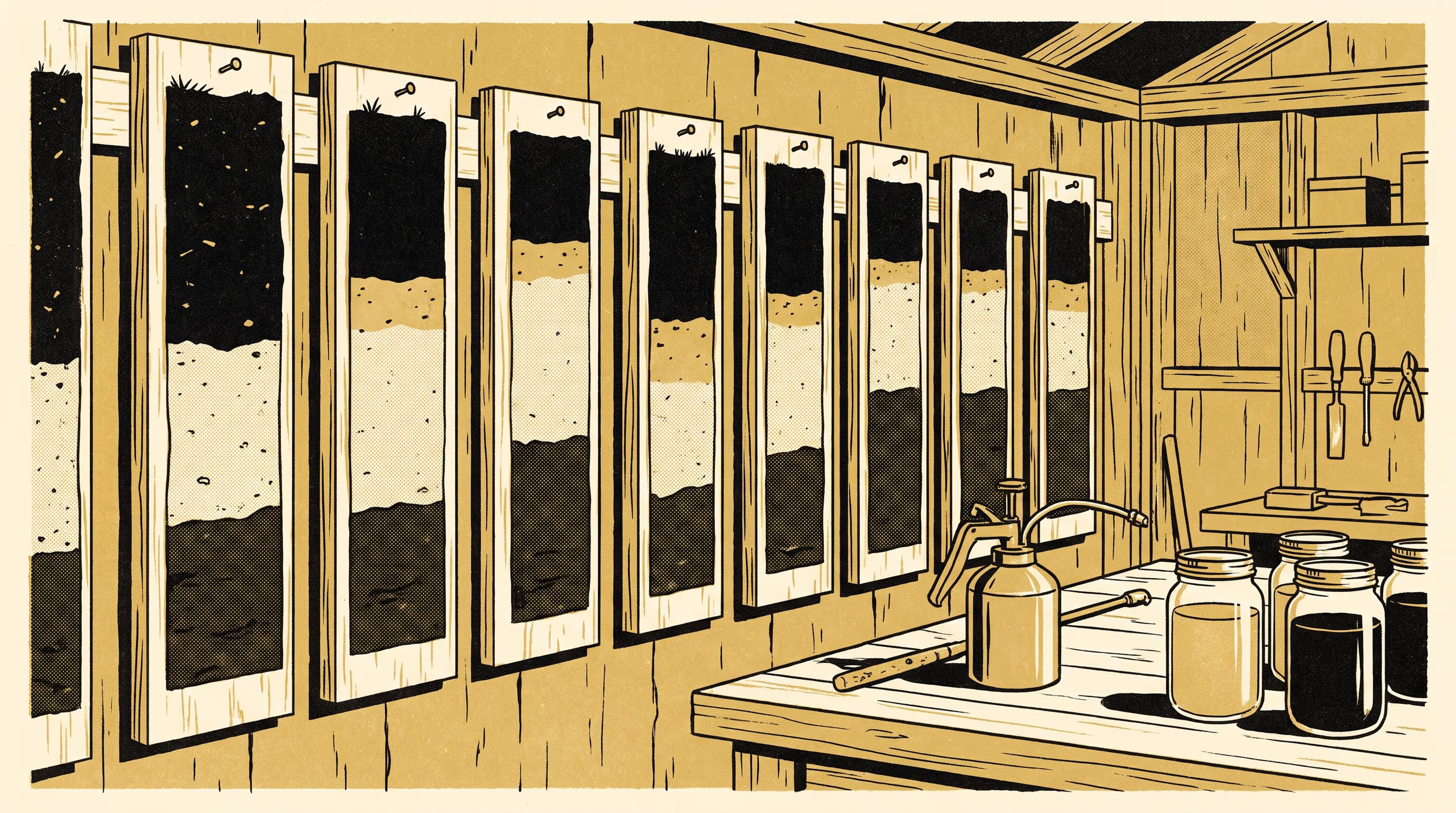
A paper from the School of Underlying Conditions makes and tests six polymer consolidants for mounted soil profiles, and finds that each one redraws the boundary it was meant to preserve.
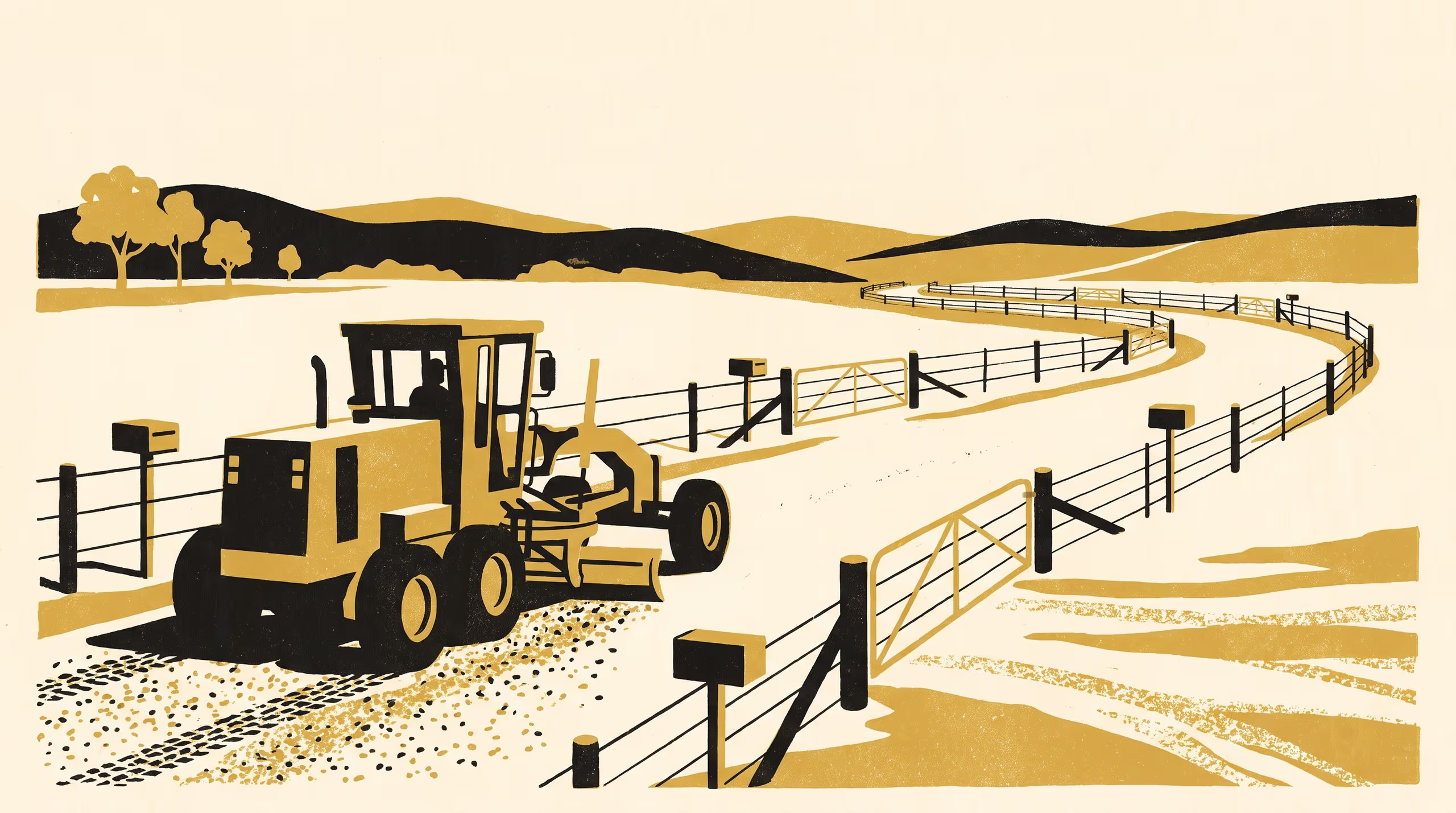
A research poster from the School of Continuous Improvement treats the grading bill of a private gravel road as a cooperative game and tests three ways of splitting it.
A Slop University paper gives a close reading of a single discussion paragraph from a report on a bark extract, sentence by sentence.
A research poster from the School of Underlying Conditions codes 1,264 thermal analysis curves for how each signals the direction of an exotherm, and reports that most of the latest ones do not.
A research poster from the School of Emergent Priorities finds that a wrist-worn activity recogniser learns more about waiting from the kettle than from the person.
Slop University's newest signage campaign invites prospective students to the School of Underlying Conditions to study what a titanium alloy looks like up close.
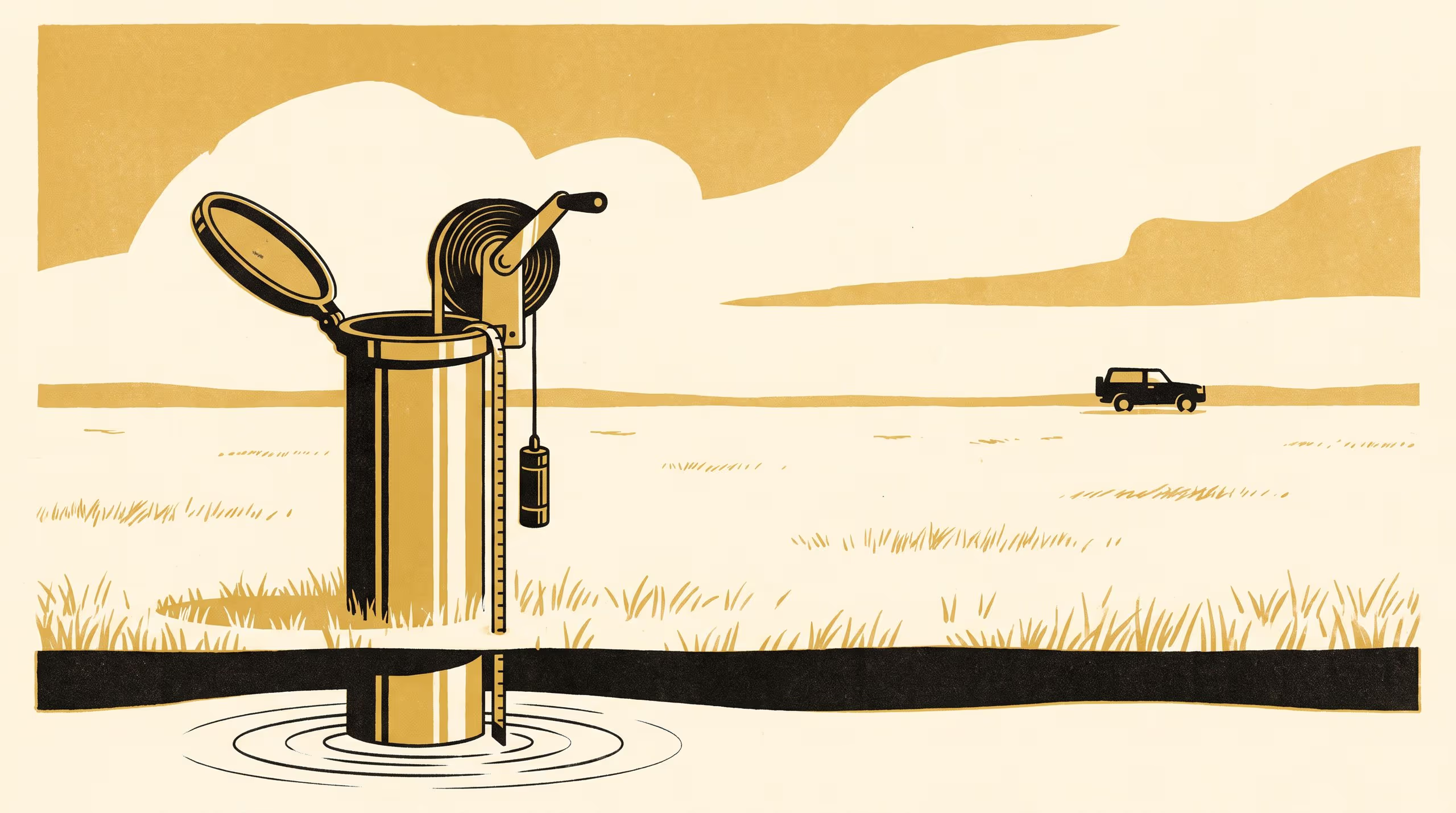
A paper from the School of Underlying Conditions puts a 4.1 kB classifier on a groundwater logger so that the record marks for itself when it was checked by hand, and finds the model had first learned who was checking.
A paper from the School of Underlying Conditions re-characterises an inherited collection of sealed air-sensitive compounds and reports how many were still what their labels said.
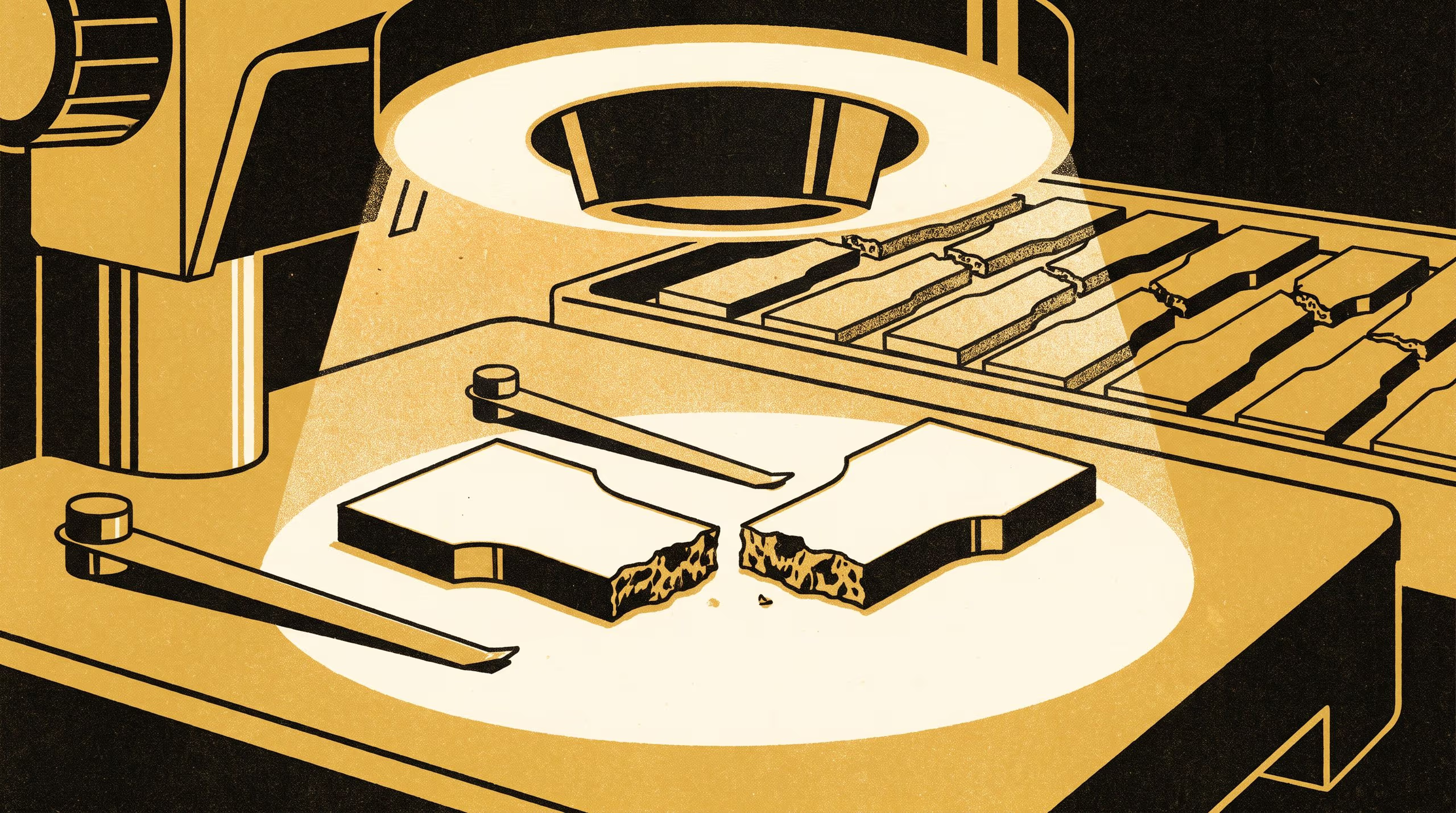
A research poster from the School of Emergent Priorities traces the fracture origin on every tensile bar machined by six intakes of a professional master's program in materials engineering.
A Slop University prospectus addresses prospective students who remain undecided, presenting choice under uncertainty as a capability taught at the core tray, in the seminar room and in the short-course studio.
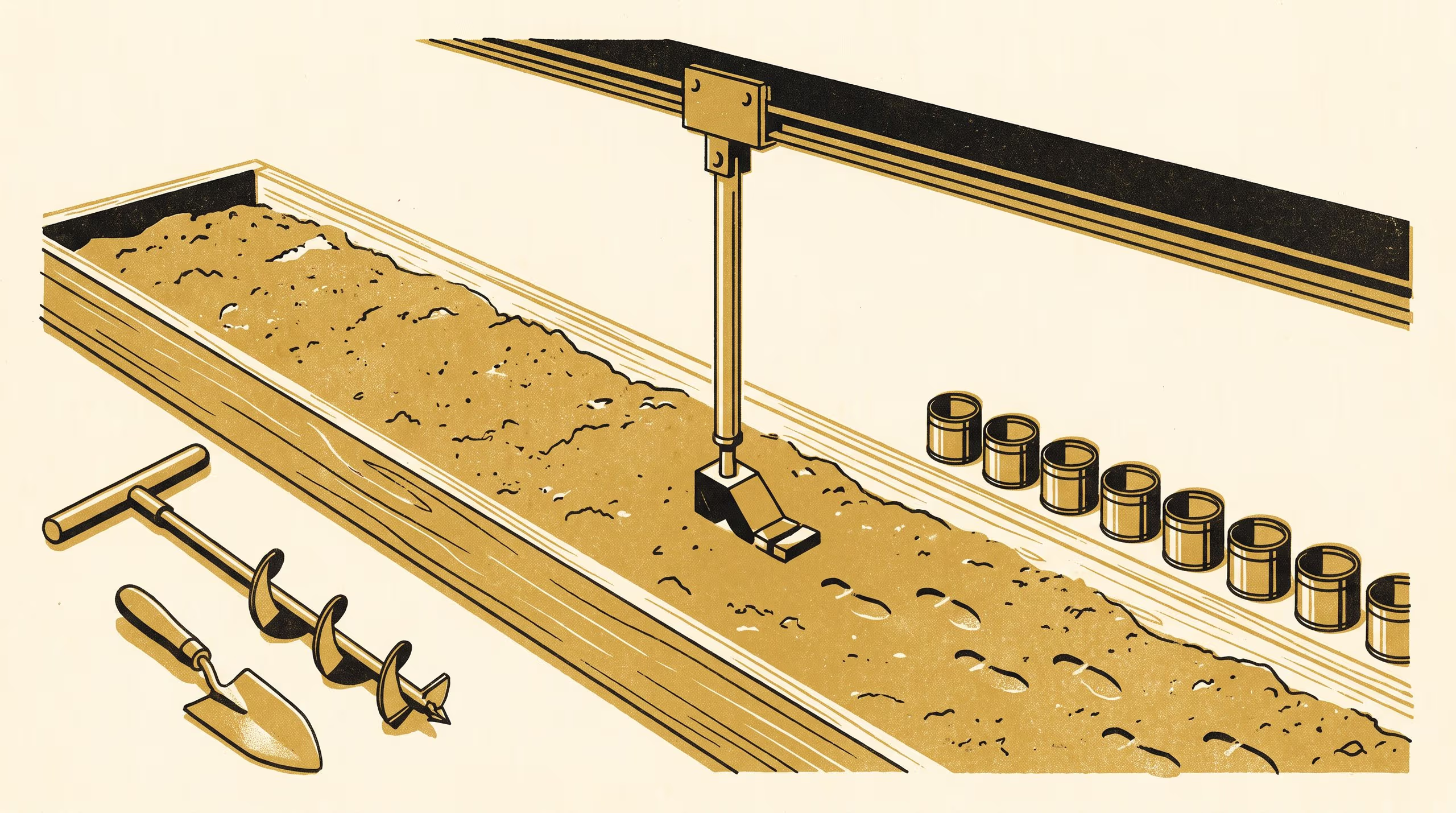
A paper from the School of Underlying Conditions measures how one passive prosthetic foot rolls across sand, sandy loam and clay loam in place of a rigid plate, and what a second pass along the same ground gives back.