Research-led, metrics-forward, and continuously improving. News from the Office of Research Outputs.
13 October 2026
A civic brochure from the School of Underlying Conditions invites residents to meet the researchers working between the district's rooftops, kitchens and the ground beneath both.
A Slop University paper gives a close reading of fourteen poems kept in the back pages of a process chemist's laboratory notebooks.
Slop University's Strategic Plan 2026-2031 organises the institution around the slow recovery of value from low-grade ore, mineral residues and the material the University already holds.
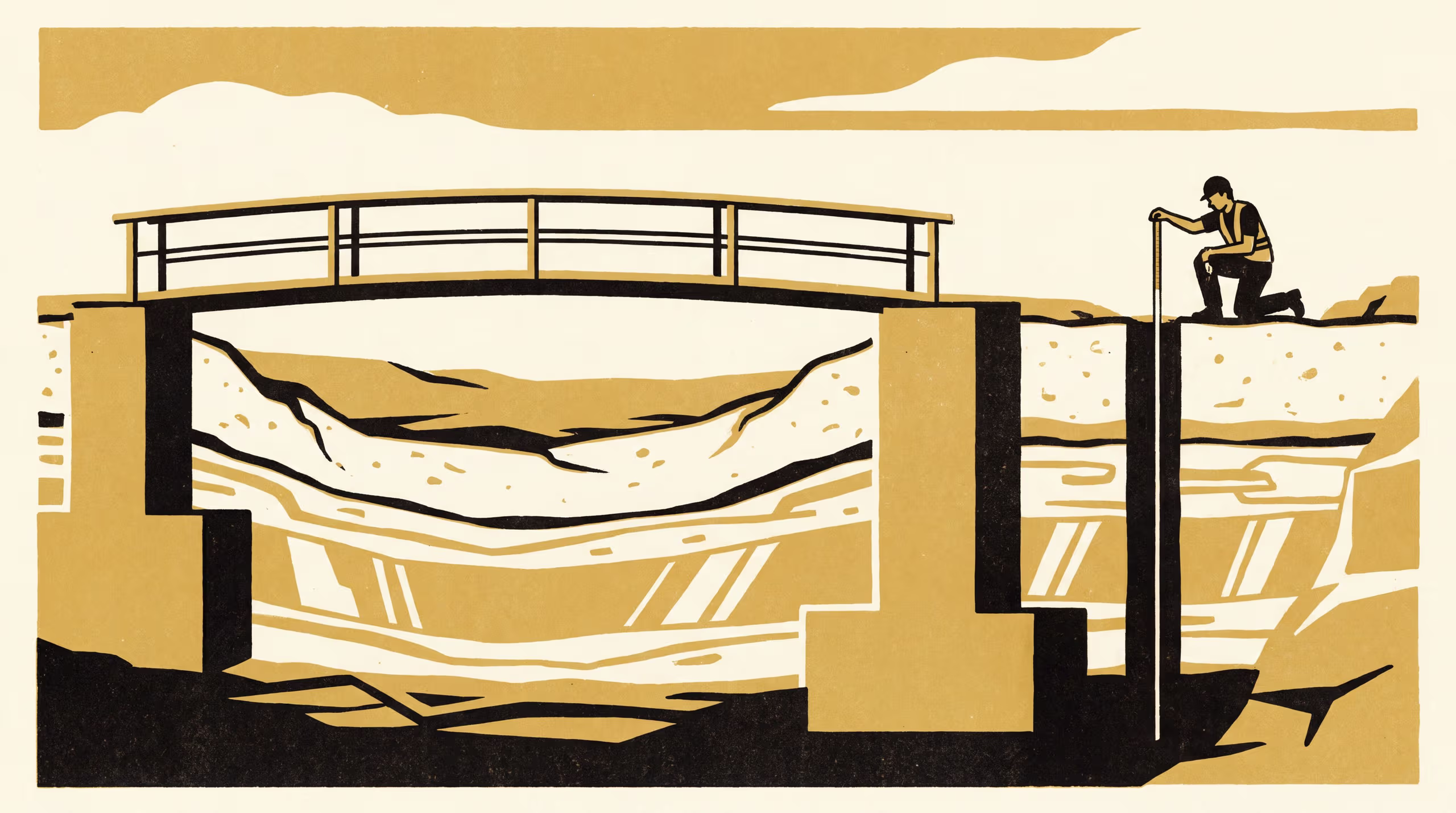
A research poster from the School of Underlying Conditions reports how working core loggers combine the look of a stick of core with the sound it makes under a hammer.
Slop University's latest signage campaign presents the School of Emergent Priorities' habit of reviewing a whole literature, twice over, before a priority is set.
A paper from the School of Continuous Improvement works out what a significance test can and cannot establish about a law stated as a tendency with a list of exceptions attached.
A new Slop University marketing poster opens the summer intake of the Capability Sprint Deciding Under Measurement, a short course in choosing designs that hold when the numbers beneath them do not.
A paper from the School of Underlying Conditions reports that the limit beyond which a pulse of light cannot be kept in a fibre ring depends on how long one waits before checking.
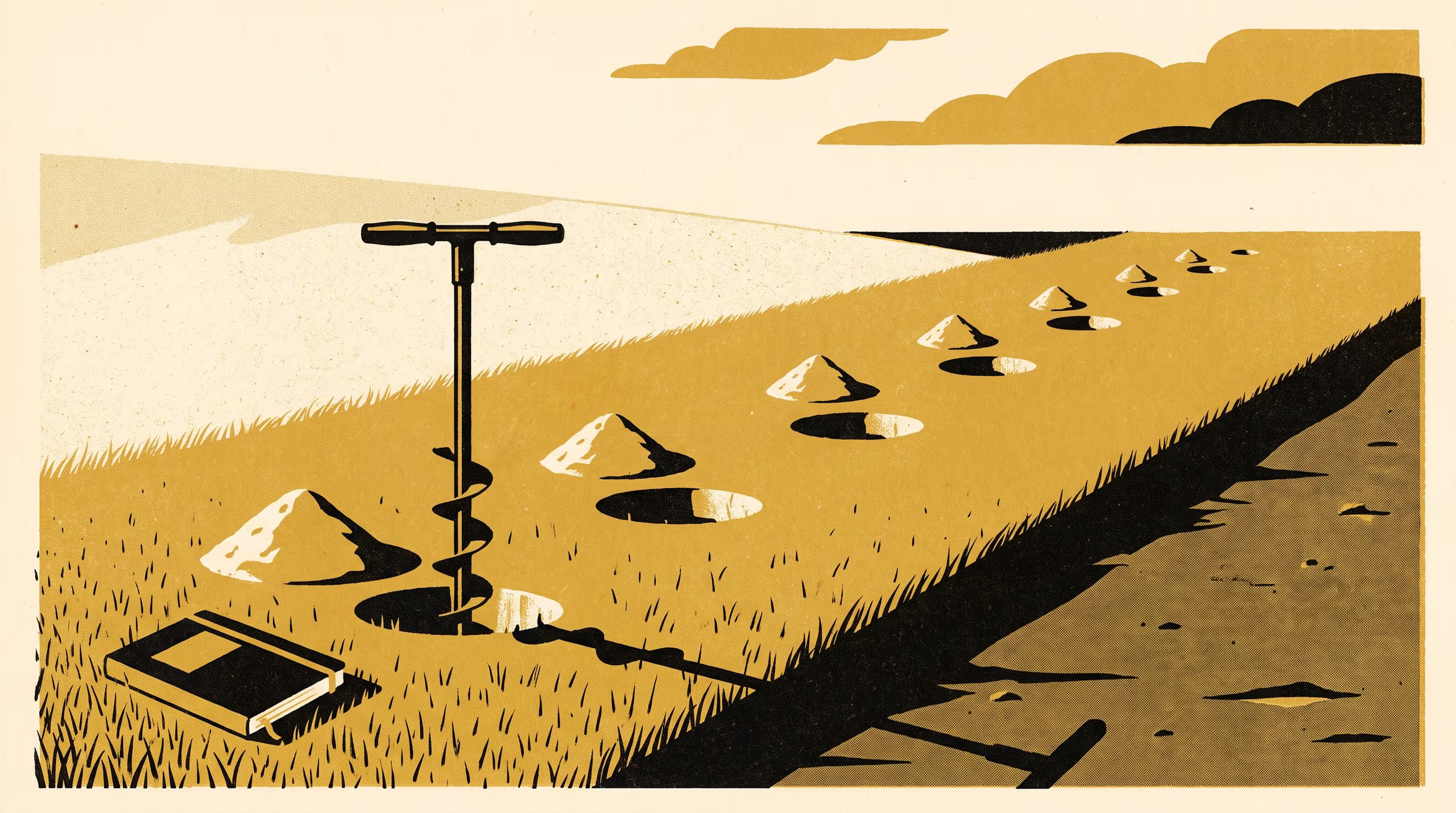
A paper from the School of Underlying Conditions values each further auger hole in metres of error removed from a soil boundary, and finds a gradual boundary earns no more holes than a sharp one.
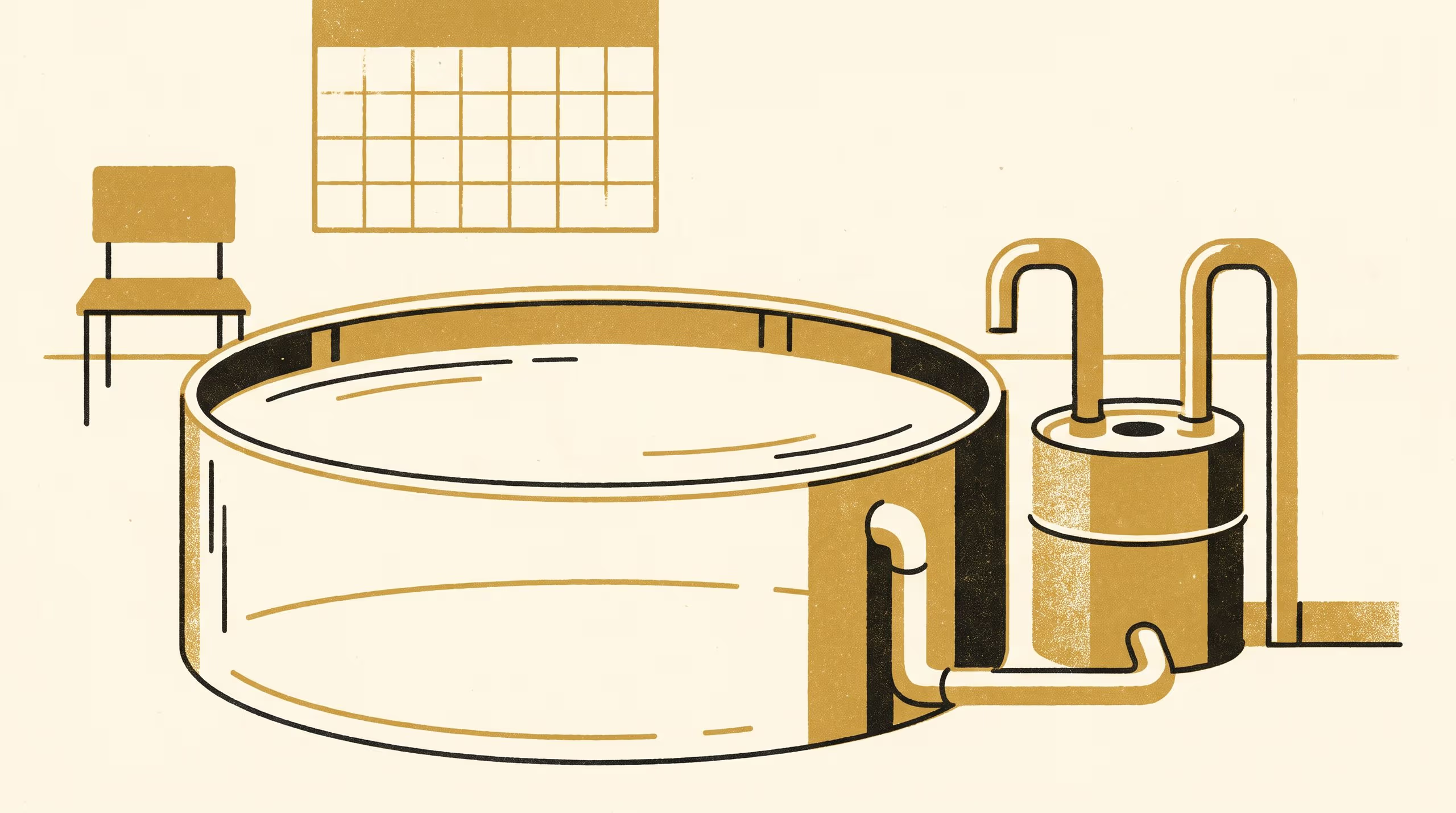
A research poster from the School of Underlying Conditions studies how one fish hatchery organised its time around the slow start-up of its biofilter.
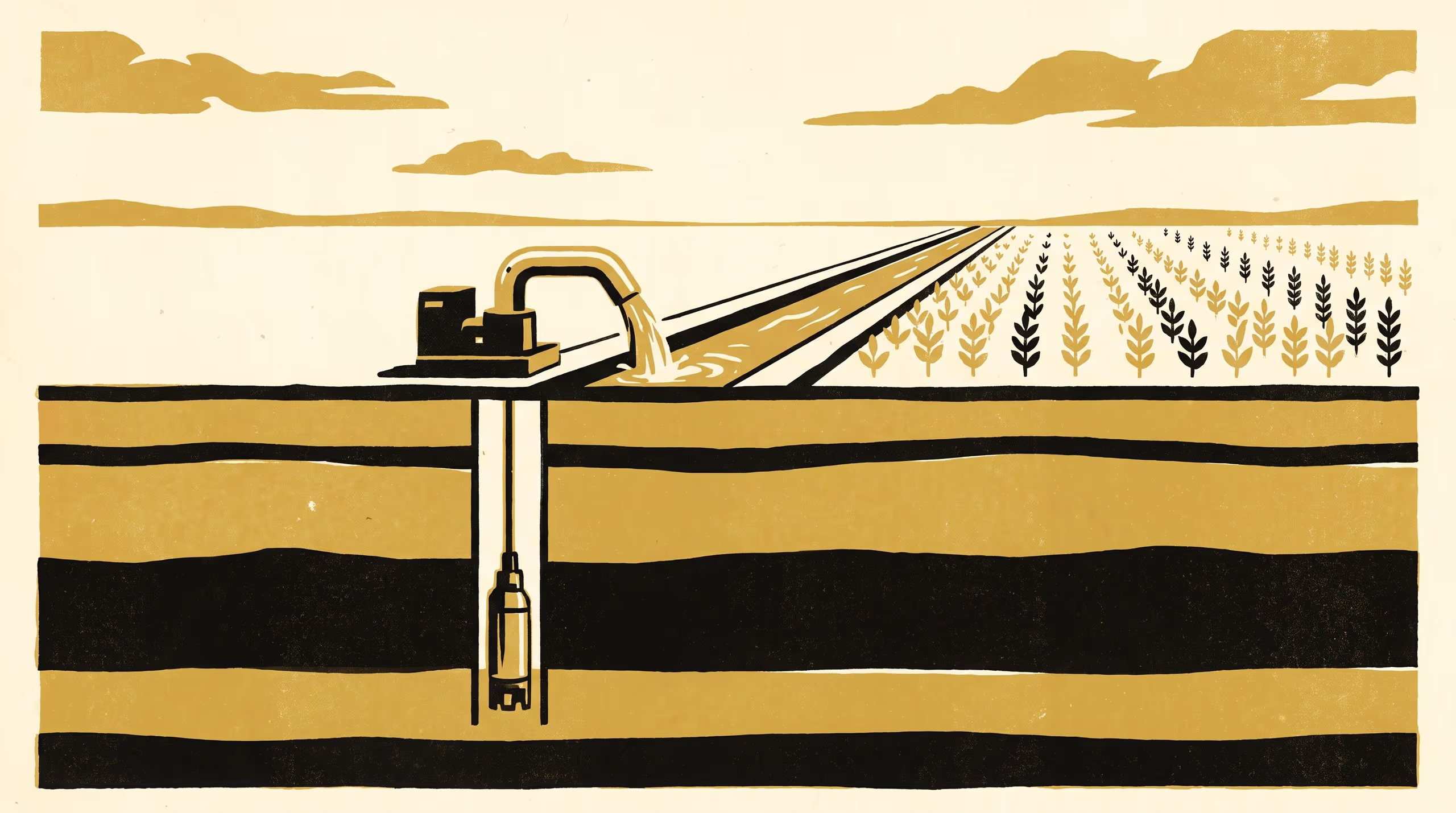
A paper from two Slop University schools forecasts price variance in a thinly traded groundwater allocation market, and traces what its model learned to the depth at which the pumps were set.
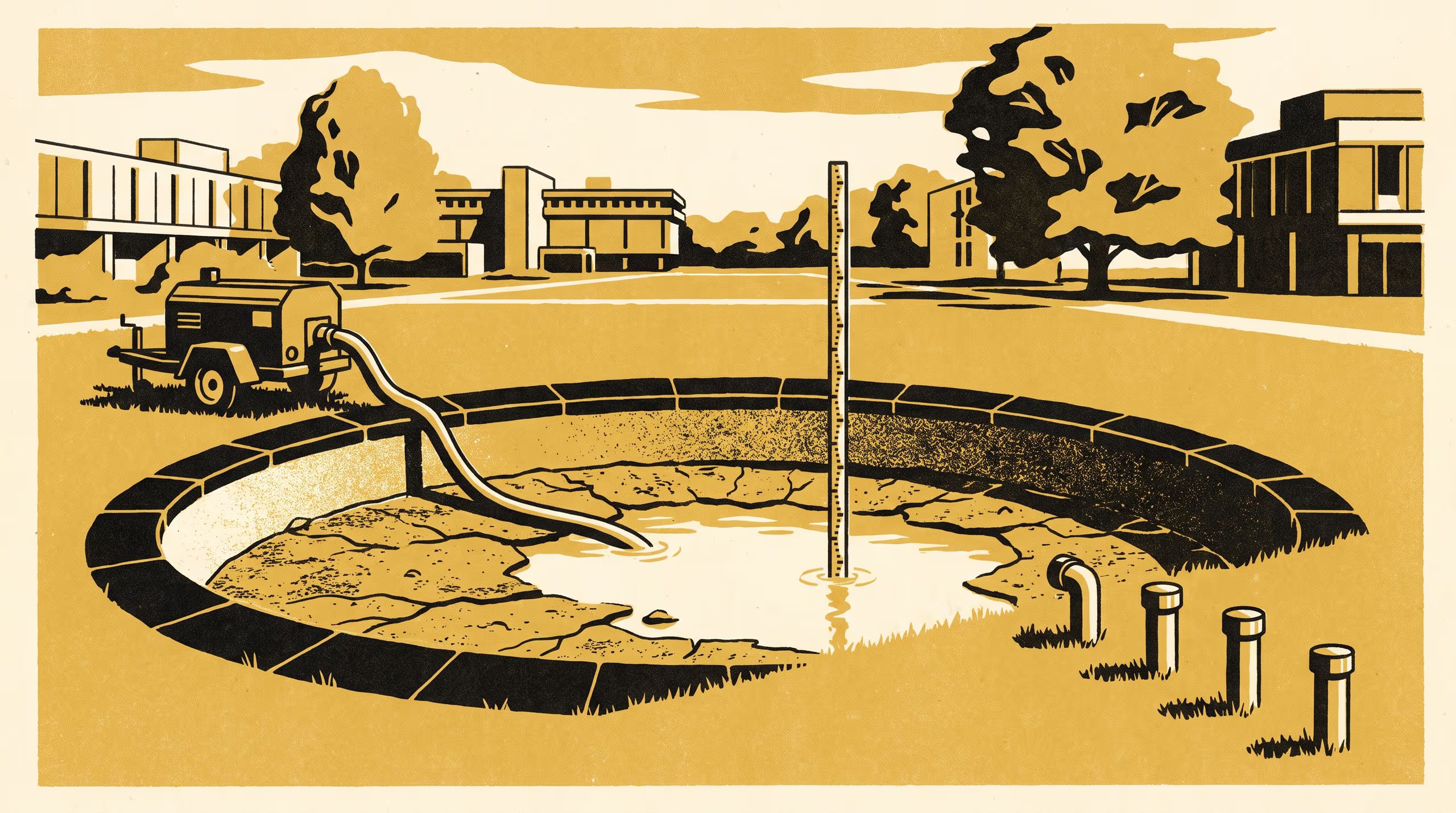
A paper from the School of Underlying Conditions finds that the yearly emptying of an ornamental pond for cleaning is an aquifer test nobody had been writing down.