Research-led, metrics-forward, and continuously improving. News from the Office of Research Outputs.
13 October 2026
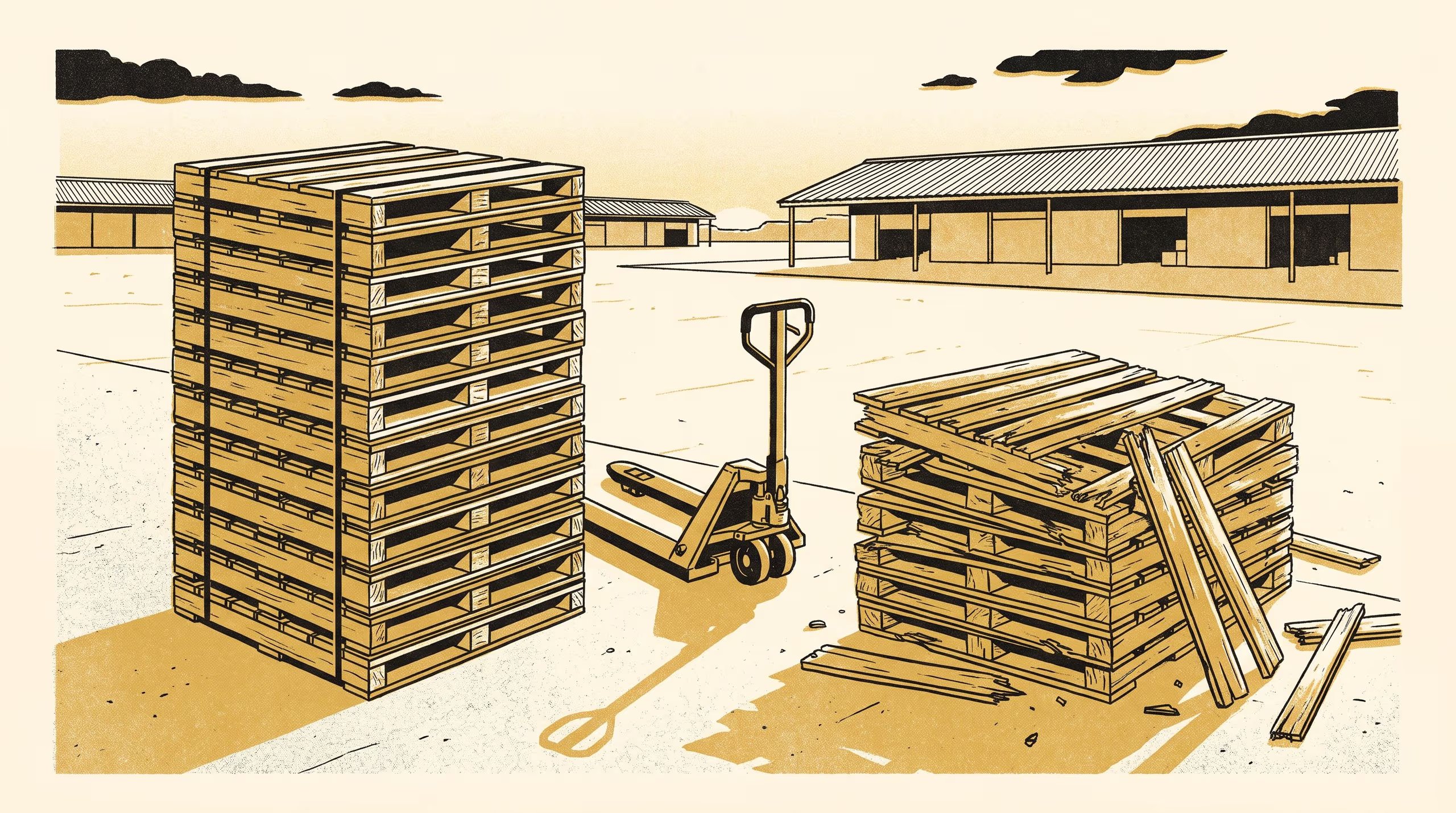
A Slop University research poster treats the empty pallet as a money exchanged at par, and reports that the sound ones stay in the yard wherever a trader is obliged to accept the other kind.
Slop University's Strategic Plan 2026-2031 sets an institution-wide posture on what the University charges, how its prices are displayed, and how the people who pay them decide.
A paper from the School of Continuous Improvement reads a growing manufacturer's second factory as a replication experiment, and follows eleven years of a company deciding whether it had succeeded.
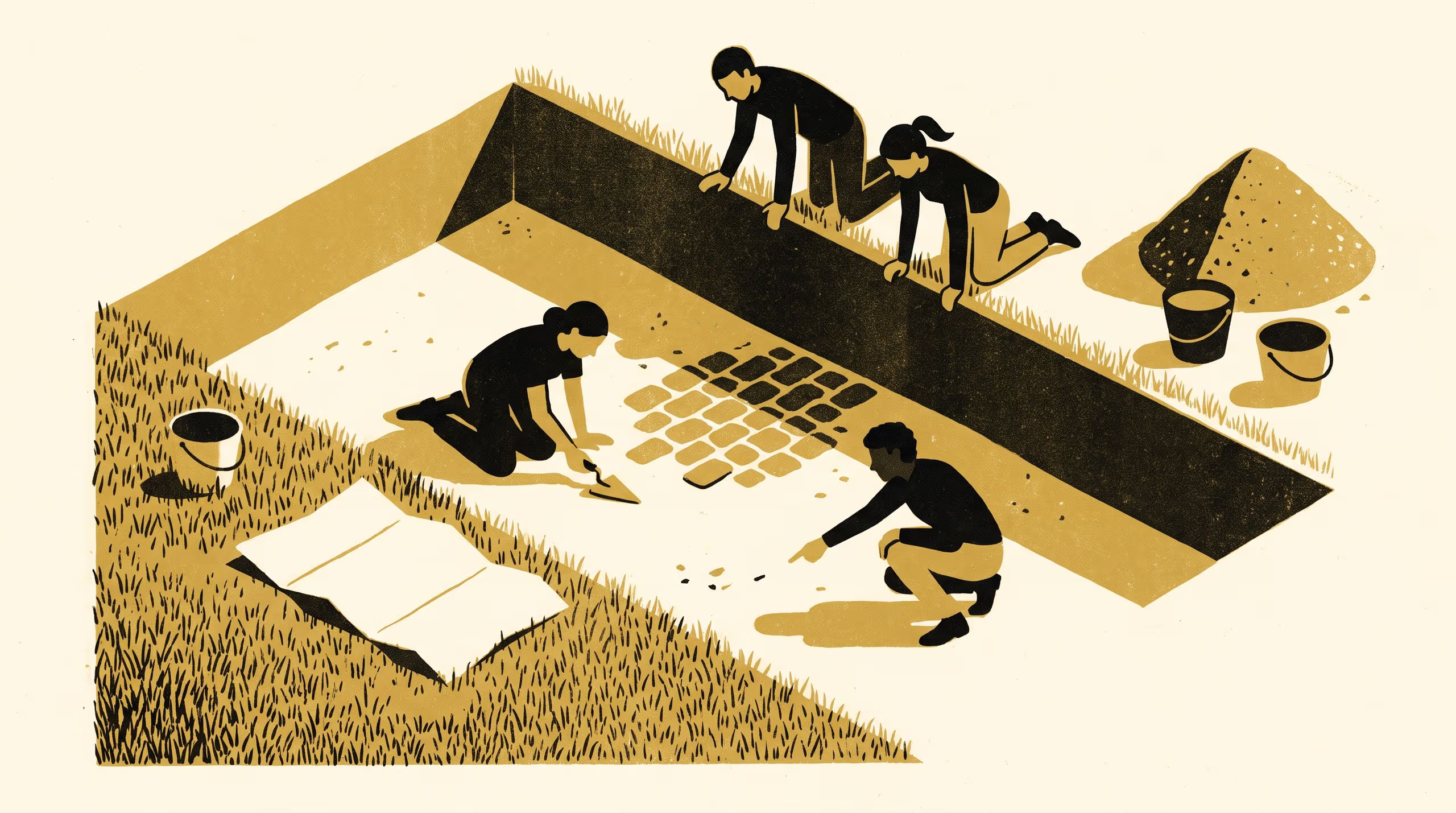
A paper from the School of Underlying Conditions follows 1,286 questions asked at the edge of a purpose-built teaching trench, and reports what supervisors do once the ground stops matching the drawing they were given.
A research poster from the School of Underlying Conditions tests whether a machine-learning method for abandoning unpromising runs early can shorten the abrasion testing of water-repellent coatings.
A new Slop University marketing poster presents the School of Underlying Conditions as a catalyst, and records its standing for turnover on the University's own composite.
A paper from the School of Underlying Conditions uses a school library's circulation records to locate, by shelf position, the first book a pupil borrows after moving up a reading band.
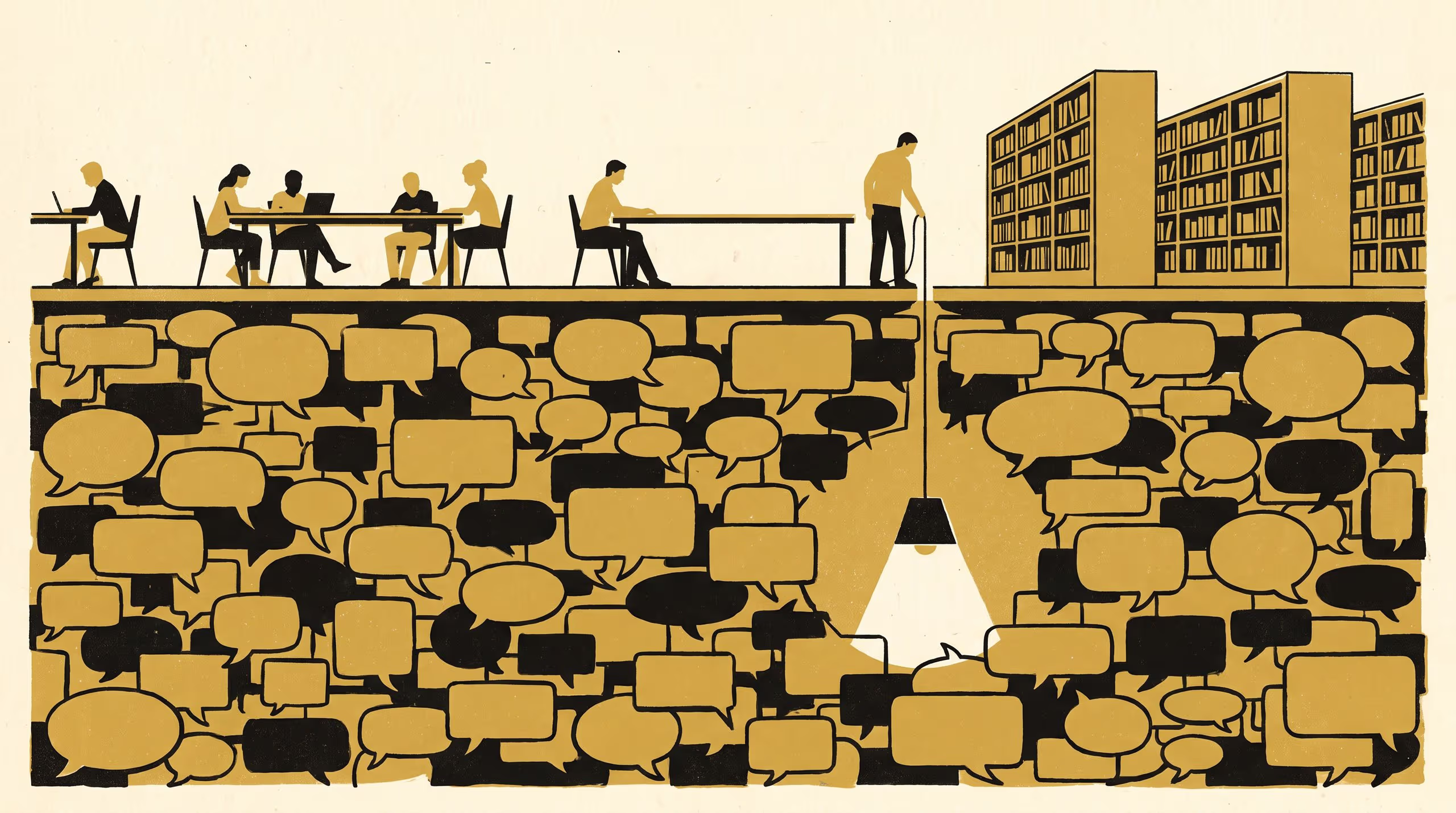
A new Slop University prospectus invites students with a question about hostile language online to study it across the University's three schools.
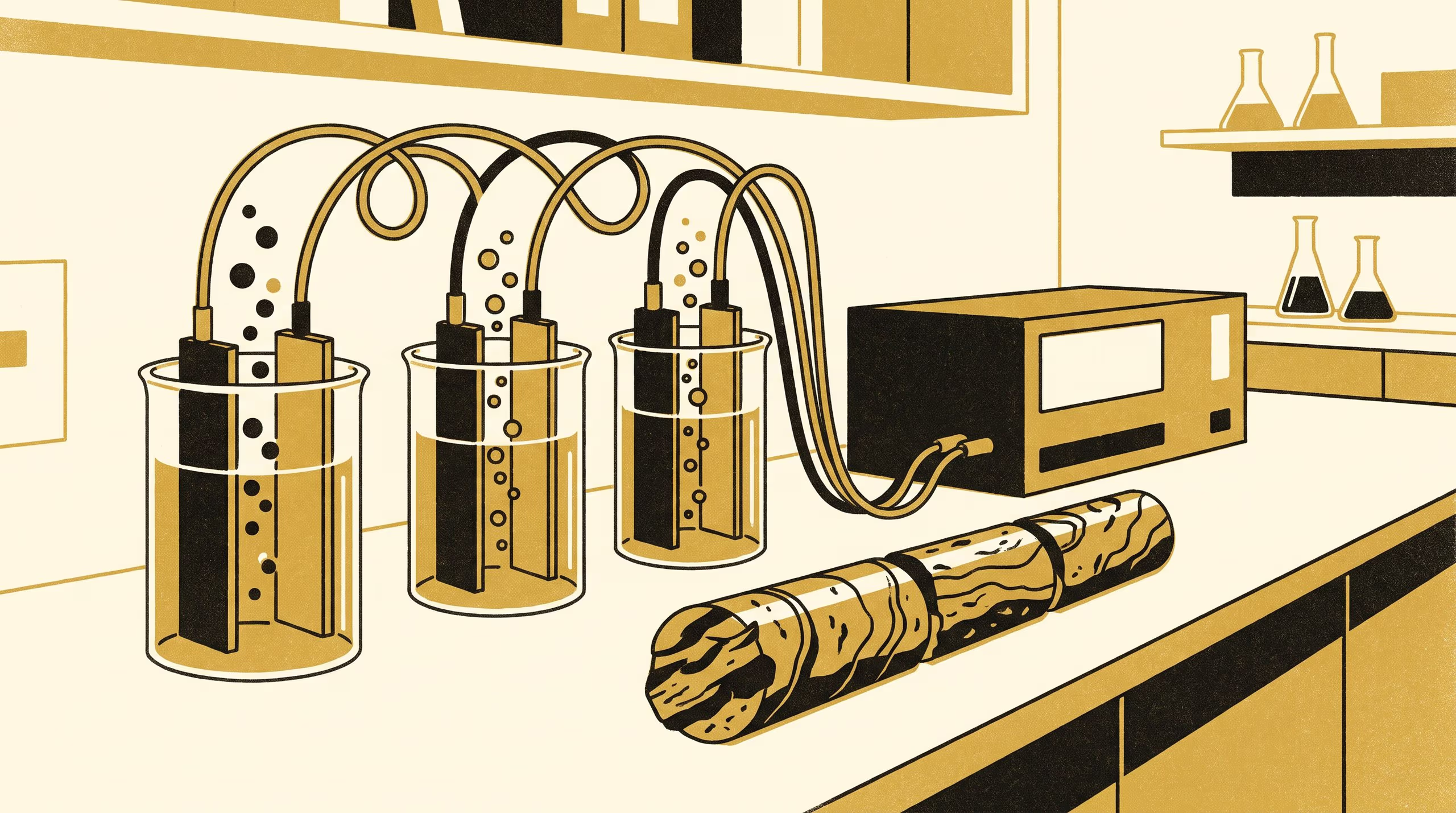
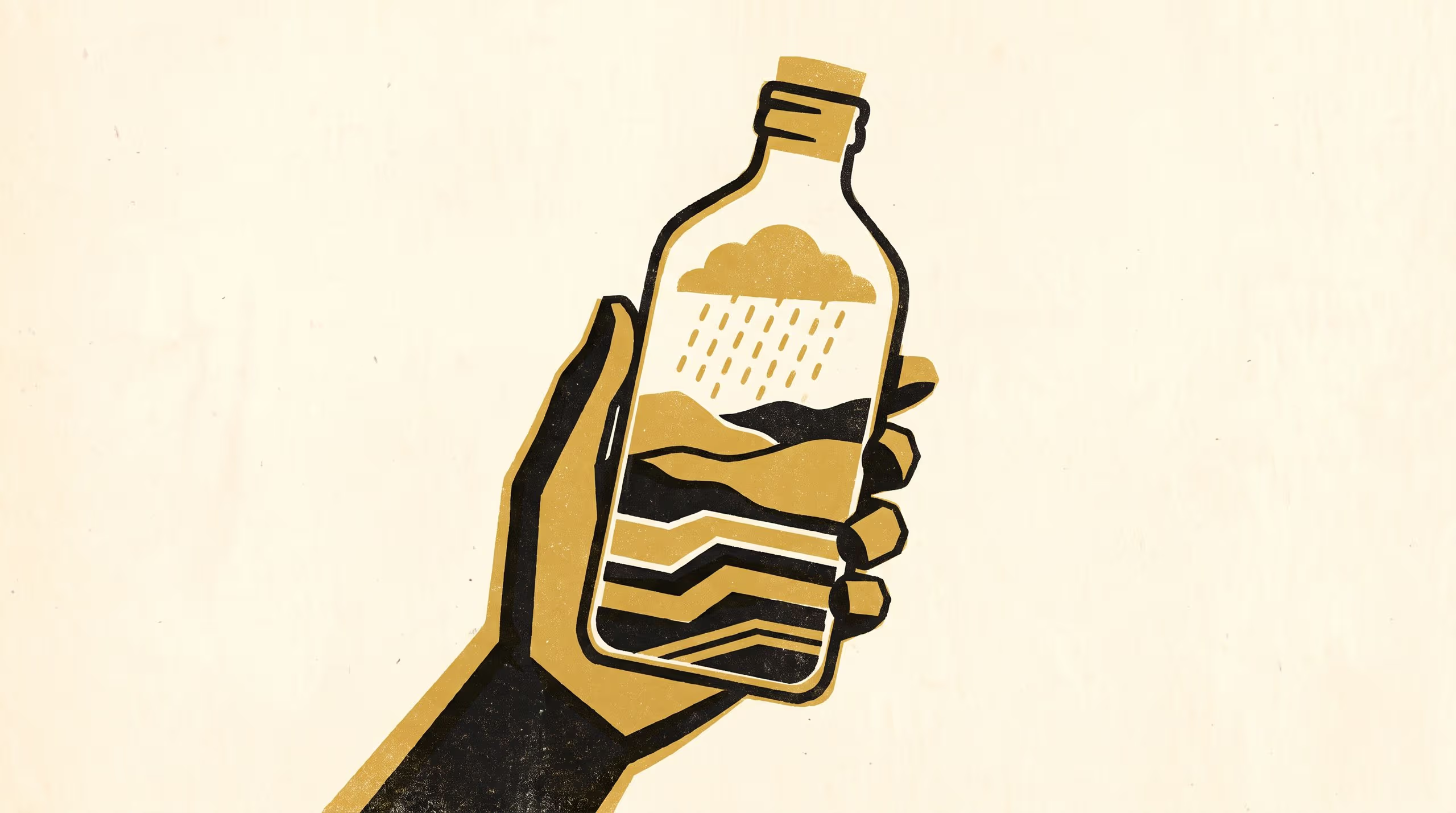
Water With a Past, a research showcase from the School of Underlying Conditions, presents the University's work on the age and origin of groundwater and the bores it is drawn from.
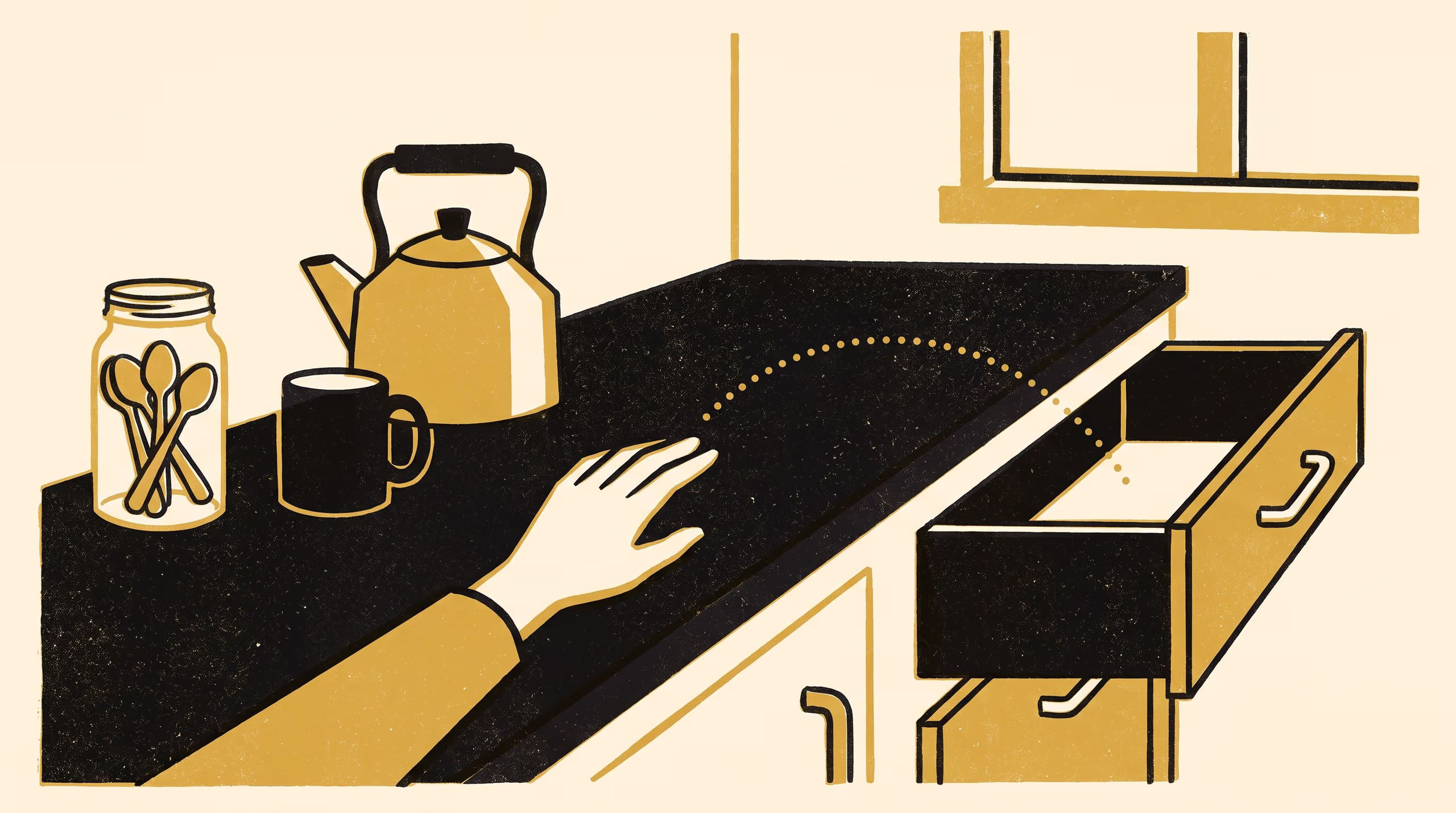
A paper from the School of Emergent Priorities reports how often, and for how long, people making tea in a rearranged copy of their own kitchen reach first toward where things are kept at home.
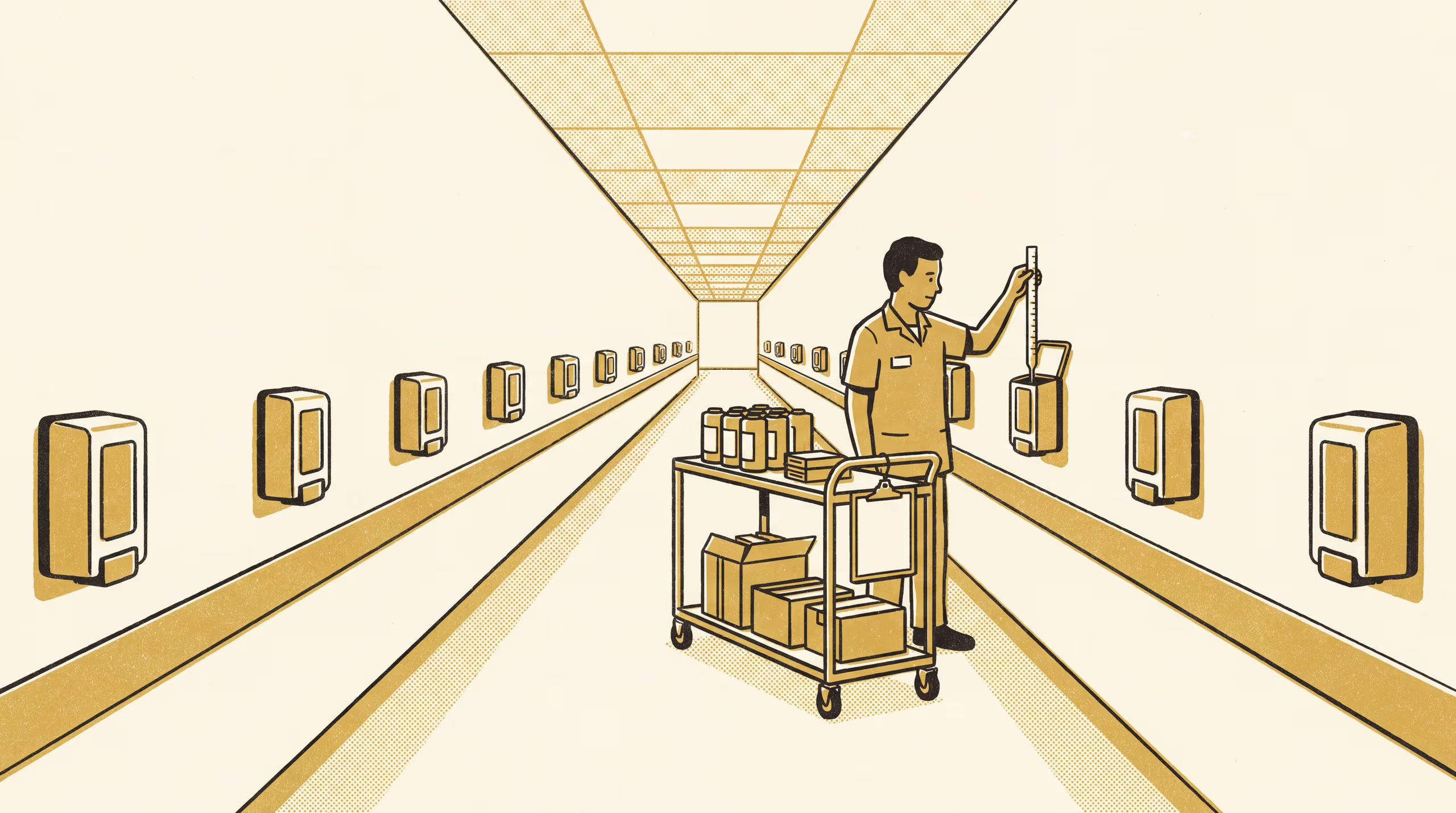
A research poster from the School of Underlying Conditions treats one district hospital's hand-sanitiser refill round as a network of small wells, and works out which of them needed visiting.
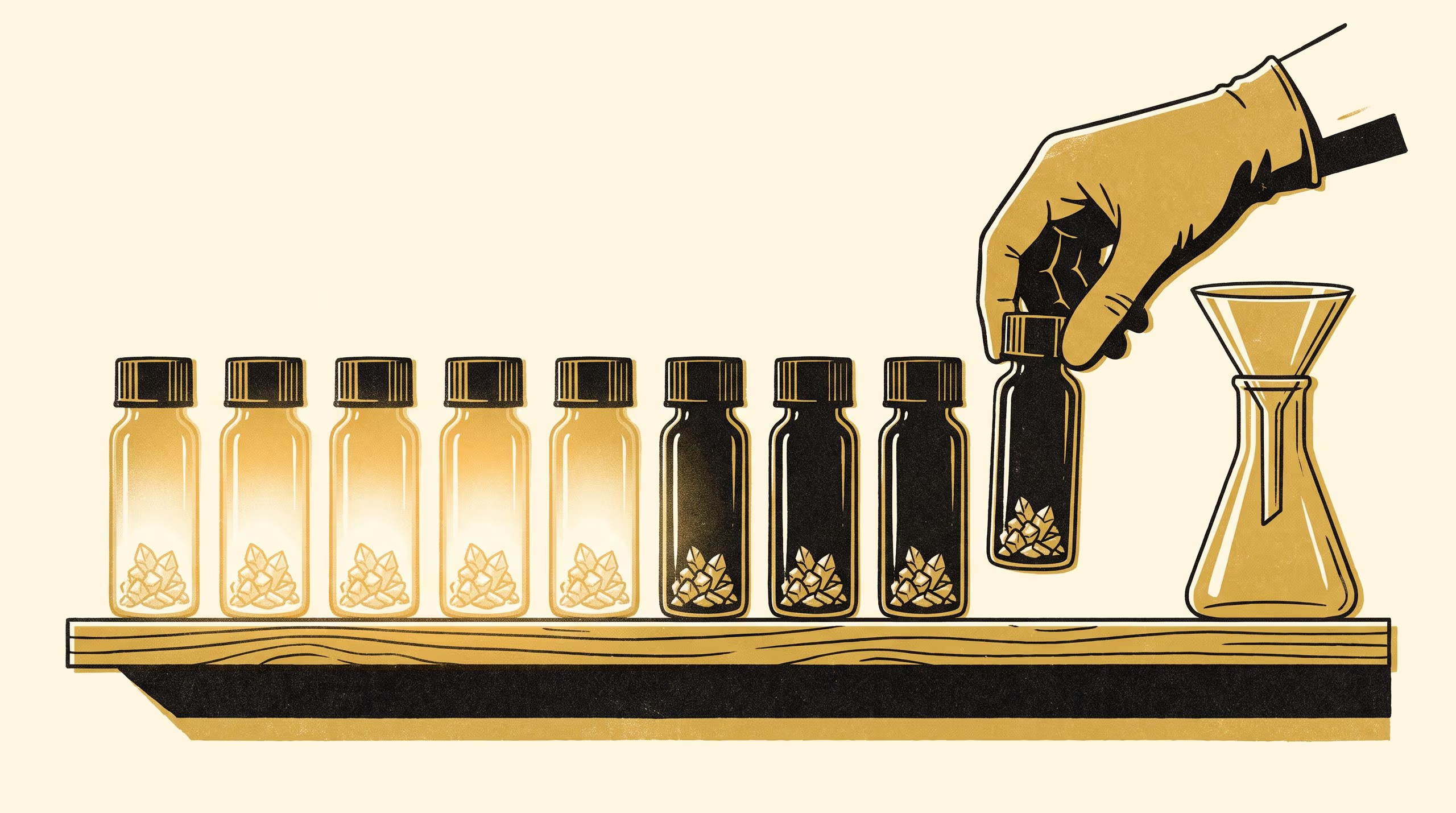
A new signage campaign presents the University's study of a batch of crystals that glowed until it was cleaned thoroughly enough.