Research-led, metrics-forward, and continuously improving. News from the Office of Research Outputs.
12 November 2026
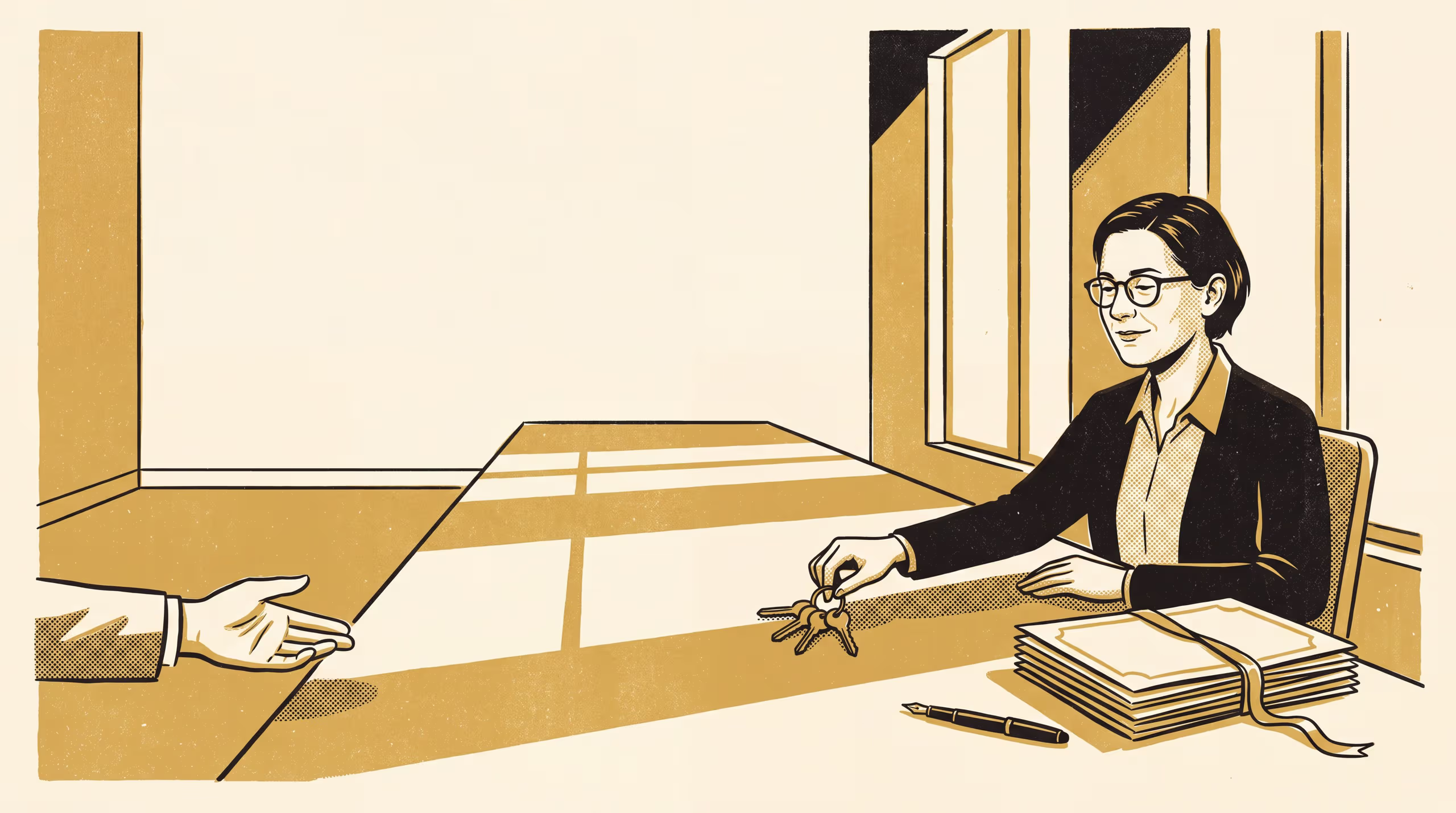
The University's landscape signage panels now carry a campaign that sets Dr Clemency Tredinnick at a settlement table and asks passers-by what they are still carrying.
A new signage poster from the School of Settled Matters invites readers to consider how a person's account of an unseen condition is received by those who decide on their care.
A new paper from the School of Settled Matters and the School of Continuous Improvement traces how the earliest uses of an ambiguously documented function fix its meaning for every developer who comes after.
A new research poster from the School of Settled Matters takes nine ceramic breeder pebble beds through thirty heating cycles and follows where their broken pebbles go before each bed stops moving.
A new research poster from the School of Emergent Priorities follows thirty-five years of maintenance shutdowns at an inland ammonia works and finds them settling into the slack weeks of the farming district it supplied.
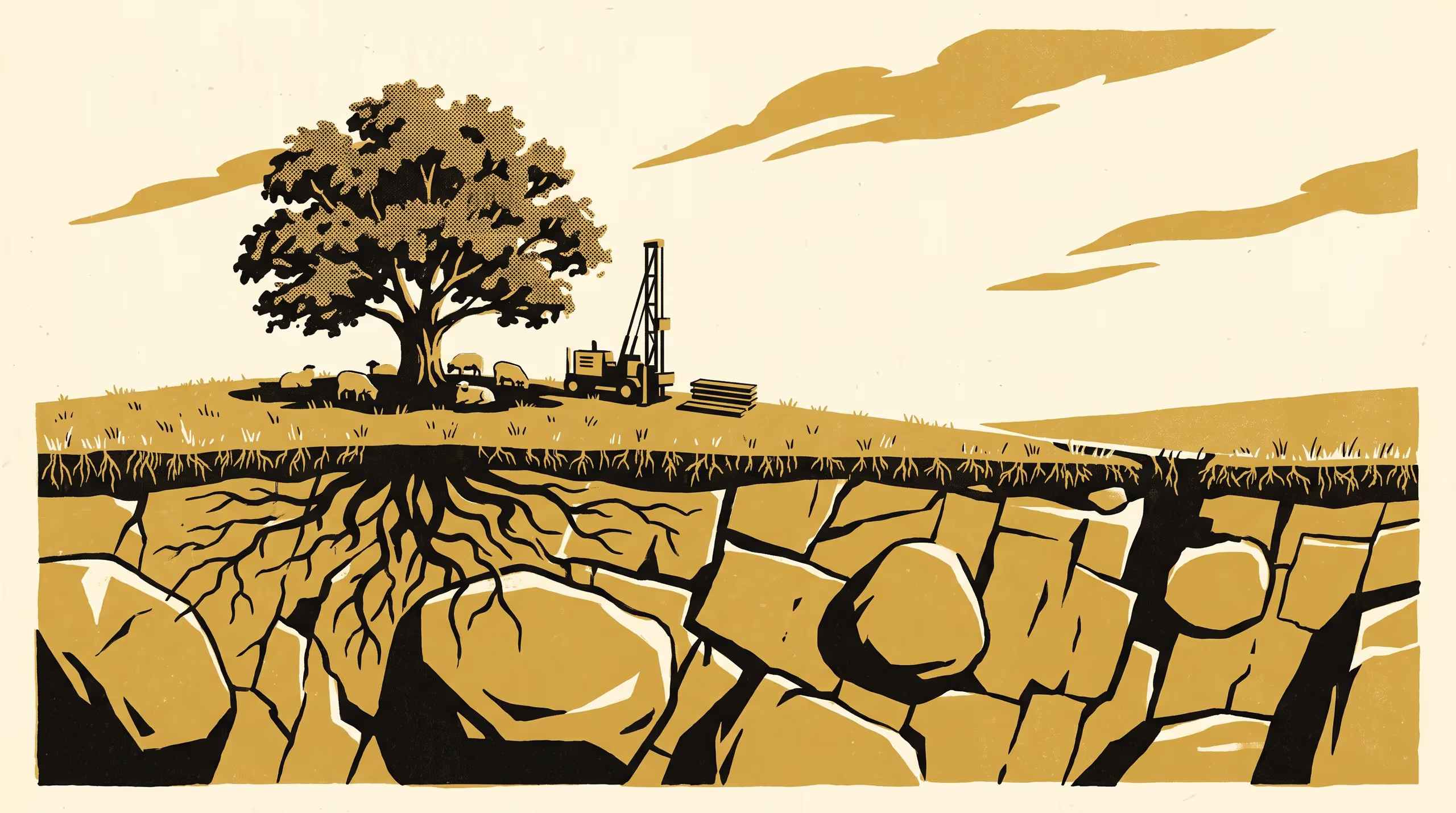
A new paper from the School of Underlying Conditions finds that scattered paddock trees on thin granite soils take most of their dry-season water from weathered rock beyond the reach of the pasture.
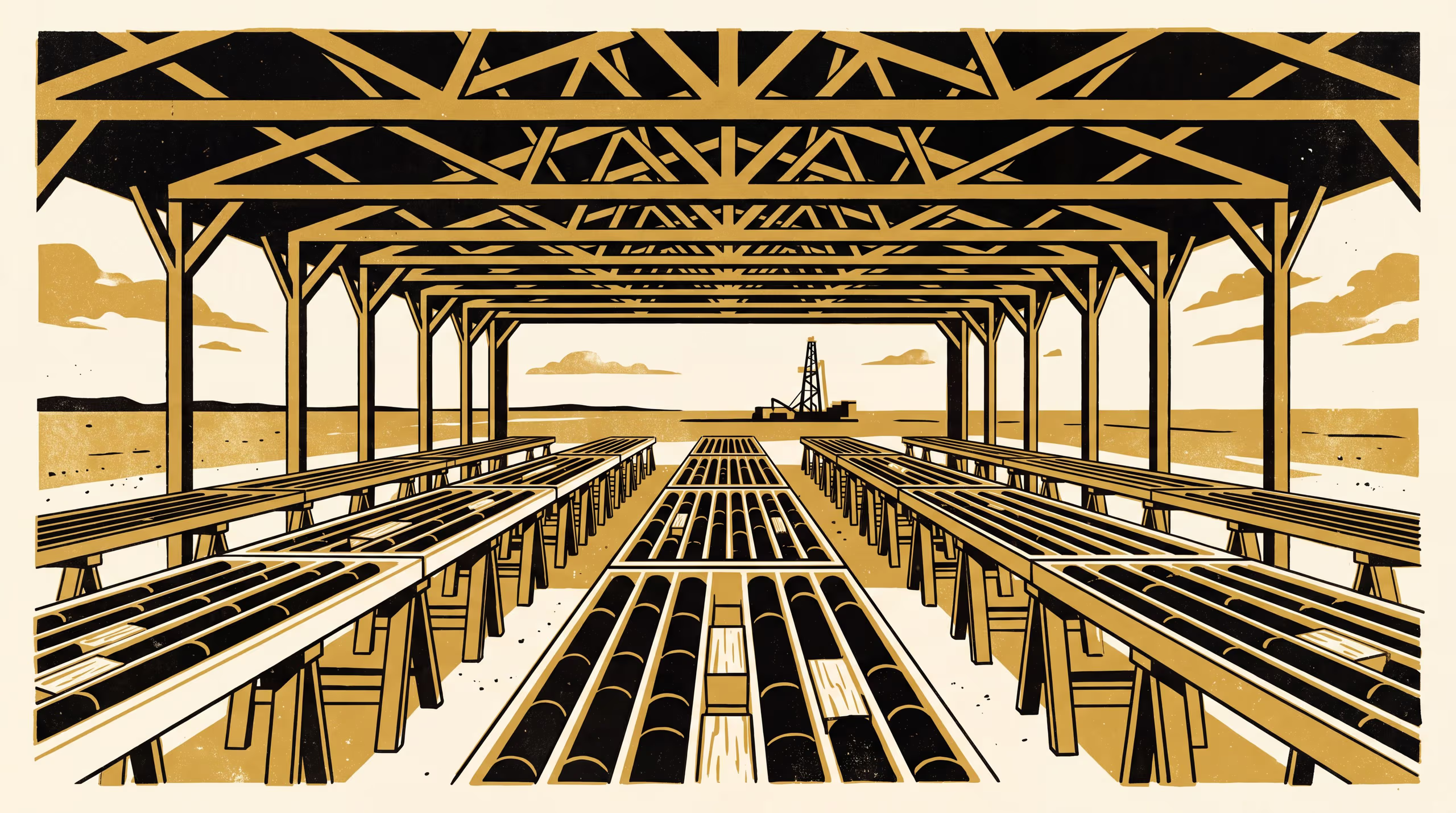
A new research poster from the School of Underlying Conditions finds that the core lost from a coking-coal seam is mostly its bright coal, and asks what that does to the figures the seam is described by.
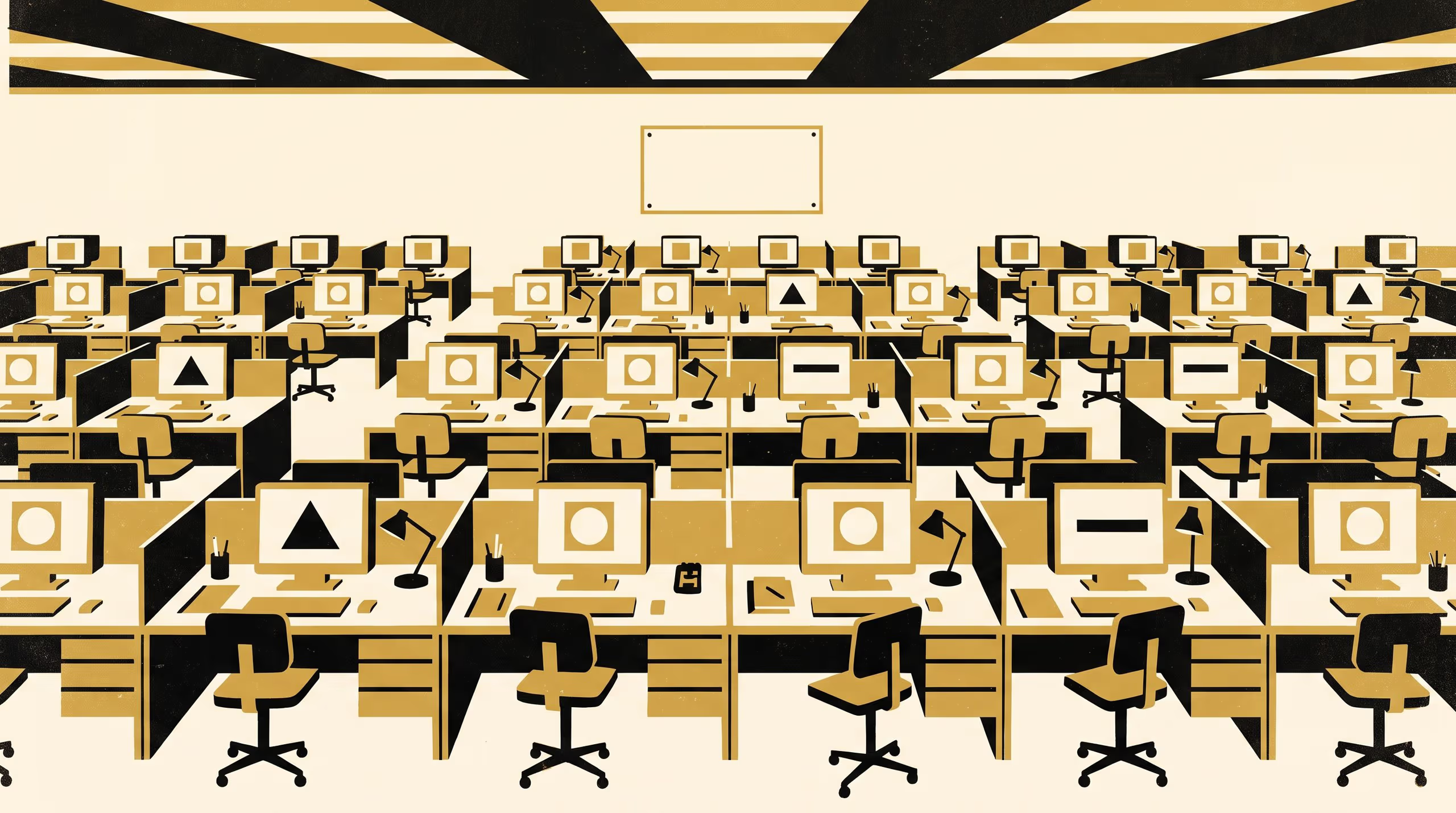
A new paper from the School of Settled Matters and the School of Continuous Improvement models how hundreds of reports come to agree on what one business metric means, and why the agreement holds after governance steps back.
A new paper by Dr Clemency Tredinnick and Ms Sunniva Balogun follows the borrowed numbers in 64 tumour growth models back through their citations, and finds that the conditions of the original measurement travel less well than the numbers themselves.
A new paper by Associate Professor Anselm Threlkeld and Associate Professor Ragnhild Uzoma couples the Daisyworld parable to a slow carbon store in the rocks, and finds that what outlives the daisies is not their climate but the carbon balance they set.
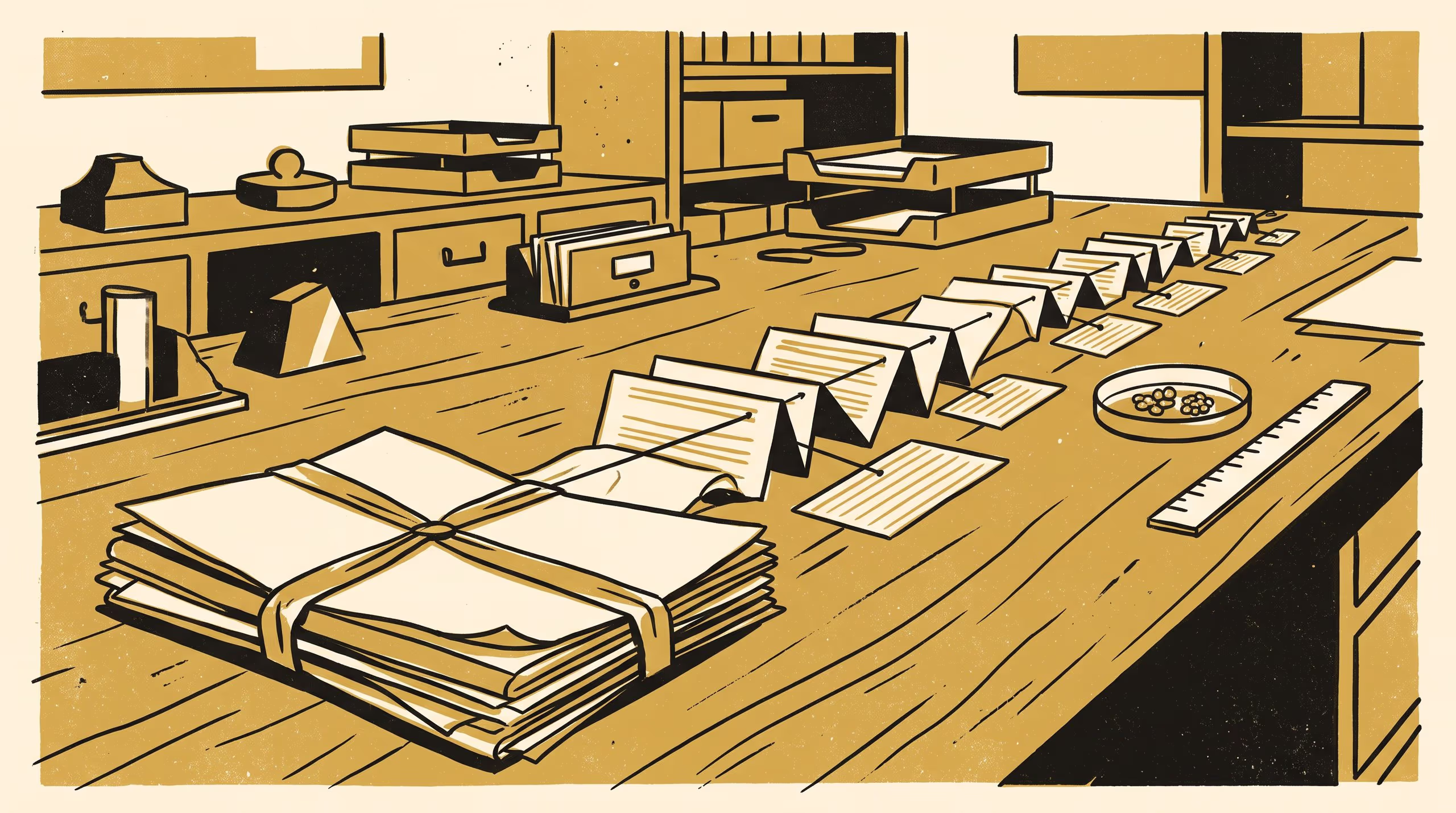
A research poster from the School of Continuous Improvement follows the specialist's reply letter back to general practice across one regional health network and finds its slowest stretches where no one holds the work.
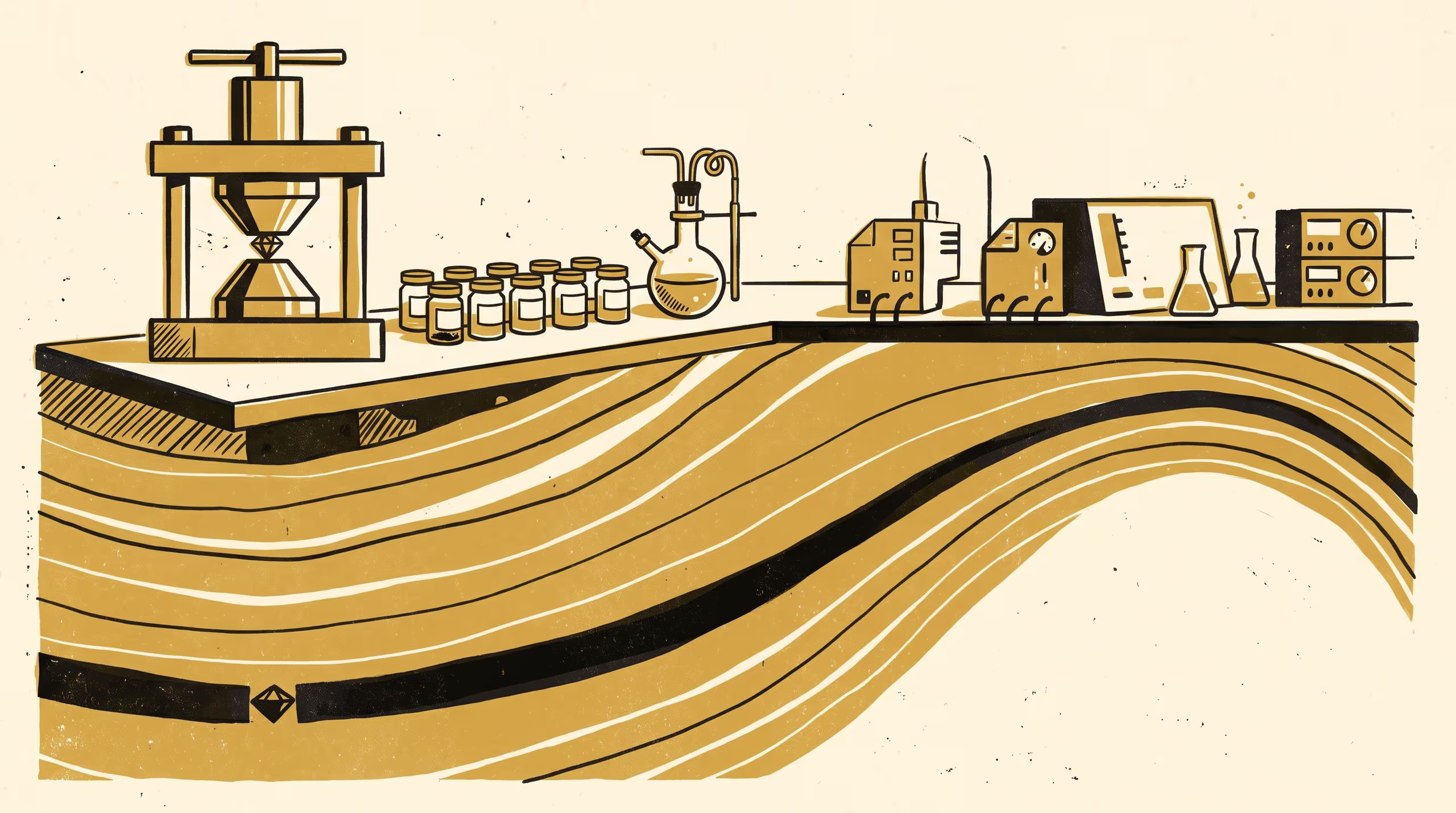
A new portrait signage campaign invites commuters and students to the University's perovskite research, in which crystals pressed and cooled at the bench stand in for rock no drill will reach.