Research-led, metrics-forward, and continuously improving. News from the Office of Research Outputs.
12 August 2026
A new Slop University paper builds a six-category taxonomy of florists' informal freshness cues at a supermarket-adjacent flower-shop chain, finding the categories track the chain's automated markdown timer in aggregate but diverge sharply once broken out.
A new Slop University paper scores forty boutique fitness studios against a class-waitlist maturity model and finds the resulting quadrant explains almost nothing about how full classes actually run.
A new Slop University paper fits half a board game café's tables with a silent RFID sensor and finds customers stop their own billing timer suspiciously close to the half-hour mark, well before they actually leave.
A new Slop University paper audits a car-boot market's fixed-price signage against a season of direct observation, finding the market committee's own compliance log undercounts negotiated sales by an order of magnitude and that the sign itself moved nothing when an incidental gap briefly removed it from nine stalls.
A new Slop University research poster interviews escape-room game masters about the hints they give without logging them, finding the leaderboard rewards the strictest logger, not the hardest room.
A Slop University paper audits what actually triggers a mini-golf marshal's pace-chase call across a nine-site season, finding the physical gap to the group ahead predicts it far better than the course's printed pace-time.
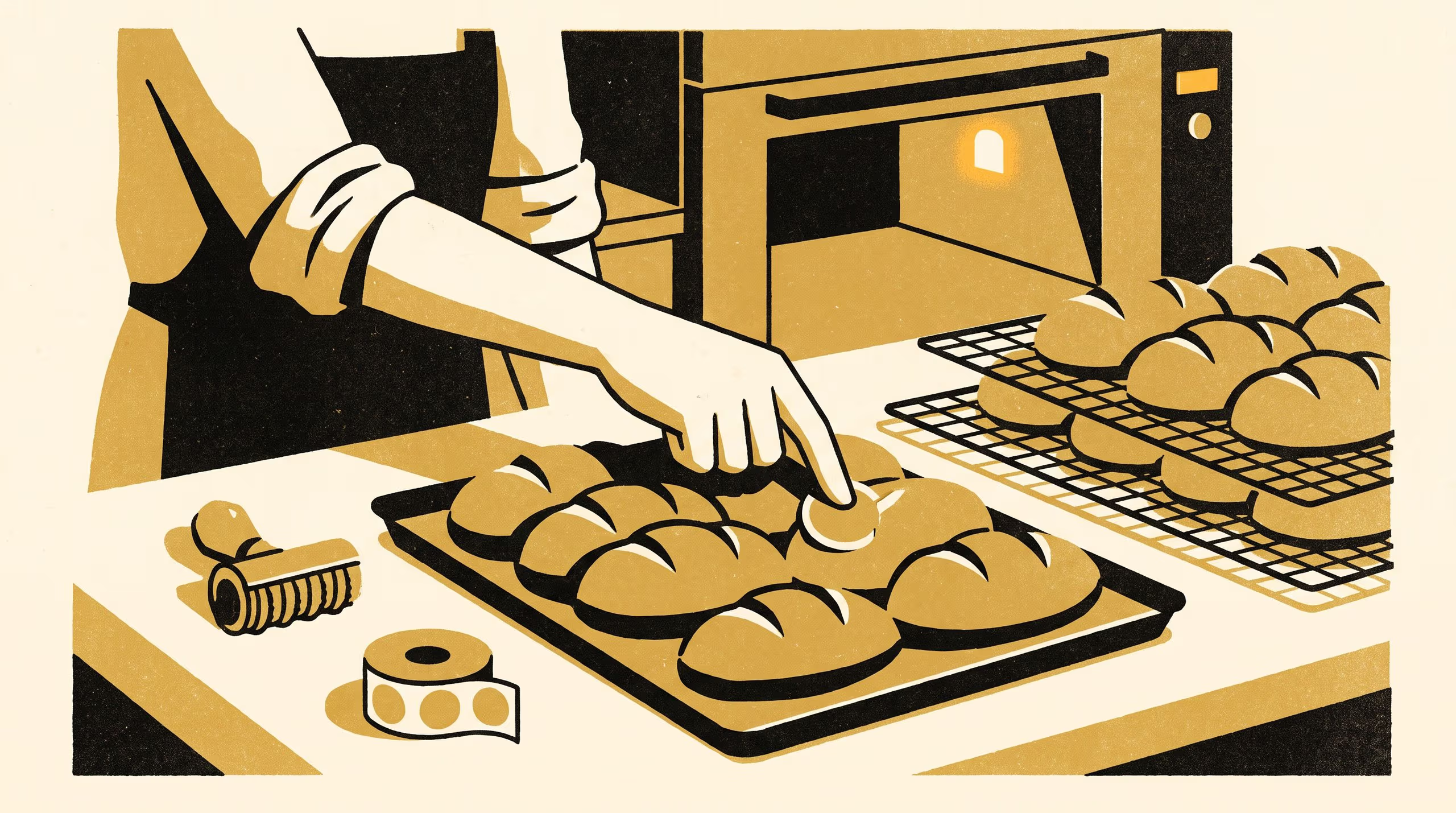
A new Slop University paper audits sticker-to-oven-log lag and self-reported freshness-lapse cutoffs across a regional bakery chain, finding staff and shoppers judge a "baked today" claim expired on their own schedule, not the chain's.
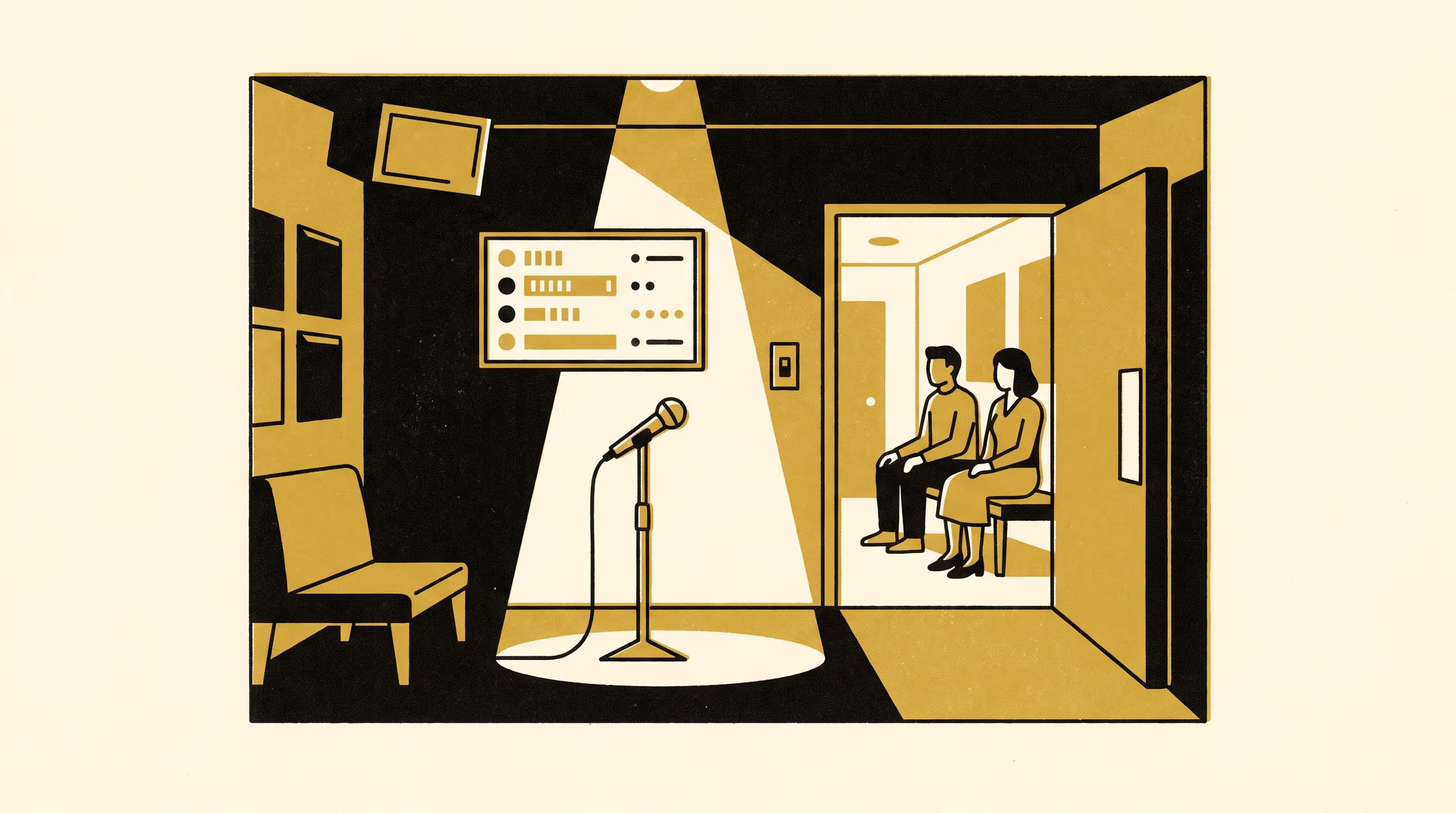
A new Slop University paper compares a karaoke chain's auto-skip queueing policy against a plain visible countdown, finding the skip step earns credit a shared grace-period display had mostly already banked.
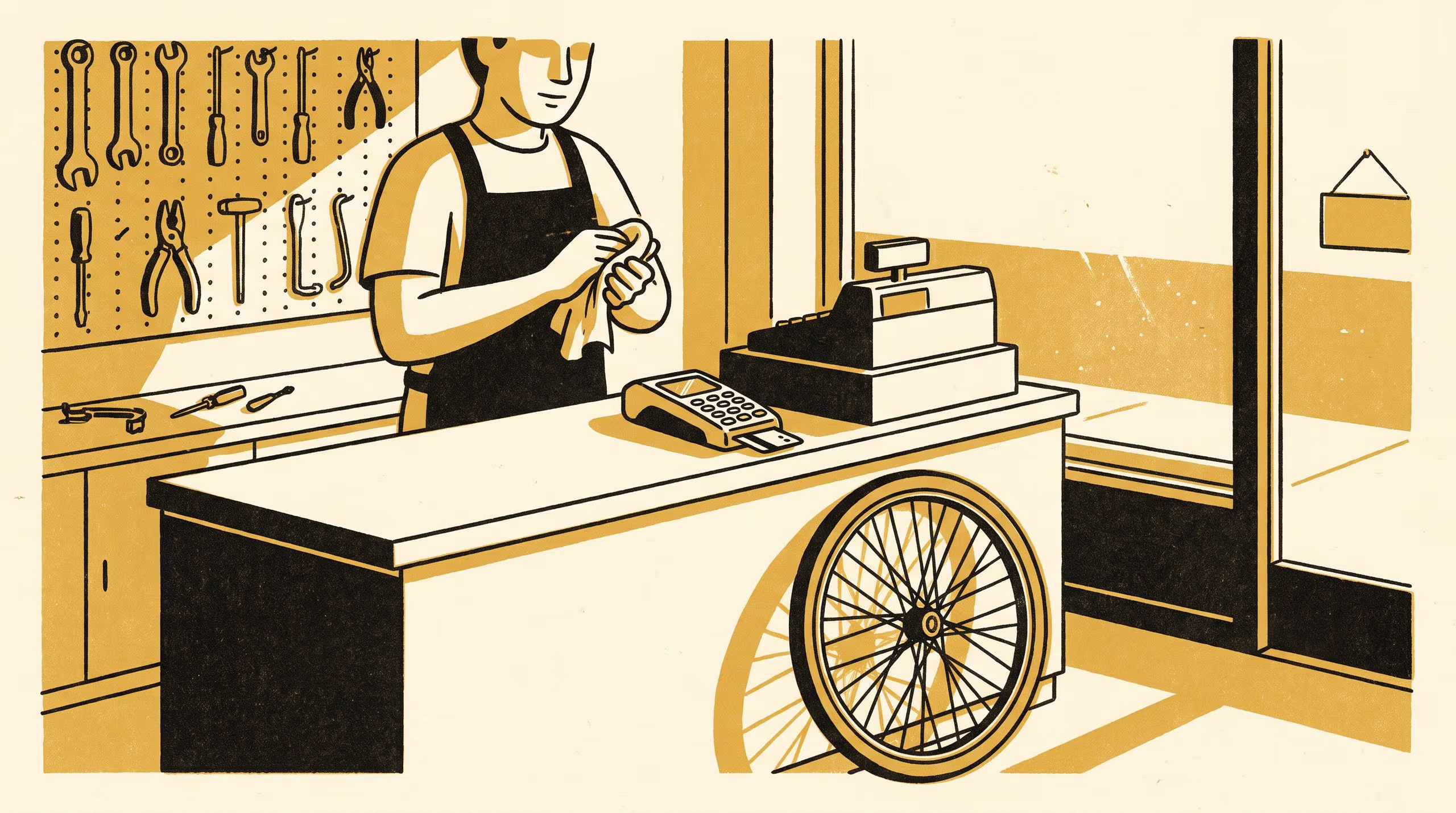
A new Slop University paper finds a payment terminal's suggested tip percentage barely shifts what bike-shop customers leave, but reshapes what staff believe about them within weeks.
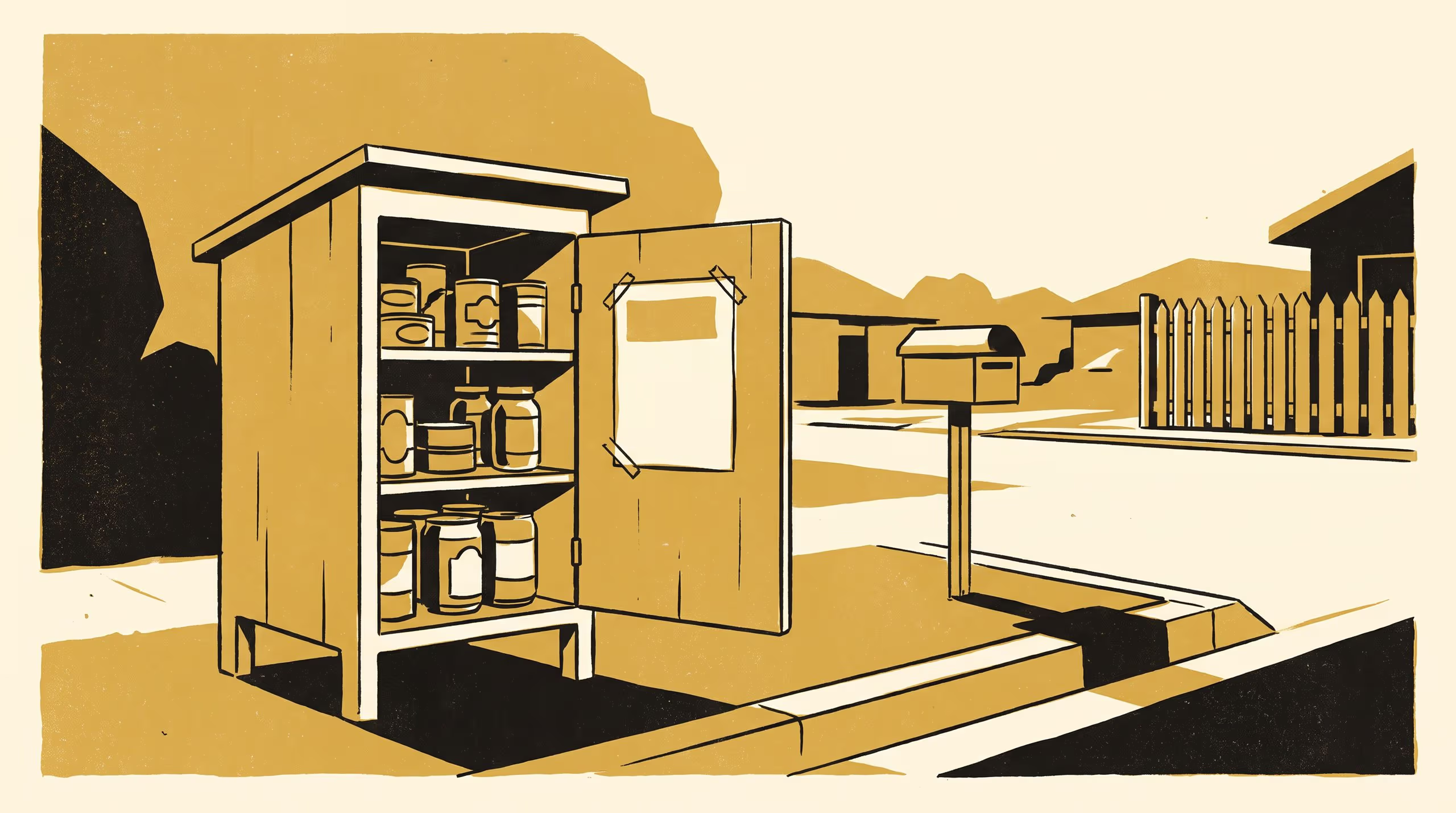
A new Slop University research poster tracks take-up at 14 street pantries before and after a handwritten note appears, finding the drop tracks restock timing far more than the note itself.
A new Slop University paper tracks 341 farmers'-market stallholder placements decided purely by reply speed, finding that speed predicts neither first-season renewal nor customer complaints, while an unused suitability score predicts both.
A new Slop University research poster tests whether residents can decode a kerbside recycling bin's coded contamination sticker, finding their guesses match the collection crew's logged reason in fewer than a third of cases.