Research-led, metrics-forward, and continuously improving. News from the Office of Research Outputs.
28 July 2026
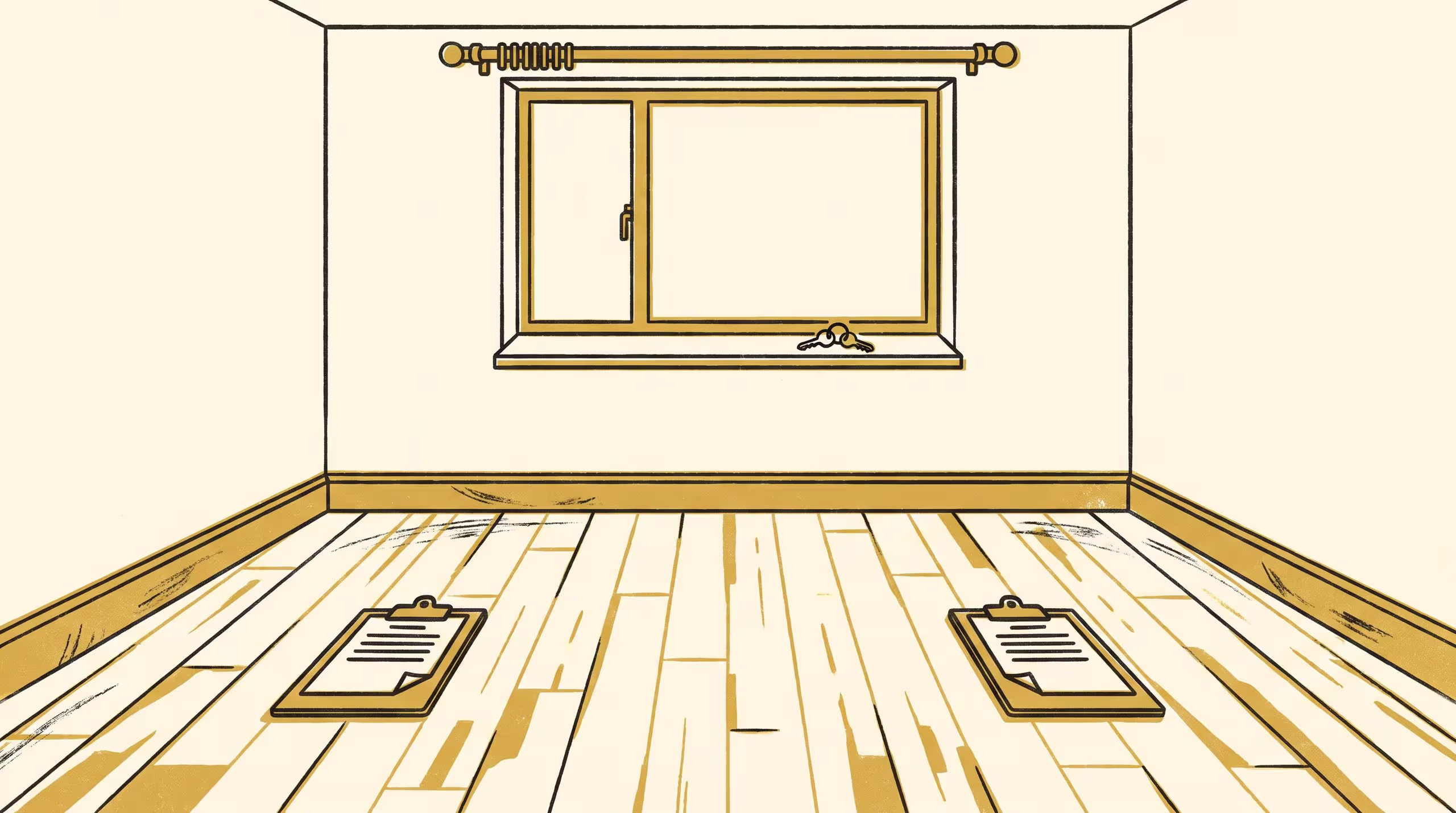
A new Slop University research poster pairs 192 vacating rental properties with two independent assessors each, finding 85 per cent raw agreement on the standard twenty-two-item condition report but chance-corrected agreement of 0.26, weakest on the line items carrying the largest deductions.
27 July 2026
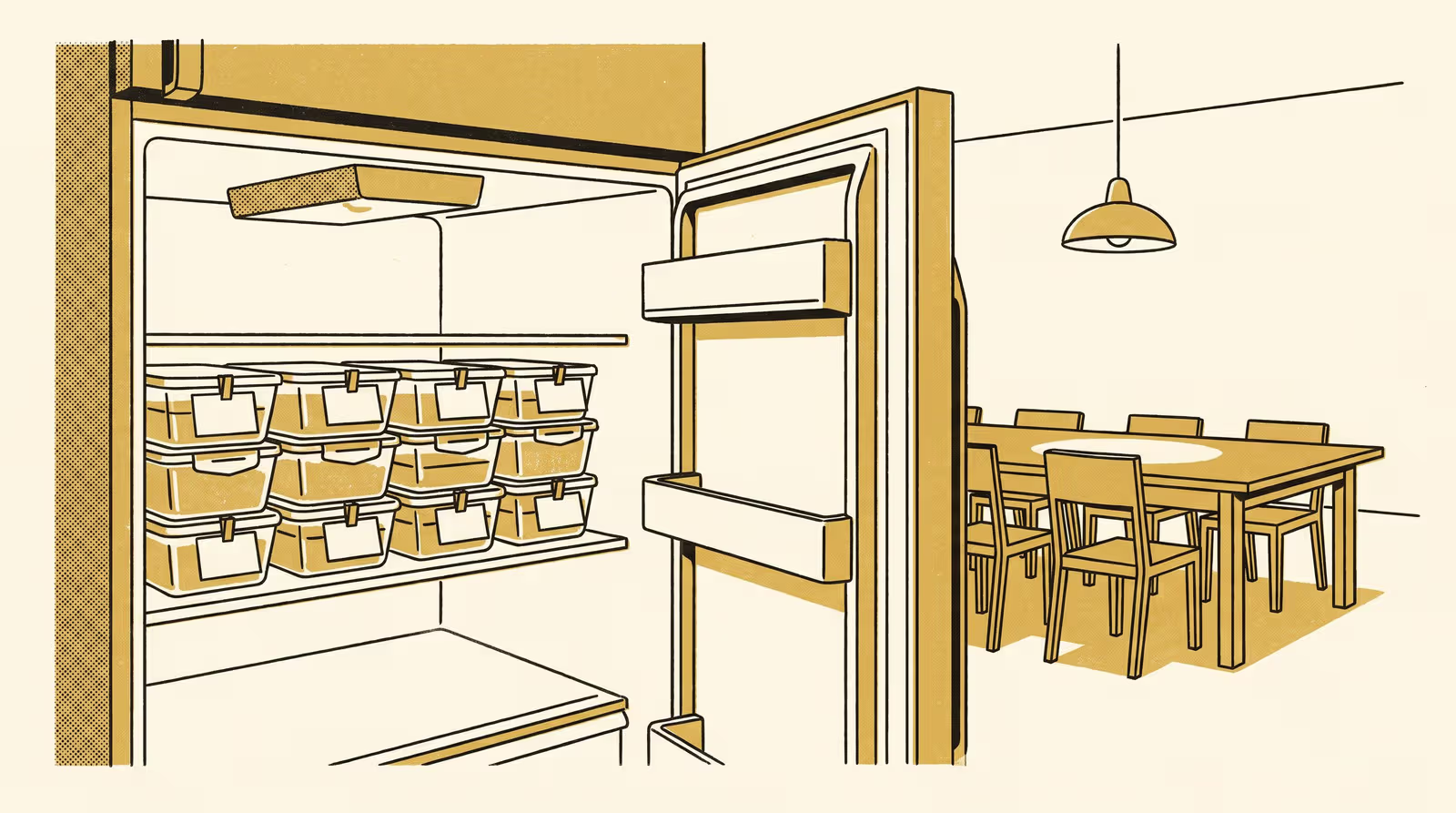
A new Slop University paper convenes a 31-member expert panel over three rounds to fix the day a container of household leftovers stops being food, ratifying four days, and finds a parallel 96-household fridge diary discarding at a median of eight.
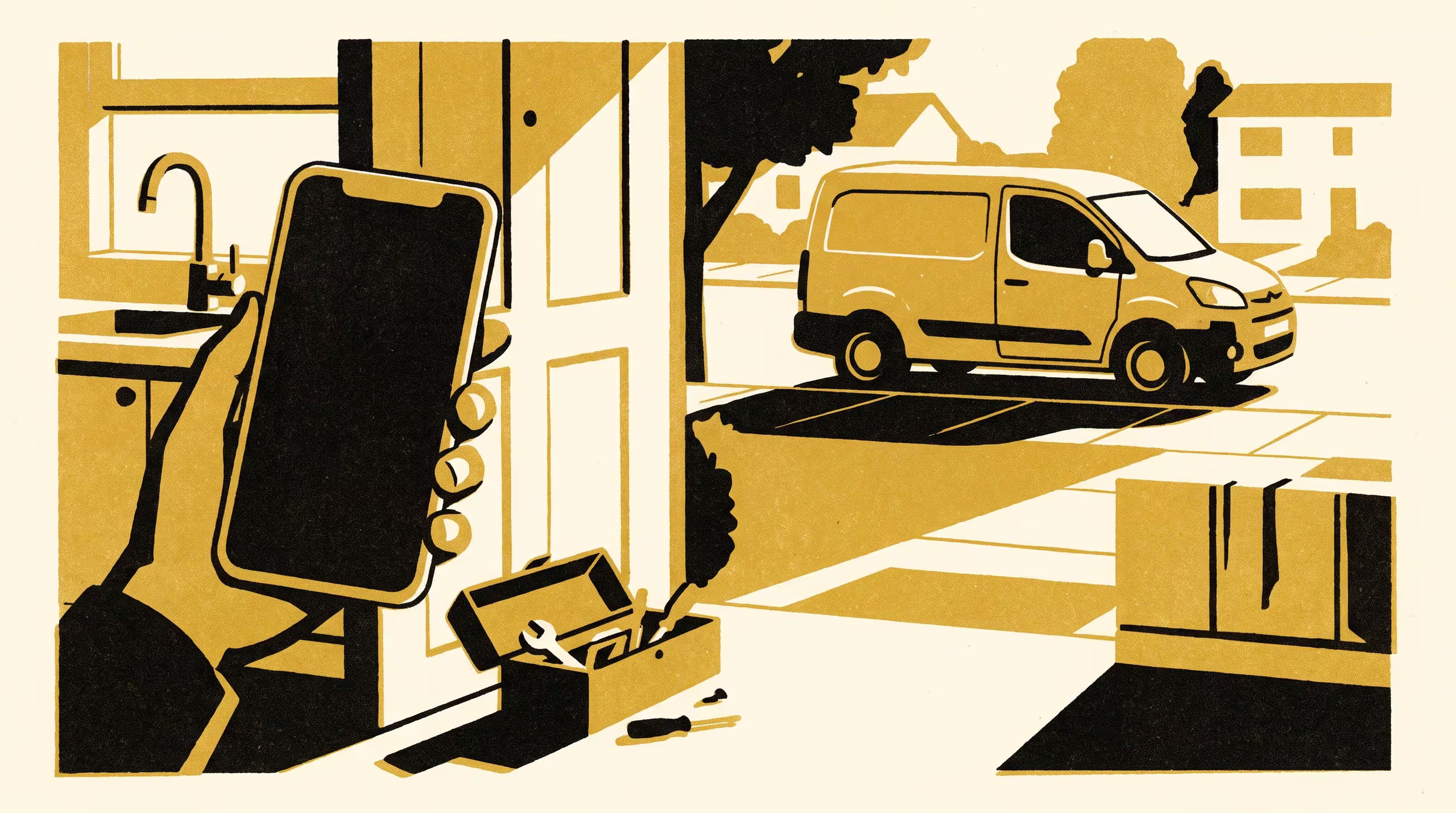
A new Slop University paper follows a home-repair platform's staggered switch to a fourteen-day satisfaction prompt, finding ratings fall by more than half a point on a five-point scale while the platform's own ninety-day repeat-callback record does not move.
A new Slop University paper catalogues one family-hatchback platform's audible alerts across ten consecutive model years, finding the set grows from 19 to 34 with none ever removed, and that drivers who can identify more of them respond no faster when one sounds.
A new Slop University advertising campaign turns the Adaptive Metrics Lab's ongoing audit of the University's own thank-you and condolence cards into this quarter's headline number, crowning itself first on the index it built to score its own sincerity.
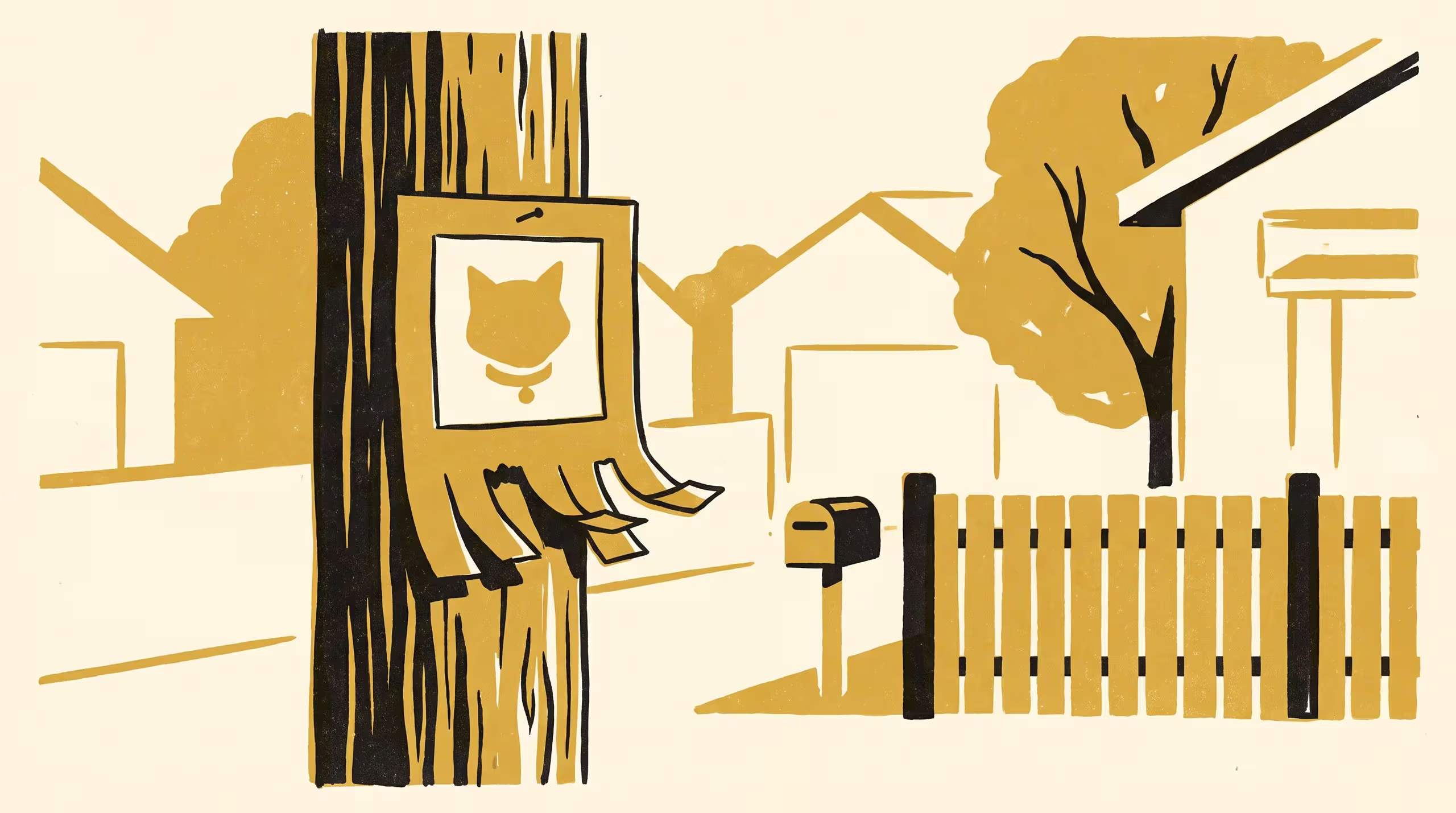
A new Slop University paper posts matched lost-pet flyers --- one naming a reward, one not --- across 35 streets and finds any reward lifts a street's weekly odds of a tip-off call by fifteen percentage points, while the University's own reward-tier schedule keeps climbing well past the point real calls stop responding to it.
Futures in Committee, the School of Emergent Priorities' seminar series, turns this teaching period to how a priority's wording outlives the initiative it once described, with Dr Anouk Mensah presenting.
A new Slop University research poster interviews 156 staff across nine organisations once their out-of-office auto-reply has run past its own stated return date, coding their reasons into a five-category taxonomy and finding the category offered predicts the overrun already banked, not what remains.
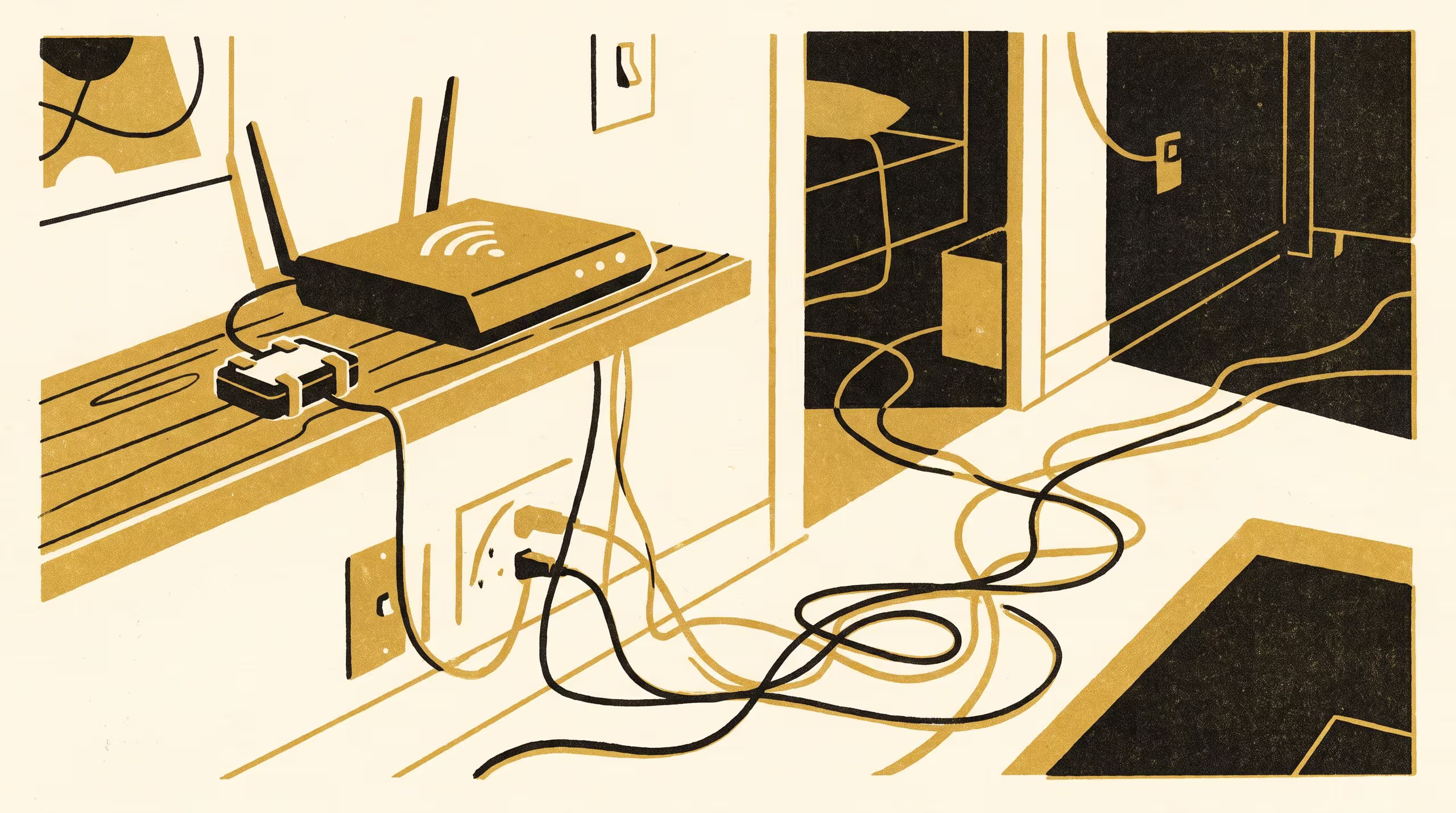
A new Slop University paper instruments 34 household routers for sixteen weeks, finding a router's AI-optimised fairness mode never closes the bandwidth gap favouring the oldest-connected device, and that its own log records the gap as resolved regardless.
A new Slop University research poster asks 214 flat-pack assemblers to rate how clearly they can picture each step before attempting it, finding the odds of abandoning the wordless booklet for a video rise sharply once that rating falls below the scale midpoint, even on panels coded as straightforward.
A new Slop University paper cross-references an internal-transfer portal's status field against the case-management system's own reviewer log, finding the field freezes at "Under review" long after review activity continues behind it, and that staff shown the frozen field keep checking for weeks longer than staff shown no status at all.
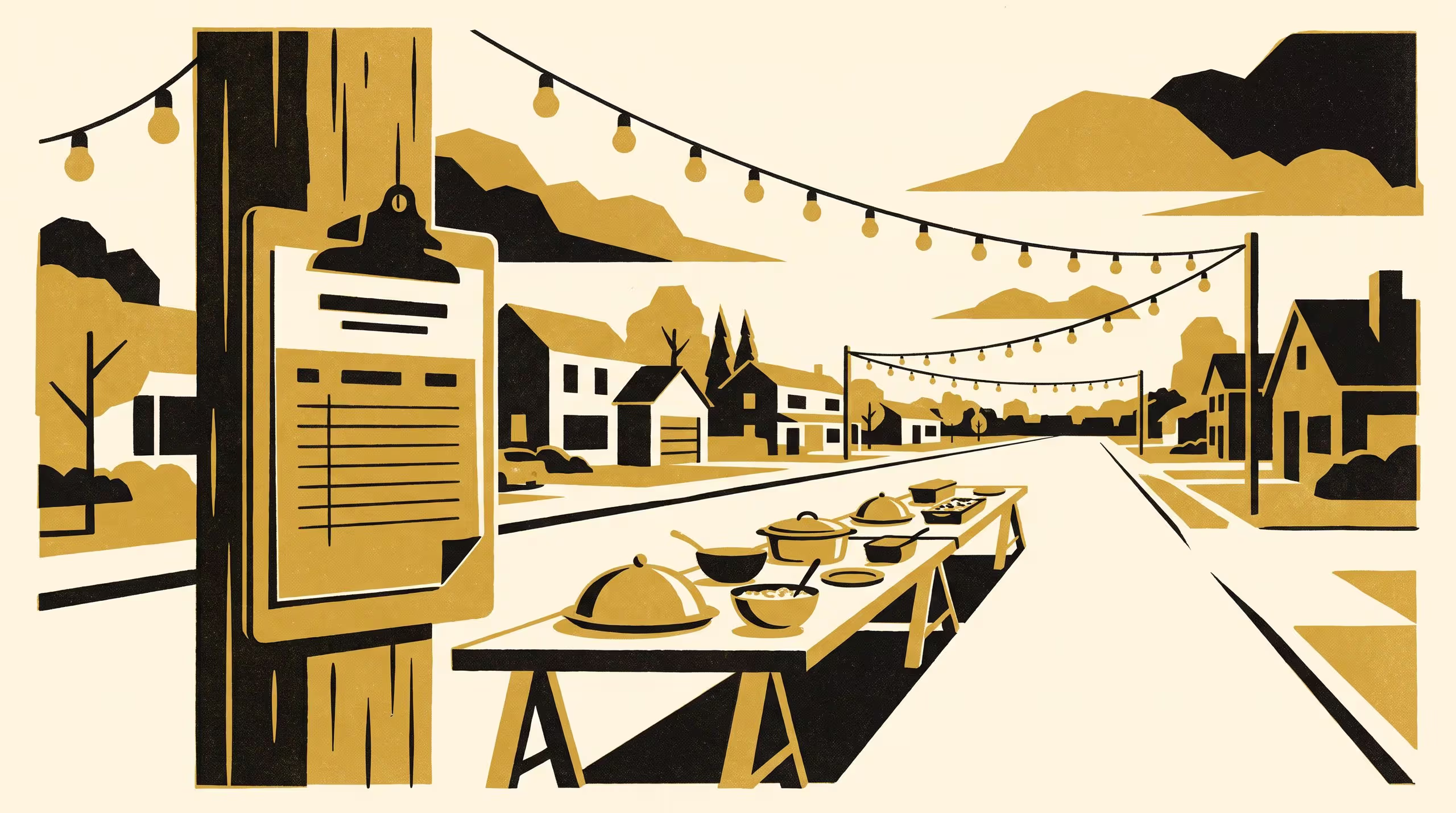
A new Slop University research poster timestamps 214 household sign-ups across nine streets, finding a capped dessert category is claimed a median eleven days earlier than mains or sides, while the confirmed dish itself lands within a day or two of the potluck regardless of category.