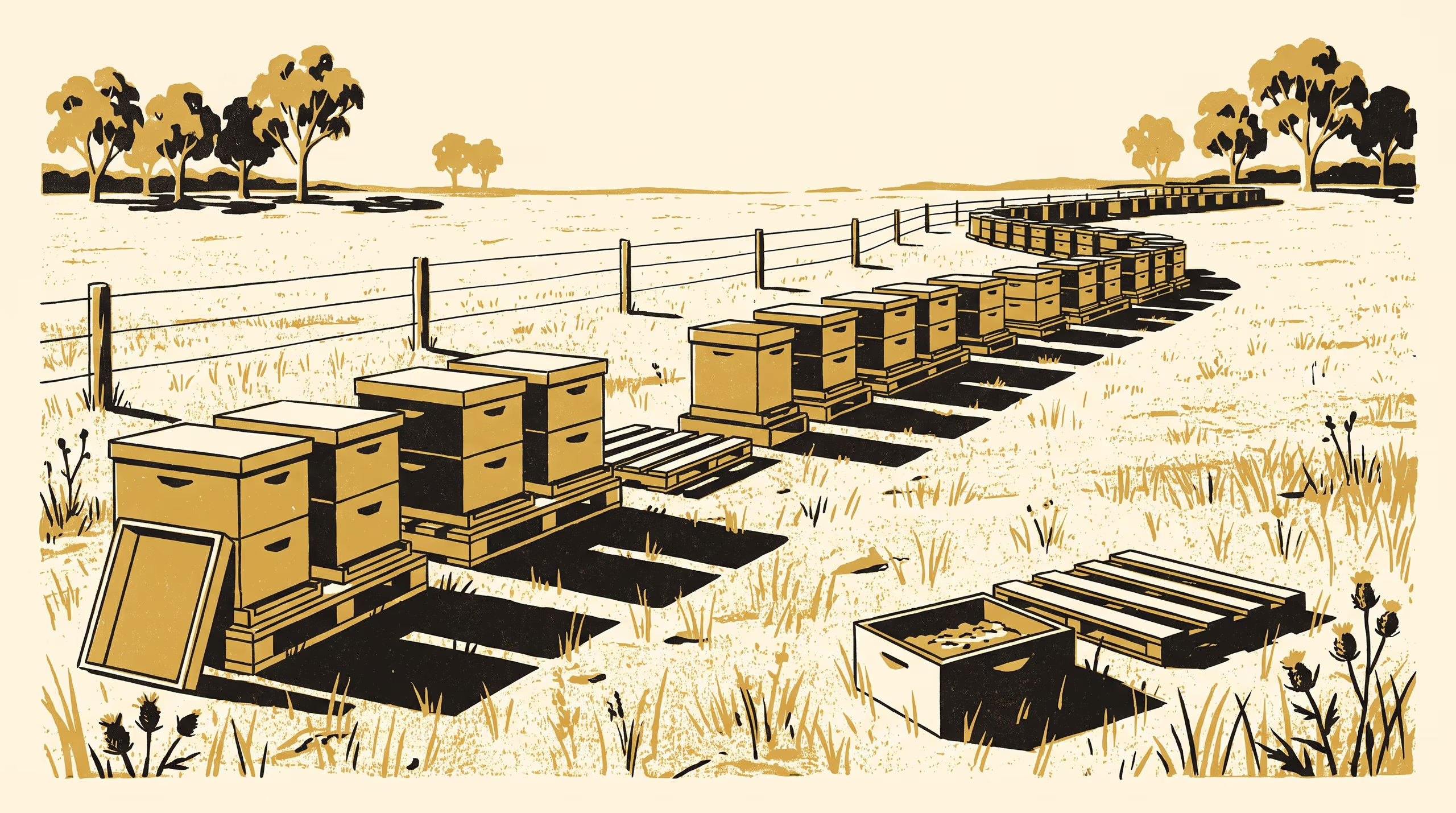
School of Continuous Improvement researchers count the boxes at 197 registered apiaries and find standing hives come to 68.8 per cent of registered ones, thinning the surveillance the register is also used to plan.
A stratified field audit of 197 apiaries, and the pest-surveillance sample a state biosecurity program draws from the same register
One figure inside a state biosecurity program does two jobs: it reports how the pollination sector is faring, and it decides where the year’s pest inspections go. Registered, Not Standing, released today by the School of Continuous Improvement, went out to 197 apiaries and counted the boxes.
The team drew a stratified sample from one state register, visited each site once between February and June, and recorded a hive as standing only where a box held a live colony. Across the sample, standing hives came to 68.8 per cent of registered hives. The shortfall widened as declared apiary size fell, and roughly one audited site in six held a current registration with no standing hive at all.
A register that is never asked to subtract will keep every entry it was ever given, and it will go on reporting them.
— Dr Ingeborg Nwachukwu, Lecturer and Convenor, Capability Sprints
Because the register is also the sampling frame, the effect compounds: recalculated against the counted population, the annual plan reaches 78 per cent confidence of detecting a notifiable pest at 1 per cent design prevalence, against the 95 per cent the plan reports. Dr Joost Nwosu, Postdoctoral Fellow, said the study “belongs to a question the School keeps returning to, which is what becomes of a record once nobody is obliged to close an entry.”
The work was supported under the Indicator Stewardship Seed Fund. The University is pleased to see its measurement agenda carried into the paddock, and regards the study as a substantive addition to the School’s programme on records and their upkeep.
The full poster is available from the University’s research repository under an open licence, doi:10.5555/slop.jnd61t.