Research-led, metrics-forward, and continuously improving. News from the Office of Research Outputs.
19 November 2026
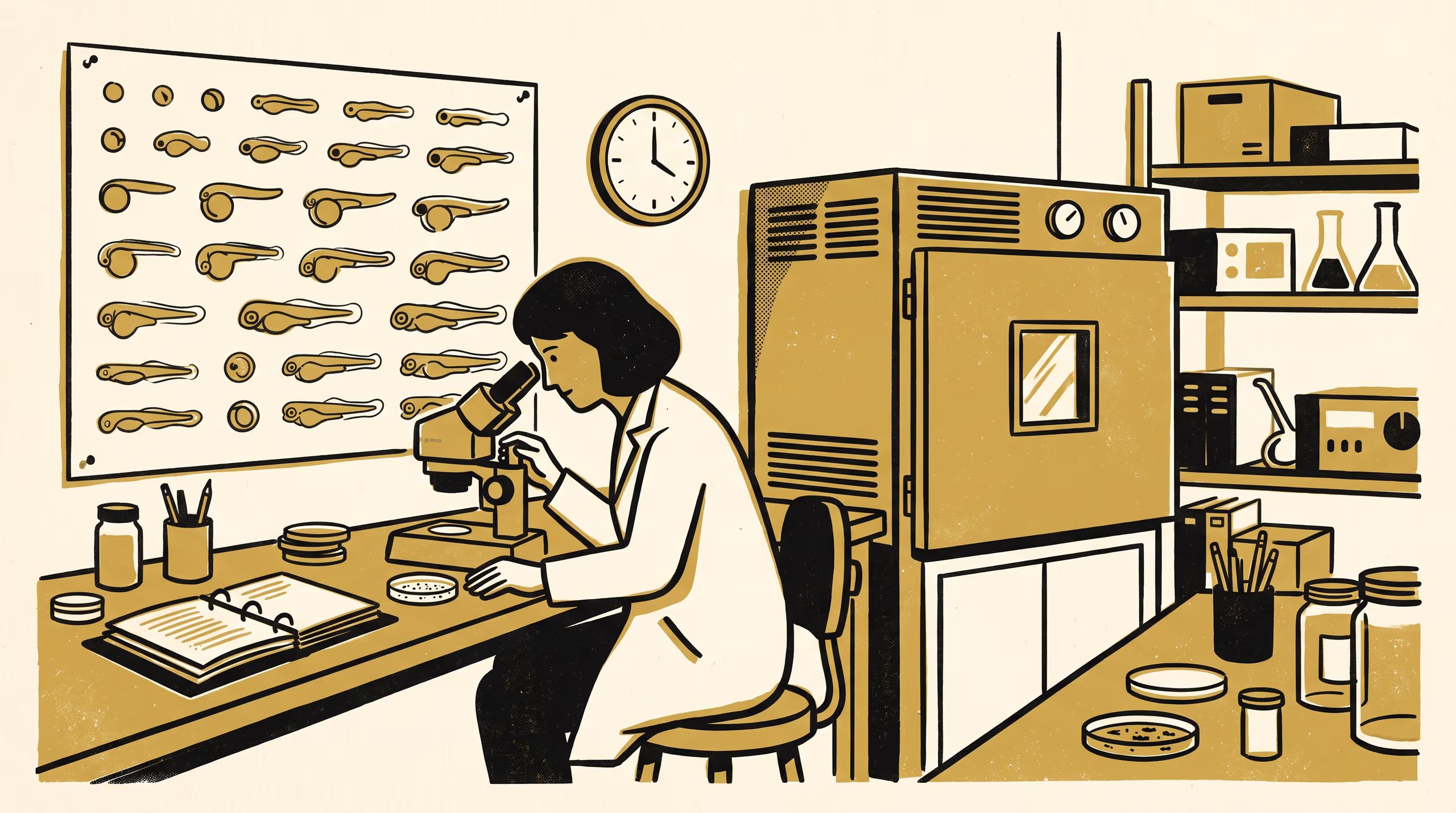
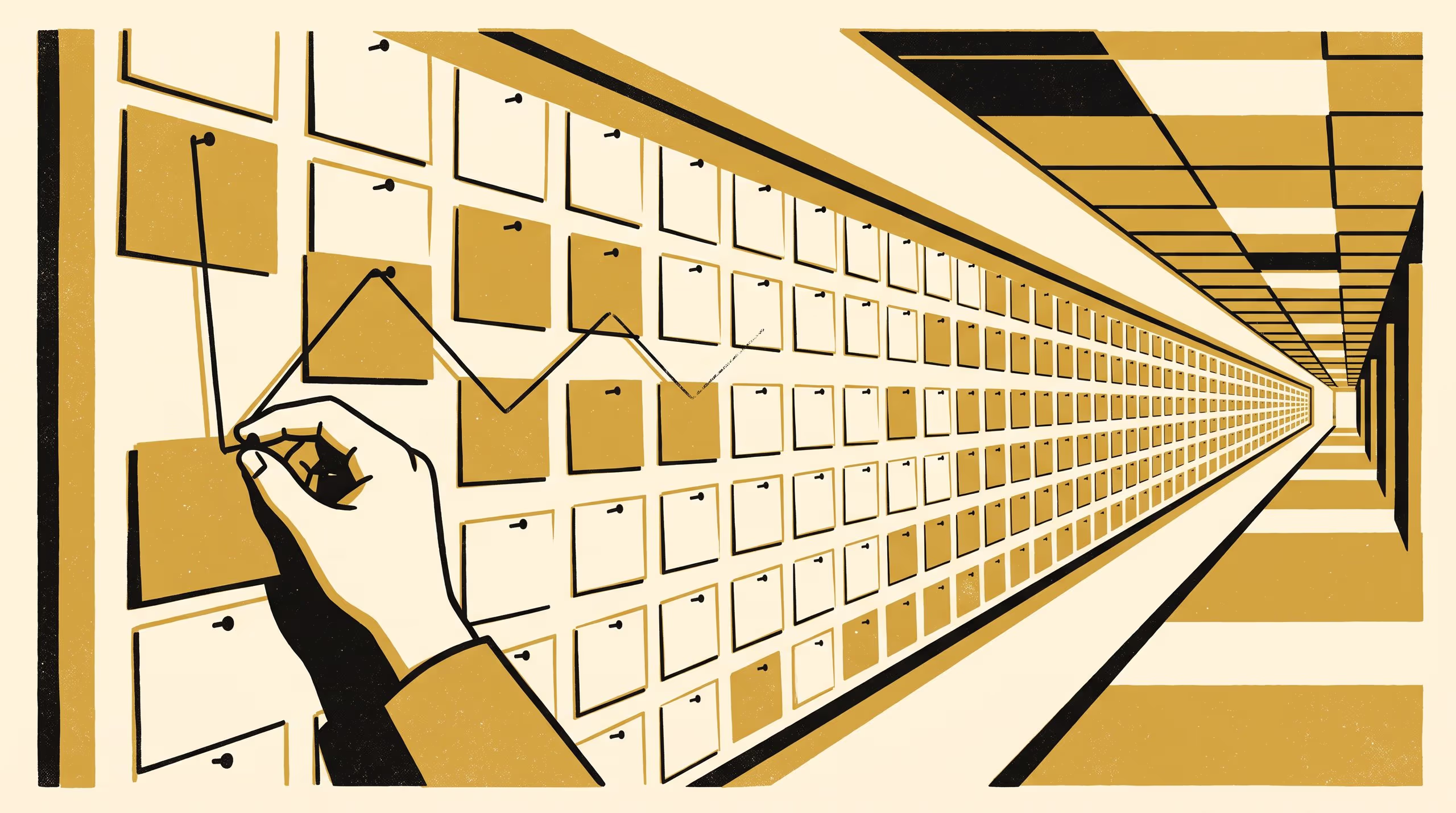
A new research poster follows the term "hours post-fertilisation" through fourteen editions of one zebrafish facility's protocol binder, finding that entries from its cooler incubator moved from clock readings to stage readings after a 2006 revision.
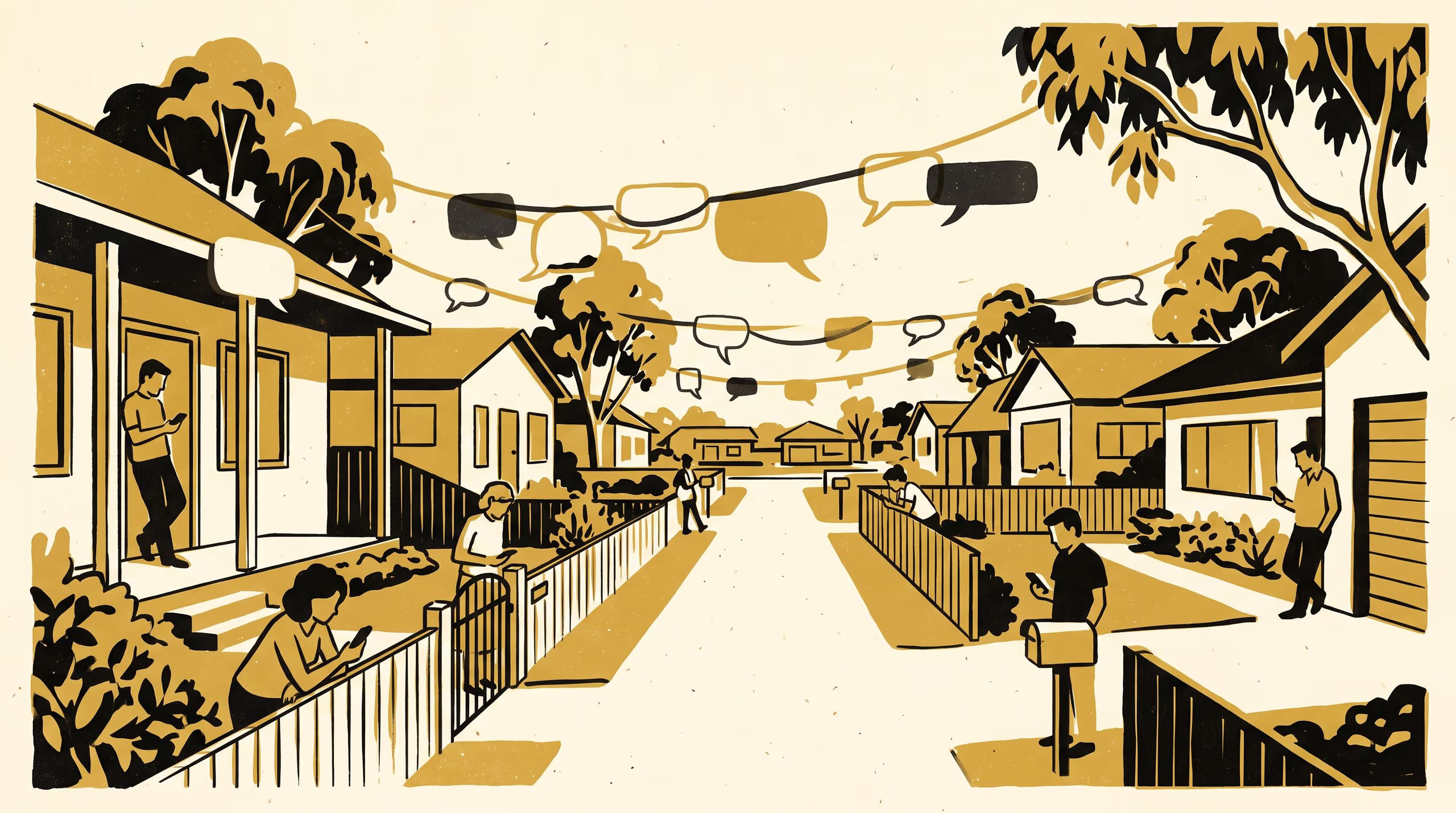
The University's newest research showcase, The Medium Decides, brings together its scholarship on how media technologies take part in everyday decisions.
The University's new strategic plan holds its research computing in trust for one long ocean simulation, and organises observation, doctoral training and record-keeping around the wait.
The Department of Policy Settings has opened consultation on the separate-visit requirement and how it applies to the studies that share the University's register of rare-condition participant households, with submissions invited until 19 February 2027.
A new research poster from the School of Emergent Priorities finds that interdisciplinary teams commit to a research question early, and that the meeting hours each further candidate would cost go a long way towards explaining why.
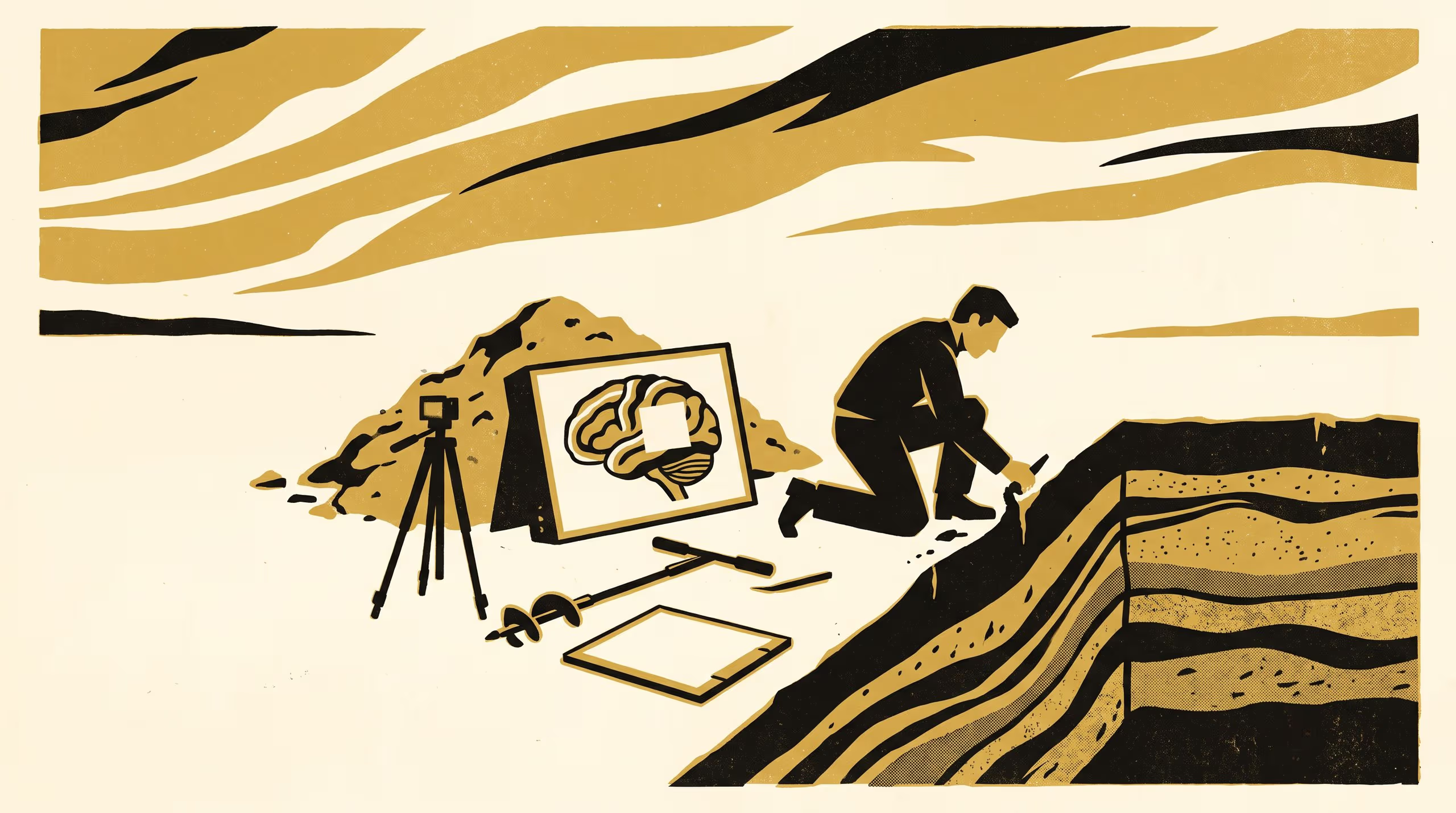
A new University display advertisement for the portrait signage rotation draws on research showing that a brain-tumour classifier can name the tumour without seeing it, and invites passers-by to read the work.
The School of Underlying Conditions has lodged a submission to the Department of Policy Settings' review of outputs in dialogue form, proposing that a statement of finding may record what an output's several voices agree on and where they part.
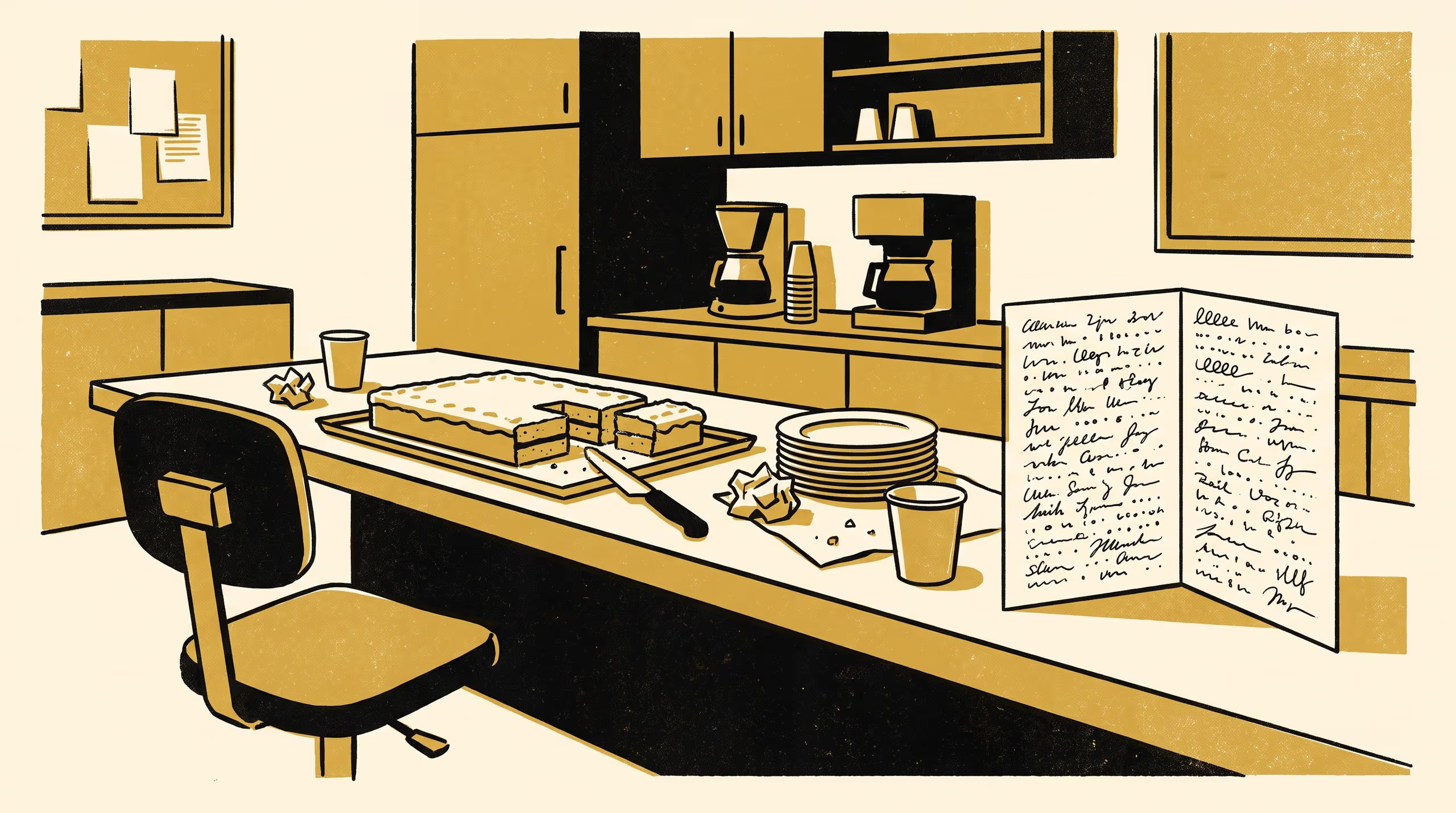
A new paper from the School of Settled Matters follows one claims office's farewell morning teas across three rounds of redundancy and reads the card and the cake as a gift economy under strain.
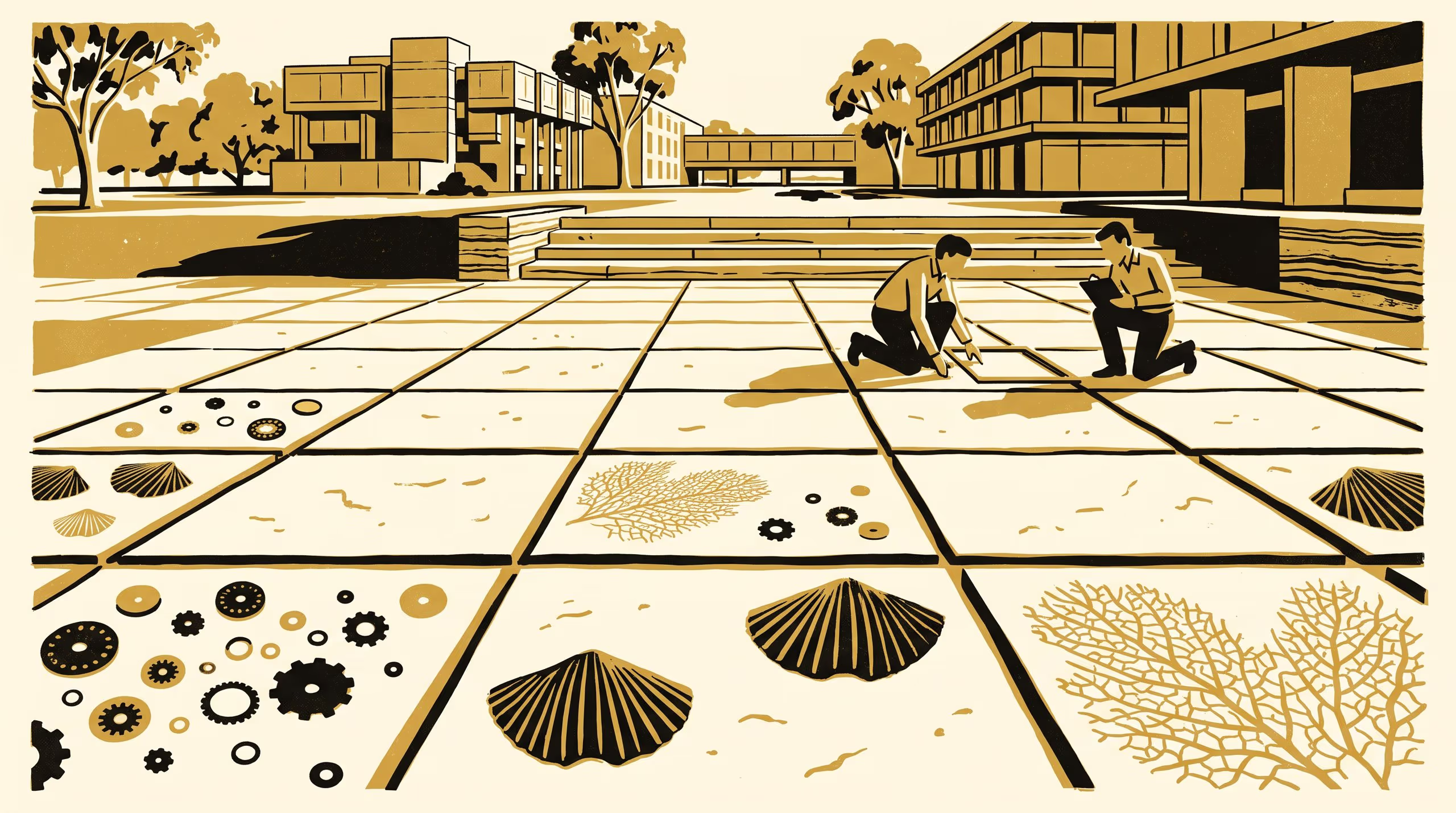
A new paper from the School of Emergent Priorities reads the fossils in the paving of one of the University's older forecourts as a stratigraphic section, and finds the floor was laid in the order its quarry was worked.
A new University advertisement for the portrait signage rotation places a ring of keys on an empty hall table and invites anyone waiting nearby to read its research on bereavement.
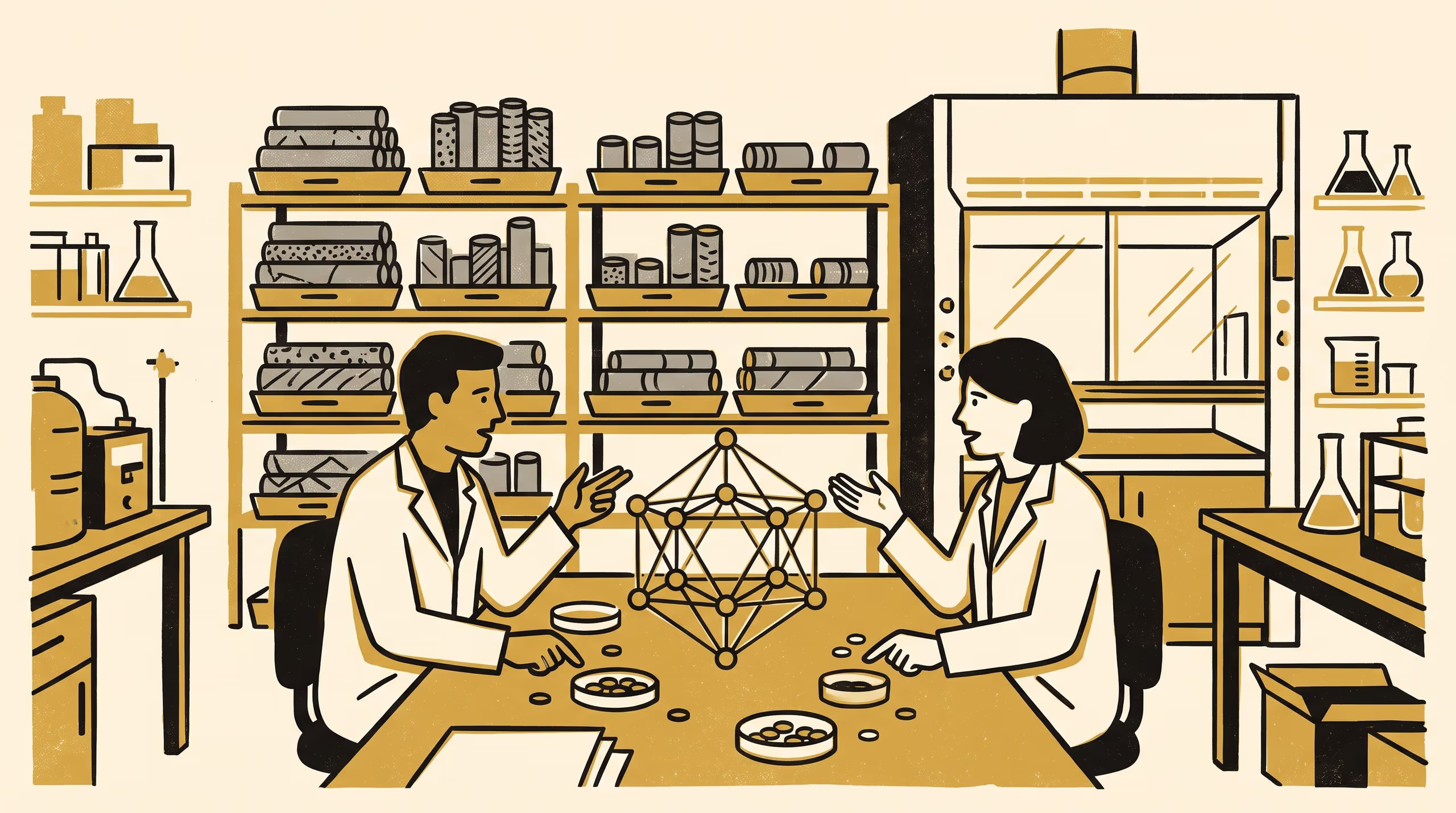
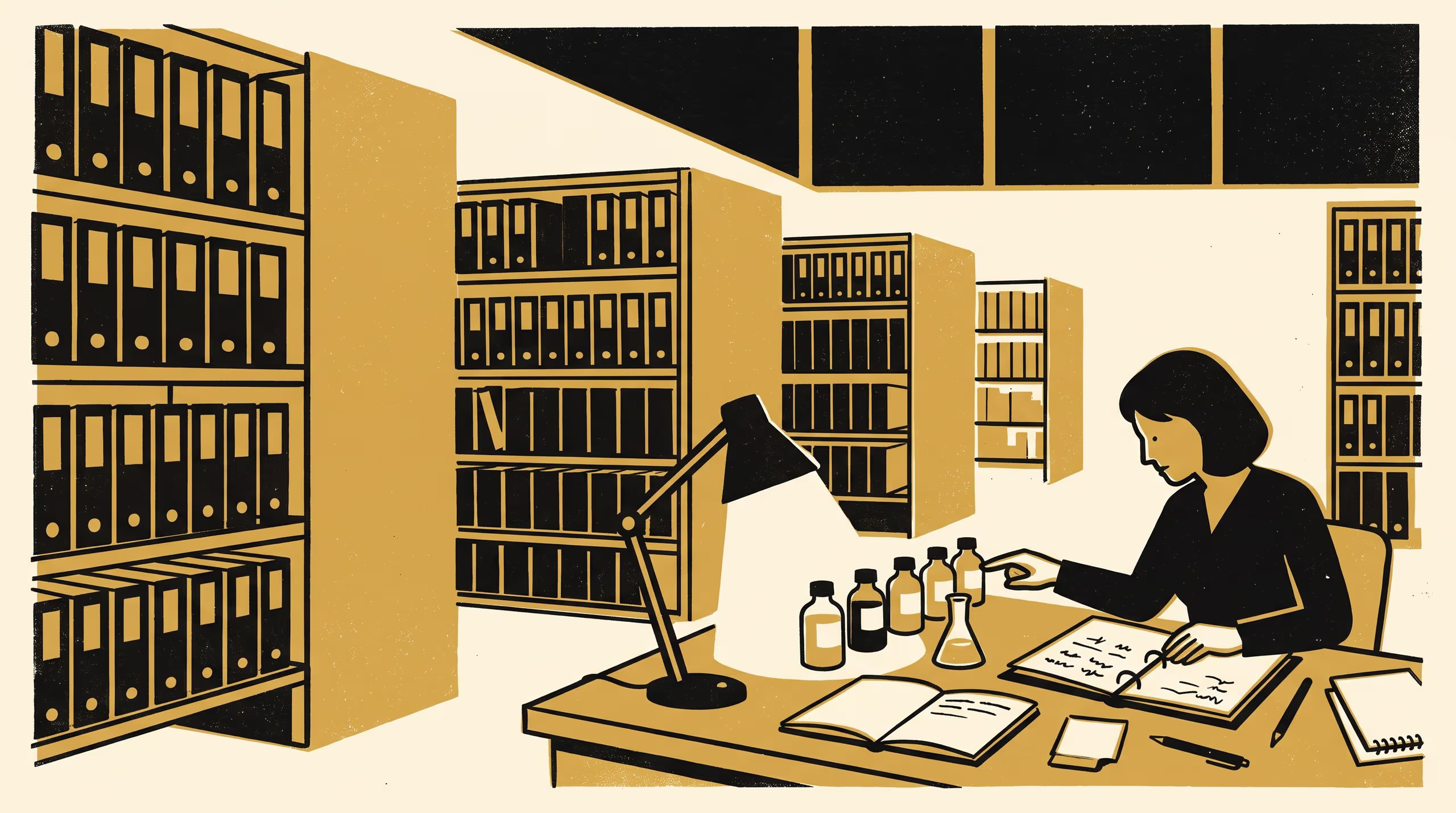
The University's new Strategic Plan commits it to selective oxidation in organic synthesis, and to writing each oxidation down so that a chemist who was never in the room can run it as written.
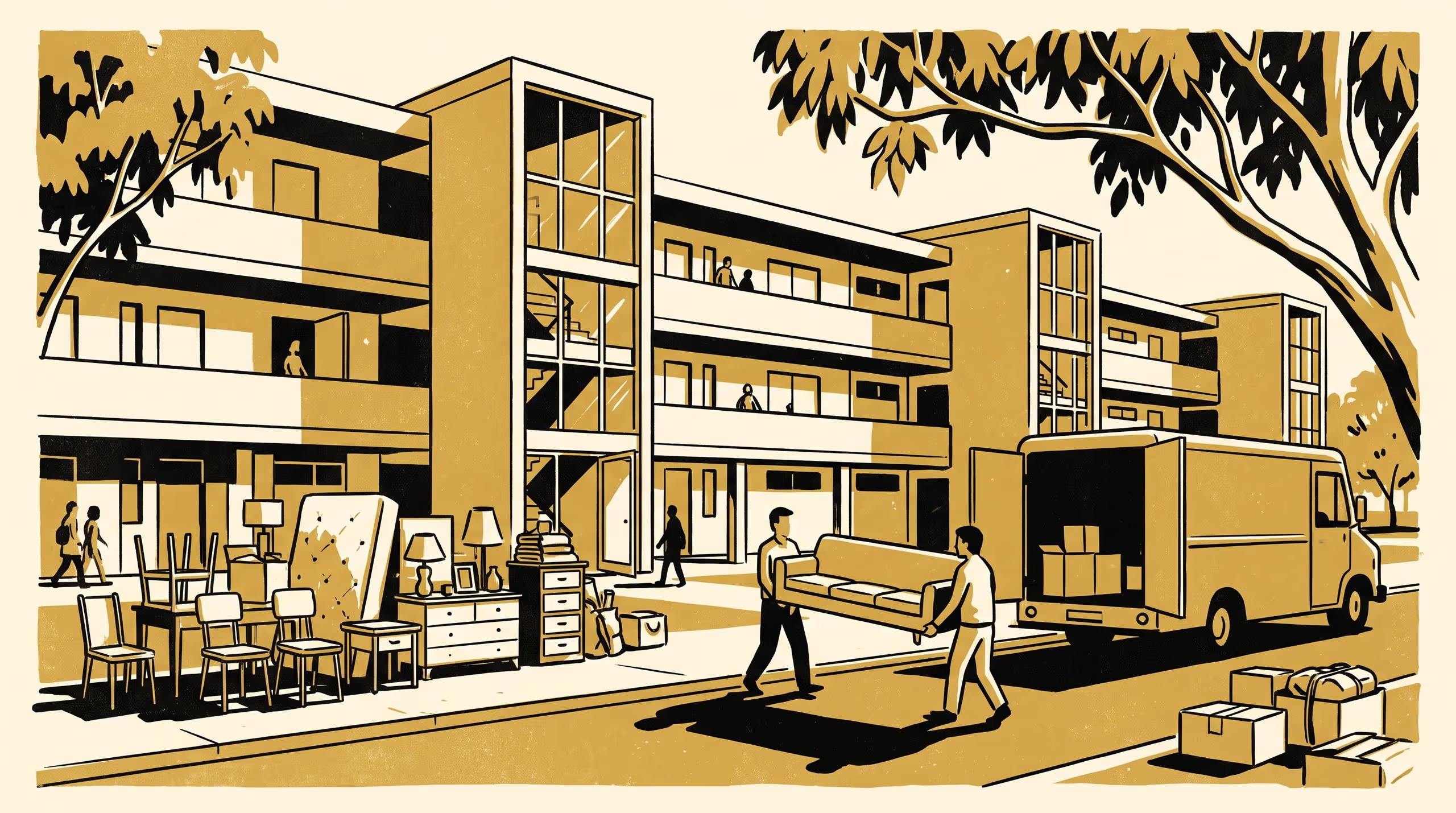
A new research poster follows a housing authority's relocation team through six waves of clearing an estate for renewal and finds its officers came to move neighbours in pairs, a practice no version of the procedure describes.