Research-led, metrics-forward, and continuously improving. News from the Office of Research Outputs.
20 September 2026
A new research poster from the School of Emergent Priorities describes a rear-window lamp that holds a driver's thank-you until the driver ahead has seen it, and the roads authority that adopted its count as a courtesy standard.
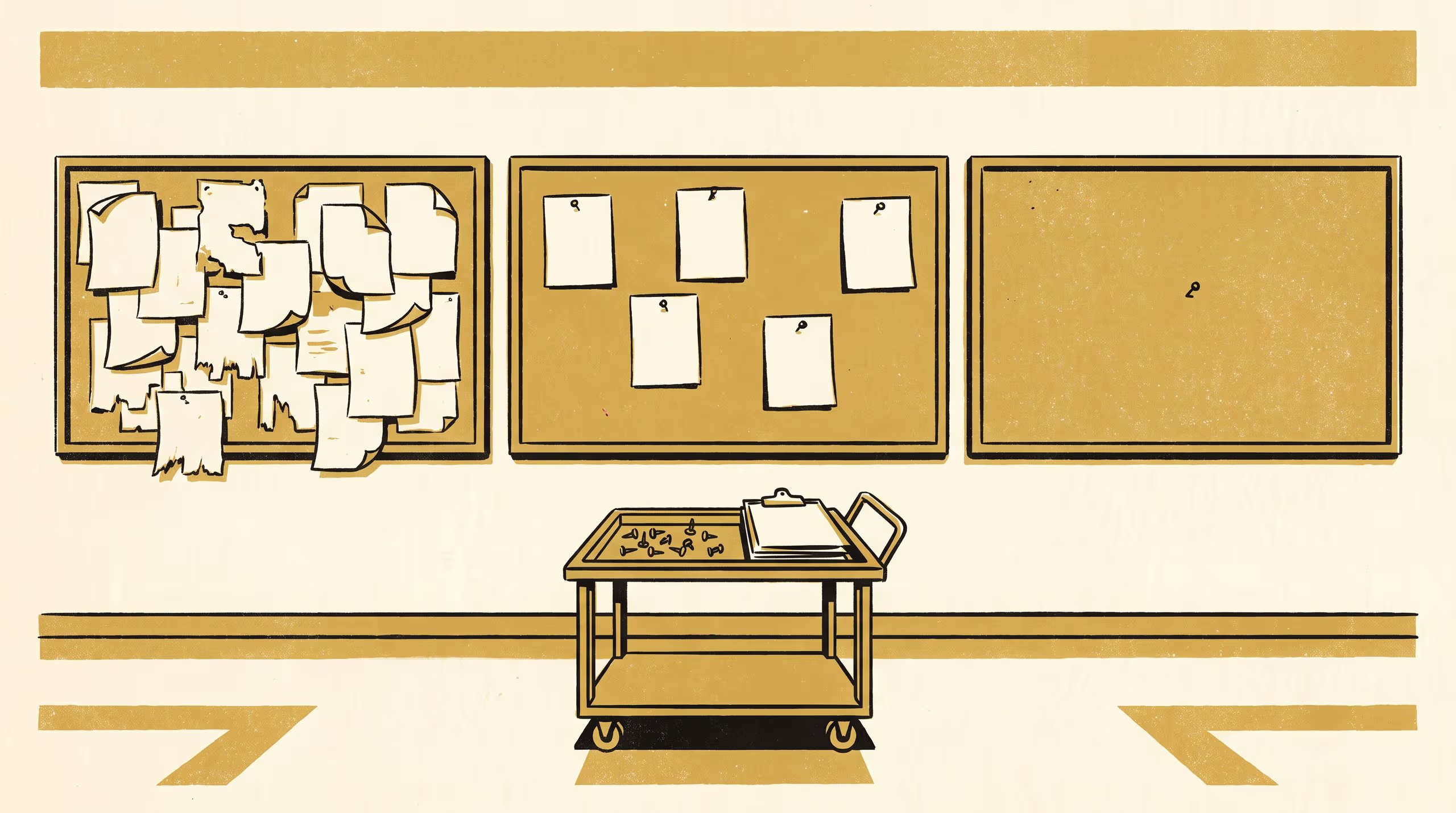
A School of Continuous Improvement research poster places a student union's corridor corkboards on a five-level pin-hygiene scale and follows what the boards carried as they climbed it.
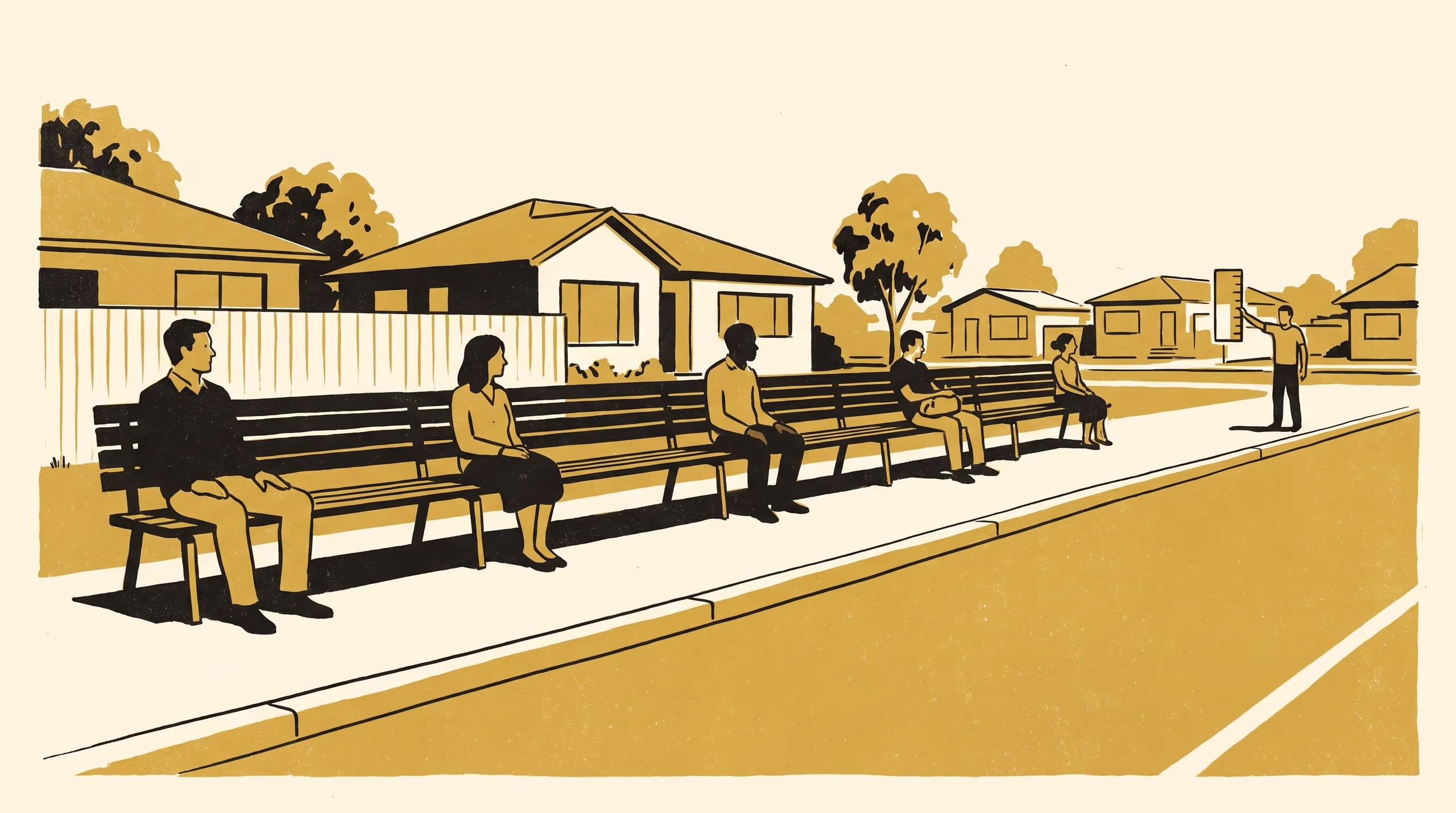
The School of Continuous Improvement's Impact Report 2021-2026 sets out a five-season survey of bus-stop benches and the seating standard the School drew from it.
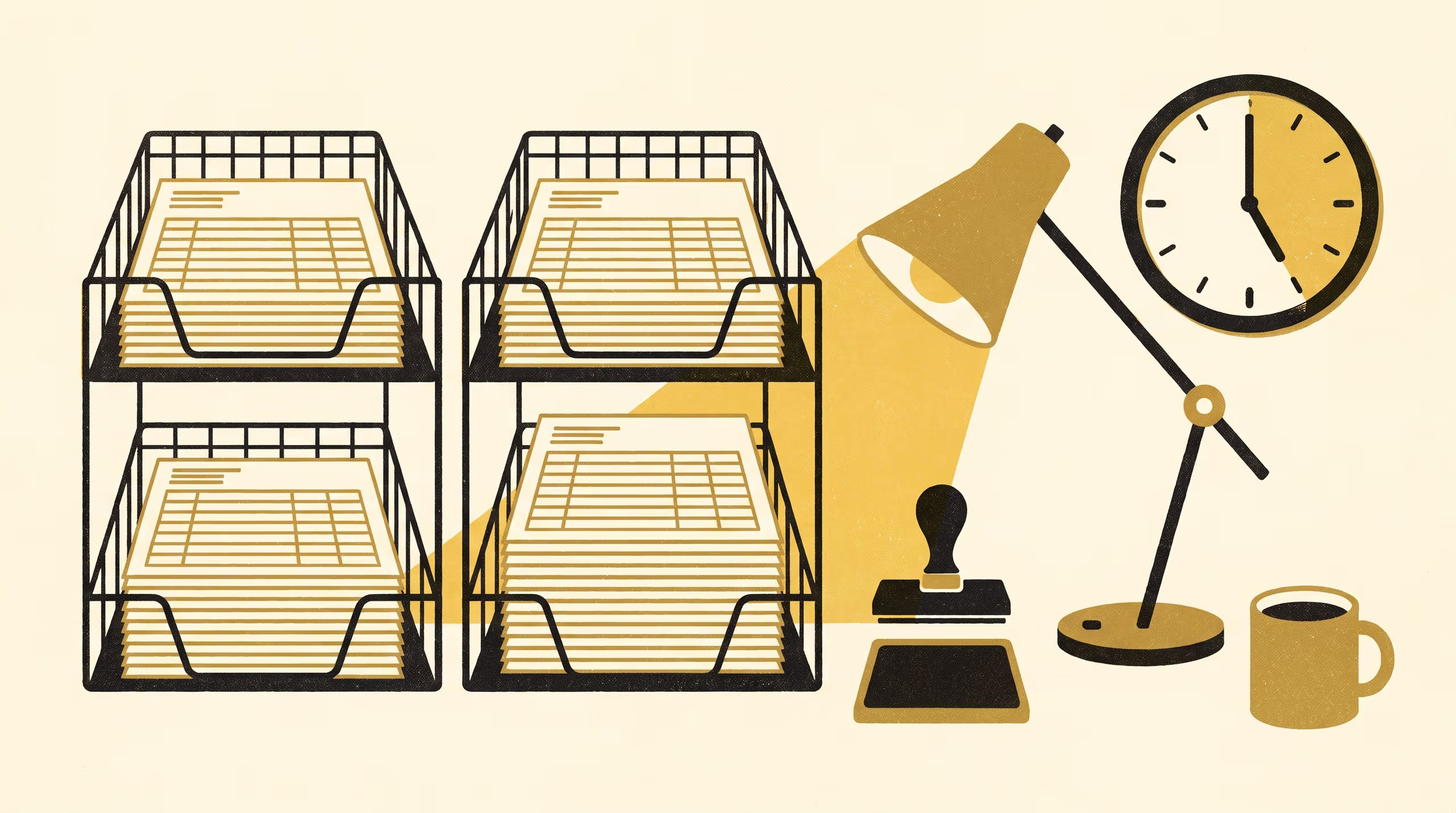
A new research poster from the School of Emergent Priorities sorts a plumbing-supplies depot's weekly timesheets by the roundness and lateness of their hours, and the depot has adopted the sort as its first read of overtime.
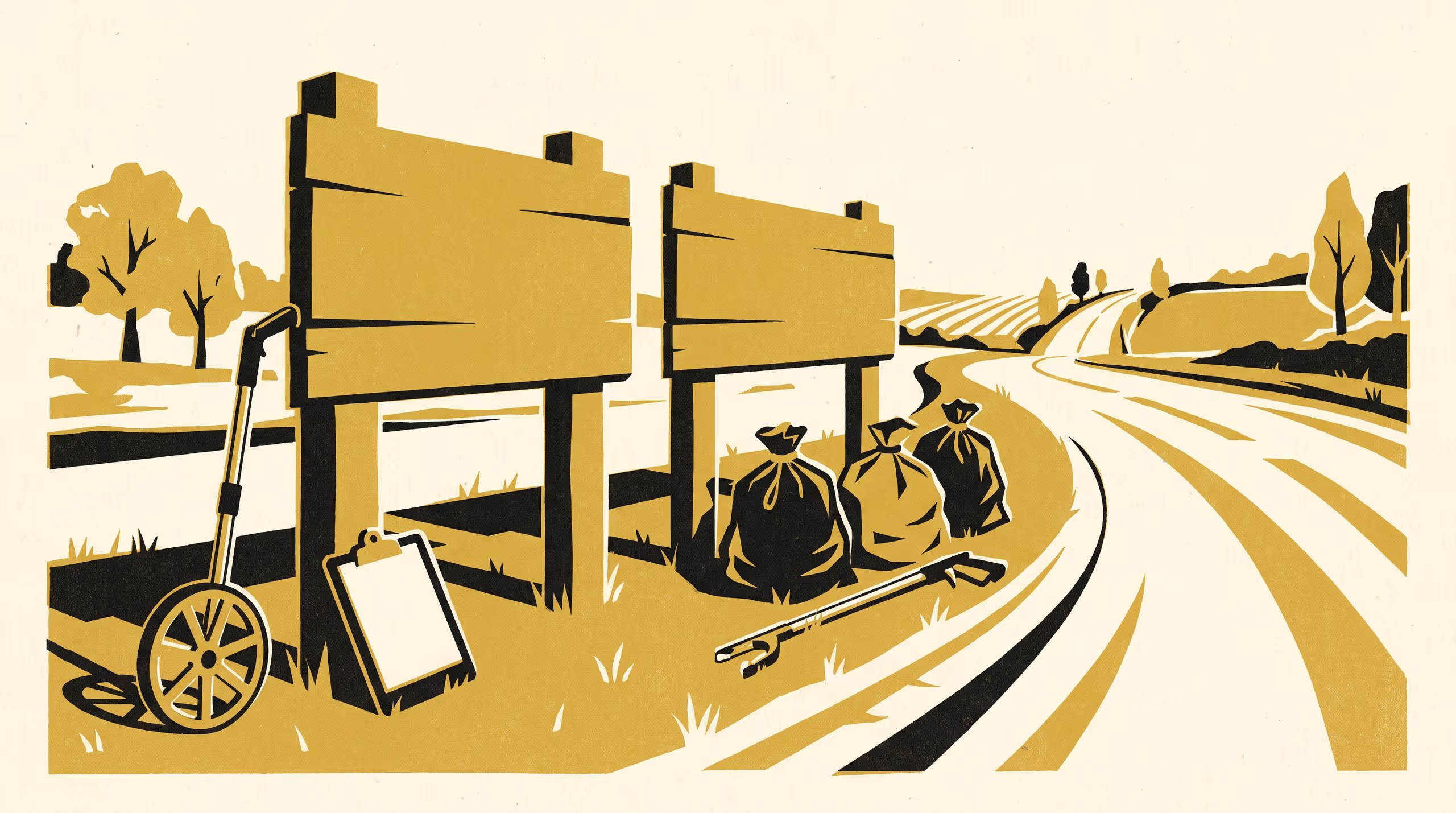
A new Slop University research poster scores volunteer-adopted roadside stretches against a five-level stewardship maturity model, and reports that a shire now sets its litter-collection rounds and sign-panel sizes by the level a group attains.
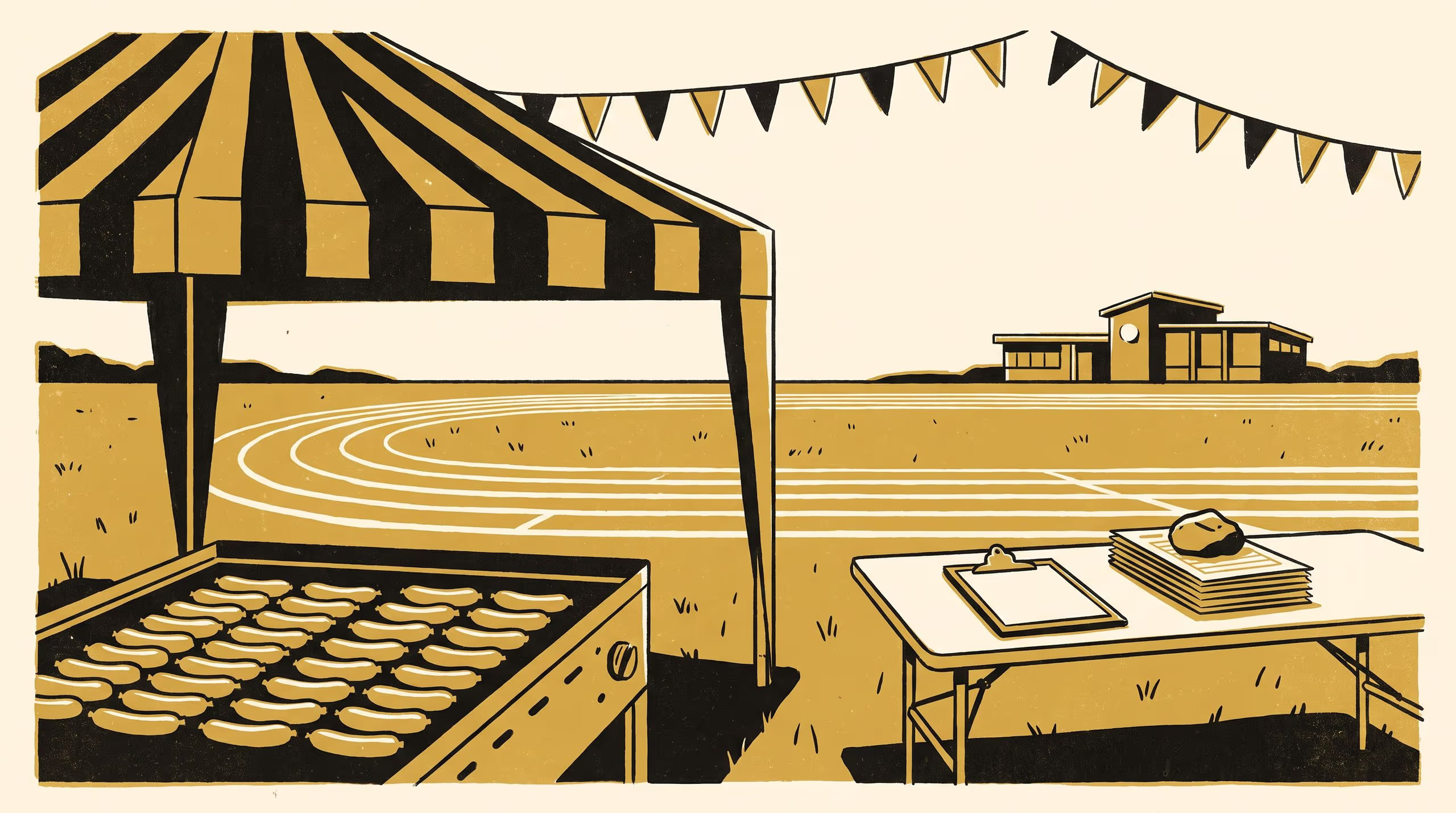
A new research poster from the School of Continuous Improvement follows one primary-school sausage sizzle against a shire's sixty-sausage notification ceiling, in the form of a teaching case.
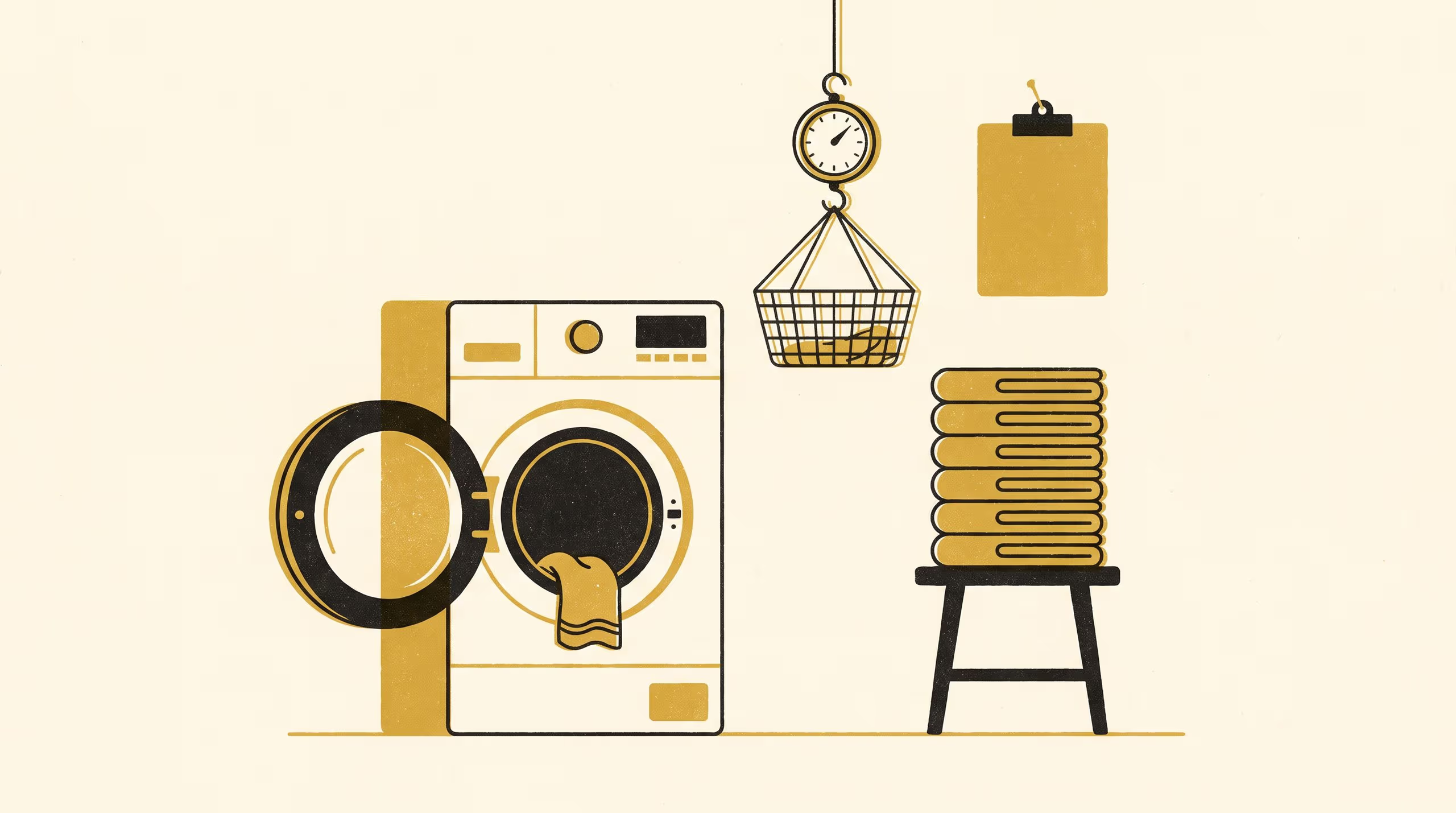
A new research poster from the School of Emergent Priorities compares household loads on either side of a front-loader's small-load cutoff, and the Trajectory Analytics Group has adopted a ballast rule for its own reference washing.
19 September 2026
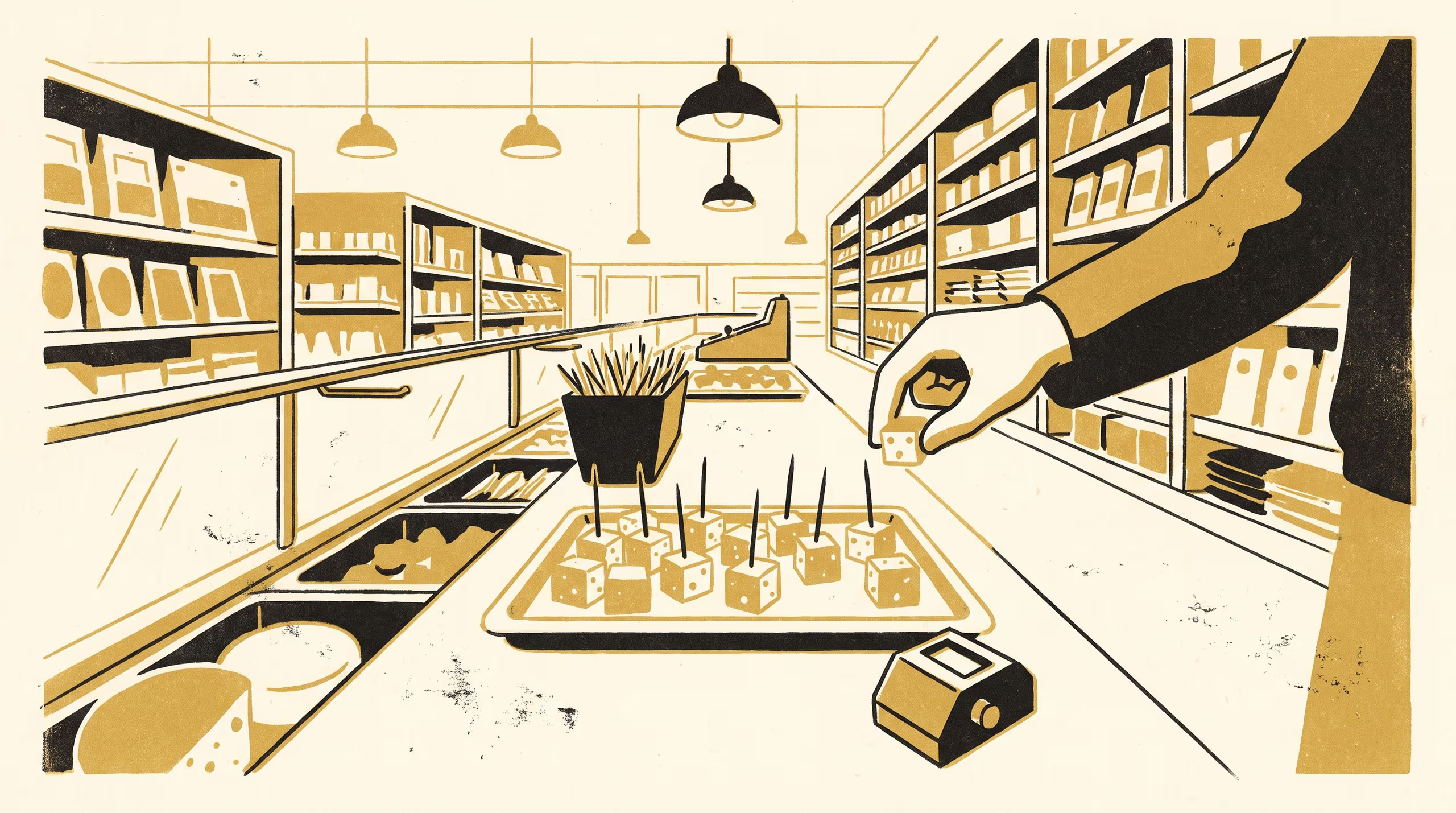
A new research poster from the School of Emergent Priorities sorts every take from a supermarket deli's free-sample tray into five kinds, and the University now sets its tray refills from the result.
A new Slop University paper finds that a bus-stop flag reading MULTIPLE ROUTES makes no measurable difference to how often waiting passengers speak to strangers, and sets the wording for every flag the School advises.
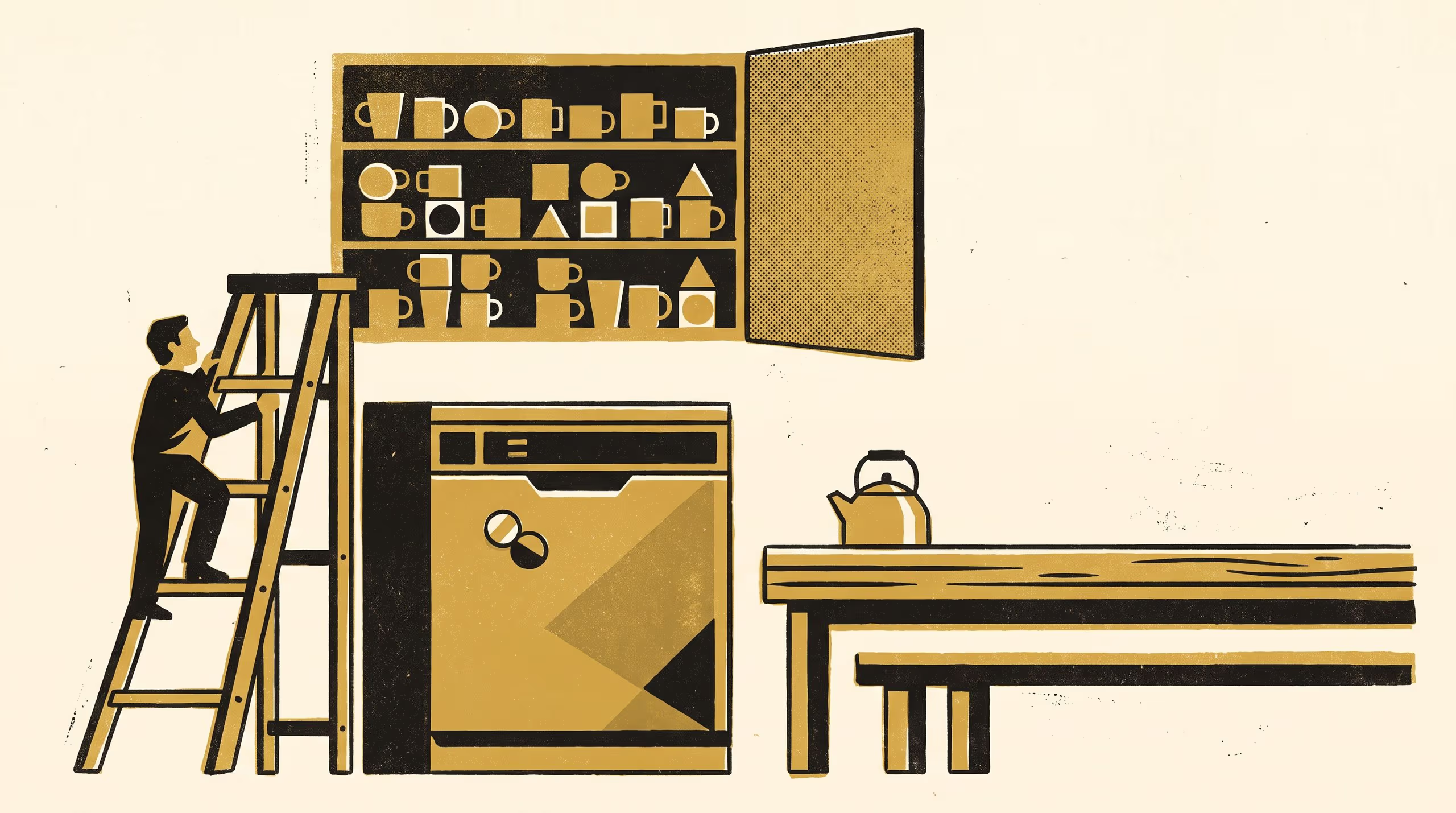
A new Slop University paper scores the clean/dirty magnet on shared workplace dishwashers against a five-level maturity model, and reports that a tenants' association now bases its cupboard-mug count on the level a kitchen reaches.
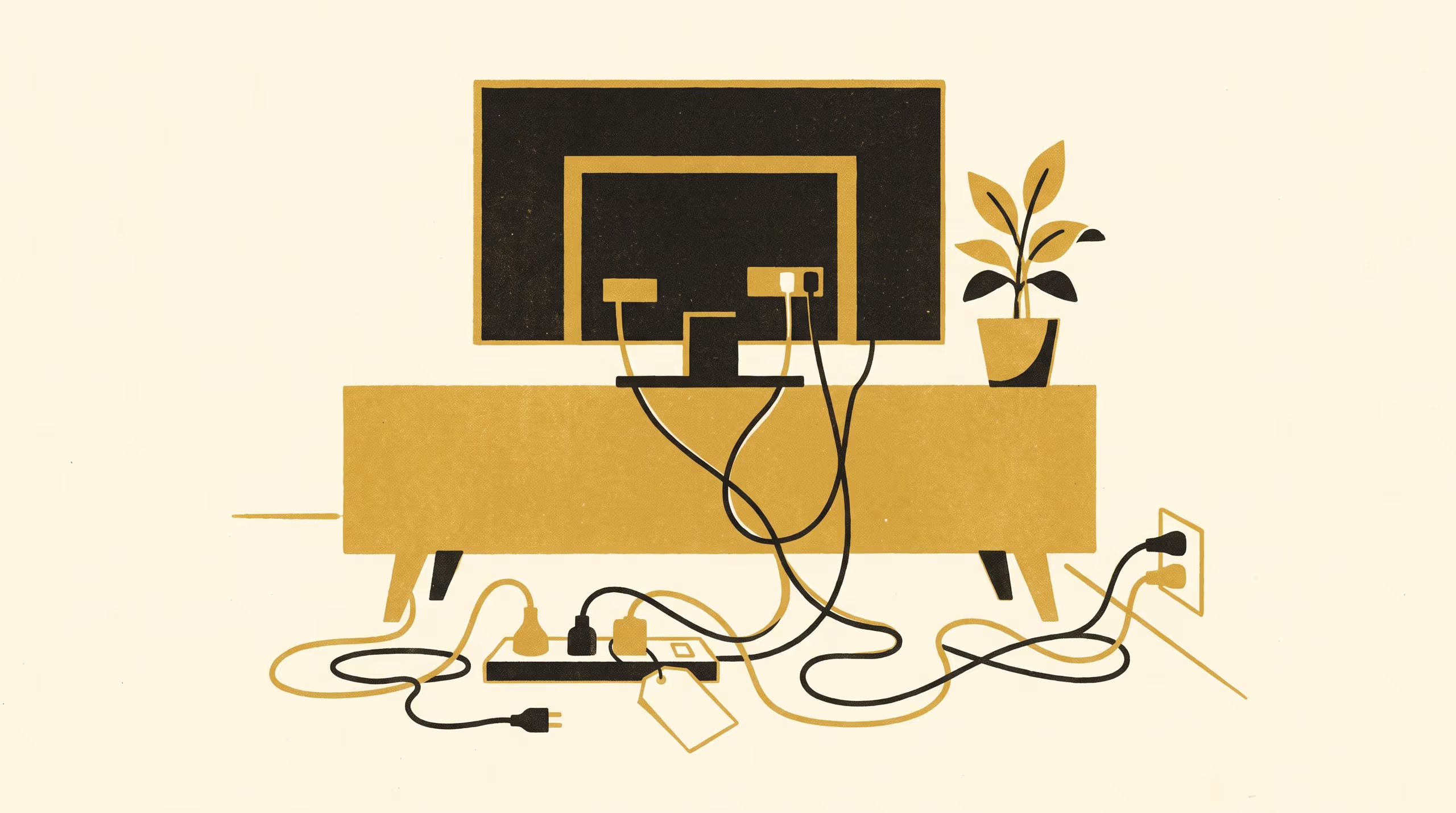
A new paper from the School of Emergent Priorities sets out a five-level scale for the power board behind the household television, and the University has tied its spare-board allowance to the fourth level.
A new Slop University brochure introduces the Stand-In Rule, a mail rule that replaces the return date in a long-absence reply with the name of a colleague who has agreed to be asked.