Research-led, metrics-forward, and continuously improving. News from the Office of Research Outputs.
14 October 2026
A School of Emergent Priorities paper follows incoming volunteer officers through their first year and finds the predecessor stays on the phone list.
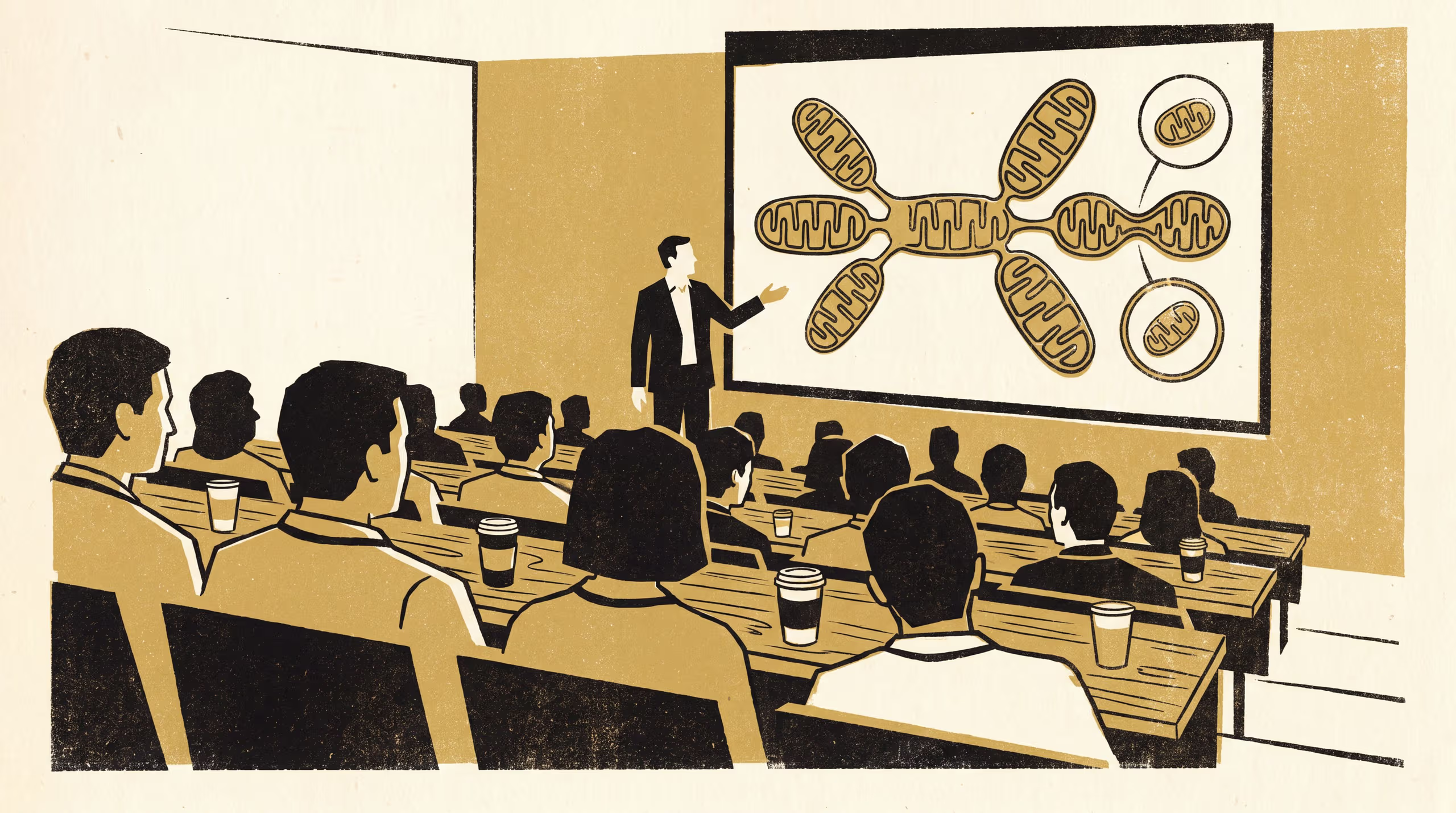
A Slop University display campaign invites registrations for the spring intake of Improving Improvement, the Capability Sprints short course that takes the mitochondrion as its model of an improvement cycle.
A research poster from the School of Underlying Conditions follows dormant medicine presentations on a national reimbursement schedule and asks why their sponsors keep them listed
Slop University's Strategic Plan 2026-2031 describes how a growing union of distinct schools will coordinate by agreement and comparison rather than by directive.
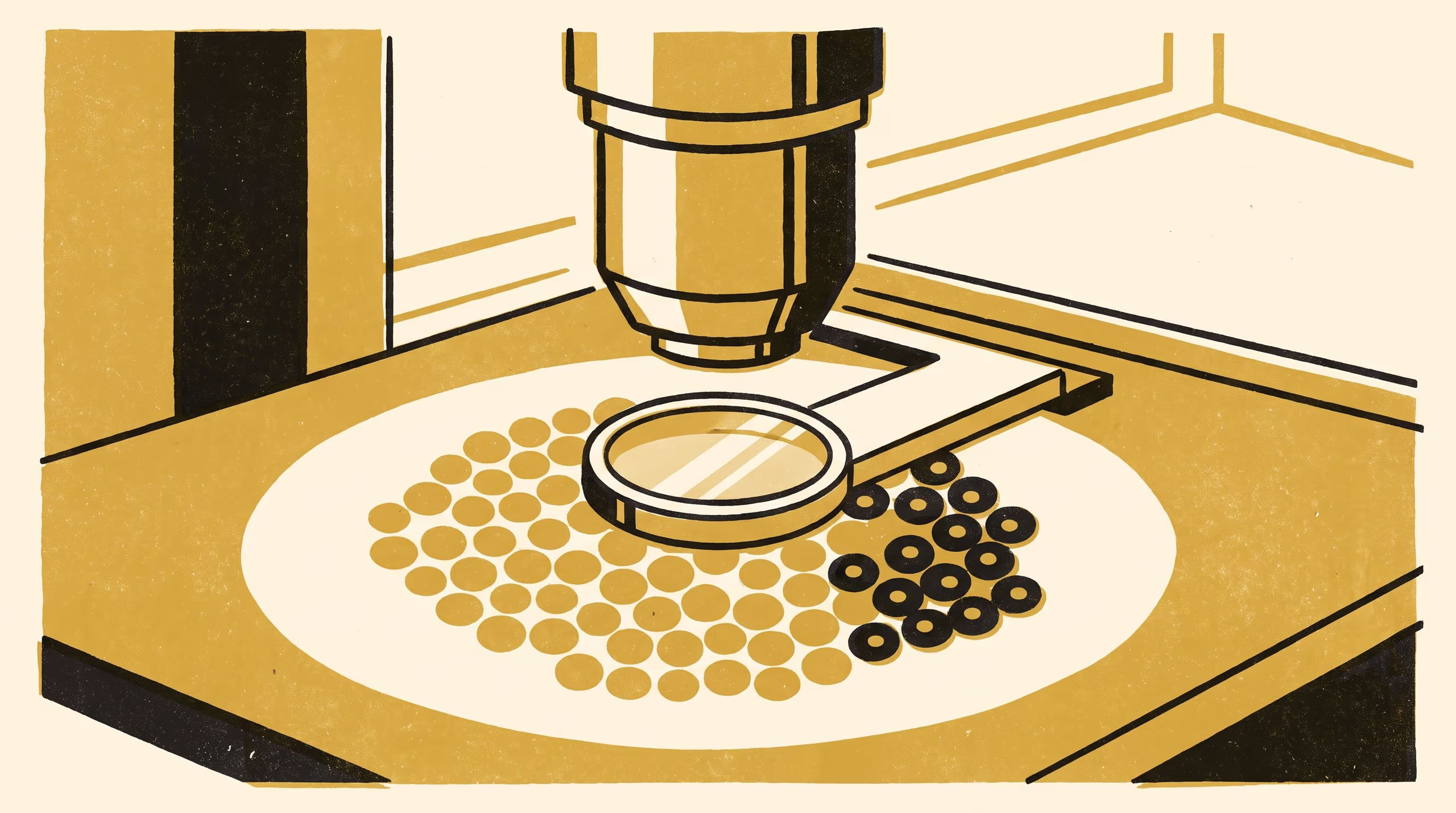
A paper from the School of Underlying Conditions records the whole observed life of one germinal centre, counted colour by colour through a window over a lymph node
A research poster from the School of Underlying Conditions works out how much a sample still says once every reading has been booked to the nearest mark
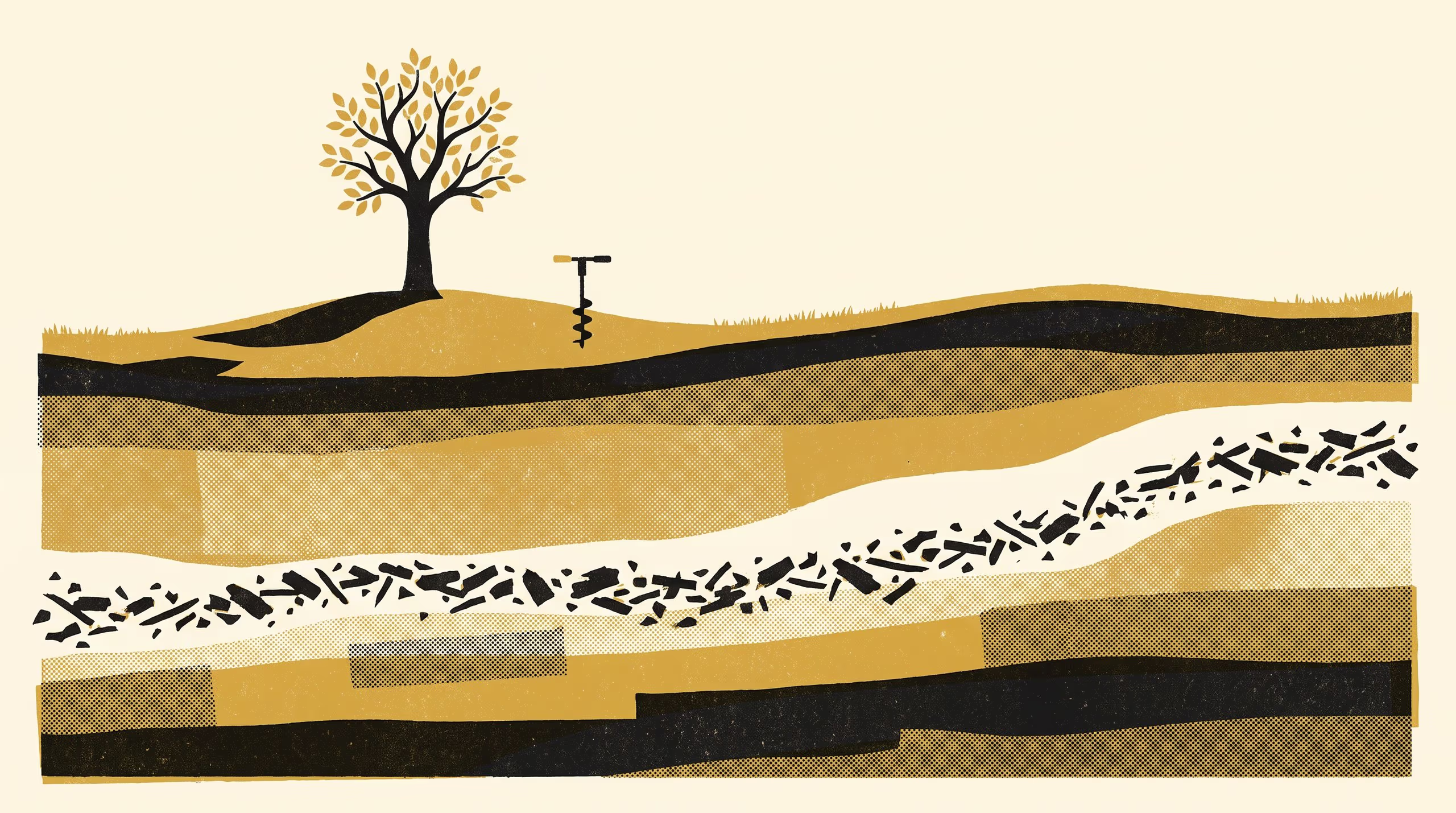
The School of Underlying Conditions has released a brochure inviting partners to stand behind its work on charcoal, from the fleck in a soil profile to the smoke over a valley town.
A paper from the School of Continuous Improvement follows the pencil notes an unknown reader left in a second-hand copy of a novel about pity, from first objection to a closing note in which the reader turns the objection on themselves
A research poster from the School of Continuous Improvement walks fluorine around the pendant ring of an in-house compound series and finds only the position already being oxidised lowers clearance.
A research poster from the School of Underlying Conditions applies point counting to archived liver sections and follows the edge of an injury as it retreats
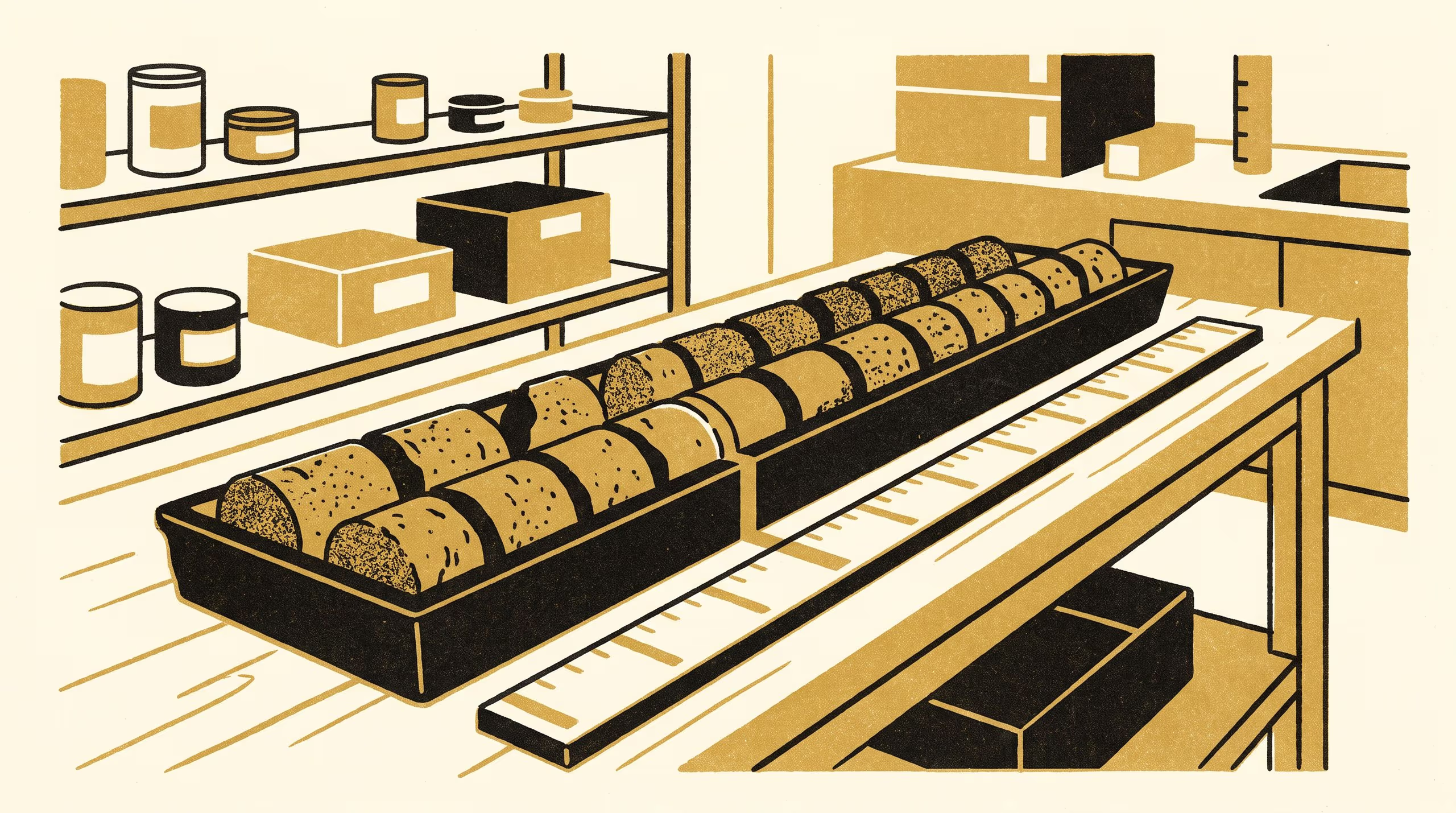
A research poster from the School of Underlying Conditions measures the magnetic properties of retired core-drilling bits slice by slice, from the working face inward.
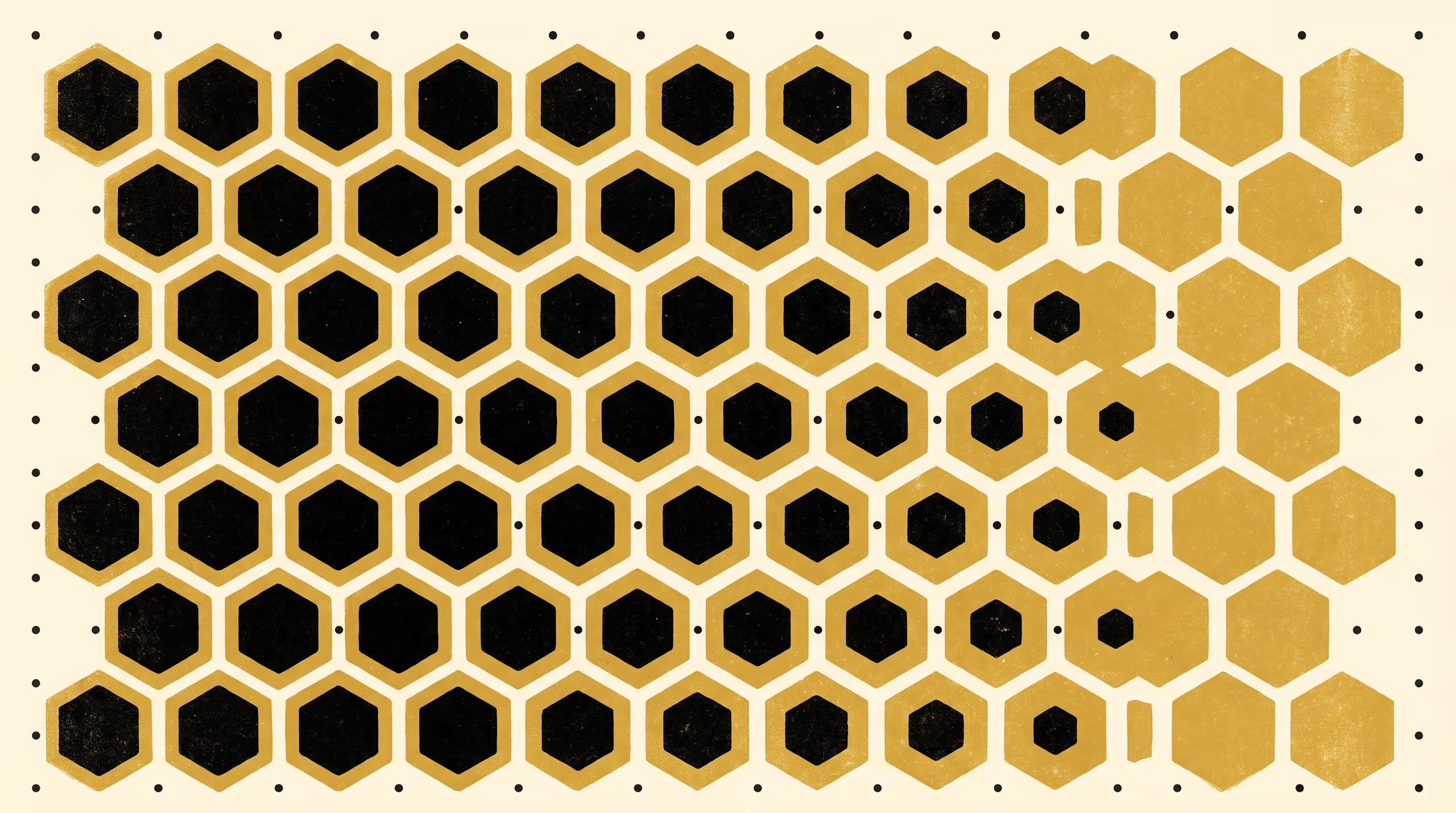
A paper from the School of Continuous Improvement works out by simulation how a laboratory plate should be divided between two experiments if a kinetic model is to be fitted to it