Research-led, metrics-forward, and continuously improving. News from the Office of Research Outputs.
15 October 2026
A paper from the School of Emergent Priorities watches first-year tables pass their role cards around each week while the marker stays with the same few students
A research poster from the School of Underlying Conditions grades a buried nonwoven geotextile by traffic zone, counting every panel that tore during exhumation.
A research poster from the School of Underlying Conditions shows, in simulation, that the lead time of a learned early-warning score is fixed by the route to collapse rather than by the capacity of the model
A new paper from two Slop University schools models how a cracked layer of ground moves from T-shaped to Y-shaped junctions as it is wetted and dried again and again.
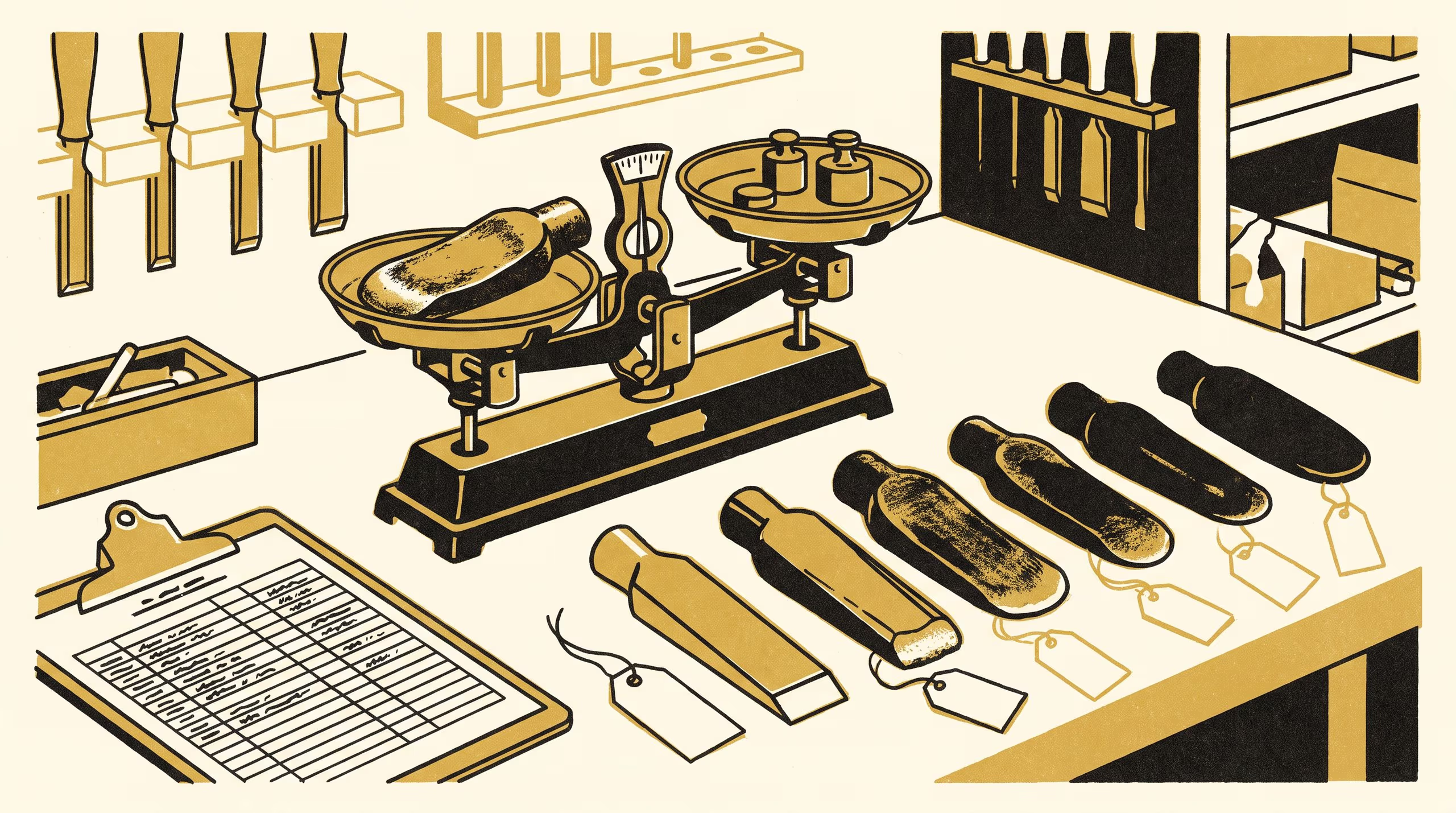
A research poster from the School of Underlying Conditions weighs nine chisel-plough points after every working day of one season and finds the draught penalty follows the shape of the point, not the steel it has lost
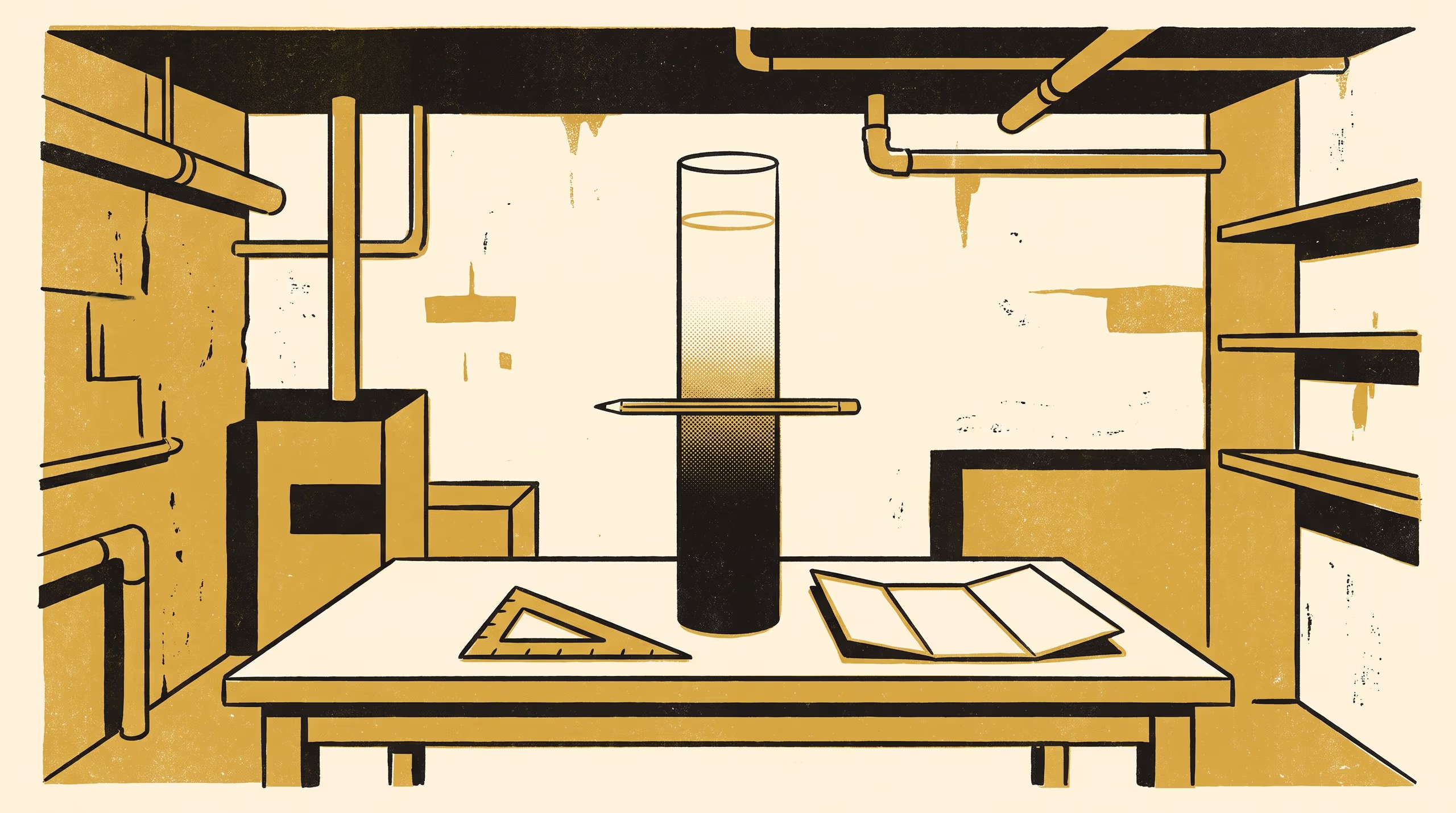
A paper from the School of Underlying Conditions and the School of Emergent Priorities reads the boundary between two still solutions with a planner's instruments and works out how long a setback from it can last
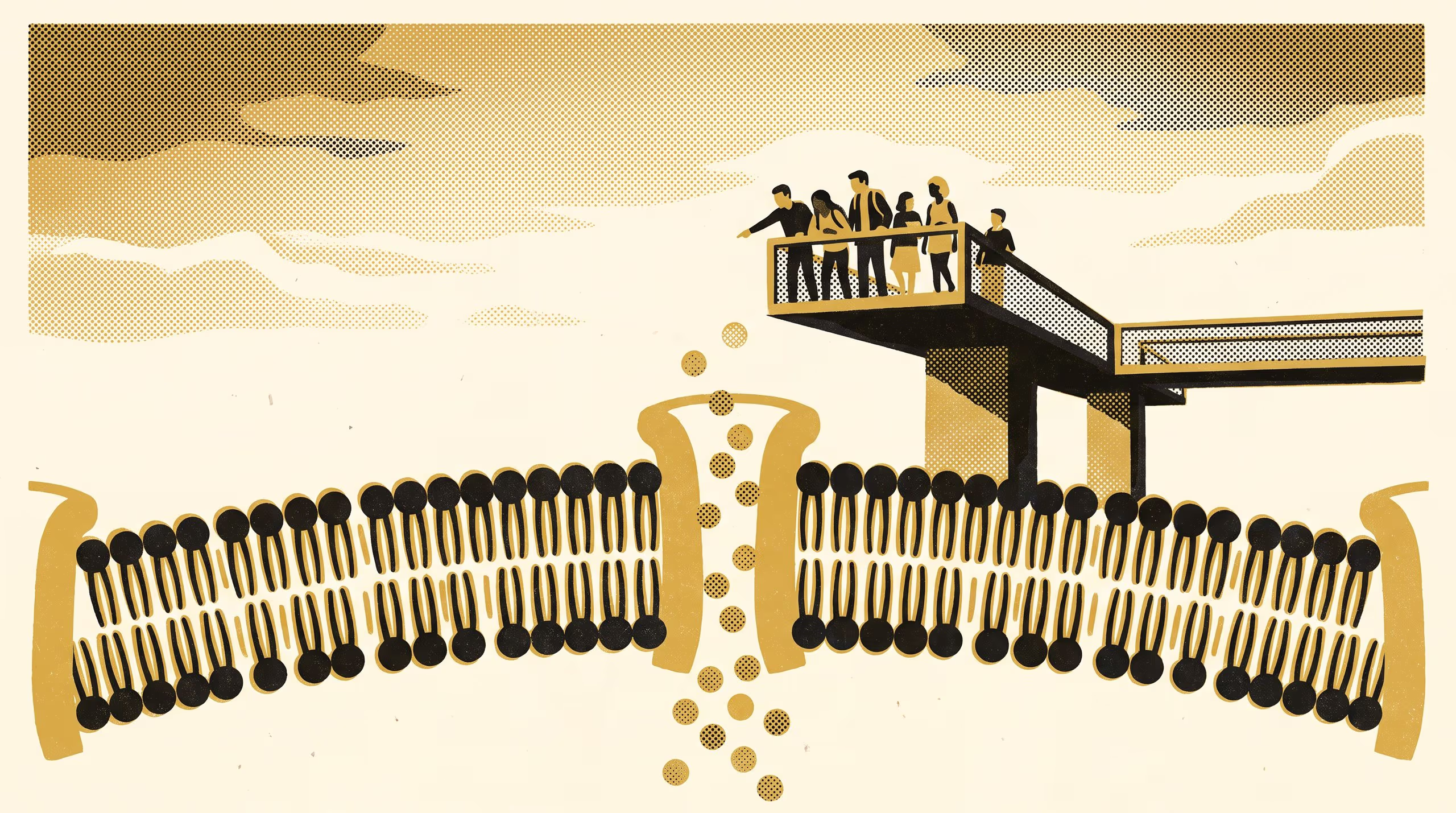
A prospectus brochure from the School of Emergent Priorities invites prospective students to learn how an institution decides which signals to admit, and when
14 October 2026
A paper from the School of Underlying Conditions and the School of Emergent Priorities brings groundwater recession analysis to a private equity investor's uncalled commitments.
A research poster from the School of Continuous Improvement compares the times volunteers wrote down for their evening saliva samples with the times their sample caps recorded, and follows the difference into three ways of estimating melatonin onset.
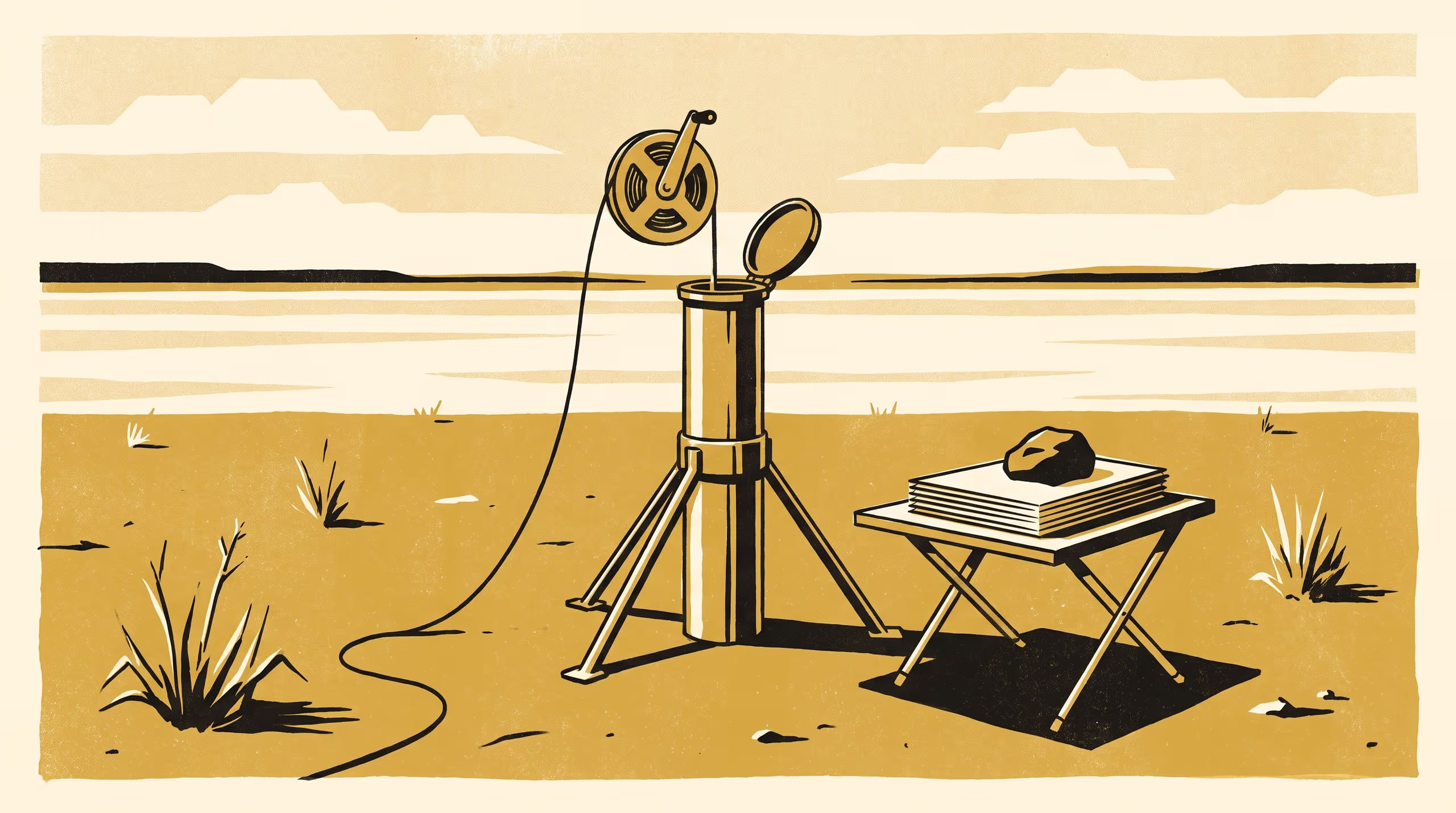
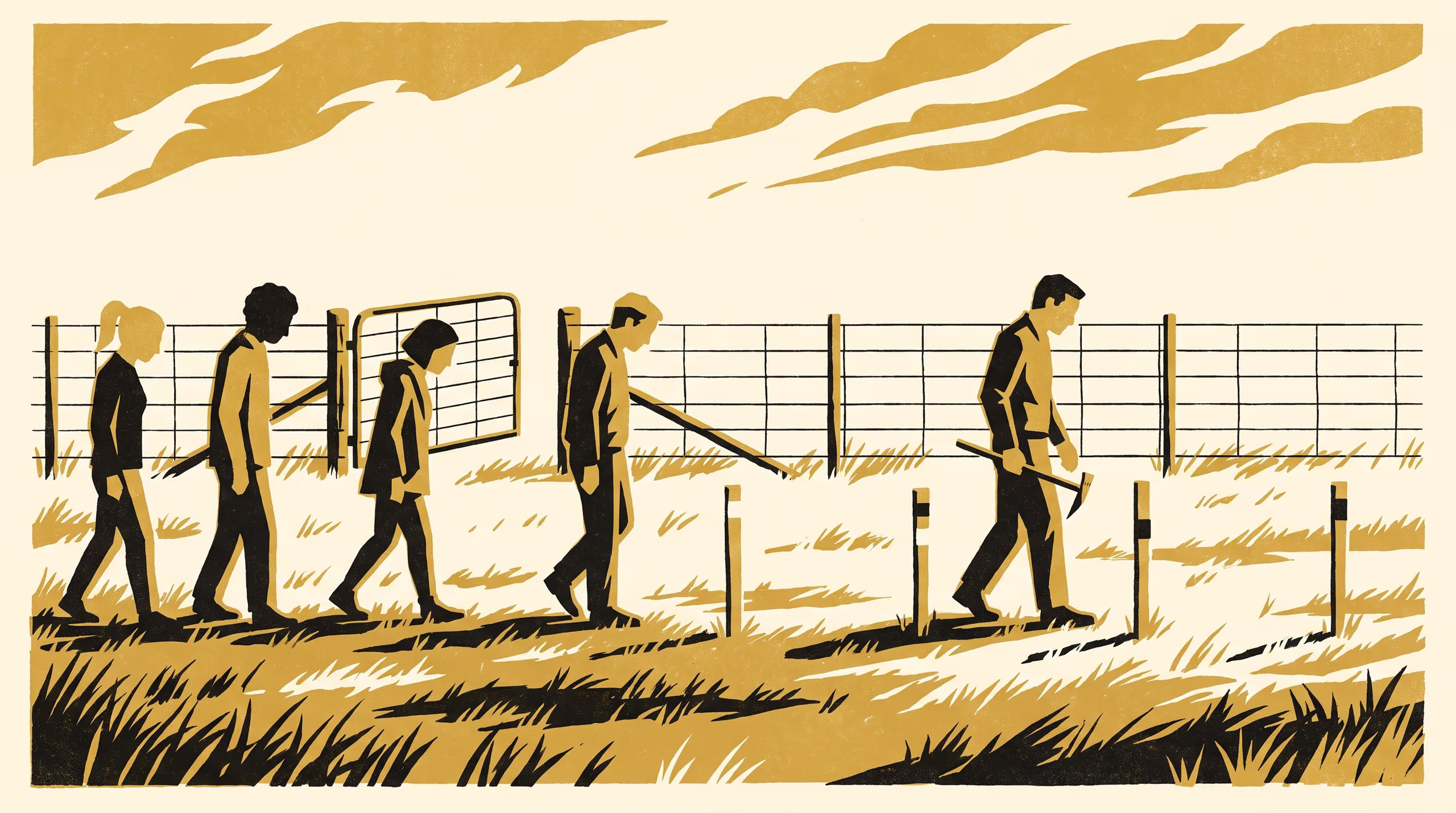
A prospectus brochure from the School of Continuous Improvement invites applicants to learn the patient evidence by which fenced-off ground is returned to use
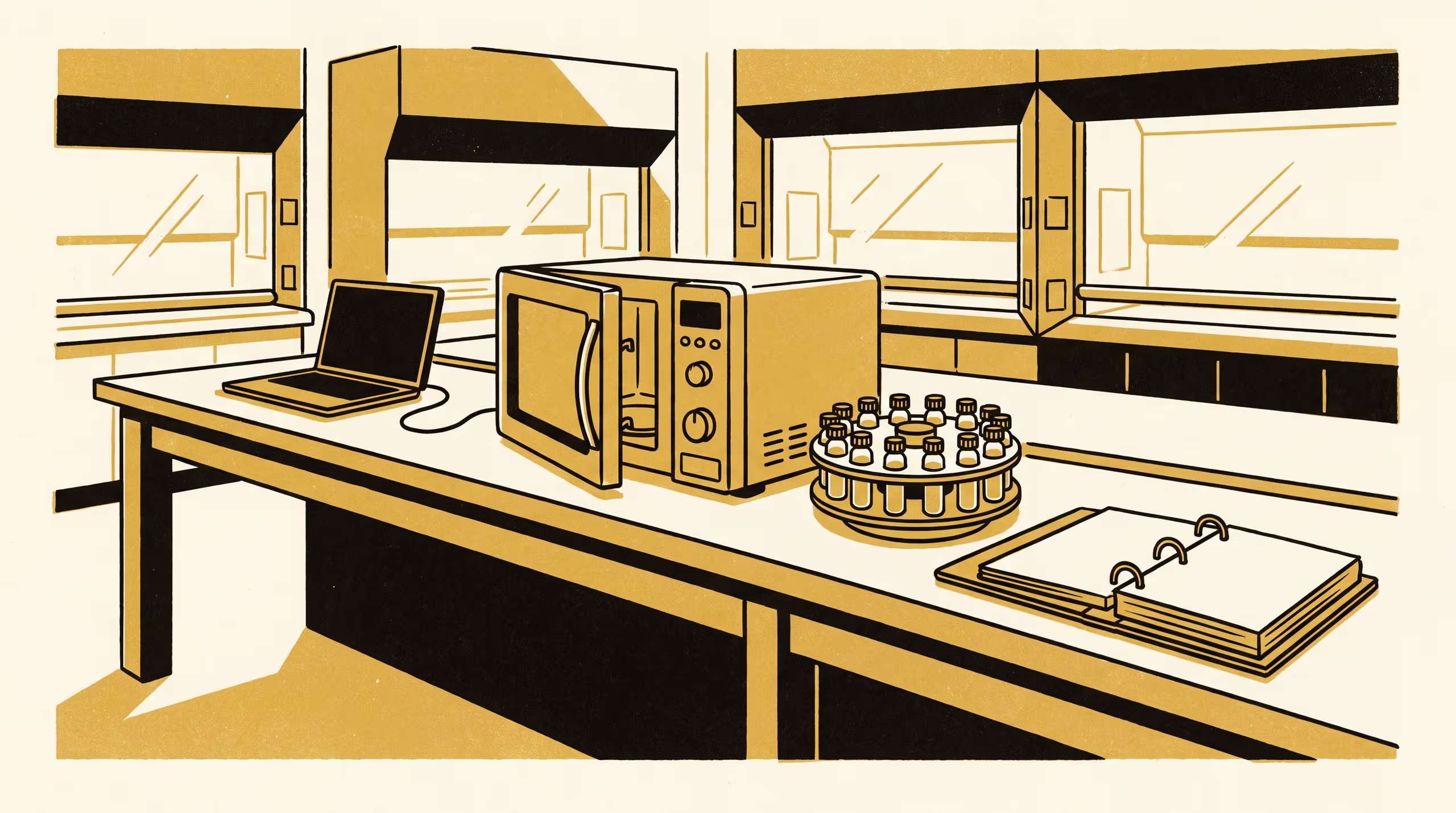
A Slop University research poster follows 268 written procedures to the stored heating programs of one shared microwave reactor and reports which of the instrument's settings appear nowhere in the prose.
A research-showcase brochure from Slop University gathers its work on conducting polymers, from electrodes in open boreholes to wall panels that change shade with a reading.