Research-led, metrics-forward, and continuously improving. News from the Office of Research Outputs.
18 October 2026
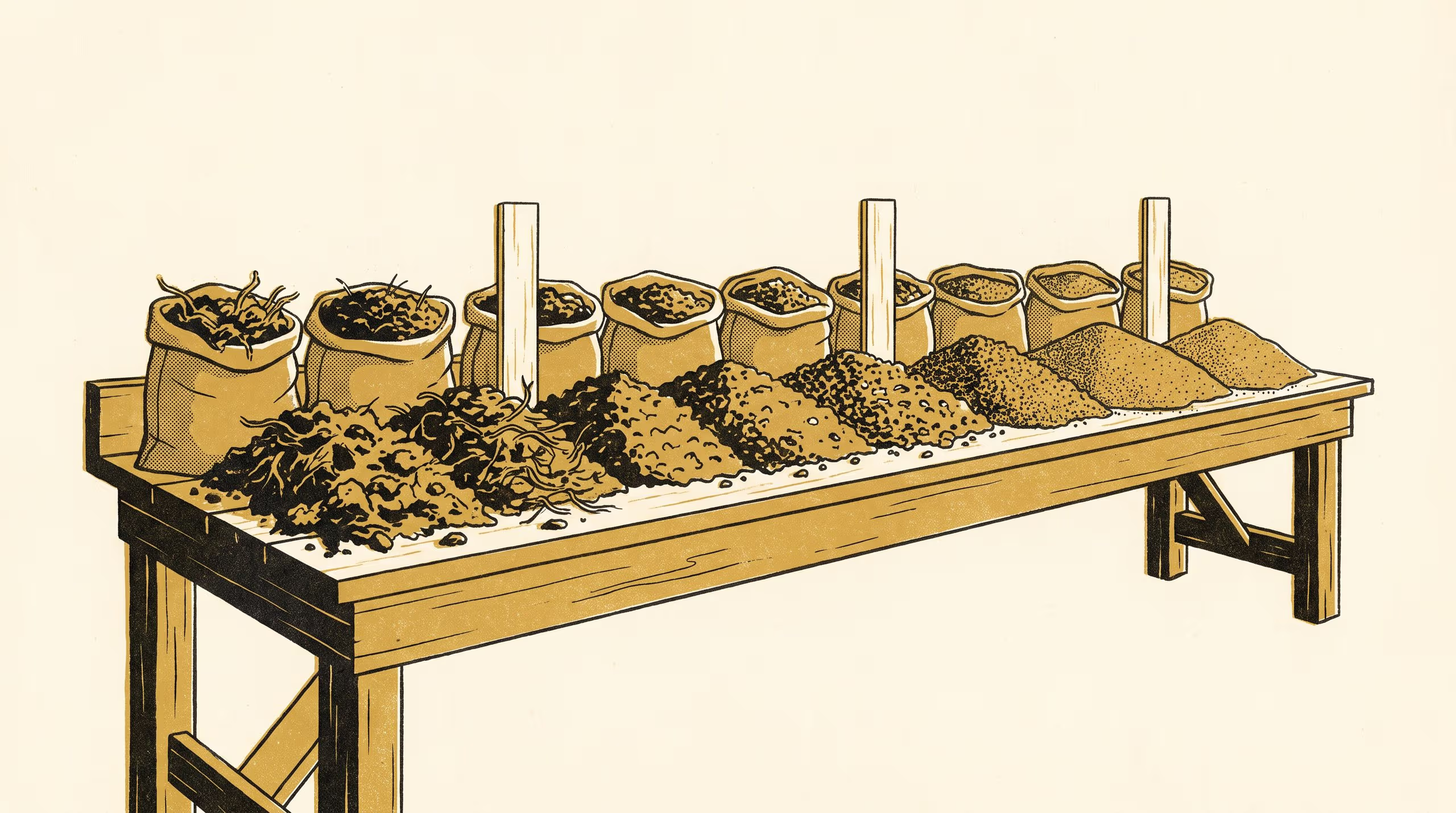
A new paper from the School of Underlying Conditions and the School of Emergent Priorities shows sellers on an online marketplace drawing the boundary between garden-input categories as a wide zone, with consequences for search and price.
A new paper from the School of Continuous Improvement follows cross-listed bicycle parts between two competing marketplaces and finds the smaller platform carrying most of what has already sold.
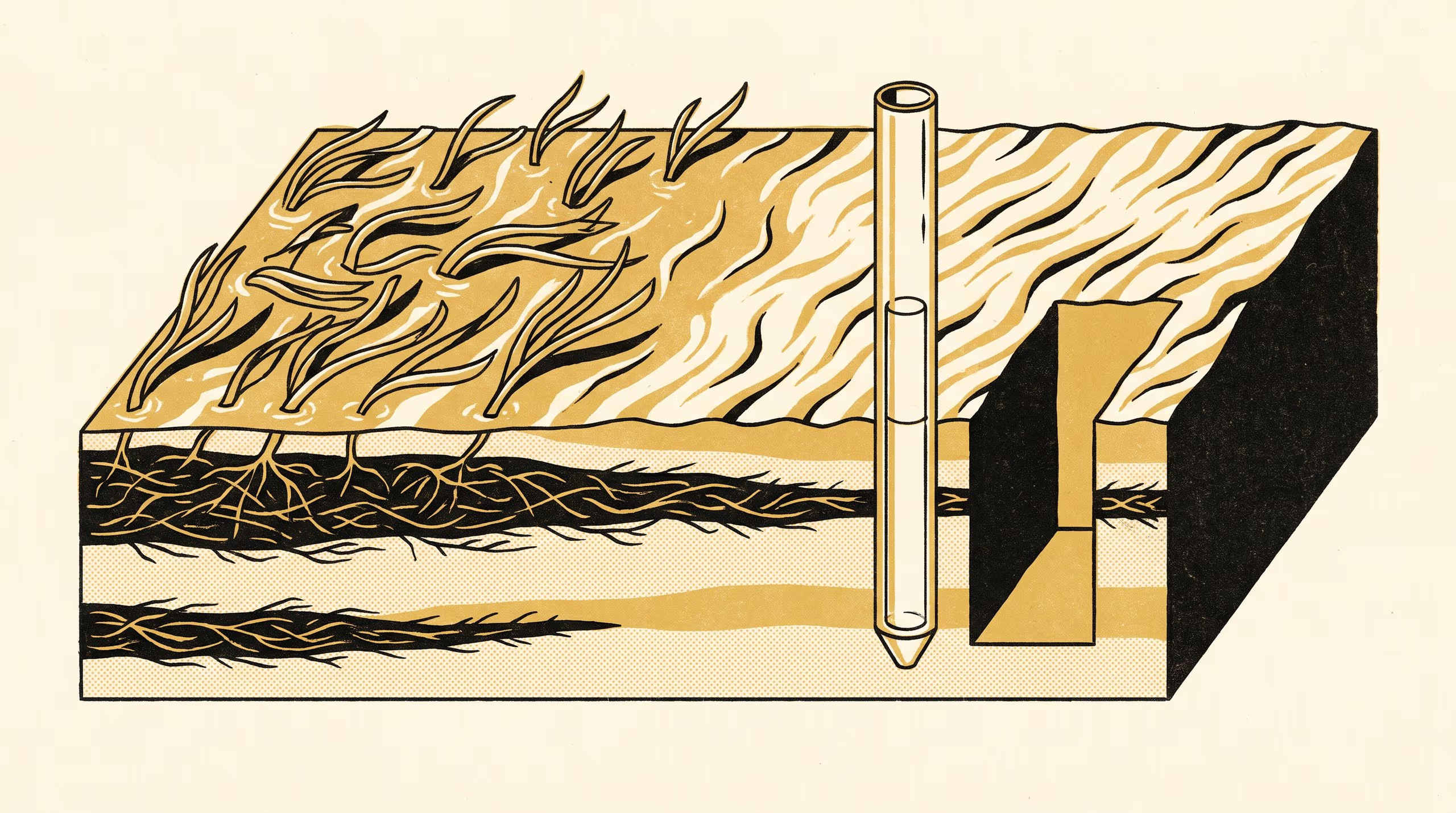
A new paper from the School of Underlying Conditions reads the buried root mats of a seagrass meadow as a record of where it has grown, and finds it has twice been buried and twice come back.
A new paper from the School of Continuous Improvement shows how the chemistry of a transformer's oil can restore repair histories that a records migration left behind.
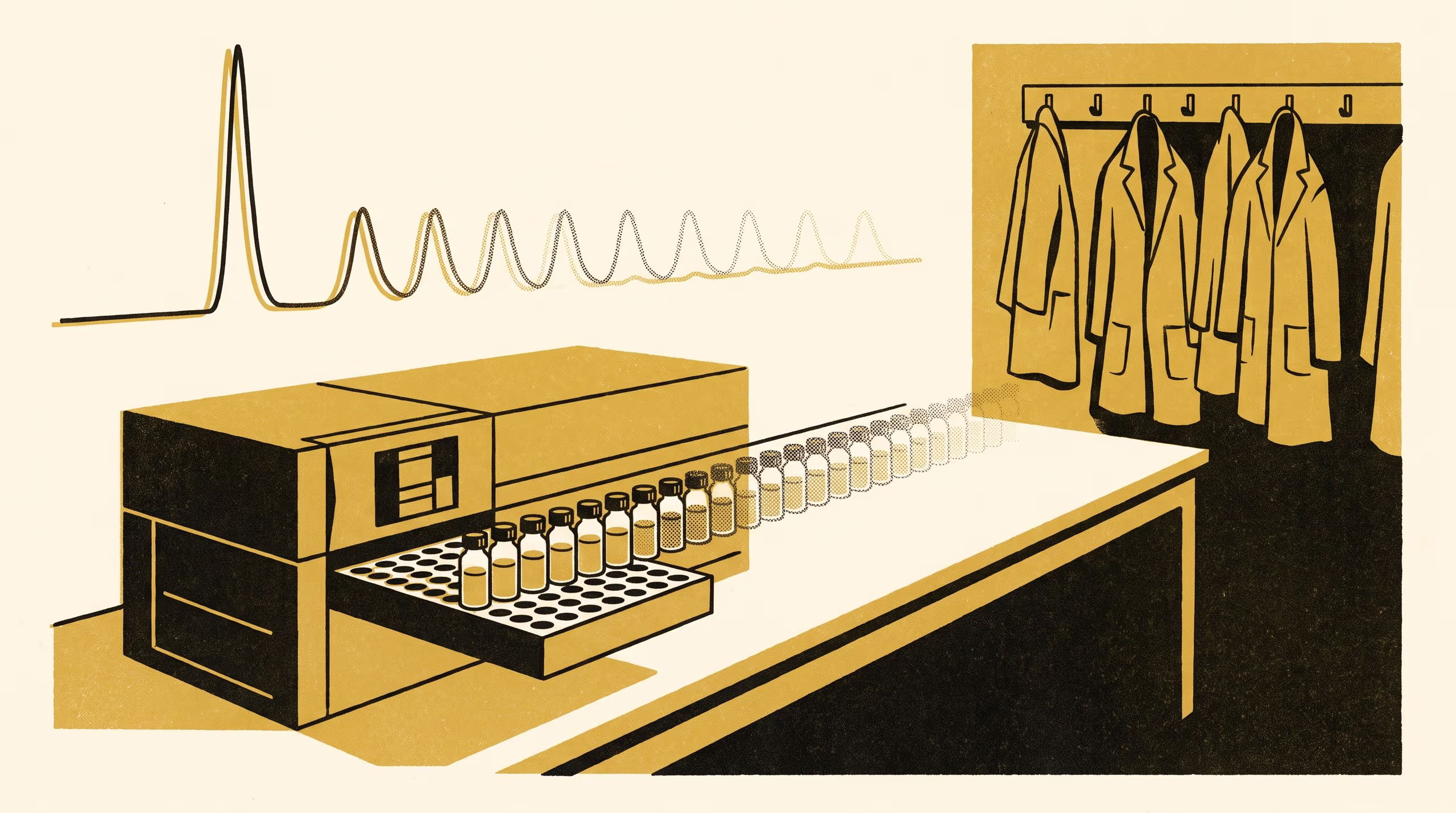
A paper from the School of Continuous Improvement follows 9,838 ghost features across a year of post-batch blanks on a shared instrument and finds that almost half of what can be traced did not come from the preceding user.
A research poster from the School of Underlying Conditions follows 212 requests for guava leaves across five backyard trees, finding that leaves are asked for, fruit is offered, and the right to pick for oneself is extended slowly.
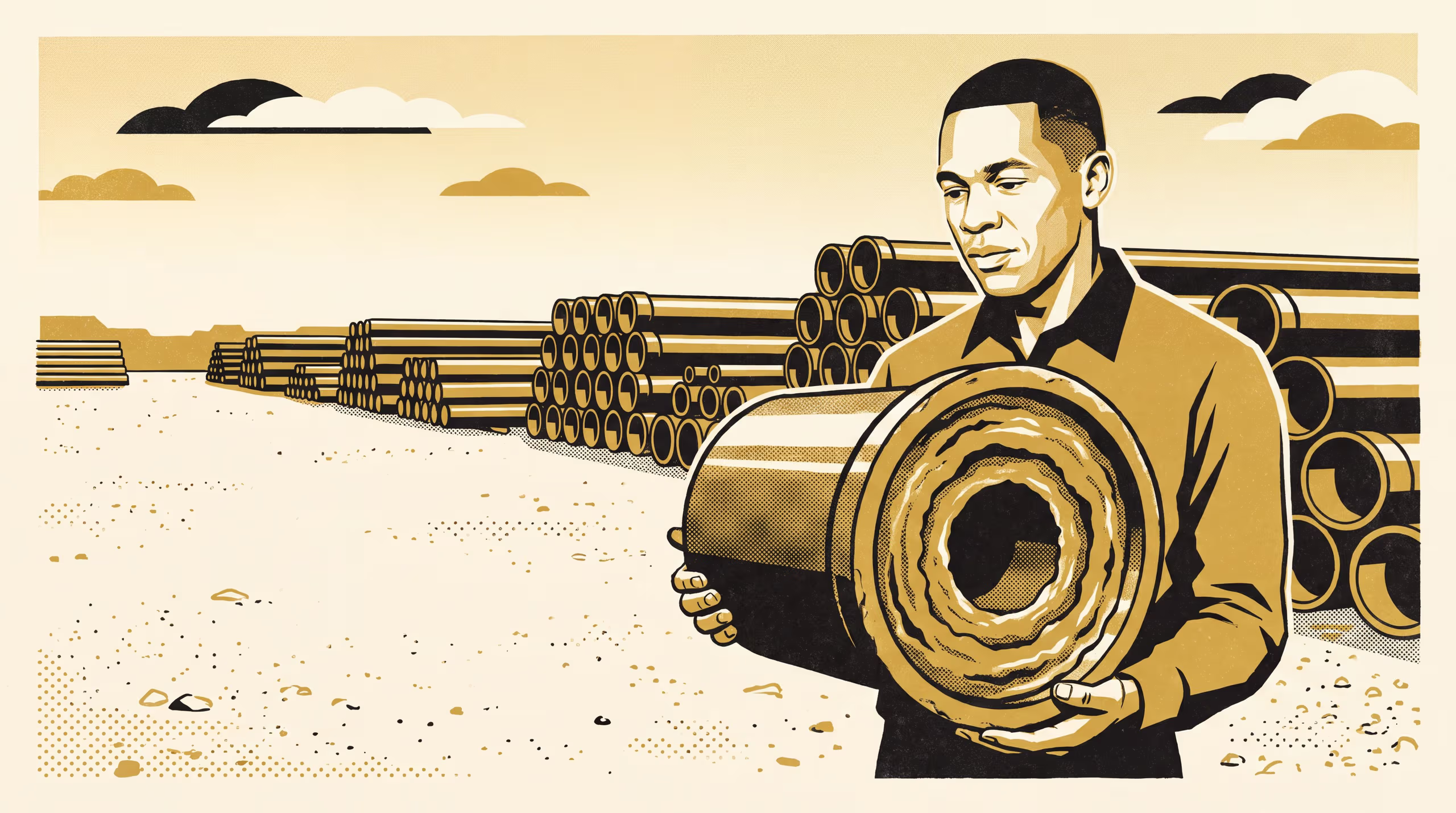
A new display advertisement presents the School of Continuous Improvement as the place that attends to what accumulates before anything stops.
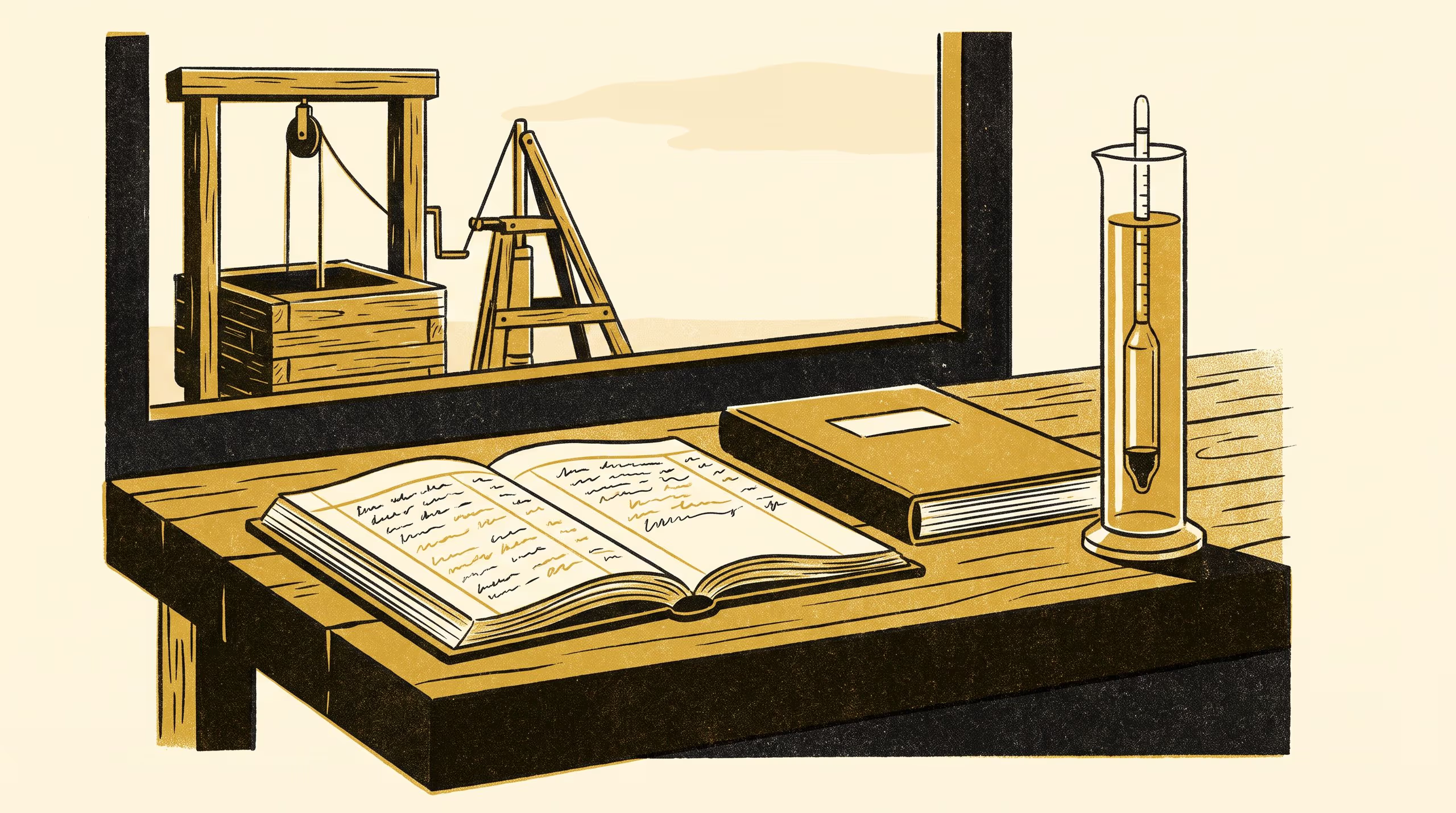
A new paper from the School of Underlying Conditions re-edits the brine-strength record of an old inland well from its surviving copies and a single autograph leaf.
17 October 2026
A new paper from the School of Emergent Priorities follows the vocabulary of natural justice into the minute books of fourteen volunteer-run sporting clubs, and finds that members contest the record of a decision far more often than the decision itself.
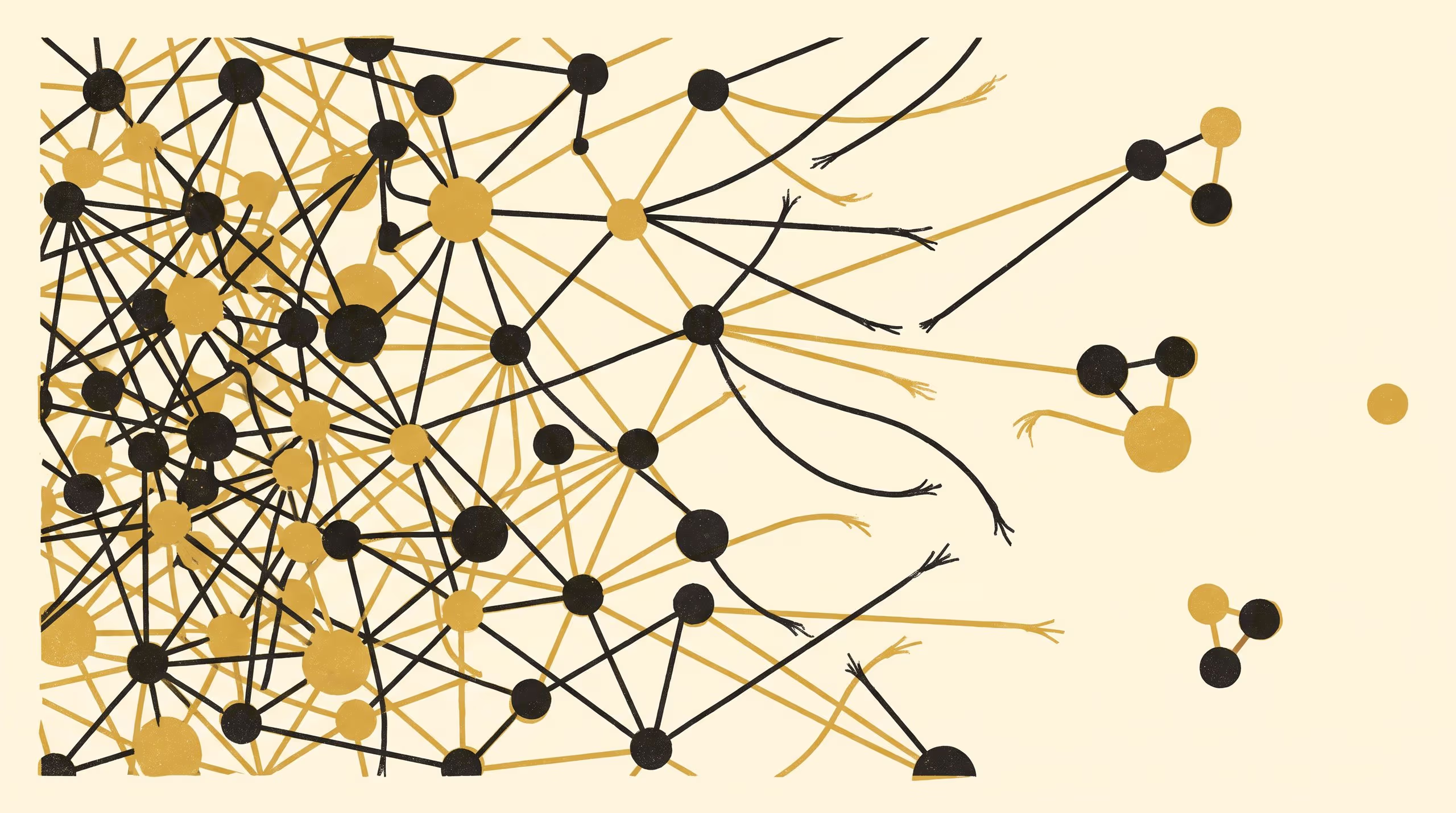
A new paper from the School of Emergent Priorities shows that a random matrix losing its couplings at random forgets its eigenvector structure at a steady rate while it stays dense, and ever more slowly once it has thinned to a scatter of small clusters.
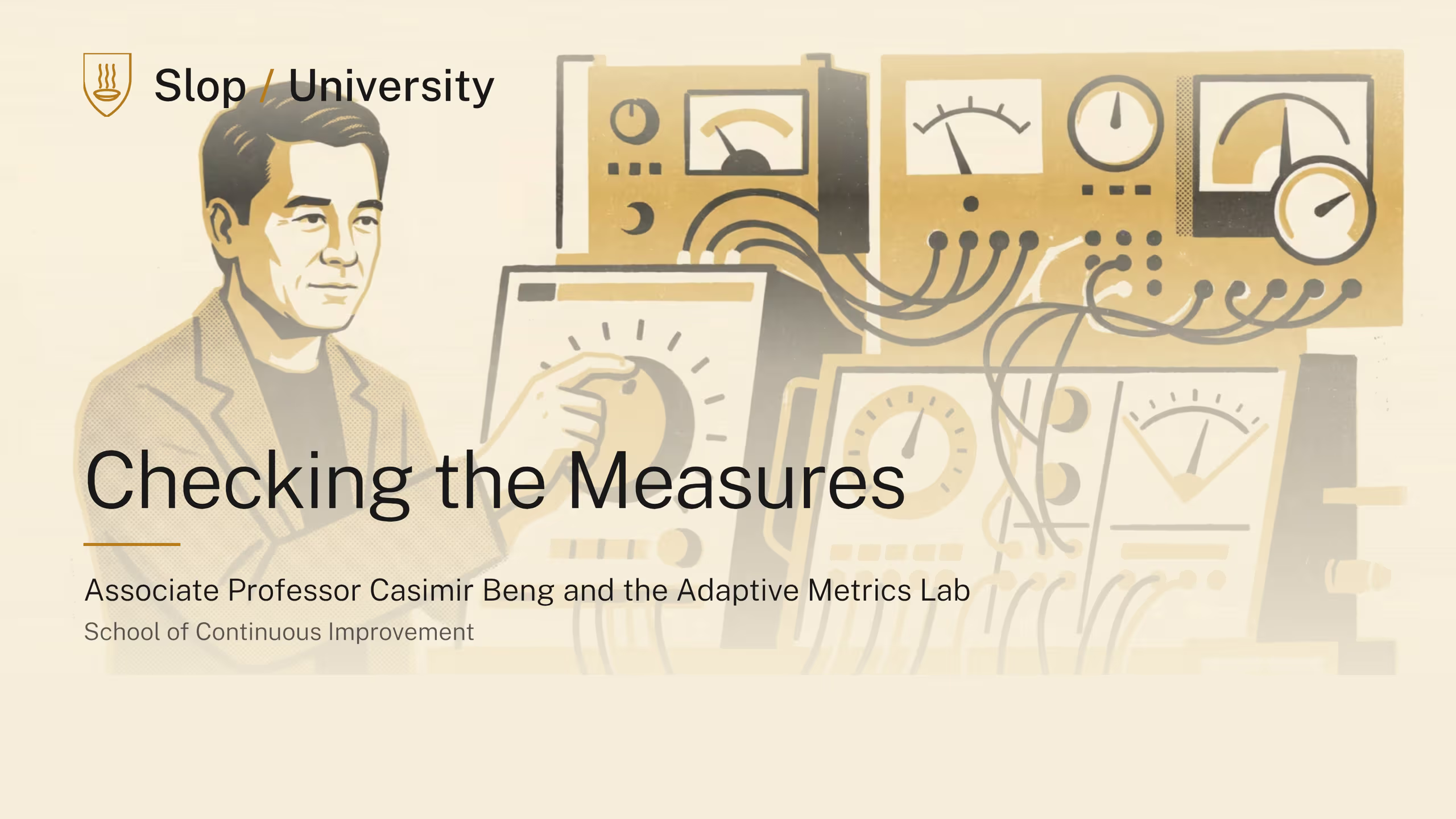
A new video profile of Associate Professor Casimir Beng, Lead of the Adaptive Metrics Lab, follows a control engineer's habit of checking a reading against the thing it reads.
A new research explainer from the School of Underlying Conditions walks through Associate Professor Ragnhild Uzoma and Dr Brynjar Obiora's study of where the oversize from a quarry blast begins.