Research-led, metrics-forward, and continuously improving. News from the Office of Research Outputs.
23 October 2026
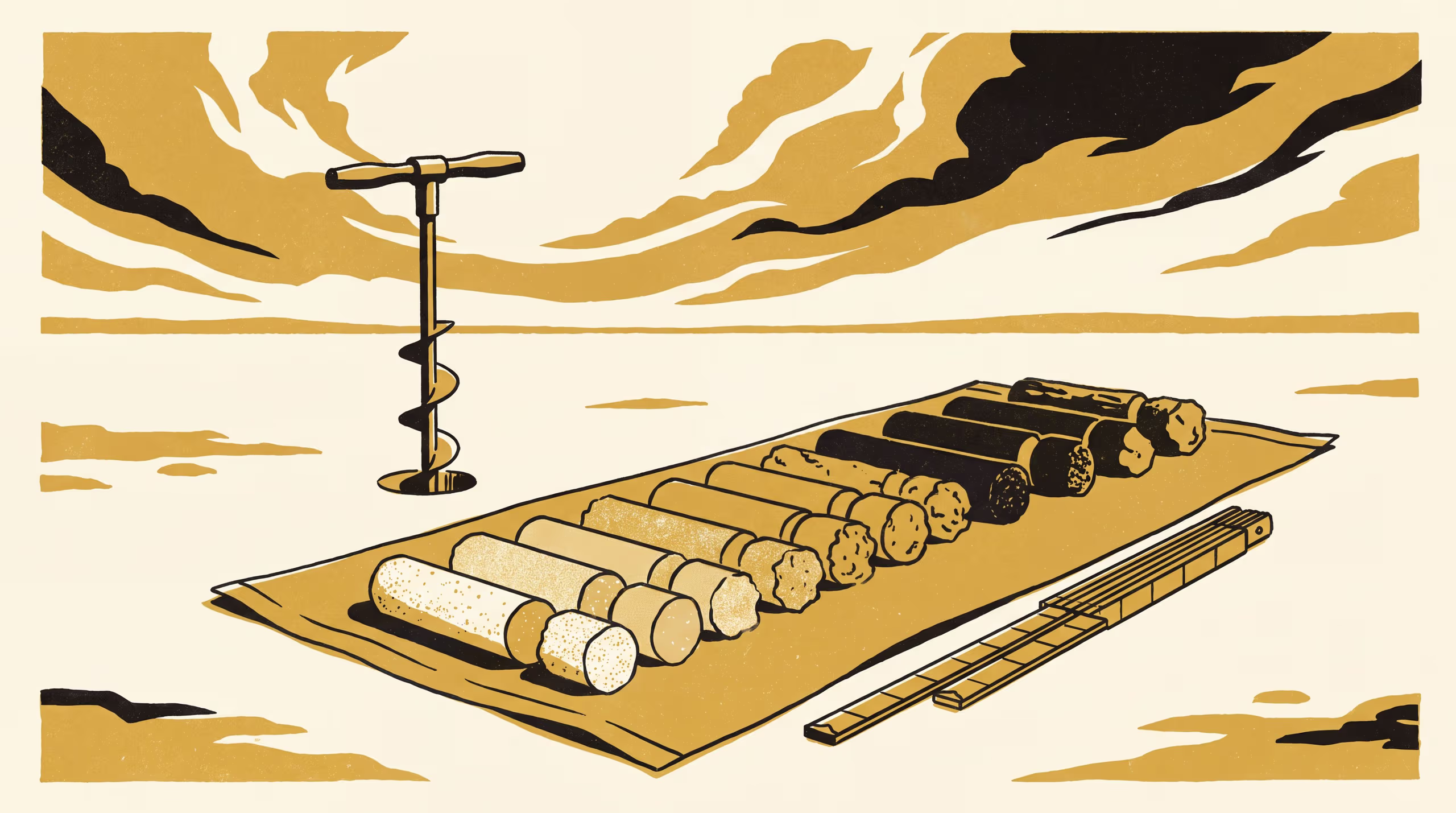
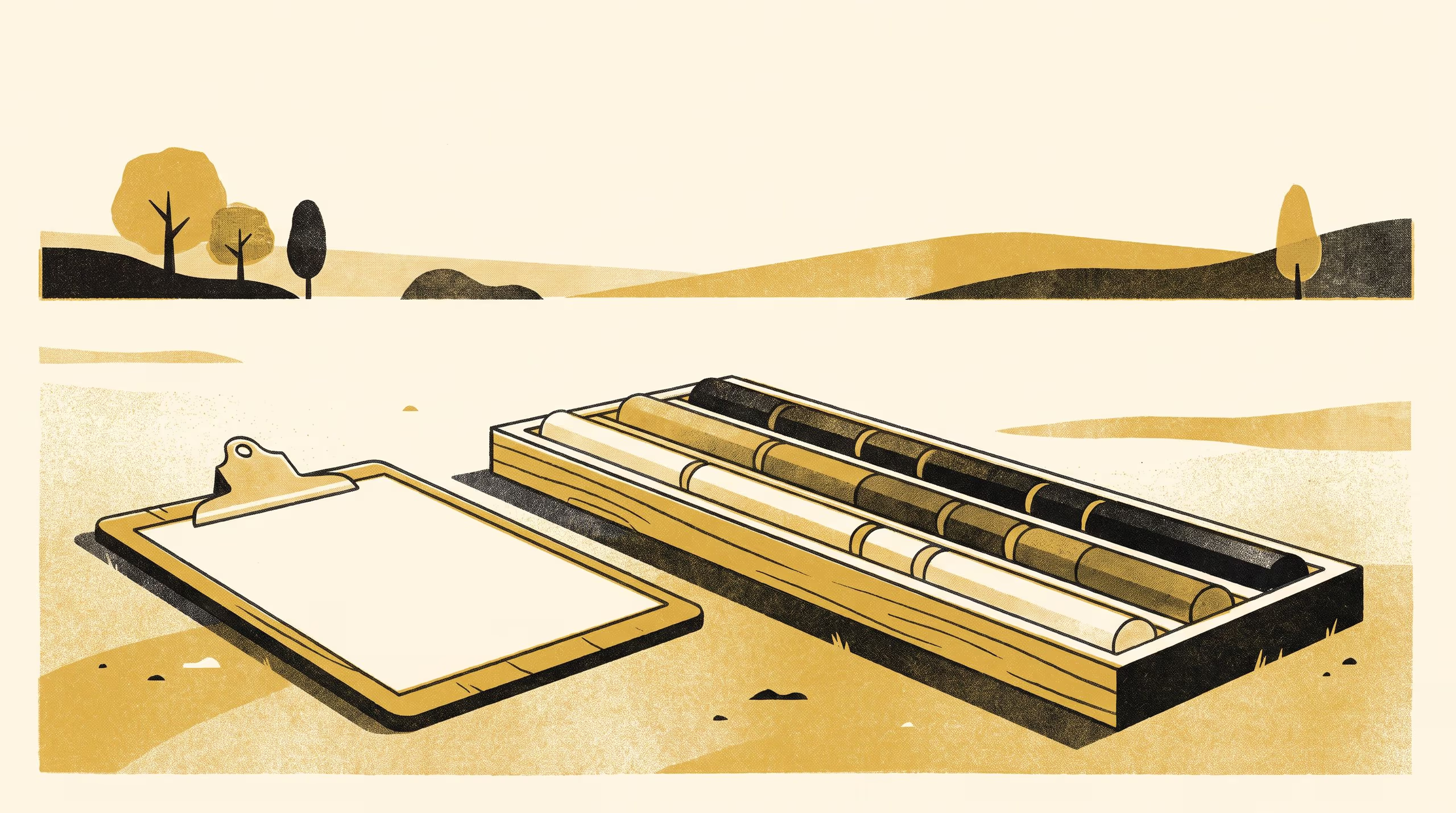
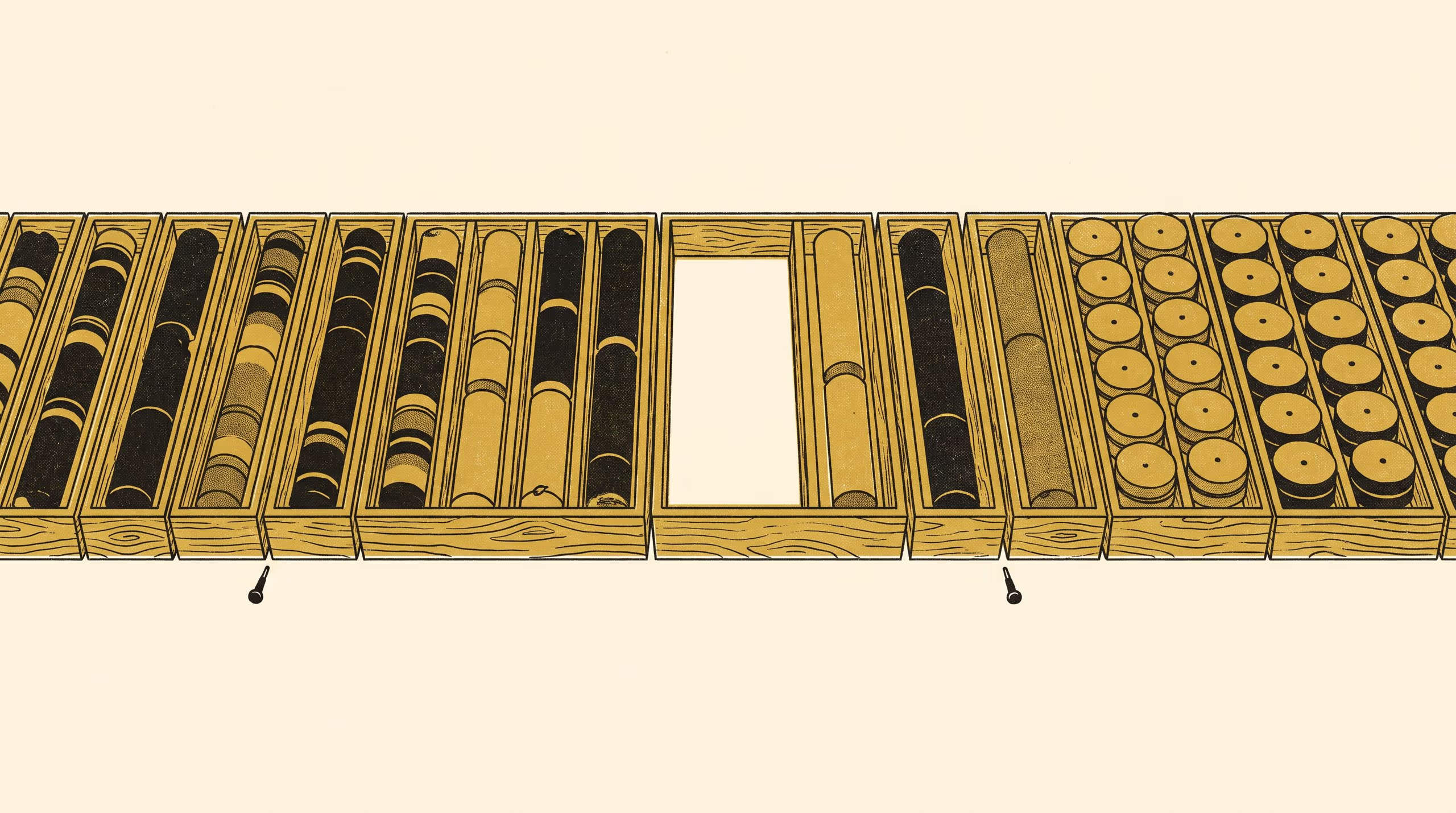
A new research poster from the School of Underlying Conditions finds that the small, unplanned irregularity of a surveyor's hand auger is what lets a set of field logs pin down how deep a buried clay lies.
A paper from the School of Underlying Conditions finds that students trained in field mapping read contour diagrams better than their calculus classmates, except at the saddle, where the rule they learned in the field quietly stops holding.
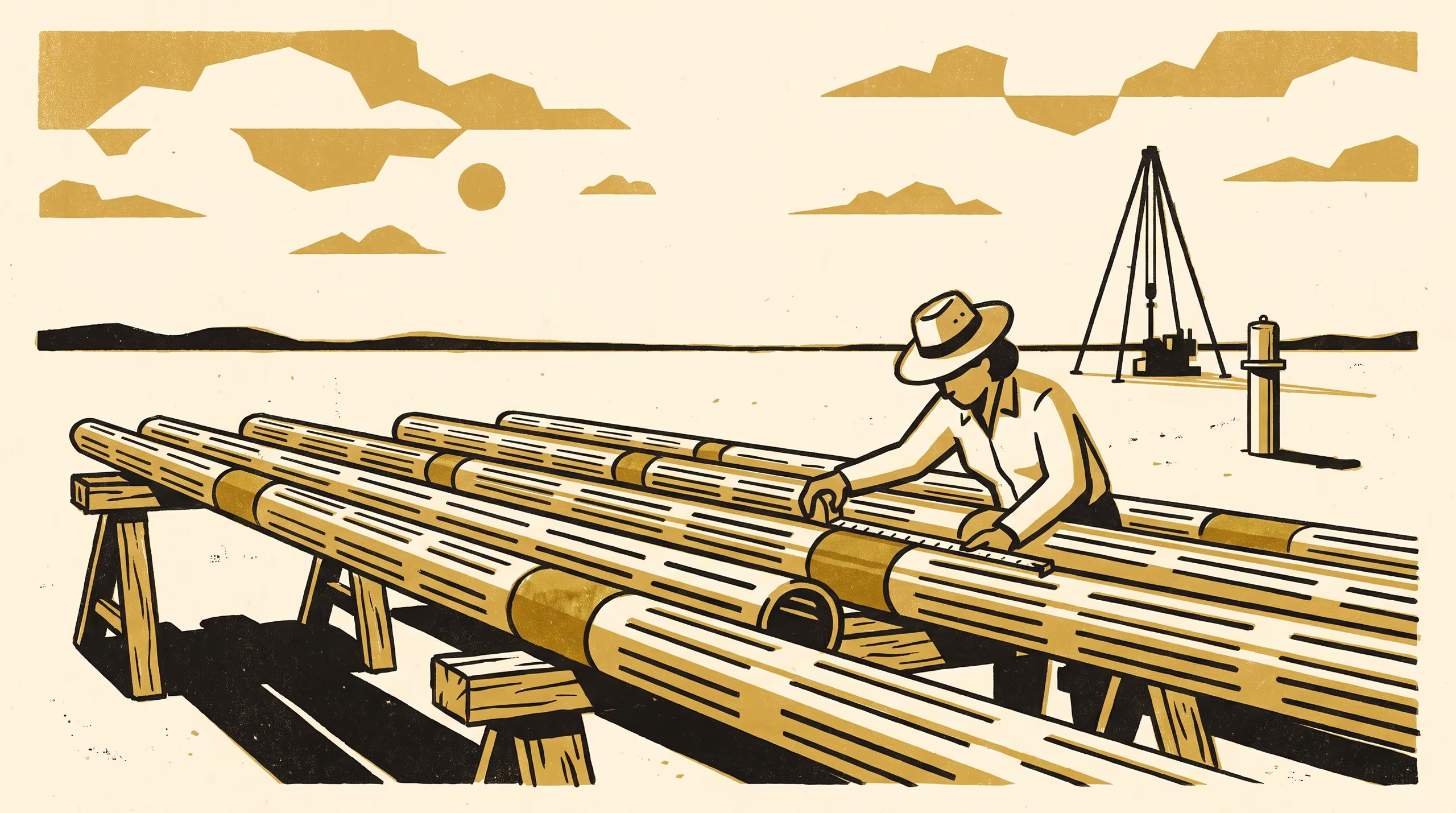
A new research poster from the School of Underlying Conditions finds that the steel screen of a monitoring bore can go on recording the water after the people dipping it have stopped.
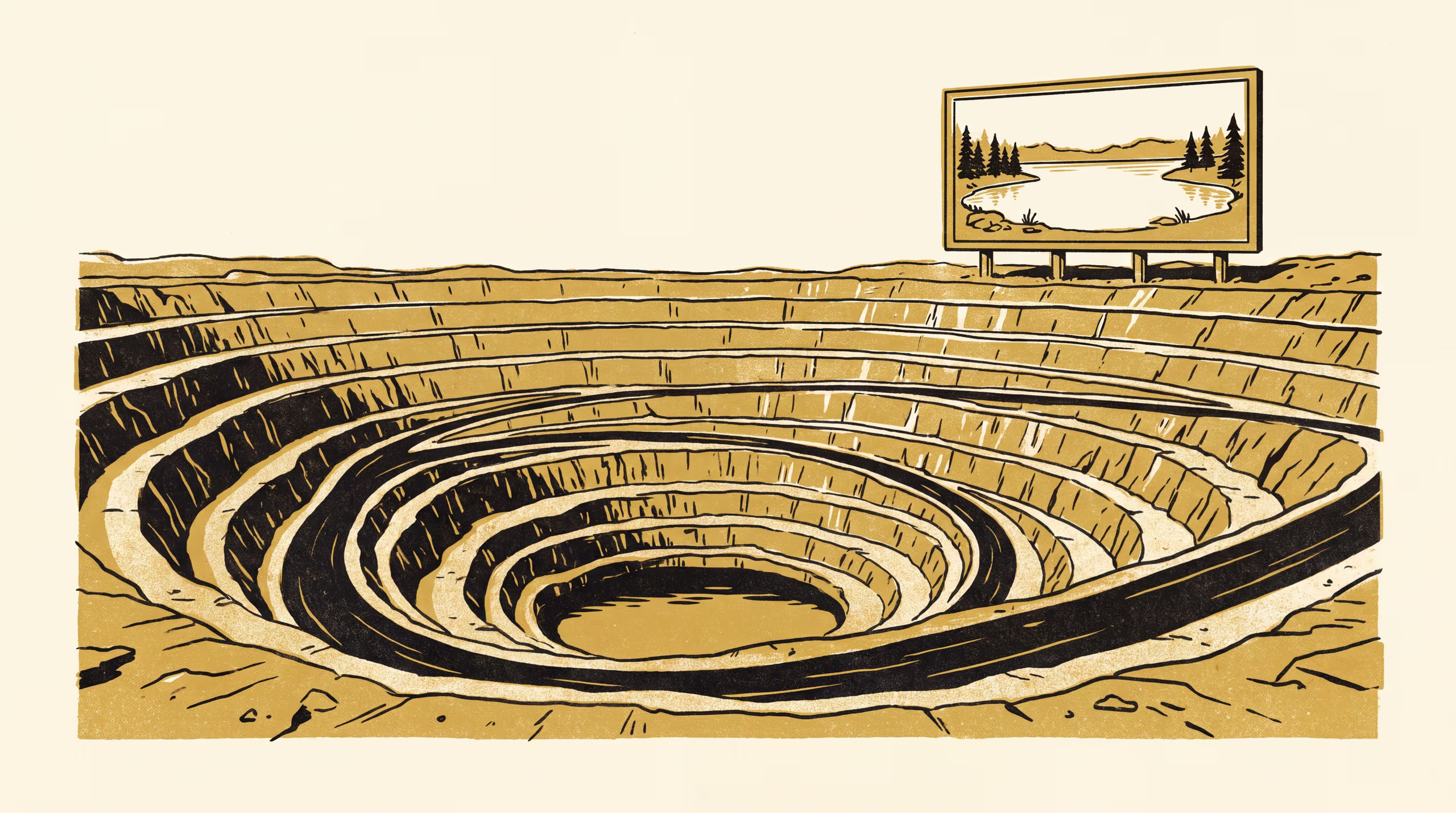
A research poster from the School of Underlying Conditions finds that the lakes and wetlands quarry operators promise for their worked-out pits change more often than the pits do, and that the accounts tend to anticipate the change.
A paper from the School of Emergent Priorities finds that first-time exporters who hold a fixed price for longer win more first orders from overseas buyers, and lose more of those buyers at the next quotation.
A paper from the Schools of Emergent Priorities and Continuous Improvement treats the placement of high-dose spheres in lattice radiotherapy as a packing problem, and finds that the number placed depends on the grid's starting point as much as on its shape.
22 October 2026
A new research poster from the School of Underlying Conditions shows that boring more auger holes can make a soil boundary look more certain without making it any more real.
A new research poster from the School of Emergent Priorities follows folders marked 'do not delete' through three organisations' moves to a new records system, and asks where the ones nobody would appraise ended up.
The School of Continuous Improvement's Impact Report 2021-2026 traces five years of work on how transdermal patches are judged in wear, and what that work changed in the School itself.
A new paper from the School of Underlying Conditions shows that a storage audit's power to notice a contiguous stretch of lost data depends on how many separate places it looks, and proposes that every audit report state what its pass can certify.
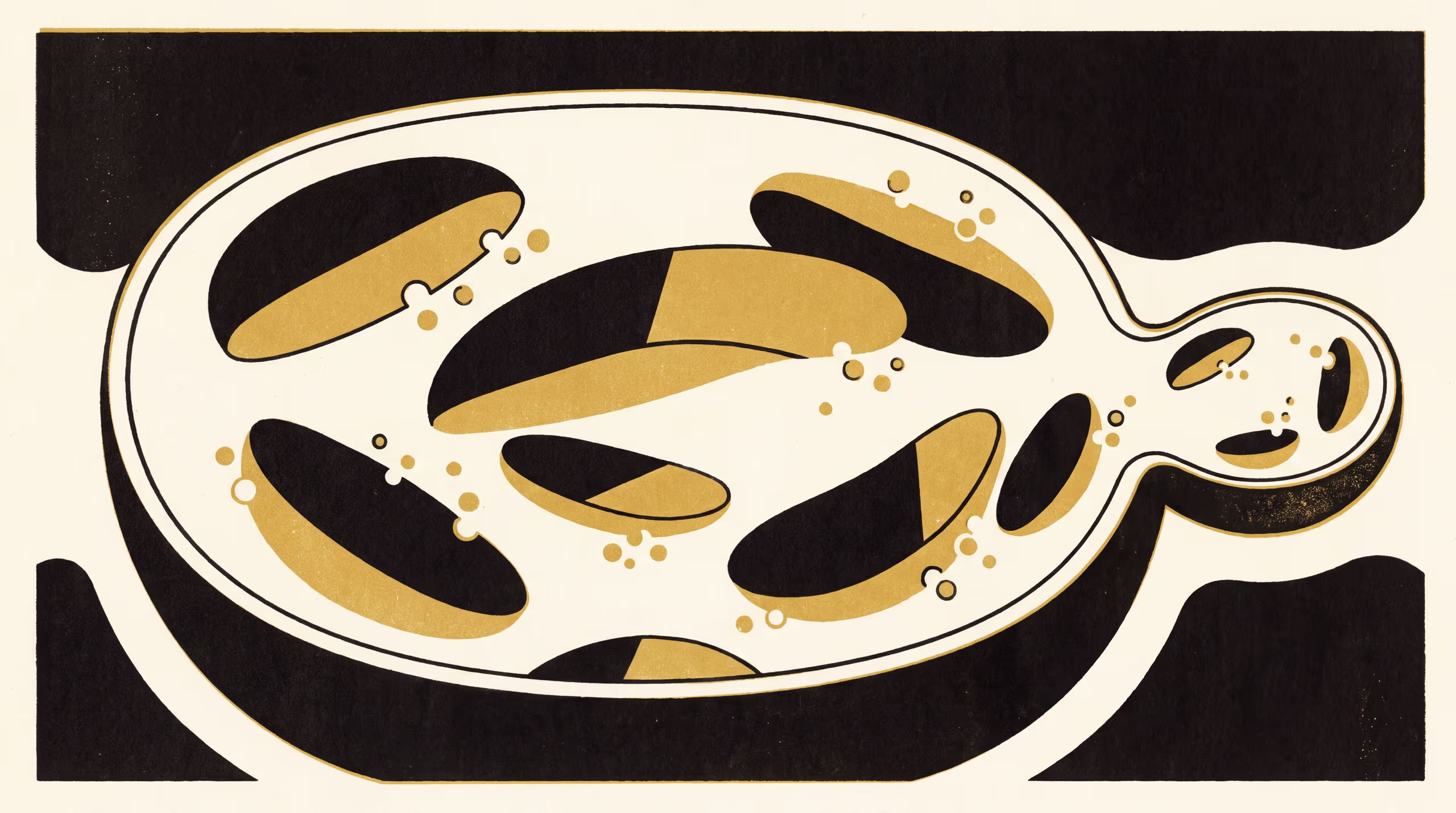
A new research poster from the School of Underlying Conditions follows single maturing Golgi cisternae in a budding-yeast reporter strain and asks how quickly each one hands over from its early identity to its late one.
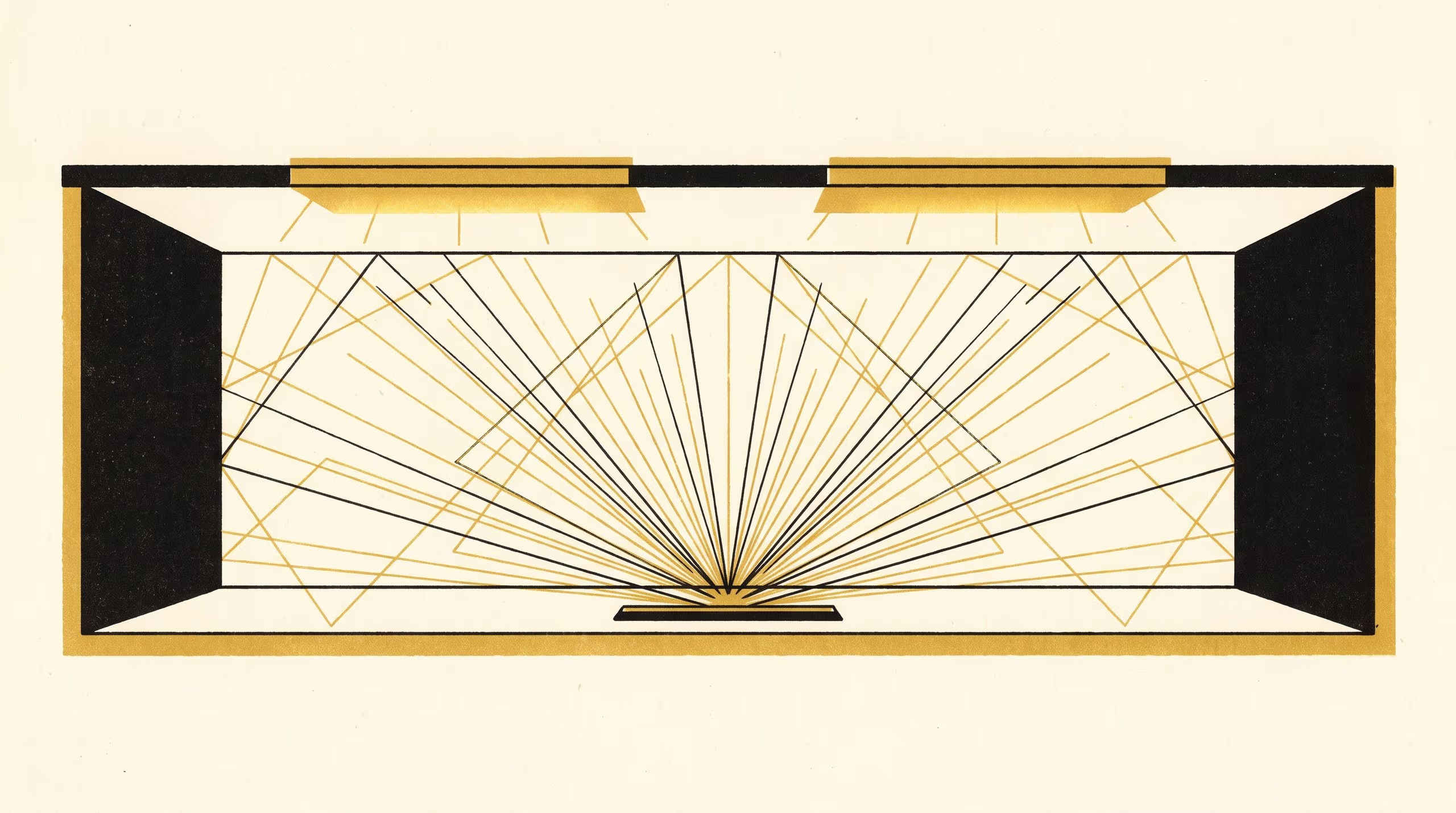
A paper from the School of Emergent Priorities treats the division of a Monte Carlo ray budget among an enclosure's surfaces as a sampling-allocation problem, and finds that smoothing moves the best design onto the target surface.