Research-led, metrics-forward, and continuously improving. News from the Office of Research Outputs.
25 October 2026
A research poster from the School of Continuous Improvement records the pupils of 72 new staff learning to clear a printer jam from fully worked, faded and problem-only instruction cards, and finds the effort arrives at the first step the card leaves out.
The School of Continuous Improvement has published a case-for-support brochure inviting donors and partners to back the University's work on carbon dioxide catalysis.
A research poster from the School of Underlying Conditions finds that the molybdate reagent carried on groundwater rounds gives up its water with the summer heat rather than with age.
A doctoral candidate in the School of Continuous Improvement brings the doctrine of kenosis to the formulation bench, where drug carriers are designed to give themselves up.
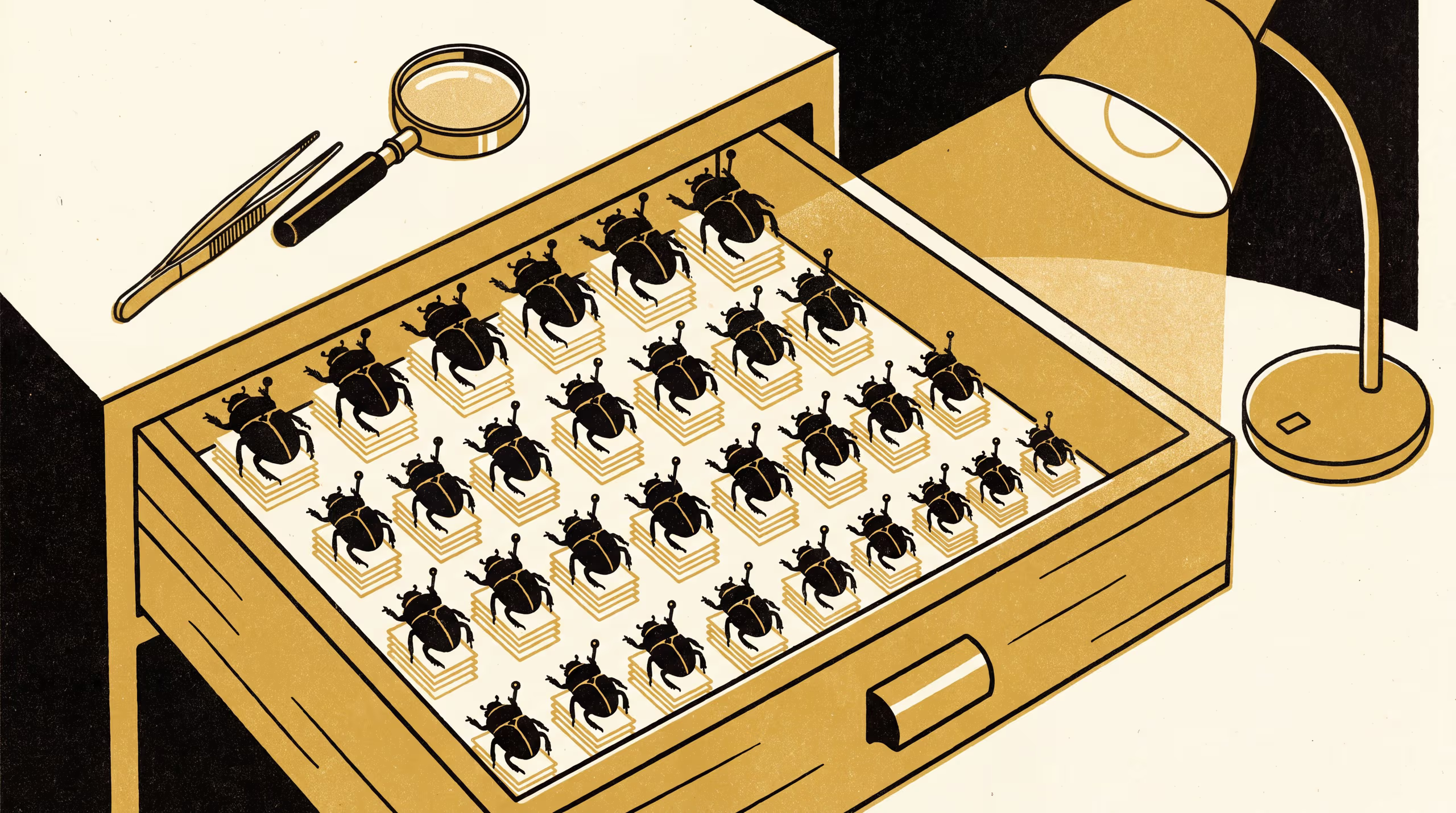
A research poster from the School of Emergent Priorities reads 3,906 specimen labels in one regional dung-beetle collection as a medium, and finds a species' range redrawn whenever a new determination slip is added beneath the beetle.
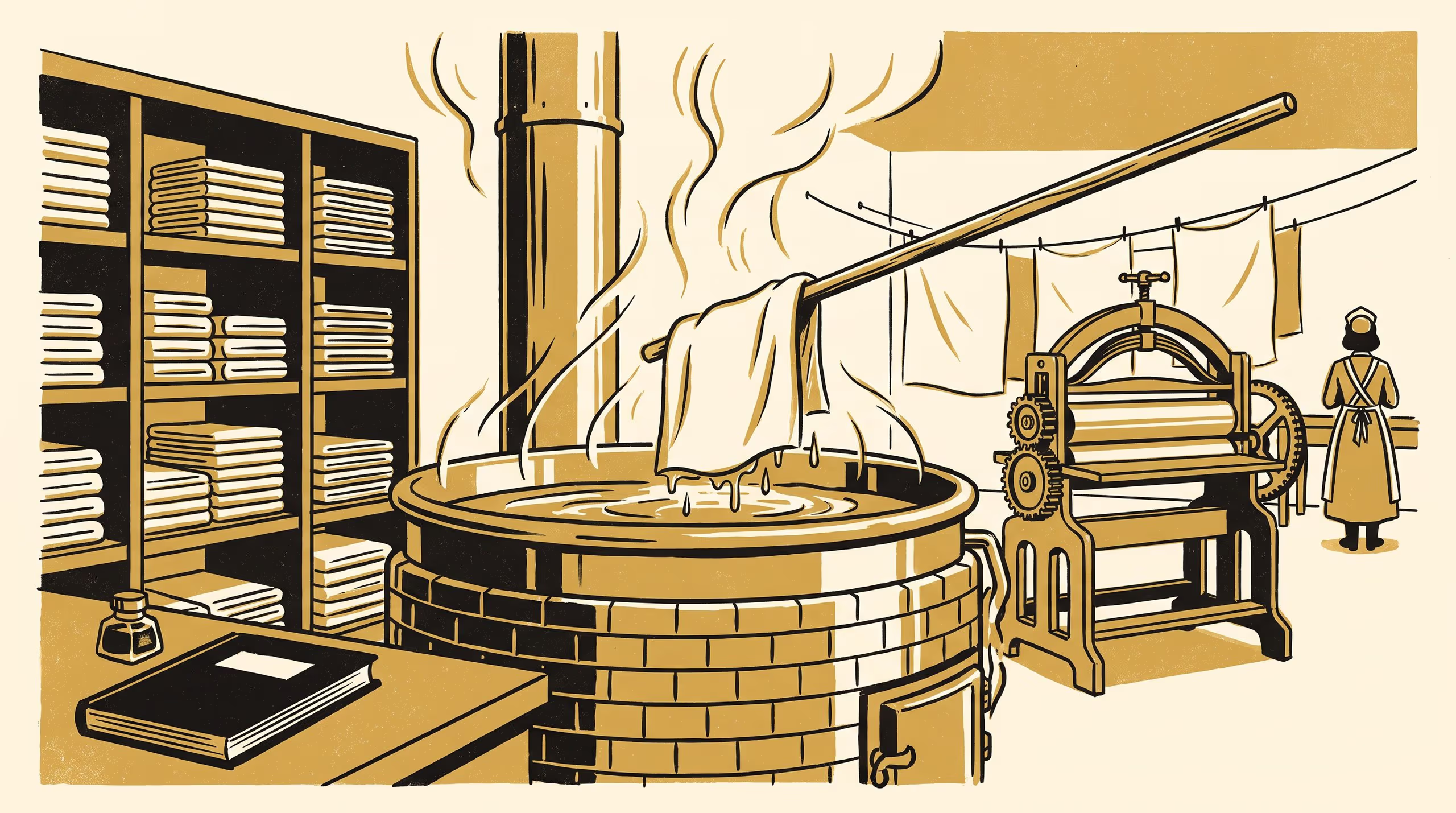
A paper from the School of Emergent Priorities follows four decades of a cottage hospital's linen committee minutes alongside its matron's laundry book, and finds the hospital's hygiene arriving by requests the committee left to lie on the table.
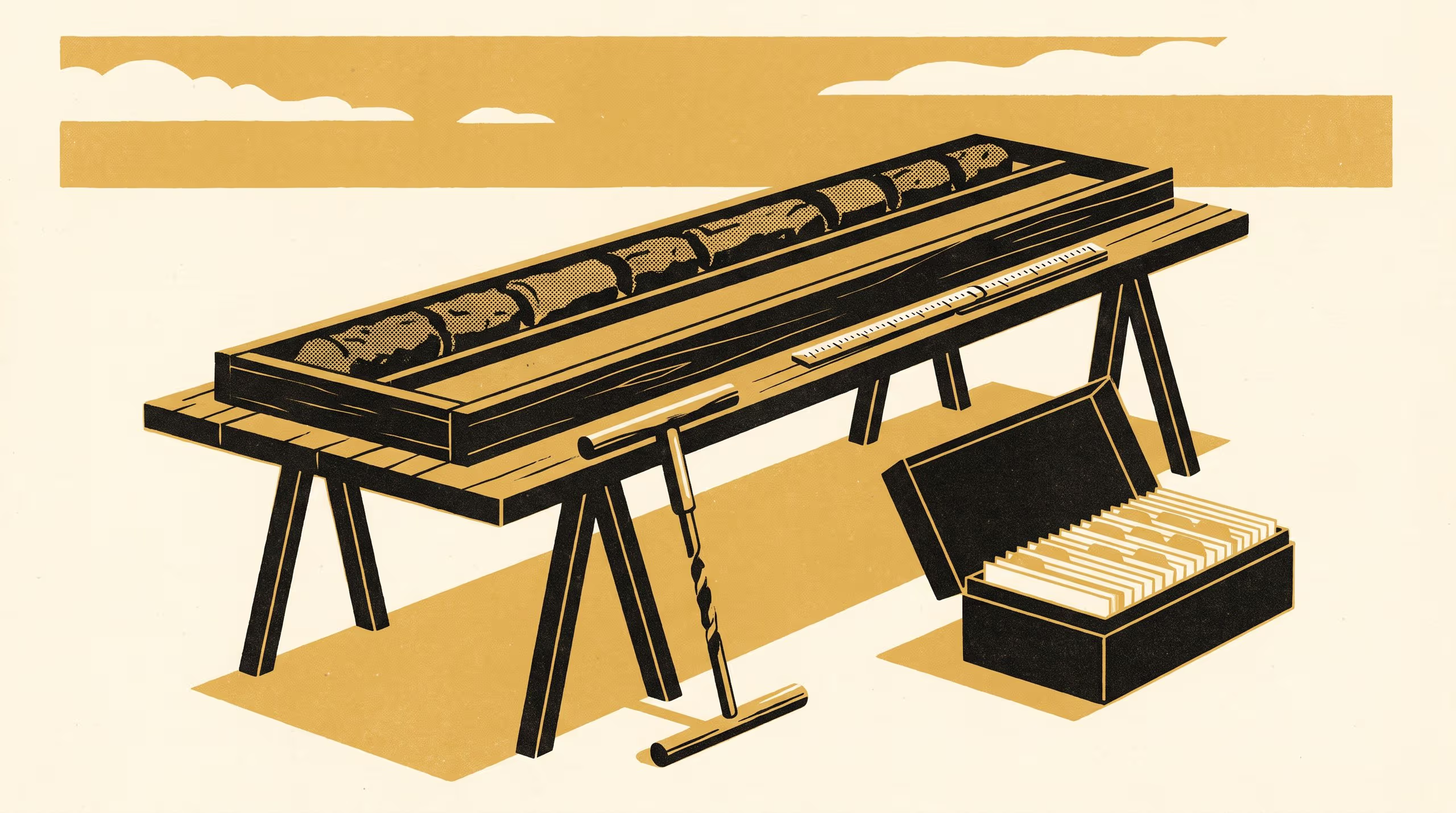
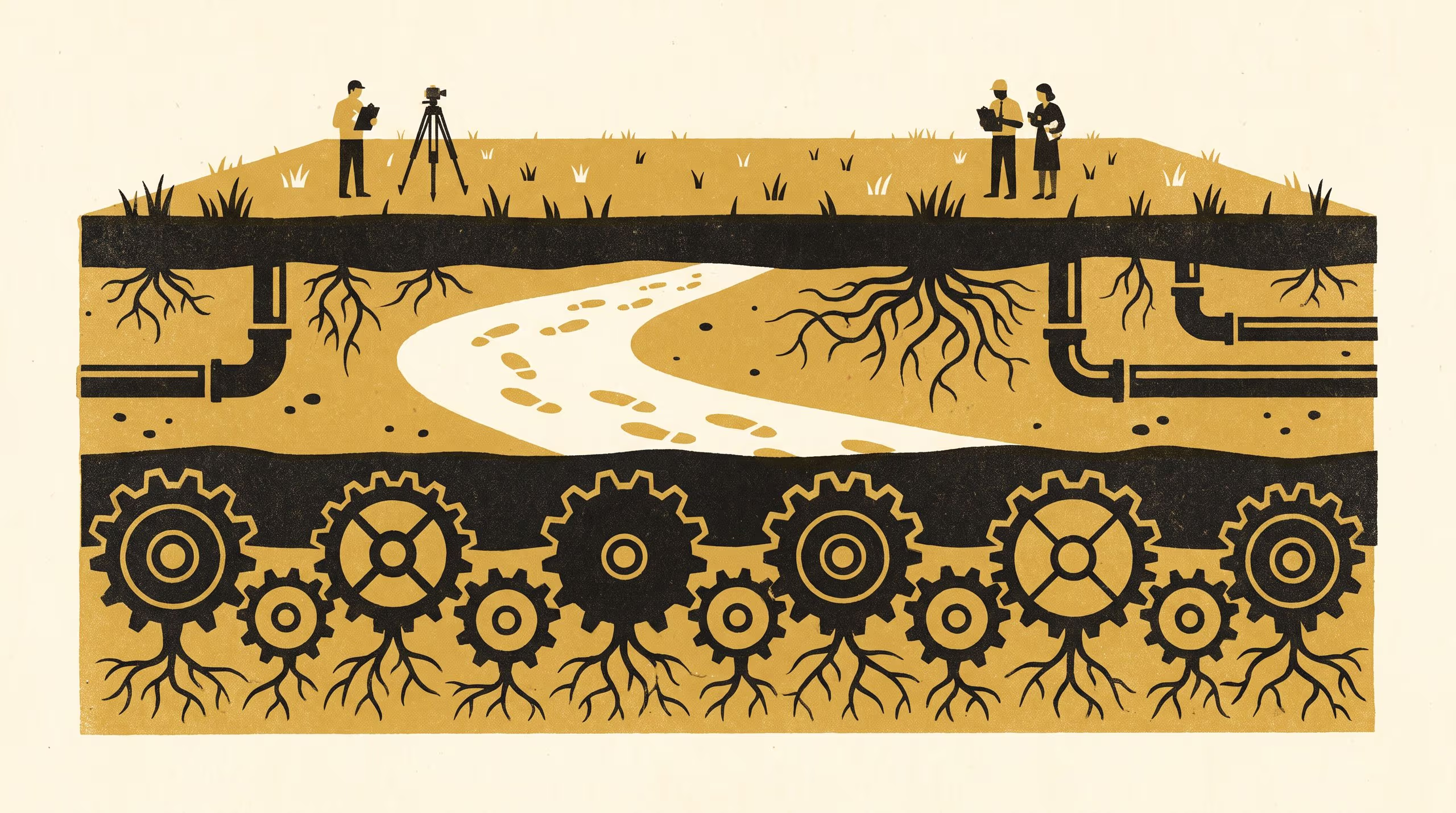
The Office of Research Outputs awards Dr Bram Ntuli the Deposit of the Quarter Prize for the repository record behind The Uneven Lift, which files 212 hand-auger holes lift by lift as the auger took them.
A paper from the School of Underlying Conditions finds that views straight down narrow shafts grow more uneasy with depth, but become beautiful only when there is water at the bottom to keep in sight.
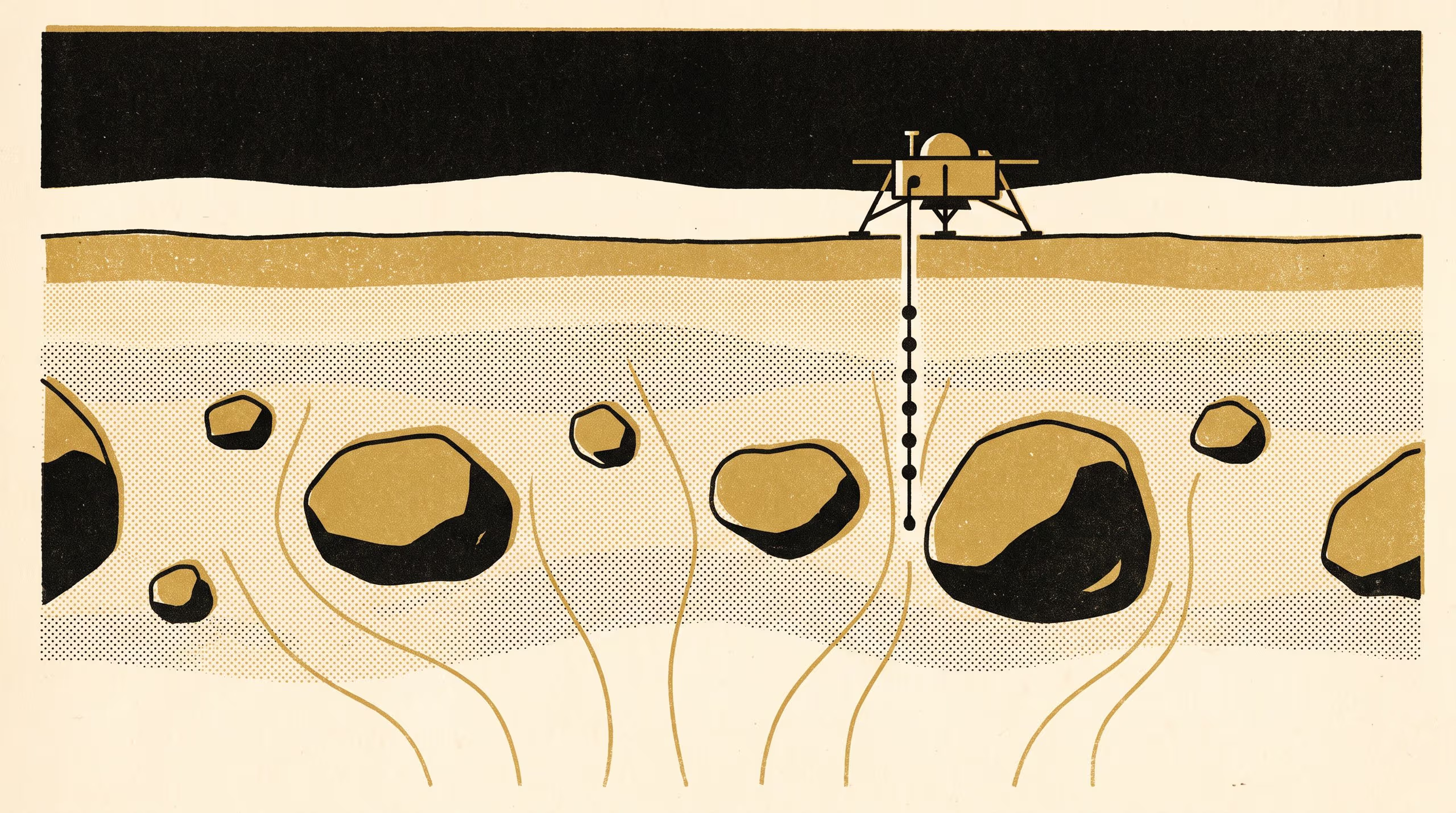
A School of Underlying Conditions paper asks how much of a planet's interior one heat-flow probe can speak for, and finds the answer is set less by how long the station records than by the ground beside the hole.
A paper from the School of Underlying Conditions reconstructs how an anonymous hand-computed table of the Theis well function was made, and finds two people, two methods and a division of labour that followed the ruling of the page.
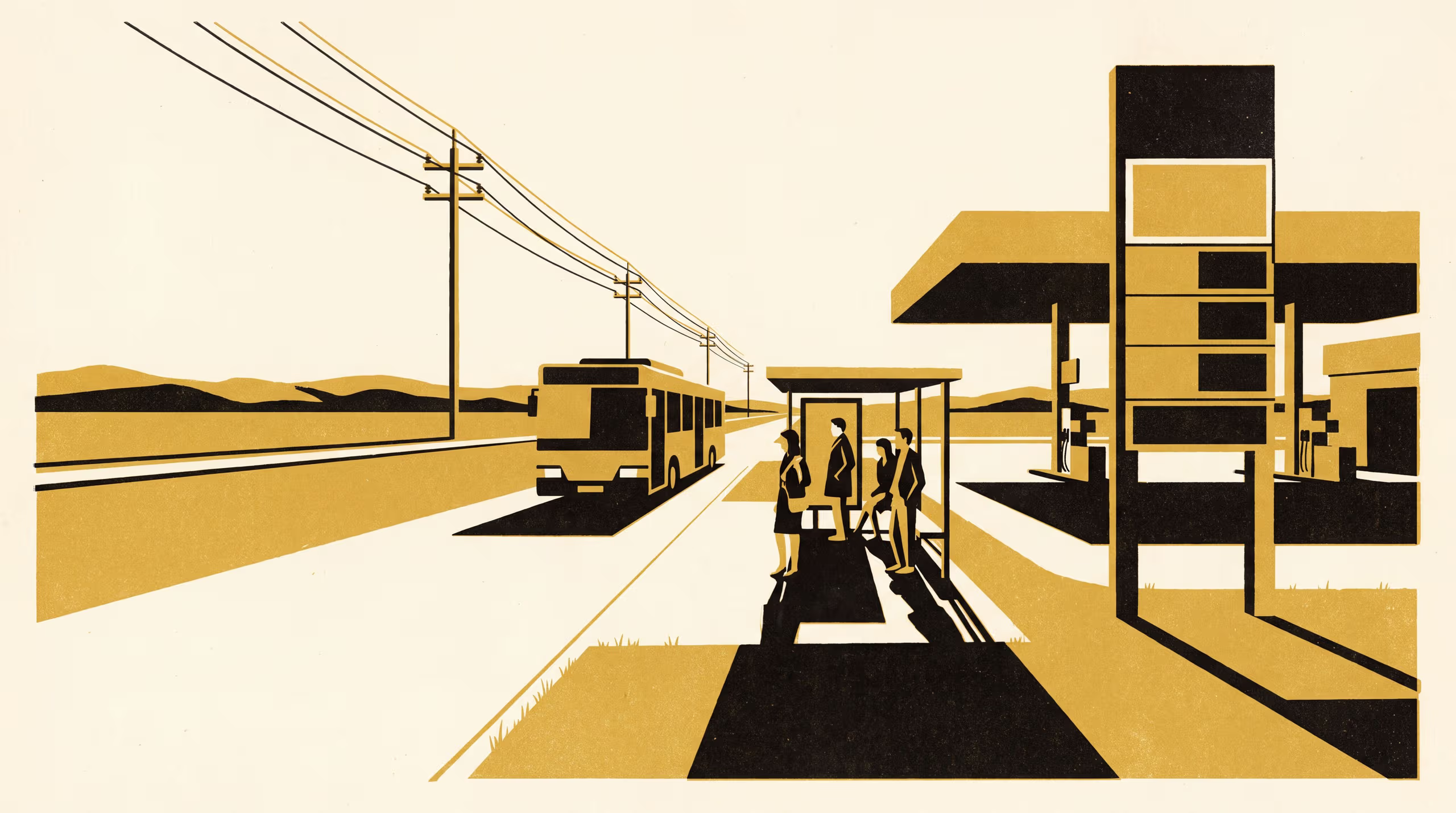
A new campaign for the Capability Sprint Deciding Under Measurement places executive education in energy and transport policy at the end of a suburban bus route.
The School of Continuous Improvement's new campaign for the Master of Applied Measurement invites prospective students to study the empirical, the actual and the real.