Research-led, metrics-forward, and continuously improving. News from the Office of Research Outputs.
26 October 2026
A paper from the School of Emergent Priorities traces how a stopgap switch from gel to dry-electrode caps reshaped participation among autistic and non-autistic adults in one EEG laboratory over three years.
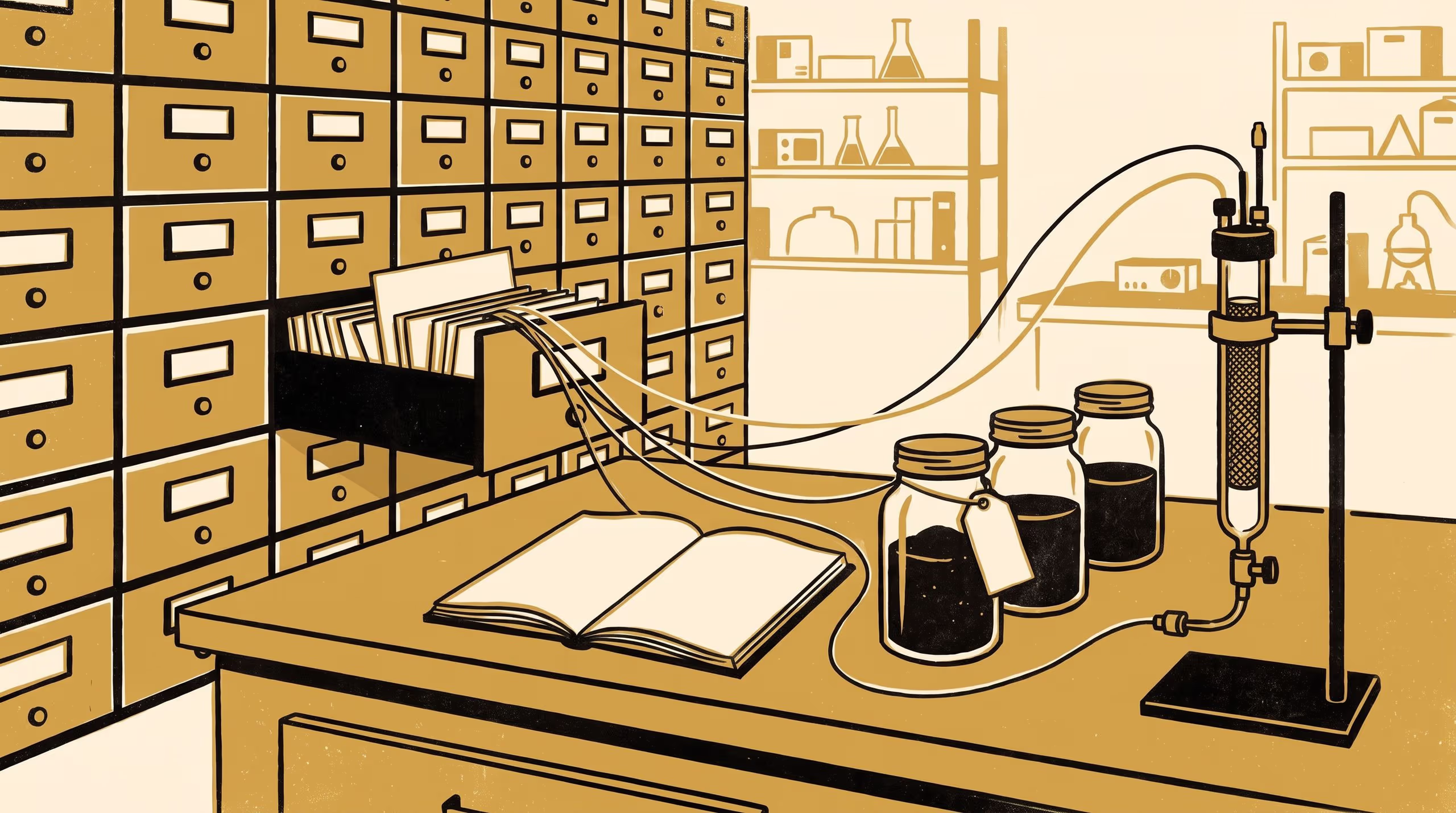
A paper from the School of Emergent Priorities catalogues 731 copper catalysts from the methanol literature with the library's reference model and proposes what a catalyst authority record should hold.
A research poster from the School of Continuous Improvement finds that the nuptial gift carried by swarming males of an undescribed dance fly tells two hidden forms apart where dissection does not.
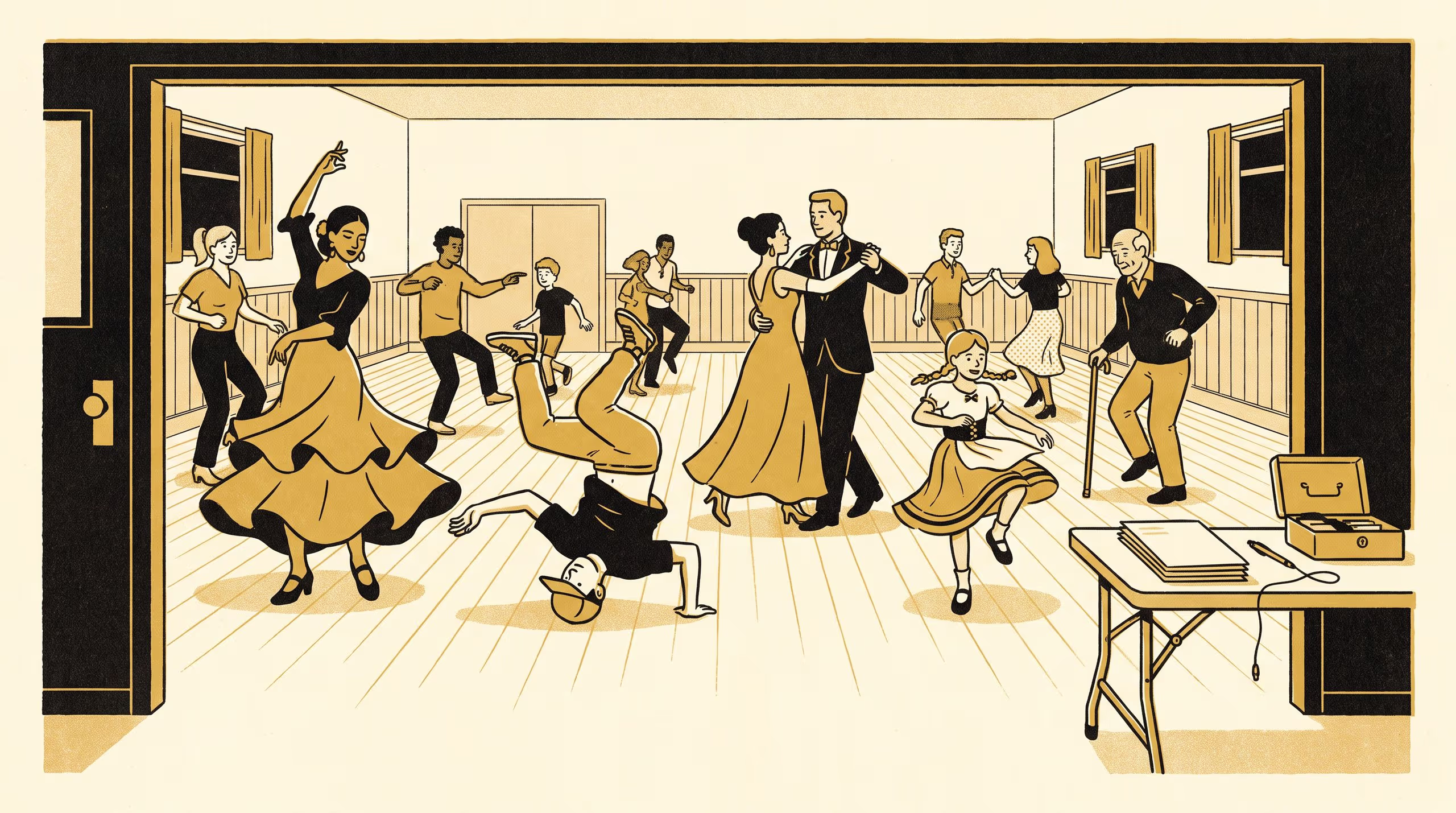
A new portrait signage campaign announces a Futures in Committee public session on the styles a community dance studio's enrolment form never listed, and what becomes of the words its newcomers type in their place.
A paper from the School of Emergent Priorities codes the words participants used for the threshold sensation in seven ear-stimulation studies and finds those words identify which ear was stimulated.
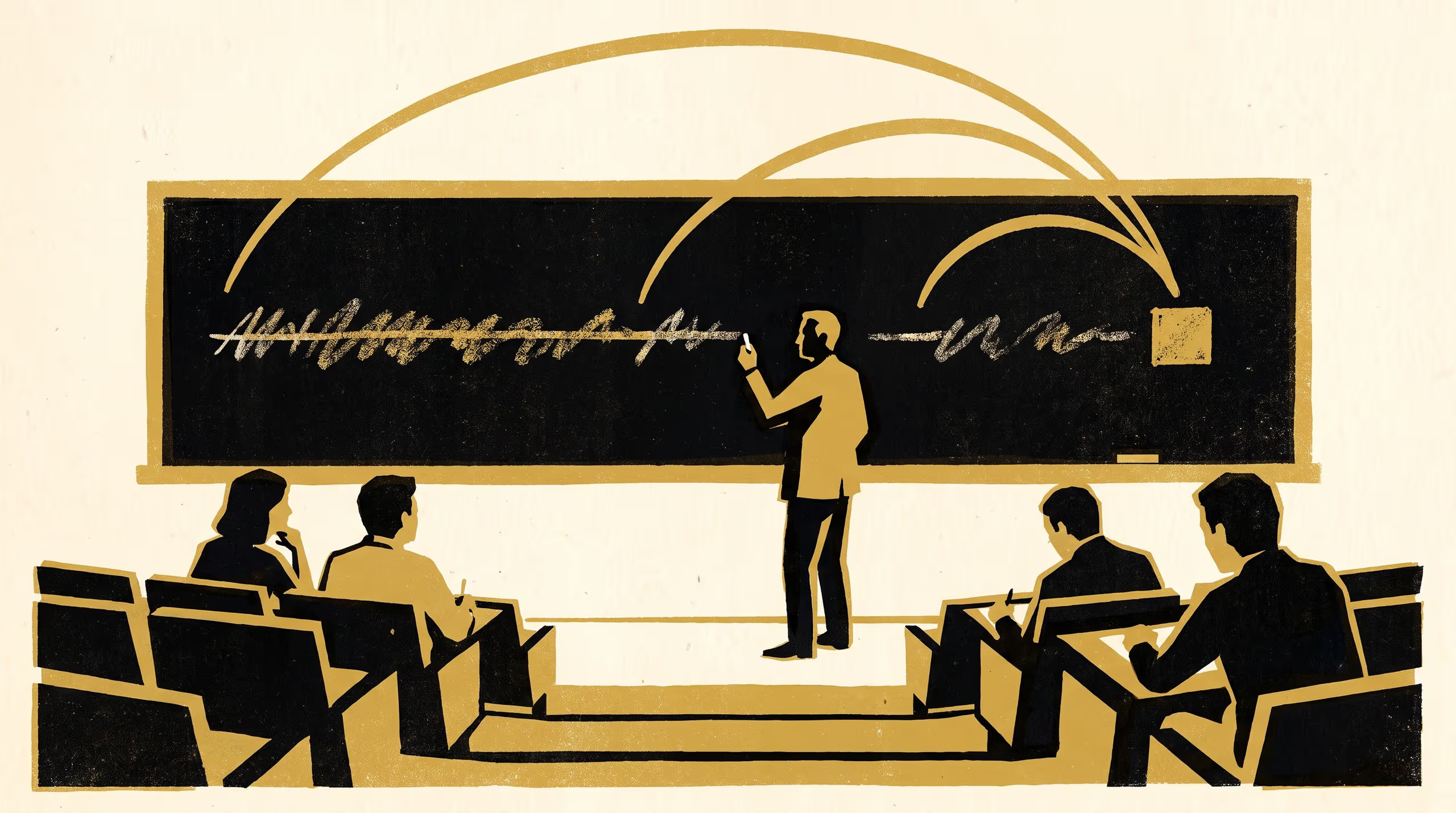
A research poster from the School of Emergent Priorities listens to a department's recorded analysis lectures as music and finds lecturers slowing at the turn of a proof rather than at its close.
25 October 2026
A paper from the School of Emergent Priorities brings the methods of art history to 2,316 unsigned micrographs from a failure-analysis laboratory's reports on copper interconnects, and traces how a picture of where a line failed became a picture of what a failure looks like.
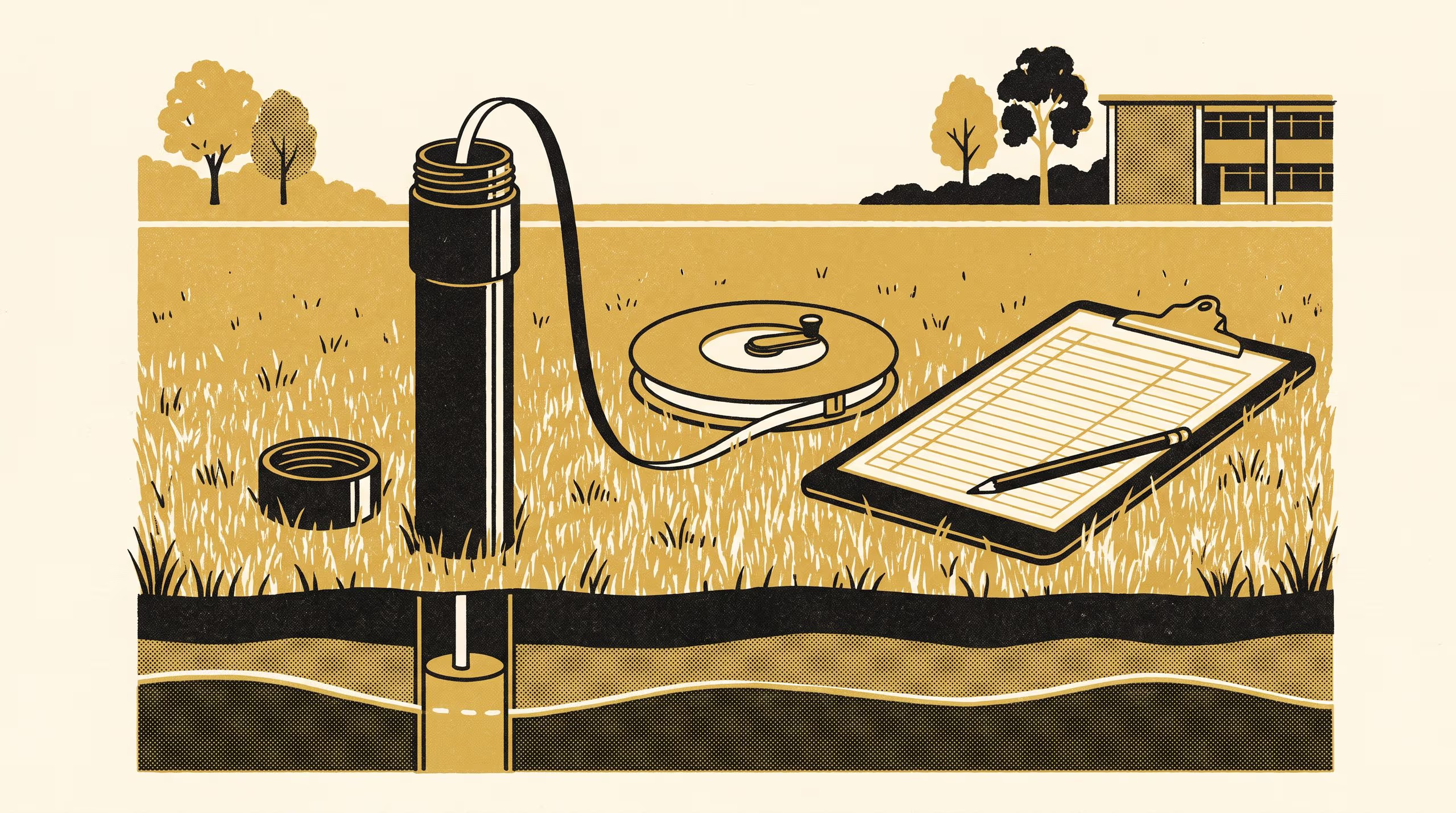
A paper from the School of Underlying Conditions and the School of Continuous Improvement follows three Year 9 classes through a term of weekly readings from a monitoring bore on their own school oval, and compares how they draw the ground beneath it before and after.
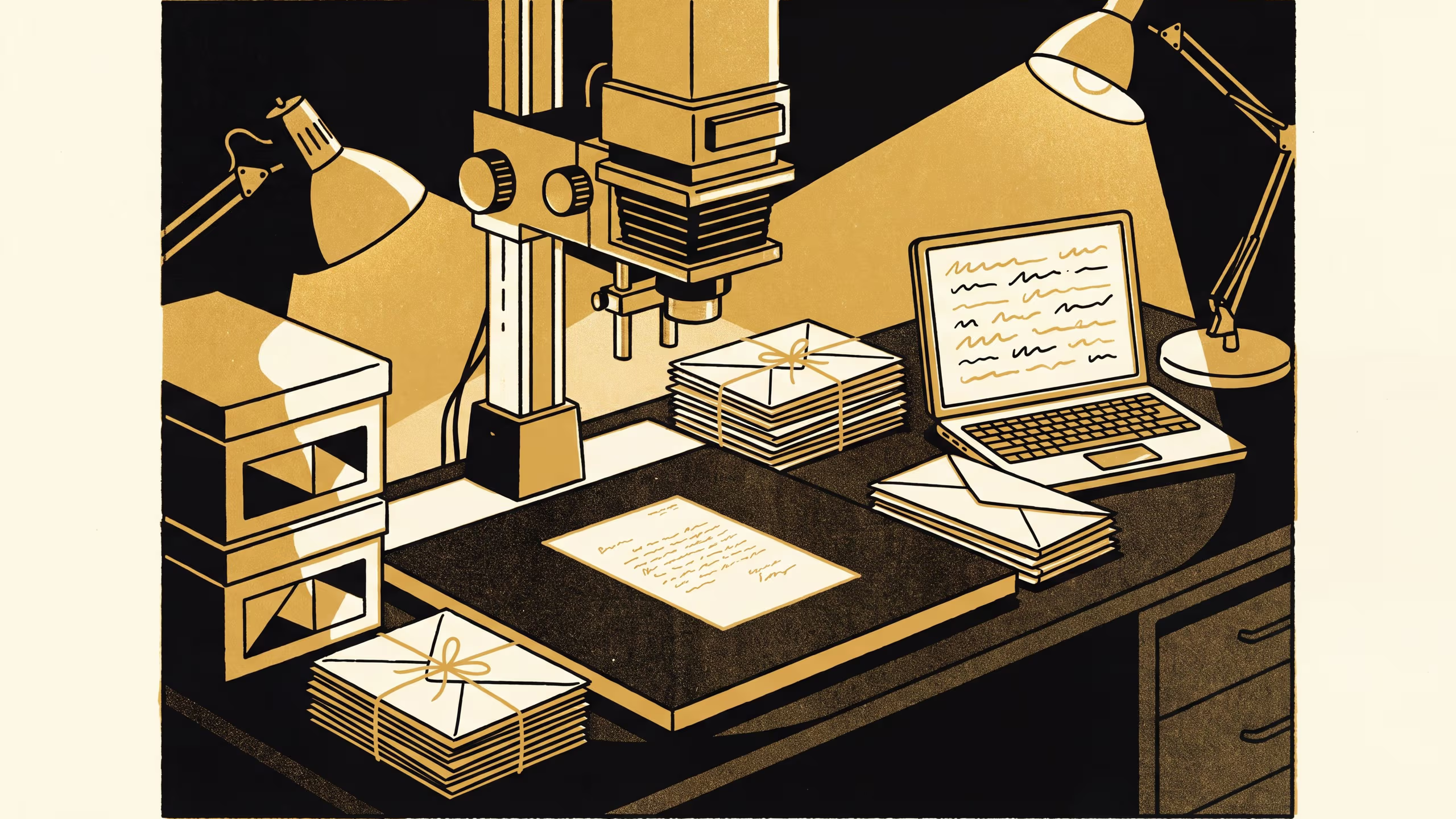
A new research poster from the School of Underlying Conditions asks whose names a transcription model can give away once it has learned to read a community's correspondence, and finds the answer was settled by the community's own writing habits long before training began.
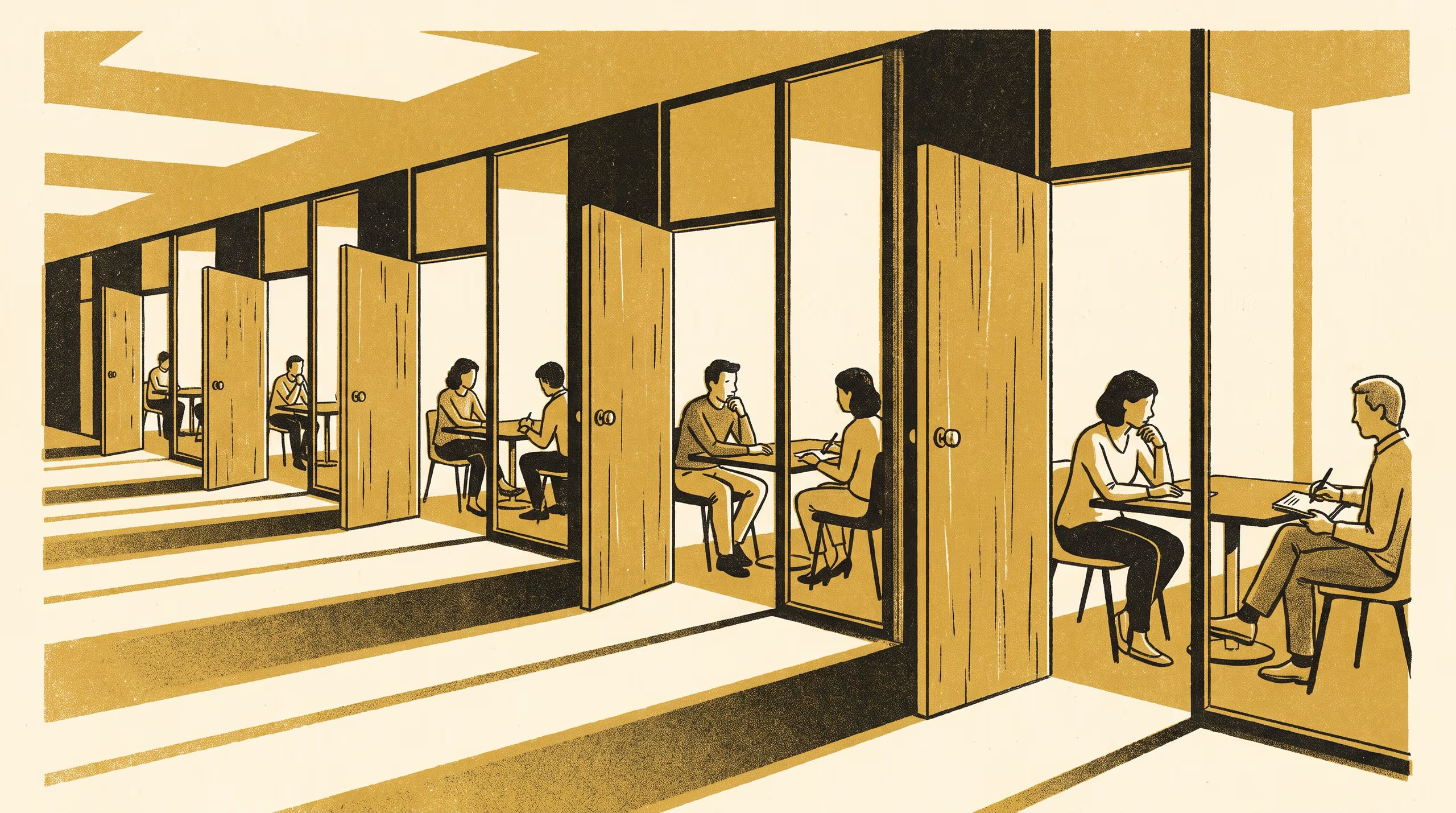
A new prospectus presents three University programs that learned their methods from the consulting room, from the case conference to the fixed-length session.
A new research-showcase brochure sets the University's photocatalysis work in the ground it comes from, across the core shed, the monitoring bore, the creek and the laboratory logbook.
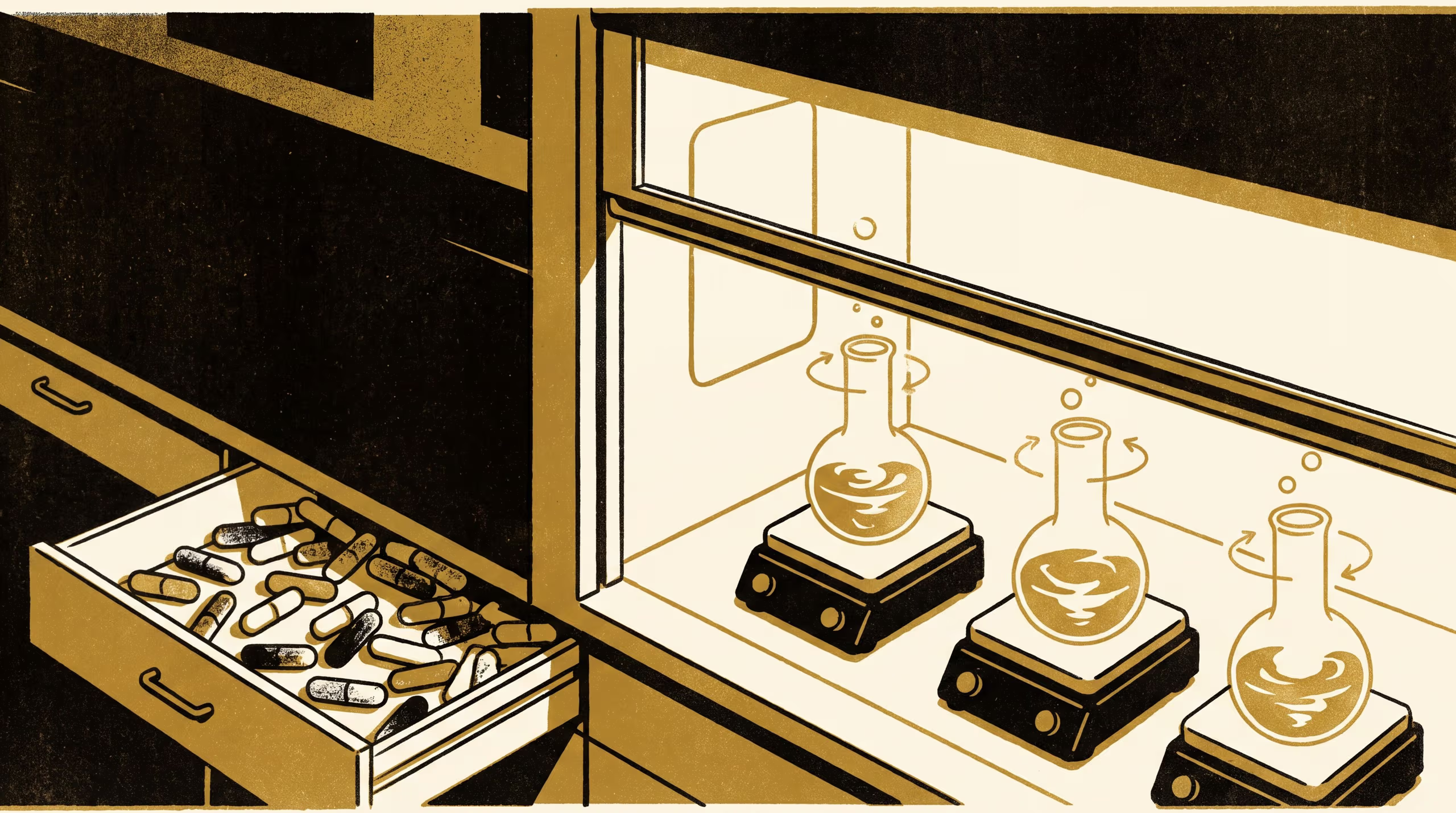
A new research poster reads one organometallic group's drawer of retired stir bars as a record of its chemistry, and finds that a third of its unexplained metal-free results reproduce only with the bar that stirred them.