Research-led, metrics-forward, and continuously improving. News from the Office of Research Outputs.
20 November 2026
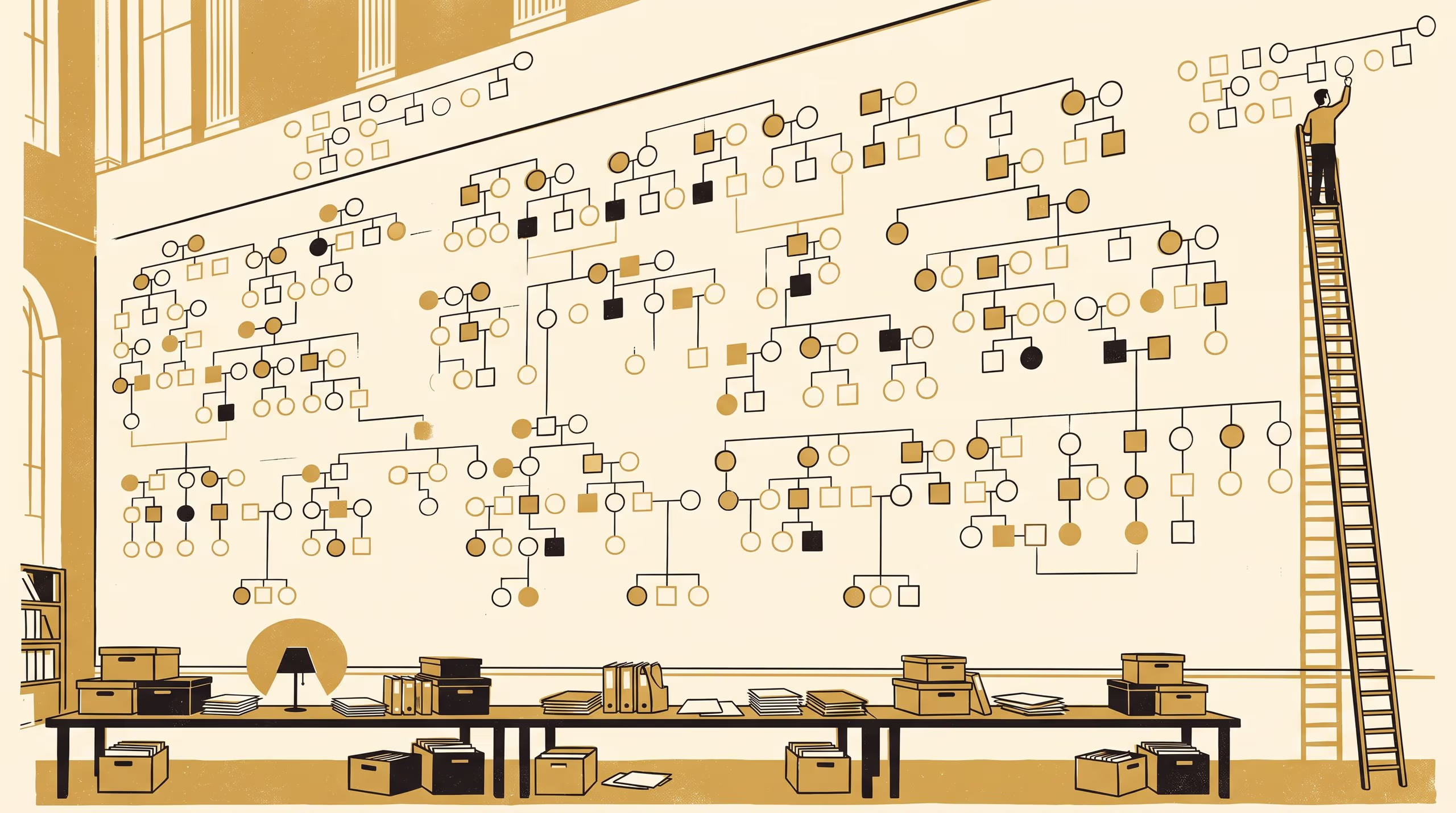
A new campaign for the University's portrait screens presents the School of Emergent Priorities' research on inherited neurological conditions as work planned across generations, and invites passers-by to read the record behind it.
The School of Emergent Priorities has published Decisive Moments, a prospectus inviting prospective postgraduate students into its Masters program, its Horizon Register and its seminar series.
A new research poster turns 2,964 patients' own descriptions of their tinnitus into a seventeen-term controlled vocabulary, finding that the words for the sound have held since 1985 while the things it is compared to have not.
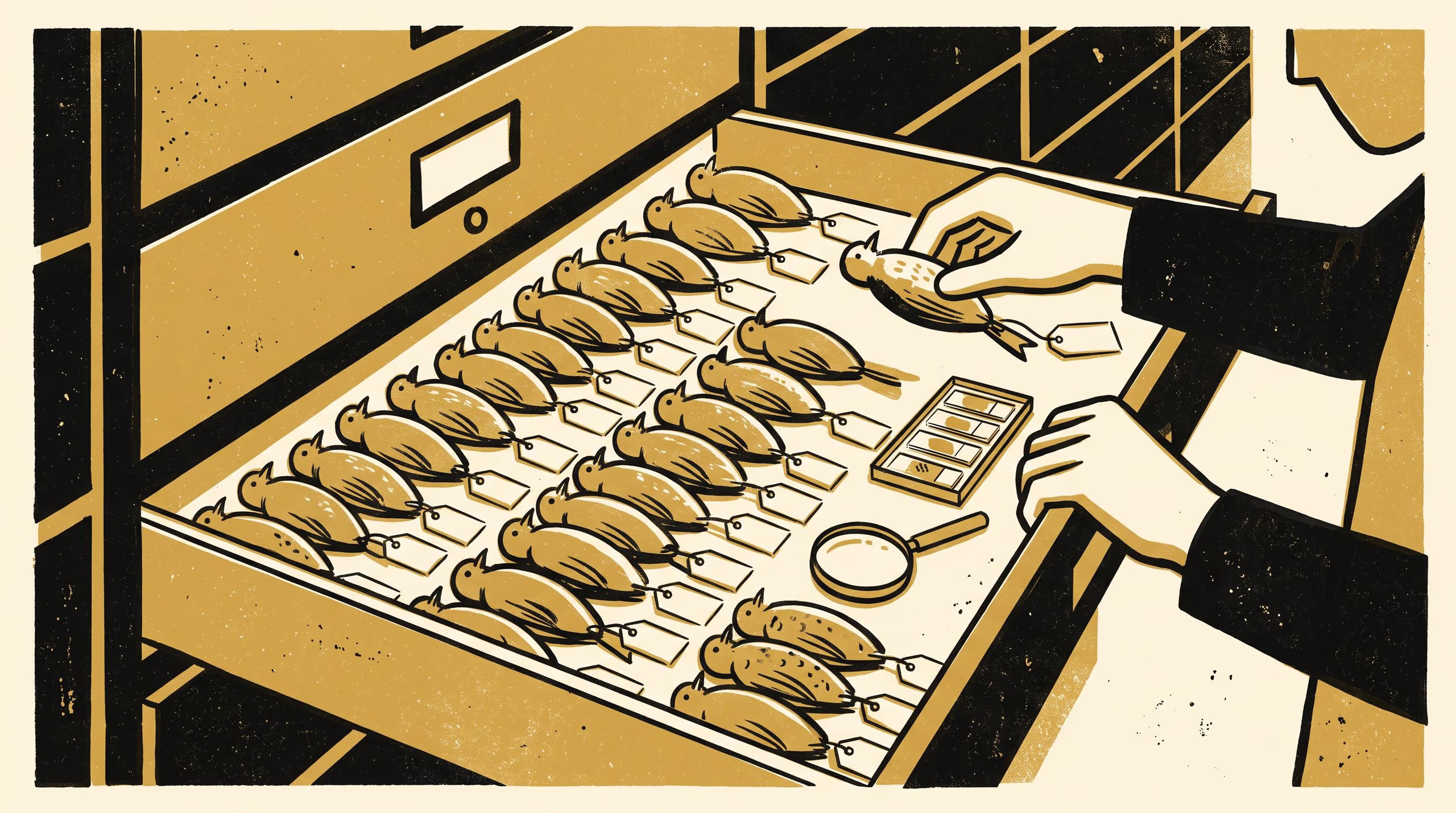
A research showcase led from the School of Settled Matters brings together the University's work on wild birds and the lives they carry, from fieldwork at water points to the records that fix a parasite's host.
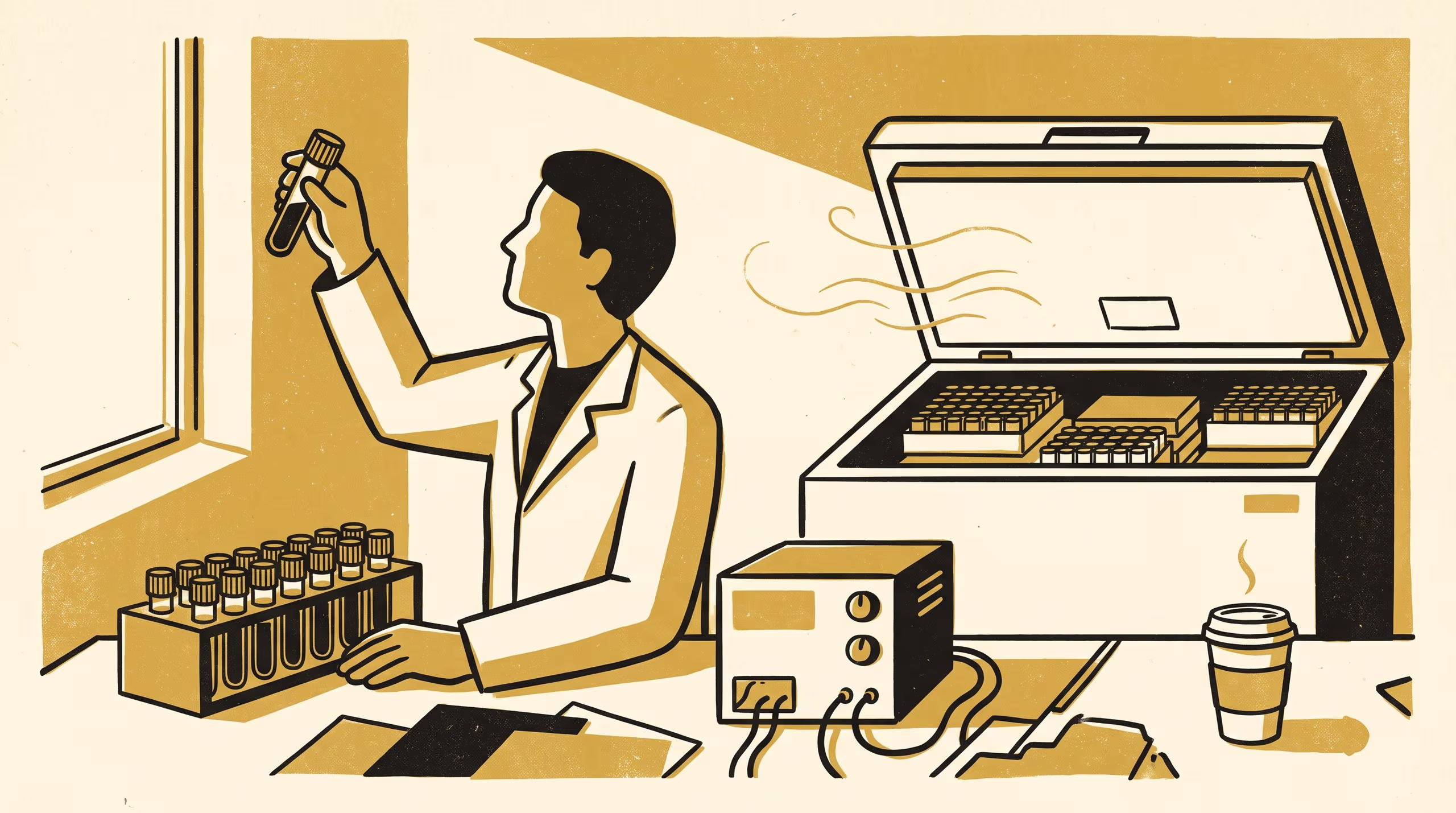
A new paper rescreens the drug-free donor blood a toxicology laboratory used to calibrate its methods for twelve years, and finds that every lot carried something its donors had taken.
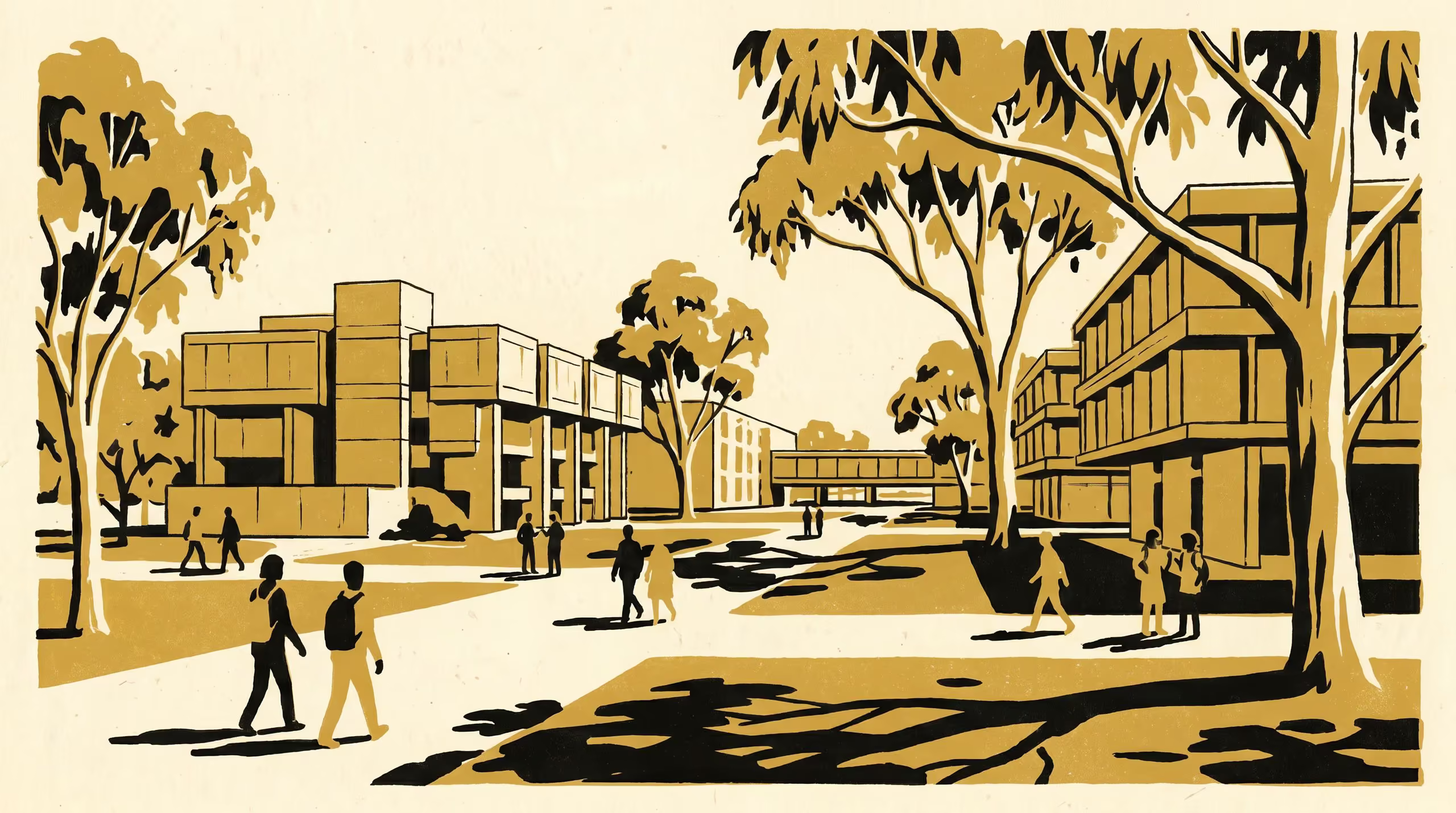
A new brochure from the School of Underlying Conditions introduces the towns, councils and volunteer groups beside the University to the places its researchers turn up first, and to the work that came of it.
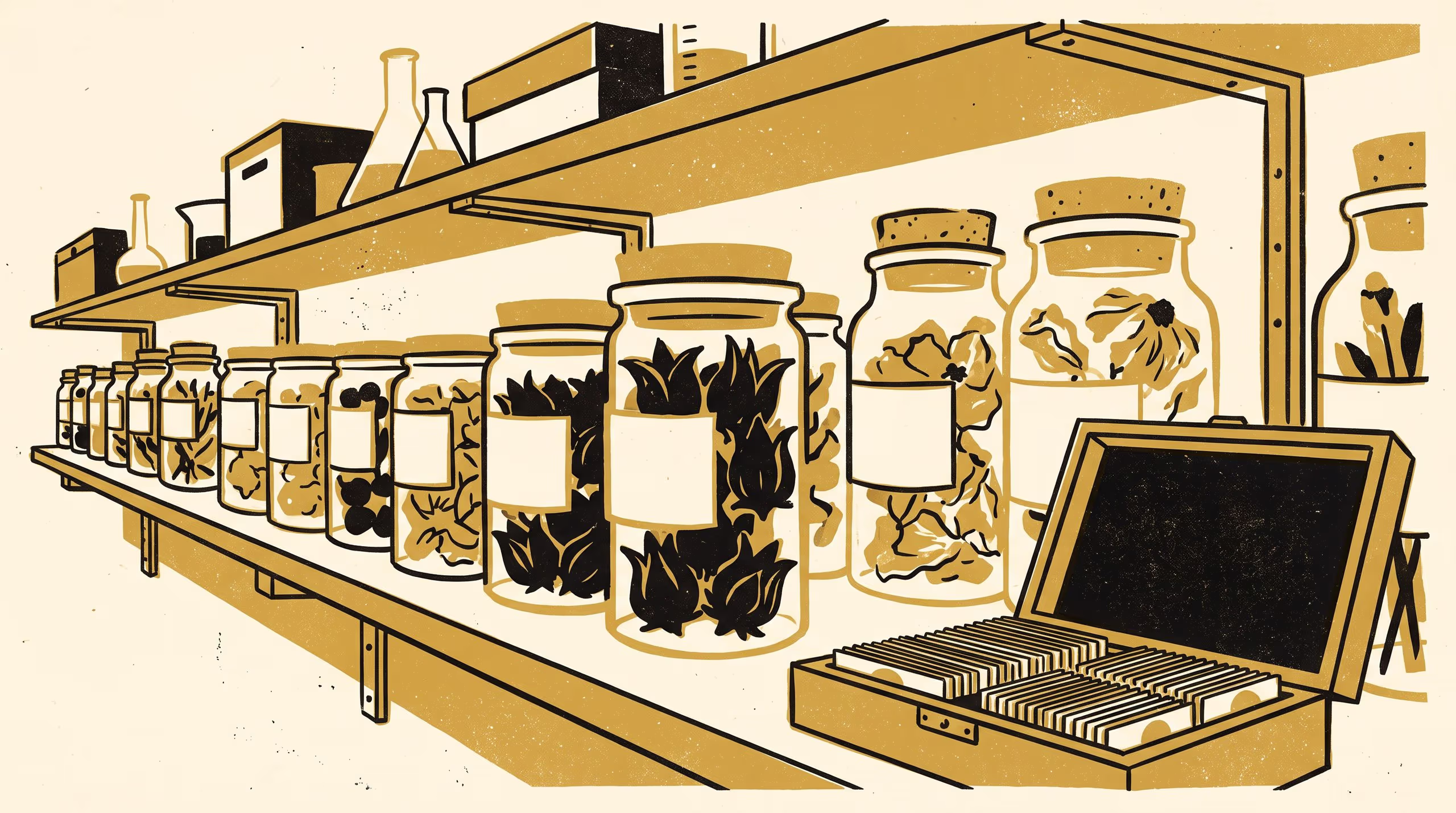
A new research poster authenticates 38 jars labelled for hibiscus in a pharmacognosy teaching cabinet and uses three decades of archived practical slides to date the refill at which 13 of them came to hold another plant.
Slop University's Strategic Plan 2026-2031 sets out how every graduate will learn to state an estimate, its uncertainty and the sample behind it, beginning with a common first-year unit taught from a casebook of worked numbers.
A new research poster from the School of Settled Matters follows a drone-borne single-photon lidar across nine flights and finds that the ground beneath a closed canopy comes back far more clearly once the sun has gone down.
A new paper builds a computational model of the hallucinations that can follow a loss of sight, and finds that in the model they clear fastest when the input is gone entirely and linger longest when part of it remains.
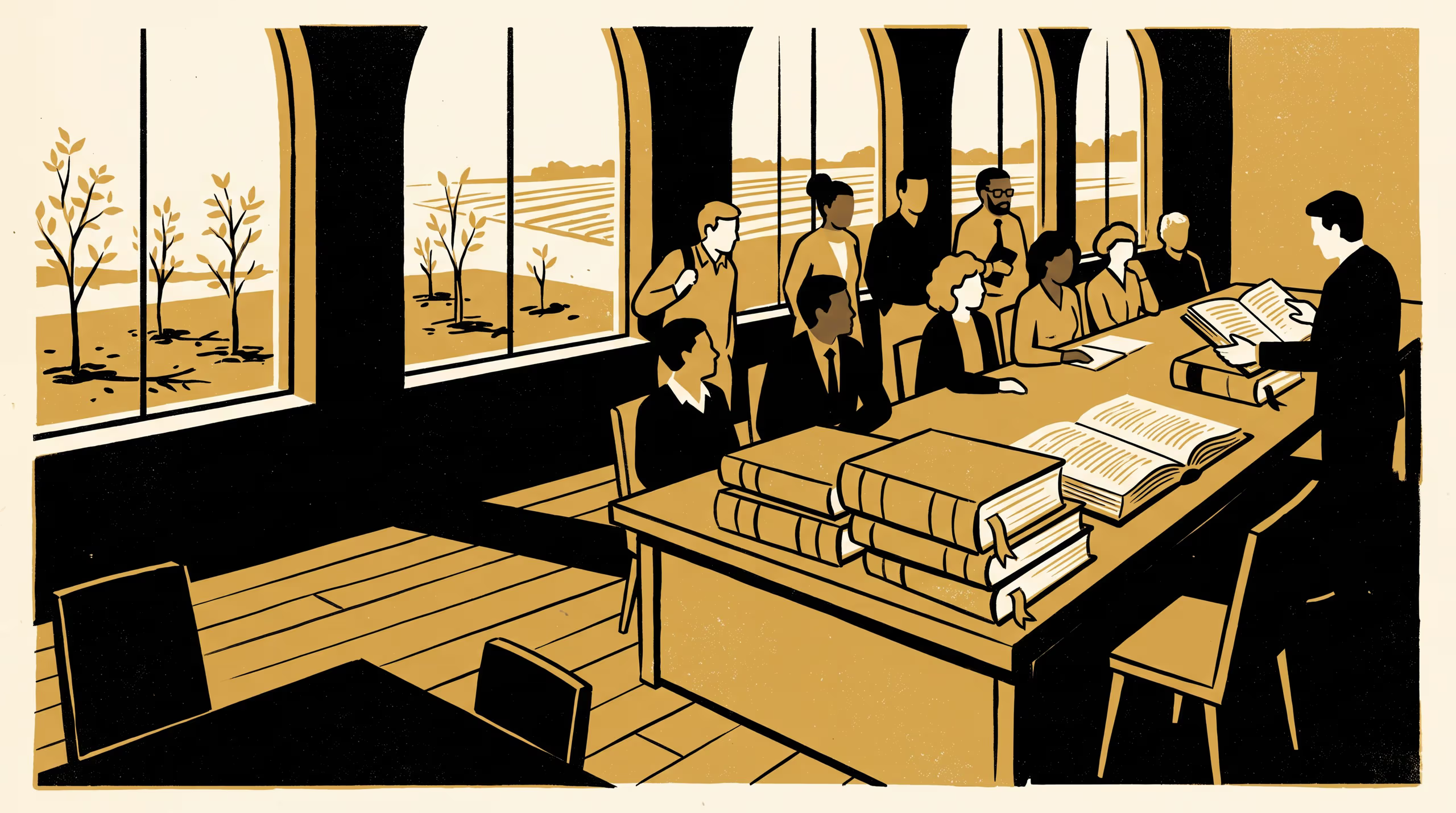
A new display campaign from the School of Settled Matters invites the public to watch the Received Readings Group read "sustainable development" through the decided cases.
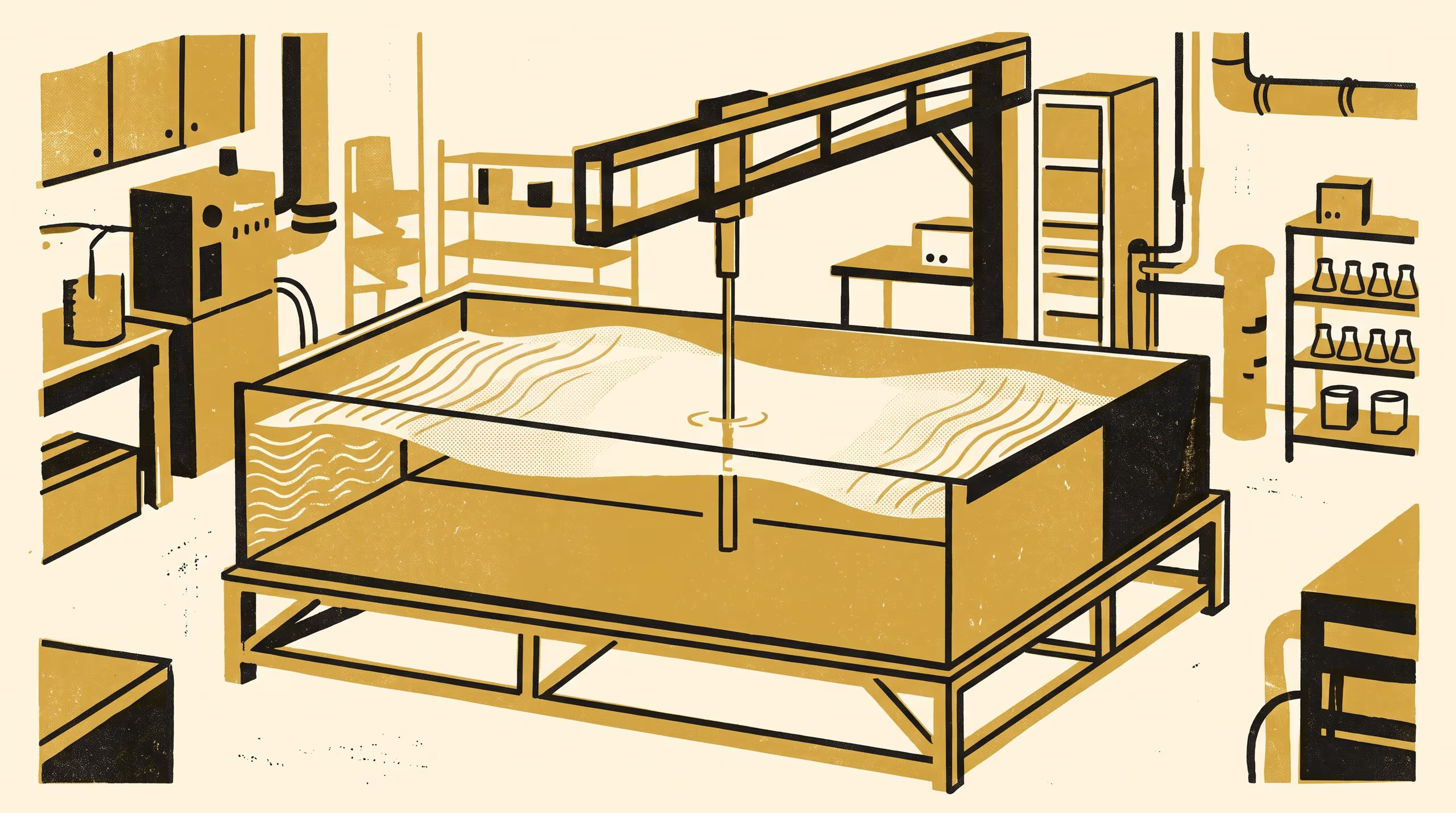
A new physics paper measures how long the water in a radiotherapy scanning phantom keeps moving after its detector carriage stops, and finds the middle of the tank settles in under a minute while the edges take nearly three.